Understanding Keyword Research and Its Importance
Keyword research is the process of discovering and analyzing the words and phrases people enter into search engines when looking for information, products, services, or solutions. It helps businesses understand what their target audiences want and how they can create website content that matches those interests.
An SEO expert uses keyword research to identify relevant search opportunities and determine which terms should be targeted through website pages, blog articles, product descriptions, and local landing pages. This process provides a foundation for developing an organized SEO strategy instead of publishing content based on assumptions.
What Is Keyword Research?
Keyword research involves finding search terms that are relevant to a business and evaluating their potential value. It includes analyzing search volume, competition, keyword difficulty, customer intent, and the relationship between different search phrases.
For example, a digital marketing agency in Georgia may discover that potential customers search for phrases such as SEO services in Georgia, local SEO agency in Atlanta, website optimization services, and professional keyword research. These terms represent different customer interests and may require different types of website content.
An SEO expert evaluates these searches to determine which keywords are most relevant to the agency’s services and business goals. The selected keywords are then organized into groups and assigned to appropriate website pages.
Effective keyword research helps businesses understand how their customers communicate online. It also makes content planning more strategic by identifying topics that people are already searching for.
How Search Keywords Connect Businesses With Customers
Search keywords create a connection between what customers need and the information businesses provide. When someone searches for a product or service, search engines attempt to display pages that best match the meaning and purpose of that search.
For businesses, understanding these searches creates opportunities to reach people at the right moment. A company that publishes relevant content and optimizes its website for appropriate keywords can become more visible to people actively looking for its offerings.
For example, someone searching for “emergency plumber in Savannah” may need immediate professional assistance. A plumbing company with a properly optimized emergency service page has an opportunity to reach that potential customer through organic search results.
Similarly, a person searching for “how to maintain an air conditioner” may be looking for helpful information rather than immediate service. An HVAC company can reach this audience through an educational blog post and introduce its maintenance services naturally.
Understanding these differences helps businesses create content for customers at various stages of their decision-making journey.
The Relationship Between Keywords and Search Engine Rankings
Keywords help search engines understand the subjects covered by website pages. When content uses relevant terminology naturally and provides useful information, it becomes easier for search engines to interpret how a page relates to particular search queries.
However, simply including a keyword repeatedly does not guarantee higher rankings. Search engines consider numerous factors, including content relevance, website quality, page experience, technical accessibility, and the overall usefulness of the information.
An SEO expert develops keyword-focused content that addresses the topic comprehensively rather than concentrating on keyword repetition. This includes using related phrases, answering common questions, and organizing information with descriptive headings.
For example, a website page targeting residential landscaping services in Georgia may naturally discuss lawn maintenance, garden design, outdoor improvements, and landscape installation. These related subjects help provide a more complete explanation of the service.
A balanced keyword strategy supports content relevance while maintaining a natural reading experience for visitors.
Why Keyword Research Is Essential for Organic Traffic Growth
Organic traffic refers to visitors who discover a website through unpaid search engine results. Keyword research helps businesses identify the searches that can bring relevant visitors to their websites.
Without keyword research, companies may publish articles and service pages that receive little attention because they do not match what their potential customers are searching for. A structured approach helps reduce this uncertainty by using search data to guide content decisions.
For example, a real estate agency in Augusta may initially publish general articles about buying and selling property. Keyword research could reveal more specific opportunities related to first-time homebuyers, residential property searches, neighborhood information, and home-selling advice.
These findings allow the agency to create targeted content that addresses different customer needs. Over time, a collection of relevant pages can expand the website’s visibility across a wider range of searches.
Keyword research also helps businesses prioritize their resources. Instead of creating content around every possible topic, they can concentrate on search opportunities that offer a stronger connection to their products, services, and target audiences.
Why Businesses in Georgia Need Professional Keyword Research
Georgia has a diverse business environment that includes local service providers, retail stores, restaurants, healthcare organizations, real estate companies, educational institutions, and professional service firms. Businesses across these industries compete for the attention of customers who increasingly use search engines to discover and compare available options.
Professional keyword research helps companies understand this competition and identify search terms that match their specific markets. An SEO expert in Georgia considers geographic relevance, industry requirements, customer behavior, and search competition when developing an effective keyword strategy.
Understanding Georgia’s Competitive Business Environment
Businesses in Georgia operate in markets with different levels of competition. A company targeting customers in a major city may face numerous competing websites, while businesses serving smaller communities may discover more specific opportunities.
For example, a digital marketing agency targeting broad searches such as “SEO services” may compete with agencies across the country. However, targeting more relevant phrases related to SEO services in Georgia or local SEO in Atlanta can help the agency reach a more focused audience.
An SEO expert evaluates the competitive environment before selecting target keywords. This includes identifying the websites already appearing in search results and understanding the type of content they use to attract visitors.
The objective is to find realistic opportunities where a business can provide useful information and build stronger search visibility.
Identifying Local Customer Search Behavior
Customers often include location names, neighborhoods, and service areas when searching for nearby businesses. Understanding these patterns helps companies target keywords that reflect how people actually search within their communities.
For instance, someone looking for a cleaning company may search for house cleaning services in Atlanta, office cleaning in Savannah, or professional cleaners near Augusta. Each phrase represents a geographic preference that may influence the customer’s decision.
An SEO expert researches these location-based searches and identifies the phrases that are most relevant to a company’s actual service areas. This allows businesses to create pages and content that address local customer requirements.
Understanding local search behavior also helps companies avoid targeting geographic terms that do not relate to their operations.
Reaching Potential Customers in Different Georgia Cities
Businesses that serve multiple cities can use keyword research to identify opportunities in each location. Instead of depending on a single general service page, they can develop a structured strategy that reflects the areas where they genuinely operate.
For example, a home improvement company serving Atlanta, Marietta, Roswell, and Alpharetta may discover different keyword opportunities for each location. These opportunities can guide the creation of relevant local service pages and supporting articles.
Each page should provide useful location-specific information rather than simply replacing one city name with another. Businesses should explain their service availability, relevant customer needs, and the solutions they provide in each area.
This approach helps companies communicate their geographic coverage more clearly and create additional opportunities to appear in relevant local searches.
Finding Opportunities in Competitive Local Markets
Competing against established businesses can be challenging, especially when they have stronger websites, more content, and established online reputations. However, keyword research can reveal narrower search opportunities that larger competitors may not be targeting effectively.
An SEO expert identifies specific phrases related to services, customer problems, locations, and purchasing decisions. These keywords may have lower search demand individually but can attract visitors with highly relevant interests.
For example, a small roofing contractor may find it difficult to compete for a broad keyword such as “roofing company.” More specific phrases related to residential roof inspections, storm damage assessments, and roof replacement in its service area may provide more realistic opportunities.
A carefully planned keyword strategy allows smaller businesses to compete through relevance, helpful content, and a clear understanding of customer needs.
How an SEO Expert in Georgia Performs Keyword Research
Professional keyword research involves several steps that help businesses identify valuable search terms and organize them into a practical SEO strategy. An experienced SEO expert does not select keywords randomly but evaluates how each search phrase relates to the company’s services, target audience, and marketing objectives.
The research process combines business knowledge, search data, competitor analysis, and content planning. This ensures that selected keywords have a meaningful purpose and can be used effectively throughout the website.
Understanding Business Goals and Target Audiences
Before researching keywords, an SEO expert needs to understand what a business wants to achieve through its website. Some companies want more telephone inquiries, while others focus on online purchases, appointment bookings, consultation requests, or brand awareness.
Understanding these goals helps determine which keywords deserve priority. A keyword that attracts general information seekers may be useful for an educational blog, while a service-related phrase may be more appropriate for a page designed to generate customer inquiries.
The expert also studies the target audience, including its common problems, interests, purchasing behavior, and preferred services. This information helps identify the language potential customers are likely to use when searching online.
For example, a Georgia-based pest control company may want to reach homeowners looking for termite inspections, mosquito treatments, or residential pest management. Its keyword strategy should reflect these specific requirements instead of targeting unrelated general topics.
Identifying Primary and Secondary Keywords
Primary keywords are the main search terms a website page is designed to target. Secondary keywords are related phrases that provide additional context and help cover different aspects of the same subject.
For example, a page targeting “local SEO services in Georgia” may also naturally include related phrases such as local search optimization, Google Business Profile optimization, local keyword research, and geographic SEO strategies.
An SEO expert selects a primary keyword based on the page’s main purpose and identifies supporting terms that are relevant to the topic. These secondary keywords help create more comprehensive content without requiring separate pages for every minor variation.
The following table illustrates how keywords can be organized for a Georgia-based digital marketing agency.
| Keyword Category | Example Keyword | Suggested Content |
|---|---|---|
| Primary Keyword | SEO expert in Georgia | Main service page |
| Secondary Keyword | Georgia SEO services | SEO service section |
| Local Keyword | SEO agency in Atlanta | Location landing page |
| Informational Keyword | What is local SEO? | Educational blog |
| Commercial Keyword | Best SEO company in Georgia | Comparison-focused content |
| Long-Tail Keyword | Affordable SEO services for small businesses in Georgia | Targeted service page |
Organizing keywords in this way helps businesses maintain a clear content strategy and ensures that individual pages serve specific purposes.
Analyzing Search Volume and Keyword Difficulty
Search volume estimates how frequently people search for a particular keyword during a given period. It provides an indication of potential search demand, although the actual number of visitors a website receives depends on its rankings and click-through performance.
Keyword difficulty estimates how challenging it may be to rank for a search term. Different SEO platforms calculate this metric using their own methods, so it should be treated as an estimate rather than a guaranteed prediction.
An SEO expert considers both metrics when evaluating potential keywords. A phrase with high search volume may attract significant interest but also involve strong competition, while a more specific keyword may offer a realistic opportunity for a smaller business.
The best keyword is not necessarily the one with the highest search volume. Relevance, search intent, competition, and potential business value should all influence the final selection.
Understanding Search Intent
Search intent refers to the reason behind a person’s search query. Understanding this purpose helps businesses select keywords and create content that provides the information users actually expect.
For example, someone searching for “what is keyword research” probably wants an explanation, while someone searching for “hire an SEO expert in Georgia” may be looking for professional services.
An SEO expert examines the search results and the wording of queries to understand the type of content that best matches each keyword. This may involve creating educational articles, service pages, product listings, or comparison guides.
Matching content with search intent improves relevance and helps visitors find information that meets their expectations.
Researching Competitor Keywords
Competitor keyword research involves examining the search terms that other businesses use to attract organic visitors. It helps companies understand which topics competitors target and where additional opportunities may exist.
An SEO expert identifies relevant competing websites and evaluates their ranking keywords, service pages, blog topics, and content structure. This research can reveal subjects that deserve attention and areas where competitors have incomplete or outdated information.
For example, a Georgia-based landscaping business may discover that competing companies receive traffic through searches related to lawn installation, seasonal maintenance, garden design, and commercial landscaping.
The business can use these insights to develop original content that provides more useful information and better addresses customer requirements.
Discovering Long-Tail Keyword Opportunities
Long-tail keywords are specific search phrases that generally contain several words and communicate a clearer search requirement. They often have lower individual search volumes than broad keywords but can attract visitors with more specific needs.
For example, “SEO services” is a broad keyword, while “SEO services for small businesses in Atlanta” describes a more focused requirement.
An SEO expert researches these detailed phrases to identify opportunities that match the company’s services and target audience. They can be used in dedicated service pages, informative blog posts, and FAQ sections.
Long-tail keywords are particularly useful for businesses that want to attract visitors with specific questions or purchasing intentions.
Organizing Keywords Into Relevant Groups
After collecting potential keywords, an SEO expert organizes them into groups according to their topics, search intent, and relevance. This process helps determine which phrases should be targeted together and which require separate website pages.
For example, keywords related to roof repair, roof replacement, and storm damage restoration may require separate service pages because they represent different customer needs. Related variations within each subject can be included naturally on the relevant page.
Keyword grouping also helps prevent multiple pages from competing unnecessarily for the same search terms. It creates a clearer structure for content development and website optimization.
A well-organized keyword list becomes a practical roadmap that guides future SEO activities and supports consistent website growth.

Different Types of SEO Keywords
Understanding the different types of SEO keywords helps businesses develop a more effective search strategy. Each keyword category serves a particular purpose, from attracting people who are researching a topic to reaching customers who are ready to purchase a product or hire a service provider.
An SEO expert in Georgia evaluates these categories to determine which terms are appropriate for service pages, blog posts, location pages, and other website content. Combining different keyword types helps businesses reach potential customers at multiple stages of the buying journey.
Short-Tail Keywords
Short-tail keywords are broad search phrases that usually contain one or two words. Examples include SEO services, digital marketing, landscaping, plumbing, and real estate.
These terms can have substantial search demand, but they are often highly competitive and may not clearly communicate what the searcher wants. Someone searching for digital marketing could be looking for a definition, a course, an agency, or a particular marketing service.
For businesses in Georgia, short-tail keywords can help establish the main topics associated with their websites. However, smaller businesses should generally support broad terms with more specific keywords that communicate their services and locations.
Long-Tail Keywords
Long-tail keywords contain more detailed phrases that describe a particular service, question, or customer requirement. Examples include affordable SEO services for small businesses in Georgia, residential roofing contractors in Savannah, and local keyword research services for Atlanta companies.
These searches often have lower individual search volumes than broad keywords, but they may attract people with more clearly defined needs. This can make them valuable for businesses targeting specific audiences or specialized services.
An SEO expert identifies long-tail opportunities through keyword research tools, search suggestions, competitor analysis, and customer questions. These phrases can be incorporated into targeted service pages and helpful articles that directly address customer concerns.
Location-Based Keywords
Location-based keywords include geographic terms such as a state, city, neighborhood, or service area. They help search engines and potential customers understand where a business operates.
Examples include SEO expert in Georgia, plumbing services in Atlanta, and landscaping company in Marietta. These keywords are especially useful for businesses that depend on customers within a defined geographic area.
Companies should only target locations they genuinely serve and provide meaningful information about their services in those areas. Creating numerous nearly identical location pages without useful local content can weaken the website’s overall quality.
Informational Keywords
Informational keywords are used by people seeking answers, explanations, instructions, or general knowledge. Examples include how keyword research works, how to improve local search rankings, and what affects website visibility.
These terms are useful for educational blog posts, guides, tutorials, and FAQ pages. Businesses can use informational content to demonstrate expertise and introduce visitors to solutions related to their services.
Although informational searches do not always lead to immediate sales, they can help build awareness and trust. A helpful article may encourage a reader to explore related service pages when they need professional assistance.
Navigational Keywords
Navigational keywords are searches intended to find a particular business, website, or online destination. A person may search for a company’s name, a specific service section, or a branded login page.
Businesses can benefit from making their website easy to navigate and ensuring that important pages are accessible through search engines. Clear page titles, descriptive URLs, and consistent brand information help visitors find the correct destination.
Although navigational keywords often relate to existing brand awareness, they can also reveal how customers search for a business online. Monitoring branded searches can provide useful insights into recognition and customer interest.
Commercial Investigation Keywords
Commercial investigation keywords indicate that a person is comparing options before making a decision. Examples include best SEO agency in Georgia, SEO services comparison, and SEO packages for small businesses.
These searches can be valuable because users are often evaluating providers, pricing, service quality, or suitability. Businesses can address their questions through service comparison guides, detailed service descriptions, case studies, and transparent explanations of their processes.
An SEO expert selects commercial keywords that match the company’s actual offerings and develops content that supports informed decisions. The aim is to help prospective customers understand their options without making misleading claims.
Transactional Keywords
Transactional keywords suggest that a searcher is ready to take a specific action. Examples include hire an SEO expert in Georgia, book a plumbing inspection in Atlanta, and request a roofing estimate in Savannah.
These keywords are particularly relevant to service pages, booking pages, contact pages, and product listings. Content targeting them should make the next step clear and provide the information visitors need to proceed.
Businesses should also ensure that their pages load properly, work well on mobile devices, and provide straightforward contact or purchasing options. Strong keyword targeting is most useful when the website experience makes it easy for interested visitors to act.
Branded and Non-Branded Keywords
Branded keywords include a business’s name or a recognizable product or service brand. Non-branded keywords describe a need or service without mentioning a particular company’s name.
For example, a search containing DealMate would be branded, while SEO expert in Georgia would be non-branded. Both categories can be important, but they serve different purposes in an SEO strategy.
Branded keywords help people find a company they already know, while non-branded keywords can introduce the business to new audiences. An SEO expert evaluates both to understand brand visibility and discover opportunities for customer acquisition.
Understanding Search Intent for Better Keyword Selection
Search intent is the purpose behind a search query. It helps explain what someone expects to find after entering a phrase into a search engine.
Selecting keywords without considering intent can lead to poor results, even when the terms appear relevant to a business. A company may attract v

Different Types of SEO Keywords
Understanding the different types of SEO keywords helps businesses develop a more effective search strategy. Each keyword category serves a particular purpose, from attracting people who are researching a topic to reaching customers who are ready to purchase a product or hire a service provider.
An SEO expert in Georgia evaluates these categories to determine which terms are appropriate for service pages, blog posts, location pages, and other website content. Combining different keyword types helps businesses reach potential customers at multiple stages of the buying journey.
Short-Tail Keywords
Short-tail keywords are broad search phrases that usually contain one or two words. Examples include SEO services, digital marketing, landscaping, plumbing, and real estate.
These terms can have substantial search demand, but they are often highly competitive and may not clearly communicate what the searcher wants. Someone searching for digital marketing could be looking for a definition, a course, an agency, or a particular marketing service.
For businesses in Georgia, short-tail keywords can help establish the main topics associated with their websites. However, smaller businesses should generally support broad terms with more specific keywords that communicate their services and locations.
Long-Tail Keywords
Long-tail keywords contain more detailed phrases that describe a particular service, question, or customer requirement. Examples include affordable SEO services for small businesses in Georgia, residential roofing contractors in Savannah, and local keyword research services for Atlanta companies.
These searches often have lower individual search volumes than broad keywords, but they may attract people with more clearly defined needs. This can make them valuable for businesses targeting specific audiences or specialized services.
An SEO expert identifies long-tail opportunities through keyword research tools, search suggestions, competitor analysis, and customer questions. These phrases can be incorporated into targeted service pages and helpful articles that directly address customer concerns.
Location-Based Keywords
Location-based keywords include geographic terms such as a state, city, neighborhood, or service area. They help search engines and potential customers understand where a business operates.
Examples include SEO expert in Georgia, plumbing services in Atlanta, and landscaping company in Marietta. These keywords are especially useful for businesses that depend on customers within a defined geographic area.
Companies should only target locations they genuinely serve and provide meaningful information about their services in those areas. Creating numerous nearly identical location pages without useful local content can weaken the website’s overall quality.
Informational Keywords
Informational keywords are used by people seeking answers, explanations, instructions, or general knowledge. Examples include how keyword research works, how to improve local search rankings, and what affects website visibility.
These terms are useful for educational blog posts, guides, tutorials, and FAQ pages. Businesses can use informational content to demonstrate expertise and introduce visitors to solutions related to their services.
Although informational searches do not always lead to immediate sales, they can help build awareness and trust. A helpful article may encourage a reader to explore related service pages when they need professional assistance.
Navigational Keywords
Navigational keywords are searches intended to find a particular business, website, or online destination. A person may search for a company’s name, a specific service section, or a branded login page.
Businesses can benefit from making their website easy to navigate and ensuring that important pages are accessible through search engines. Clear page titles, descriptive URLs, and consistent brand information help visitors find the correct destination.
Although navigational keywords often relate to existing brand awareness, they can also reveal how customers search for a business online. Monitoring branded searches can provide useful insights into recognition and customer interest.
Commercial Investigation Keywords
Commercial investigation keywords indicate that a person is comparing options before making a decision. Examples include best SEO agency in Georgia, SEO services comparison, and SEO packages for small businesses.
These searches can be valuable because users are often evaluating providers, pricing, service quality, or suitability. Businesses can address their questions through service comparison guides, detailed service descriptions, case studies, and transparent explanations of their processes.
An SEO expert selects commercial keywords that match the company’s actual offerings and develops content that supports informed decisions. The aim is to help prospective customers understand their options without making misleading claims.
Transactional Keywords
Transactional keywords suggest that a searcher is ready to take a specific action. Examples include hire an SEO expert in Georgia, book a plumbing inspection in Atlanta, and request a roofing estimate in Savannah.
These keywords are particularly relevant to service pages, booking pages, contact pages, and product listings. Content targeting them should make the next step clear and provide the information visitors need to proceed.
Businesses should also ensure that their pages load properly, work well on mobile devices, and provide straightforward contact or purchasing options. Strong keyword targeting is most useful when the website experience makes it easy for interested visitors to act.
Branded and Non-Branded Keywords
Branded keywords include a business’s name or a recognizable product or service brand. Non-branded keywords describe a need or service without mentioning a particular company’s name.
For example, a search containing DealMate would be branded, while SEO expert in Georgia would be non-branded. Both categories can be important, but they serve different purposes in an SEO strategy.
Branded keywords help people find a company they already know, while non-branded keywords can introduce the business to new audiences. An SEO expert evaluates both to understand brand visibility and discover opportunities for customer acquisition.
Understanding Search Intent for Better Keyword Selection
Search intent is the purpose behind a search query. It helps explain what someone expects to find after entering a phrase into a search engine.
Selecting keywords without considering intent can lead to poor results, even when the terms appear relevant to a business. A company may attract visitors who are not interested in its services because the content does not match the reason behind their searches.
An SEO expert studies the wording of queries and the types of pages appearing in search results to understand what users expect. This information guides content creation and helps align keywords with appropriate website pages.
Informational Search Intent
Informational intent occurs when people want to learn about a topic, solve a problem, or understand a process. Searches such as how SEO works, how to research keywords, and why websites need local optimization are examples.
Businesses can target these searches through guides, tutorials, educational articles, and detailed answers to common questions. The content should explain the topic clearly and provide practical information rather than immediately pushing a sale.
For a Georgia SEO agency, an article explaining how local keyword research works could introduce readers to important SEO concepts. Internal links can then guide interested visitors toward relevant service pages when they want professional assistance.
Navigational Search Intent
Navigational intent occurs when users are trying to find a specific website, company, or online page. Searches often include a business name or a distinctive brand-related phrase.
Businesses can support navigational searches by maintaining accurate website information, consistent branding, and clear navigation. Important pages should be easy to locate through the site’s menus and internal links.
Companies should also monitor branded search performance to understand whether people are finding their website through name-related queries. These insights can help evaluate brand recognition alongside broader organic visibility.
Commercial Search Intent
Commercial intent describes searches made while evaluating products, services, or providers. Searchers may want to compare prices, review service features, assess experience, or determine which option best fits their requirements.
Examples include best SEO expert in Georgia, local SEO packages for small businesses, and SEO agency reviews. Businesses can address these searches through comparison articles, service explanations, transparent pricing information, and examples of previous work where available.
The content should provide balanced, useful information that helps people make decisions. Exaggerated claims and unsupported promises can undermine trust and discourage potential customers.
Transactional Search Intent
Transactional intent indicates that users are prepared to complete an action or are close to doing so. They may want to hire a provider, schedule an appointment, purchase a product, or request a quotation.
For these searches, businesses should provide focused pages with clear service details and straightforward calls to action. Visitors should be able to understand what the business offers, how the process works, and how to contact the company.
An SEO expert may prioritize transactional keywords for important service pages while using informational and commercial keywords to attract and educate potential customers earlier in their journey.
Matching Website Content With Search Intent
Matching content to search intent means giving visitors the type of information they expect from a particular search. A tutorial keyword generally requires educational content, while a hiring-related keyword is usually better suited to a service page.
For example, a page targeting hire an SEO expert in Georgia should explain available services, the working process, relevant experience, and how prospective clients can request assistance. A blog targeting how to perform keyword research should instead provide a practical explanation of the research process.
Search results can help businesses evaluate intent before creating a page. Reviewing the content formats and subjects that consistently appear for a keyword provides clues about the expectations of searchers.
Local Keyword Research Strategies for Georgia Businesses
Local keyword research helps businesses reach customers in the geographic areas they serve. It is especially important for companies whose services depend on location, including plumbers, electricians, restaurants, healthcare providers, real estate agencies, and digital marketing firms.
An SEO expert in Georgia examines location-related searches and identifies opportunities that align with the company’s actual service coverage. The strategy should combine relevant geographic terms with clear service descriptions and useful local information.
Targeting City-Specific Keywords
City-specific keywords combine a service or product with a city name. Examples include SEO services in Atlanta, home cleaning in Savannah, and landscaping companies in Augusta.
These keywords can help businesses target customers who prefer providers within a particular location. Companies serving several cities may create dedicated pages when they have enough relevant information to make each page useful.
Each page should explain the services available in that location and provide details that genuinely help local visitors. Simply duplicating a page and changing the city name does not create meaningful value.
Finding Neighborhood-Based Search Opportunities
Some customers search for services within a neighborhood or a smaller community rather than using an entire city name. Neighborhood-based keywords may be useful for businesses that serve clearly defined areas within larger cities.
An SEO expert researches whether these phrases are relevant and whether they show meaningful demand. The business should then decide whether neighborhood-specific content would help customers understand its coverage or available services.
Not every neighborhood requires a separate page. In some cases, including relevant neighborhood names naturally within a broader service-area page is sufficient.
Researching Near-Me Search Terms
Near-me searches indicate that users want a nearby business or service. Examples include SEO agency near me, emergency plumber near me, and nearby dental clinic.
The wording of a search is only one part of local visibility. Business proximity, relevance, prominence, accurate business information, and the quality of the overall online presence can all affect local search performance.
Companies should maintain consistent contact details, accurate opening hours, appropriate business categories, and a complete Google Business Profile when eligible. They should also ensure that their websites clearly explain their services and service areas.
Targeting Service-Based Local Keywords
Service-based local keywords combine a particular offering with a geographic location. Examples include commercial cleaning services in Atlanta, roof replacement in Macon, and local SEO services in Georgia.
These phrases help businesses focus on the exact services customers want to find. Instead of using one general page to describe every offering, companies can develop separate service pages when each service requires a distinct explanation.
An SEO expert evaluates customer demand, competition, and business priorities before deciding which pages to create. The resulting structure helps visitors find relevant information and makes it easier for search engines to understand the website’s services.
Creating Location-Specific Landing Pages
Location-specific landing pages can support businesses that genuinely serve multiple cities or areas. Each page should include useful information about the services offered, relevant local requirements, and how customers in that area can work with the business.
For example, a digital marketing agency serving several Georgia cities may explain how its services support different types of local businesses. It can also provide relevant examples or project information when these details are accurate and available.
Businesses should avoid publishing large numbers of thin pages with nearly identical content. A smaller collection of useful, well-maintained location pages is generally more valuable than an extensive collection of repetitive pages.
Optimizing Keywords for Google Business Profile
Google Business Profile helps eligible businesses manage how their information appears across Google Search and Maps. Accurate business details can help customers understand the company’s location, services, contact options, and operating hours.
Businesses should select appropriate categories, describe their services clearly, maintain accurate contact information, and keep their profiles updated. Relevant customer reviews and authentic business photos can also help people evaluate the company.
Keyword research can inform the language used in business descriptions and service information, but keywords should not be forced into the profile unnaturally. Business names must follow Google’s guidelines rather than being modified with extra search terms to manipulate rankings.
Keyword Research Tools Used by SEO Experts
Keyword research tools help SEO professionals discover search phrases, estimate demand, assess competition, and understand how a website performs in organic search. Each tool provides different types of information, so combining several sources can produce a more reliable strategy.
Tools provide estimates and observations rather than guarantees of future rankings. An SEO expert interprets the data alongside business objectives, customer intent, competitor activity, and the actual search results.
Google Keyword Planner
Google Keyword Planner is a keyword research tool designed primarily for planning search advertising campaigns. It can provide keyword ideas and estimated search demand, depending on the account and data available.
Businesses can use it to explore related terms, compare keyword variations, and discover phrases connected to their products or services. Its geographic targeting options can also help investigate search demand in relevant markets.
Although its data is useful, it should not be treated as a complete prediction of organic SEO performance. An SEO expert combines its insights with organic search data and other research methods.
Google Search Console
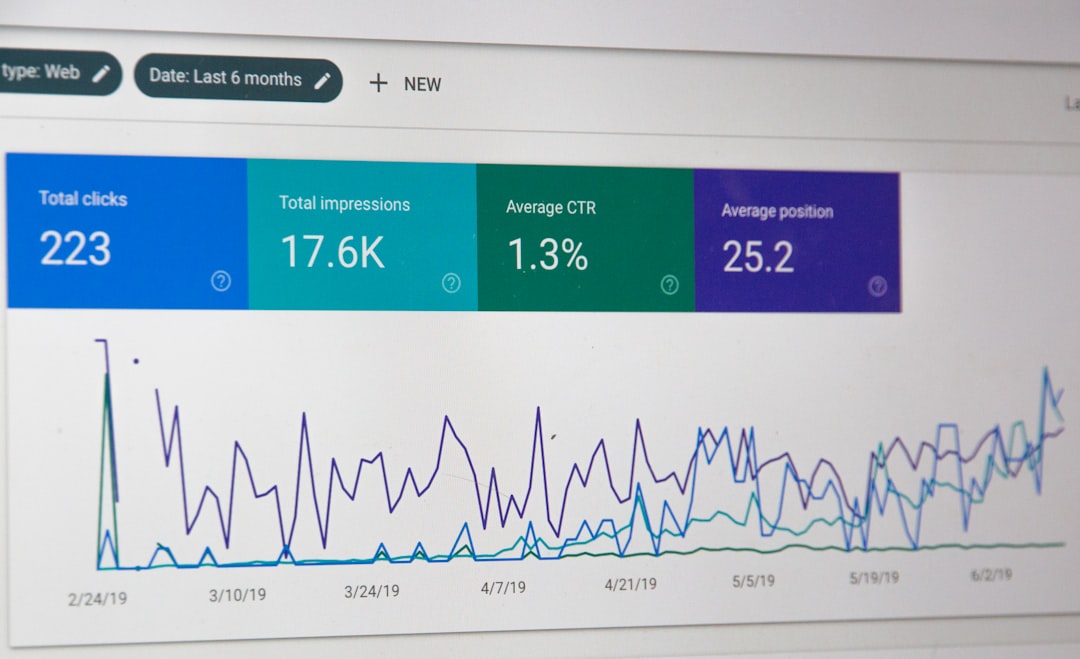
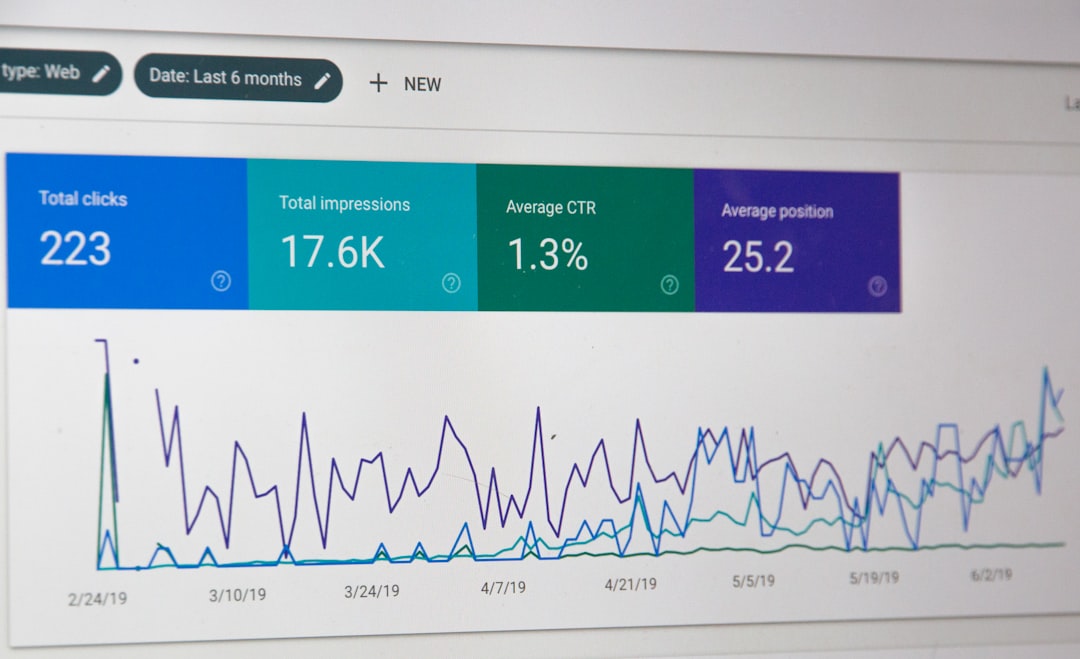
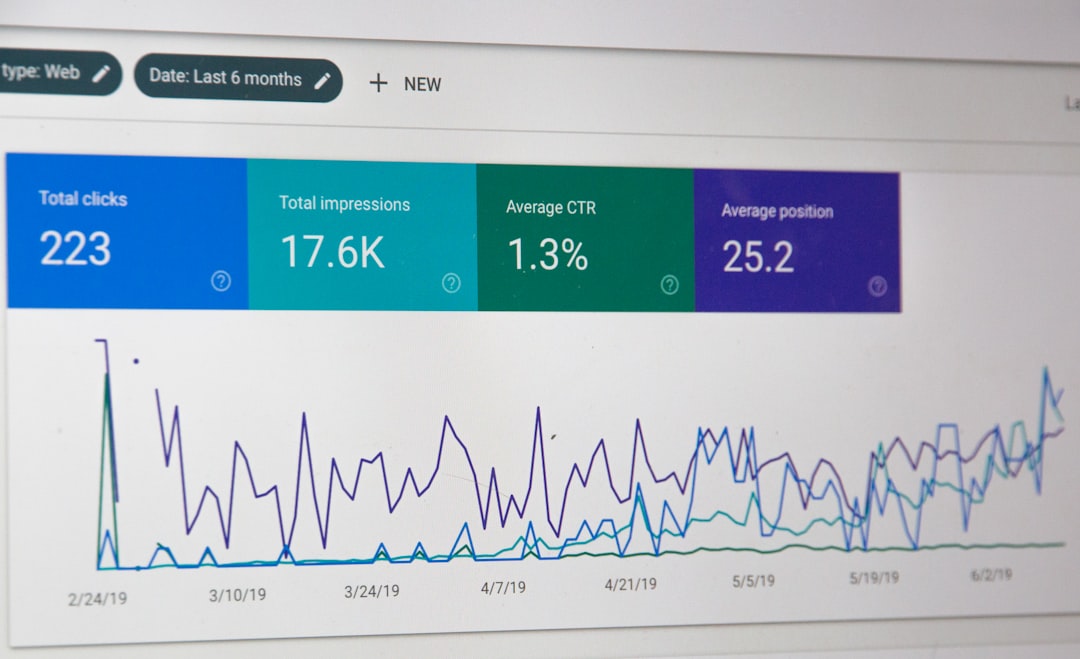
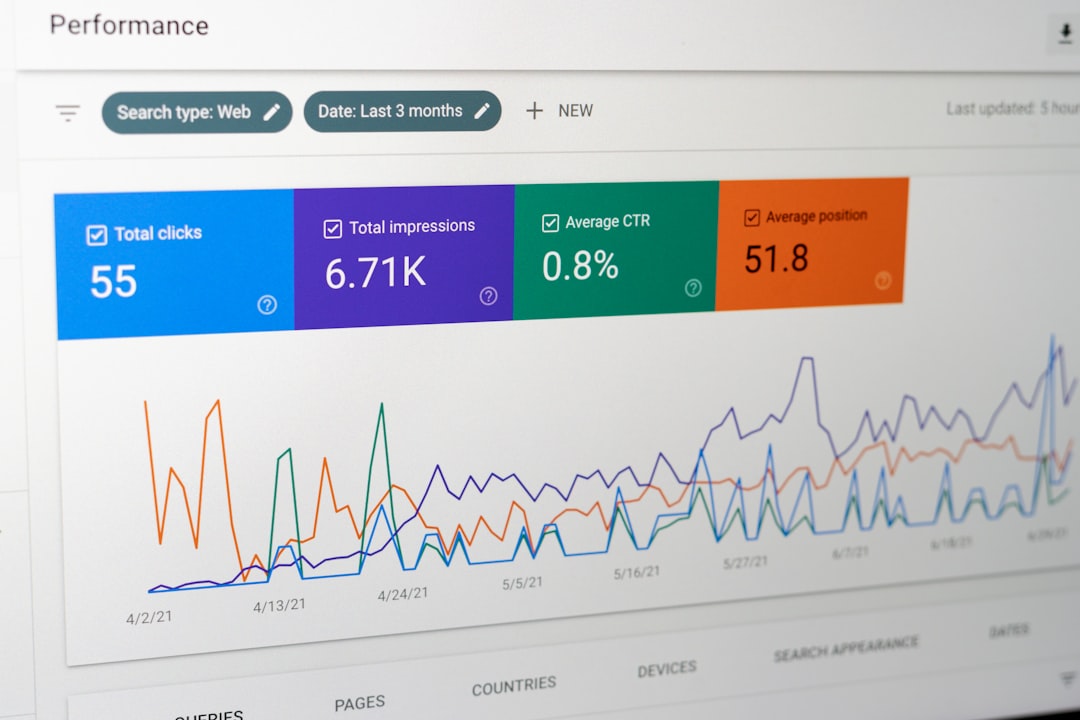
Google Search Console helps website owners understand how their sites perform in Google Search. Its performance reports can show queries associated with a website’s impressions, clicks, click-through rates, and average positions.
This information can reveal keywords for which a website already appears in search results. It may also highlight pages that receive impressions but attract relatively few clicks, creating opportunities to improve titles, descriptions, and content relevance.
Search Console is particularly useful after a website has started receiving organic visibility. It provides real performance information about the site’s search presence rather than relying entirely on estimated keyword metrics.
Google Trends
Google Trends helps users explore how search interest changes over time and compare the relative popularity of search topics across locations. It can be useful for identifying seasonal patterns and emerging interests.
For example, a Georgia landscaping company may investigate whether searches related to lawn preparation or outdoor improvements change during different seasons. A retailer may use trend information to plan content around recurring shopping periods.
Google Trends reports relative search interest rather than absolute search volume. Its results should therefore be interpreted alongside other keyword research data.
Professional SEO Research Platforms
Professional SEO platforms offer features for discovering keywords, estimating keyword difficulty, researching competitors, and monitoring ranking changes. Depending on the platform, they may also provide backlink analysis, content gap reports, and website auditing features.
These tools can help businesses compare keyword opportunities and understand the search visibility of competing websites. They are particularly useful when a website has a large number of pages or operates in a competitive market.
However, different platforms may produce different estimates because their databases and calculation methods vary. An SEO expert should use these metrics as decision-making aids rather than treating any single score as definitive.
Keyword Suggestion Tools
Keyword suggestion tools generate related search phrases from an initial keyword. They can help identify question-based searches, long-tail terms, and alternative wording used by potential customers.
For example, researching local SEO in Georgia may produce related ideas involving local business visibility, location pages, map listings, and search optimization for small businesses. These suggestions can guide further research and content planning.
Not every suggestion deserves its own page. The expert must evaluate relevance, search intent, competition, and whether the topic offers enough value to justify dedicated content.
Competitor Analysis Tools
Competitor analysis tools help businesses investigate the keywords and pages associated with other websites. They can reveal ranking terms, frequently covered subjects, and content areas that competitors appear to prioritize.
A Georgia-based service company may use this information to identify relevant topics that it has not yet addressed. It can then create original content that answers customer questions more clearly or explains its services more effectively.
Competitor research should support strategic decisions rather than encourage copying. Businesses need their own expertise, examples, and useful information to distinguish their websites.
Using Multiple Tools for Better Keyword Insights
No single keyword research tool provides a complete picture of customer behavior or organic search opportunities. Combining keyword suggestions, search trend information, website performance reports, and competitor research can lead to better-informed decisions.
For example, a keyword platform may identify a promising search phrase, Google Trends may reveal seasonal interest, and Search Console may show that the website already receives impressions for a related query. Together, these findings can help an SEO expert decide whether to improve an existing page or create new content.
The most effective process uses data to guide decisions while keeping the business’s actual customers and services at the center of the strategy.
How to Analyze Keyword Search Volume and Competition
Keyword research becomes more useful when businesses understand how much demand exists for a search phrase and how difficult it may be to compete for visibility. Search volume and competition are important considerations, but they should never replace an assessment of keyword relevance and business value.
An SEO expert evaluates several factors together to determine which keywords offer realistic opportunities. This helps businesses prioritize their efforts instead of spending resources on terms that are unlikely to attract relevant visitors.
Understanding Monthly Search Volume
Monthly search volume estimates how frequently a keyword is searched during a typical month. The precise figures and calculation periods can vary between research tools.
A high-volume keyword may offer access to a larger audience, but it does not necessarily produce more qualified visitors or sales. Broad phrases can attract people with many different interests, some of which may have little connection to the business.
A lower-volume keyword may be more valuable when it describes a specific service that the company provides. Businesses should therefore consider potential customer relevance alongside estimated search demand.
Evaluating Keyword Difficulty
Keyword difficulty is an estimate of how challenging it may be to achieve strong rankings for a particular search term. SEO platforms often calculate this metric using factors such as competing pages and backlink information.
A highly competitive keyword may require stronger content, a more established website, and sustained SEO work. A less competitive phrase may offer a more accessible starting point, although ranking is never guaranteed.
An SEO expert also examines the actual search results because a tool’s difficulty score cannot capture every factor that influences ranking. The quality, relevance, and authority of competing pages can provide important additional context.
Analyzing Keyword Competition
Keyword competition can refer to different things depending on the research tool. Advertising platforms may measure competition among advertisers, while organic SEO platforms estimate the difficulty of ranking in unpaid search results.
These measures should not be treated as interchangeable. A keyword with strong advertising competition does not automatically have the same level of organic ranking difficulty.
Businesses should evaluate the search results for their target keywords, identify the types of websites ranking, and assess whether they can create content that meets or exceeds the needs of searchers.
Finding Low-Competition Opportunities
Low-competition keywords can help businesses identify subjects where relevant content may have a better chance of gaining visibility. These opportunities often include specific services, detailed questions, specialized customer needs, or geographic variations.
For example, a Georgia-based consultant may find it difficult to compete for a broad national marketing keyword but may identify more specific searches related to a particular industry or service area.
Low competition alone does not make a keyword valuable. The phrase must still relate to the company’s offerings and attract people who could benefit from its content or services.
Balancing Search Volume With Business Relevance
The strongest keyword opportunities often balance reasonable search demand with a clear connection to the business. A phrase with thousands of searches may be less useful than a narrower term that attracts people looking for exactly what the company offers.
An SEO expert evaluates whether a keyword can support a meaningful business outcome, such as a consultation request, appointment, sale, or relevant inquiry. This ensures that keyword selection focuses on quality traffic rather than visitor numbers alone.
Selecting Keywords Based on Realistic Ranking Opportunities
A practical keyword strategy prioritizes terms according to relevance, search intent, competition, existing website strength, and business objectives. It may include a combination of achievable short-term opportunities and more competitive long-term targets.
Businesses can begin by improving pages related to their most important services and then expand into supporting topics. Performance data can guide future decisions about which pages need improvement and which keyword groups deserve additional content.
Competitor Keyword Research for Georgia Businesses
Competitor keyword research helps businesses understand how other websites attract organic search traffic. It can reveal the topics competitors target, the services they emphasize, and the content opportunities that remain available.
For Georgia businesses, this process should focus on competitors that serve similar audiences or compete for the same search terms. A company does not need to copy every strategy used by another business to develop an effective SEO plan.
Identifying Direct Search Competitors
Direct search competitors are websites that appear for the keywords a business wants to target. They may include companies that offer similar services, local providers, directories, or informational websites.
Search competitors do not always match a company’s direct commercial competitors. For example, a local SEO agency may find that directories and educational websites rank for some of its target terms.
An SEO expert identifies the pages appearing for important searches and evaluates which competitors provide the most relevant information. This helps clarify the level and type of competition the business faces.
Analyzing Competitor Ranking Keywords
Reviewing competitor ranking keywords can reveal the subjects that help other websites gain search visibility. SEO tools may show the queries associated with competing pages and provide estimates of their organic performance.
A Georgia business can use this information to identify relevant services or questions it has not covered. It should then determine whether these subjects align with its expertise and customer needs.
The goal is to discover useful opportunities, not to reproduce another website’s keyword list without considering the company’s own strategy.
Discovering Competitor Content Gaps
A content gap exists when a website lacks useful information that its target audience may be seeking. Competitor research can help reveal these gaps by comparing the subjects covered by competing websites with the business’s existing content.
For example, a marketing agency may discover that its website explains general SEO services but does not address local keyword research, service-area targeting, or keyword performance measurement in sufficient detail.
Filling relevant gaps can make the website more helpful and comprehensive. Each new page should provide original value and serve a clear purpose within the overall content strategy.
Finding Overlooked Keyword Opportunities
Competitors may overlook specific customer questions, niche services, or long-tail keywords. These gaps can provide opportunities for businesses to create focused content that answers particular needs.
An SEO expert evaluates these opportunities using keyword data, search intent, and the company’s service offerings. This prevents businesses from creating pages simply because a competitor has not covered a topic.
A well-chosen opportunity should be relevant to the target audience and provide enough information to justify a dedicated page or article.
Developing a Stronger Keyword Strategy
Competitor research becomes valuable when it informs a practical plan. Businesses can use the findings to prioritize service pages, improve existing articles, develop topic clusters, and address questions that competitors have not answered effectively.
They should also assess their own strengths, experience, and ability to provide useful information. A strategy built around genuine expertise and customer needs is more sustainable than one based entirely on competitor activity.
How to Find High-Intent Keywords That Generate Leads
High-intent keywords indicate that a searcher may be close to taking a valuable action, such as requesting a quote, booking an appointment, or hiring a service provider. These keywords are important for businesses that want their SEO activities to support lead generation rather than simply increase website visits.
An SEO expert evaluates the language people use when comparing providers or seeking a specific service. The resulting keyword strategy connects relevant searches with pages that make it easy for interested visitors to take the next step.
Identifying Purchase-Ready Search Terms
Purchase-ready searches often include action-oriented words such as hire, book, request, schedule, or get a quote. Their exact meaning depends on the industry and the surrounding search phrase.
For example, a business searching for an SEO consultant may be evaluating professional help, while a person searching for a keyword research agency may be looking for a specialized provider.
Businesses should identify terms that match the services they can actually deliver. They should then create focused pages that explain their offerings and provide clear ways to make contact.
Targeting Service and Product Keywords
Service and product keywords describe the specific solutions customers want to find. These terms often make useful targets for core website pages because they connect directly to the business’s offerings.
A Georgia-based SEO agency may develop separate pages for local SEO, keyword research, technical SEO, and content optimization when each service requires its own explanation. This helps visitors understand the available solutions and select the most relevant option.
Each page should provide accurate information about the service, its benefits, the working process, and the intended audience. Clear descriptions can help qualify leads by allowing visitors to determine whether the service meets their needs.
Researching Pricing and Comparison Keywords
Pricing-related searches indicate that users want to understand costs before committing. Examples include SEO services pricing in Georgia, keyword research service cost, and affordable SEO packages for small businesses.
Businesses can address these searches through transparent pricing explanations, service comparisons, or guides describing the factors that influence cost. When exact pricing depends on the project, the page should explain why estimates vary and what information is needed to provide an accurate quote.
Comparison content can also help customers evaluate service options. It should present information fairly and avoid unsupported claims about competitors or guaranteed results.
Finding Keywords That Generate Qualified Leads
Not all visitors are equally valuable to a business. A qualified lead is a potential customer whose needs, location, budget, or requirements align with the company’s services.
Keyword research can help attract more relevant visitors by focusing on the specific problems and services the business is equipped to address. For example, an agency specializing in small business SEO may prioritize searches that explicitly mention small businesses rather than targeting every broad marketing term.
Businesses should review the quality of inquiries generated by different pages. This information can help determine whether a keyword attracts potential customers who are likely to benefit from the company’s services.
Mapping Keywords to Conversion-Focused Pages
Once high-intent keywords have been identified, each group should be assigned to a suitable landing page. Service-related terms usually belong on service pages, while informational searches are better suited to educational articles.
A conversion-focused page should answer important questions, explain the service clearly, establish trust, and provide an appropriate next step. Depending on the business, this could include a contact form, telephone number, consultation request, appointment booking, or purchase option.
An SEO expert monitors how visitors interact with these pages and whether they complete meaningful actions. This allows the business to refine both its keyword targeting and the user experience over time.
Keyword Mapping and Website Content Planning
Keyword mapping is the process of assigning relevant keywords to specific website pages. It helps establish which page should target each major topic and reduces the risk of creating several pages that compete for the same search intent.
For businesses in Georgia, keyword mapping provides a structured approach to building service pages, local landing pages, and supporting blog content. It also helps ensure that new content contributes to the website’s overall goals rather than existing as disconnected articles.
Assigning Keywords to Individual Website Pages
Each important website page should have a clear primary topic and a defined purpose. The primary keyword should reflect that purpose, while related phrases can support the page naturally.
For example, a page about local SEO services in Georgia should focus on explaining those services, while an article about local keyword research can provide detailed educational guidance. The two pages can link to each other without needing to compete for identical search intent.
A keyword map can record the target phrase, page URL, search intent, content type, and optimization priorities. This document helps businesses maintain consistency as their websites grow.
Avoiding Keyword Cannibalization
Keyword cannibalization can occur when multiple pages target substantially overlapping search intent and compete for visibility. It does not mean that mentioning the same word on several pages is automatically a problem.
For example, a business might publish several nearly identical articles targeting the same question without providing distinct value. Search engines may have difficulty determining which page is the best result for that query.
An SEO expert reviews overlapping content and decides whether pages should be differentiated, improved, consolidated, or redirected where appropriate. The objective is to give each page a clear role and provide visitors with the most relevant information.
Creating Topic Clusters
Topic clusters organize related content around a central subject. A main page covers the broader topic, while supporting pages explore specific questions or subtopics in greater detail.
For example, a Georgia SEO agency could build a central page about local SEO services and supporting articles about local keyword research, Google Business Profile optimization, location pages, and local ranking performance.
Internal links connect the related pages and help visitors discover additional information. This structure also gives the website a clearer content organization and allows each article to serve a specific purpose.
Building a Keyword-Based Content Calendar
A content calendar helps businesses plan when and how to publish pages and articles. Keyword research can guide the calendar by identifying priority topics, seasonal opportunities, customer questions, and gaps in existing content.
Businesses should consider factors such as search intent, relevance, competition, available resources, and the importance of each topic to their goals. A realistic schedule is generally more useful than publishing large quantities of content without a clear strategy.
The calendar can also include content updates, performance reviews, and planned improvements to existing pages. This helps maintain a consistent approach to SEO rather than treating each article as an isolated project.
Connecting Blog Posts With Service Pages
Blog posts can introduce visitors to a topic and answer questions, while service pages explain how the business can help with a specific need. Linking these content types creates a useful path for visitors who want to move from learning to evaluating professional assistance.
For example, an article about choosing keywords for a local business could link to a relevant keyword research service page. The link should appear naturally within useful information and help readers find a logical next step.
An effective internal linking strategy improves content discovery and gives visitors access to related resources. It should prioritize clarity and relevance rather than inserting links solely to repeat target keywords.
On-Page SEO Optimization Using Targeted Keywords
On-page SEO involves improving individual website pages so that search engines and visitors can understand their content. Keyword research informs this process by identifying the subjects, terminology, and questions that should be addressed.
Successful optimization requires more than placing a target phrase in several locations. The page must provide useful information, be easy to navigate, and match the expectations of people searching for the topic.
Writing Keyword-Rich Page Titles
The page title helps communicate the main subject of a webpage and can influence how the page appears in search results. Including the primary keyword naturally can make the topic clearer to both users and search engines.
For example, a page offering local SEO services in Georgia might use a descriptive title that identifies the service and its geographic focus. Titles should be distinctive, accurate, and concise enough to communicate the page’s purpose clearly.
Repeating keywords unnecessarily or creating exaggerated titles can reduce readability and make the result less appealing. Businesses should prioritize clarity and relevance over keyword repetition.
Creating Relevant Meta Descriptions
A meta description summarizes the content of a webpage and may appear beneath its title in search results. Although it is not a direct ranking factor, a clear description can help users understand why the page may be relevant to their search.
An SEO expert writes descriptions that accurately explain the page’s value and include the target phrase naturally where appropriate. A service page might summarize the services offered, the intended audience, and the next step visitors can take.
Search engines may generate a different snippet depending on the query, so a written meta description is not guaranteed to appear exactly as submitted.
Optimizing Headings and Subheadings
Headings organize information into clear sections and help visitors understand the structure of a page. They should describe the content that follows and make important topics easy to find.
A primary heading should communicate the main subject, while subheadings divide the page into logical sections. Related keywords can be used where they fit naturally, but every heading does not need to contain the primary keyword.
A clear heading structure also improves readability for people scanning a page to locate a specific answer. This is particularly important for detailed service pages and long educational articles.
Using Keywords Naturally in Website Content
Keywords should appear in content where they help explain the subject and answer the visitor’s questions. Forcing a phrase into every paragraph can make the writing repetitive and less useful.
An SEO expert incorporates relevant terms into introductions, explanations, service descriptions, and supporting sections where appropriate. Related vocabulary can help cover the topic comprehensively without repeating the same exact phrase unnecessarily.
The priority should always be useful, accurate information that meets the searcher’s needs. Search optimization should strengthen the content rather than make it harder to read.
Improving Image Alt Text
Alternative text, commonly called alt text, describes the content or purpose of an image for people who cannot see it. It can also help search engines understand relevant visual information.
Businesses should write concise, accurate descriptions for meaningful images. For example, an image showing a landscaping project in Georgia might have alt text that describes the completed garden rather than simply listing unrelated keywords.
Decorative images may not need descriptive alt text, depending on their purpose and implementation. Businesses should avoid stuffing keywords into image descriptions or using alt text that does not accurately represent the image.
Creating SEO-Friendly URLs
A clear URL helps visitors understand what a page is about before opening it. Descriptive URLs are generally easier to read and manage than long addresses containing unnecessary parameters or confusing strings.
For example, a URL ending in a phrase related to local SEO services in Georgia communicates more information than a generic string of numbers. Businesses should keep URLs relevant, consistent, and reasonably concise.
When changing an established URL, companies should consider its existing search visibility and incoming links. Appropriate redirects and internal link updates may be necessary to help preserve access to the page.
Strengthening Internal Linking
Internal links connect one page on a website to another page on the same site. They help visitors discover related information and can assist search engines in understanding the website’s structure.
A blog post about keyword research may link to a service page explaining professional SEO support. A related article about local search rankings could link to a guide about Google Business Profile optimization.
Descriptive anchor text helps visitors understand where a link leads. Links should be added when they genuinely support the content and provide a useful next step for the reader.
A well-planned on-page SEO strategy brings keyword research, content quality, and website usability together. For businesses in Georgia, this creates a stronger foundation for attracting relevant organic visitors and guiding potential customers toward the information or services they need.
Common Keyword Research Mistakes Businesses Should Avoid
Keyword research plays an important role in SEO success, but selecting the wrong search terms or using them incorrectly can limit a website’s performance. Businesses sometimes focus on rankings and search volume without considering whether their keywords attract the right audience.
An SEO expert in Georgia helps companies avoid these problems by developing a strategy based on search intent, business relevance, competition, and customer needs. Recognizing common mistakes can help businesses make better decisions and improve their long-term search visibility.
Choosing Keywords Only by Search Volume
One common mistake is selecting keywords simply because they have high monthly search volumes. Although popular search terms may attract large audiences, they do not always bring visitors who are interested in a company’s products or services.
For example, a local SEO agency may target a broad phrase such as digital marketing because it receives substantial search interest. However, a more specific phrase such as SEO services for small businesses in Georgia may attract fewer searches but reach people who are more likely to need the agency’s services.
Businesses should evaluate the relevance and potential value of a keyword instead of relying on search volume alone. The best opportunities are those that connect the company’s offerings with the needs of its target customers.
Ignoring Search Intent
Search intent explains why someone enters a particular phrase into a search engine. Ignoring it can result in content that does not match what visitors expect to find.
For instance, someone searching for how keyword research works probably wants an educational explanation. A sales-focused service page may not satisfy that search, even if it contains the same keywords.
An SEO expert evaluates the type of content appearing in search results and determines what users are likely expecting. Matching the content format with search intent helps improve relevance and creates a better experience for visitors.
Overusing Keywords
Keyword stuffing occurs when a page repeats target phrases excessively in an attempt to influence search rankings. This practice can make content unnatural, repetitive, and difficult to read.
For example, repeating SEO expert in Georgia in every paragraph does not make an article more useful. It can instead reduce readability and distract visitors from the information they need.
Businesses should use keywords naturally in relevant sections and include related terms where they help explain the subject. Clear, informative content should always take priority over unnecessary repetition.
Targeting Highly Competitive Keywords Without a Plan
Some businesses focus entirely on broad, competitive keywords without considering whether their websites have a realistic opportunity to rank for them. Established websites may have stronger content, greater authority, and more extensive search visibility.
A small company in Georgia may struggle to compete for a broad national keyword such as SEO services. More specific terms related to its industry, location, or specialized offerings may provide better starting opportunities.
A professional SEO strategy balances achievable targets with longer-term goals. Businesses can build visibility through relevant topics and gradually expand their keyword coverage as their websites develop.
Ignoring Long-Tail Keywords
Long-tail keywords are specific phrases that often reveal a clearer customer requirement. Ignoring them can cause businesses to miss valuable opportunities to reach people searching for specialized services or detailed solutions.
For example, a roofing company may focus on roofing services but overlook searches related to residential roof inspections in Savannah or storm damage roof repair in Georgia. These specific phrases may attract visitors with more clearly defined needs.
An SEO expert researches long-tail opportunities and determines which ones deserve dedicated pages or supporting content. This helps businesses reach a broader range of relevant searches.
Using the Same Keywords on Multiple Pages
Targeting nearly identical search intent across multiple pages can create confusion about which page should appear in search results. This issue is often described as keyword cannibalization.
For example, publishing several articles that all target the same keyword without offering different information may cause the pages to compete unnecessarily. It can also make website navigation less organized.
Keyword mapping helps prevent this problem by assigning a clear purpose to each page. Businesses should review overlapping content and decide whether pages need to be differentiated, improved, combined, or redirected.
Neglecting Local Search Terms
Businesses that serve specific geographic areas can miss important opportunities when they focus only on general keywords. Customers often include city names, neighborhoods, or nearby location references when looking for local services.
A Georgia-based plumbing company, for example, may benefit from researching searches related to plumbing services in Atlanta, emergency plumbers in Macon, and water heater repair in Savannah.
Local keyword research should reflect the company’s actual service areas and customer requirements. Geographic targeting is most useful when supported by accurate business information and meaningful local content.
Failing to Update Keyword Research
Search behavior, customer preferences, competition, and industry trends can change over time. A keyword strategy that worked well in the past may become less effective as search demand and business priorities evolve.
Businesses should review keyword performance regularly and identify changes in impressions, clicks, rankings, and conversions. Existing content may need updates, while new opportunities may require additional pages or articles.
Regular keyword reviews help keep the SEO strategy relevant and aligned with current business goals.
Measuring Keyword Research Performance
Keyword research should not end when a list of target phrases has been created. Businesses need to measure how their selected keywords perform and whether their SEO activities contribute to meaningful results.
An SEO expert uses performance data to understand which pages attract visitors, which search terms generate interest, and where improvements may be needed. This helps companies make informed decisions instead of judging success through rankings alone.
Monitoring Keyword Rankings
Keyword ranking reports show where a website appears in search results for selected search terms. Tracking rankings over time can help businesses understand whether their optimization efforts are improving search visibility.
However, rankings can change because of competition, search location, device type, personalization, and search engine updates. A keyword may also perform differently across cities in Georgia.
Businesses should monitor important keyword groups rather than focusing on a single search term. Ranking information is most useful when considered alongside traffic, engagement, and conversion data.
Tracking Organic Search Traffic
Organic search traffic refers to visitors who arrive at a website through unpaid search engine results. Monitoring this traffic helps businesses understand whether their websites are attracting more visitors through SEO.
Analytics platforms can provide information about traffic trends, landing pages, visitor engagement, and other useful performance indicators. Companies can use these insights to identify which pages attract attention and which may require improvement.
An increase in organic traffic is encouraging, but visitor quality matters just as much as quantity. Businesses should determine whether the traffic comes from audiences that are relevant to their services.
Evaluating Search Impressions and Clicks
Search impressions indicate how often a website appears in search results, while clicks show how frequently people select its listings. These metrics help businesses understand how visible their pages are and whether searchers are visiting them.
Google Search Console provides performance reports that include impressions and clicks for different queries and pages. An increase in impressions may indicate that a website is appearing for more searches, even if visitors have not yet increased at the same rate.
An SEO expert examines these metrics to identify opportunities for improving page relevance, titles, descriptions, and content quality. The objective is to attract the right visitors by presenting useful and accurate search listings.
Measuring Click-Through Rates
Click-through rate, commonly called CTR, measures the percentage of impressions that result in clicks. It can help businesses understand how effectively their search listings encourage users to visit their websites.
A page may receive many impressions but relatively few clicks. This could indicate that its title or description does not clearly communicate its value, although other factors such as search position and query intent also influence CTR.
Businesses can test clearer titles, more relevant descriptions, and better alignment between the page content and target keywords. Changes should be monitored over time to understand whether they improve search performance.
Tracking Leads and Conversions
Leads and conversions are important indicators of whether SEO attracts visitors who take meaningful actions. Depending on the business, these actions may include telephone calls, contact form submissions, consultation requests, appointment bookings, or online purchases.
A keyword that generates a moderate amount of traffic but produces qualified inquiries may be more valuable than a broad keyword that attracts many visitors without meaningful engagement.
Businesses should use appropriate analytics and conversion tracking to understand which pages contribute to their goals. This information can help prioritize keywords that support actual business growth.
Refining Keyword Strategies Through Analytics
Performance data should guide ongoing keyword improvements. If a page receives impressions but few clicks, the business may need to improve its search listing or examine whether the content matches user intent.
If a page attracts traffic but generates few inquiries, the problem may involve the page’s relevance, service explanation, user experience, or conversion process. Not every performance issue can be solved by adding more keywords.
An SEO expert reviews the available evidence and makes changes based on the page’s actual needs. Regular analysis helps businesses maintain a flexible SEO strategy that can adapt to changing search behavior.
How Keyword Research Supports Different Georgia Industries
Keyword research is useful across many industries because customers use search engines to discover services, compare providers, and find solutions to specific problems. However, the most valuable keywords vary according to the products, services, locations, and audiences involved.
A professional SEO strategy considers these differences before selecting target phrases. This allows businesses to focus on the search terms that are most relevant to their industry and commercial objectives.
Keyword Research for Local Service Businesses
Local service businesses often depend on customers within a particular city or service area. These companies include plumbers, electricians, roofers, cleaners, landscapers, pest control providers, and home improvement contractors.
Their keyword strategies should combine service descriptions with relevant geographic terms. For example, an electrician may target searches related to electrical repairs in Atlanta, residential wiring services in Marietta, and emergency electrical assistance in Savannah.
Service pages should explain the available solutions, the areas covered, and how customers can request assistance. Supporting articles can answer common questions and help potential customers understand when professional services may be needed.
Keyword Research for Real Estate Companies
Real estate companies can use keyword research to reach buyers, sellers, renters, landlords, and investors. Search behavior often includes property types, neighborhood names, price ranges, and specific buying or selling requirements.
A Georgia real estate agency may investigate phrases related to homes for sale in Atlanta, rental properties in Savannah, first-time homebuyer advice, and property valuation services.
Useful content can include neighborhood guides, buying and selling resources, property market explanations, and service pages for different real estate needs. The content should provide accurate information and avoid misleading statements about property availability or market conditions.
Keyword Research for Restaurants and Hospitality
Restaurants and hospitality businesses often benefit from location-based and experience-related searches. Customers may search for restaurants near a particular area, family-friendly dining, hotel accommodation, event venues, or specific food options.
A restaurant in Georgia may target relevant phrases related to its cuisine, dining experience, location, and services. It can also create useful content about menus, reservations, private events, and other customer requirements.
Accurate business information is especially important in this industry. Businesses should keep opening hours, contact details, menus, and location information updated across their website and relevant business profiles.
Keyword Research for E-Commerce Stores
E-commerce businesses use keyword research to identify the products and categories customers search for online. Search terms may include product names, features, sizes, materials, brands, and comparisons.
An online store serving customers in Georgia should organize its keyword strategy around relevant product categories and individual product pages. Category pages can target broader product searches, while detailed product descriptions can address specific features and customer questions.
Educational buying guides and comparison articles can also help customers make informed decisions. Product information should remain accurate and clearly explain important details such as availability, specifications, shipping, and return policies.
Keyword Research for Healthcare Providers
Healthcare providers can use keyword research to understand how patients search for medical services, specialties, appointments, and general health information. Relevant phrases may include location-based searches, treatment-related queries, and provider specialty terms.
A healthcare practice in Georgia may research searches related to dental appointments in Atlanta, family medical services in Augusta, or physical therapy in Savannah. Its website should clearly explain available services, provider qualifications, appointment procedures, and location details.
Healthcare content requires particular care because inaccurate or misleading information can affect important decisions. Providers should ensure that medical information is reviewed by appropriately qualified professionals and that content communicates its limitations clearly.
Keyword Research for Professional Service Companies
Professional service businesses include accountants, attorneys, consultants, architects, financial service providers, and marketing agencies. Their customers often search for specific expertise, professional assistance, and solutions to complex requirements.
A Georgia accounting firm may research terms related to small business bookkeeping, tax preparation services, payroll support, and business accounting in its service area.
Detailed service pages can explain the firm’s areas of expertise and the types of clients it serves. Educational articles can address common questions and help potential clients understand when professional support may be appropriate.
How Often Should Businesses Update Their Keyword Strategy?
Keyword research should be treated as an ongoing SEO activity rather than a task that needs to be completed only once. Search trends, customer expectations, industry competition, and business services can change over time.
Businesses should review their keyword strategies regularly to identify new opportunities and improve existing content. The appropriate schedule depends on the industry’s level of competition, the website’s size, and how frequently customer search behavior changes.
Understanding Changing Search Trends
Search behavior can change as people discover new products, services, technologies, and ways of solving problems. Keywords that were once important may become less relevant, while new search phrases may emerge.
An SEO expert monitors search performance and investigates changes that could affect the business’s target audience. This may involve reviewing keyword tools, Search Console reports, industry developments, and customer questions.
Updating the strategy helps businesses maintain content that reflects current interests rather than relying entirely on outdated assumptions.
Monitoring Seasonal Keyword Opportunities
Some industries experience predictable changes in search demand throughout the year. Landscaping, travel, hospitality, retail, education, and home maintenance businesses may see seasonal patterns in customer searches.
For example, a Georgia landscaping company may prepare content around seasonal lawn care and outdoor maintenance before relevant demand increases. A hospitality business may plan content around popular travel periods and local events.
Google Trends and historical website performance can help identify recurring patterns. Businesses should plan seasonal content early enough to publish and optimize it before the relevant period begins.
Responding to Industry Competition
Competitors may introduce new services, publish additional content, or improve their websites. These developments can influence the keywords a business needs to target and the quality of content required to remain competitive.
Regular competitor reviews can reveal changes in ranking pages and emerging content topics. Businesses can then decide whether to improve existing pages, create new resources, or focus on areas where they have a stronger advantage.
The goal is not to follow every competitor action. Instead, companies should respond to changes that affect their target markets and business priorities.
Updating Existing Website Content
Older pages may contain information that is no longer accurate, useful, or relevant to current search behavior. Updating these pages can improve their value without requiring the business to create entirely new content.
An update may involve adding new information, improving explanations, correcting outdated details, refining headings, and strengthening internal links. Keyword targeting should also be reviewed to ensure that the page continues to match its intended search queries.
Businesses should avoid changing content merely to make it appear fresh. Every update should improve accuracy, usefulness, clarity, or relevance.
Maintaining a Consistent Keyword Research Process
A consistent research process makes it easier to identify opportunities and evaluate performance over time. Businesses can schedule periodic reviews of their main keywords, important landing pages, search queries, and conversion data.
Monthly performance checks may help identify immediate changes, while more detailed keyword reviews can be conducted quarterly or whenever business priorities change. Highly competitive or rapidly changing industries may require closer monitoring.
A documented process helps ensure that keyword decisions are based on evidence and connected to wider marketing goals. It also makes it easier to measure progress and plan future SEO activities.
Choosing the Right SEO Expert in Georgia for Keyword Research
Selecting an SEO expert is an important decision for businesses that want to improve their online visibility and attract relevant visitors. A qualified professional should understand keyword research as part of a wider SEO process rather than treating it as a simple list of popular search phrases.
The right expert should be able to explain their research methods, connect keyword decisions with business objectives, and provide clear information about the work being performed. Businesses should evaluate experience, communication, transparency, and the suitability of the proposed strategy before making a decision.
Evaluating SEO Experience and Knowledge
Businesses should look for an SEO professional who understands keyword research, local search optimization, technical SEO, content planning, and website performance analysis. Experience with similar industries or business models can also be valuable.
A professional should be able to explain how they identify relevant keywords and why particular phrases deserve priority. They should also understand the differences between search volume, keyword difficulty, search intent, and business value.
Rather than relying only on marketing claims, businesses can ask for examples of previous projects and explanations of the strategies used. This helps establish whether the expert has practical knowledge of the work involved.
Understanding the Keyword Research Process
A reliable SEO expert should have a clear research process that begins with understanding the business. This may include reviewing services, target audiences, service areas, competitors, and existing website performance.
The professional should explain how they discover keywords, evaluate opportunities, group related phrases, and assign them to website pages. They should also clarify how the strategy will be reviewed and adjusted over time.
A transparent process makes it easier for businesses to understand the purpose behind each recommendation. It also helps ensure that keyword research supports actual business requirements rather than generic SEO activity.
Reviewing Previous SEO Results
Previous work can provide useful evidence of an SEO professional’s experience. Businesses may request case studies, examples of keyword research documents, website improvements, and explanations of measurable outcomes.
It is important to understand the context behind any reported results. Improvements in rankings or traffic may be influenced by several factors, and results from one website do not guarantee identical outcomes for another.
A trustworthy expert should explain what was done, which indicators were monitored, and how the results related to the client’s goals. Clear reporting is more useful than unsupported promises of guaranteed rankings.
Comparing SEO Services and Pricing
SEO service costs can vary depending on website size, competition, industry, project requirements, and the amount of ongoing work involved. Keyword research may be offered as a standalone service or included within a broader SEO package.
Businesses should compare the scope of work rather than evaluating providers solely by price. A proposal should explain what research will be completed, which deliverables will be provided, and whether implementation or ongoing optimization is included.
Companies should also ask about reporting, communication, project timelines, and any additional charges. A clear agreement helps prevent misunderstandings and makes it easier to evaluate the value of the service.
Recognizing Unreliable SEO Practices
Businesses should be cautious of providers that guarantee specific rankings, promise instant results, or use unclear methods. SEO performance depends on many factors, and no professional can control every change made by search engines.
Other warning signs include keyword stuffing, purchasing questionable links, creating large amounts of low-quality content, and targeting locations where the business does not operate. These practices can undermine website quality and create long-term problems.
A professional SEO expert should explain the reasoning behind their recommendations and avoid unrealistic promises. The focus should remain on sustainable improvements, relevant traffic, and measurable business outcomes.
Choosing a Professional Who Understands Business Goals
The right SEO expert should understand what success means for the company. For one business, success may involve more local telephone inquiries, while another may prioritize online sales, appointment bookings, or consultation requests.
A suitable professional connects keyword selection with these objectives and develops a strategy that reflects the company’s resources and market position. They should also communicate clearly and provide recommendations that the business can understand.
Choosing an expert who focuses on relevant customers rather than rankings alone can help create a more valuable SEO partnership.
Future Trends in Keyword Research and SEO
Search engines and online user behavior continue to evolve, influencing how businesses discover and target relevant keywords. Changes in technology, artificial intelligence, and search experiences are creating new opportunities for companies to understand customer needs.
Businesses in Georgia should remain aware of these developments while maintaining the fundamentals of effective SEO. Relevant content, clear information, helpful website experiences, and a strong understanding of search intent will continue to matter.
Artificial Intelligence and Keyword Discovery
Artificial intelligence is changing how SEO professionals explore topics and organize keyword ideas. AI-powered tools can help identify related phrases, summarize research findings, discover question patterns, and support content planning.
However, AI-generated suggestions are not automatically valuable or accurate. An SEO expert must verify the relevance of each keyword, examine search results, and consider whether the phrase reflects genuine customer demand.
Businesses should use AI as a research assistant rather than a replacement for professional judgment. Human review remains important for understanding business requirements and creating original, trustworthy content.
Voice Search and Conversational Keywords
Voice-enabled searches often use natural language and complete questions. People may ask where to find a service, how a process works, or which provider is available nearby.
Businesses can consider conversational phrases when researching customer questions and planning helpful content. FAQ sections, clear service explanations, and location information can support visitors who use question-based searches.
Voice search should not be treated as a completely separate SEO strategy. Creating useful content that answers real customer questions remains a practical way to address conversational search behavior.
Semantic Search and Topic Relevance
Search engines increasingly interpret the meaning and context of search queries rather than relying only on exact keyword matches. This makes topic relevance and comprehensive information important parts of content planning.
A page about local SEO may naturally cover geographic targeting, business profiles, customer reviews, location pages, and local search performance. These related subjects help explain the topic more completely.
Businesses should organize their content around meaningful subjects and customer needs. They do not need to repeat an exact keyword excessively to demonstrate what a page is about.
Search Intent and Helpful Content
Search intent will remain an important consideration as search experiences develop. Users expect information that directly addresses their questions and helps them complete tasks or make decisions.
Businesses should create content that is accurate, useful, and appropriate for the intended audience. Service pages should explain offerings clearly, while educational articles should provide practical answers rather than unnecessary promotional language.
Content that reflects genuine experience and addresses real customer needs can help establish trust. Regular reviews also help ensure that information remains accurate and relevant.
Adapting to Changing Search Engine Algorithms
Search engines regularly improve the systems used to evaluate and display web content. These changes can affect rankings, visibility, and the way people discover information online.
Businesses should avoid building their SEO strategies around temporary tricks or attempts to manipulate ranking systems. A stronger approach focuses on technical accessibility, relevant content, clear website organization, and a positive user experience.
An SEO expert monitors significant search changes and evaluates their impact before recommending adjustments. This allows businesses to respond thoughtfully instead of making unnecessary changes whenever rankings fluctuate.
Why Choose DealMate
Choosing the right SEO support can help businesses turn keyword research into a structured strategy for improving online visibility. DealMate focuses on helping businesses understand relevant search opportunities and connect their websites with the audiences they want to reach.
Keyword research should support more than website traffic. It should help businesses attract relevant visitors, communicate their services clearly, and create opportunities for meaningful customer engagement.
Professional Keyword Research Strategies
DealMate can help businesses identify search phrases that relate to their services, target customers, and market requirements. A structured research process considers keyword relevance, search intent, competition, and potential business value.
This approach helps companies avoid relying only on broad, high-volume keywords. Instead, the strategy can include relevant long-tail searches, local phrases, and service-specific opportunities.
Customized SEO Solutions
Every business has different goals, customers, and competitive challenges. A keyword strategy should reflect these differences rather than applying the same list of phrases to every website.
DealMate’s SEO approach can be aligned with a company’s industry, services, website structure, and target locations. This makes it easier to prioritize the pages and topics that support its objectives.
Local Keyword Targeting
Local search visibility is important for businesses that serve customers in specific Georgia communities. DealMate can help identify relevant city-based and service-based search opportunities that reflect the company’s actual geographic coverage.
Local keyword targeting can support service pages, location content, and business profile optimization. The focus should remain on providing accurate local information and reaching customers who are genuinely within the business’s service area.
Data-Driven SEO Planning
Effective keyword decisions should be supported by useful information rather than assumptions. Search volume estimates, competition analysis, website performance reports, and customer search behavior can all contribute to a stronger strategy.
DealMate can use these insights to help businesses prioritize opportunities and understand how their SEO activities are progressing. Data-driven planning also makes it easier to identify pages that may need improvement.
Continuous Performance Monitoring
Keyword research is not a one-time activity because search behavior and competition can change. Businesses benefit from reviewing rankings, organic traffic, impressions, clicks, and conversions over time.
DealMate can help businesses evaluate performance and identify areas where their keyword strategy may need adjustment. Ongoing monitoring supports consistent improvement and helps keep SEO activities connected to changing business goals.
Frequently Asked Questions
What Is Keyword Research in SEO?
Keyword research is the process of identifying and analyzing the phrases people use when searching online. It helps businesses understand customer interests, search demand, competition, and search intent. SEO professionals use this information to select relevant terms for website pages, blog posts, and service descriptions. Effective keyword research creates a foundation for attracting visitors who are interested in a business’s products or services.
Why Is Keyword Research Important for Georgia Businesses?
Keyword research helps Georgia businesses understand how potential customers search for local products and services. It identifies relevant city-based, service-based, and industry-specific search opportunities. Businesses can use these insights to create content that reaches people in their actual service areas. A well-planned strategy can improve search visibility and support more relevant website traffic.
How Does an SEO Expert Find the Best Keywords?
An SEO expert begins by understanding the business, its services, target audience, and marketing objectives. They use keyword research tools, competitor analysis, search results, and customer questions to discover potential search terms. Each keyword is evaluated according to relevance, search intent, competition, and potential business value. The selected phrases are then organized and assigned to appropriate website pages.
What Are Long-Tail Keywords?
Long-tail keywords are specific search phrases that usually contain several words. They often communicate a clearer need than broad keywords, such as affordable SEO services for small businesses in Georgia. These phrases may have lower individual search volumes but can attract visitors with more specific interests. They are useful for targeted service pages, detailed articles, and FAQ content.
How Many Keywords Should a Website Target?
There is no fixed number of keywords that every website should target. The number depends on the website’s size, services, industry, audience, and content structure. Each important page should generally have a clear primary topic supported by relevant related phrases. Businesses should prioritize useful keyword coverage instead of creating unnecessary pages to target every variation.
What Is the Difference Between Search Volume and Keyword Difficulty?
Search volume estimates how frequently people search for a particular phrase over a given period. Keyword difficulty estimates how challenging it may be to rank for that phrase in organic search results. A keyword can have high search volume and strong competition, while a more specific phrase may have lower demand and a more accessible ranking opportunity. SEO professionals consider both metrics alongside relevance and business value.
How Can Local Keywords Help Georgia Businesses?
Local keywords connect business services with geographic areas where customers are searching. Examples include SEO services in Atlanta, roofing contractors in Savannah, and landscaping companies in Augusta. These phrases help businesses target people who may prefer providers within a particular location. Local keyword research can also guide the creation of useful service-area pages and location-focused content.
Which Keyword Research Tools Are Most Useful?
Useful keyword research tools include Google Keyword Planner, Google Search Console, and Google Trends. Professional SEO platforms can provide additional information about keyword difficulty, competitor rankings, and content opportunities. Each tool has different features and limitations, so results should be compared rather than relying on one source. The best combination depends on the website, industry, budget, and research objectives.
How Often Should Keyword Research Be Updated?
Keyword research should be reviewed regularly because customer behavior, search trends, and competition can change. Many businesses benefit from monthly performance checks and more detailed quarterly reviews. New services, changes in geographic coverage, and shifts in business priorities may also require updated research. Regular reviews help keep website content relevant and aligned with current customer needs.
Can Keyword Research Increase Website Traffic and Sales?
Keyword research can help businesses attract more relevant visitors by targeting searches connected to their products and services. It also guides content creation and helps match website pages with customer search intent. However, keyword research alone cannot guarantee traffic growth or sales because website quality, competition, user experience, and conversion processes also matter. When combined with effective SEO and a useful website experience, it can support stronger visibility and more valuable business opportunities.
Conclusion
Keyword research is one of the most important foundations of a successful SEO strategy. It helps businesses understand what their potential customers are searching for, which topics deserve attention, and how website content can address those needs.
For businesses in Georgia, effective keyword research provides opportunities to reach customers in relevant cities, communities, and service areas. By combining local keywords, long-tail phrases, search intent analysis, competitor research, and performance monitoring, companies can build a more organized approach to organic search visibility.
Working with an experienced SEO expert can make this process more focused and manageable. A professional can help identify relevant keywords, organize them into a clear website structure, improve existing content, and measure results over time.
The most effective strategy is not simply to target the largest number of keywords. It is to choose phrases that connect the business with the right audience and support meaningful goals. With consistent research, useful content, and ongoing optimization, DealMate can help businesses build a stronger foundation for online visibility and sustainable growth.