Local SEO in Georgia: A Guide for Small Business Owners
Understanding Local SEO and How It Works
Local SEO is a digital marketing strategy that helps businesses appear in search results when people look for products or services in a specific geographic area. For small business owners in Georgia, it provides an opportunity to connect with customers who are actively searching for nearby services, whether they operate in Atlanta, Savannah, Augusta, Columbus, or smaller communities.
Unlike traditional SEO, which often focuses on reaching a broad national or international audience, local SEO concentrates on improving visibility within relevant geographic markets. It helps search engines understand where a business operates, what services it provides, and which customers are most likely to benefit from those services.
What Local SEO Means for Small Businesses
Local SEO involves optimizing a business’s website, online listings, business information, and digital reputation to improve its visibility in geographically relevant searches. When someone searches for a service using a city name or phrases such as “near me,” search engines attempt to provide results that match the person’s location and search intent.
For example, a homeowner searching for a plumbing company in Atlanta wants to find businesses that serve the area, provide plumbing services, and have a reliable reputation. A properly optimized local business has a better opportunity to appear in relevant search results and attract that potential customer.
Small businesses can benefit from local SEO because they do not necessarily need to compete for every national keyword. Instead, they can focus on specific services, neighborhoods, cities, and customer groups where their offerings are most relevant.
How Local Search Differs from Traditional SEO
Traditional SEO generally focuses on improving a website’s visibility for broader search terms, while local SEO adds geographic relevance to the optimization process. Both approaches involve content quality, website performance, keyword research, and technical improvements, but local SEO places additional emphasis on location information, business listings, customer reviews, and local authority.
Consider a Georgia-based landscaping company. A traditional SEO strategy might target a broad phrase such as “professional landscaping services,” while a local SEO campaign could focus on “landscaping services in Marietta” or “lawn care company in Alpharetta.”
The second approach helps the business reach people who are more likely to need its services within its operating area. This can make website visits more valuable because visitors are already looking for solutions that the company provides.
SEO Element | Traditional SEO | Local SEO |
|---|---|---|
Primary focus | Broad search visibility | Geographic search visibility |
Keywords | General service keywords | City and neighborhood keywords |
Business listings | Optional depending on business | Important optimization element |
Customer reviews | Helpful for reputation | Important trust and prominence signals |
Website content | Topic-focused | Topic and location-focused |
Target audience | Broad online audience | Nearby and location-specific customers |
Main objective | Increase relevant organic traffic | Attract customers from target locations |
How Google Determines Local Search Rankings
Google uses multiple signals to determine which businesses are relevant to a particular local search. Understanding these factors helps Georgia business owners develop a more effective optimization strategy instead of relying on random keyword placement or outdated marketing techniques.
Three important concepts associated with local search are relevance, distance, and prominence. These factors help search engines evaluate how closely a business matches a customer’s needs, how conveniently located it is, and how established or recognized it appears online.
Relevance: How closely a business’s services, categories, website content, and business information match the searcher’s request.
Distance: How far the business is from the location associated with the search.
Prominence: How well-known and established the business appears based on information such as reviews, links, and other online signals.
A business owner cannot control every ranking factor, particularly the distance between the customer and the business. However, improving business information, publishing useful content, earning genuine reviews, and building a trustworthy online presence can strengthen local search performance.
The Importance of Relevance, Distance, and Prominence
Relevance is especially important when a business wants to attract customers searching for a particular service. A company offering residential electrical repairs should clearly communicate those services through its Google Business Profile, website pages, and other relevant business information.
Distance influences which businesses are appropriate for a searcher’s location. A customer looking for a nearby restaurant or repair service may receive different results depending on where the search takes place, even when the search phrase remains exactly the same.
Prominence reflects the business’s overall reputation and recognition. Genuine customer reviews, quality website content, relevant local links, and consistent business information can help establish credibility and make the company more competitive in its market.
How Local SEO Connects Online Searches with Offline Customers
Local SEO creates a connection between digital discovery and real-world purchasing decisions. Many customers begin their buying journey with a search engine before calling a business, requesting directions, visiting a store, or scheduling an appointment.
For example, someone searching for a family dentist in Savannah may compare nearby practices, examine customer feedback, check office hours, and visit a website before making a decision. A business with complete information and a professional online presence makes this process easier.
This connection is particularly valuable for service providers, restaurants, retail stores, contractors, healthcare practices, and other businesses that depend on customers within a defined service area. By appearing when people need specific products or services, local SEO can help transform online visibility into meaningful business opportunities.
Why Local SEO Matters for Small Businesses in Georgia
Georgia has a diverse business environment that includes independent retailers, restaurants, professional service providers, construction companies, hospitality businesses, and growing startups. Customers in these industries frequently use search engines to discover nearby businesses, compare available options, and evaluate service providers before spending money.
For small businesses, this creates an important opportunity to compete through targeted online marketing. Rather than investing all their resources in broad advertising campaigns, owners can improve their visibility among people searching for services in the communities they actually serve.
Reaching Customers in Nearby Cities and Neighborhoods
One of the biggest advantages of local SEO is its ability to help businesses reach customers within specific geographic areas. A company does not need to target every city in Georgia if its services are concentrated in a smaller region.
For instance, a cleaning company operating in Roswell may want to reach homeowners in nearby communities such as Alpharetta, Sandy Springs, and Johns Creek. Developing relevant service pages and optimizing business information can help the company communicate its coverage areas to search engines and potential customers.
Location-focused optimization also allows businesses to understand which communities generate the most interest. By evaluating search performance, website inquiries, and customer interactions, owners can identify opportunities to expand their marketing efforts into suitable nearby markets.
Building Trust and Credibility in Local Communities
Customers are more comfortable contacting businesses that provide clear information and demonstrate a reliable reputation. Local SEO supports this process by making essential business details easier to discover and helping potential customers evaluate a company before making contact.
An optimized online presence can include accurate operating hours, professional photographs, service descriptions, customer testimonials, and clear contact information. These elements help visitors understand what the business offers and whether it meets their requirements.
Reviews also play an important role in building trust. When customers see genuine feedback and thoughtful responses from business owners, they gain a better understanding of the company’s customer service and professionalism.
Increasing Website Traffic and Phone Inquiries
Ranking for relevant local keywords can introduce a business to people who are already interested in its services. Instead of attracting random visitors, a well-planned local SEO strategy focuses on searches that demonstrate a clear need or purchasing intention.
For example, a customer searching for “emergency roof repair in Augusta” may be looking for immediate assistance rather than general information about roofing. A roofing company with relevant website content, accurate contact details, and a strong local presence has an opportunity to attract that inquiry.
Local SEO can generate several types of customer interactions, including website visits, telephone calls, appointment requests, direction requests, and contact form submissions. Tracking these activities helps business owners understand whether their optimization efforts are producing meaningful results.
Competing with Larger Businesses and Established Brands
Small businesses often have fewer marketing resources than national companies and large regional organizations. However, they can still build visibility by focusing on specific services, customer needs, and geographic markets instead of competing for every broad search term.
A locally owned bakery in Macon, for example, may find it more practical to target searches related to specialty cakes, custom birthday orders, and local bakery services than to compete for a highly general keyword such as “best bakery in America.”
A focused strategy allows smaller businesses to highlight their local knowledge, personal service, unique products, and community connections. These qualities can help them attract customers who prefer working with businesses that understand their area’s needs.
Generating Qualified Leads and Improving Conversion Opportunities
Not every website visitor becomes a customer, which is why attracting relevant traffic is more important than simply increasing visitor numbers. Local SEO helps businesses reach people whose searches are connected to their products, services, and geographic availability.
A Georgia-based HVAC company targeting local searches can attract homeowners who need air conditioning repairs, heating maintenance, or equipment installation. These visitors are more likely to become qualified leads because their search behavior indicates an existing service requirement.
Businesses can improve conversion opportunities by combining local search visibility with clear service information, convenient contact options, transparent descriptions, and professional website design. When customers can quickly understand the offer and take the next step, the likelihood of generating inquiries improves.
How Georgia’s Local Market Influences SEO Strategies
Georgia’s business environment is geographically diverse, and local search behavior can vary between major metropolitan areas, suburban communities, and smaller towns. A successful local SEO strategy should reflect the actual locations a business serves rather than applying the same keywords and content to every market.
Understanding regional differences allows business owners to develop more relevant website content, select appropriate target keywords, and communicate effectively with potential customers. It also helps companies avoid wasting resources on locations where they cannot realistically provide their services.
Understanding Georgia’s Diverse Business Markets
Georgia includes major commercial centers, growing residential communities, tourism destinations, and rural markets. Each location has different business opportunities and customer expectations, making geographic research an important part of local SEO planning.
Businesses in metropolitan areas may face stronger competition for popular service keywords, while companies in smaller communities may have opportunities to target more specific search terms. However, lower competition does not automatically guarantee strong rankings because relevance, website quality, and local reputation still matter.
Business owners should evaluate their service locations, customer demographics, competitors, and the language customers use when searching online. This information provides a foundation for choosing keywords and creating content that reflects genuine market demand.
Local SEO Opportunities in Atlanta, Savannah, Augusta, and Columbus
Atlanta is one of Georgia’s most competitive business markets, with companies operating across professional services, hospitality, home improvement, healthcare, retail, and technology. Businesses targeting Atlanta should consider the city’s neighborhoods and surrounding communities when developing location-focused content.
Savannah has a strong tourism and hospitality presence alongside opportunities for restaurants, retail stores, real estate professionals, and home service providers. Companies serving Savannah can create useful content around their services and the specific needs of residents, visitors, and local property owners.
Augusta offers opportunities across healthcare, construction, education-related services, retail, and professional businesses. Columbus also supports a broad range of local industries, including restaurants, contractors, automotive services, and independent retailers.
A company should not create pages for these cities simply because they are well-known locations. It should target only the communities where it genuinely operates or can provide services, ensuring that every location page contains useful and accurate information.
Targeting Customers in Suburban and Rural Communities
Local SEO is not limited to large cities. Businesses operating in suburban neighborhoods and rural communities can also benefit from location-specific optimization, especially when customers rely on online searches to find services that may not be available nearby.
For example, a pest control company serving several smaller Georgia towns could develop relevant content explaining its service coverage, common pest concerns, and available treatment options. This approach helps potential customers understand whether the company can assist them.
Rural businesses should also consider nearby towns and regional service areas when conducting keyword research. However, they should avoid claiming a physical location in communities where they do not have an actual business presence.
Understanding Regional Search Behavior and Customer Preferences
Customer search behavior can change depending on the service, location, urgency, and purchasing habits of the target audience. Someone searching for an emergency electrician may use direct service-based keywords, while someone planning a home renovation may research contractors, compare project costs, and read educational articles.
Business owners should examine the questions customers frequently ask before contacting a company. These questions can become valuable topics for service pages, frequently asked questions, and educational blog content.
Understanding customer preferences also helps businesses choose the right tone and information for their websites. A company serving homeowners may emphasize convenience, reliability, and project experience, while a professional service provider may focus more heavily on expertise, qualifications, and clear service explanations.
Creating Location-Focused Marketing Strategies
A location-focused strategy begins with identifying the primary area where a business operates and the communities it can realistically serve. The business can then organize its website content around relevant services and geographic markets.
For example, a Georgia-based flooring company might create separate content for residential flooring installation, hardwood floor repairs, and commercial flooring projects. If it serves multiple communities, it can develop additional location pages that provide genuinely useful information for customers in those areas.
The objective is to build a clear relationship between services and locations without repeating the same generic content across multiple pages. Every page should provide meaningful information, explain the company’s offerings, and help visitors make informed decisions.
Google Business Profile Optimization for Georgia Businesses
Google Business Profile is one of the most important tools for businesses that want to improve their local online presence. It allows companies to display essential information directly in Google Search and Google Maps, helping potential customers discover their services without navigating through multiple websites.
For Georgia small businesses, an optimized profile can make it easier for customers to find business hours, contact details, directions, photographs, and service information. A complete and accurate profile also helps Google understand what the business offers and which searches may be relevant.
Creating and Verifying a Google Business Profile
The first step is to create or claim a Google Business Profile using the business’s genuine information. Owners should ensure that the business name, address, telephone number, website, and operating details accurately represent the company.
Verification helps establish that the business is managed by an authorized representative. Depending on Google’s available verification methods, the process may involve video verification, telephone, email, or another approved method.
Once verification is complete, business owners should review every available profile section and make sure the information matches their website and other business listings. Inaccurate information can confuse customers and create unnecessary difficulties when they attempt to contact or visit the business.
Choosing the Right Primary and Secondary Business Categories
Business categories help Google understand the main purpose of a company. Selecting an appropriate primary category is important because it communicates the business’s central service or product offering.
For example, a company primarily providing residential plumbing services should select a category that accurately represents plumbing rather than choosing a broad category that does not describe its main operations.
Secondary categories can be added when a business genuinely provides additional services. A roofing contractor that also offers gutter installation may use relevant categories to communicate both services without selecting unrelated options simply to attract more searches.
Writing an Informative Business Description
A business description should explain what the company does, who it serves, and what makes its services valuable. It should provide useful information in natural language rather than repeating the same location keywords several times.
A Savannah-based cleaning company, for example, could explain that it provides residential cleaning, deep cleaning, and move-in cleaning services for customers in Savannah and nearby communities. This gives potential customers a clearer understanding of the company’s offerings.
Owners should also highlight genuine experience, service specialties, and customer benefits. A clear description helps visitors make informed decisions and creates a more professional first impression.
Adding Accurate Business Hours and Contact Information
Incorrect operating hours can create frustration and cause businesses to lose potential customers. Owners should keep their regular hours updated and make adjustments whenever the company changes its schedule.
Contact information should also remain consistent across the website, Google Business Profile, and other important listings. A customer should not have to search through multiple pages to find the correct telephone number or business address.
Businesses with seasonal schedules or holiday closures should update their information when necessary. This small but important task improves the customer experience and helps maintain accurate online information.
Uploading Professional Photos and Videos
Visual content helps potential customers understand what a business offers before making contact. High-quality photographs can showcase products, completed projects, service teams, storefronts, office interiors, and other genuine aspects of the company.
A Georgia restaurant might upload photographs of its dining area, popular menu items, and exterior entrance. A home renovation company could showcase completed kitchens, bathroom improvements, and flooring installations.
Business owners should prioritize authentic photographs that accurately represent their operations. Regularly reviewing visual content also helps ensure that outdated images do not misrepresent the business.
Managing Services, Products, and Business Updates
Businesses should use available profile features to explain their products and services in greater detail. Service descriptions can clarify what customers can expect, while product information can help retailers showcase important offerings.
For example, an automotive repair shop in Columbus could describe brake inspections, engine diagnostics, oil changes, and vehicle maintenance services. Clear descriptions help customers identify whether the business provides the assistance they need.
Business updates can also communicate seasonal offers, announcements, important changes, and upcoming activities. Owners should focus on sharing useful and accurate information rather than publishing repetitive promotional messages.
Keeping Business Information Consistent
Consistency is an important part of building a reliable online presence. The business name, address, telephone number, website, and other essential details should match across major platforms wherever applicable.
If a company moves to a new address or changes its telephone number, owners should update their Google Business Profile, website, and relevant directories. Old information should be corrected wherever possible to reduce customer confusion.
Businesses that operate multiple legitimate locations should manage each location carefully and ensure that every profile represents a real, eligible business location. Maintaining accurate information supports customer confidence and creates a stronger foundation for local SEO.
Local Keyword Research for Small Businesses
Keyword research helps businesses understand the phrases potential customers use when searching for products and services. It provides direction for website content, service descriptions, blog topics, and location-focused pages.
For small businesses in Georgia, local keyword research should consider both the services being offered and the geographic areas where customers are located. A carefully selected keyword strategy can help attract visitors who are more likely to become paying customers.
Finding Keywords Customers Use When Searching Locally
The best starting point is to identify the products and services that generate revenue for the business. Owners should consider how customers describe these services in everyday language rather than relying only on technical industry terminology.
For example, a customer searching for an electrician might use phrases such as “electrical repair,” “electrician near me,” or “home electrical installation.” These different expressions can reveal valuable keyword opportunities.
Business owners can also examine customer questions, telephone inquiries, website search data, and competitor content to discover additional search terms. This research helps create a keyword list based on actual customer needs instead of assumptions.
Combining Services with Georgia City and Neighborhood Names
Adding relevant geographic terms to service keywords helps businesses target customers in specific markets. This is particularly useful when a company operates in several cities or serves different neighborhoods.
Examples of location-focused keywords include:
Plumber in Atlanta, Georgia
Affordable roofing services in Savannah
Local landscaping company in Augusta
HVAC repair in Columbus, Georgia
House cleaning services in Marietta
Electrician in Alpharetta
Professional painting services in Macon
Pest control company in Roswell
These examples demonstrate how businesses can connect their main services with the locations they serve. However, geographic keywords should only be targeted when they accurately reflect the company’s operating area.
Identifying High-Intent Local Search Terms
Not all keywords indicate the same level of customer interest. Some searches are informational, while others suggest that the person is actively comparing providers or preparing to purchase a service.
A person searching for “how does roof repair work” may be researching a problem, whereas someone searching for “emergency roof repair in Atlanta” may need immediate assistance.
Businesses should identify these differences and organize their content accordingly. Service pages can target customers who are ready to contact a provider, while educational articles can attract people who are still researching their options.
Using Long-Tail Keywords to Attract Qualified Customers
Long-tail keywords are more specific search phrases that often communicate a clearer customer requirement. Although individual long-tail searches may attract fewer visitors, they can help businesses reach people with particular service needs.
For example, a general keyword such as “cleaning company” does not explain exactly what a customer wants. A phrase such as “move-out apartment cleaning in Savannah” communicates the service type and location much more clearly.
Small businesses can build useful content around these specific searches without trying to target every possible variation. The goal is to address genuine customer requirements with relevant information and helpful service descriptions.
Understanding Search Intent Before Selecting Keywords
Search intent refers to the reason behind a person’s search. Understanding it helps businesses create content that matches what customers expect to find.
There are four common types of search intent:
Informational intent: Customers want to learn something, such as how to maintain an air conditioning system.
Navigational intent: Customers are looking for a particular company, website, or business location.
Commercial intent: Customers are comparing providers, reading reviews, and evaluating available services.
Transactional intent: Customers are ready to schedule an appointment, request a quote, or purchase a product.
A successful local SEO strategy should address different stages of the customer journey. Combining educational articles with detailed service pages helps businesses connect with customers whether they are researching a problem or preparing to make a purchase.
Building a Practical Local Keyword List
After identifying relevant search phrases, business owners should organize them according to service type, geographic area, and search intent. This makes it easier to assign keywords to the most appropriate website pages.
Business Type | Primary Keyword | Supporting Local Keywords |
|---|---|---|
Plumbing company | Plumber in Atlanta | Emergency plumbing Atlanta, pipe repair Atlanta |
Roofing company | Roofing contractor Savannah | Roof replacement Savannah, roof inspection Savannah |
Cleaning company | House cleaning Augusta | Deep cleaning Augusta, apartment cleaning Augusta |
HVAC company | HVAC services Columbus | AC repair Columbus, heating installation Columbus |
Landscaping company | Landscaping Marietta | Lawn care Marietta, garden maintenance Marietta |
Dental practice | Dentist in Macon | Family dentist Macon, dental checkup Macon |
Business owners should avoid assigning the same primary keyword to every website page. Each page should have a clear purpose and target a distinct topic or customer requirement.
A well-organized keyword list also makes future content planning easier. As the business grows, owners can identify additional services, nearby markets, and customer questions that deserve dedicated content.

Creating Location-Based Website Content
Creating location-based website content is an important part of building a strong local SEO strategy. Small businesses in Georgia can use targeted website pages to explain their services, highlight the communities they serve, and attract customers searching for solutions in specific locations.
A well-organized website should make it easy for visitors and search engines to understand what the business offers and where its services are available. Instead of relying on one general page to attract customers from every city, businesses can develop relevant content for their main services and important service areas.
Developing Dedicated Location Pages
Location pages are website pages designed to target specific geographic areas where a business operates. They help companies communicate their local availability and provide information that customers in particular communities may find useful.
For example, a Georgia-based pest control company serving Atlanta, Marietta, and Roswell could develop individual location pages explaining its services in each area. Each page should include relevant service information, local customer concerns, business contact details, and accurate service coverage information.
Business owners should avoid copying the same paragraphs and simply replacing one city name with another. Every location page should offer meaningful information that makes it useful to people in that particular community.
Writing Service Pages for Different Georgia Communities
Service pages explain the products or services a company provides and help potential customers understand how those offerings solve their problems. Businesses serving multiple Georgia communities can organize their websites around individual services and relevant geographic markets.
For example, a roofing company might have dedicated pages for roof inspections, roof replacements, storm damage repairs, and residential roofing services. Additional location-focused pages can explain how these services are available in particular communities.
Useful service pages should explain the work involved, common customer concerns, available solutions, and the next steps for requesting assistance. Including relevant local information naturally can make the content more valuable without making it sound repetitive or overly optimized.
Including Local Information Naturally in Website Content
Local information helps establish a connection between a business and the communities it serves. Website content can mention relevant cities, neighborhoods, local service conditions, and customer needs when these details genuinely contribute to the topic.
For example, an HVAC company serving Georgia homeowners could publish content about preparing air conditioning systems for hot summer conditions. A landscaping business could discuss seasonal lawn maintenance and garden care based on regional weather patterns.
These details make website content more practical and relevant to local audiences. However, business owners should avoid adding city names to every sentence because excessive keyword repetition can reduce readability and create an unpleasant user experience.
Publishing Locally Relevant Blog Posts
Blogging gives small businesses an opportunity to answer customer questions and demonstrate their knowledge of particular services. Informative articles can attract people who are researching problems, comparing solutions, or preparing to hire a professional.
A Georgia-based home improvement company could publish articles about choosing roofing materials, planning kitchen renovations, preparing homes for seasonal weather, and maintaining residential properties. These topics can introduce the business to customers before they are ready to request a quote.
Local blog content should provide practical information rather than simply promoting the company. Articles that explain common problems, offer helpful recommendations, and answer frequently asked questions can strengthen the website’s usefulness and support a broader content strategy.
Creating Useful Content That Answers Customer Questions
Customers often search for information before making a purchasing decision. They may want to understand service costs, compare available options, learn how a process works, or determine whether they need professional assistance.
Small businesses can turn these questions into website content that supports different stages of the buying journey. For example, a plumbing company could explain the warning signs of pipe damage, the difference between common plumbing repairs, and what homeowners should expect during a professional inspection.
Content should be organized with clear headings, straightforward explanations, and practical examples. When visitors find useful answers on a website, they have a better reason to explore additional service pages and consider contacting the business.
Avoiding Duplicate Content Across Location Pages
Duplicate content becomes a concern when businesses create multiple location pages containing nearly identical information. Changing only the city name does not create meaningful value for customers or provide a strong reason for search engines to treat each page as a useful resource.
Every location page should include distinct information based on the services offered and the needs of customers in that area. Businesses can discuss relevant projects, service availability, local customer questions, and specific solutions where accurate information is available.
A smaller number of detailed location pages is often more useful than dozens of thin pages created solely to target geographic keywords. Quality, accuracy, and customer value should guide every content decision.
On-Page SEO Techniques for Local Visibility
On-page SEO involves improving individual website pages so search engines and visitors can understand their content. For Georgia small businesses, it helps communicate the relationship between services, products, and target locations.
A well-optimized page should have a clear topic, useful information, relevant keywords, and a structure that makes navigation easy. These improvements can support local visibility while creating a better experience for potential customers.
Optimizing Title Tags and Meta Descriptions
Title tags and meta descriptions help describe website pages in search results. A clear title can communicate the page’s main topic and encourage relevant users to visit the website.
For example, a Georgia-based electrician might use a title such as “Residential Electrician in Atlanta | Electrical Repair Services.” This communicates the primary service and target location without unnecessary keyword repetition.
Meta descriptions should summarize the page’s content and explain what visitors can expect. A business can highlight its services, geographic coverage, and customer benefits in a natural and informative way.
Using Local Keywords in Headings and Page Content
Headings organize information and help readers understand the main subjects discussed on a page. Including relevant service and location phrases in appropriate headings can clarify the page’s purpose.
A roofing company serving Savannah might use headings such as “Residential Roofing Services in Savannah” and “Common Roof Problems Georgia Homeowners Should Understand.” These headings describe relevant topics without forcing keywords into every section.
The main content should also provide detailed information about the service. Search terms should fit naturally into explanations, examples, and supporting sections rather than interrupting the reading experience.
Improving Website URLs and Internal Linking
Website URLs should be short, descriptive, and easy to understand. Clear URLs help visitors recognize what a page is about and make the website easier to organize.
For example, a cleaning company might use a structure such as:
/services/deep-cleaning/
/services/move-out-cleaning/
/locations/atlanta/
/locations/marietta/
Internal linking connects related pages within the same website. A service page can link to relevant location pages, while educational blog posts can direct readers toward appropriate service information.
A thoughtful internal linking structure helps visitors discover additional content and makes it easier for search engines to understand relationships between pages. Business owners should use descriptive anchor text that accurately explains the destination page.
Adding Location Information to Image Descriptions
Images can make website content more engaging and help customers understand the products, services, or projects being presented. However, search engines cannot interpret every visual detail in the same way a human visitor can.
Alternative text, commonly called alt text, provides a written description of an image. A Georgia landscaping company might describe an image as “Completed residential garden landscaping project in Marietta.”
Alt text should accurately describe the image and provide useful context when necessary. Business owners should avoid stuffing multiple city names and unrelated keywords into image descriptions.
Implementing Structured Data for Local Businesses
Structured data is a standardized format that helps search engines understand information about website content. Local business schema can communicate details such as business name, address, telephone number, operating hours, and business type.
For example, a restaurant in Augusta can use appropriate structured data to describe its business information. A service provider may use relevant local business or professional service markup when it accurately represents the organization.
Structured data does not guarantee higher rankings or special search result appearances. However, accurate implementation can help search engines interpret important business details and understand the website more effectively.
Making Contact Details Easy to Find
Potential customers should never struggle to find a business’s contact information. A website should clearly display its telephone number, email address, business address where applicable, and service availability.
For mobile visitors, clickable telephone numbers make it easier to contact the company directly. Contact forms should also be simple, asking only for information that is genuinely needed to respond to an inquiry.
Businesses serving multiple Georgia locations should make their service areas clear. Visitors should understand whether the company can assist them before spending time completing a contact form or making a telephone call.
Building Local Citations and Business Listings
Local citations are online mentions of a business’s essential information, particularly its name, address, and telephone number. They can appear in business directories, industry websites, local platforms, and other online resources.
For small businesses in Georgia, maintaining accurate citations helps establish a consistent online identity. It also makes it easier for customers to find correct business information when researching local products and services.
Understanding Local Citations and Their SEO Value
A citation can help confirm that a business exists and operates within a particular market. When important business details are consistent across reliable platforms, customers are less likely to encounter confusing or outdated information.
Citations are not simply about creating as many listings as possible. Their usefulness depends on accuracy, relevance, and the quality of the platforms where business information appears.
For example, a Georgia-based construction company may benefit from accurate listings in relevant contractor directories and local business platforms. A restaurant may prioritize directories and services that help customers discover dining options.
Maintaining Consistent Name, Address, and Phone Number Information
Name, address, and phone number information is commonly referred to as NAP. These details should be consistent across the business website, Google Business Profile, and important online directories.
If a business changes its telephone number or relocates, owners should update existing listings rather than allowing different versions of the information to remain online. Incorrect details can cause customers to call the wrong number or visit an outdated address.
Businesses should also maintain consistency in how they present their official business name. Adding unnecessary keywords to business names on directories can create confusion and may violate platform guidelines.
Listing Businesses in Relevant Online Directories
Online directories provide customers with additional ways to discover businesses. However, owners should prioritize platforms that are relevant to their industry, location, and customer audience.
A Georgia restaurant might focus on reputable dining and local business directories, while a home improvement company could consider relevant contractor and professional service directories.
Before creating a listing, business owners should review the platform’s reputation and requirements. Accurate business information, a suitable category, and a complete description are more valuable than submitting the same details to hundreds of low-quality directories.
Finding Industry-Specific Directories
Industry-specific directories can help businesses connect with customers who are already searching for particular products or services. They may also provide opportunities to establish a stronger online presence within a professional market.
For example, real estate agencies can explore relevant property and professional directories, while healthcare practices can consider appropriate healthcare provider listings. Contractors may benefit from reputable platforms that help homeowners research service providers.
The best directories are those that genuinely serve the business’s industry or target audience. Owners should avoid platforms that exist mainly to generate large numbers of low-quality links or questionable listings.
Identifying and Correcting Inaccurate Business Listings
Over time, businesses may accumulate outdated or incorrect listings. These can result from address changes, telephone number updates, duplicate profiles, or information submitted by third-party platforms.
Business owners should periodically search for their company name and review important online listings. When incorrect information appears, they should use the platform’s available correction or ownership verification process.
Duplicate listings should also be reviewed carefully. Removing or correcting unnecessary duplicates can make business information clearer and reduce customer confusion.
Monitoring Citation Consistency Over Time
Citation management should be treated as an ongoing business activity rather than a one-time SEO task. Changes to business operations, contact information, or service locations may require updates across multiple platforms.
A simple spreadsheet can help owners record important directories, listing URLs, login information, and the dates when details were last checked. This creates a practical system for maintaining accurate information.
Regular monitoring also helps businesses identify new opportunities to improve their online presence. By prioritizing trusted and relevant platforms, small businesses can build a more consistent digital identity.
How Online Reviews Influence Local SEO
Online reviews are an important part of local search visibility and customer decision-making. Before contacting a business, many customers examine feedback to understand the quality of its products, service reliability, and overall customer experience.
For small businesses in Georgia, a well-managed review strategy can support credibility and encourage potential customers to consider their services. Reviews also provide valuable feedback that owners can use to improve business operations.
Why Google Reviews Matter for Local Businesses
Google reviews help potential customers evaluate businesses before making purchasing decisions. They can provide insight into customer satisfaction, service quality, communication, and the overall experience.
For example, someone comparing two home cleaning companies in Atlanta may examine their ratings, recent feedback, and responses to customer concerns. Detailed and genuine reviews can help customers understand what they might expect when choosing a provider.
Review signals also contribute to Google’s assessment of local business prominence. However, a high review count alone does not guarantee strong rankings because local search performance depends on several factors.
Encouraging Satisfied Customers to Leave Reviews
Businesses should develop a simple and consistent process for inviting customers to share honest feedback. Customers can be encouraged to leave reviews after completing a purchase, receiving a service, or having a positive interaction with the company.
A business can share its review link through follow-up emails, text messages, receipts, or other appropriate customer communication channels. The request should be polite, straightforward, and easy to complete.
Owners should never purchase fake reviews or pressure customers to leave positive feedback. Reviews should reflect genuine experiences, and businesses must follow the policies of the platforms where they are published.
Responding Professionally to Positive and Negative Feedback
Responding to reviews demonstrates that a business values customer opinions. A thoughtful response to positive feedback can strengthen relationships, while a professional reply to criticism can show that the company takes concerns seriously.
For positive reviews, owners can thank customers and acknowledge the specific service or experience they mentioned. Personalized responses feel more genuine than repeatedly using identical messages.
Negative reviews should be handled calmly and respectfully. Businesses should acknowledge legitimate concerns, avoid arguing publicly, and offer an appropriate way to discuss the issue privately when necessary.
Building a Trustworthy Online Reputation
A trustworthy reputation develops through consistent customer experiences rather than marketing messages alone. Businesses should focus on delivering reliable services, communicating clearly, and addressing problems whenever they arise.
A company with a large number of reviews should not ignore customer concerns simply because its overall rating is high. Every review provides an opportunity to understand customer expectations and identify areas where the business can improve.
Owners should also avoid making unrealistic promises in their responses. Honest communication and genuine efforts to resolve issues create a stronger foundation for long-term customer trust.
Handling Customer Complaints Constructively
Customer complaints can reveal operational problems that may otherwise remain unnoticed. Common concerns may involve delayed appointments, unclear pricing, poor communication, or services that do not meet expectations.
Businesses should review complaints carefully and determine whether improvements are needed. If a mistake has occurred, acknowledging it and explaining the steps being taken can demonstrate accountability.
For example, a Georgia plumbing company receiving feedback about missed appointments could improve its scheduling process and customer notifications. Addressing the underlying issue is more valuable than simply posting a response to protect the company’s reputation.
Creating a Consistent Review Management Strategy
A review management strategy should include regular monitoring, polite review requests, timely responses, and a process for addressing customer complaints. Assigning responsibility to a specific team member can help ensure that feedback does not go unnoticed.
Business owners can also track review patterns to identify recurring strengths and weaknesses. This information may reveal opportunities to improve customer service, staff training, scheduling, or communication.
Consistency matters because reputation management is an ongoing process. Businesses that listen to customers and respond thoughtfully are better positioned to maintain a positive and trustworthy online presence.
Local Link Building Strategies in Georgia
Local link building involves earning relevant links from websites connected to a business’s industry, community, or geographic market. These links can help search engines discover website content and understand the business’s broader online connections.
For small businesses in Georgia, local link building can involve community partnerships, professional associations, local publications, and useful resources. The focus should be on building genuine relationships and earning meaningful recognition rather than collecting links without considering their quality.
Building Relationships with Local Organizations
Local organizations can provide opportunities for businesses to develop relationships and increase community visibility. These may include chambers of commerce, business associations, nonprofit organizations, and professional groups.
A small business owner could participate in community initiatives, attend networking events, or support local programs. When an organization publishes information about its partners or members, it may provide an opportunity for a relevant website mention or link.
Business owners should focus on meaningful involvement rather than treating every relationship as a link-building opportunity. Genuine community participation creates value beyond search engine optimization.
Collaborating with Georgia-Based Businesses
Partnerships with complementary businesses can create opportunities for referrals, shared content, and relevant website mentions. Companies serving similar customer groups may benefit from working together without directly competing for the same services.
For example, a home renovation contractor could collaborate with an interior designer, while a wedding photographer might develop relationships with local event planners and venues. These partnerships can help both businesses reach new audiences.
Joint projects, educational articles, and community initiatives may also create opportunities to earn relevant links. The strongest partnerships provide genuine value to customers and support both businesses’ long-term objectives.
Participating in Community Events and Sponsorships
Community events provide opportunities to build relationships, increase brand awareness, and connect with local audiences. Small businesses can participate in charity events, educational programs, neighborhood activities, and industry gatherings.
When event organizers publish sponsor information or participant details on their websites, participating businesses may receive relevant online recognition. Such links can strengthen the company’s association with its community.
Businesses should select events that align with their audience, values, and available resources. Meaningful involvement is more valuable than sponsoring unrelated activities solely to obtain a backlink.
Earning Links from Local Publications
Local newspapers, magazines, business publications, and community websites can help businesses reach relevant audiences. Owners can develop relationships with journalists and editors by providing useful information, industry insights, or expert commentary.
A Georgia landscaping company might offer seasonal gardening advice to a local publication. A financial service provider could contribute educational information about budgeting or small business planning.
Publications are more likely to consider information that is accurate, relevant, and useful to their readers. Businesses should avoid sending repetitive promotional messages and focus on providing genuine value.
Working with Industry Associations
Professional associations can help businesses establish credibility within their industries. Membership may provide networking opportunities, educational resources, professional recognition, and access to relevant directories.
For example, a construction company may participate in an appropriate contractor association, while an independent retailer could join a relevant business organization. Some associations publish member directories that include business website links.
Owners should research membership requirements and select organizations that are genuinely relevant to their work. Professional participation can strengthen both industry relationships and online visibility.
Creating Valuable Resources That Attract Local Backlinks
Useful resources can naturally attract attention from customers, organizations, and other websites. Businesses can create guides, checklists, research articles, educational materials, and practical tools related to their services.
A Georgia real estate company might publish a guide to preparing a property for sale, while a home improvement business could create a maintenance checklist for homeowners. These resources can become useful references for local audiences.
The most effective resources solve real problems and provide information that is difficult to replace with generic promotional content. When other websites find these materials useful, they may choose to reference and link to them.
Mobile SEO and Website User Experience
Many customers use smartphones to search for nearby businesses, compare services, and contact companies while they are away from home. A mobile-friendly website is therefore an essential part of local SEO for small businesses in Georgia.
A website should load quickly, display information clearly, and make important actions easy to complete. Visitors should be able to understand the business’s services and contact the company without struggling with complicated navigation.
Why Mobile-Friendly Websites Matter for Local Customers
Mobile users often search with immediate needs in mind. Someone looking for a nearby restaurant, emergency repair service, or retail store may want to find essential information within seconds.
If a website is difficult to read or requires excessive scrolling, visitors may leave and consider another business. A responsive website adjusts its layout to different screen sizes, making information easier to access on smartphones and tablets.
Business owners should test important website pages on multiple devices. Buttons, menus, photographs, and contact forms should remain functional and easy to use regardless of screen size.
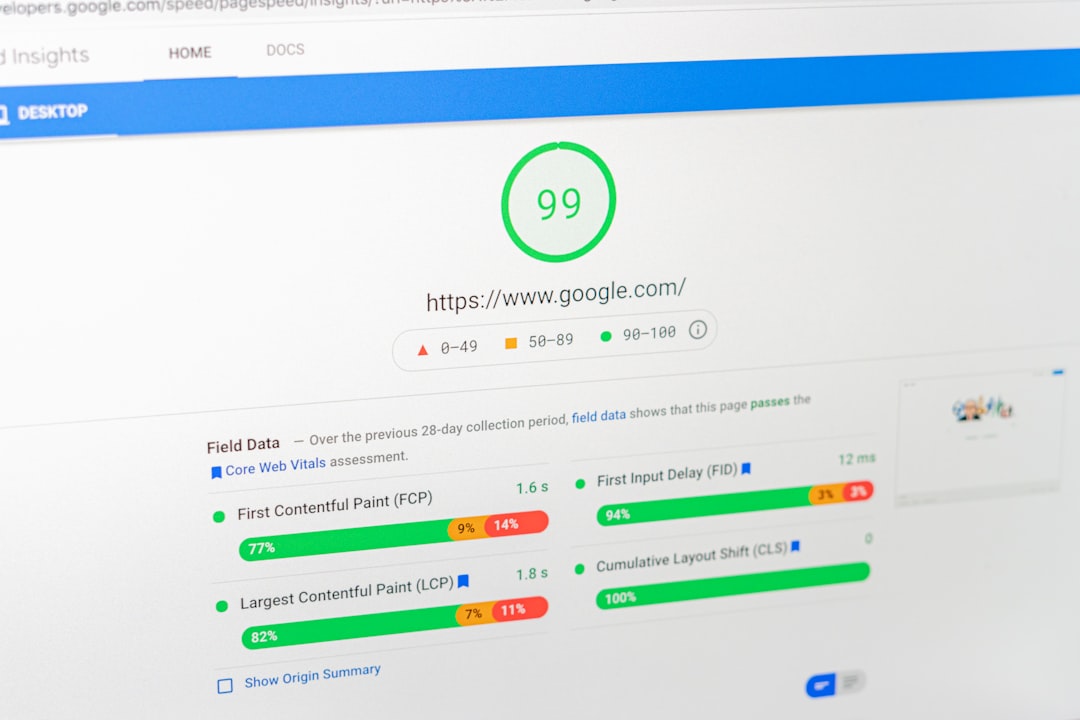
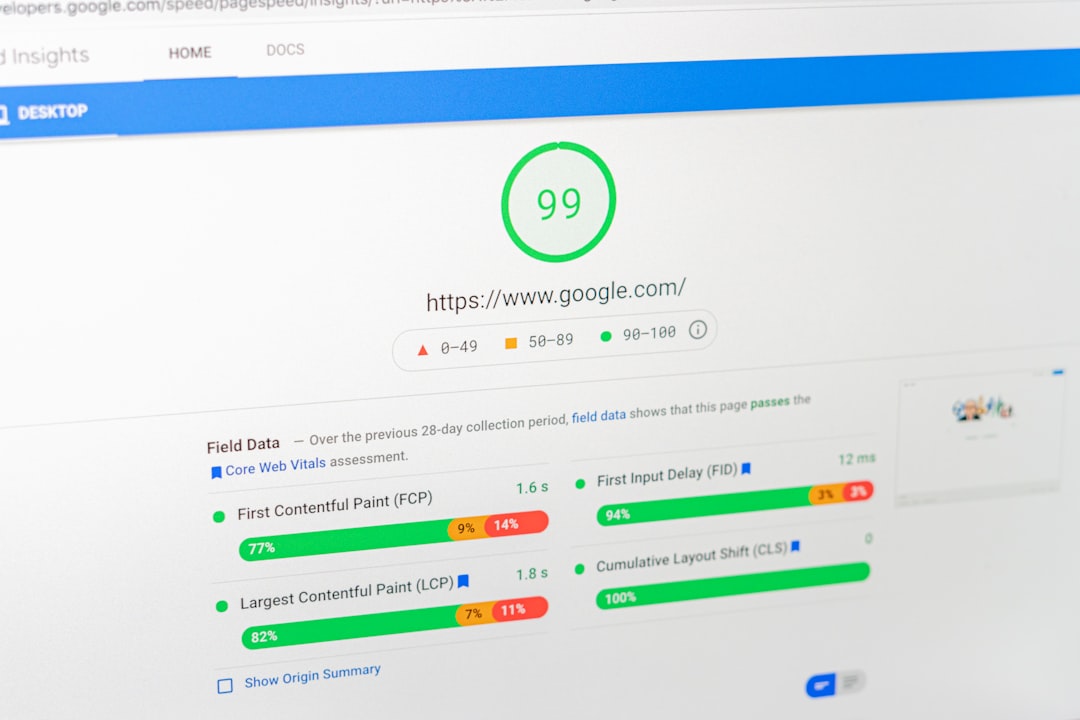
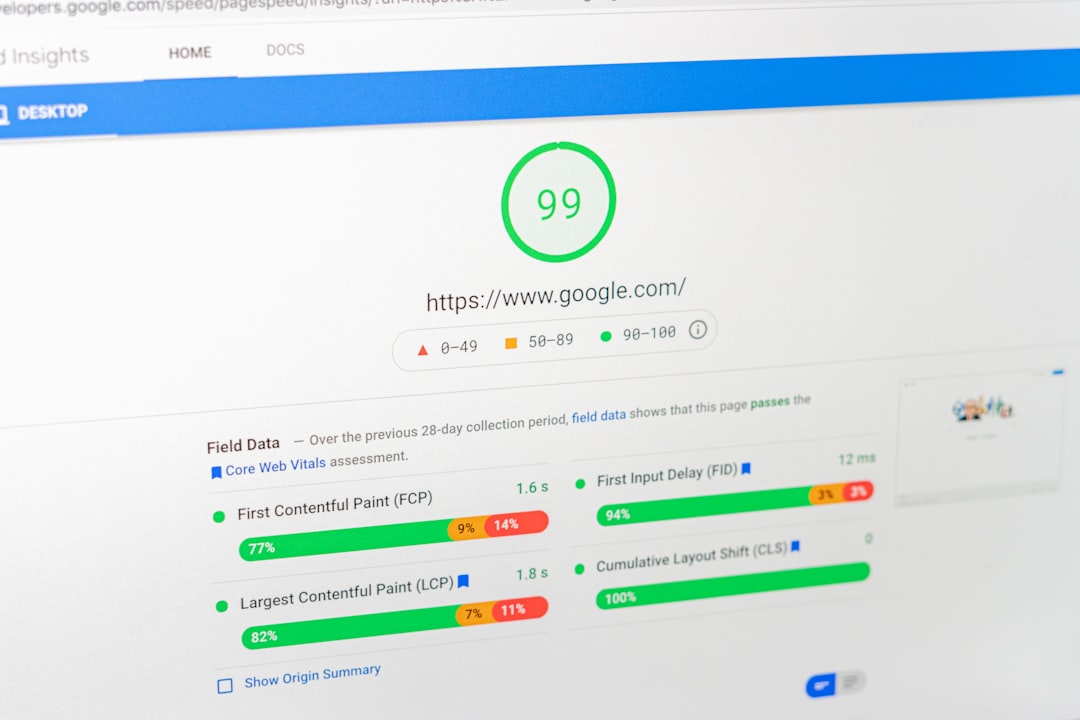
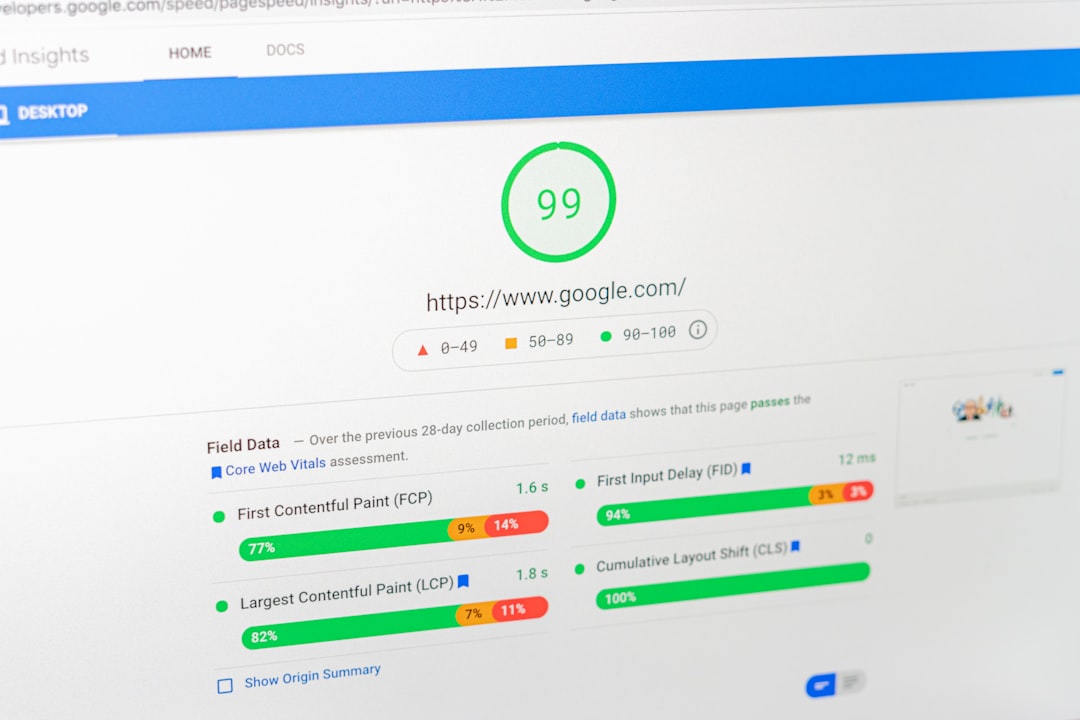
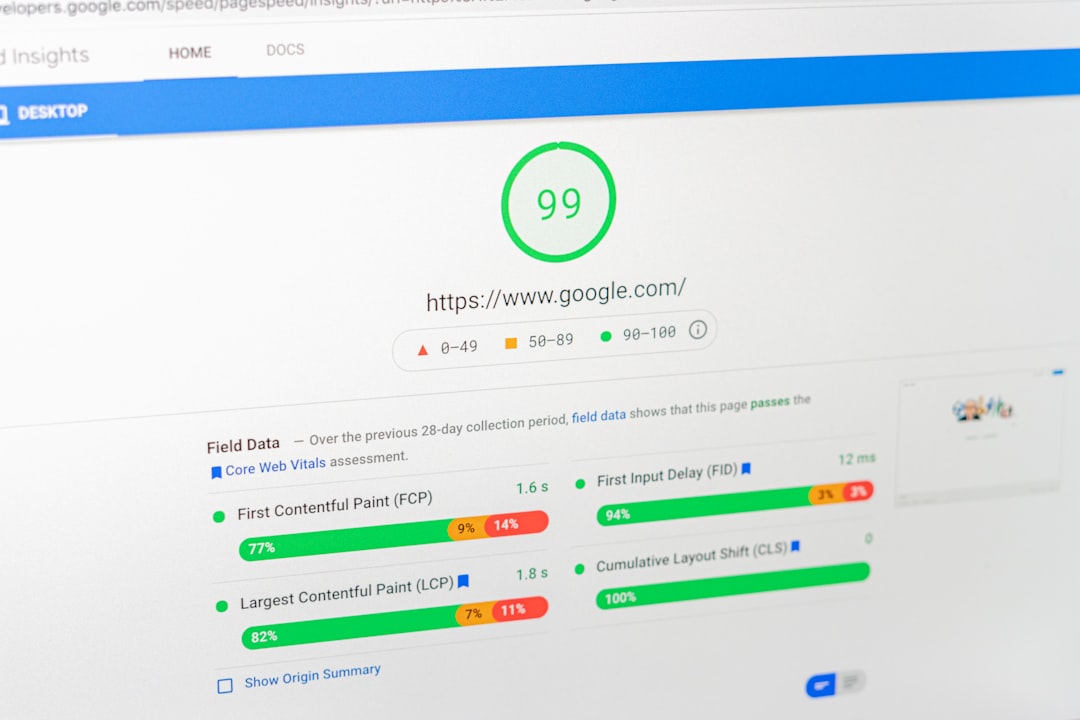
Improving Website Loading Speed
Website speed affects how visitors experience a business’s online presence. Slow pages can frustrate users, especially when they are trying to access contact details or request urgent assistance.
Businesses can improve performance by compressing images, reducing unnecessary scripts, using efficient hosting, and enabling appropriate caching. Website owners should also avoid adding excessive animations or large media files that provide little practical value.
Speed improvements should be evaluated using reliable performance testing tools. Regular monitoring helps identify technical issues before they negatively affect the customer experience.
Creating Simple Navigation and Clear Contact Options
Website navigation should help visitors find important information without unnecessary effort. Main menu sections can include services, locations, about the business, customer reviews, and contact information.
A visitor looking for roofing services should be able to reach the relevant service page directly instead of searching through unrelated content. Clear navigation also helps customers explore additional information when comparing available options.
Important contact options should remain visible and easy to access. A well-designed website guides visitors toward useful actions without making the experience feel complicated or overly promotional.
Making Phone Numbers Clickable
Clickable telephone numbers allow smartphone users to contact a business directly by tapping the number displayed on the website. This is especially useful for service providers that receive inquiries about appointments, urgent repairs, and service estimates.
Business owners should ensure that telephone links work correctly and connect customers to the appropriate department or representative. Displaying the same primary telephone number across important website pages can also make contact information easier to recognize.
For companies serving several Georgia communities, it may be useful to explain which locations are covered by the listed telephone contact. This helps customers understand whether the company can assist them before calling.
Improving Mobile Conversion Opportunities
A mobile-friendly website should make it simple for visitors to complete important actions. These may include requesting a quote, booking an appointment, calling the business, or submitting a contact form.
Forms should contain only essential fields and use clear instructions. Long forms with unnecessary questions can discourage customers from completing an inquiry, particularly when they are using a small screen.
Businesses should also provide clear service descriptions and visible calls to action. When visitors can quickly understand the available services and identify the next step, the website becomes more effective at generating leads.
Ensuring a Consistent Experience Across Devices
Customers may discover a business on a smartphone and later revisit its website using a desktop computer. The information and overall experience should remain consistent across devices.
Business owners should review page layouts, images, navigation menus, forms, and important contact details on different screen sizes. They should also ensure that important content is not hidden or difficult to access on mobile devices.
A consistent experience helps customers move between devices without confusion. It also demonstrates that the business takes its online presence seriously.
Technical SEO Essentials for Local Businesses
Technical SEO focuses on improving the underlying structure and performance of a website so search engines can access, understand, and index its content. While content and business listings are important, technical problems can prevent even useful website pages from performing as expected.
Small businesses in Georgia do not need to implement complicated technical systems immediately. They should begin by ensuring that their websites are accessible, secure, properly organized, and free from major technical errors.
Improving Website Indexing and Crawlability
Search engines use automated systems to discover and examine website pages. Crawlability refers to how easily these systems can access website content, while indexing involves storing and organizing information so it can potentially appear in search results.
Business owners should ensure that important service pages and location pages are accessible to search engines. Incorrect robots directives, accidental noindex settings, and broken internal links can prevent valuable pages from being discovered or indexed.
Regular website checks can help identify these problems. Owners should pay particular attention to pages that generate inquiries or explain important business services.
Fixing Broken Links and Website Errors
Broken links lead visitors to pages that no longer exist or cannot be accessed. These problems can make a website appear poorly maintained and interrupt the customer journey.
For example, a customer clicking a link to a roofing service page should not encounter an error message because the page was deleted or its URL was changed. Website owners should periodically review important links and correct outdated destinations.
When a page is permanently moved, an appropriate redirect can help send visitors and search engines to the relevant replacement page. Businesses should avoid redirecting every deleted page to the homepage when a more specific destination exists.
Creating XML Sitemaps
An XML sitemap provides search engines with information about important website URLs. It can help search engines discover relevant pages, particularly when a website contains multiple services, location pages, and educational articles.
Most modern website platforms and SEO tools can generate XML sitemaps automatically. Business owners should ensure that the sitemap contains useful, indexable pages rather than unnecessary or duplicate URLs.
Submitting a sitemap through Google Search Console can help search engines discover website content. However, submitting a sitemap does not guarantee that every listed page will be indexed.
Using HTTPS and Website Security
Website security is important for protecting business information and creating customer confidence. HTTPS encrypts information transferred between a website and its visitors, helping protect sensitive details submitted through forms and other interactions.
A business website should use a valid SSL certificate and ensure that its pages load securely. Owners should also keep website software, plugins, and other components updated to reduce avoidable security risks.
Security should be treated as an ongoing responsibility. Regular backups, strong passwords, and appropriate website maintenance can help protect the business’s digital presence.
Implementing Local Business Schema Markup
Local business schema provides structured information about a business in a format that search engines can interpret. It can describe details such as the company’s name, address, telephone number, business category, and operating hours.
A Georgia-based restaurant, for example, may use appropriate restaurant structured data to communicate information about its business. A service company can implement relevant local business markup when the details accurately reflect its operations.
All structured information should match the visible website content and verified business details. Incorrect or misleading markup should be avoided because structured data is intended to clarify information, not create artificial ranking advantages.
Improving Website Performance and Accessibility
Website performance involves more than loading speed. It also includes visual stability, responsiveness, navigation, and how easily visitors can interact with the content.
Accessibility helps ensure that people with different abilities can use the website. Clear text, appropriate color contrast, descriptive image alt text, keyboard-friendly navigation, and properly labeled forms can make a website easier to use.
Business owners should review their websites regularly and address issues that interfere with customer interactions. A technically reliable and accessible website provides a stronger foundation for local SEO and long-term business growth.

Social Media and Local SEO
Social media can support local SEO by helping small businesses increase brand awareness, connect with nearby customers, and distribute useful website content. Although social media engagement is not a direct Google local ranking factor in the same way as relevance, distance, and prominence, an active social presence can contribute to broader online visibility.
For small businesses in Georgia, social platforms provide opportunities to showcase products, share customer experiences, announce special offers, and participate in community conversations. When social media activity is combined with a well-optimized website and Google Business Profile, it can strengthen the overall digital marketing strategy.
Using Social Platforms to Strengthen Local Brand Awareness
Social media platforms allow businesses to introduce their services to audiences who may not have discovered them through search engines. Regular updates can help customers become familiar with a company’s products, team, services, and business values.
A local restaurant in Savannah could share photographs of its menu, introduce new dishes, and announce seasonal promotions. Similarly, a landscaping company in Atlanta could showcase completed projects and provide practical garden maintenance advice.
Businesses should select platforms that match their target audience and industry. Maintaining a professional and consistent presence is more valuable than creating accounts on numerous platforms without a clear marketing plan.
Sharing Community-Focused Content
Community-focused content helps businesses demonstrate their connection to the areas they serve. Customers often appreciate companies that understand local needs and participate in meaningful community activities.
A Georgia-based retailer could share information about neighborhood events, local celebrations, or community initiatives. A home improvement business might publish seasonal maintenance tips that address common concerns among local homeowners.
This type of content can encourage engagement and make a business more recognizable within its target market. Businesses should ensure that their posts provide genuine value instead of repeatedly publishing promotional messages.
Promoting Local Offers and Business Updates
Social media is useful for communicating important business updates and promotional activities. Companies can announce new services, seasonal discounts, product launches, special events, and changes to their operating schedules.
For example, a Georgia cleaning company could promote a seasonal deep-cleaning package, while a local retail store might announce a limited-time product collection. These updates can encourage followers to visit the business website or contact the company.
Promotional posts should include clear information about the offer, its availability, and any applicable conditions. Accurate communication helps prevent misunderstandings and creates a more professional customer experience.
Encouraging Customer Engagement
Customer engagement helps businesses build relationships with their audiences. Responding to comments, answering questions, and acknowledging customer feedback can make a company appear more approachable and responsive.
Business owners can encourage interaction by asking useful questions, sharing informative tips, and inviting customers to discuss their experiences. They should also monitor messages and respond within a reasonable timeframe.
Engagement should be genuine rather than focused entirely on increasing likes or followers. Meaningful interactions can help businesses understand customer expectations and identify opportunities to improve their services.
Maintaining Consistent Business Information
Social media profiles should display accurate business details, including the official business name, website, telephone number, and relevant location information. Consistency helps customers recognize the company across different platforms.
If a business changes its address, telephone number, or operating hours, owners should update their social profiles along with their website and business listings. Outdated information can create confusion and cause customers to contact the wrong location.
Businesses with multiple locations should clearly identify the relevant branch or service area. This makes it easier for customers to find the correct information before visiting or requesting assistance.
Connecting Social Media Activity with Website Traffic
Social media content can introduce potential customers to useful website resources. Businesses can share links to service pages, educational articles, product information, and location-specific content.
For example, an Atlanta roofing company could publish a post about identifying roof damage and direct interested readers to a detailed article on its website. This gives followers additional information while introducing them to the company’s professional services.
Businesses should monitor referral traffic and customer inquiries to understand which social activities produce meaningful results. Social media should complement local SEO rather than replace website optimization and search visibility efforts.
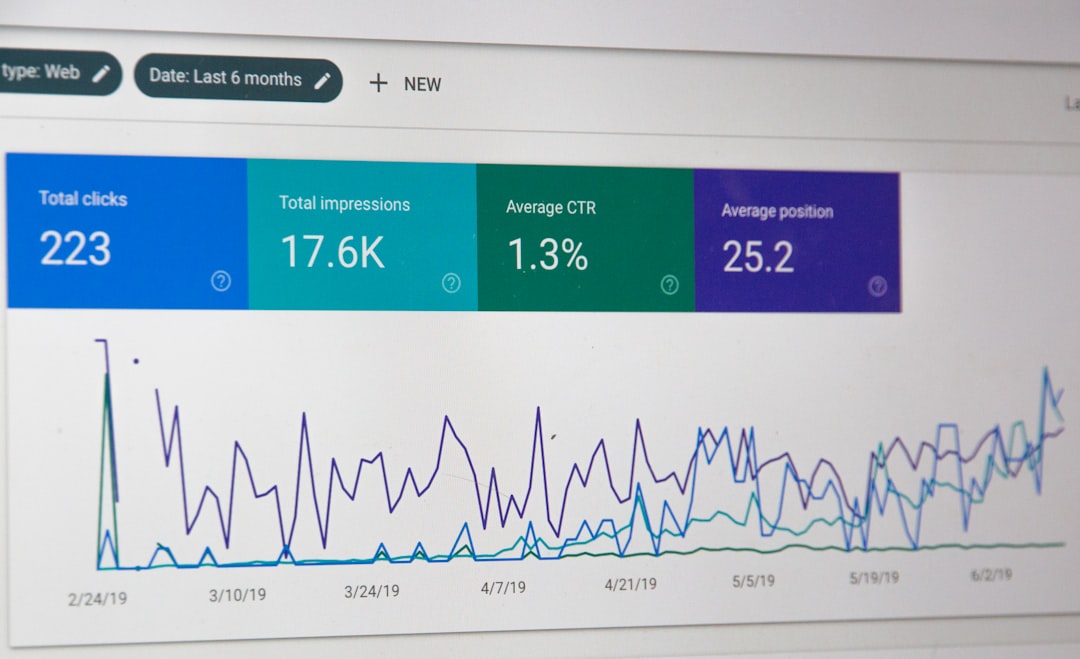
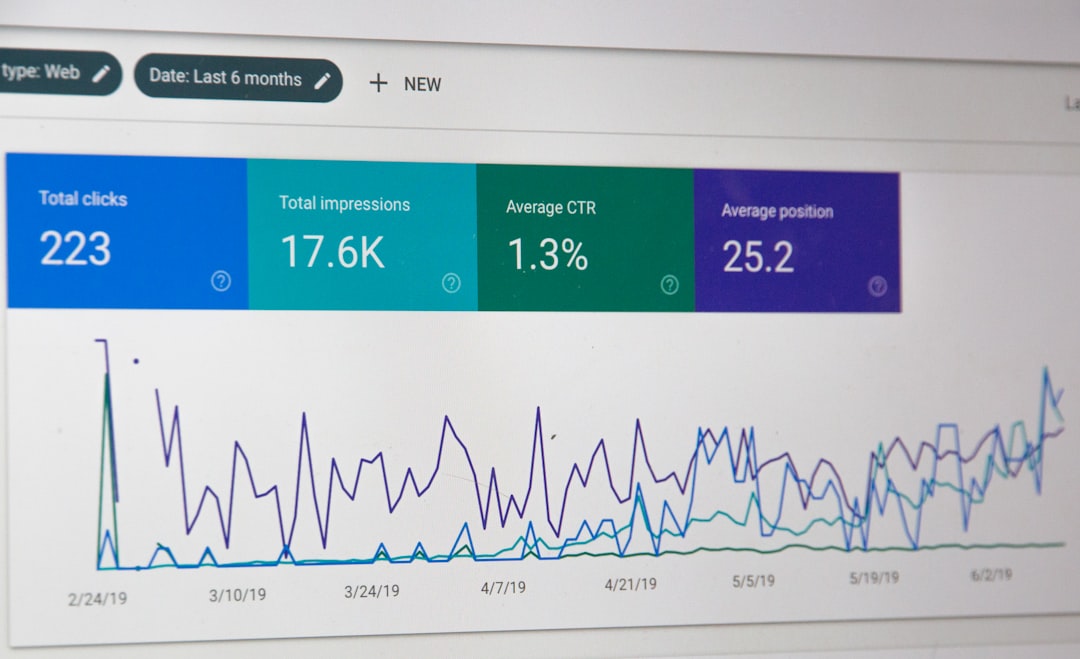
Measuring Local SEO Performance
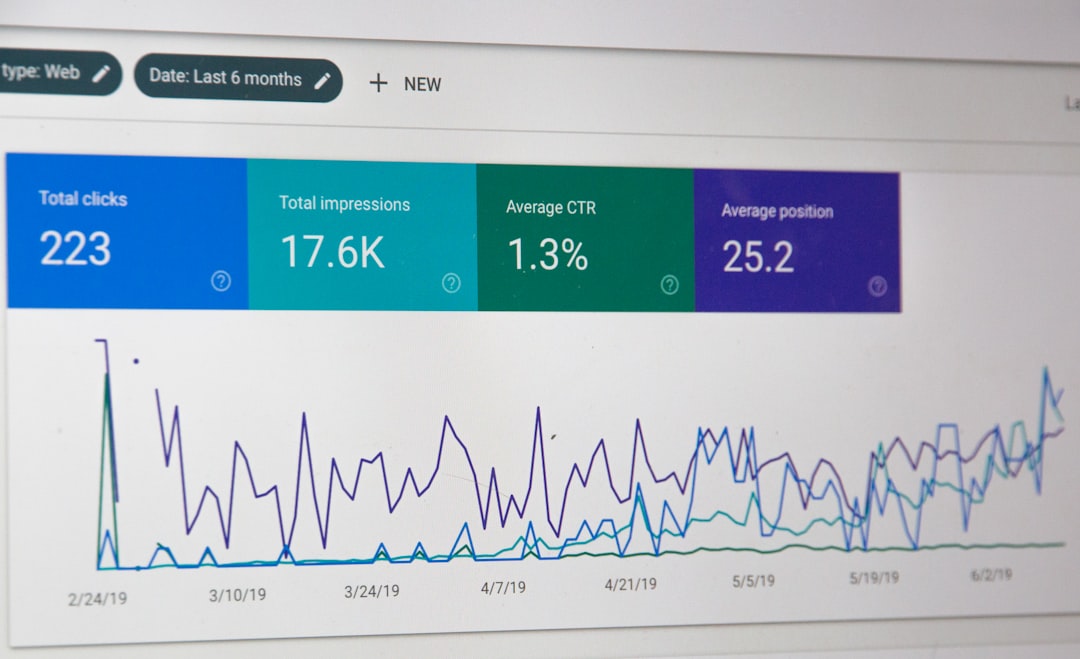
Measuring local SEO performance helps business owners understand whether their marketing activities are producing meaningful improvements. Without regular measurement, it can be difficult to identify successful strategies, recognize weaknesses, or decide where to invest additional resources.
Small businesses in Georgia should focus on performance indicators connected to visibility, customer engagement, leads, and conversions. The objective is not simply to achieve higher rankings but to attract relevant customers and generate sustainable business growth.
Tracking Local Keyword Rankings
Keyword rankings indicate where a website appears in search results for particular search terms. Tracking relevant local keywords can help business owners understand whether their optimization efforts are improving visibility.
For example, a plumbing company in Augusta may monitor phrases such as “plumber in Augusta,” “emergency plumbing Augusta,” and “water heater repair Augusta.” These keywords represent different customer needs and can reveal which services are gaining search visibility.
Rankings can vary depending on the searcher’s location, device, and search context. Therefore, business owners should avoid evaluating their entire SEO strategy using only one keyword or a single ranking report.
Monitoring Google Business Profile Performance
Google Business Profile provides performance information that can help owners understand how customers discover and interact with their business listing. Depending on the available reporting features, businesses may review search terms, profile views, calls, website clicks, and other interactions.
A restaurant in Savannah could use these insights to understand how customers discover its profile and which actions they take afterward. A home service provider might pay particular attention to calls and website visits generated through its listing.
Reviewing this information regularly helps businesses identify patterns and opportunities for improvement. Owners should use performance data to guide practical decisions rather than making changes based on short-term fluctuations alone.
Measuring Website Traffic and Customer Engagement
Website analytics help businesses understand how visitors interact with their online content. Important measurements may include organic traffic, landing page visits, engagement, referral traffic, and the pages that attract the most attention.
For example, a Georgia landscaping company might discover that its lawn maintenance guide attracts more organic visitors than its general homepage. This information could encourage the business to improve the article and add links to relevant service pages.
Website traffic should always be evaluated in relation to business objectives. A smaller number of highly relevant visitors may generate more valuable inquiries than a large amount of unrelated traffic.
Tracking Phone Calls, Direction Requests, and Inquiries
Local businesses often depend on direct customer interactions. Tracking telephone calls, direction requests, contact forms, and appointment requests provides a clearer picture of how online visibility influences real-world business activity.
A dental practice in Macon may monitor how many appointment inquiries originate from its website or business listing. A retail store could examine direction requests to understand whether online discovery encourages customers to visit its physical location.
Businesses can use call tracking and website analytics when appropriate, provided they maintain accurate reporting and comply with applicable privacy requirements. The most useful measurements are those that connect marketing activity with actual customer interest.
Evaluating Leads and Conversions
A lead is a potential customer who expresses interest in a business’s products or services. Conversions occur when visitors complete important actions, such as requesting a quote, booking an appointment, making a purchase, or submitting a contact form.
Business owners should evaluate not only the number of leads but also their quality. For example, a roofing company may receive many inquiries but discover that only a portion come from customers within its service area.
Tracking qualified leads helps businesses understand which pages, keywords, and locations generate the most relevant opportunities. This information can guide future content development and marketing investments.
Understanding Important Local SEO Performance Indicators
A useful performance report should include several measurements instead of focusing on a single ranking position. Reviewing multiple indicators helps business owners understand the relationship between search visibility and customer activity.
| Performance Indicator | What It Measures | Why It Matters |
|---|---|---|
| Local keyword rankings | Search visibility for target terms | Shows keyword performance |
| Organic website traffic | Visitors from unpaid search results | Measures search-driven visits |
| Business profile interactions | Calls, clicks, and other actions | Shows customer engagement |
| Website inquiries | Contact forms and quote requests | Measures lead generation |
| Conversion rate | Percentage of visitors completing desired actions | Evaluates website effectiveness |
| Customer reviews | Feedback and reputation signals | Helps assess customer trust |
| Qualified leads | Relevant potential customers | Measures business opportunity |
| Organic conversions | Actions generated through organic search | Connects SEO with business results |
Business owners should review these indicators monthly or quarterly, depending on the size and activity of their campaigns. Consistent measurement makes it easier to identify progress and adjust strategies when performance changes.
Common Local SEO Mistakes Georgia Small Businesses Should Avoid
Local SEO can provide valuable opportunities, but certain mistakes can reduce its effectiveness. Small businesses sometimes invest time in optimization activities without understanding whether those activities improve their online presence or customer experience.
Avoiding common problems helps businesses protect their reputation, maintain accurate information, and develop a more sustainable strategy. The following mistakes deserve particular attention.
Ignoring Google Business Profile Optimization
Creating a Google Business Profile and leaving it incomplete can limit the information available to potential customers. Missing business hours, inaccurate categories, outdated photographs, and incomplete service descriptions can make a company appear less professional.
Owners should review their profiles regularly and ensure that important details accurately represent the business. They should also monitor customer reviews and update information whenever operational changes occur.
A complete profile provides customers with useful information and supports the company’s local search presence. It should be treated as an important part of ongoing digital marketing rather than a one-time setup task.
Targeting Overly Broad Keywords
Broad keywords may attract large amounts of search traffic, but they do not always generate relevant customer inquiries. A small business competing for general terms may struggle against larger websites with broader authority and marketing resources.
A local Georgia contractor may achieve better results by targeting specific services and communities rather than focusing entirely on general construction keywords. This approach helps the business connect with customers whose requirements match its actual offerings.
Keyword selection should reflect customer intent, service availability, and realistic business objectives. A smaller number of relevant search terms can be more valuable than an extensive list of unrelated keywords.
Using Inconsistent Business Information
Different business addresses, telephone numbers, and company names across online platforms can create confusion. Customers may become uncertain about which details are correct, while inconsistent information can complicate the management of the business’s online identity.
Owners should maintain a central record of official business details and use it when updating directories, websites, and social media accounts. Any changes should be reflected across important platforms as soon as practical.
Regular citation reviews can help identify outdated listings and duplicate profiles. Maintaining accurate information is a simple but important part of local SEO management.
Publishing Thin or Duplicated Location Pages
Creating dozens of location pages with almost identical content is not an effective long-term strategy. Pages that provide little unique value may offer a poor experience and fail to address the needs of customers in their intended locations.
Businesses should create location pages only when they have meaningful information to share about the services available in those communities. Each page should explain relevant offerings, service coverage, and customer needs.
Quality should always take priority over page quantity. A smaller website with useful, well-organized location content can provide a better experience than a large collection of repetitive pages.
Ignoring Customer Reviews
Customer feedback influences how potential buyers evaluate a business. Ignoring reviews can create the impression that the company does not value customer experiences or take complaints seriously.
Owners should monitor new reviews and respond professionally, regardless of whether the feedback is positive or negative. They should also identify recurring issues and use customer comments to improve service quality.
A consistent review management process helps businesses maintain a professional reputation. Genuine customer experiences should always be the foundation of review generation.
Building Low-Quality Backlinks
Some businesses try to improve rankings by purchasing large numbers of backlinks or participating in questionable link schemes. These practices can create risks and do not provide the same value as genuine editorial recognition.
Local link building should focus on relevant organizations, industry associations, community partnerships, and useful resources. Links should come from meaningful relationships and websites that provide value to their audiences.
Business owners should evaluate link opportunities carefully and avoid services that promise unrealistic ranking improvements through automated link creation.
Neglecting Mobile Website Performance
A website that works well on desktop computers but performs poorly on smartphones can lose potential customers. Small text, difficult navigation, slow loading, and complicated forms can discourage visitors from contacting the business.
Owners should test their websites regularly using different devices and screen sizes. Important information should remain accessible, and contact options should be easy to use.
Improving mobile performance supports a better user experience and helps businesses serve customers who rely on smartphones for local searches.
Expecting Immediate SEO Results
Local SEO is a long-term marketing activity that requires research, implementation, monitoring, and continuous improvement. Businesses that expect immediate ranking improvements may become discouraged before their strategies have enough time to produce meaningful results.
The timeline depends on factors such as competition, website condition, business reputation, location, and the amount of optimization required. Some improvements may become visible relatively quickly, while stronger organic growth can take several months or longer.
Owners should establish realistic expectations and measure progress through multiple performance indicators. Consistency and quality are more valuable than constantly changing strategies in response to short-term fluctuations.
Local SEO Budget and Investment Considerations
Planning a local SEO budget helps small business owners prioritize marketing activities and make informed decisions about professional services. The amount required depends on business size, competition, target locations, website condition, and the level of support needed.
A well-planned investment should focus on activities that contribute to visibility, customer engagement, and qualified leads. Instead of selecting the cheapest available package, businesses should evaluate the quality and relevance of the services being offered.
Understanding the Cost of Local SEO Services
Local SEO pricing can vary significantly depending on the scope of work. Basic services may involve Google Business Profile optimization, keyword research, and citation management, while more comprehensive campaigns may include website improvements, content development, technical SEO, and ongoing reporting.
A business operating in a competitive Atlanta market may require more extensive optimization than a company serving a smaller community. Similarly, a business targeting several Georgia cities may need additional location pages and content management.
Owners should request a clear explanation of what an SEO package includes before making a financial commitment. Pricing should be evaluated alongside experience, service quality, reporting standards, and realistic expectations.
Choosing Between DIY SEO and Professional Assistance
Small business owners can manage many basic SEO activities themselves. Updating business information, responding to customer reviews, publishing helpful content, and checking website details are practical tasks that do not always require professional assistance.
However, more complicated activities such as technical SEO audits, structured data implementation, competitive research, and large-scale content optimization may require specialized knowledge. Hiring an experienced professional can help businesses avoid unnecessary mistakes and use their marketing resources more effectively.
The right choice depends on available time, technical skills, business goals, and budget. Some companies prefer to manage basic activities internally while working with an SEO specialist for more advanced tasks.
Prioritizing Essential SEO Activities
Businesses should begin with improvements that address their most important weaknesses. A company with an incomplete business profile may benefit more from correcting its information than investing immediately in an extensive backlink campaign.
A practical priority list may include:
-
Optimizing and verifying the Google Business Profile.
-
Improving important service and location pages.
-
Correcting inaccurate business information.
-
Making the website mobile-friendly and secure.
-
Building a genuine customer review process.
-
Improving website content and internal links.
-
Tracking qualified inquiries and conversions.
Prioritizing essential activities helps prevent unnecessary spending. It also gives business owners a clear understanding of which improvements should be completed first.
Evaluating SEO Packages and Service Providers
Choosing an SEO provider requires careful evaluation because not all agencies and consultants offer the same level of service. Business owners should look for transparent communication, relevant experience, realistic strategies, and clear reporting.
A professional provider should explain how the campaign will improve the company’s online presence and which activities will be included. They should also discuss limitations, expected timelines, and the measurements that will be used to evaluate performance.
Owners should be cautious of guaranteed number-one rankings, suspiciously cheap packages, and providers who refuse to explain their methods. Sustainable SEO depends on consistent quality rather than unrealistic promises.
Understanding Long-Term SEO Value
SEO should be viewed as an investment in the business’s long-term digital presence. Unlike short-term advertising campaigns that generally stop generating paid exposure when spending ends, useful organic content and a well-maintained website can continue attracting visitors over time.
This does not mean that SEO requires no ongoing investment. Websites need updates, customer reviews require attention, and search engine competition continues to change.
The long-term value comes from building a stronger online foundation that supports customer discovery and business growth. When managed properly, local SEO can become an important part of a company’s overall marketing strategy.
Creating a Realistic Marketing Budget
A realistic budget should reflect the business’s financial capacity and marketing priorities. Owners should consider both initial improvements and the ongoing resources needed to maintain their websites and online profiles.
For example, a small service provider might begin with basic website improvements, Google Business Profile optimization, and a consistent review process. As the company generates more leads, it can gradually invest in additional content, technical improvements, and local link-building activities.
Business owners should regularly compare marketing expenses with the quality of leads and conversions generated. This helps them determine whether their current investment is producing enough value to justify continued spending.
Building a Practical Local SEO Strategy for Georgia
A successful local SEO campaign requires a structured plan that connects business objectives with customer needs. Instead of performing unrelated optimization tasks, small businesses should develop a strategy that addresses their website, business listings, content, reputation, and performance measurement.
For Georgia business owners, a practical approach should begin with the locations they genuinely serve and the services they want to promote. The following steps provide a useful framework for building a sustainable campaign.
Evaluating Your Current Online Presence
Before implementing new SEO activities, business owners should understand how their company currently appears online. This includes reviewing website performance, search visibility, Google Business Profile information, customer reviews, and important business listings.
Owners should identify missing pages, inaccurate contact information, technical errors, and content that needs improvement. Reviewing competing businesses can also reveal useful opportunities and areas where the company needs stronger differentiation.
An initial audit provides a clear starting point for measuring future improvements. It helps prevent unnecessary work by identifying the issues that deserve the most attention.
Identifying Target Cities and Customer Groups
Businesses should determine which communities provide the strongest opportunities for their services. The selected locations should reflect actual operating areas, customer demand, and the company’s ability to serve those markets.
A contractor operating in Atlanta and nearby suburbs may prioritize communities where it already has customers and sufficient service capacity. A retail business with one physical location may focus more heavily on customers who can realistically visit its store.
Customer groups should also be considered when planning content. Homeowners, commercial property managers, families, and business owners may search for different solutions even when they need similar services.
Prioritizing Website and Google Business Profile Improvements
Once the target market is established, businesses should improve the online information customers rely on most. The website should clearly explain the main services, service areas, contact options, and important customer benefits.
The Google Business Profile should contain accurate information, suitable categories, professional photographs, and relevant service details. Business owners should also review their customer feedback and ensure that the profile reflects current operations.
These improvements create a stronger foundation for future content and marketing activities. They also make it easier for potential customers to understand what the business offers.
Developing a Content and Keyword Strategy
Businesses should select keywords based on their services, geographic coverage, and customer search intent. Each important website page should have a clear purpose and address a specific customer requirement.
A content calendar can help organize service pages, location pages, blog posts, and educational resources. For example, a Georgia roofing company could publish content about roof maintenance, storm damage, replacement materials, and inspection services.
Content should be updated when business offerings, customer requirements, or industry information changes. Regular publishing is useful when it supports a clear strategy, but quality should always take priority over frequency.
Building Citations, Reviews, and Local Backlinks
After improving the website and business profile, owners should strengthen their company’s broader online presence. This involves maintaining accurate business listings, encouraging honest customer reviews, and building relationships with relevant local organizations.
A company can begin with a few trusted directories and professional associations rather than trying to submit its information everywhere. It can also develop relationships with community organizations and complementary businesses to create meaningful partnership opportunities.
Review management should remain consistent throughout the campaign. Genuine feedback, professional responses, and improvements based on customer concerns can strengthen the company’s reputation.
Monitoring Results and Improving Campaigns
Local SEO requires regular evaluation because customer behavior, competition, and search engine systems can change. Business owners should review keyword visibility, website traffic, business profile interactions, customer inquiries, and qualified leads.
If a location page attracts visitors but generates few inquiries, the business may need to improve its service information or contact options. If a particular service page performs well, the company may consider developing related educational content.
Ongoing improvements should be based on meaningful performance data rather than assumptions. This approach helps businesses use their resources more effectively and build a strategy that adapts as the company grows.
Local SEO Trends Small Business Owners Should Understand
Search engines continue to evolve, and customer expectations change as new technologies influence how people discover businesses. Small business owners in Georgia should understand important developments without abandoning the fundamental principles of useful content, accurate business information, and positive customer experiences.
Keeping up with relevant trends can help companies prepare for changes in search behavior and maintain a competitive online presence.
The Growing Importance of Search Intent
Search engines increasingly focus on understanding what users actually want when they enter a search query. This means that simply including keywords in website content is not enough to create a useful search experience.
A person searching for “best roofing options for Georgia homes” may want educational information, while someone searching for “roof replacement contractor in Atlanta” may be ready to contact a provider. Businesses should create different types of content to address these requirements.
Understanding search intent helps companies organize their websites more effectively. It also makes content more useful because visitors can find information that matches their immediate needs.
The Influence of AI-Powered Search Experiences
Artificial intelligence is changing how search engines organize and present information. AI-powered search experiences may provide summaries, comparisons, and direct answers to questions that previously required users to visit several websites.
Small businesses should respond by creating accurate, informative, and well-structured website content. Clear explanations of services, genuine business experience, helpful FAQs, and consistent company information can make content easier for both users and search systems to understand.
Businesses should not create content solely to manipulate AI-generated results. The most sustainable approach is to publish trustworthy information that answers real customer questions and demonstrates genuine expertise.
The Role of Conversational and Voice Searches
Customers increasingly use natural language when searching through voice assistants and mobile devices. Instead of typing short keyword phrases, they may ask complete questions such as “Where can I find an affordable plumber in Savannah?”
Businesses can prepare for conversational searches by including natural questions and answers in their website content. Frequently asked questions can address common concerns about services, pricing, availability, and service areas.
Content should remain natural and useful rather than being written exclusively for voice search. Clear information and direct answers can improve the experience for customers regardless of how they search.
Increasing Demand for Helpful Local Content
Customers want information that helps them make confident decisions. Generic articles that repeat common marketing statements provide little value compared with content that explains real problems and practical solutions.
A Georgia-based home service provider could publish detailed maintenance guides, explain common repair issues, and answer questions about professional services. A restaurant could share useful information about its menu, dining options, and special events.
Businesses should focus on accuracy, originality, and customer relevance. Helpful local content can strengthen brand recognition and provide additional opportunities for organic search visibility.
The Importance of Authentic Customer Experiences
Customer experience remains an important part of long-term business success. Accurate business information, genuine reviews, responsive communication, and reliable services help create a positive impression.
Businesses should not focus only on search engine rankings while ignoring the experience customers receive after contacting the company. Poor service can damage reputation even when the business has strong online visibility.
A sustainable local SEO strategy should connect digital marketing with real business quality. When customers receive the experience they expect, they are more likely to return, recommend the company, and share genuine feedback.
Adapting to Changing Search Engine Algorithms
Search engines regularly update their systems to improve the quality and relevance of search results. These changes can influence how websites perform, making ongoing monitoring an important part of SEO management.
Businesses should avoid relying on outdated techniques such as excessive keyword repetition, copied content, and manipulative link-building practices. Instead, they should focus on useful information, website accessibility, accurate business details, and genuine customer value.
Algorithm changes may create temporary ranking fluctuations, but a strong website foundation helps businesses adapt more effectively. Owners should evaluate long-term performance instead of making unnecessary changes whenever rankings move slightly.
Why Choose DealMate
Choosing the right SEO partner can make a significant difference in how effectively a small business develops its online presence. DealMate understands that local businesses need practical digital marketing strategies that connect search visibility with real customer opportunities.
For small business owners in Georgia, the objective should be more than appearing in search results. A successful strategy should help potential customers discover relevant services, understand business offerings, and feel confident about making contact.
Understanding Local SEO Needs for Small Businesses
Every business has different goals, customers, services, and operating areas. A restaurant in Savannah has different marketing requirements from a roofing contractor in Atlanta or a professional service provider in Augusta.
DealMate focuses on understanding these differences when developing local SEO strategies. By considering business objectives, target locations, customer needs, and market competition, the optimization process can become more relevant and effective.
Developing Practical and Customized SEO Strategies
A successful SEO campaign should reflect the actual requirements of the business instead of following a generic checklist. Some companies need stronger Google Business Profile optimization, while others may require improved service pages, technical SEO, or more relevant local content.
DealMate emphasizes a structured approach that helps businesses identify important opportunities and prioritize useful improvements. This allows business owners to focus their resources on activities that support their marketing objectives.
Improving Local Search Visibility
Online visibility helps customers discover businesses when they search for relevant products and services. A strong local SEO strategy can improve the way a business presents itself through website content, location information, and business listings.
DealMate supports local search optimization by focusing on relevant keywords, website improvements, accurate business information, and useful content. These activities help create a stronger digital foundation for businesses competing in Georgia’s local markets.
Supporting Sustainable Online Growth
Long-term SEO success requires consistency, evaluation, and continuous improvement. Businesses need strategies that can adapt as their services expand, competition changes, and customer search behavior develops.
DealMate recognizes the importance of building a reliable online presence rather than depending on temporary marketing shortcuts. A structured approach to content, optimization, and performance tracking can help businesses work toward sustainable digital growth.
Helping Businesses Connect with Potential Customers
The ultimate purpose of local SEO is to connect businesses with people who need their products or services. Increased visibility becomes more valuable when it leads to relevant website visits, telephone calls, inquiries, and customer relationships.
DealMate aims to help small businesses strengthen this connection through practical SEO strategies and customer-focused optimization. By making important business information easier to discover, companies can create more opportunities to reach their target audiences.
Frequently Asked Questions About Local SEO in Georgia
What Is Local SEO, and Why Does My Georgia Business Need It?
Local SEO is the process of improving a business’s visibility in geographically relevant search results. It helps customers discover nearby companies when searching for particular products or services. Georgia small businesses can use local SEO to attract relevant visitors, generate inquiries, and compete within their service areas. It is especially valuable for companies that depend on customers from specific cities, neighborhoods, or communities.
How Long Does Local SEO Take to Show Results?
Local SEO timelines depend on competition, website quality, business reputation, and the amount of optimization required. Some improvements, such as correcting business information or updating a Google Business Profile, may produce noticeable changes relatively quickly. Stronger organic visibility and consistent lead generation may require several months of ongoing work. Businesses should focus on sustainable improvements rather than expecting guaranteed rankings within a specific timeframe.
Is Google Business Profile Important for Local SEO?
Yes, Google Business Profile is an important tool for businesses that want to appear in relevant local search experiences. It allows companies to display their business information, operating hours, photographs, services, and customer reviews. A complete and accurate profile helps potential customers understand what the business offers and how to contact it. Owners should regularly update their profiles to ensure that all information reflects current business operations.
How Much Does Local SEO Cost in Georgia?
Local SEO costs vary depending on the services required, competition, website condition, and number of target locations. Basic optimization may involve business profile improvements and keyword research, while larger campaigns can include content creation, technical SEO, and ongoing management. Small businesses should evaluate providers based on the quality and transparency of their services rather than choosing an option solely because it is inexpensive. A realistic budget should support both initial improvements and long-term optimization.
Can a Small Business Compete with Larger Companies Through Local SEO?
Yes, small businesses can compete by focusing on specific services, geographic areas, and customer requirements. They do not need to target every broad keyword that larger companies pursue. Developing useful location pages, maintaining accurate business information, earning genuine reviews, and creating relevant content can strengthen local visibility. A focused strategy helps smaller companies highlight their local knowledge and personalized customer service.
Do I Need Separate Pages for Different Georgia Cities?
Separate location pages can be useful when a business genuinely serves multiple cities and has meaningful information to provide about each area. These pages should explain relevant services, coverage details, and customer needs instead of repeating identical content with different city names. Businesses should prioritize quality and accuracy when creating location-focused pages. If a company does not actually serve a particular community, it should avoid creating misleading location pages.
How Often Should I Update My Google Business Profile?
Business owners should update their Google Business Profile whenever important information changes. This includes operating hours, telephone numbers, addresses, services, and temporary closures. Adding fresh photographs and useful business updates can also help keep the profile informative for potential customers. Owners should regularly review the profile to identify outdated information and respond to new customer feedback.
Do Online Reviews Improve Local Search Visibility?
Online reviews contribute to customer trust and are among the factors associated with local search prominence. Genuine reviews can help potential customers compare businesses and understand the experiences of previous clients. Businesses should encourage honest feedback and respond professionally to both positive and negative comments. Reviews should never be purchased or manipulated because authentic customer experiences are essential for maintaining a trustworthy reputation.
Can I Manage Local SEO Without Hiring an Expert?
Yes, business owners can manage several basic local SEO activities independently. These include updating business profiles, requesting genuine reviews, publishing useful content, maintaining accurate listings, and reviewing website information. More advanced tasks such as technical audits, competitive research, structured data implementation, and comprehensive SEO campaigns may require professional assistance. The best approach depends on the owner’s available time, knowledge, resources, and business goals.
How Can I Measure Whether My Local SEO Strategy Is Working?
Businesses can evaluate local SEO performance by monitoring keyword rankings, organic website traffic, Google Business Profile interactions, customer inquiries, and conversions. These measurements help owners understand whether their online visibility is attracting relevant visitors and potential customers. Reviewing performance consistently also makes it easier to identify pages or services that need improvement. The most important measure of success is whether the strategy contributes to meaningful business opportunities and sustainable growth.
Conclusion
Local SEO is an important growth opportunity for small businesses throughout Georgia. Whether a company operates in Atlanta, Savannah, Augusta, Columbus, Macon, or a smaller community, improving its local online presence can help connect its services with customers who are actively searching for relevant solutions.
Building a successful local SEO strategy requires several connected activities, including Google Business Profile optimization, keyword research, useful website content, accurate business listings, customer review management, and technical website improvements. Businesses should also pay attention to mobile performance, local relationships, and regular performance measurement to create a reliable foundation for long-term success.
The most effective approach is to focus on customers rather than rankings alone. By providing accurate information, publishing valuable content, maintaining a professional reputation, and improving the website experience, Georgia small business owners can create more opportunities to attract qualified leads and build lasting customer relationships.
With consistent effort and a well-planned strategy, local SEO can become a valuable part of business growth. DealMate can help businesses work toward stronger online visibility, reach relevant local audiences, and develop a digital presence that supports their long-term goals.