SEO for Local Georgia Businesses: A Complete Guide to Growing Your Local Visibility
🏙️ Introduction to Local SEO for Georgia Businesses
Georgia has a diverse business environment where small businesses, professional service providers, retailers, restaurants, and home service companies compete to attract customers in their local communities. Whether a company operates in Atlanta, Savannah, Augusta, Columbus, Macon, or a smaller Georgia town, appearing prominently in local search results can make it easier for potential customers to discover its services and take action.
Today, many customers use search engines to find nearby businesses, compare service providers, read customer reviews, and evaluate available options before making purchasing decisions. Searches such as “plumber near me,” “best restaurant in Savannah,” and “SEO agency in Atlanta” demonstrate how people use online information to identify businesses that meet their immediate needs. Local search engine optimization helps businesses improve their visibility for these searches and connect with people who are actively looking for relevant products or services.
Local SEO, commonly known as local search engine optimization, involves improving a business’s online presence so it can appear more prominently in geographically relevant search results. It includes optimizing a website, maintaining an accurate Google Business Profile, collecting genuine customer reviews, developing locally relevant content, and ensuring that business information remains consistent across important online platforms. When these activities work together, they can help a business build credibility, attract qualified visitors, and generate more opportunities for inquiries, bookings, and sales.
For Georgia businesses, local SEO should be viewed as an ongoing investment rather than a one-time marketing task. Search behavior, competitors, customer expectations, and business offerings can change over time, making regular optimization important for maintaining visibility. A well-planned local SEO strategy helps businesses establish a stronger digital presence while creating a convenient and trustworthy experience for customers throughout their target service areas.
📍 Understanding the Georgia Local Search Market
Georgia includes major metropolitan areas, growing suburban communities, established commercial districts, and smaller towns with distinct customer needs. A business serving downtown Atlanta may compete in a crowded market with numerous similar providers, while a company operating in a smaller community may have different opportunities based on local demand, service availability, and competition. Understanding these differences allows businesses to develop search strategies that reflect the communities they actually serve.
Atlanta offers opportunities across professional services, hospitality, healthcare, home improvement, technology, and retail. Savannah has a strong tourism and hospitality presence, while Augusta supports healthcare, education, retail, and various professional services. Columbus, Macon, and other Georgia communities also offer opportunities for businesses that understand their audiences and provide useful information tailored to local customers.
Local SEO works best when businesses identify the specific locations, neighborhoods, and customer groups that matter most to their operations. Rather than attempting to target every city in Georgia immediately, a company can begin with its primary service area and expand its strategy as its online presence and operational capacity grow. This focused approach helps businesses create more relevant content, prioritize suitable keywords, and direct marketing resources toward realistic opportunities.
Mobile search is another important part of the local market because customers frequently use smartphones to find businesses while commuting, shopping, traveling, or dealing with an immediate service need. A potential customer might search for an emergency electrician, a nearby coffee shop, or a reliable auto repair service and expect to find accurate information quickly. Businesses that maintain updated listings, mobile-friendly websites, clear contact details, and useful customer information can make it easier for these searchers to choose them.
🔎 What Local SEO Means for Your Business
Traditional SEO generally focuses on improving a website’s visibility for relevant searches across broader geographic areas, while local SEO emphasizes searches connected to a specific location or service area. Both approaches involve technical improvements, useful content, keyword research, and website quality, but local SEO also places particular importance on business location information, local reputation, and geographically relevant search intent. A Georgia business may benefit from both approaches when it wants to attract nearby customers and build wider brand awareness.
Google Search and Google Maps are important discovery channels for local businesses. Depending on the query, searchers may see a map with nearby businesses, business profiles, organic website results, review information, and other relevant details. These results can help potential customers compare options without visiting every business website individually, making accurate information and a strong online reputation valuable parts of local marketing.
Local search visibility is influenced by several factors, including relevance, distance, and prominence. Relevance describes how closely a business matches what the customer is searching for, while distance relates to the location of the business in relation to the searcher or the location mentioned in the query. Prominence reflects how well known or established a business appears to be, with factors such as online information, reviews, links, and general reputation potentially contributing to its visibility.
Businesses cannot control every aspect of local search rankings, particularly the searcher’s location or changes in search engine systems. However, they can improve the quality of their information, make their websites more useful, strengthen their reputations, and ensure that their services are described clearly. These practical improvements create a stronger foundation for local visibility and help customers understand why a business may be suitable for their needs.
🎯 Benefits of Local SEO for Georgia Businesses
One of the most valuable benefits of local SEO is improved visibility among customers who are already looking for a particular product or service. Instead of relying exclusively on broad advertising campaigns, a business can optimize its digital presence to appear for searches that indicate a genuine interest in its offerings. This can help attract visitors who are more likely to contact the business, request a quote, book an appointment, or visit a physical location.
Local SEO can also help businesses establish credibility before a customer makes contact. A complete business profile, professional website, accurate opening hours, relevant photographs, and genuine customer reviews provide useful information that helps people evaluate their options. When these details are consistent and current, customers can make decisions with greater confidence and encounter fewer obstacles during the buying process.
Another advantage is the opportunity to compete more effectively against businesses with larger marketing budgets. A smaller company may not have the resources to run extensive advertising campaigns, but it can still invest in accurate listings, helpful local content, strong customer service, and a technically sound website. These activities do not guarantee top rankings, yet they can help a smaller business develop meaningful visibility in its relevant market.
Local SEO also supports long-term marketing performance by creating digital assets that continue to provide value after the initial work is completed. A useful service page, a well-maintained business profile, and an established collection of authentic customer reviews can support discovery over time. Consistent monitoring and improvement help businesses identify which activities contribute to real customer inquiries instead of relying only on impressions or ranking reports.
🧭 How to Choose the Right Local Keywords
Keyword research helps Georgia businesses understand the language customers use when searching for products and services. A strong local keyword strategy combines the main service, the relevant location, and the searcher’s likely intention. For example, a roofing company may target phrases such as “roof repair in Marietta,” “roof replacement in Atlanta,” or “storm damage roofing contractor in Georgia” when these services and locations accurately reflect its operations.
The best keywords are not always the ones with the highest search volume. Broad terms can attract visitors who are researching a topic without intending to hire a provider, whereas specific phrases may indicate a clearer need for a particular service. A company that understands these differences can prioritize keywords that align with its services, customer expectations, and commercial objectives.
Location-based keyword research should include more than city names. Depending on the business, useful opportunities may involve neighborhoods, nearby communities, service areas, and regional descriptions that customers naturally use. However, businesses should avoid adding every possible location to every page because repetitive or irrelevant keyword placement can reduce readability and create a poor user experience.
Long-tail keywords can be especially useful for businesses offering specialized services. A phrase such as “affordable residential pest control in Roswell” communicates more specific needs than a general term such as “pest control.” Although highly specific phrases may have smaller individual audiences, they can help a business address customer questions more directly and attract visitors looking for the exact service it provides.
Keyword selection should be based on research rather than assumptions alone. Businesses can examine search suggestions, review customer inquiries, analyze competing websites, and use keyword research tools to identify relevant opportunities. Once suitable terms have been selected, they should be incorporated naturally into page titles, headings, service descriptions, and helpful content without sacrificing clarity or usefulness.
🏢 Optimizing Your Google Business Profile
A Google Business Profile is an important component of local SEO for eligible businesses that interact with customers in person or travel to serve them. It can display essential information such as the business name, category, opening hours, phone number, website, photographs, customer reviews, and directions when applicable. A complete and accurate profile helps potential customers understand what the business offers and how to contact it.
The first step is to claim or create the appropriate profile and complete the verification process required by Google. Businesses should use their genuine business name and provide accurate information that reflects their real-world operations. Adding unnecessary keywords to the business name, creating misleading listings, or establishing duplicate profiles can violate platform guidelines and put the listing at risk.
Selecting the correct primary business category is particularly important because it helps communicate the main service or product offered. Additional categories should be used only when they accurately describe the business, while available service descriptions can explain its offerings in greater detail. A roofing contractor, for example, should clearly distinguish between roof repair, roof replacement, inspections, and other services it genuinely provides.
High-quality photographs can make a business profile more informative and appealing. Depending on the industry, useful images may include the storefront, interior, team, completed projects, products, equipment, or examples of work. Businesses should also review their opening hours regularly, update special holiday schedules when necessary, and confirm that phone numbers and website links remain functional.
Customer reviews deserve consistent attention because they influence how people evaluate local businesses. Companies should encourage genuine feedback from customers without offering prohibited incentives or attempting to manipulate ratings. Responding professionally to reviews, thanking customers for their feedback, and addressing concerns constructively can demonstrate that the business values customer experience.
Google Business Profile performance information can help businesses understand how people discover and interact with their listings. Depending on the available reporting features, useful measurements may include search visibility, profile interactions, calls, website visits, and requests for directions. Reviewing these signals alongside actual leads and sales helps businesses evaluate whether their local SEO efforts are supporting meaningful commercial outcomes.
A business should treat its profile as an active source of customer information rather than a listing that never needs attention. Regular checks help identify outdated details, unanswered questions, incorrect hours, and changes in available services. By keeping the profile accurate, useful, and aligned with the website, Georgia businesses can provide a more consistent experience for customers searching for local solutions.

🌐 Building a Website That Supports Local SEO
A business website is often the first place potential customers visit when they want to learn more about a company, compare services, or request an estimate. For Georgia businesses, an effective website should communicate what the company does, which customers it serves, where it operates, and how visitors can take the next step. Clear navigation, useful information, and accessible contact details make it easier for search engines to understand the website and for customers to find the services they need.
Service pages should explain individual offerings instead of placing every service on a single general page. For example, a home improvement company might create separate pages for kitchen remodeling, bathroom renovations, roofing, and exterior repairs, provided these are genuine services it offers. Each page should explain the service, address common customer questions, describe relevant benefits, and provide a clear way to request more information.
Location pages can also help businesses that genuinely serve multiple Georgia communities. A company operating throughout Atlanta and its surrounding suburbs may create useful pages for specific service areas when it has relevant information to share about serving those locations. Each page should contain meaningful local details, accurate service information, and content tailored to the audience rather than simply replacing one city name with another.
Website navigation should make important pages easy to reach without unnecessary clicks. Customers should be able to find service descriptions, contact information, business hours, and appointment options quickly, particularly when browsing on a smartphone. Clear calls to action, such as requesting a quote, calling the business, or scheduling a consultation, help turn relevant website traffic into potential customers.
Trust is another essential element of website optimization. Businesses can strengthen confidence by displaying genuine testimonials, relevant qualifications, examples of completed work, transparent service information, and appropriate privacy details. The website should accurately represent the company and avoid unsupported claims, misleading guarantees, or fabricated customer experiences that could damage its credibility.
📝 Creating Helpful Content for Georgia Audiences
Content marketing helps local businesses answer customer questions, explain their services, and demonstrate knowledge of their industry. Instead of publishing articles solely to include keywords, businesses should create resources that help readers solve problems or make informed decisions. A Georgia landscaping company, for instance, could explain seasonal lawn care considerations, while an air conditioning contractor could discuss signs that a cooling system needs professional attention during hot weather.
Local relevance makes content more useful when it reflects the real needs of the intended audience. Businesses can discuss seasonal conditions, regional service considerations, local regulations when verified, and common challenges experienced by customers in their service areas. These details should be accurate and genuinely relevant rather than added merely to make an article appear geographically targeted.
A useful local content strategy begins with questions customers frequently ask before making a purchase. A plumber might explain when a blocked drain requires professional attention, while a real estate professional could describe important considerations when preparing to buy a home in a particular Georgia community. Articles that provide clear answers can support organic discovery while helping potential customers understand the value of professional services.
Publishing consistently is generally more sustainable than releasing many low-quality articles at once. Businesses can develop a monthly content calendar that includes service guides, frequently asked questions, practical tutorials, seasonal advice, and locally relevant case studies. Each article should have a clear purpose and connect naturally to relevant service pages when doing so helps readers.
Originality and usefulness should remain the foundation of every content plan. Businesses should avoid copying competitors, creating large numbers of nearly identical city pages, or publishing generic articles that provide little practical information. Reviewing older content periodically helps ensure that advice remains accurate, examples are current, and important pages continue to meet customer expectations.
⭐ Managing Online Reviews and Business Reputation
Online reviews help customers understand other people’s experiences before choosing a local business. When someone searches for a contractor in Atlanta, a restaurant in Savannah, or a professional service provider in Augusta, reviews may influence which businesses they investigate further. A strong reputation can support customer confidence, although businesses should remember that reviews are only one part of the overall decision-making process.
The most sustainable approach to collecting reviews is to make it easy for genuine customers to share honest feedback. A business can provide a review link after completing a project, sending a customer follow-up message, or finishing an appointment. Requests should remain polite and neutral, allowing customers to describe their experiences freely without pressure to leave a positive rating.
Responding to reviews shows that the business takes customer feedback seriously. When customers leave positive comments, a thoughtful response can acknowledge their support and reinforce the relationship. When a review describes a problem, the business should respond calmly, recognize the concern where appropriate, and offer a practical way to discuss the issue privately without revealing sensitive customer information.
Negative feedback can reveal opportunities to improve service quality, communication, scheduling, or pricing transparency. Instead of arguing publicly, businesses should assess the complaint, investigate the facts, and take appropriate corrective action when necessary. A professional response can demonstrate accountability to future customers, even when the business does not agree with every detail in the review.
Businesses must avoid fake reviews, purchased ratings, review exchanges designed to manipulate scores, and incentives that violate platform policies. They should also avoid selectively asking only satisfied customers to post public reviews when that practice conflicts with applicable review rules. Genuine feedback, consistent customer service, and transparent responses provide a more dependable foundation for building a trustworthy local reputation.
🔗 Local Citations and Business Directory Listings
Local citations are online mentions of important business details, often including the company name, address, phone number, and website. These details may appear in business directories, professional association listings, industry platforms, local publications, and other relevant websites. Accurate citations help customers find reliable information and can support a consistent online identity across different channels.
The first priority is ensuring that essential business details match across the platforms where the company appears. Differences in phone numbers, outdated addresses, inconsistent business names, or old opening hours can confuse customers and create unnecessary friction. A business that relocates within Georgia should review its important listings and update them promptly to reflect its current operations.
Not every directory deserves equal attention. Businesses should prioritize trustworthy platforms that are relevant to their industry, customers, and geographic market. A professional contractor may benefit from suitable trade directories and industry associations, while a restaurant may focus on relevant dining platforms and accurate local listings.
Duplicate listings can also create confusion when several profiles represent the same business location. Companies should review their online presence periodically to identify outdated entries, duplicate records, and listings that no longer reflect their services. Where possible, they should use the platform’s official correction or removal process instead of creating additional profiles that could complicate the situation.
Citation building should focus on quality, accuracy, and usefulness rather than the number of directories submitted. Paying for hundreds of low-quality listings does not guarantee improved rankings or more customers. A smaller collection of accurate listings on relevant platforms can provide a stronger foundation for customer discovery and reputation management.
🛠️ Technical SEO for Local Business Websites
Technical SEO helps search engines access, understand, and index the important pages of a website. Even a business with useful content and a strong reputation can struggle to attract organic visitors if its website has serious technical problems. Georgia businesses should therefore review their website structure, indexing settings, page performance, and mobile usability as part of a comprehensive local SEO strategy.
Page titles and meta descriptions should describe each page clearly and accurately. A service page might include the main service and relevant location when appropriate, while its description can summarize the information visitors will find. These elements should be unique where practical and written to encourage relevant clicks without making misleading promises or repeating keywords unnaturally.
Structured data, also known as schema markup, can help search engines interpret certain information about a business and its website. Depending on the circumstances, relevant structured data may describe a local business, its contact information, opening hours, services, or other supported details. The markup must reflect visible, accurate information, and businesses should not assume that adding structured data automatically produces special search features or higher rankings.
A logical internal linking structure helps visitors navigate related information and helps search engines discover important pages. For example, an article about roof maintenance could link to the company’s roofing service page when that connection genuinely helps the reader. Service pages should also connect to relevant supporting resources, making it easier for customers to explore the website without repeatedly returning to the homepage.
Broken links, incorrect redirects, inaccessible pages, and accidental indexing restrictions can interfere with search visibility and customer experience. Businesses should check for these problems periodically, particularly after redesigning a website or changing page addresses. A reliable maintenance routine can help identify errors before they affect a large portion of the website.
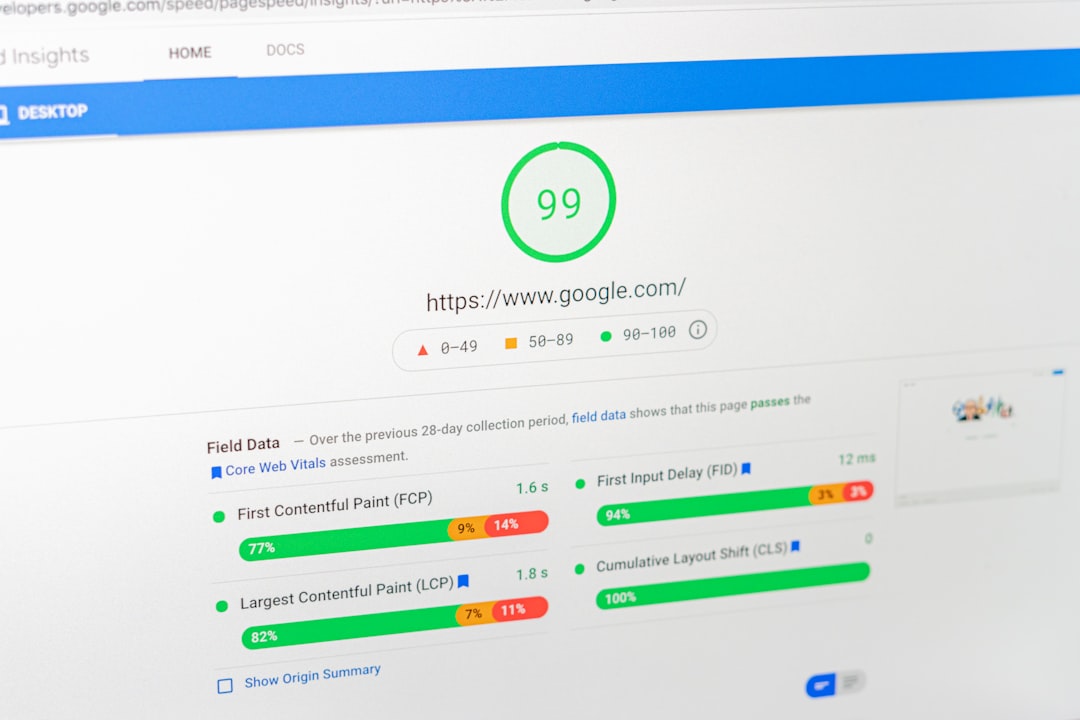
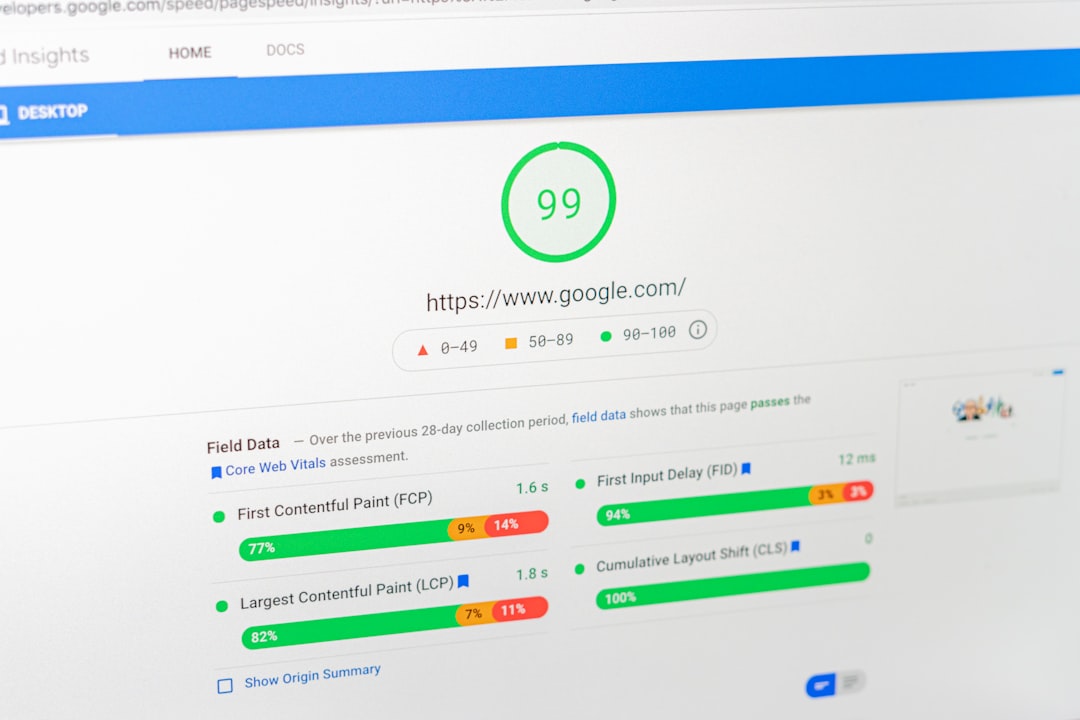
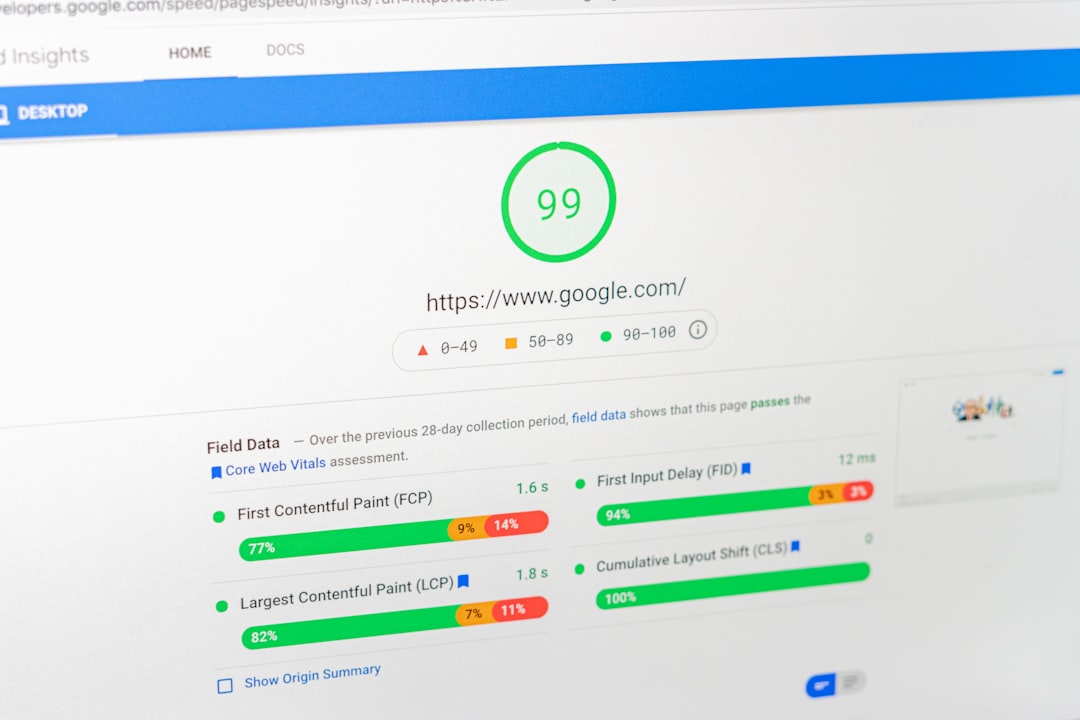
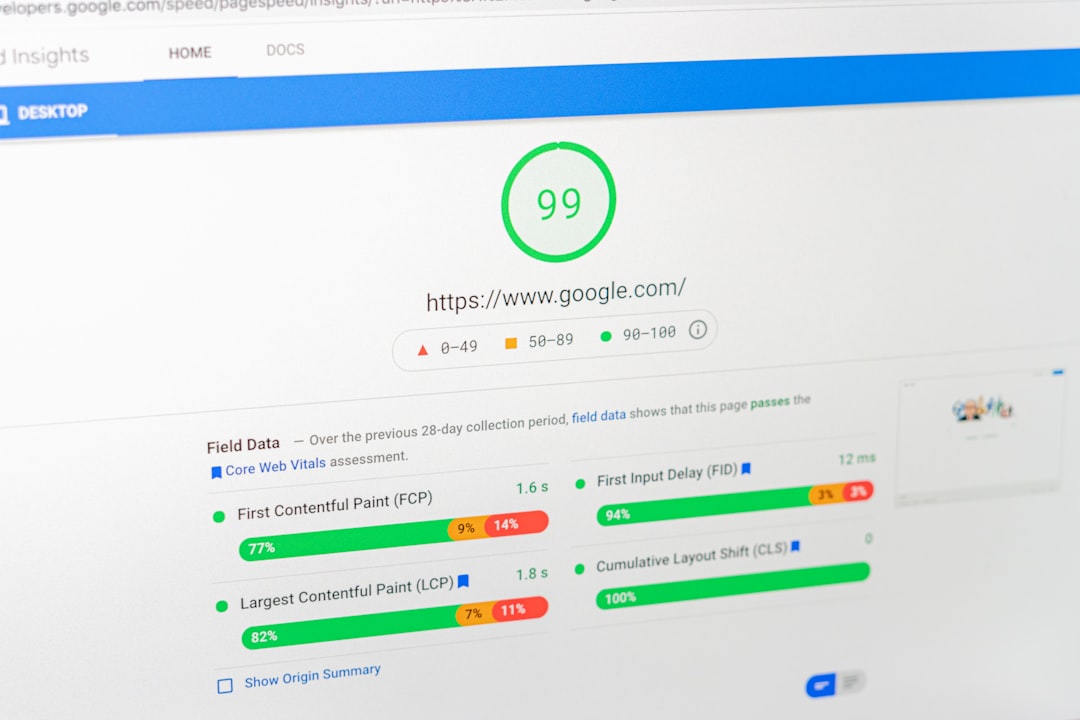
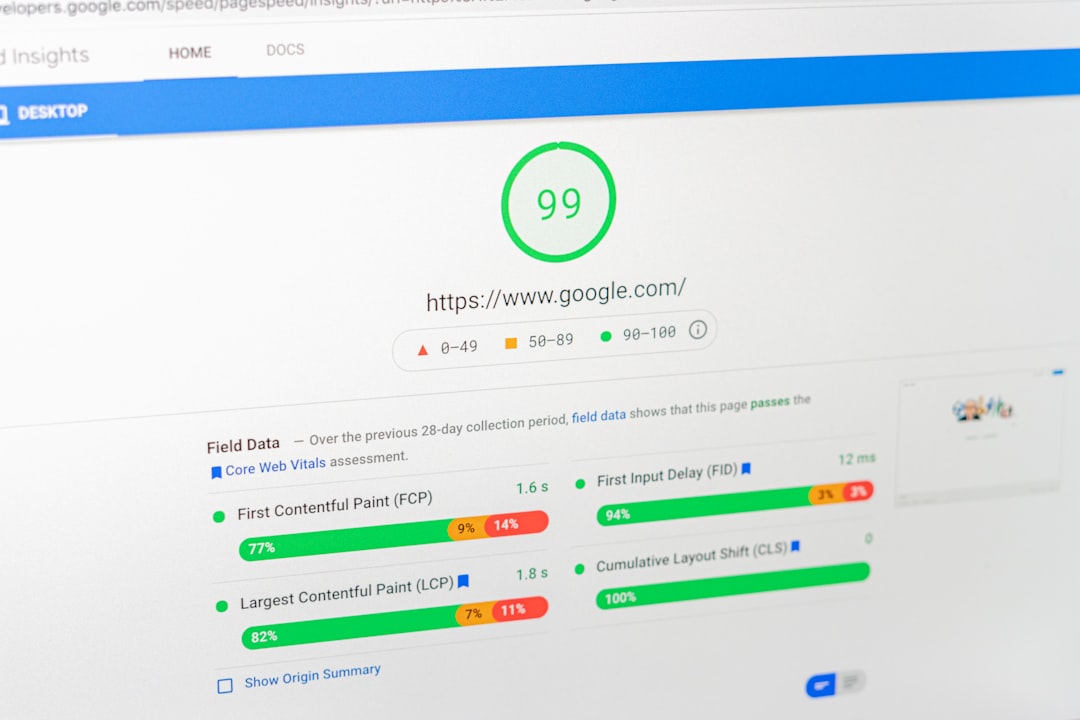
Website speed also deserves attention because visitors may leave if important information takes too long to load. Compressing images, reducing unnecessary scripts, using reliable hosting, and improving page rendering can contribute to a smoother experience. Technical improvements should be prioritized according to their actual impact rather than treating every minor audit warning as equally urgent.
📱 Mobile SEO and Voice Search Optimization
Many local customers use smartphones to find businesses, compare services, and make purchasing decisions while they are away from home. A website that looks professional on a desktop but is difficult to use on a phone can lose potential inquiries. Responsive design, readable text, accessible menus, and appropriately sized interactive elements help customers browse comfortably across different screen sizes.
Mobile visitors often want immediate access to practical information. They may need to call a business, check opening hours, find directions, or request an appointment without navigating several complicated pages. Prominent contact options and straightforward booking processes reduce unnecessary effort and make it easier for interested customers to take action.
Voice search introduces another way people may look for local products and services. Customers might ask their phones for a nearby mechanic, a reliable dentist, or a business that offers emergency repairs. These searches often resemble natural conversation, so businesses can improve their content by answering common questions clearly and describing their services in language customers actually use.
Optimizing for conversational searches does not require creating separate pages for every possible spoken phrase. Instead, businesses should provide direct answers to common questions, maintain accurate business details, use descriptive headings, and ensure that relevant service information is easy to understand. These practices support both conventional search behavior and visitors who prefer to ask questions aloud.
Local businesses should also make sure their website information agrees with their business listings. If the website displays one phone number while the business profile shows another, customers may become confused or contact the wrong number. Maintaining consistency across mobile pages, contact forms, business profiles, and other important channels creates a more reliable experience.
📊 Measuring Local SEO Performance
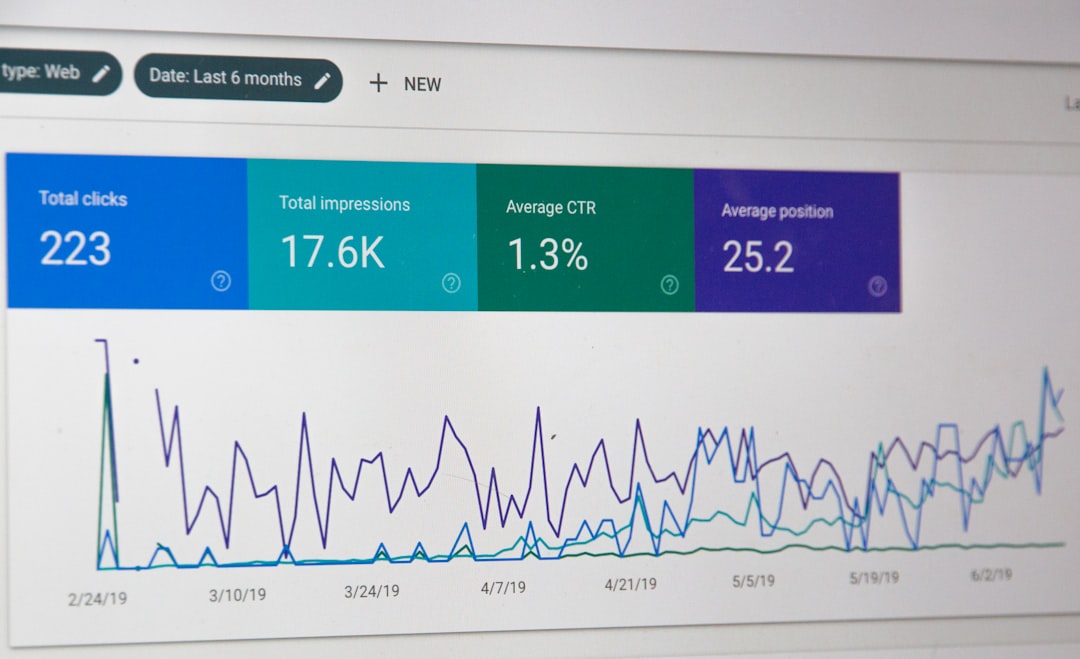
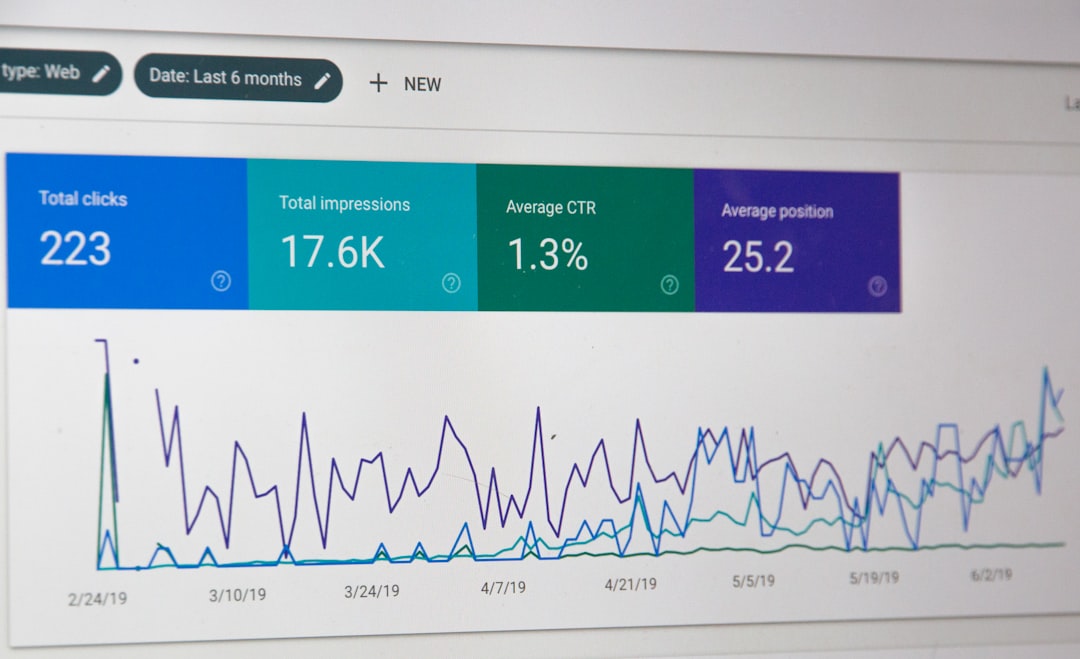
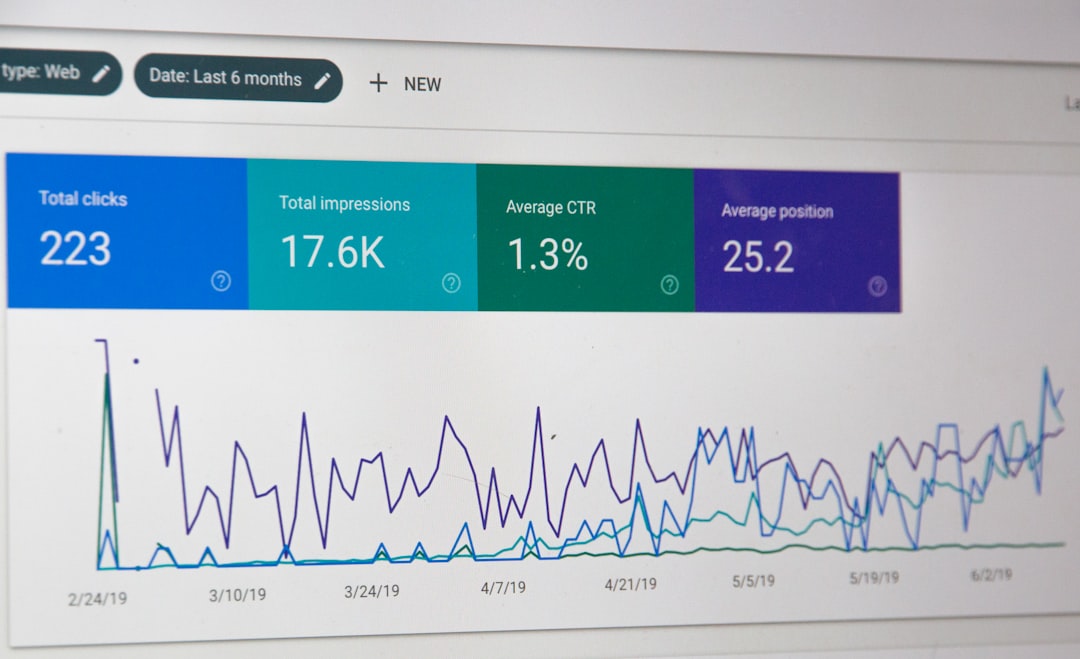
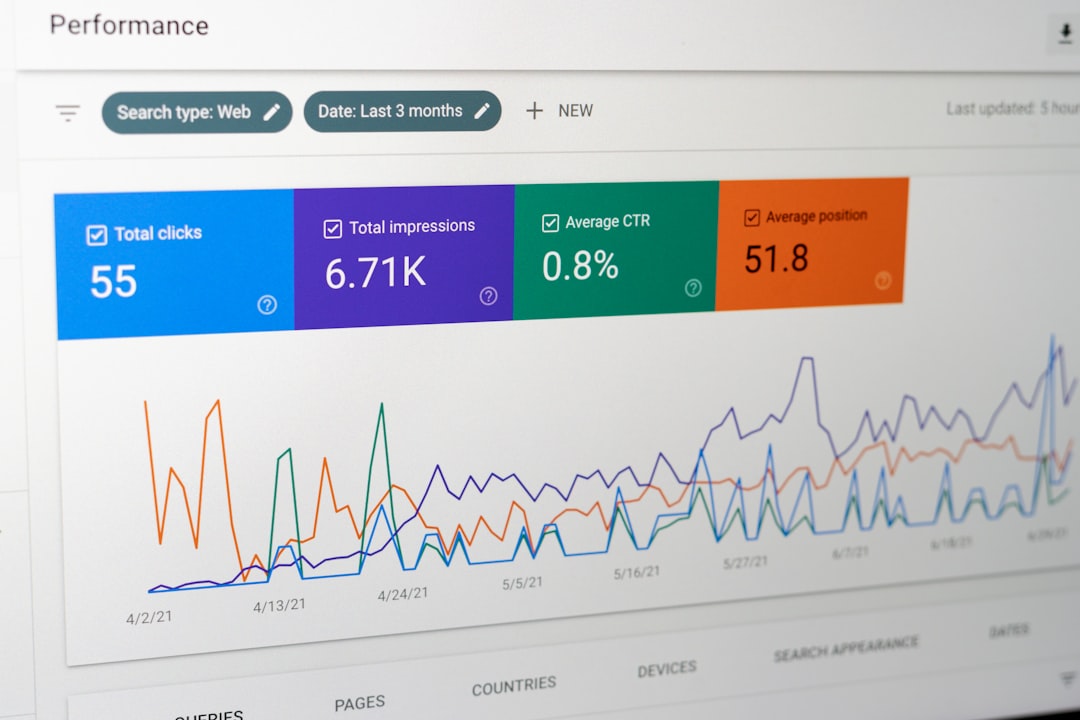
Measuring results helps business owners understand which local SEO activities are generating value and where additional improvements may be necessary. Rankings can provide useful context, but they should not be treated as the only measure of success because search results can vary according to location, device, competition, and search intent. A more complete evaluation combines visibility data with website engagement, inquiries, qualified leads, and actual business outcomes.
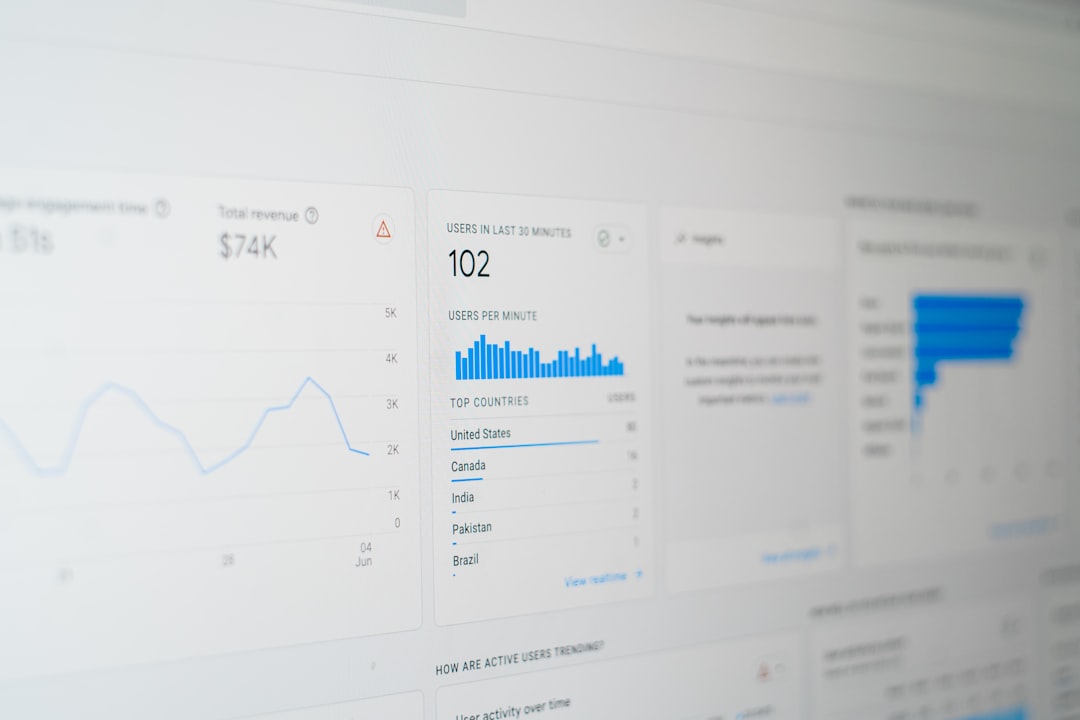
Google Business Profile performance reports can provide information about how people interact with a listing, depending on the available reporting features. Website analytics can help measure organic visits, landing page performance, contact form submissions, and other meaningful actions. Call tracking may also help businesses evaluate leads from different marketing channels when it is implemented accurately and in a way that respects customer privacy.
The following table illustrates a practical framework for evaluating local SEO performance. The targets are examples for planning purposes rather than universal industry benchmarks, and each business should adjust them according to its starting position, resources, and objectives.
| Performance area | What to monitor | Example review frequency | Business value |
|---|---|---|---|
| Local search visibility | Relevant local keyword positions and search impressions | Monthly | Shows changes in discoverability |
| Business profile | Calls, website clicks, and direction requests | Monthly | Indicates customer interest |
| Organic website traffic | Relevant visits from unpaid search results | Monthly | Measures search-driven reach |
| Lead generation | Qualified calls, forms, and appointment requests | Monthly | Connects SEO with potential sales |
| Website experience | Mobile usability, loading performance, and errors | Monthly or after major updates | Identifies barriers to conversion |
| Customer reputation | Review volume, feedback themes, and response consistency | Weekly | Supports trust and service improvements |
| Business outcomes | Sales, bookings, and revenue attributable to organic search | Monthly or quarterly | Helps assess commercial impact |
Businesses should establish a baseline before evaluating whether their strategy is improving performance. Comparing results over several months can reveal patterns that a single report may miss, including seasonal changes in demand or temporary fluctuations in search visibility. Where possible, companies should separate branded searches from non-branded searches to understand whether they are attracting new customers who did not already know the business name.
Reports are most useful when they lead to specific actions. If visitors reach a service page but rarely submit inquiries, the business may need clearer pricing information, stronger calls to action, better trust signals, or a simpler contact process. If a profile receives attention but generates few calls, reviewing its service descriptions, photographs, opening hours, and customer feedback may help identify opportunities for improvement.
💰 Local SEO Strategies for Different Georgia Industries
Local SEO should reflect the way customers search for and purchase different types of services. A restaurant may need accurate menus, current hours, and convenient directions, while a contractor may need detailed service pages, project photographs, and a straightforward quote request process. A strategy that fits the business model is more useful than applying identical recommendations to every company.
Restaurants, cafes, and hospitality businesses can benefit from accurate business profiles, relevant photographs, current menus, and clear information about dining options. Content about genuine offerings, special events, and seasonal services may help customers understand what makes the business suitable for their visit. Maintaining accurate information across relevant platforms is especially important when customers make decisions based on opening hours, availability, and location.
Contractors and home service providers can focus on service-specific pages, clear descriptions of the areas they serve, and evidence of completed work. A plumber, electrician, roofer, or landscaping company should explain its services accurately and provide a simple way to request an estimate. Genuine reviews, appropriate licensing information where applicable, and clear communication about service availability can help establish trust before a customer makes contact.
Healthcare practices and professional service providers need to communicate expertise while respecting the privacy and regulatory requirements relevant to their industries. Useful content may explain available services, appointment procedures, accepted payment arrangements where appropriate, and what patients or clients can expect. These businesses should avoid unsupported claims, misleading guarantees, or content that substitutes promotional language for reliable information.
Retail stores and real estate businesses may benefit from location-specific pages, accurate operating details, relevant product or property information, and helpful guidance for local customers. Their websites should make it easy for visitors to understand what is available and how to take the next step. By tailoring local SEO to customer needs, businesses can create a more relevant experience and focus their efforts on attracting qualified prospects.

🚧 Common Local SEO Mistakes to Avoid
Local SEO can deliver better results when businesses avoid common mistakes that weaken their online presence or create a confusing customer experience. One frequent problem is trying to rank for too many locations without providing meaningful information about those areas. A business should focus on the communities it genuinely serves and create useful location pages only when they provide distinct value to local customers.
Another mistake is maintaining inconsistent business information across websites, directories, and business profiles. Incorrect phone numbers, outdated opening hours, duplicate listings, and old addresses can prevent customers from finding accurate details when they need them. Regularly reviewing important listings and correcting errors helps maintain a consistent digital presence and reduces unnecessary customer frustration.
Keyword stuffing is also a common issue that can make website content difficult to read. Repeating phrases such as “best plumber in Georgia” throughout every heading and paragraph does not automatically improve rankings and may make a website appear unprofessional. Businesses should use relevant keywords naturally while prioritizing helpful explanations, accurate service descriptions, and clear answers to customer questions.
Some businesses neglect customer reviews or respond defensively when they receive criticism. Ignoring feedback can create the impression that customer satisfaction is not a priority, while aggressive responses may discourage potential customers from making contact. A professional review management process should encourage genuine feedback, address legitimate concerns, and use recurring complaints to improve the quality of products or services.
Expecting immediate results from organic search is another mistake that can lead businesses to abandon a promising strategy too early. Local SEO often requires sustained effort because website improvements, reputation development, content creation, and competitive changes take time to influence performance. Businesses should establish realistic expectations, monitor meaningful indicators, and adjust their strategies based on evidence instead of relying on short-term ranking fluctuations.
🗺️ Building a Practical Local SEO Strategy
A successful local SEO strategy begins with understanding the current condition of the business’s online presence. Businesses should review their website, Google Business Profile, important directory listings, existing content, customer reviews, and local competitors to identify the most significant opportunities for improvement. This initial assessment helps establish priorities and prevents time and money from being spent on activities that provide little value.
The next step is to organize improvements according to their potential impact and level of effort. Correcting an inaccurate business phone number, improving an important service page, or fixing a technical issue that prevents indexing may deserve attention before publishing additional blog posts. Prioritizing essential improvements creates a stronger foundation for future content development and promotional activities.
Businesses should then develop a sustainable monthly schedule that includes website maintenance, content improvements, review management, listing checks, and performance analysis. The schedule should reflect the available budget, internal resources, competition, and the number of services or locations being targeted. A manageable plan that is followed consistently is generally more practical than an ambitious schedule that cannot be maintained.
Local SEO also benefits from collaboration between marketing teams and the people who interact with customers. Sales representatives, customer support staff, technicians, and business owners often understand the questions customers ask before purchasing a service. Using these insights to improve website content and service descriptions can make marketing more relevant and help the business communicate its value more effectively.
Performance reviews should lead to specific decisions rather than simply producing reports. If a particular service page attracts qualified visitors, the business may decide to improve its calls to action or create supporting content that answers related questions. If a location receives little engagement, the company can investigate whether the service demand, page quality, competition, or targeting approach needs to change.
🤝 Why Choose Dealmate for Local SEO
Choosing the right SEO partner can help a business organize its digital marketing activities and work toward clear, measurable objectives. Dealmate can be positioned as a partner for businesses seeking to strengthen their online presence, improve local search visibility, and connect with customers who are actively looking for relevant services. A practical approach should begin with understanding the business, its customers, its competitors, and the geographic areas it genuinely serves.
A tailored local SEO strategy is important because every business has different challenges and opportunities. A contractor serving several Georgia communities may need service-area optimization and detailed project pages, while a restaurant may prioritize its business profile, customer reviews, and accurate operating information. Dealmate’s proposed strategy should reflect these differences instead of relying on the same generic checklist for every business.
Website optimization, keyword research, local content, and business listing management can work together to create a more consistent online presence. When these activities are coordinated, customers can find clearer service information, discover relevant pages, and contact the business with fewer obstacles. Dealmate can support this process through a structured approach that identifies priorities, implements suitable improvements, and evaluates progress over time, subject to the services actually offered.
Transparency is another important consideration when selecting an SEO provider. Businesses should understand which activities are being completed, why those activities matter, how progress is measured, and what limitations may affect results. Clear reporting should connect search visibility with practical outcomes such as qualified inquiries, appointment requests, and sales wherever reliable tracking is available.
Long-term success depends on realistic expectations and continuous improvement rather than promises of guaranteed rankings. Search engine algorithms, competition, customer behavior, and business priorities can change, requiring strategies to be reviewed and adjusted. For Georgia businesses looking to build a stronger local digital presence, Dealmate can be presented as an option for developing a focused SEO plan that supports sustainable growth and better customer discovery.
❓ Frequently Asked Questions About Local SEO in Georgia
1. What Is Local SEO, and Why Does a Georgia Business Need It?
Local SEO is the process of improving a business’s online visibility for searches connected to a specific location or service area. It helps potential customers discover relevant companies through Google Search, Google Maps, business listings, and organic website results. Georgia businesses can use local SEO to reach nearby customers who are actively searching for their products or services. A well-maintained local presence can support brand awareness, customer trust, qualified inquiries, and long-term business growth.
2. How Long Does Local SEO Take to Produce Results?
Local SEO timelines depend on competition, website quality, business reputation, location, and the condition of the existing online presence. Some improvements, such as correcting inaccurate business information, can make the customer experience better immediately, while measurable ranking improvements may take several weeks or months. Businesses operating in competitive Georgia markets may need more sustained effort than those targeting less competitive service areas. Regular monitoring and consistent optimization help identify progress and determine which activities require further attention.
3. How Much Does Local SEO Cost for a Small Business?
The cost of local SEO depends on the number of services, geographic areas, website requirements, and level of competition involved. Some businesses manage basic tasks internally, while others hire an agency or specialist for technical SEO, content creation, listing management, and reporting. A useful budget should prioritize activities that align with the company’s goals and available resources rather than purchasing unnecessary services. Before choosing a provider, businesses should review the proposed scope of work, reporting process, expected deliverables, and any additional charges.
4. Is a Google Business Profile Necessary for Local SEO?
A Google Business Profile is an important tool for eligible businesses that serve customers in person or travel to provide services. It allows businesses to share details such as operating hours, contact information, service categories, photographs, and customer reviews. A complete profile can help potential customers evaluate the business and find practical information before contacting it. Businesses should keep their information accurate and follow Google’s eligibility and profile management guidelines.
5. Can a Business Rank in Multiple Georgia Cities?
A business may appear in local search results across multiple Georgia cities, but its visibility depends on factors such as searcher location, competition, relevance, and prominence. Companies that genuinely serve multiple areas can develop useful location pages that explain their services and provide relevant information for each community. Simply creating many nearly identical pages with different city names does not guarantee rankings and may create a poor user experience. A stronger strategy focuses on genuine service coverage, useful local content, and accurate business information.
6. How Important Are Customer Reviews for Local Search?
Customer reviews can influence how potential customers perceive a business and help them compare available service providers. Review quantity, quality, recency, and responses may contribute to a customer’s overall impression, although no single review metric guarantees higher search rankings. Businesses should encourage genuine customer feedback and respond professionally to both positive and negative experiences. Fake reviews, manipulated ratings, and prohibited incentives should be avoided to protect customer trust and comply with platform policies.
7. Does a Local Business Need a Website?
A website is highly valuable for most local businesses because it provides space to explain services, demonstrate expertise, and answer customer questions in detail. It also gives customers a direct way to request quotes, schedule appointments, explore products, and learn about the company beyond the information available in a business listing. Although an eligible business can maintain a Google Business Profile without relying on a website for every interaction, a well-optimized website can support broader organic search visibility. Businesses should ensure their websites are mobile-friendly, accurate, secure, and easy to navigate.
8. What Is the Difference Between Local SEO and Traditional SEO?
Traditional SEO focuses broadly on improving a website’s visibility in unpaid search results for relevant topics and search queries. Local SEO adds a geographic emphasis by helping businesses become more discoverable to customers searching for nearby services, specific locations, or regional providers. Both approaches can involve keyword research, technical optimization, quality content, and website improvements, but local SEO also emphasizes business profiles, location information, and local reputation. Combining both strategies can help Georgia businesses attract nearby customers while building wider online visibility.
9. Can Local SEO Help a Business Compete With Larger Companies?
Local SEO can help smaller businesses become more visible to customers searching within their relevant service areas. A small company can focus on specialized services, useful local content, authentic reviews, and accurate business information instead of attempting to compete nationally with every large brand. These improvements can help potential customers understand the company’s strengths and determine whether it meets their needs. Although competition and location still affect results, a focused strategy can create valuable opportunities for businesses with limited marketing budgets.
10. How Can a Georgia Business Measure Local SEO Success?
A Georgia business can measure local SEO performance by tracking relevant search visibility, website visits, business profile interactions, phone calls, contact form submissions, and qualified leads. It should also review customer feedback, website conversion rates, and sales attributed to organic search wherever reliable data is available. Comparing performance with an established baseline over several months helps identify meaningful changes and account for seasonal demand. The most useful measurement approach connects marketing activities to actual business objectives rather than relying on rankings alone.
✅ Conclusion: Growing Your Georgia Business With Local SEO
Local SEO offers Georgia businesses a practical way to improve their online presence and connect with customers searching for relevant products and services. From Atlanta and Savannah to Augusta, Columbus, Macon, and surrounding communities, businesses can benefit from accurate business profiles, useful websites, locally relevant content, authentic reviews, and consistent contact information. These elements work together to make business information easier to discover and help potential customers make informed decisions.
Building a successful local search strategy requires patience, careful planning, and ongoing improvement. Businesses should begin by correcting essential information, optimizing their most important service pages, researching relevant keywords, and making their online listings more useful. They can then expand their efforts through content development, reputation management, technical improvements, and regular performance reviews.
The most effective approach puts customers first while using search data to guide marketing decisions. Instead of focusing exclusively on rankings, businesses should aim to provide accurate answers, clear service information, convenient contact options, and a reliable customer experience. These priorities can help create a stronger foundation for sustainable visibility and meaningful business growth.
For companies that want professional guidance, Dealmate can be considered as a potential partner for developing and managing a tailored local SEO strategy, depending on its available services and expertise. With realistic goals, consistent optimization, and a commitment to serving customers well, Georgia businesses can strengthen their digital presence and build more opportunities to attract qualified local customers. 🚀