Low rankings usually come from a scattered plan, not one missing plugin. You do not need custom code to make meaningful SEO gains in WordPress. In most cases, better visibility comes from cleaning up indexing settings, tightening page titles, improving internal links, and using one SEO plugin well instead of chasing every score.
This is the practical version of WordPress SEO: fix the issues that block visibility before the issues that polish visibility. If you want a stronger baseline first, review our WordPress SEO best practices. If you are still deciding which plugin setup makes the most sense, our Yoast SEO vs Rank Math comparison can help.
Start With the Settings That Can Hide Your Site

The first thing to check is whether Google can crawl and index the pages you actually want to rank. A surprising number of WordPress sites have basic visibility problems caused by noindex settings, thin archives, or plugin conflicts rather than weak content alone.
Open your SEO plugin and review whether posts, pages, categories, tags, and media attachments are set to index or noindex. Google documents that a noindex rule prevents content from appearing in search, while robots.txt alone is not the right way to keep a page out of search results. That means the wrong plugin toggle can quietly suppress important pages without any coding at all.
Check these first on your site: homepage visibility, service pages, product categories, blog posts that target real keywords, and archive types you may not want indexed. Most site owners do not have one catastrophic problem. They have a stack of smaller issues that compound over time.
Use One SEO Plugin and Configure It Cleanly
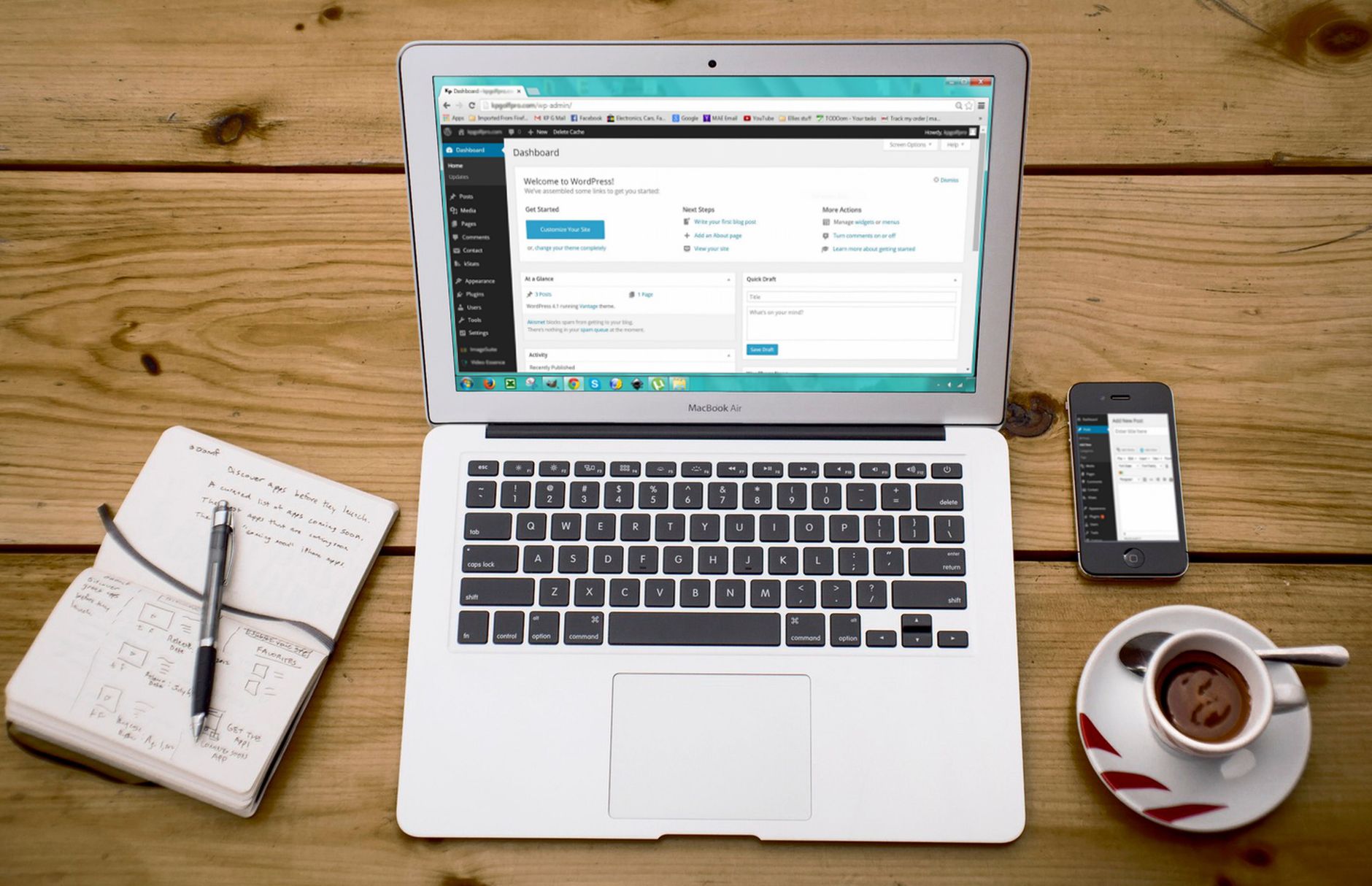
One well-configured SEO plugin is enough. Running overlapping plugins often creates duplicate metadata, conflicting canonicals, and competing sitemap outputs. A cleaner setup is usually easier to manage and far less likely to create technical noise.
Whether you use Yoast, Rank Math, AIOSEO, or SEOPress, focus on the core controls first: title templates, meta descriptions, XML sitemaps, archive indexing rules, and social defaults. Do not enable every feature just because it exists. A green light in an SEO plugin does not mean the page deserves to rank.
If you are unsure whether your current plugin configuration is helping or quietly hurting you, WordPress SEO Expert can help you review the setup before you make changes that are hard to unwind later.
Rewrite Titles for Humans, Not Plugin Scores
Your title tag is still one of the strongest on-page signals you control without touching code. Google recommends descriptive, concise titles and warns against keyword stuffing and repetitive boilerplate. That matters more than squeezing the exact phrase into every possible spot.
In WordPress, you can usually edit titles directly inside your SEO plugin on each page or post. Make the title specific to the page, aligned with search intent, and easy to understand at a glance. If every important page uses the same vague pattern, Google has less to work with and users have less reason to click.
| Weak title | Stronger title |
|---|---|
| SEO Services | SEO Company | SEO Expert | WordPress SEO Services for Small Businesses |
| Blog | How to Improve WordPress Google SEO Without Coding |
| Best SEO Tips for Website | Simple WordPress SEO Fixes You Can Do Yourself |
Write Better Meta Descriptions to Support Clicks
Meta descriptions do not guarantee higher rankings, but they can improve how your page is summarized in search and help qualified users choose your result. Google explains that it may use the meta description when it better summarizes the page than on-page text does.
Keep descriptions specific, useful, and different from page to page. Instead of repeating a broad slogan everywhere, explain what the page offers and why someone should care. This is especially useful for service pages, category pages, and cornerstone blog posts.
Fix Internal Linking Before Publishing More Content

Internal linking is one of the highest-impact SEO improvements you can make without code. It helps Google discover pages, understand topic relationships, and see which pages matter most. It also helps visitors move to the next useful page instead of leaving after one read.
Link related blog posts to service pages. Link high-traffic informational posts to pages tied to leads or sales. Use descriptive anchor text that tells readers and search engines what the destination page is about. Google specifically recommends natural, descriptive anchor text over vague or stuffed phrasing.
If you already have content but rankings are flat, stronger internal linking often beats publishing three more thin posts on near-identical topics. Start by connecting relevant content like your WordPress SEO best practices page with practical implementation posts, and support plugin decision content such as Yoast SEO vs Rank Math where that comparison genuinely helps the reader.
Check Your Sitemap and Submit It in Search Console
You do not need code to help Google find your important pages faster. Most WordPress SEO plugins already generate an XML sitemap, and Google notes that CMS platforms such as WordPress often make sitemaps available automatically.
Open your plugin, confirm the sitemap is active, and submit it in Google Search Console if you have not done that already. Then make sure the pages listed there are pages you actually want indexed. A sitemap should support your strategy, not expose clutter you forgot to clean up.
Reduce Duplicate and Low-Value Pages
Many WordPress sites struggle because they create too many weak URLs, not because they have too little content. Tag archives, attachment pages, author archives on single-author sites, filtered shop URLs, and thin city pages can dilute relevance and waste crawl attention.
Without coding, you can usually noindex unnecessary archives, disable attachment indexing, consolidate overlapping posts, and tighten your category structure inside your plugin settings and WordPress dashboard. The goal is not to make every URL look active. The goal is to make the important URLs unmistakably important.
Improve On-Page Structure With the Block Editor
You can make content easier for Google and users to understand just by formatting it better. One clear H1, useful H2s, short paragraphs, and sections that answer one question at a time usually outperform bloated pages written to satisfy plugin checklists.
Use the WordPress block editor to break up long walls of text, add descriptive headings, and move the direct answer closer to the top of the page. Google’s people-first guidance consistently points toward content that is genuinely helpful and easy to understand, not content built mainly to manipulate rankings.
If you are experiencing these symptoms, our team at WordPress SEO Expert can help. We can identify whether your rankings are being limited by indexing, page structure, internal links, or content overlap before you spend more time tweaking the wrong thing.
What to Fix First
If you want the fastest no-code wins, work in order. Fix the issues that block visibility before the issues that polish visibility. That sequence keeps you from spending hours on meta descriptions while key pages are still set to noindex or buried with weak internal links.
| Priority | What to fix | Why it matters |
|---|---|---|
| 1 | Indexing and visibility settings | Pages cannot rank if Google is told not to index them. |
| 2 | Title tags and search intent alignment | Improves relevance and click potential. |
| 3 | Internal linking | Strengthens discovery, hierarchy, and topical connection. |
| 4 | Sitemap cleanup and submission | Helps search engines find the right pages. |
| 5 | Archive and duplicate URL control | Reduces noise that can dilute stronger pages. |
| 6 | Content formatting and page clarity | Makes pages easier to scan and easier to trust. |
What to Stop Doing
Stop treating plugin scores as the goal. Stop stacking multiple SEO tools because more settings feels more thorough. Stop publishing thin posts that target tiny keyword variations while your stronger pages stay underlinked and underdeveloped.
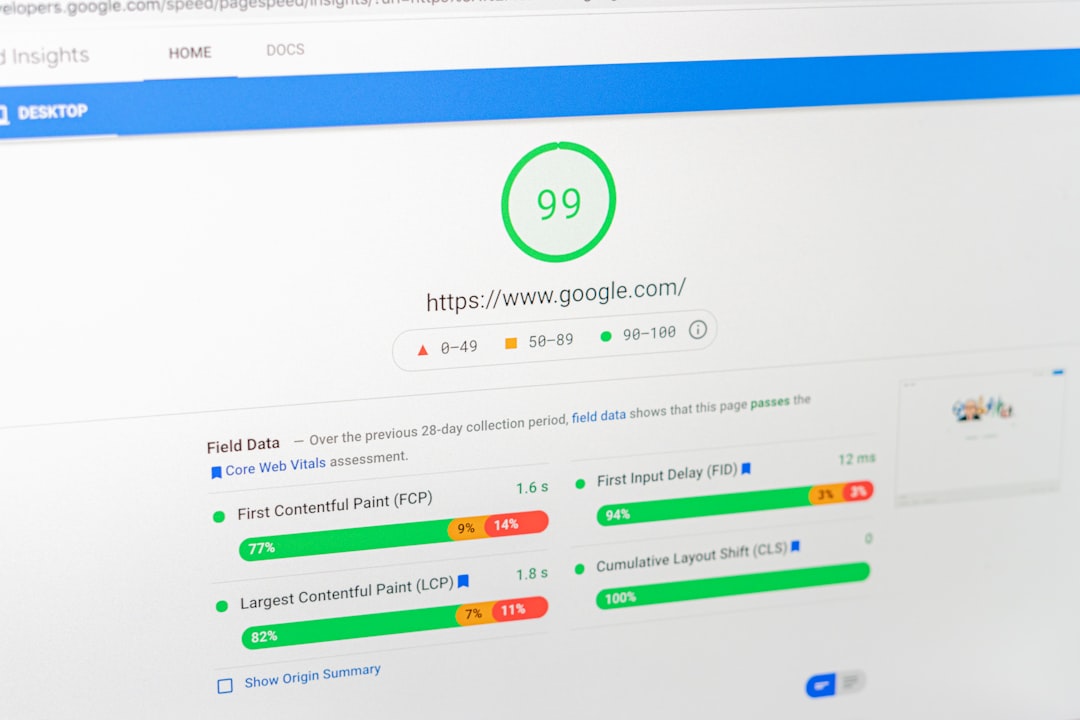
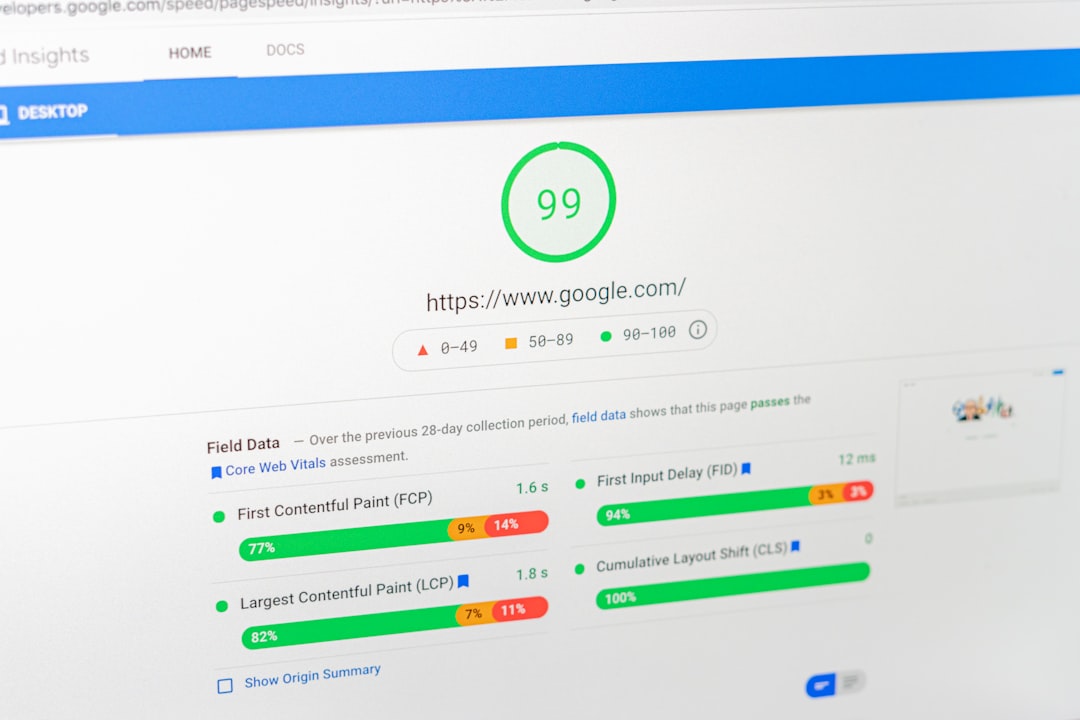
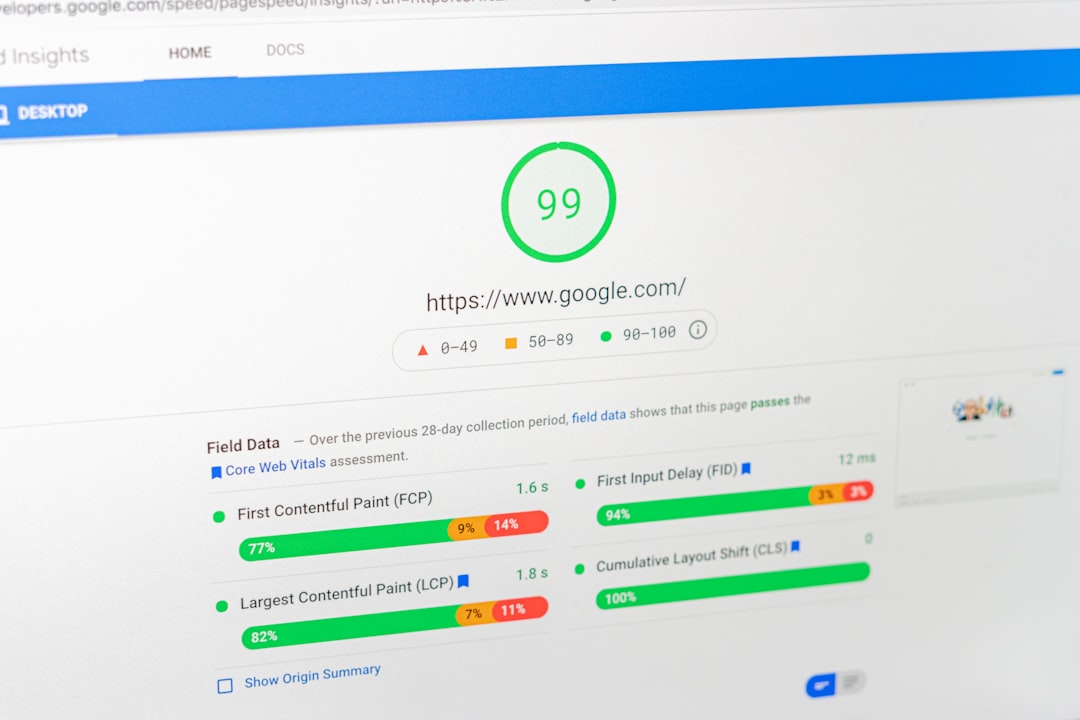
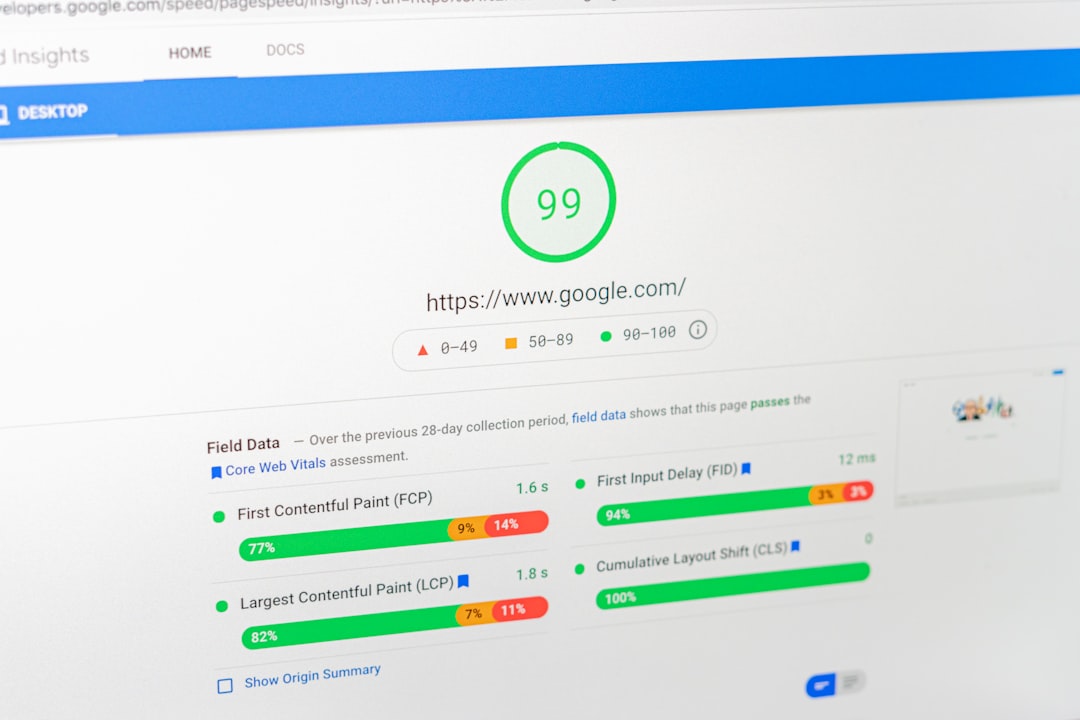
You do not need a perfect score. The goal is a site that loads cleanly, is easy to use, and makes its most important pages easy for Google to crawl and understand.
The Best Next Step
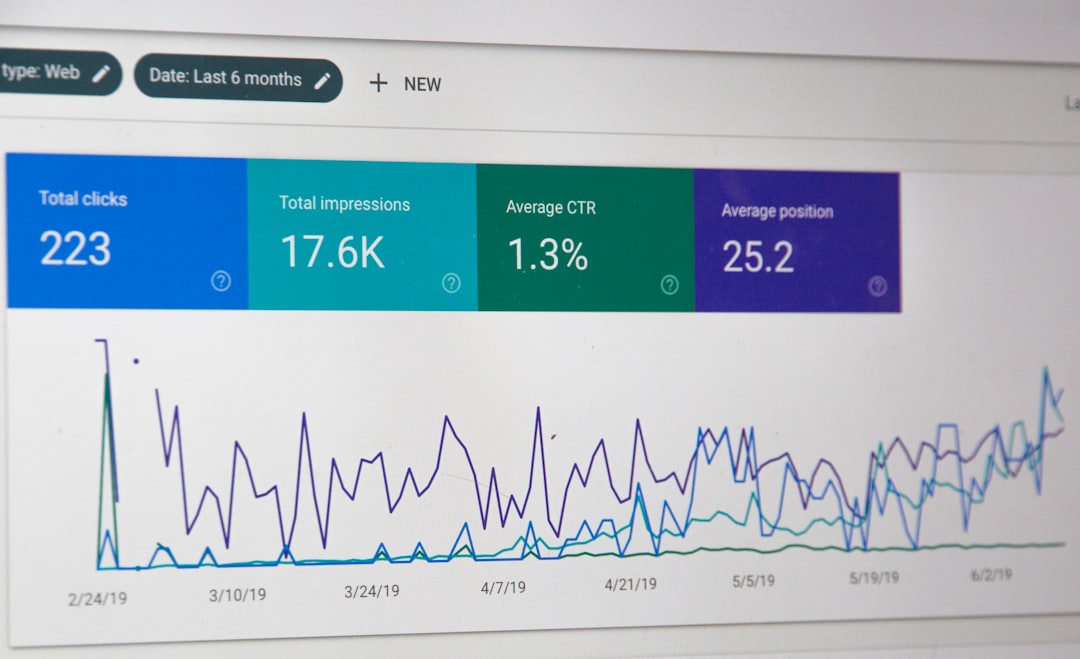
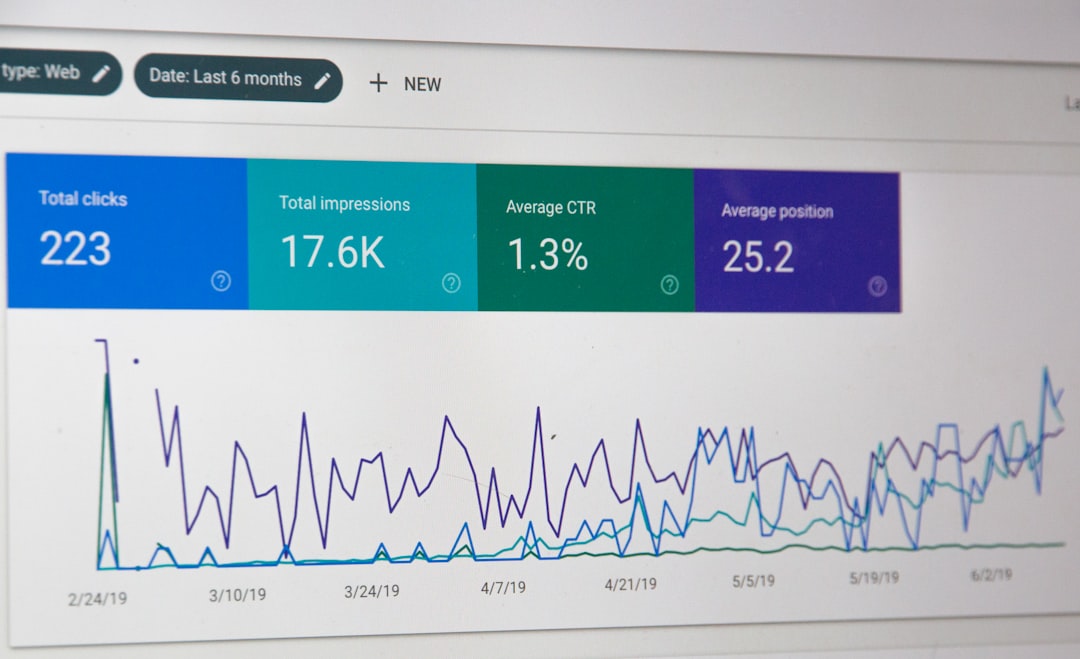
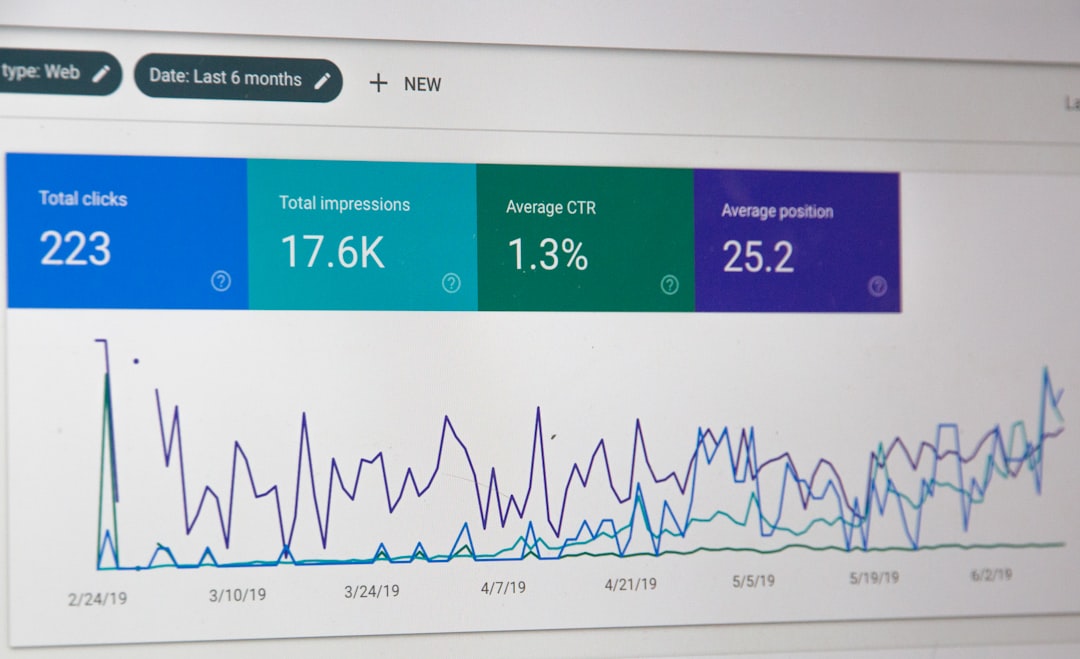
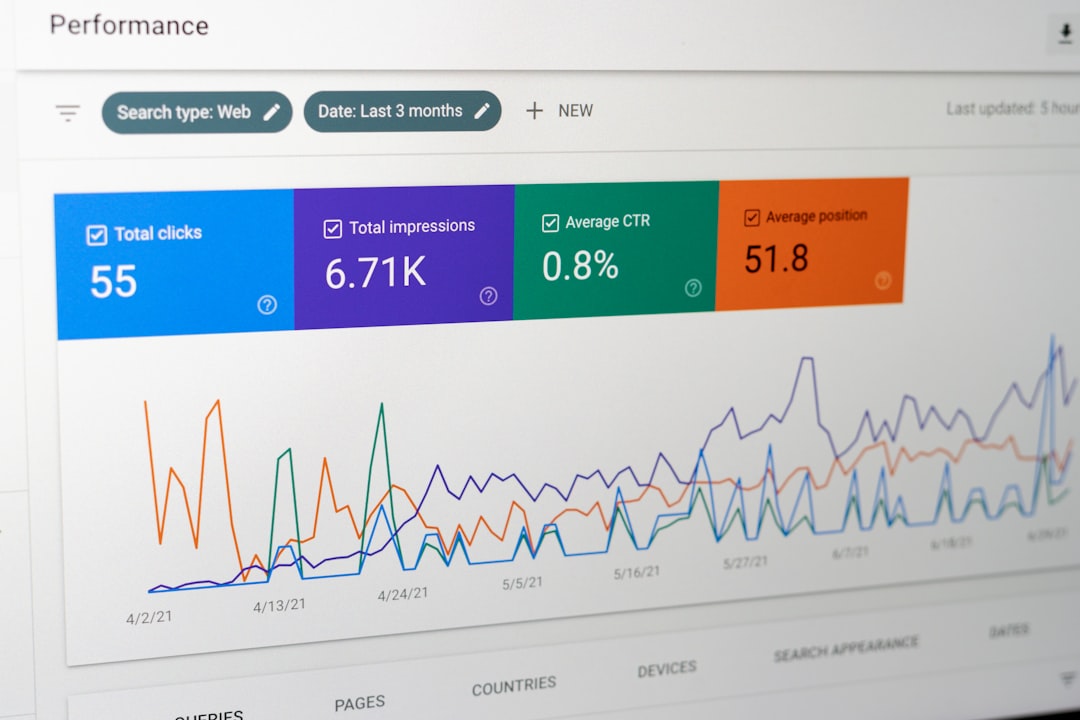
The best next step is usually a focused review of your highest-value pages, not a sitewide rewrite. Look at the pages already getting impressions, the pages closest to page one, and the pages tied directly to leads or sales. Improve those first.
Contact WordPress SEO Expert today to schedule a consultation. Book a free SEO consultation. No pitch, no pressure. Just an honest look at what your site actually needs and whether your current setup is part of the solution or part of the problem.