Flat rankings usually come from a messy setup and weak priorities, not one missing setting. If your WordPress SEO feels stuck, troubleshoot it in order: indexing first, plugin conflicts second, page targeting third, and internal links after that. A green light in an SEO plugin does not mean the page deserves to rank.
Most site owners do not have one catastrophic problem. They have a stack of smaller issues that compound over time. That is why the fastest way to troubleshoot WordPress SEO is to fix the issues that block visibility before the issues that polish visibility.
If you want a broader foundation before you start changing settings, review our WordPress SEO practical guide for DIY site owners and our guide to fixing WordPress SEO setup problems. Both pair well with the checklist below.
Start With Indexing and Crawl Access
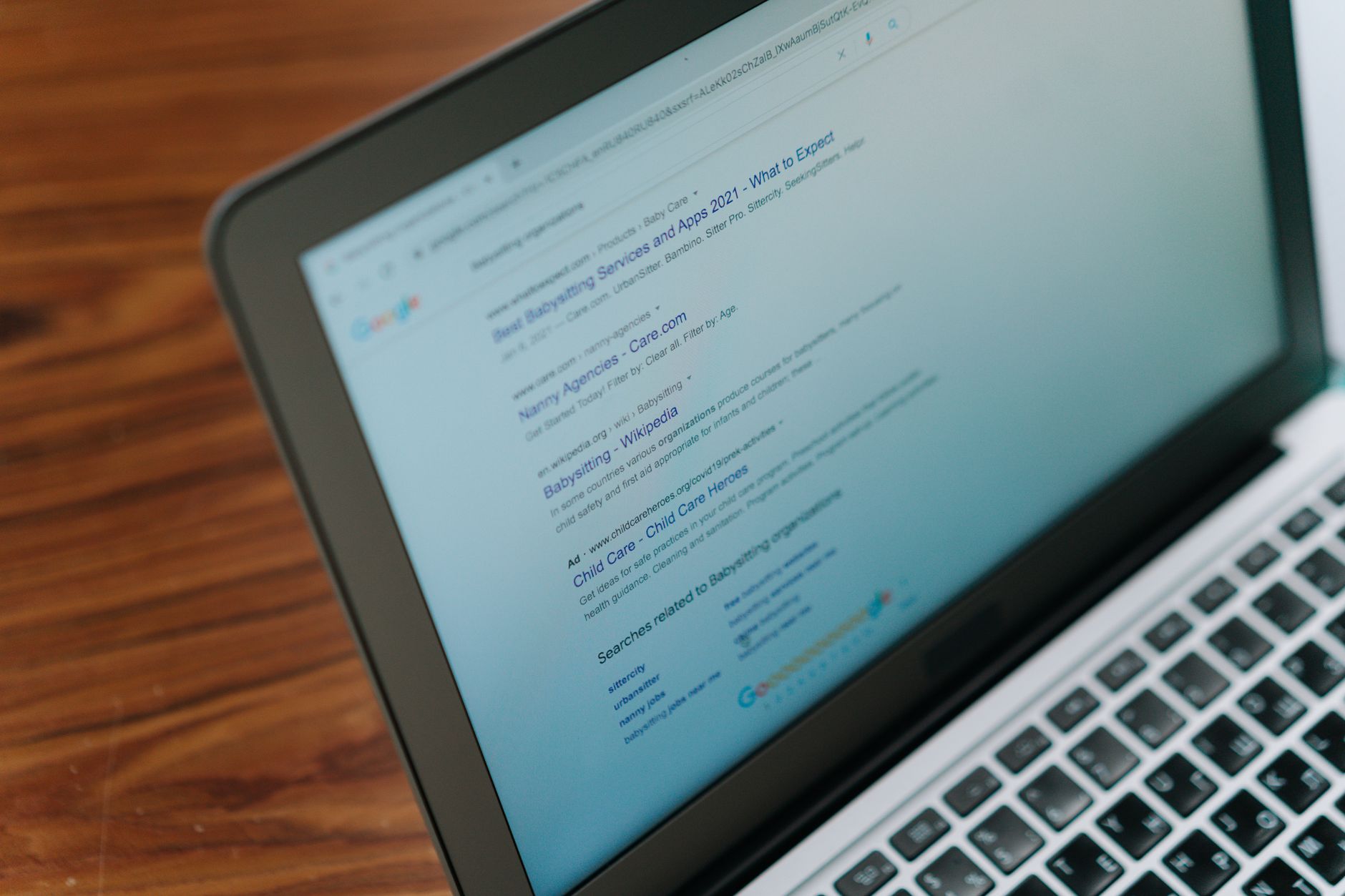
If Google cannot crawl the right pages or index them correctly, nothing else matters. Troubleshooting should begin with visibility settings, robots directives, sitemap health, and whether your important pages are linked from crawlable HTML links.
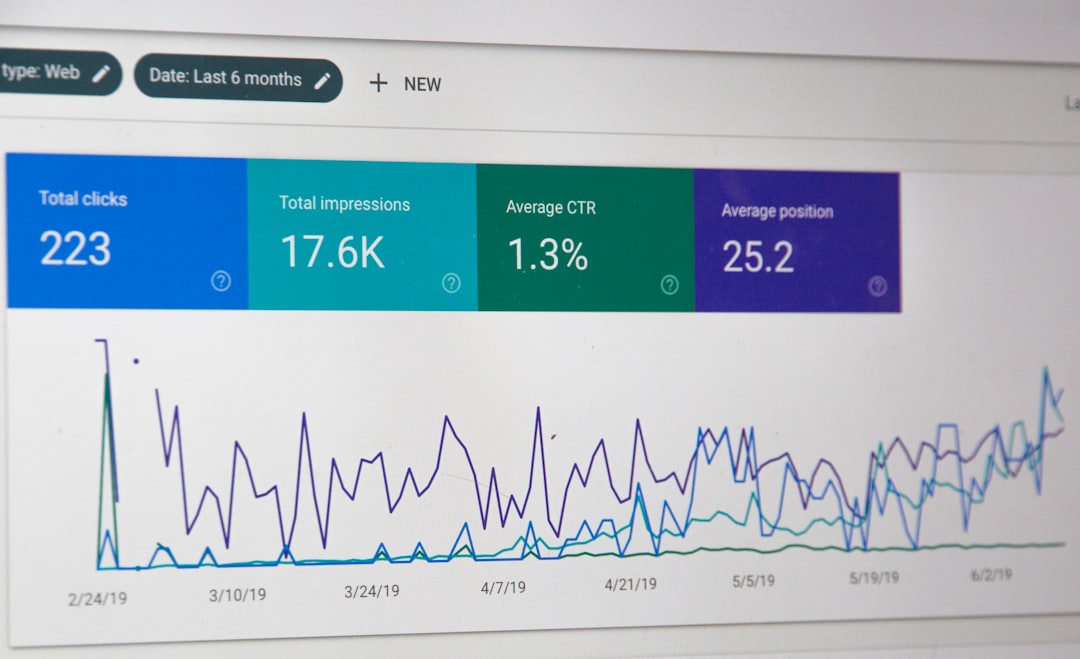
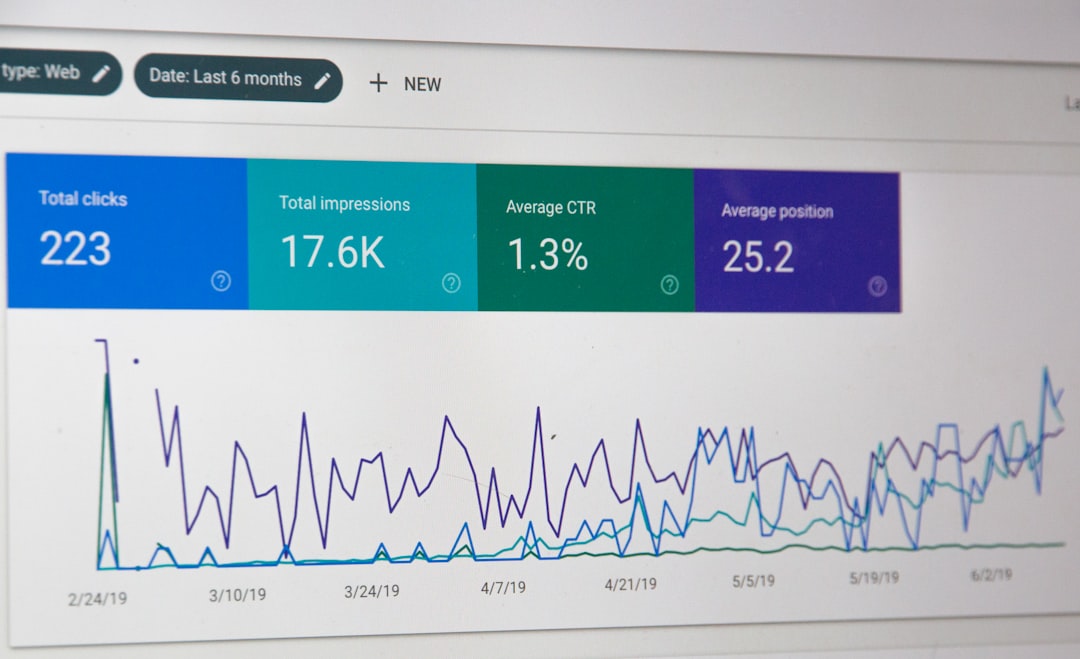
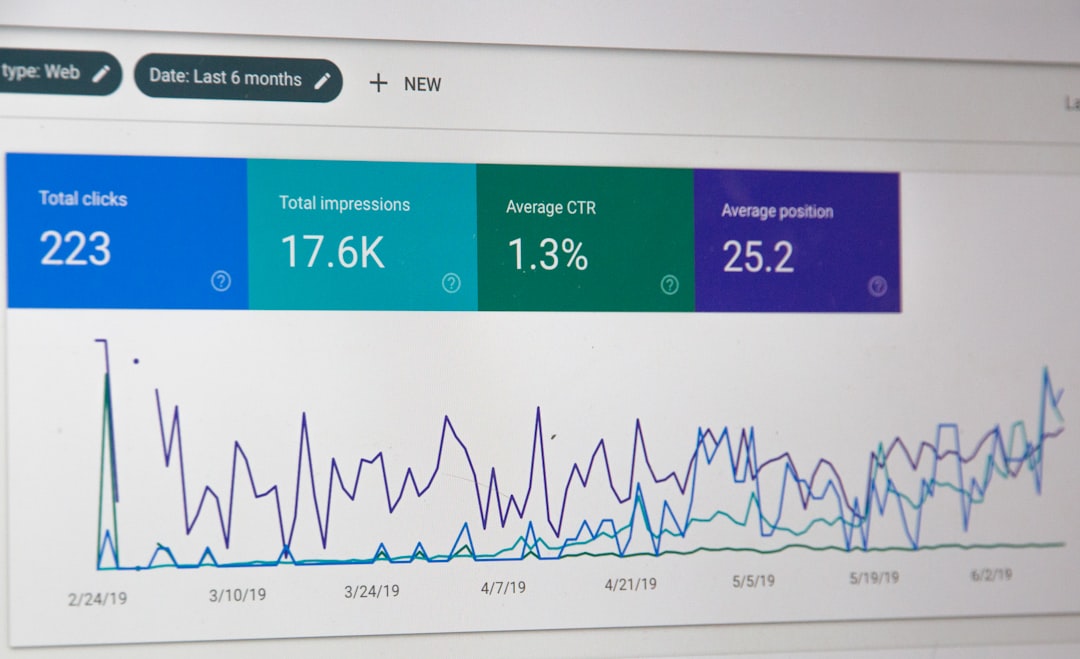
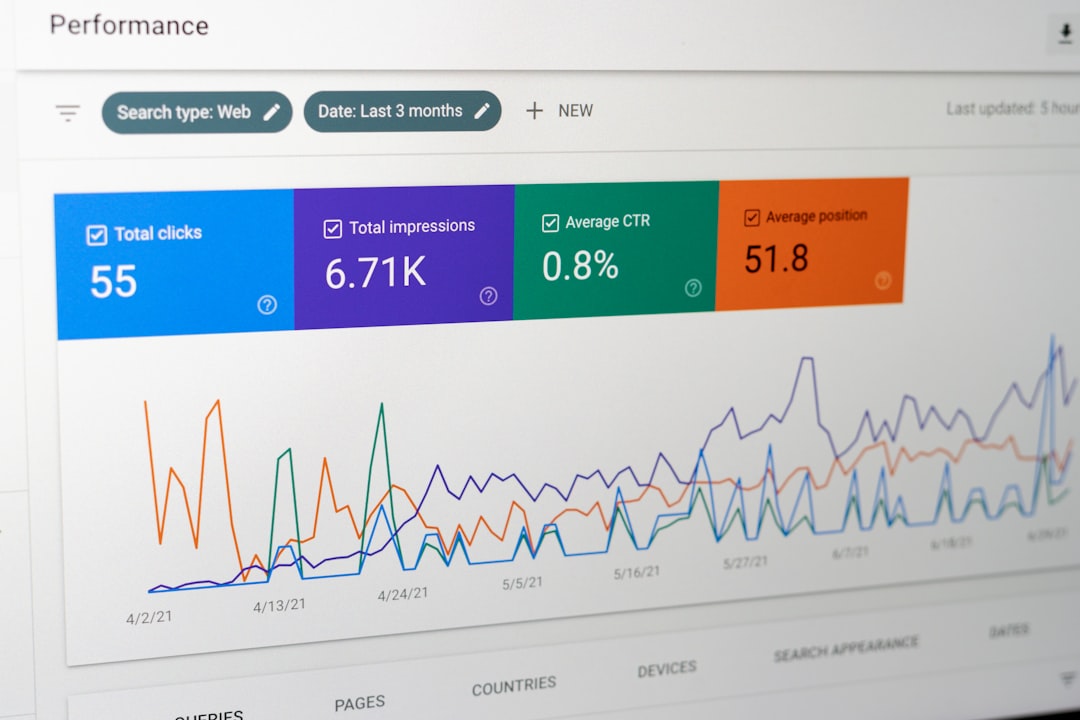
Check whether your site is accidentally discouraging search engines in WordPress Reading settings. Then open Google Search Console and review which pages are indexed, excluded, redirected, or marked as duplicates. Important service pages, product pages, and cornerstone blog posts should be easy to find through normal site navigation and contextual links.
Google recommends crawlable HTML anchor links with descriptive, concise anchor text, which is one reason buried pages often underperform even when the content is decent.
What to check first
Look for accidental noindex settings, thin archives that should not be indexed, broken internal links, and pages that only appear in a sitemap but have almost no internal support. If your key pages are technically live but difficult to discover, Google may treat them as low-priority URLs.
Use One SEO Plugin, Not Several
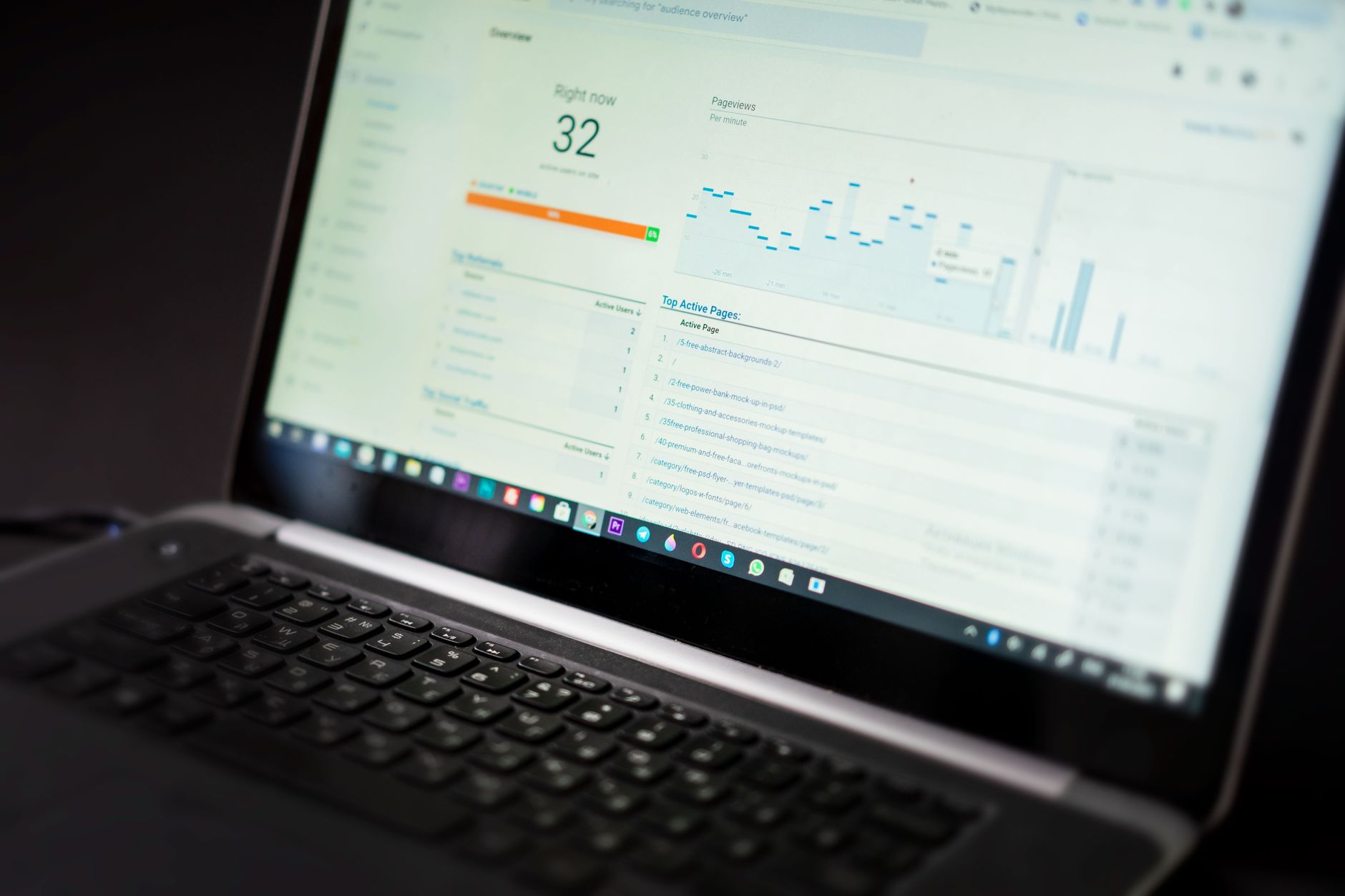
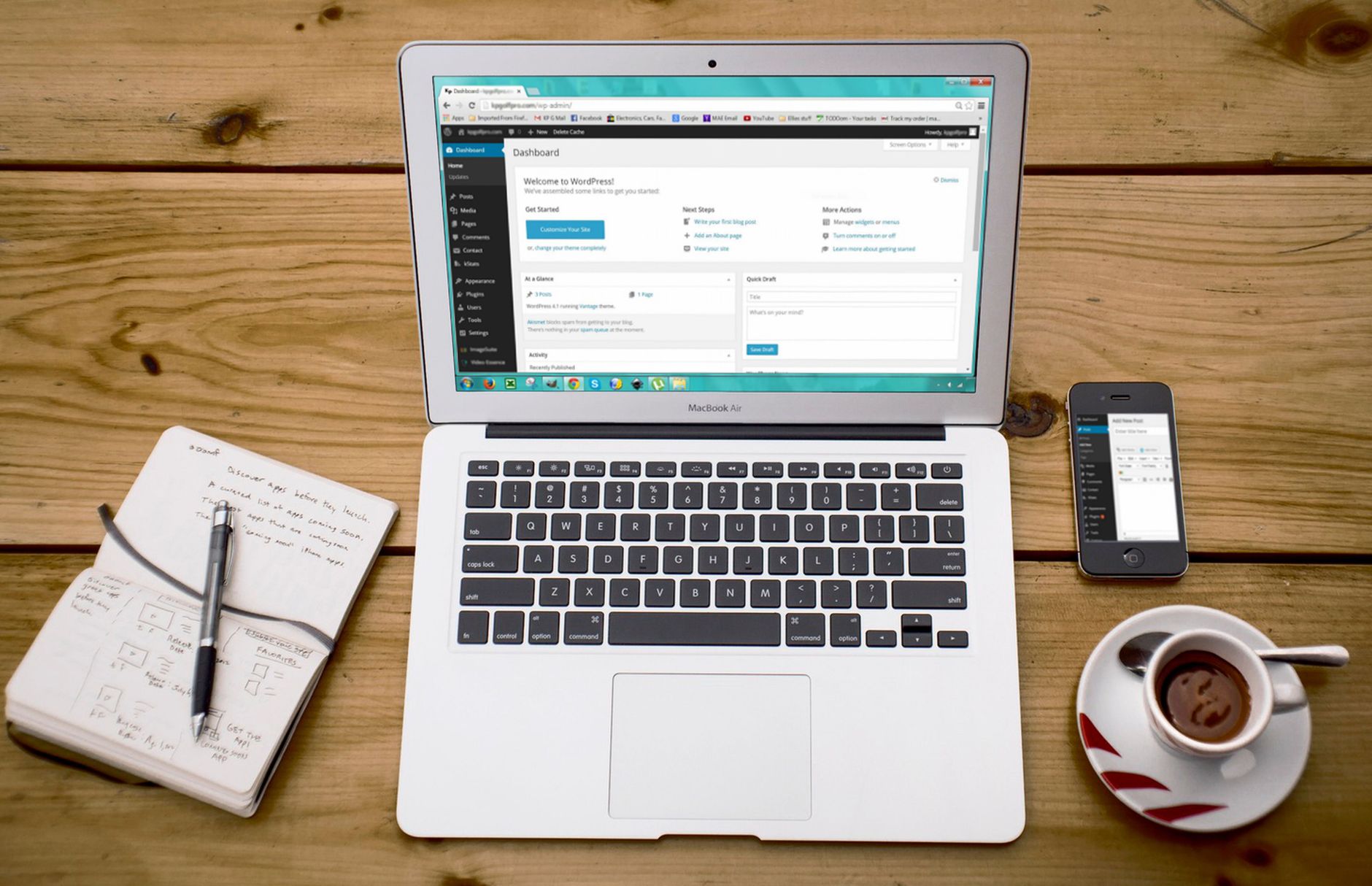
One well-configured SEO plugin is enough. Running overlapping plugins often creates duplicate metadata, conflicting canonicals, and competing sitemap outputs that make troubleshooting harder than it needs to be.
This problem is common on sites that changed owners, went through redesigns, or had multiple freelancers adding tools over time. Keep one primary SEO plugin and remove overlapping plugins that output titles, schema, Open Graph tags, redirects, or XML sitemaps unless there is a clear reason to keep them.
If your setup feels cluttered, simplify it before you touch anything else. WordPress SEO Expert can help you separate real problems from plugin noise and build a cleaner configuration that is easier to manage.
Fix Title Tags Before Rewriting Content
Title tags are one of the clearest on-page signals you control, so troubleshoot them early. Distinct, descriptive titles usually do more for relevance and click potential than another round of plugin tweaks.
Google advises site owners to write descriptive and concise title text and to avoid keyword stuffing or repetitive boilerplate. If many pages use vague titles like Home, Services, or Blog Post, fix those before expanding content.
| Weak title | Stronger title |
|---|---|
| SEO Services | SEO Company | SEO Expert | WordPress SEO Services for Small Businesses |
| Blog | How to Troubleshoot WordPress SEO |
| Home | WordPress SEO Consultant for Growing Sites |
Fix your homepage, top service pages, category pages, and posts already earning impressions first. Those pages usually offer the fastest return because Google already knows they exist.
Clean Up Meta Descriptions and Templates
Meta descriptions support clicks, not rankings, so keep them useful and page-specific. If the descriptions are duplicated, vague, or missing on important pages, clean that up after titles and indexing.
Google explains that it may use the meta description when it better summarizes a page, and it recommends creating unique descriptions that accurately describe individual pages. That means each high-value page should have a short summary that matches the page content and gives users a reason to click.
Do not waste time hand-writing descriptions for every low-value archive page. Start with revenue-driving pages and posts already getting impressions in Search Console.
Check Canonicals, Redirects, and Duplicate URLs

Duplicate URLs dilute signals and confuse search engines about which version matters most. Troubleshoot canonicals and redirects before you publish more content, especially after redesigns, migrations, or major plugin changes.
Common WordPress duplication issues include attachment pages, tag archives, author archives, trailing slash inconsistencies, filtered URLs, and multiple versions of the same page generated by themes or plugins. Decide which URL should be primary, link to it consistently, and redirect outdated alternatives.
WooCommerce sites need extra attention here because product filters, pagination, and variation URLs can create crawl clutter quickly. If your rankings dropped after a rebuild or migration, this area deserves immediate review.
Strengthen Internal Links After the Basics
Once indexing and duplication issues are stable, internal links become one of the clearest next wins. They help Google discover pages, understand site structure, and connect supporting content to the pages that actually drive business.
Google recommends descriptive, reasonably concise anchor text for links. That applies to internal links too. Link related blog posts to service pages, connect overlapping guides, and make sure no important page depends only on a sitemap for discovery.
If you are cleaning up an existing site, look for orphan pages, weak anchor text, and posts that mention important services without linking to them. Small internal linking fixes often produce clearer signals faster than another plugin setting adjustment.
If you are experiencing these symptoms, our team at WordPress SEO Expert can help. We can review whether the problem is indexing, duplication, weak targeting, or plugin clutter before you spend more time guessing.
A Practical Troubleshooting Order
The right order prevents wasted effort. Troubleshoot the parts that affect discoverability and signal clarity first, then move to click support and refinement.
| Priority | What to troubleshoot | Why it comes first |
|---|---|---|
| 1 | Indexing and crawl access | Pages cannot rank if search engines cannot reach or index them |
| 2 | SEO plugin conflicts | Conflicting metadata and sitemaps create sitewide confusion |
| 3 | Canonicals and redirects | Prevents duplicate URL issues and diluted signals |
| 4 | Title tags | Improves page relevance and click potential |
| 5 | Meta descriptions | Supports cleaner, more useful search snippets |
| 6 | Internal links | Strengthens discovery, hierarchy, and context |
What to Stop Doing
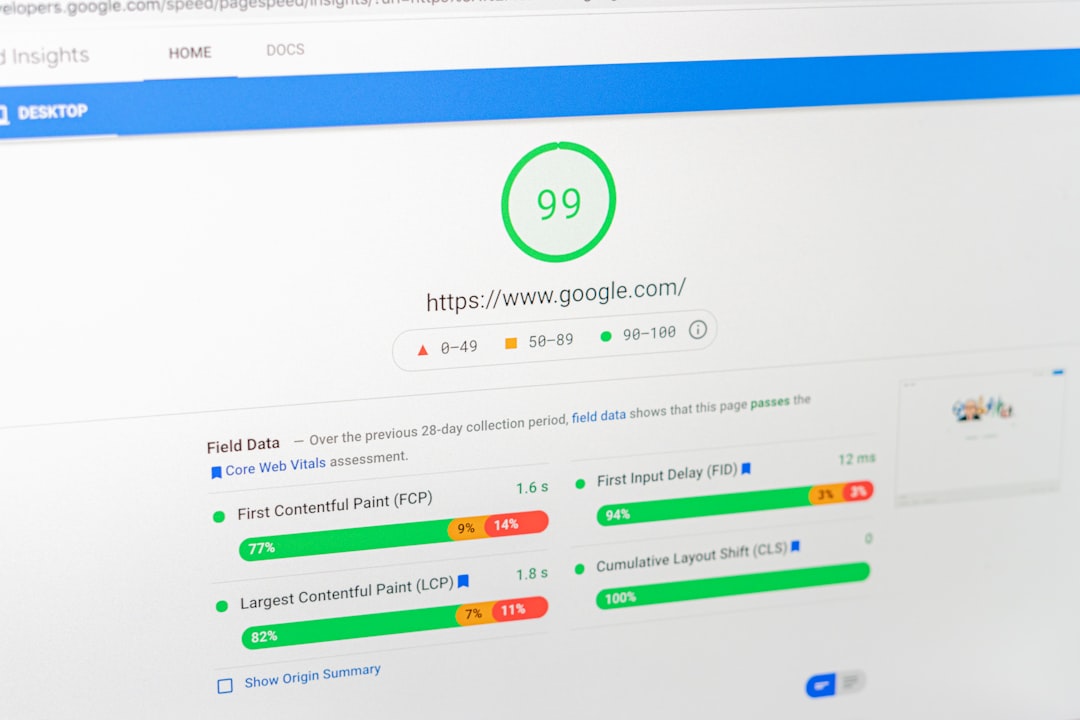
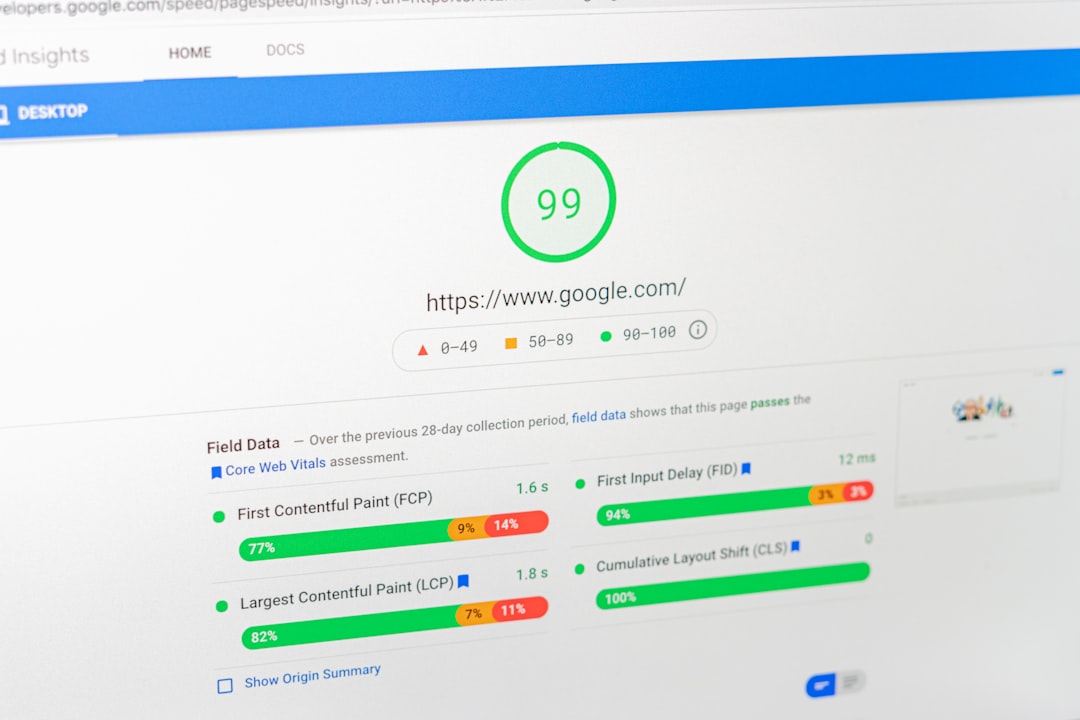
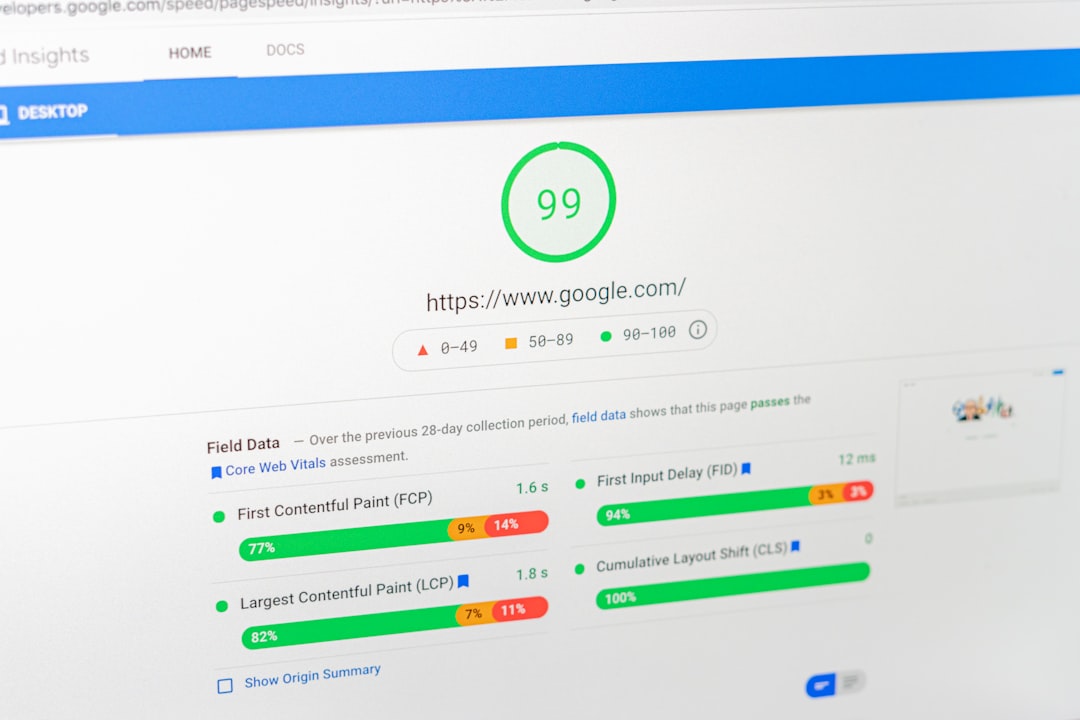
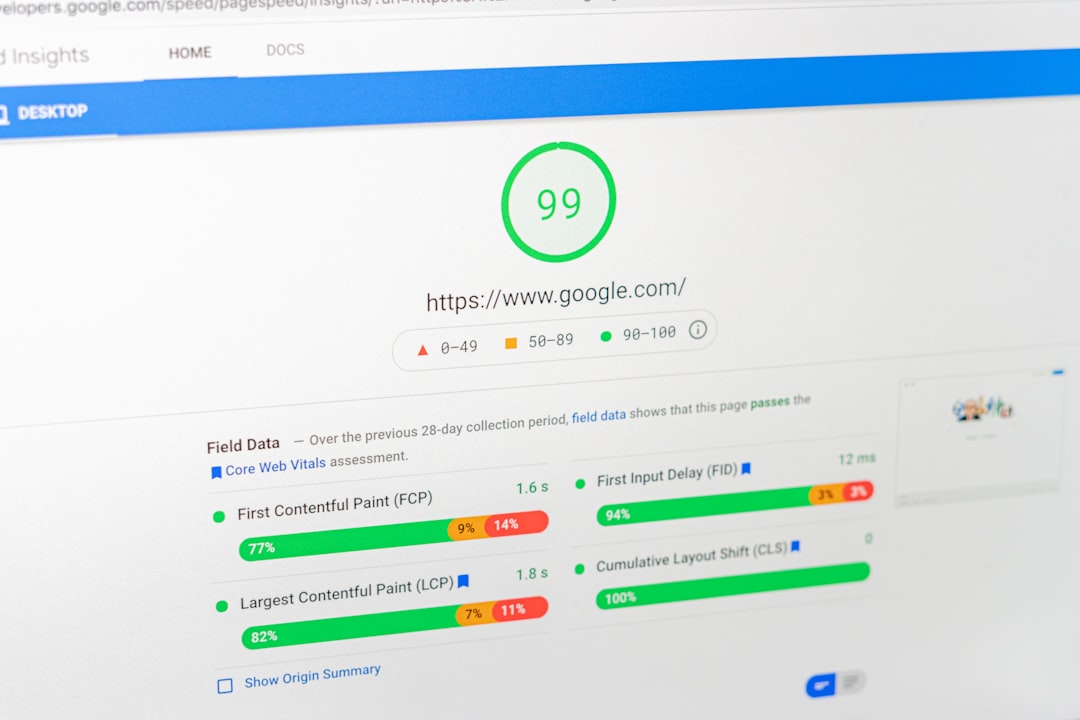
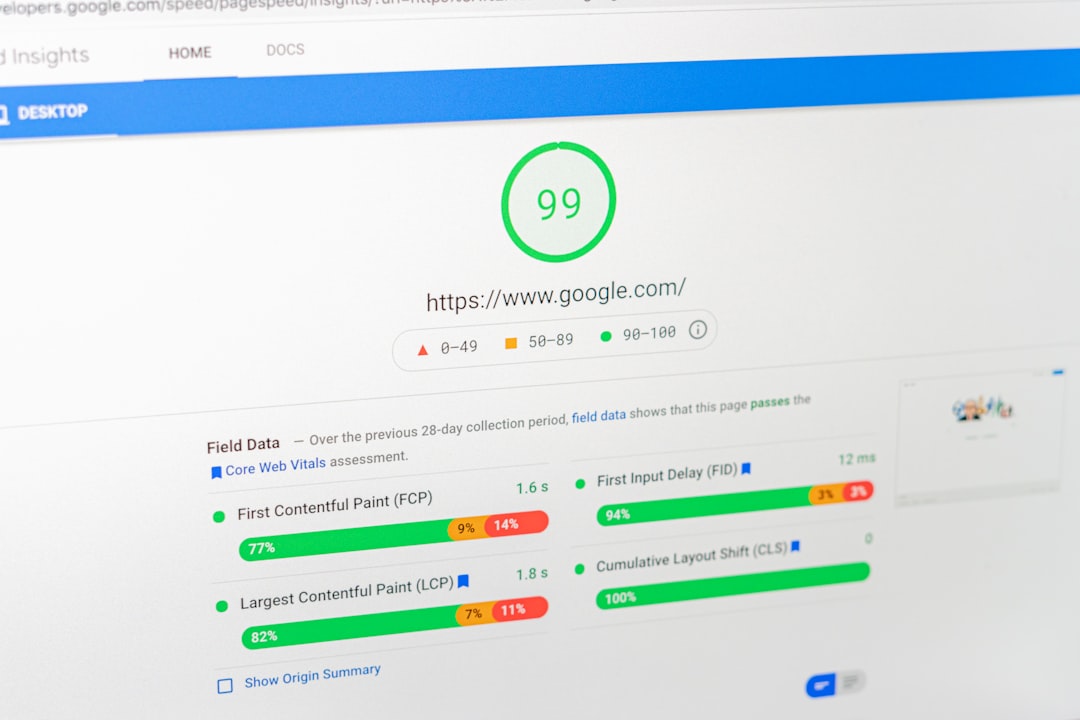
Stop treating plugin scores as the goal. Troubleshooting WordPress SEO is not about collecting green indicators. It is about making sure your site sends clear, consistent signals about which pages matter, what they are about, and why users should choose them.
You do not need a perfect score. The goal is a site that loads cleanly, is easy to use, and makes your important pages easy for search engines and visitors to understand. Usually that means fewer plugins, clearer templates, stronger internal links, and less duplication.
When to Get Help
If rankings are flat after you have cleaned up the basics, the problem is usually prioritization, not effort. A second set of eyes can quickly tell you whether the bottleneck is technical SEO, weak page targeting, archive clutter, or a migration issue that never got fully resolved.
WordPress SEO Expert can help you diagnose what to fix first instead of bouncing between plugins, checklists, and scattered advice. Book a free SEO consultation. No pitch, no pressure. Just an honest look at what your site actually needs and whether your current setup is part of the solution or part of the problem.
Contact WordPress SEO Expert today to schedule a consultation if you want a practical plan for troubleshooting your WordPress SEO without overcomplicating it.