
Optimizing a WordPress website for SEO requires more than installing an SEO plugin and adding keywords to a few pages. A successful approach combines technical setup, content optimization, website structure, performance, and ongoing monitoring.
Whether you manage SEO yourself or work with a WordPress SEO agency, the following process can help create a stronger foundation.
Start With a Website Audit

Before making changes, understand the current condition of the website.
An initial audit should review:
- Indexing
- Website structure
- Page titles
- Meta descriptions
- Headings
- Content quality
- Internal links
- Broken links
- Mobile usability
- Page performance
This gives you a clear list of problems and opportunities instead of making random changes.
Set Up Search Tools
Connect the website with useful search and analytics platforms.
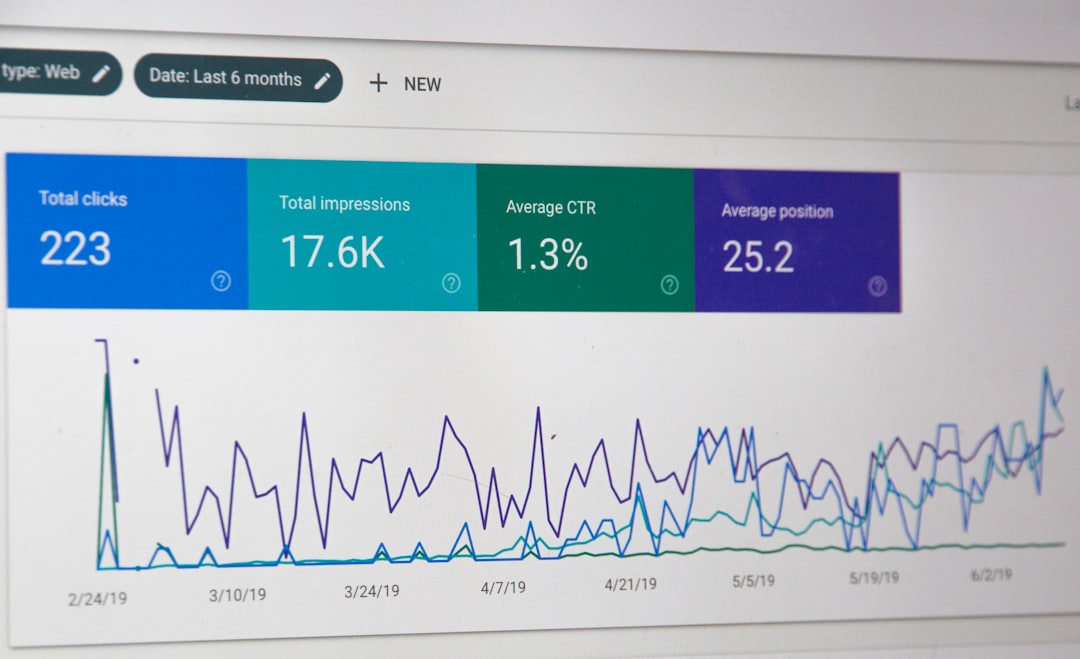
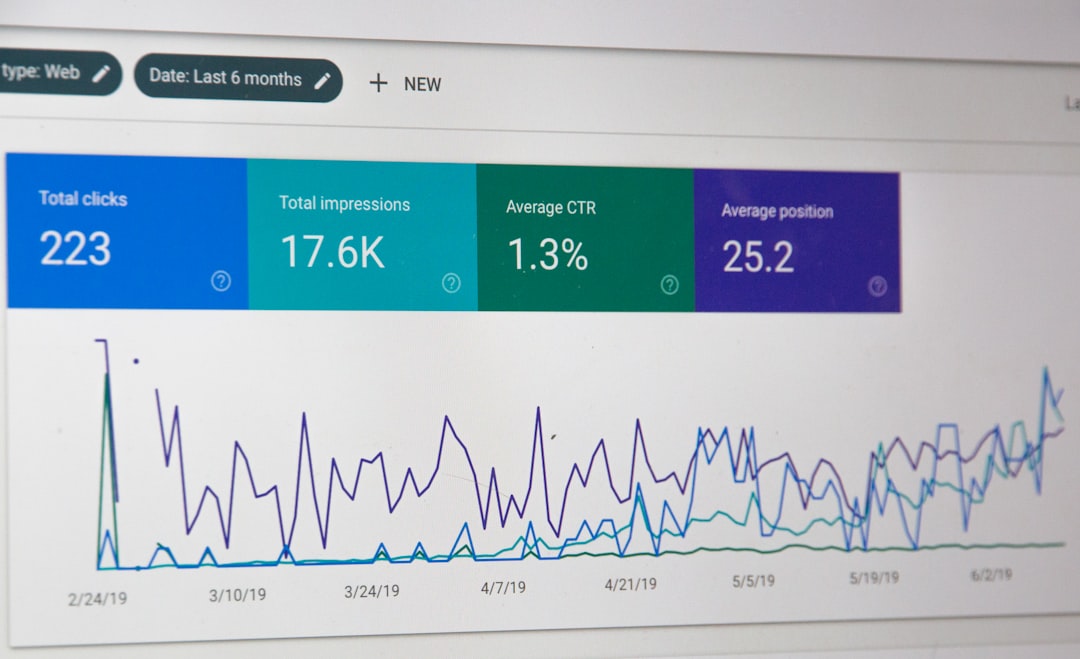
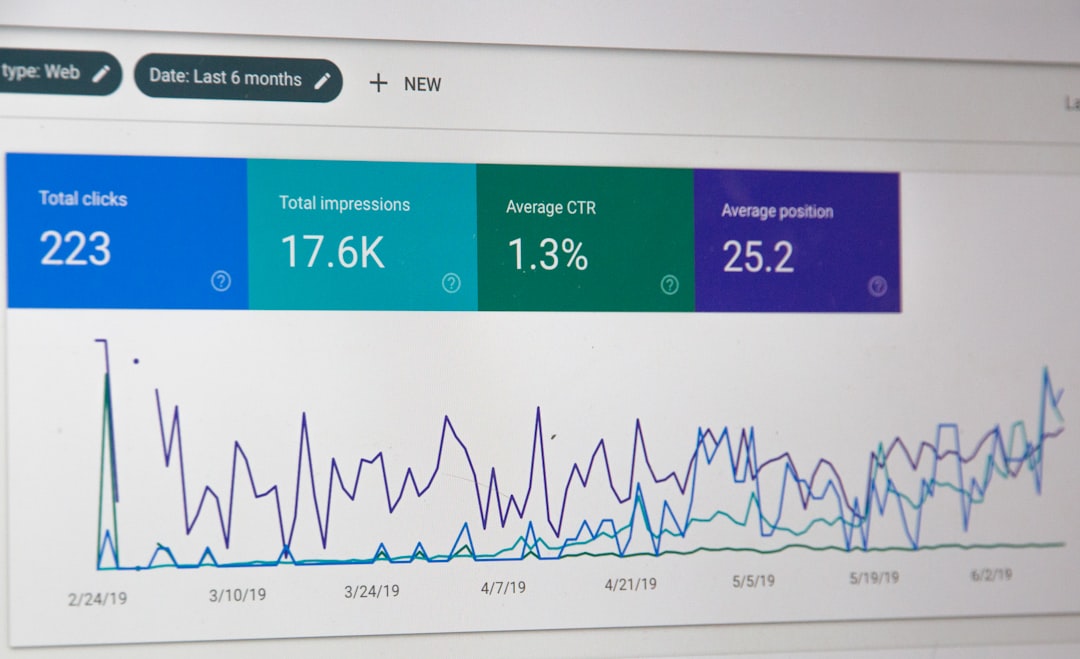
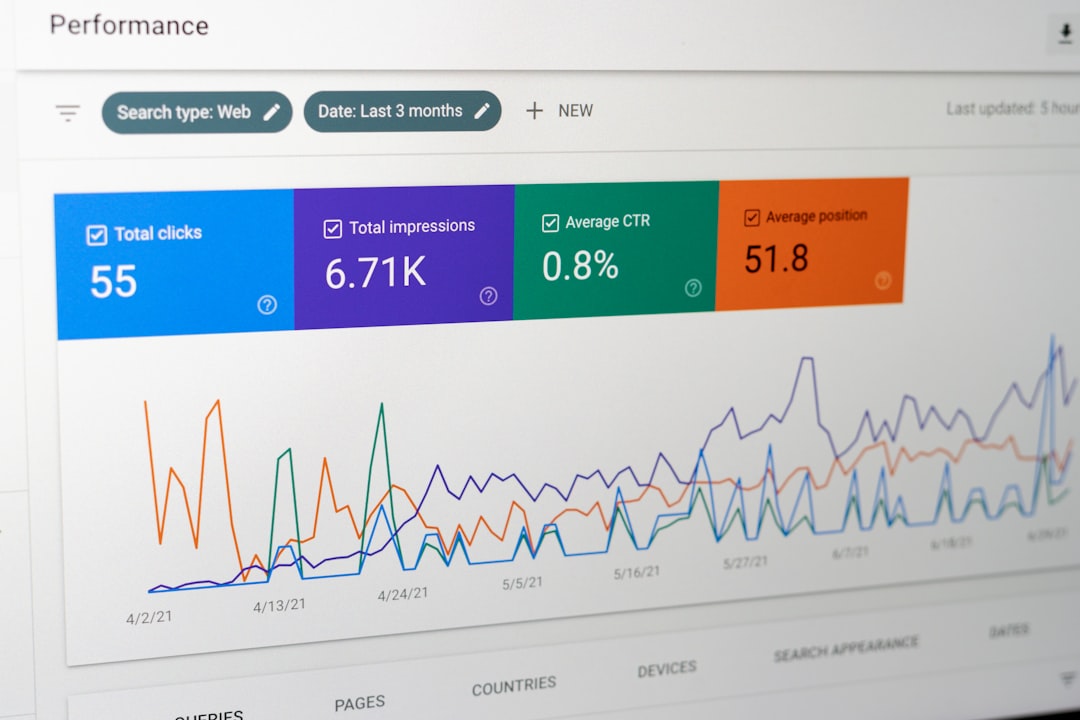
Google Search Console can provide information about:
- Search queries
- Impressions
- Clicks
- Indexing
- Search performance
- Technical issues
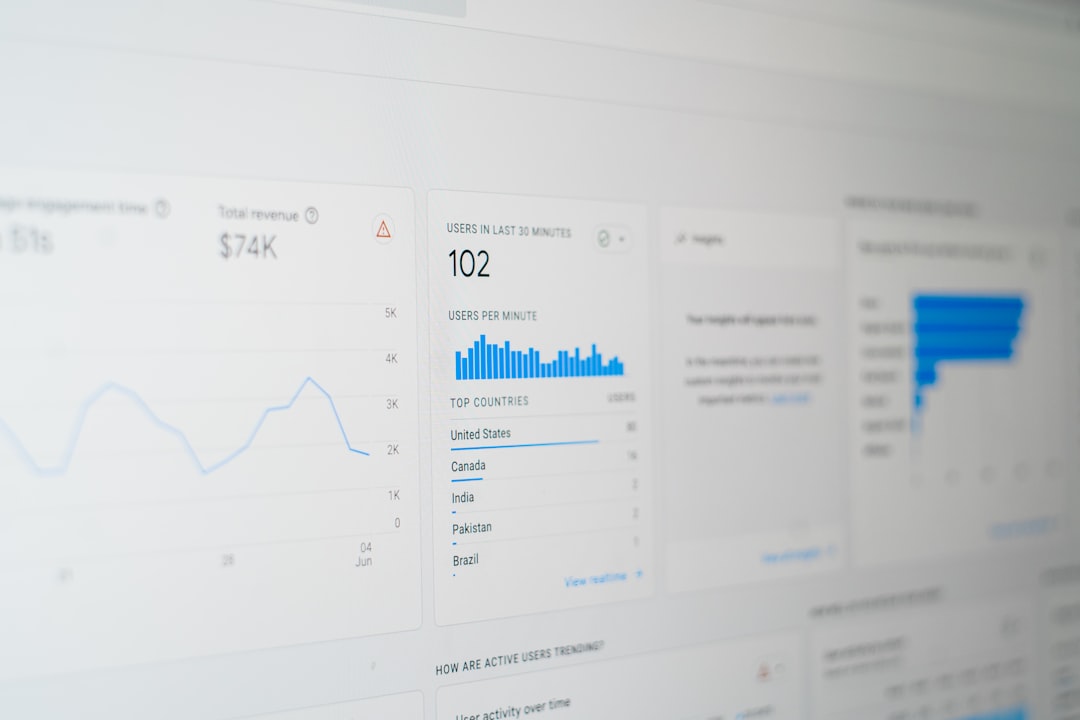
Analytics tools can provide additional information about visitor behavior and conversions.
These tools help an SEO agency make decisions based on actual website data.
Optimize WordPress Settings
Review basic WordPress settings before moving into advanced SEO.
Check that:
- The preferred website URL is correct
- HTTPS is enabled
- Search engine visibility is configured properly
- Permalinks are readable
- Unnecessary default content is removed
- Important pages are accessible
Be especially careful with WordPress’s search engine visibility setting. An incorrect configuration can prevent search engines from indexing the site properly.
Choose an SEO Plugin Carefully
SEO plugins can simplify tasks such as managing titles, descriptions, sitemaps, and other settings.
However, a website generally does not need several plugins performing the same SEO functions.
Choose an appropriate tool, configure it correctly, and avoid unnecessary overlap.
Improve Website Structure
A logical structure helps users navigate the website and makes it easier for search engines to understand relationships between pages.
For example:
Homepage → Services → Individual Service
and
Blog → Topic → Supporting Article
Important pages should not be hidden deep within the website.
Optimize Individual Pages
Review important pages one by one.
Improve:
- Page titles
- Meta descriptions
- H1 headings
- Supporting headings
- Main content
- URLs
- Images
- Internal links
Use the primary topic naturally instead of repeatedly inserting the same phrase.
Create Better Content
Content should be written around user needs.
Before publishing a page, ask:
What problem is this page solving?
A strong page should answer the searcher’s main question and provide enough useful context to move them toward the next step.
Use examples, lists, tables, and clear sections where they genuinely improve understanding.
Improve Images
Large images can affect page performance.
Optimize image files before uploading them and use appropriate dimensions.
Also make sure meaningful images have useful alt text. Alt text should describe the image rather than act as a place to insert keywords repeatedly.
Strengthen Internal Linking
Link related pages together naturally.
For example, an article about WordPress technical SEO could link to a relevant WordPress SEO service page.
Internal links can help visitors find additional information and make the site’s topical relationships clearer.
Improve Mobile Performance
Check the website on different screen sizes.
Important elements should remain easy to use:
- Navigation
- Buttons
- Forms
- Images
- Text
- Menus
A page that works perfectly on desktop but is difficult to use on mobile still needs improvement.
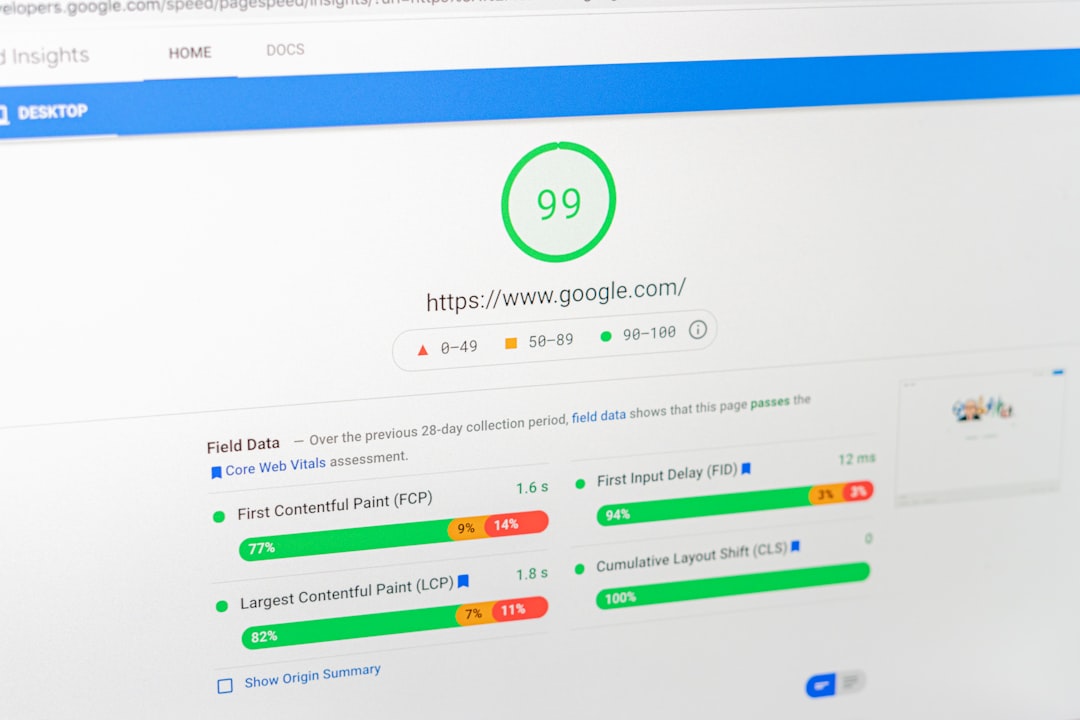
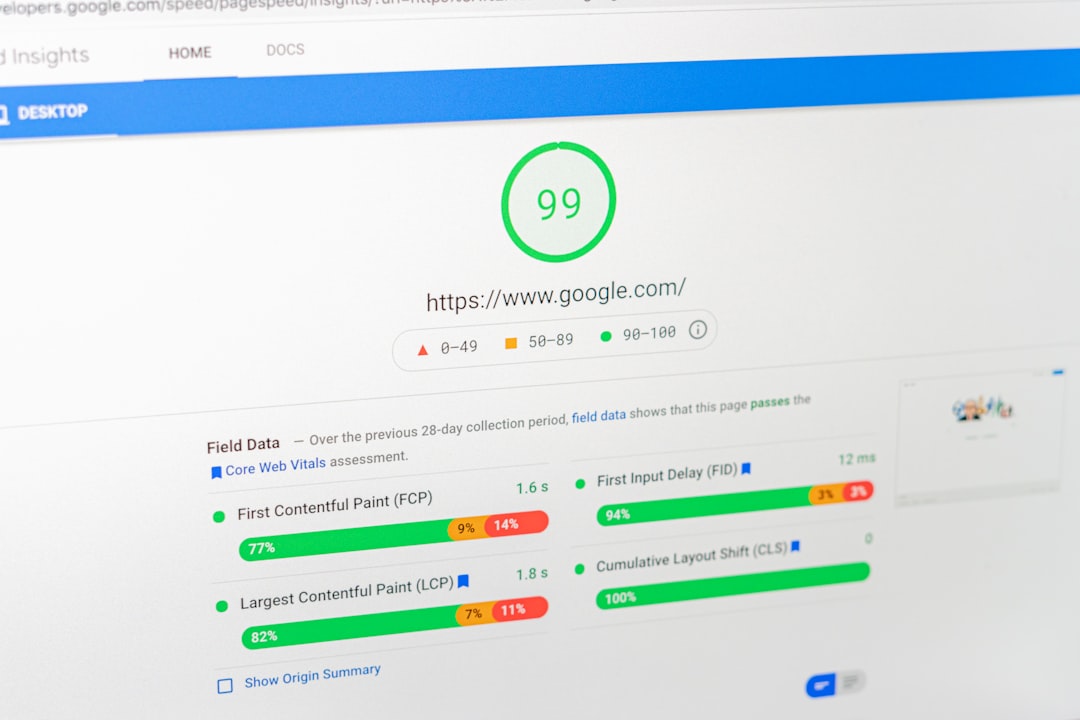
Monitor Page Speed
Review the factors affecting performance, including:
- Image sizes
- Hosting
- Caching
- Plugins
- Scripts
- Theme code
- Third-party services
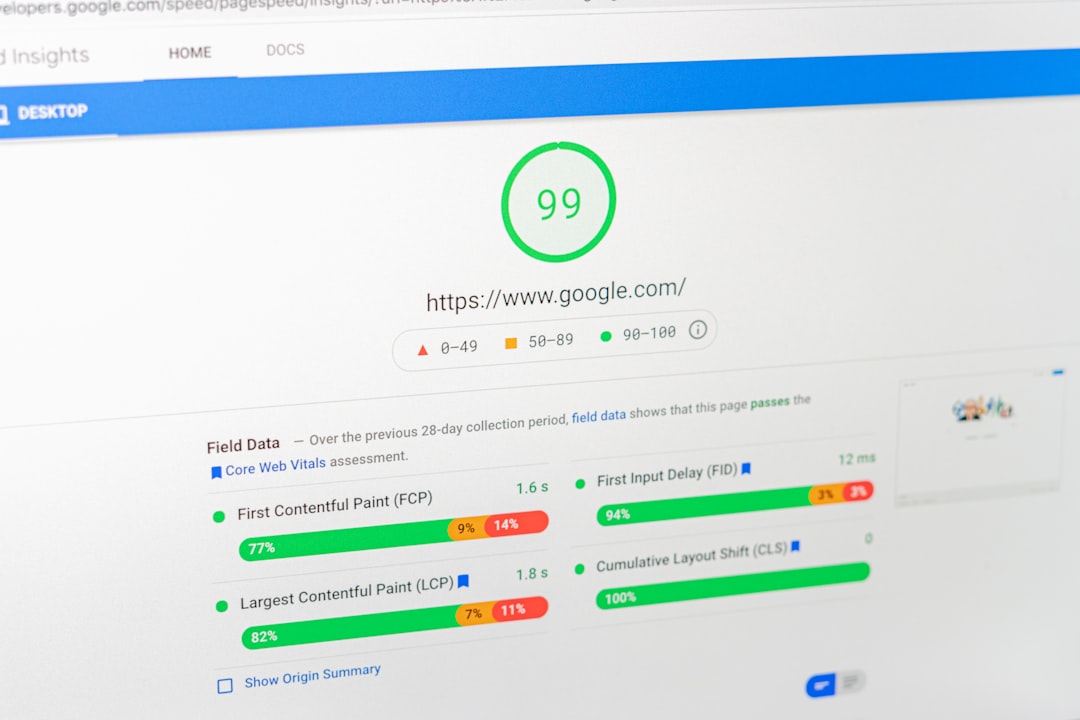
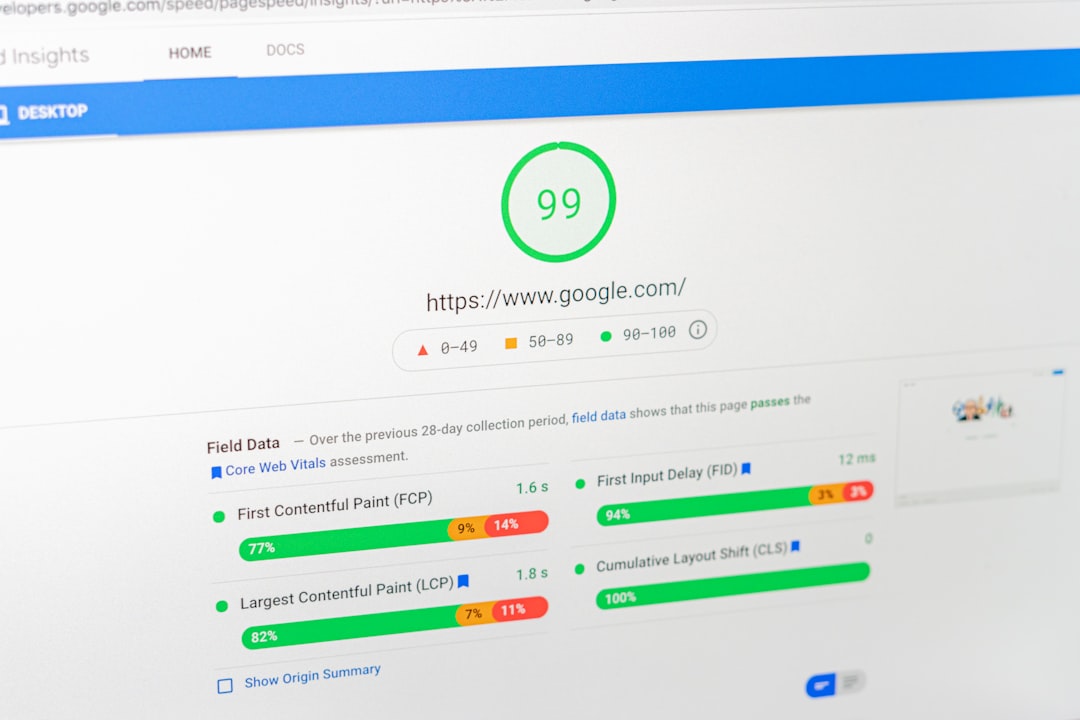
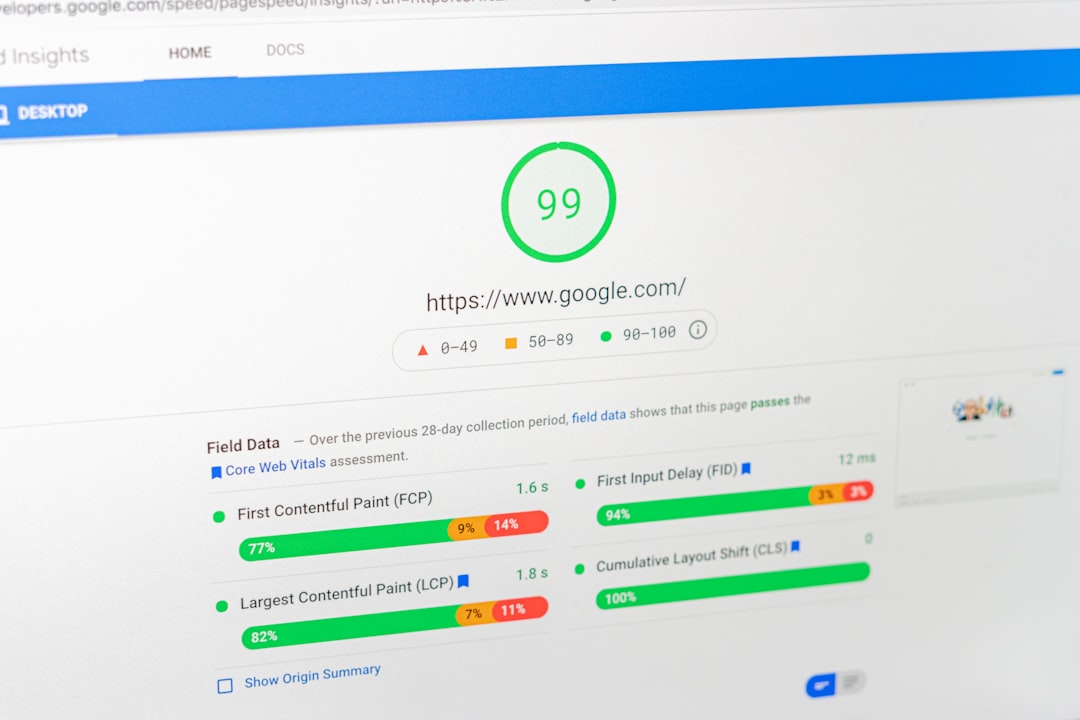
Do not optimize for a testing score alone. The actual experience of visitors matters.
Build Relevant Authority

Once the website’s foundation is strong, work on external visibility.
Relevant opportunities may include:
- Industry publications
- Digital PR
- Business directories
- Partnerships
- Resource pages
- Expert contributions
Focus on relevance and usefulness rather than acquiring large numbers of low-quality links.
Measure and Improve
SEO should be monitored after changes are made.
Track:
| Area | Useful Measurement |
|---|---|
| Search visibility | Impressions |
| Organic traffic | Clicks and sessions |
| Engagement | User behavior |
| SEO performance | Keyword visibility |
| Business impact | Leads and sales |
| Technical health | Errors and indexing |
A WordPress SEO agency can use this information to prioritize the next round of improvements.
Optimization works best as a continuous cycle: audit → optimize → monitor → refine. This keeps the WordPress website technically healthy, useful to visitors, and aligned with its search goals.