
WordPress gives website owners a convenient way to manage pages, posts, images, categories, and other content. But simply publishing content through WordPress does not automatically mean it is optimized for search engines.
Effective WordPress on-page SEO requires attention to the actual content and structure of each page.
Choose a Primary Topic
Start every important page by deciding what it is mainly about.
For example, a page titled “WordPress SEO Services” should have a clear focus on that service rather than trying to cover unrelated SEO topics.
Research the phrases your audience uses and understand what they expect to find.
Optimize the Page Title
The title is one of the first elements users and search engines encounter.
Make it descriptive and relevant to the page.
For example:
Weak:
“Home”
Better:
“WordPress SEO Services for Growing Businesses”
Avoid unnecessarily repeating keywords or creating titles that do not accurately describe the page.
Create a Strong Main Heading
Your WordPress editor allows you to structure content using headings.
Use one clear main heading for the page and organize supporting sections with H2 and H3 headings.
A logical structure makes long content easier to read and understand.
For example:
H1: WordPress On-Page SEO
H2: Why On-Page SEO Matters
H2: How to Optimize WordPress Pages
H3: Optimize Titles
H3: Improve Content
H3: Add Internal Links
Improve Your Content

Good on-page SEO starts with useful content.
Ask yourself:
- Does this page answer the visitor’s question?
- Is the information accurate?
- Is anything important missing?
- Can a beginner understand it?
- Does the content provide a clear next step?
Avoid writing paragraphs solely to include keywords. Useful information should guide the content structure.
Use Keywords Naturally
Your main keyword can appear in important areas such as the title, heading, introduction, and relevant sections.
However, exact-match repetition is not necessary throughout the entire article.
Use related terms naturally where they make sense. This creates clearer, more readable content.
Optimize WordPress URLs
When creating a new WordPress page or post, review its permalink.
Keep it short, descriptive, and relevant.
For example:
/wordpress-on-page-seo/
is easier to understand than:
/post-2026-09-2347/
Avoid changing established URLs unnecessarily. If a change is required, make sure appropriate redirects are handled.
Add Internal Links
Internal links are easy to add through the WordPress editor.
Highlight relevant text, select the link option, and connect it to another useful page on your website.
For example, an article about on-page SEO could link naturally to related content about keyword research, technical SEO, or WordPress SEO services.
The link should provide value rather than simply exist for SEO purposes.
Optimize Images
Before uploading an image, make sure it is relevant and appropriately sized.
Use descriptive filenames when practical, and add useful alt text when the image requires an accessibility description.
Do not turn image alt text into a list of keywords.
Write Meta Descriptions
Depending on the SEO setup used on your WordPress website, you may have fields for titles and meta descriptions.
Use the meta description to summarize the page clearly and encourage relevant visitors to click.
It should describe the actual content rather than make promises the page does not fulfill.
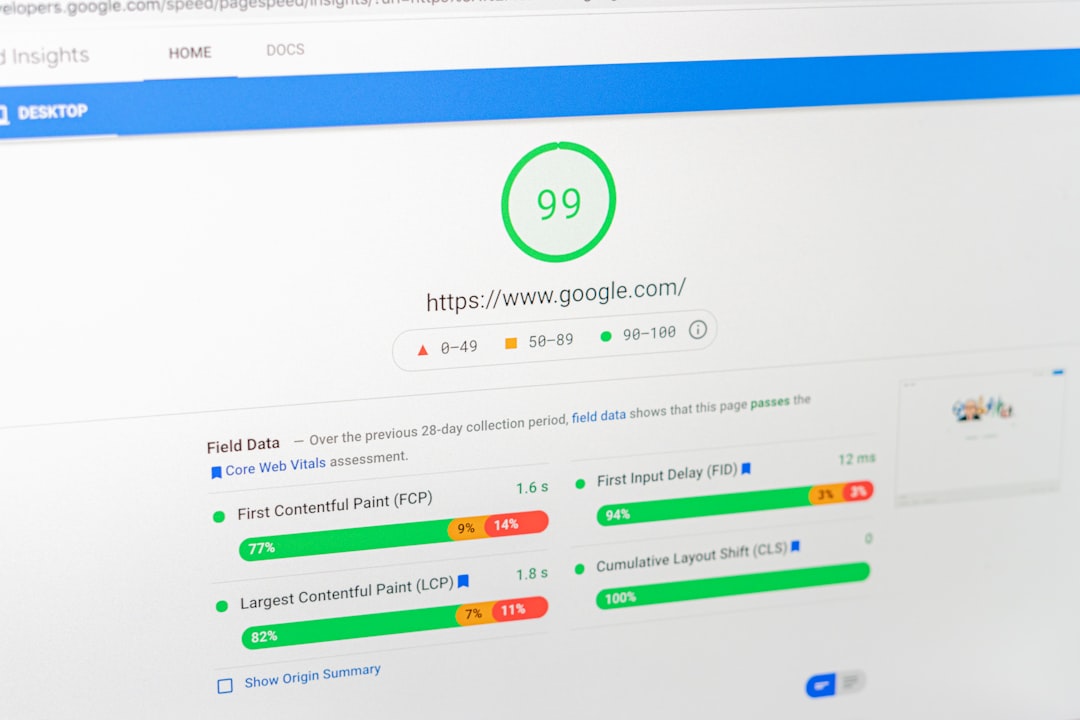
Check Mobile Display
Use WordPress preview tools and actual devices to check how your pages appear on smaller screens.
Make sure:
- Text is readable
- Buttons are usable
- Images fit the screen
- Navigation works properly
- Important content is not hidden
Mobile usability is part of creating a quality website experience.
Review Categories and Content Structure
For larger WordPress websites, categories and content organization can become important.
Avoid creating dozens of nearly empty categories. Organize content around meaningful topics and make it easy for visitors to move between related pages.
Keep Existing Content Updated
SEO optimization is not limited to new posts.
Review older pages periodically and update information that has become outdated. Strengthen weak sections, improve internal links, replace obsolete examples, and make sure the page still satisfies its intended search query.
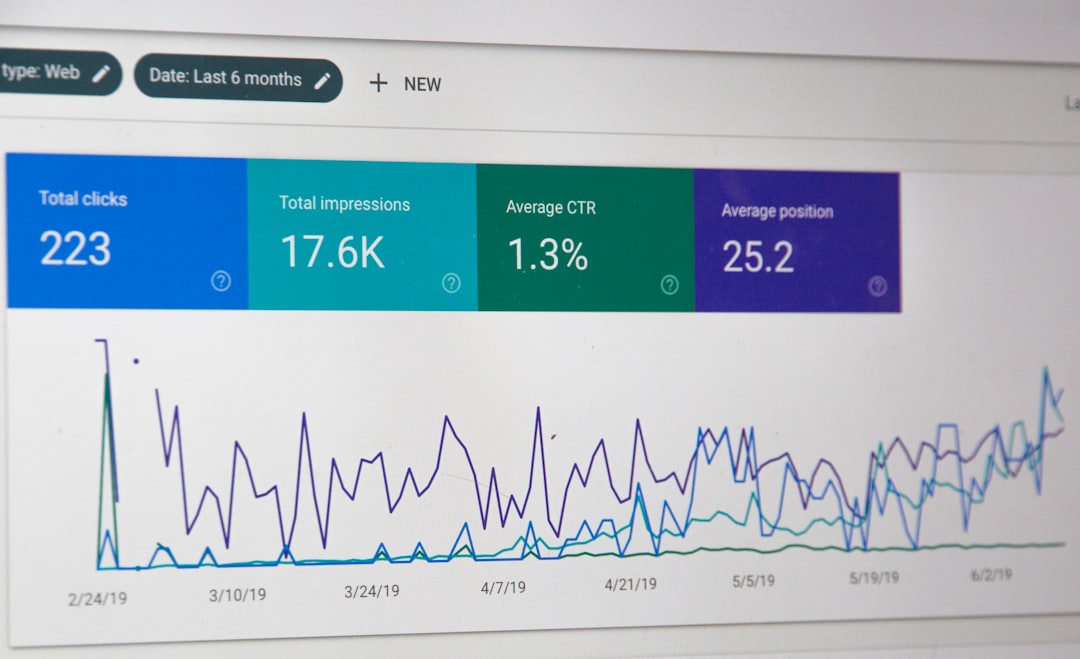
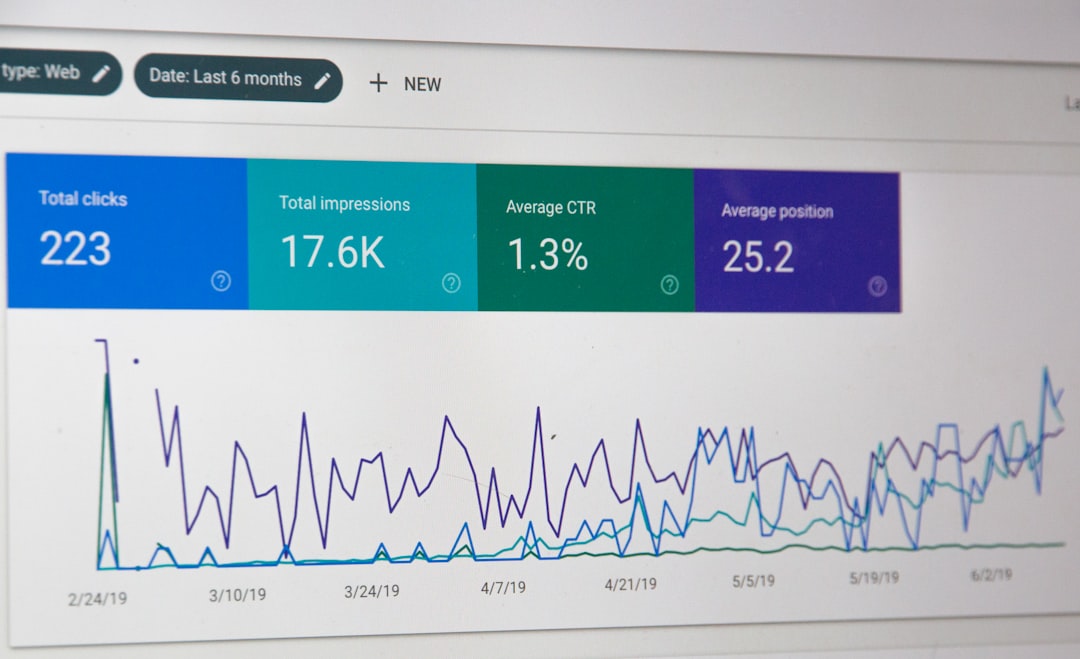
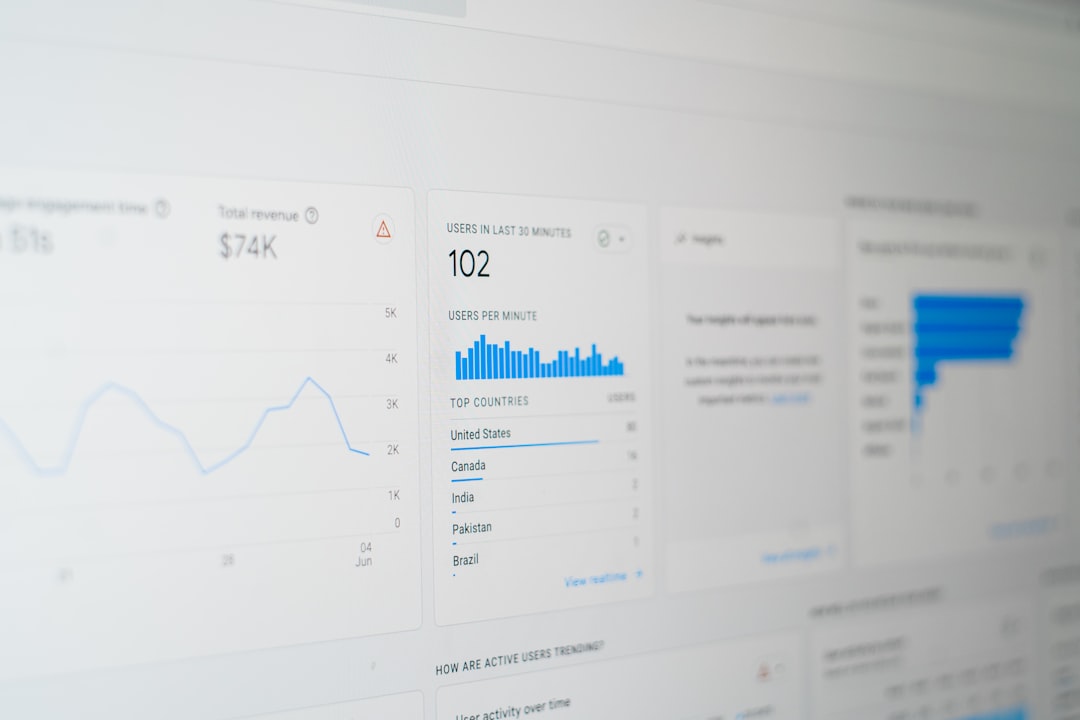
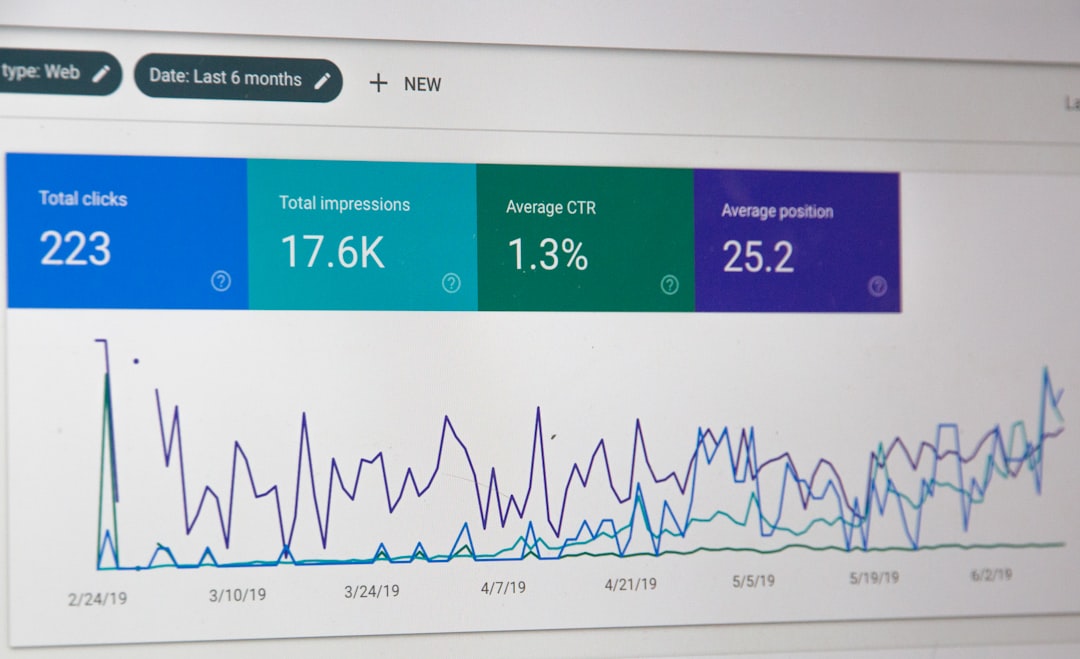
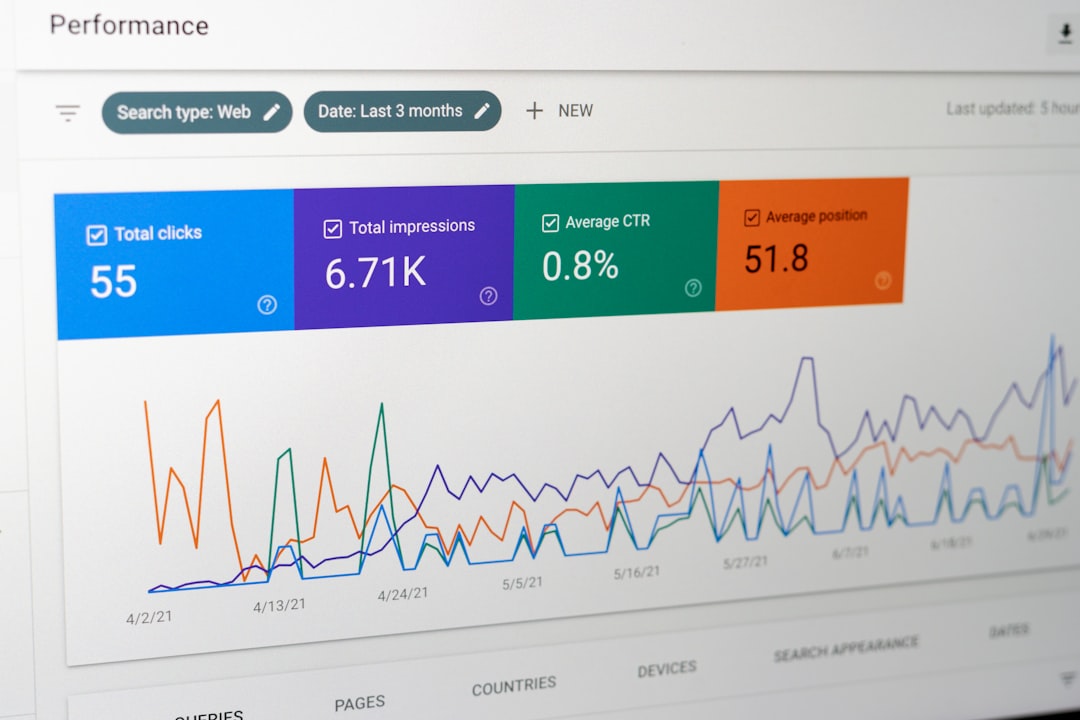
Monitor Performance
After optimization, monitor how your pages perform.
Useful signals include:
- Organic impressions
- Organic clicks
- Search queries
- Rankings
- Conversions
- Engagement
Do not expect every change to produce an immediate ranking increase. SEO is an ongoing process.
For websites with many pages or competitive search terms, a WordPress SEO consultant can help combine content optimization, internal linking, keyword research, and technical improvements into one structured strategy.