WordPress SEO performance feels hard to measure when traffic is flat, but the process is simpler than most site owners think. Start with visibility, not plugin scores. If your pages are earning more impressions, more qualified clicks, and more conversions over time, your SEO is moving in the right direction.
The cleanest setup uses Google Search Console performance reports for search visibility and GA4 landing page reporting for what happens after the click. If you need a broader foundation first, review our WordPress SEO best practices and our guide on choosing the right SEO plugin setup.
What should you measure first?
Measure search visibility before anything else. Most sites do not underperform because one setting is missing. They underperform because nobody is checking whether Google is showing the right pages, whether searchers are clicking them, and whether those visits lead anywhere useful.
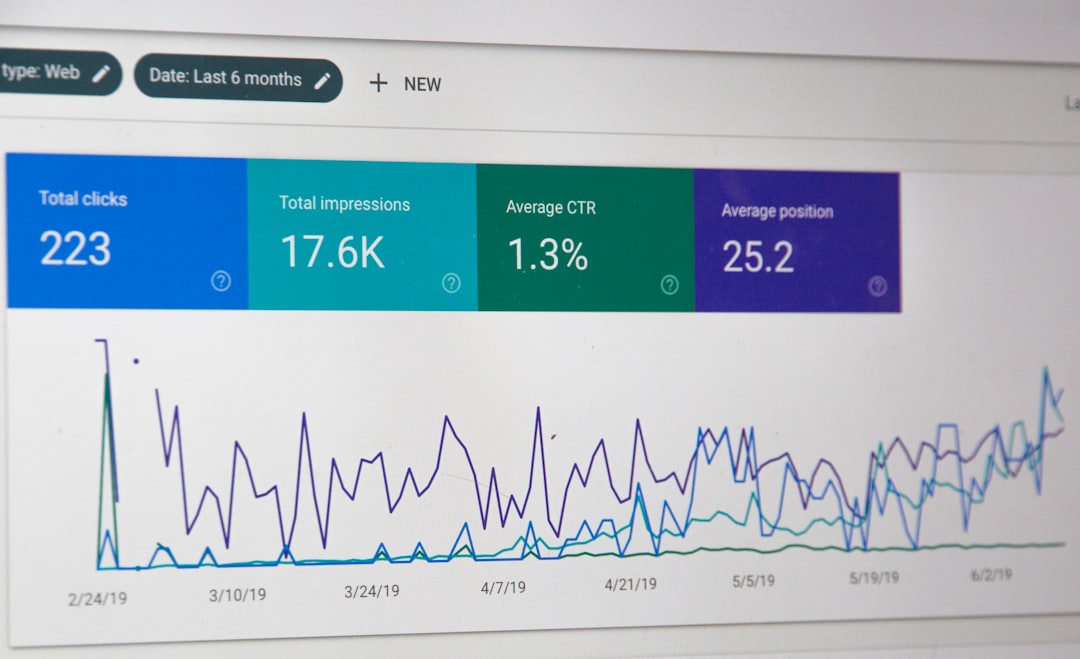
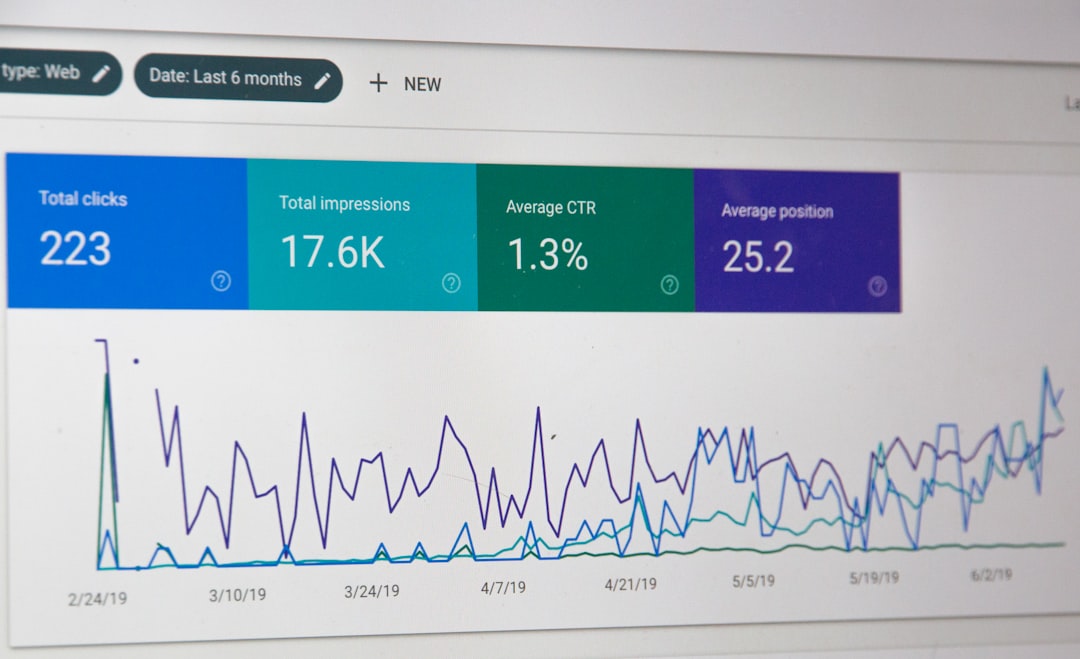
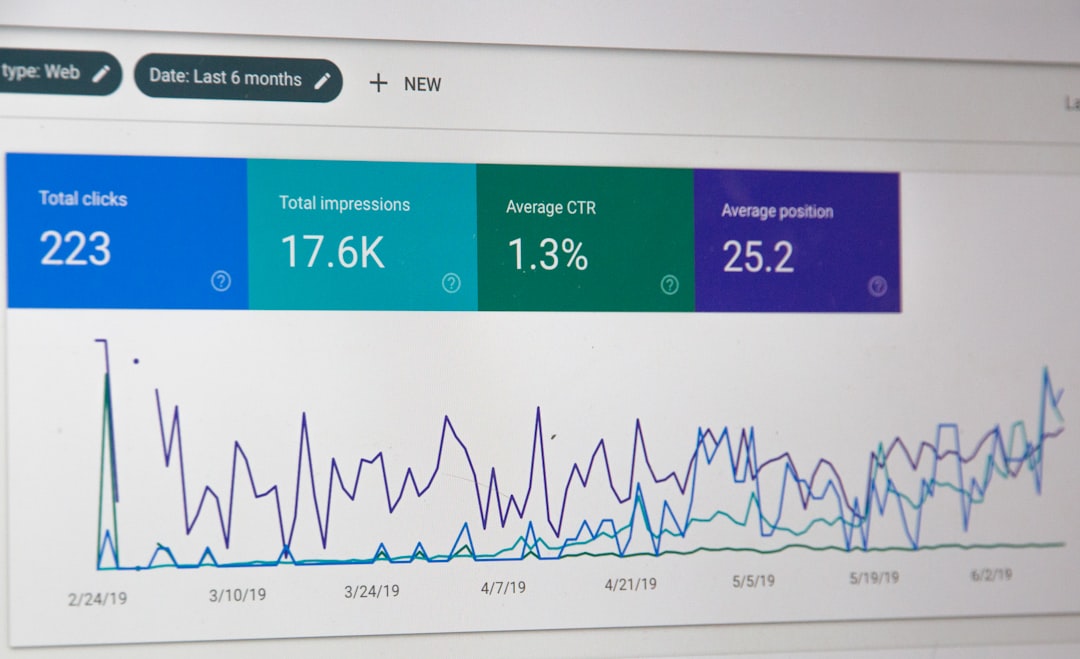
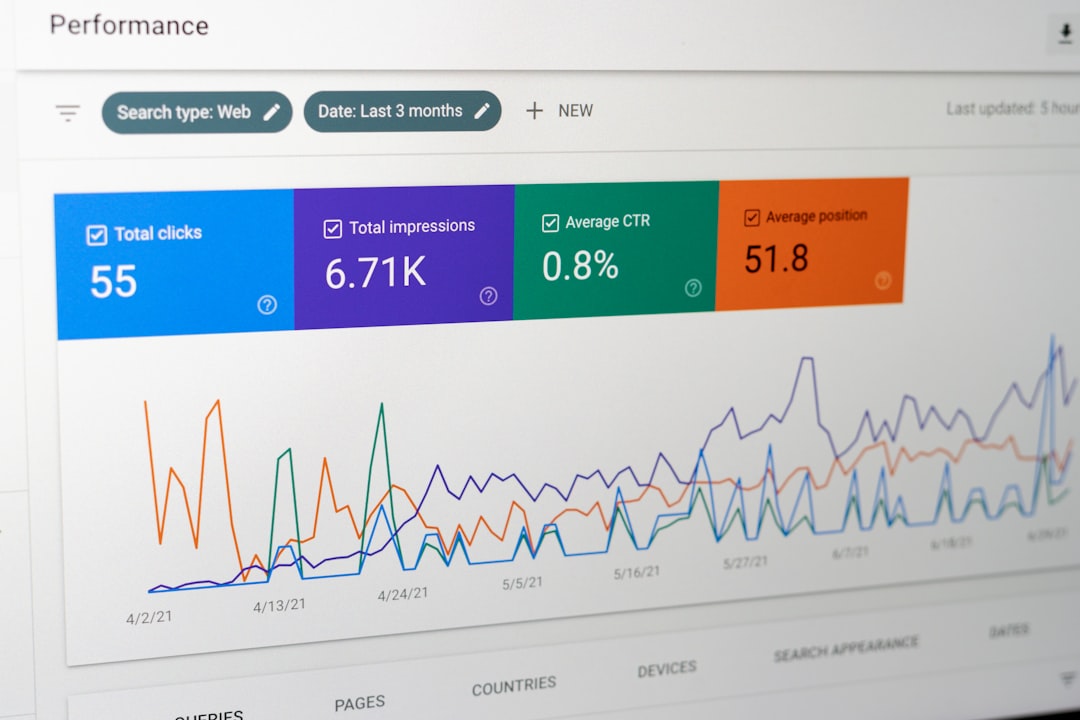
In Search Console, the core metrics are clicks, impressions, average click-through rate, and average position. Google defines these directly in its documentation, and these four numbers give you the clearest first view of whether your SEO work is increasing visibility or just creating activity inside WordPress.
The 5 metrics that matter most
If you only track five things, track clicks, impressions, CTR, page-level position trends, and conversions. That combination tells you whether your pages are getting seen, whether people choose them, and whether the traffic supports leads or sales.
| Metric | What it tells you | Where to measure it |
|---|---|---|
| Clicks | How many visits you earned from Google Search | Google Search Console |
| Impressions | How often your page appeared in search | Google Search Console |
| CTR | Whether searchers choose your result when they see it | Google Search Console |
| Average position | General visibility trend for a page or query | Google Search Console |
| Conversions | Whether SEO traffic turns into forms, calls, or sales | GA4 or CRM |
Use average position carefully. Google explains that this is an average of the topmost result from your site across impressions, not a perfect rank tracker for every search. It is useful for direction, but not as a single score to obsess over.
How to measure SEO in Google Search Console

Google Search Console is the best place to start because it shows performance before a visitor reaches your site. This is where you can separate a visibility problem from a click problem. If impressions are low, the page likely needs stronger relevance or better internal support. If impressions are healthy but clicks are weak, the snippet usually needs work.
Open the Performance report, review the last three months, and compare that period to the previous one. Then switch from the property view to the Pages tab so you can see which URLs are rising, flat, or slipping. Google’s own documentation recommends using these views to analyze longer-term trends instead of reacting to daily noise.
What patterns to look for
Simple patterns tell you more than complicated dashboards. Rising impressions with flat clicks usually point to weak title tags or poor intent matching. Falling impressions can signal weaker rankings, indexing problems, or stronger competition around the topic.
| Pattern | Likely issue | What to do next |
|---|---|---|
| Impressions up, clicks flat | Weak title tag or unclear intent match | Rewrite title and meta description |
| Clicks down, impressions stable | Lower CTR or less compelling snippet | Test clearer messaging and benefit-driven titles |
| Impressions down sharply | Visibility loss, indexing issue, or content change | Check indexing, recent edits, and competitors |
| Position improves, clicks do not | Snippet or offer is not persuasive | Improve SERP messaging and page alignment |
This is also where internal linking decisions become clearer. If a page has some visibility but not enough momentum, support it with contextual links from related posts and service pages. Most site owners do not have one catastrophic issue. They have a stack of smaller issues that compound over time.
How to measure SEO in GA4

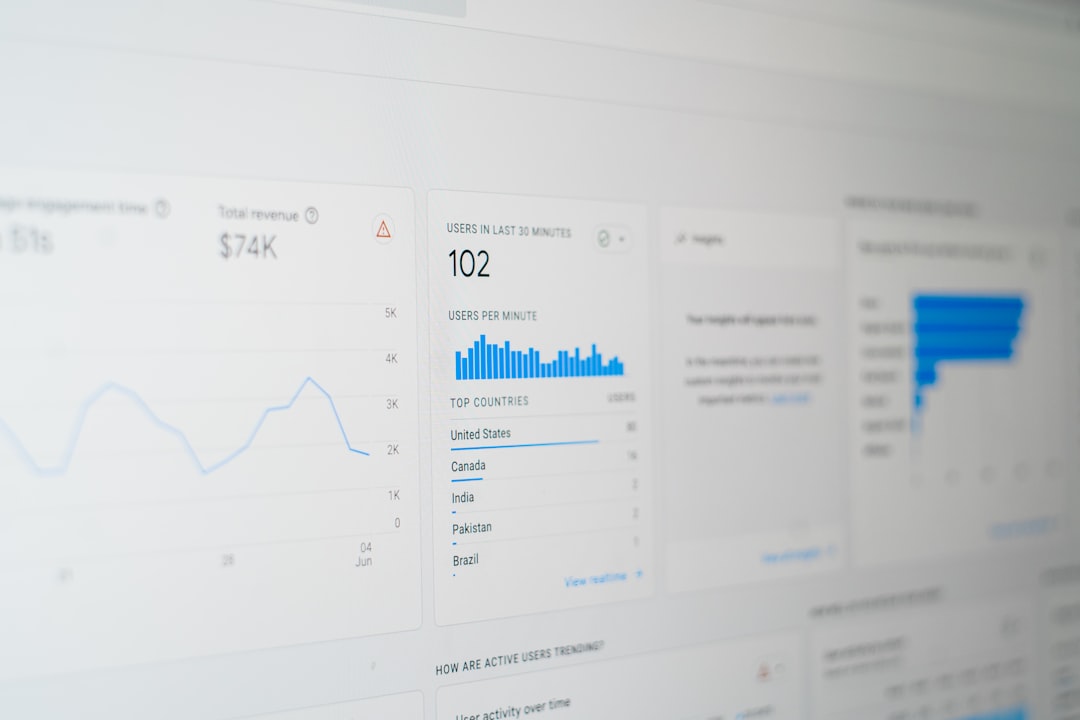
GA4 answers a different question: what do organic visitors do after they arrive? Search Console shows whether Google is sending attention. GA4 shows whether that attention turns into engaged sessions, deeper browsing, and conversions that matter to the business.
Focus on landing pages, not just total organic sessions. Google defines a landing page as the first page a visitor sees on your site, which makes it the cleanest way to measure page-level SEO impact. A blog post may bring traffic while a service page drives leads, and those differences get hidden when you only review sitewide totals.
In GA4, review organic landing pages, engagement metrics, and your main conversion events. If a page gets search traffic but weak engagement, the issue is often intent mismatch, weak structure, or a page experience problem. If engagement is strong but conversions are weak, the page may need a clearer next step.
If you are not sure whether your current reporting setup is helping or quietly hiding the real problem, WordPress SEO Expert can help. We can review your Search Console and GA4 data and tell you what to fix first.
Do Core Web Vitals belong in SEO measurement?
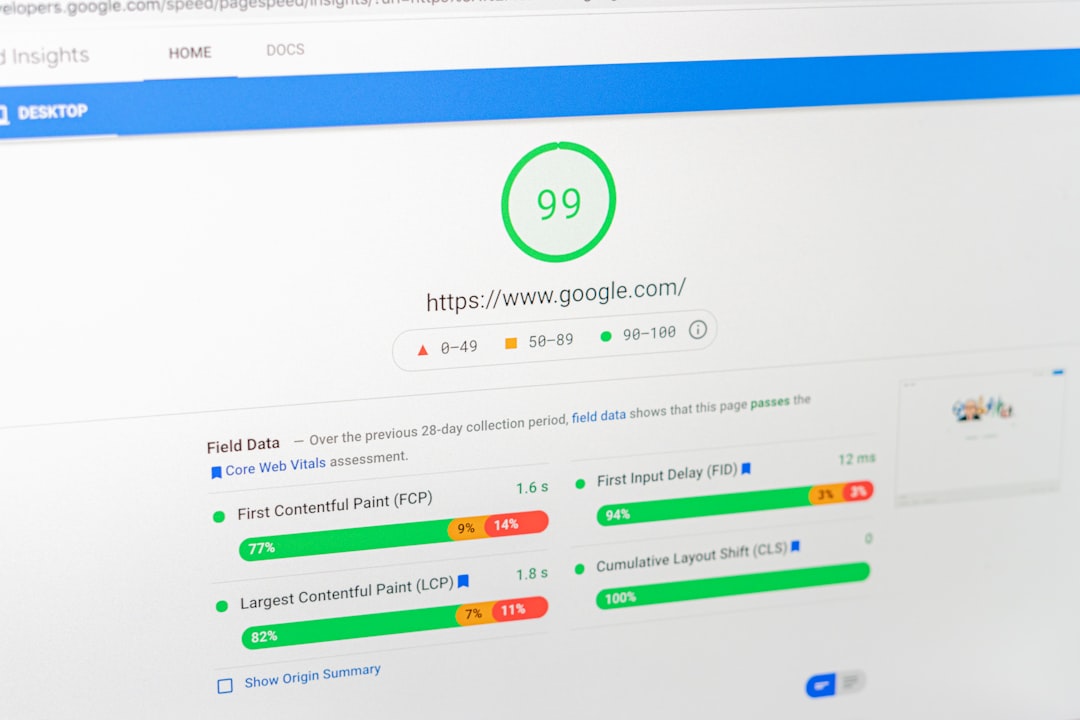
Yes, but they are supporting metrics, not the main scoreboard. Core Web Vitals help you identify real user experience issues that may limit performance, especially on pages that are already competitive on relevance and content.
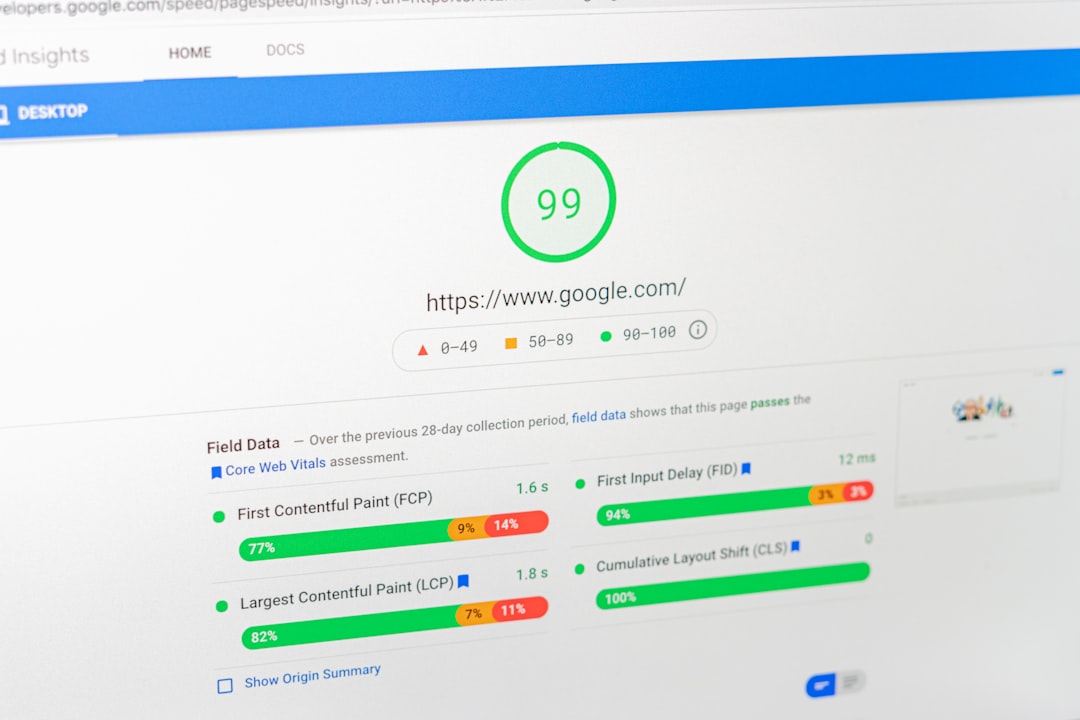
Use Search Console to review Core Web Vitals and spot template-level problems, then use page speed tools for diagnosis rather than as a final SEO grade. A green light in an SEO plugin does not mean the page deserves to rank, and a perfect speed screenshot does not guarantee better traffic. Fix the issues that block visibility before the issues that polish visibility.
A simple monthly SEO review routine

You do not need a massive reporting deck to measure WordPress SEO performance. A short monthly review is enough if it is consistent and page-focused. One clean routine is usually more useful than ten disconnected dashboards.
| Step | What to review | Why it matters |
|---|---|---|
| 1 | Top pages by clicks and impressions | Shows what is actually earning search visibility |
| 2 | High-impression pages with low CTR | Finds title and meta description opportunities |
| 3 | Pages losing impressions or clicks | Helps catch drops before they deepen |
| 4 | Organic landing page engagement and conversions | Connects SEO work to business value |
| 5 | Indexing, sitemap, and Core Web Vitals issues | Checks for technical blockers |
You do not need a perfect score. The goal is a site that loads cleanly, earns visibility for the right pages, and turns that traffic into action. If your reporting process is cluttered, simplify it until you can answer one question quickly: which pages are improving, and why?
Common WordPress SEO measurement mistakes
The biggest mistake is measuring vanity metrics without page-level context. Rankings, plugin scores, and total sessions can be useful, but they often hide the real issue when you do not break performance down by landing page and search query.
Other common mistakes include checking data too often, ignoring conversions, mixing branded and non-branded queries, and treating average position like an exact rank for every search. SEO usually improves in uneven steps, so month-over-month and quarter-over-quarter comparisons are more useful than daily reactions.
What success should look like
Good SEO measurement shows a pattern, not one magic number. Over time, your important pages should earn more impressions, more qualified clicks, steadier engagement, and more conversions from the searches that match your services or products.
If your site is publishing regularly but those trends are not improving, the problem is usually not effort. It is prioritization. WordPress SEO Expert can help you measure what matters, find the bottlenecks, and build a cleaner plan. Contact WordPress SEO Expert today to schedule a consultation.