
Low rankings usually come from a scattered plan, not one missing plugin. If your checklist is full of completed boxes but traffic is flat, the real question is whether those tasks improved visibility, clicks, and conversions. A WordPress SEO checklist only matters when you can measure what changed after the work was done.
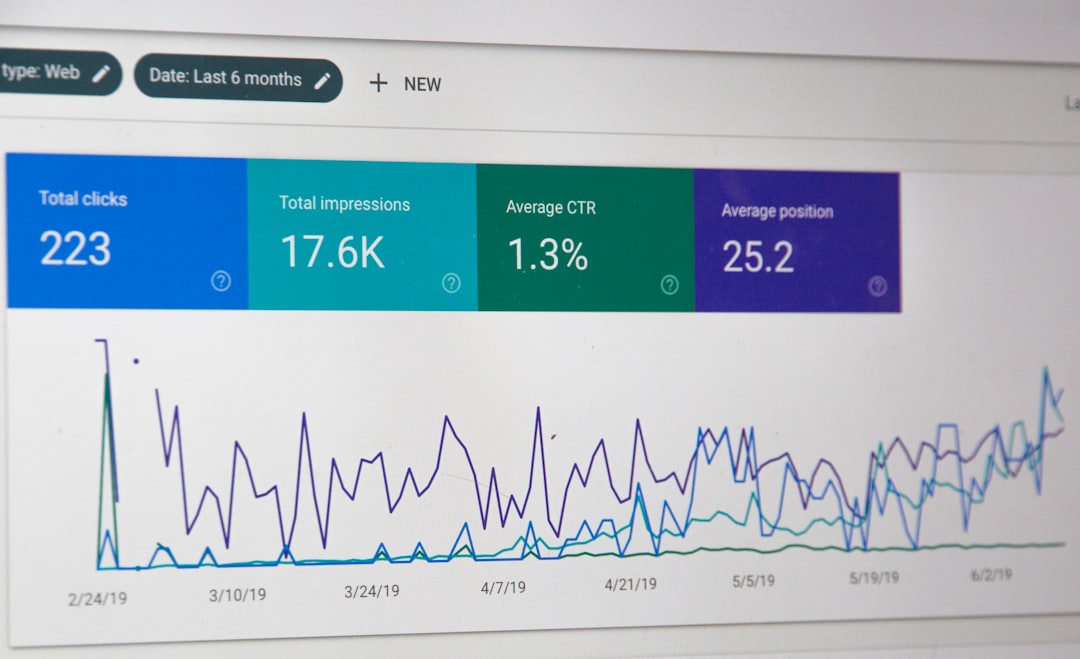
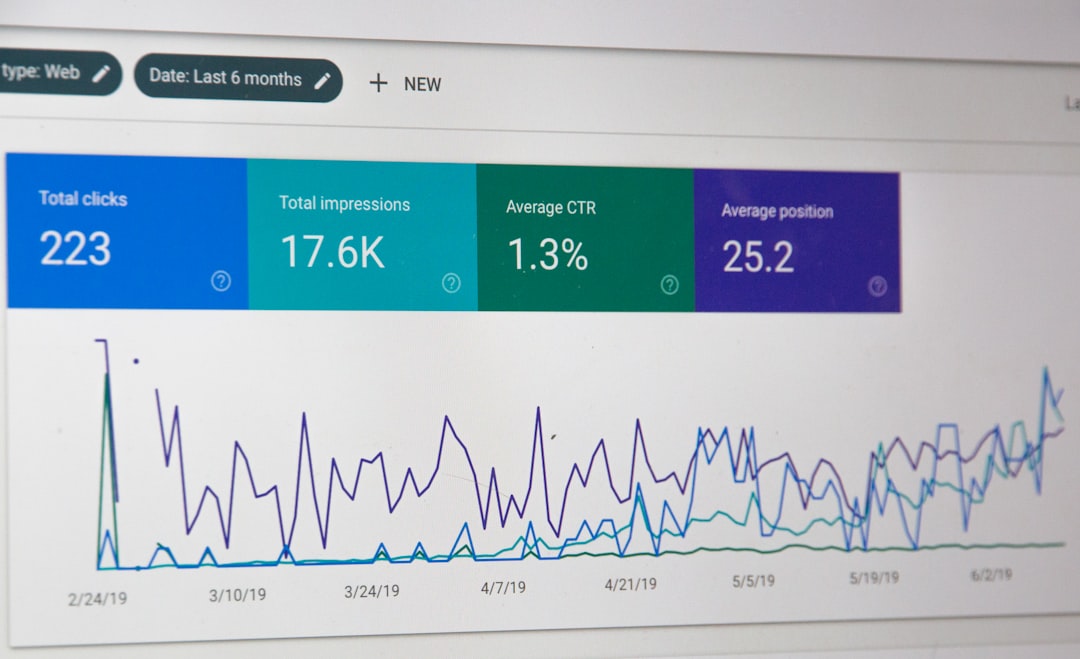
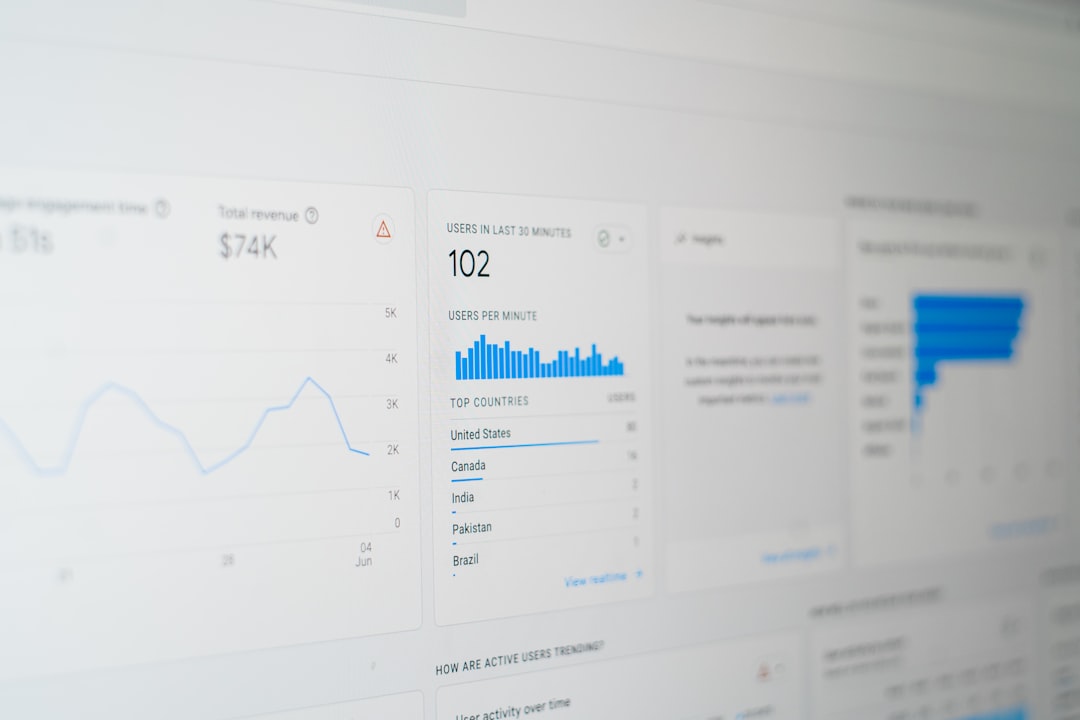
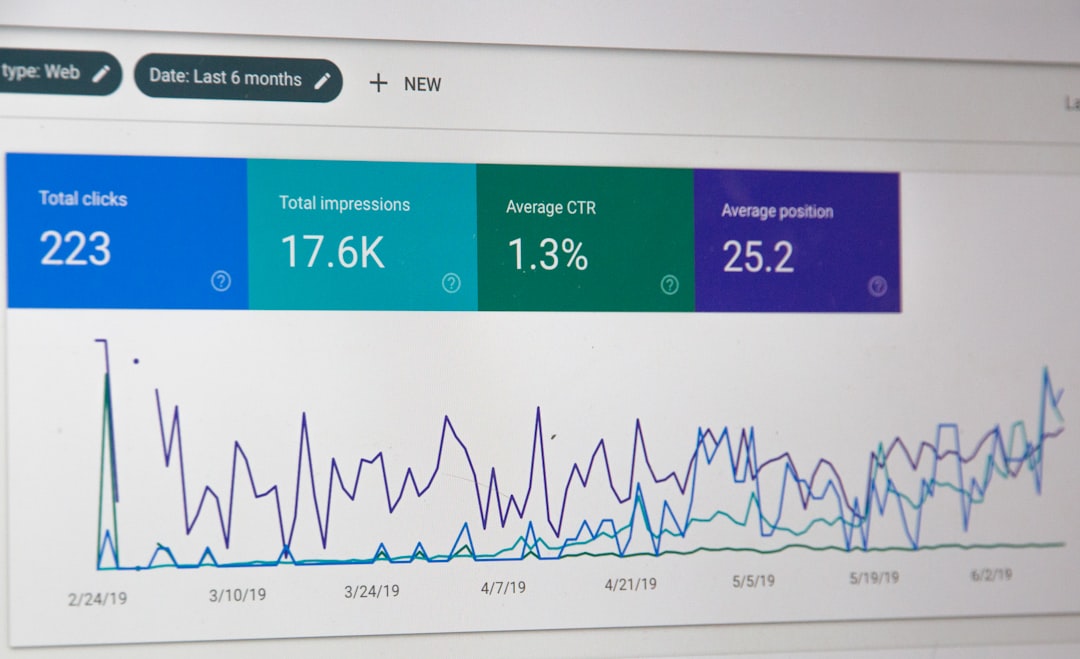
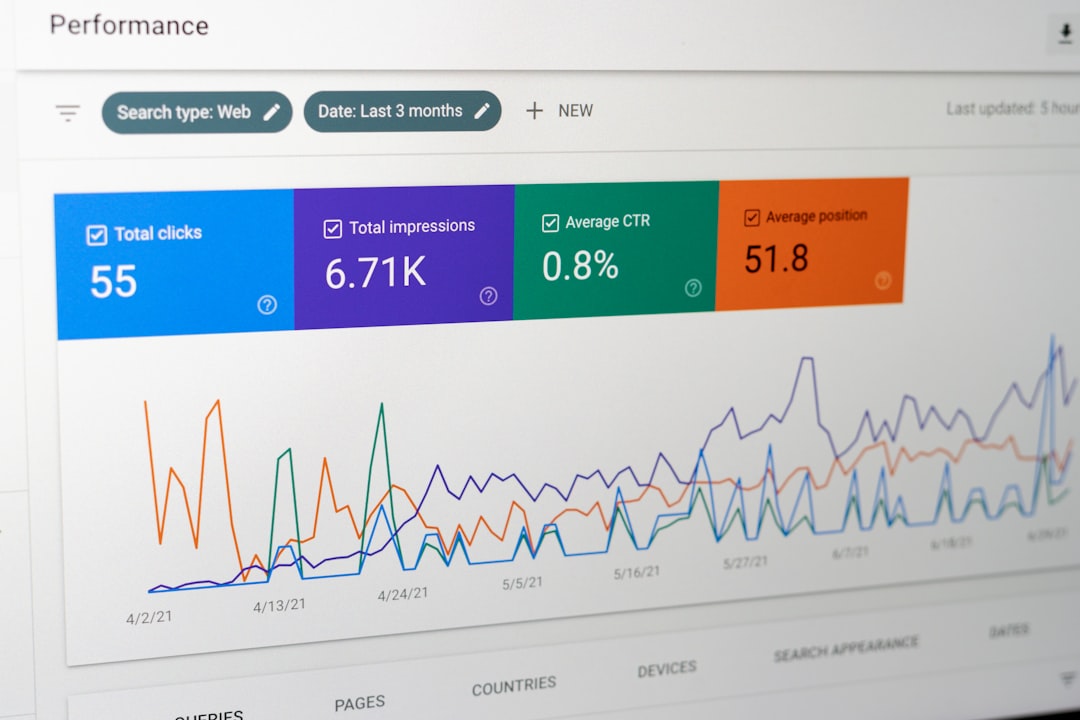
The cleanest way to measure checklist performance is to track page-level results in Google Search Console and Google Analytics 4. Search Console reports clicks, impressions, average click-through rate, and average position for your site and pages, while GA4 helps you review landing page behavior after visitors arrive. If your setup feels noisy or unclear, WordPress SEO Expert can help you sort out what to track first. For a broader baseline, start with our WordPress SEO best practices and compare your routine against our guide on how to measure WordPress SEO performance.
What does checklist performance actually mean?
Checklist performance means the work on your list produced measurable movement in search visibility or business results. Finishing tasks is not the goal by itself. The goal is to confirm that the pages you optimized earned more impressions, more qualified clicks, better engagement, or more conversions after the changes.
This is where many site owners get stuck. They update titles, change internal links, install a plugin, and improve image compression, but never compare before-and-after page data. A green light in a plugin does not mean the page deserves to rank. You need to measure whether the work improved how often the page appears in search and what users do once they land on it.
What should you measure first?

Start with search visibility before anything else. Google Search Console’s Performance report shows total clicks, total impressions, average CTR, and average position, and Google recommends using impressions and clicks to evaluate longer-term trends rather than treating average position like a precise rank for every search.
That order matters because it helps you diagnose the right problem. If impressions rise but clicks do not, your title or snippet likely needs work. If clicks rise but conversions stay flat, your page may attract the wrong intent or need a stronger next step. Fix the issues that block visibility before the issues that polish visibility.
| Metric | What it tells you | Where to check it |
|---|---|---|
| Impressions | How often Google showed the page in search | Google Search Console |
| Clicks | How many visits the page earned from search | Google Search Console |
| CTR | Whether searchers choose your listing | Google Search Console |
| Average position | General visibility trend, not an exact daily rank | Google Search Console |
| Landing page engagement | What organic visitors do after they arrive | Google Analytics 4 |
| Conversions | Whether SEO work supports leads or sales | GA4 or your CRM |
How do you compare checklist work against results?

The most useful method is a simple before-and-after page review. Pick one page, document what changed, then compare the next few weeks or months against the previous period in Search Console and GA4. This keeps you from guessing which item on the checklist helped and which item was just busywork.
For example, if you rewrote a title, improved internal links, and tightened the page structure, compare that page’s impressions, clicks, CTR, and conversions before and after the update. Keep the review page-specific. Sitewide averages can hide progress on one page and problems on another.
A simple measurement workflow
Use the same workflow every month so trends are easier to trust. Most site owners do not have one catastrophic problem. They have a stack of smaller issues that compound over time, so consistency matters more than complexity.
| Step | What to do | Why it matters |
|---|---|---|
| 1 | Choose the page tied to the checklist work | Keeps the review specific |
| 2 | Record the date and exact changes made | Helps connect tasks to outcomes |
| 3 | Compare clicks, impressions, CTR, and position | Shows whether visibility improved |
| 4 | Review landing page engagement and conversions | Shows whether traffic quality improved |
| 5 | Decide what to keep, revise, or stop | Prevents endless checklist churn |
Which checklist items are easiest to measure?
Some checklist items show clearer results than others. Titles, meta descriptions, internal linking, indexation fixes, and content rewrites are usually easier to evaluate because they affect search visibility or page behavior in ways you can see in reporting tools.
By contrast, small cosmetic changes often create little measurable difference on their own. That is why it helps to group your checklist into visibility tasks, click-through tasks, and conversion tasks. Once you sort them that way, you can judge each task by the metric it should influence.
| Checklist item | Primary metric to watch | Likely outcome if it works |
|---|---|---|
| Fix noindex or crawl issues | Impressions | Pages appear more consistently in search |
| Rewrite title tag | CTR | More clicks from similar impression levels |
| Improve internal links | Impressions and clicks | Better discovery and stronger page support |
| Refresh content for search intent | Clicks and engagement | Stronger traffic quality and page usefulness |
| Improve calls to action | Conversions | More leads or sales from existing traffic |
If you are experiencing these symptoms, our team at WordPress SEO Expert can help. We can review your checklist, identify which items are measurable, and point out where your setup may be creating false confidence instead of real gains.
How long should you wait before judging results?
Wait long enough to see a pattern, not just a fluctuation. For most checklist changes, that means reviewing trends over several weeks and comparing one meaningful period against the previous one instead of reacting to a few days of movement.
This matters because search performance rarely improves in a straight line. Google Search Console itself emphasizes trend analysis across time ranges, and average position can move around even when overall visibility is improving. Use short-term checks for errors, but use month-over-month or quarter-over-quarter comparisons for decisions.
What mistakes make checklist measurement unreliable?
The biggest mistake is measuring activity instead of outcomes. If your report says you updated 20 titles but does not show whether the updated pages gained impressions, clicks, or conversions, you do not know whether the checklist helped.
Other common mistakes include reviewing the whole site instead of the edited pages, checking rankings too often, mixing branded and non-branded performance, and changing too many things at once without documenting them. One well-configured SEO plugin is enough. Running overlapping plugins often creates duplicate metadata, conflicting canonicals, and competing sitemap outputs, which makes both SEO and measurement harder.
What does a good monthly review look like?

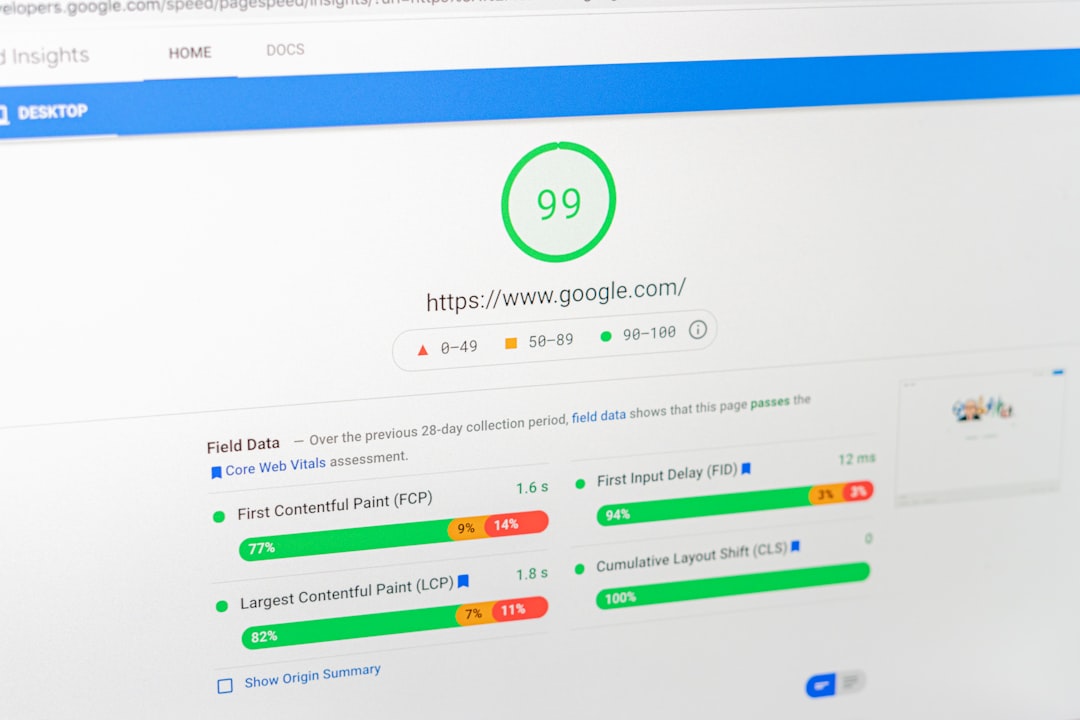
A good monthly review is short, page-focused, and tied to business goals. You do not need a perfect score. The goal is a site that loads cleanly, is easy to use, and steadily earns more qualified search traffic from the pages that matter most.
Review your top pages by clicks and impressions, then identify pages with high impressions and weak CTR, pages losing visibility, and landing pages with traffic but weak conversions. This gives you a clear next-action list instead of another vague SEO report. If you want to strengthen the technical side behind those numbers, revisit our WordPress SEO best practices and our article on measuring WordPress SEO performance.
The best next step
The best next step is to choose a small set of pages, tie each checklist item to one expected metric, and measure the result over time. That approach tells you what is actually helping instead of rewarding motion for its own sake.
Contact WordPress SEO Expert today to schedule a consultation. We will help you identify which checklist items deserve attention, which reports to trust, and whether your current setup is part of the solution or part of the problem.