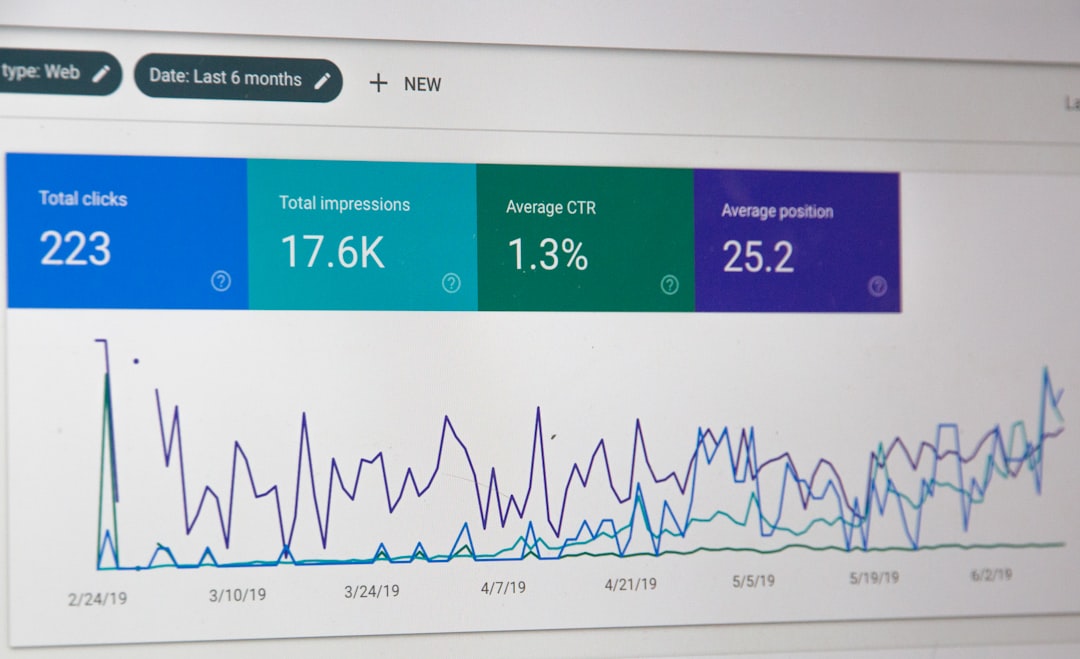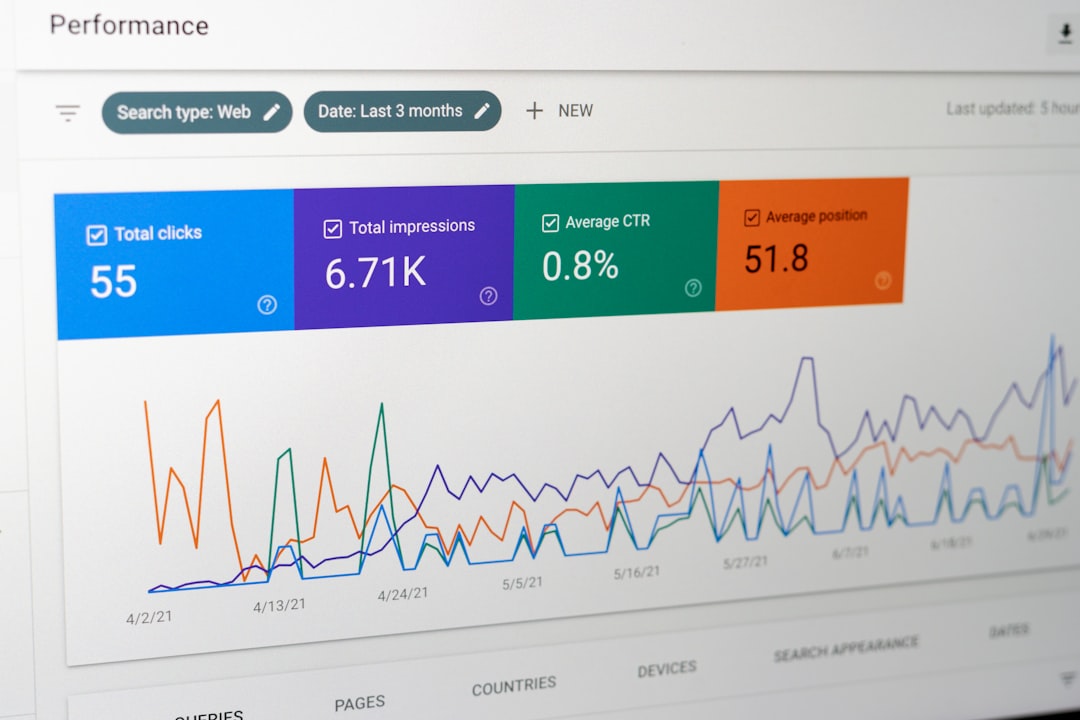

Hiring a WordPress SEO agency is only the beginning. To understand whether the SEO work is moving in the right direction, businesses need a clear way to measure performance.
SEO performance should not be judged by one keyword or one month’s traffic. A useful evaluation combines search visibility, website traffic, technical health, user behavior, and business results.
Start With Clear Goals

Before measuring performance, define what success means for the website.
For one business, the main goal may be generating leads. For an ecommerce website, it may be increasing organic sales. A local business may want more calls and direction requests.
Common SEO goals include:
- Increasing relevant organic traffic
- Improving visibility for important services
- Generating qualified leads
- Increasing organic sales
- Improving local visibility
- Fixing technical problems
Without clear goals, it becomes difficult to decide whether SEO work is producing useful results.
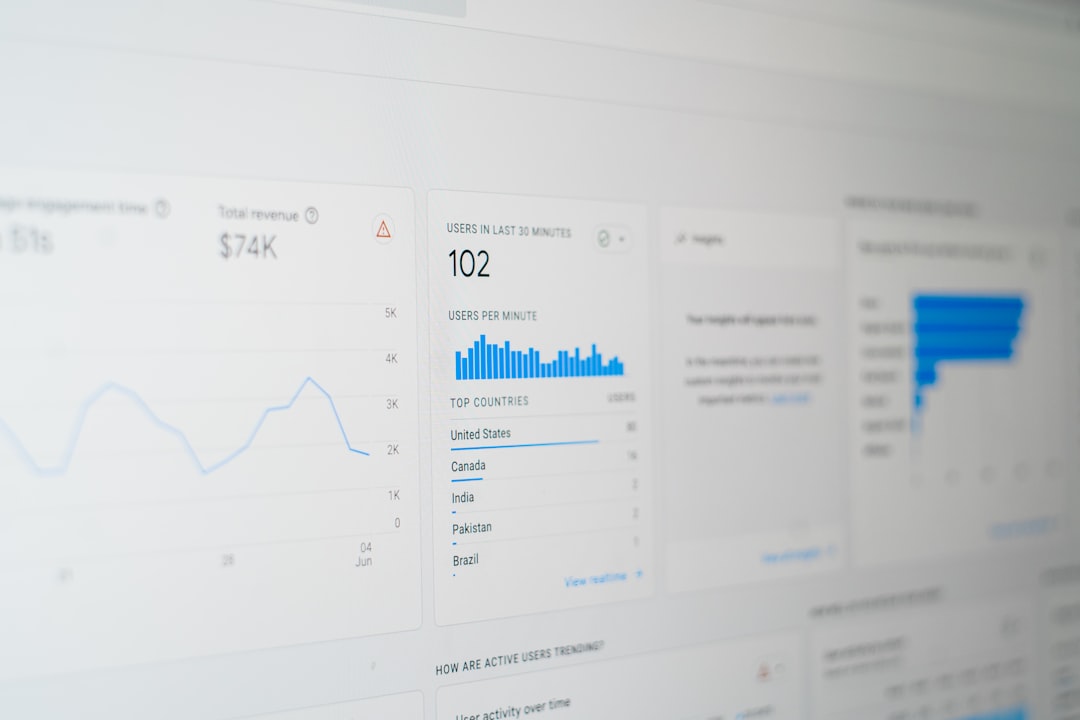
Track Organic Traffic
Organic traffic shows how many visitors arrive through unpaid search results.
Review traffic trends over time rather than focusing on isolated daily changes.
Look at:
- Total organic visits
- Landing pages
- Traffic by location
- New versus returning visitors
- Organic conversions
A traffic increase is useful, but the quality of that traffic matters too.
Monitor Search Impressions
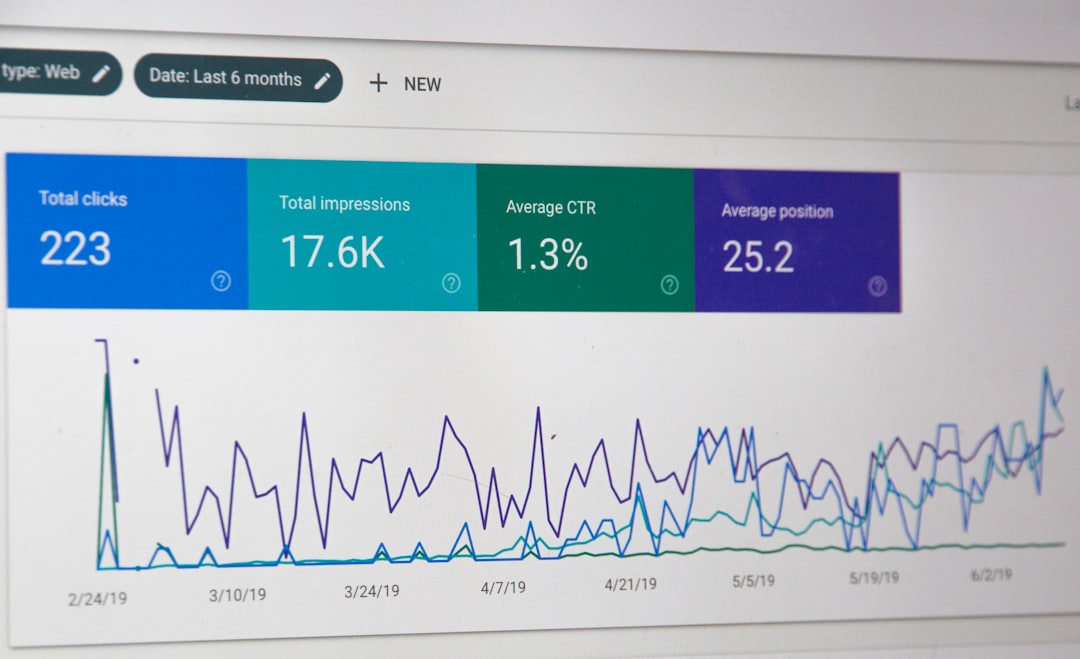
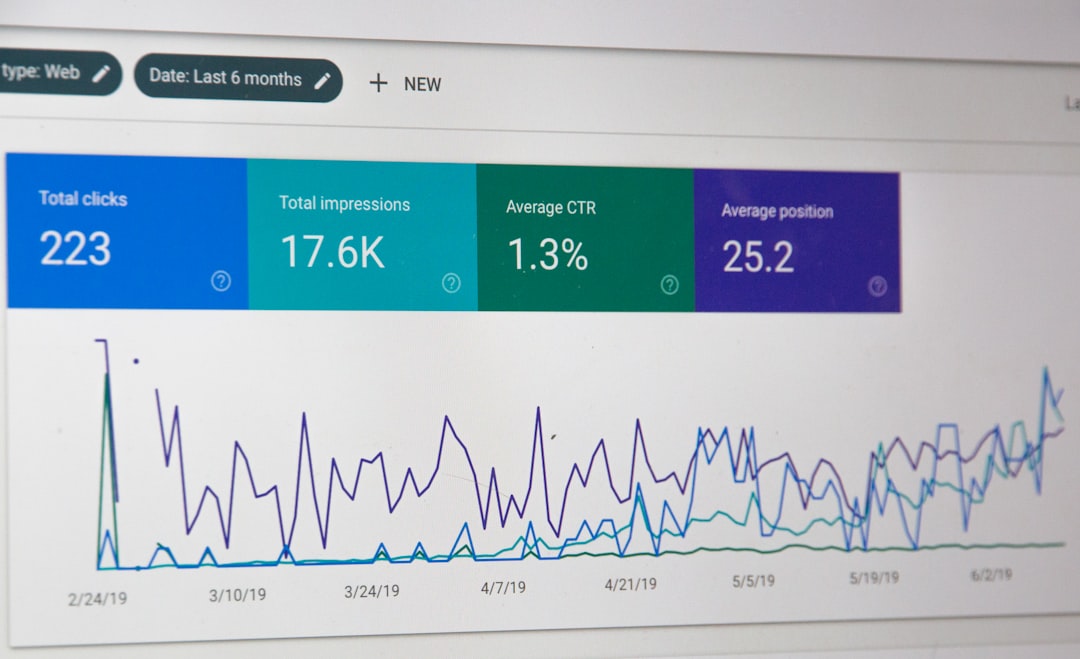
Google Search Console provides impression data showing how often pages appear in search results.
Increasing impressions can indicate that a website is becoming visible for more relevant searches.
However, impressions alone do not mean visitors are reaching the website. They should be considered alongside clicks and click-through rate.
Check Click-Through Rate
Click-through rate, or CTR, shows how frequently people click a result after seeing it.
If a page receives many impressions but relatively few clicks, review:
- Page title
- Meta description
- Search intent
- Position
- Relevance
Improving the title and description may make the result clearer and more appealing.
Track Keyword Visibility
Keyword rankings can help identify changes in search visibility.
However, rankings should be treated as one measurement rather than the only definition of success.
Track important keywords related to:
- Services
- Products
- Locations
- Core topics
- Commercial searches
A keyword that brings highly relevant visitors can be more valuable than several rankings that generate little business activity.
Measure Conversions
Conversions are often more meaningful than traffic.
Depending on the website, conversions may include:
- Contact form submissions
- Phone calls
- Quote requests
- Bookings
- Purchases
- Newsletter signups
If organic traffic increases but conversions remain unchanged, the website may need improvements to its landing pages or conversion process.
Review Landing Pages
Identify which pages attract organic visitors.
Look for pages that:
- Receive increasing traffic
- Generate leads
- Have high impressions
- Have declining performance
- Rank for unexpected searches
This can reveal new content opportunities as well as pages that need improvement.
Monitor Technical Health

SEO performance also depends on the technical condition of the website.
An agency should monitor:
- Indexing
- Broken links
- Redirects
- Sitemap issues
- Mobile usability
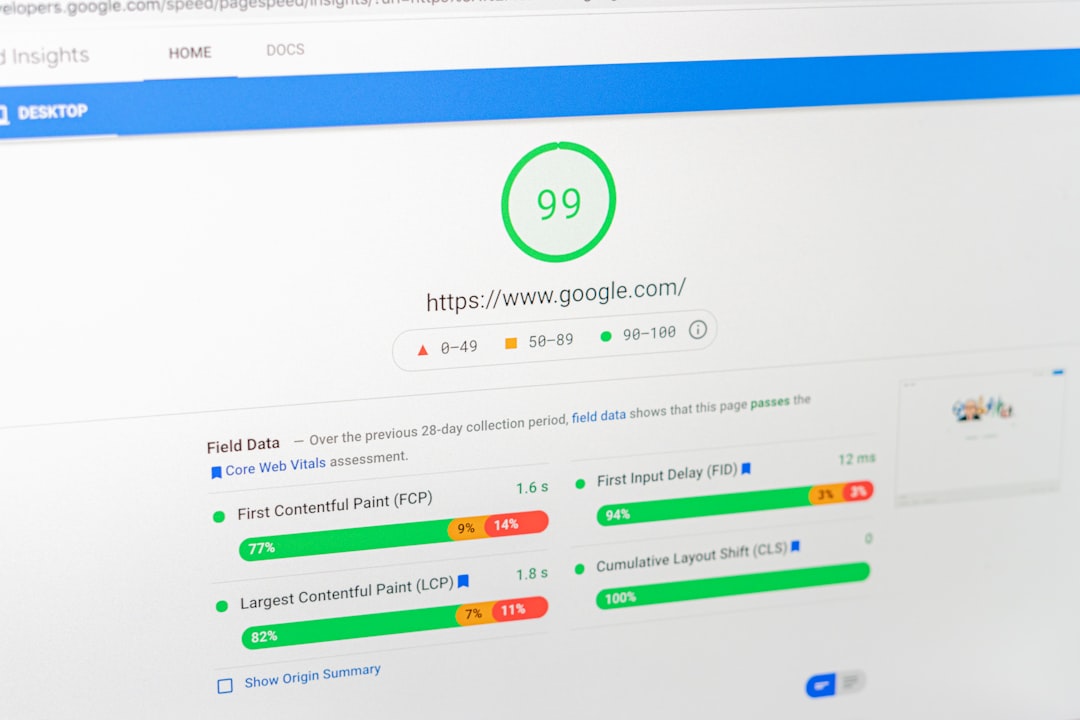
- Page performance
- Canonical problems
Fixing technical issues can help protect existing search visibility.
Evaluate Content Performance
Not every article will perform equally.
Review whether content is:
- Attracting relevant traffic
- Ranking for useful searches
- Generating engagement
- Supporting important pages
- Remaining accurate
Underperforming content may need to be updated, improved, combined, or reconsidered.
Review Backlink Growth
If link building is part of the strategy, monitor relevant referring domains and link quality.
The goal should be to develop credible relationships and relevant mentions rather than simply increase the number of links.
Compare Performance Over Time
SEO changes should be evaluated over appropriate time periods.
A simple comparison can include:
| Area | Before | Current |
|---|---|---|
| Organic clicks | Baseline | Current |
| Impressions | Baseline | Current |
| Important rankings | Baseline | Current |
| Leads | Baseline | Current |
| Indexed pages | Baseline | Current |
| Technical issues | Baseline | Current |
This creates a clearer picture of progress.
Evaluate the Agency’s Work
Performance is not only about final numbers. Review whether the agency is:
- Communicating clearly
- Reporting meaningful data
- Explaining completed work
- Prioritizing important issues
- Adjusting the strategy when needed
An agency should be able to explain what it changed and why.
Measuring WordPress SEO agency performance is most useful when search data is connected to real business outcomes. A combination of traffic, visibility, technical health, content performance, and conversions provides a much more complete picture than rankings alone.