
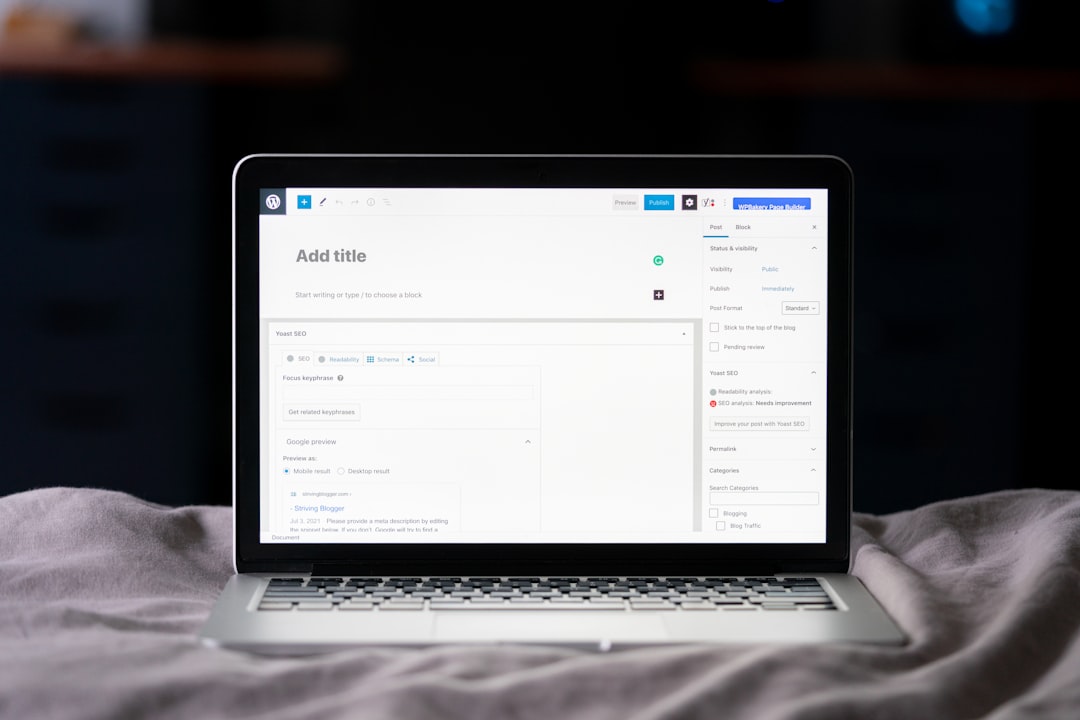
Improving WordPress website SEO does not always require a complete redesign or complicated technical changes. Many improvements can come from fixing existing issues, creating better content, improving website structure, and making important pages easier for search engines and visitors to understand.
A practical approach starts with the areas that have the greatest impact.
Audit the Current Website
Before changing anything, understand the website’s current condition.
Review:
- Existing pages
- Organic traffic
- Keyword rankings
- Indexed pages
- Technical issues
- Internal links
- Backlinks
- Mobile usability
- Page speed
This gives you a starting point and prevents unnecessary changes.
Improve Keyword Targeting
Review whether important pages are targeting relevant search terms.
Each page should have a clear primary topic. Supporting terms can be included naturally when they help explain the subject.
Avoid creating multiple pages that target exactly the same search intent unless there is a clear reason for having separate pages.
Improve Page Titles
Page titles help users and search engines understand what a page is about.
A useful title should be:
- Relevant
- Clear
- Specific
- Naturally optimized
- Appropriate for the page content
Avoid repeating the same generic title structure across every page.
Strengthen Content

Content should answer the user’s needs rather than simply contain a target keyword.
Look for pages that have:
- Thin information
- Outdated sections
- Weak introductions
- Missing subtopics
- Poor structure
- Repetitive wording
Improve these areas with useful explanations, examples, data, or relevant details.
Improve Internal Linking
Internal linking is often an easy SEO opportunity.
Connect related pages so visitors can move naturally through your website.
For example, an article about WordPress SEO audits could link to a broader SEO guide and a relevant SEO service page.
Review older articles when publishing new content and look for useful linking opportunities.
Fix Technical Issues
Technical problems can prevent otherwise useful pages from performing well.
Check for:
- Broken links
- Incorrect redirects
- Indexing problems
- Duplicate URLs
- Canonical issues
- Sitemap problems
- Mobile errors
- Slow pages
Address serious issues before spending too much time on minor optimization tasks.
Improve Page Speed
Test important pages and identify what is making them slow.
Common causes include:
- Large images
- Too many plugins
- Excessive scripts
- Heavy themes
- Poor hosting
- Unnecessary page elements
Optimization should be based on testing rather than assumptions.
Make Mobile Experience a Priority
Review the website on different mobile devices.
Make sure users can easily:
- Read content
- Open menus
- Tap buttons
- Complete forms
- View images
- Navigate between pages
A clean mobile experience supports usability across the website.
Update Existing Content
Older pages can become valuable SEO opportunities.
Check whether important content still reflects current information and search intent.
Update statistics, examples, links, headings, and sections where necessary.
Do not update content simply to change the publication date. Make meaningful improvements.
Build Relevant Authority
If your website has a strong technical and content foundation, look for legitimate ways to earn external mentions.
Relevant opportunities may include industry publications, digital PR, expert contributions, useful resources, and business partnerships.
Focus on relevance and quality rather than link quantity.
Measure the Changes
After making improvements, monitor performance.
Look at:
| Metric | Purpose |
|---|---|
| Organic traffic | Measures search visits |
| Impressions | Shows visibility |
| Clicks | Shows engagement |
| Rankings | Tracks keyword movement |
| Conversions | Measures business value |
Do not expect every change to produce an immediate result. SEO improvements often need time and consistent monitoring.
Use a Priority-Based Approach
Start with problems that can have the greatest effect.
For example:
First: indexing and technical problems.
Next: important pages, content, and internal linking.
Then: authority building and broader content expansion.
For businesses with limited time or complex websites, a WordPress SEO consultant can help identify which tasks should be handled first.
Improving WordPress SEO is not about changing everything. It is about finding the right opportunities, making useful improvements, and measuring what happens afterward.

















