Understanding Local Search Rankings in Georgia
Why Local SEO Matters for Georgia Businesses
Local SEO is one of the most effective ways for businesses in Georgia to attract customers who are actively searching for nearby products and services. Whether a company operates in Atlanta, Savannah, Augusta, Columbus, Macon, Athens, or a smaller Georgia community, appearing prominently in local search results can make a significant difference in its ability to generate inquiries and sales.
Many customers use Google to find businesses before making purchasing decisions. They search for phrases such as plumber near me, best restaurant in Atlanta, roofing company in Georgia, or local digital marketing agency. Businesses with well-optimized websites and accurate local business information have a better opportunity to appear in front of these potential customers.
Local SEO also helps businesses compete within their immediate service areas rather than trying to rank across an entire country. A small business in Augusta does not necessarily need to compete with every company in the United States. Instead, it can focus on becoming more visible to people searching for relevant services in Augusta and surrounding communities.
There are several important advantages of investing in local SEO:
Increased local visibility: Your business can become easier to discover when people search for relevant services in your area.
More qualified website traffic: Location-based searches often come from people who already have an interest in purchasing a product or service.
Improved Google Maps presence: A properly optimized business profile can help customers find your location and contact information.
Greater customer trust: Accurate business details, positive reviews, and useful website content help establish credibility.
Better conversion opportunities: Local search visibility can generate phone calls, appointment requests, store visits, and online inquiries.
For Georgia businesses, local SEO should be considered a long-term marketing investment. Consistent optimization helps establish a recognizable online presence and creates more opportunities to connect with customers in the communities where a business operates.
How Google Determines Local Search Rankings
Understanding how Google evaluates local businesses is essential for improving search rankings. Google aims to provide users with results that are relevant, trustworthy, and useful for their particular search queries. When someone searches for a nearby business, the search engine considers several signals to determine which companies deserve visibility.
Local search results generally appear in different formats, including traditional organic listings, Google Maps results, and the local map pack. Each format provides opportunities for businesses to attract potential customers, although the ranking factors and presentation can differ.
For example, someone searching for an electrician in Atlanta may see a map containing nearby electricians, business profiles with ratings, and website links from local companies. A business with accurate information, relevant website content, strong reviews, and a recognizable local presence may have a better chance of attracting attention.
Google primarily considers three major factors when determining local search rankings: relevance, distance, and prominence.
Understanding the Three Main Local Ranking Factors
Relevance
Relevance describes how closely a business matches what someone is searching for. Google attempts to understand the services, products, and information offered by each business before displaying suitable results.
If a customer searches for an emergency plumbing service in Savannah, Google is more likely to show businesses that clearly provide plumbing services rather than companies offering unrelated home improvement services.
Businesses can improve relevance by providing detailed and accurate information across their online presence. Their Google Business Profile should identify the correct business categories, services, products, and description. Their websites should also include helpful content explaining what they offer and which locations they serve.
For example, a Georgia roofing company can create dedicated pages describing roof installation, roof replacement, storm damage repairs, and residential roofing services. These pages help search engines understand the company’s expertise and connect its website with relevant searches.
Distance
Distance refers to how far a business is located from the searcher’s location or the geographical area mentioned in the search. This factor is particularly important for customers searching for nearby restaurants, repair services, medical practices, retail stores, and other local businesses.
For example, someone searching for a coffee shop near downtown Atlanta will generally receive results that are geographically relevant to that area. A coffee shop located several miles away may not receive the same visibility as a suitable business closer to the searcher’s location.
Businesses cannot directly control where customers search from, but they can provide accurate location information to help Google understand their geographical presence.
Companies should maintain a correct business address when applicable, define their service areas accurately, and create location-specific website content. Service-area businesses should clearly explain which communities they serve without creating misleading location information.
Prominence
Prominence refers to how well-known and established a business appears to be. Google can evaluate different online signals to understand whether a company has a recognizable presence and reputation.
Customer reviews, website authority, relevant backlinks, business mentions, and overall online visibility can contribute to a business’s prominence.
For example, a restaurant in Athens with consistent customer feedback, useful website content, accurate business information, and mentions on reputable local websites may establish a stronger online presence than a competitor with very little information available.
Businesses can strengthen prominence by encouraging genuine customer reviews, earning relevant local backlinks, publishing helpful content, and maintaining accurate information across online directories.
| Local ranking factor | What it means | How businesses can improve it |
|---|---|---|
| Relevance | How closely the business matches a search | Optimize services, categories, and website content |
| Distance | How close the business is to the search location | Maintain accurate location and service-area details |
| Prominence | How established and recognized the business appears | Build reviews, backlinks, and online credibility |
These three factors work together to influence local visibility. Businesses should avoid concentrating on just one area because a balanced local SEO strategy creates a stronger foundation for long-term performance.
Identifying Your Target Audience in Georgia
Before implementing local SEO strategies, businesses need to understand the customers they want to reach. Identifying a target audience helps determine which keywords to use, what website content to create, and which locations deserve attention.
Georgia has a diverse business environment, with customers living in large metropolitan areas, growing suburban communities, and smaller towns. Their needs, preferences, purchasing habits, and search behavior can differ significantly depending on their location and the services they require.
A business targeting homeowners in Atlanta may need a different marketing approach from a company providing professional services to small businesses in Savannah. Understanding these differences allows businesses to create more relevant marketing messages.
Start by identifying the following audience characteristics:
Geographic location: Determine which Georgia cities, neighborhoods, and surrounding communities contain your potential customers.
Customer needs: Understand the problems people want to solve when searching for your products or services.
Search behavior: Identify the phrases customers commonly use when looking for businesses like yours.
Purchasing intent: Determine whether customers are researching options, comparing providers, or ready to make a purchase.
Customer preferences: Understand which factors influence their decisions, such as affordability, convenience, service quality, and reputation.
For example, a home cleaning company operating in Atlanta may primarily target homeowners, apartment residents, and property managers. Its SEO content should address relevant searches such as house cleaning services in Atlanta, apartment cleaning near me, and professional deep cleaning services.
A business that understands its audience can create website pages that answer genuine customer questions. This improves the usefulness of its online presence and increases the likelihood of attracting relevant visitors.
It is also important to evaluate whether your business serves one location or multiple communities. Companies operating in several Georgia cities should develop a geographical strategy that reflects their actual service coverage rather than targeting every city without a clear business reason.
Finding the Right Local SEO Keywords
Keyword research is an essential part of improving local search rankings. It helps businesses understand what potential customers type into search engines when looking for particular products, services, or solutions.
For Georgia businesses, effective keyword research should combine service-related terms with geographical phrases. Instead of targeting only broad keywords, companies should identify searches that demonstrate a clear connection to their services and operating locations.
For example, a landscaping company might target general phrases such as lawn maintenance, garden design, and landscape installation. However, adding relevant geographical terms can make those keywords more useful for local marketing.
Some examples include:
Landscaping services in Atlanta.
Lawn maintenance in Savannah.
Garden design in Augusta.
Professional tree trimming in Macon.
Residential landscaping in Athens.
Commercial lawn care in Columbus.
These keywords help communicate the relationship between the business, its services, and its geographical market.
Types of Local Keywords to Target
Different keyword categories serve different purposes. A successful local SEO campaign should include a combination of keywords that address customers at different stages of their purchasing journey.
Primary Service Keywords
Primary keywords describe the main products or services offered by a business. These terms are usually closely connected to its core offerings.
Examples include plumbing services, roofing contractors, dental care, digital marketing, and home renovation. Businesses should identify a small group of highly relevant primary keywords and use them strategically across important website pages.
Location-Based Keywords
Location-based keywords include geographical names such as cities, neighborhoods, counties, and service areas. They help connect business offerings with specific locations.
A company providing HVAC services might target phrases such as HVAC repair in Atlanta, air conditioning installation in Savannah, and heating services in Augusta. These keywords can be incorporated naturally into service pages and location-specific content.
Long-Tail Keywords
Long-tail keywords are more specific search phrases that often reveal exactly what a customer needs. Although they may receive fewer searches than broad terms, they can attract visitors with clearer purchasing intentions.
Examples include affordable emergency plumbing services in Atlanta, residential roof replacement in Savannah, and affordable family dental care in Augusta.
These searches are particularly valuable because they provide insight into the problems customers want to solve. Businesses can create dedicated website content addressing these specific needs.
Near-Me Keywords
Near-me searches are commonly used by people looking for businesses or services close to their current location. Examples include restaurants near me, car repair near me, and local electricians near me.
Businesses should not create repetitive website pages simply to include the phrase near me. Instead, they should maintain accurate location information, optimize their Google Business Profile, and publish useful content that clearly describes their services and geographical coverage.
Local Keyword Research Examples
The following table demonstrates how different businesses in Georgia can organize their keyword strategies.
| Business type | Primary keyword | Location-based keyword | Long-tail keyword |
|---|---|---|---|
| Plumber | Plumbing services | Plumber in Atlanta | Emergency plumbing repair in Atlanta |
| Dentist | Dental services | Dentist in Savannah | Family dental clinic in Savannah |
| Roofer | Roofing services | Roofing company in Augusta | Residential roof replacement in Augusta |
| Restaurant | Italian restaurant | Italian restaurant in Athens | Best family-friendly Italian restaurant in Athens |
| Digital agency | SEO services | SEO agency in Georgia | Local SEO services for small businesses in Georgia |
| Landscaping company | Landscaping services | Landscaper in Macon | Affordable lawn maintenance in Macon |
Businesses should evaluate keywords based on relevance, competition, search demand, and customer intent. The most valuable keyword is not necessarily the one with the highest search volume. It is the phrase that connects the right customer with the right business offering.
Understanding Location-Based Search Intent
Search intent describes the reason behind a person’s search query. Understanding this concept helps businesses create content that matches what customers actually want to find.
Two people may use similar keywords but have different expectations. Someone searching for roofing services in Georgia may want to understand available roofing options, while another person searching for emergency roof repair in Atlanta may need immediate assistance.
Local SEO becomes more effective when website pages address these different expectations.
There are four common search intent categories businesses should understand.
Informational Search Intent
Informational searches occur when people want to learn something or find answers to particular questions. These searches often begin with phrases such as how, why, what, or when.
Examples include:
How much does roof replacement cost in Georgia?
How often should an HVAC system be serviced?
What are the benefits of professional landscaping?
How can I improve my website’s local search rankings?
Businesses can target these searches through educational blog posts, guides, tutorials, and frequently asked questions. Providing useful information helps establish expertise and introduces potential customers to the company’s services.
Navigational Search Intent
Navigational searches occur when someone wants to find a particular business, brand, or website. For example, a customer may search for a company’s name followed by its location.
Businesses should make it easy for customers to find their official website, business address, contact details, and social media profiles. Consistent branding and accurate business information support this type of search behavior.
Commercial Search Intent
Commercial searches happen when customers compare different products, services, or providers before making a decision. These searches often include phrases such as best, top-rated, affordable, professional, and comparison.
For example, someone might search for the best SEO company in Atlanta or compare roofing contractors in Savannah.
Businesses can attract these visitors by publishing detailed service pages, explaining their experience, presenting customer testimonials, and clearly describing what makes their services valuable.
Transactional Search Intent
Transactional searches indicate that someone is ready to take action. These searches may include terms such as book, hire, schedule, buy, or contact.
Examples include hiring a plumber in Columbus, booking a dentist appointment in Athens, or scheduling an HVAC repair in Atlanta.
Businesses should make conversion actions simple and visible. Contact forms, phone numbers, appointment options, service descriptions, and clear calls to action can help turn interested visitors into customers.
When businesses align their content with search intent, they create a better experience for users and improve their ability to attract visitors who are genuinely interested in their offerings.
How to Optimize Your Google Business Profile
A Google Business Profile is one of the most important tools for businesses that want to improve their local search visibility. It allows companies to display important information directly in Google Search and Google Maps, making it easier for customers to discover and contact them.
A properly maintained profile can provide customers with business hours, phone numbers, addresses, website links, photographs, reviews, and service information. These details help potential customers evaluate a business before deciding whether to visit or contact it.
For Georgia businesses, profile optimization should be treated as an ongoing activity rather than a one-time setup process. Regular updates help ensure that customers receive accurate information when searching for local services.
Choosing the Right Business Categories
Business categories help Google understand what a company does. Selecting an accurate primary category is important because it communicates the business’s main purpose.
For example, a company primarily offering residential plumbing services should choose the most appropriate plumbing-related category available. Selecting an unrelated or overly broad category can make it harder to communicate the company’s actual services.
Businesses can also select relevant secondary categories when they genuinely represent additional services.
Consider these examples:
A dental clinic may use a dentist-related primary category and relevant specialist categories when applicable.
A restaurant may select the category that accurately describes its main cuisine or dining format.
A digital marketing company may choose an appropriate marketing or internet marketing category.
A landscaping business may select a landscaping-related category and additional categories for genuinely offered services.
Avoid selecting categories simply because they appear popular. Every category should accurately represent the business.
Writing an Effective Business Description
The business description gives potential customers an overview of what a company offers and why they might consider its services. It should communicate the business’s expertise, products, service areas, and distinguishing qualities in a natural and informative way.
For example, a Georgia-based home renovation company might explain that it provides kitchen remodeling, bathroom upgrades, flooring installation, and residential improvement services to homeowners in its actual operating areas.
An effective description should include the following elements:
A clear explanation of the business and its primary services.
Relevant service-related keywords used naturally.
Accurate geographical information where appropriate.
A short explanation of the company’s experience or approach.
Information that helps customers understand its value.
Avoid excessive keyword repetition, promotional claims that cannot be supported, or unnecessary information. The goal is to explain the business clearly rather than write a description designed only for search engines.
Adding Accurate Business Information
Accurate business information is essential for building customer trust and maintaining a reliable online presence. When customers find conflicting phone numbers, addresses, or operating hours, they may become confused and choose another provider.
Businesses should carefully review their Google Business Profile and ensure that all important details are correct.
Important information includes:
Official business name.
Accurate business address, when customers can visit the location.
Correct primary phone number.
Official website address.
Current business operating hours.
Holiday and special operating hours.
Available services and products.
Correct service areas for businesses that travel to customers.
Service-area businesses should follow Google’s eligibility and address-display guidelines. They should not use virtual offices, misleading addresses, or locations where they do not genuinely operate to improve rankings.
Regularly reviewing these details helps prevent inaccurate information from affecting the customer experience.
Using High-Quality Business Photos and Videos
Visual content helps customers understand what a business offers before contacting it. High-quality photographs can make a business profile more informative, attractive, and recognizable.
A restaurant in Savannah might upload photographs of its dining area, menu items, and exterior. A roofing contractor in Atlanta could display genuine project photographs showing completed installations and professional work.
Businesses should prioritize authentic photographs rather than relying entirely on generic stock images.
Useful visual content includes:
Exterior photographs showing the business location.
Interior photographs of customer-facing spaces.
Product photographs that accurately represent available products.
Team photographs that introduce employees and service professionals.
Genuine project photographs demonstrating completed work.
Short videos that explain services or provide a business overview.
Images should be clear, relevant, and appropriately sized. Businesses should also avoid misleading photographs or images that do not represent their actual products and services.
Keeping Business Hours and Contact Details Updated
Customers often check business hours before visiting a location or calling a service provider. Incorrect information can lead to missed opportunities, frustrated customers, and reduced trust.
Georgia businesses should update their operating hours whenever schedules change. This includes holiday closures, temporary changes, seasonal adjustments, and special opening hours.
Phone numbers should also be tested periodically to ensure customers can reach the correct department or representative. If a business changes its address, website, or contact details, those changes should be reflected across its online profiles and directories.
Maintaining accurate information is a simple but important part of local SEO. It creates a smoother customer experience and helps businesses present a professional and dependable online presence.

Practical Strategies to Improve Local Search Rankings in Georgia
Optimizing Your Website for Local SEO
Your website plays an important role in determining how effectively your business performs in local search results. While a Google Business Profile helps customers discover essential business information, your website provides a deeper understanding of your services, expertise, locations, and customer benefits.
Georgia businesses should create websites that communicate their services and geographical relevance clearly. A website should explain what the company offers, where it operates, and why potential customers should consider its products or services.
For example, a plumbing company serving Atlanta should have website content that explains its plumbing services, emergency repair options, service coverage, and customer support. This information helps visitors understand the business while giving search engines relevant information about its offerings.
A well-optimized local website should include:
Clear service descriptions that explain what customers can expect.
Location-specific information relevant to the actual service areas.
Easy-to-find contact details and business information.
Fast-loading pages that work properly on mobile devices.
Helpful content that answers common customer questions.
Clear calls to action encouraging visitors to contact the business.
Website optimization should focus on usefulness rather than simply adding geographical keywords. When customers can easily find information and understand available services, they are more likely to take meaningful action.
Creating Location-Specific Landing Pages
Location-specific landing pages help businesses target customers in different cities and communities across Georgia. These pages provide information about the services offered in a particular location and allow businesses to address the needs of customers in different geographical markets.
For example, a company operating in Atlanta, Savannah, Augusta, and Macon may develop dedicated landing pages for each location. Each page should explain the services available in that area and include useful information that makes it genuinely relevant to local customers.
A location page should contain more than a city name inserted into an existing paragraph. It should provide meaningful information about the company’s local operations, service availability, customer needs, and relevant experience.
What to Include on Location Pages
A useful location-specific landing page should contain several important elements:
Location-focused page title: Include the relevant service and geographical area naturally.
Unique service descriptions: Explain how the business serves customers in that particular location.
Local information: Mention relevant neighborhoods, communities, or surrounding areas when appropriate.
Customer testimonials: Include genuine feedback from customers who have used the company’s services.
Relevant photographs: Use authentic project images or business photographs when available.
Contact information: Make it easy for visitors to request assistance or communicate with the business.
Frequently asked questions: Address questions commonly asked by customers in that service area.
For instance, a roofing company could create a page titled Residential Roofing Services in Savannah, Georgia. The page might explain roofing materials, installation services, repair solutions, and the company’s experience working with local homeowners.
Businesses should avoid creating dozens of nearly identical pages targeting different cities. Such pages provide little value when their only difference is the geographical keyword. Instead, focus on locations where the company genuinely operates and create unique, informative content for each one.
Using Georgia-Based Keywords Naturally
Geographical keywords help search engines understand where a business operates and which local searches may be relevant to its website. However, adding location names repeatedly does not automatically improve rankings.
Businesses should incorporate Georgia-based keywords into important website sections where they make sense. The language should remain natural, informative, and useful for readers.
For example, a digital marketing company could naturally use phrases such as SEO services in Georgia, local SEO for Atlanta businesses, and search engine optimization for small businesses in Savannah.
These keywords can appear in:
Website page titles.
Main headings and subheadings.
Service descriptions.
Location-specific landing pages.
Blog articles and educational guides.
Image descriptions and alternative text when relevant.
Frequently asked questions.
It is important to maintain a natural writing style. Repeating phrases such as best SEO company in Georgia throughout every paragraph can make content difficult to read and may appear manipulative.
A better approach is to use related terms, variations, and customer-focused language. For example, a company targeting Atlanta homeowners might discuss residential roofing, storm damage repairs, roof inspections, and local roofing services rather than repeating the same keyword in every section.
The objective is to establish clear geographical relevance while providing genuinely helpful information.
Improving On-Page SEO Elements
On-page SEO involves optimizing individual website pages so search engines and visitors can understand their content. It is an important part of improving local search rankings because it helps communicate the subject, purpose, and geographical relevance of each page.
Georgia businesses should review important website pages regularly to identify missing information, poorly written titles, duplicate content, and opportunities to improve their content structure.
Page Titles and Meta Descriptions
Page titles help search engines understand what a webpage covers. They also appear in search results and influence whether users decide to visit a website.
A good page title should clearly describe the page’s main subject and include a relevant local keyword when appropriate.
For example:
Atlanta Plumbing Services | Professional Plumbing Solutions
Roofing Contractor in Savannah, Georgia | Roof Repair
Local SEO Services in Georgia | Digital Marketing Solutions
Family Dentist in Augusta | Dental Care Services
Meta descriptions provide a short summary of a webpage. Although they are not a direct Google ranking factor, they can influence whether someone clicks on a search result.
A useful meta description should explain what visitors will find on the page and encourage them to learn more. Avoid writing generic descriptions that are repeated across every website page.
Heading Structure
Headings organize website content into meaningful sections. They help visitors understand information quickly and allow search engines to interpret the structure of a webpage.
Every important page should have a clear main heading that describes its subject. Supporting headings should organize related topics logically.
For example, a local HVAC service page might use the following structure:
Main heading: HVAC Repair Services in Atlanta.
Supporting heading: Residential Heating and Cooling Solutions.
Supporting heading: Common Air Conditioning Problems.
Supporting heading: Our HVAC Maintenance Services.
Supporting heading: Why Choose Our Atlanta HVAC Team.
Headings should describe the content that follows rather than simply repeat keywords. A clear heading structure improves readability and creates a better browsing experience.
URL Optimization
Website URLs should be short, descriptive, and easy to understand. A properly organized URL structure helps users identify the subject of a page before opening it.
For example, a plumbing company might use URLs such as:
example.com/atlanta-plumbing-services
example.com/savannah-water-heater-repair
example.com/augusta-drain-cleaning
Avoid unnecessary numbers, random characters, and complicated URL structures. If a business updates an existing URL, it should implement an appropriate redirect to preserve access to the previous page and help prevent broken links.
Image Optimization
Images improve website presentation and help customers understand products, services, and completed projects. However, large or poorly optimized images can slow down a website and create a frustrating browsing experience.
Businesses should compress images without significantly reducing their quality. They should also use descriptive file names and appropriate alternative text to explain meaningful images.
For example, a photograph of a completed roofing project in Atlanta could have a descriptive file name such as atlanta-residential-roofing-project.jpg.
Alternative text should accurately describe the image rather than contain unnecessary keyword variations. Images should also be displayed at appropriate dimensions and use modern formats where supported.
Building Consistent Local Citations
Local citations are online mentions of a business’s important information, such as its name, address, and phone number. These mentions may appear in business directories, industry websites, local publications, professional associations, and other online platforms.
For Georgia businesses, local citations can help establish a consistent online identity. They also provide additional opportunities for potential customers to discover the company outside traditional search results.
For example, a restaurant in Atlanta might have business listings on relevant restaurant directories, while a home improvement contractor could maintain profiles on appropriate home service and industry platforms.
The most important objective is accuracy. A business should make sure its information is consistent wherever customers may encounter it.
Where Georgia Businesses Can Build Citations
Businesses can consider several types of platforms when developing a citation strategy:
General business directories that list companies across different industries.
Local Georgia business directories and community websites.
Industry-specific directories relevant to their services.
Local chambers of commerce and professional associations.
Trusted review platforms where customers evaluate businesses.
Regional business publications and community resources.
Not every directory will be relevant to every company. A medical practice, restaurant, construction business, and digital marketing agency should select platforms that match their industries and target audiences.
Businesses should prioritize reputable platforms rather than submitting their information to hundreds of low-quality directories.
Maintaining NAP Consistency Across Online Platforms
NAP stands for Name, Address, and Phone Number. These three details are essential components of a business’s online identity.
When business information differs across directories and websites, customers may struggle to identify the correct location or contact details. Inconsistent information can also make it more difficult for search engines to associate different online mentions with the same business.
For example, a company might display one phone number on its website, another on a business directory, and an outdated address on an older listing. Such differences can create confusion and reduce customer confidence.
How to Maintain NAP Consistency
Businesses should establish one accurate version of their official information and use it consistently across important online platforms.
Important practices include:
Use the official business name without unnecessary variations.
Keep the address consistent wherever it is publicly displayed.
Use the correct primary business phone number.
Update outdated listings whenever business details change.
Review duplicate profiles and resolve them through the appropriate platform procedures.
Ensure website contact information matches the relevant business listings.
Businesses operating from multiple genuine locations should maintain separate and accurate information for each eligible location.
It is also important to remember that service-area businesses may have different address-display requirements. Companies should follow the relevant platform guidelines rather than publishing residential or virtual addresses simply to increase local visibility.
Getting More Positive Customer Reviews
Customer reviews are an important part of building a trustworthy local business reputation. People frequently read reviews before choosing a restaurant, contractor, healthcare provider, repair service, or professional agency.
Positive feedback can help potential customers feel more confident about contacting a business. Reviews also provide useful information about customer experiences, service quality, communication, and reliability.
For a Georgia business, genuine reviews from customers can strengthen its reputation within the communities it serves. A company with a consistent history of authentic feedback may appear more trustworthy to potential customers than a business with little public feedback.
Effective Ways to Encourage Customer Reviews
Businesses should make it easy for satisfied customers to share their experiences. Asking for feedback after completing a service or delivering a product can be an effective way to encourage genuine reviews.
Consider these approaches:
Send a polite review request after a successful customer interaction.
Share the official review link through email or text messages.
Include a review request in post-purchase communication.
Ask customers for feedback after completing projects.
Train employees to explain how customers can leave reviews.
Make the review process simple and convenient.
For example, a landscaping company in Macon could send customers a short message after completing a garden installation. The message could thank them for their business and invite them to share honest feedback about their experience.
Businesses should never purchase fake reviews, create misleading customer accounts, or offer prohibited incentives in exchange for positive ratings. Genuine customer feedback is more valuable for building long-term trust.
How to Respond to Google Reviews Professionally
Collecting reviews is only one part of reputation management. Responding to customer feedback demonstrates that a business values communication and takes customer experiences seriously.
Businesses should respond to both positive and negative reviews in a professional manner. A thoughtful response can strengthen relationships and show potential customers that the company is attentive and responsible.
Responding to Positive Reviews
Positive reviews provide an opportunity to thank customers and acknowledge their support. Responses should sound natural rather than using the same generic sentence for every review.
For example, a Savannah restaurant could respond by thanking a customer for visiting and mentioning that the team appreciates their feedback about the dining experience.
A good positive review response should:
Thank the customer for sharing feedback.
Acknowledge a specific point mentioned in the review.
Maintain a friendly and professional tone.
Encourage the customer to visit again when appropriate.
Responding to Negative Reviews
Negative feedback should be handled carefully because public responses can influence how other potential customers view a business.
Avoid becoming defensive, arguing with reviewers, or publishing private customer information. Instead, acknowledge the concern, apologize when appropriate, and offer a suitable way to resolve the issue.
For example, if a customer complains about a delayed home repair appointment, the company could acknowledge the inconvenience and invite the customer to contact its support team to discuss the situation.
Professional responses demonstrate accountability and help businesses maintain a positive public reputation.
Building High-Quality Local Backlinks
Backlinks are links from other websites pointing to your website. They can help search engines discover website content and understand how a business is connected to other online resources.
Local backlinks are particularly relevant for companies targeting customers in Georgia because they can establish connections with regional organizations, publications, businesses, and community websites.
For example, an Atlanta-based marketing agency might earn a link from a local business association after participating in a community event. A Savannah construction company could receive a relevant mention from a regional publication discussing a completed community project.
Practical Ways to Earn Local Backlinks
Businesses can build local backlinks through genuine relationships and valuable contributions.
Some effective approaches include:
Partnering with relevant local organizations.
Sponsoring legitimate community events.
Participating in local business associations.
Publishing original research and useful industry guides.
Contributing expert insights to regional publications.
Collaborating with complementary local businesses.
Sharing meaningful company achievements with relevant media outlets.
For example, a Georgia landscaping business could publish an informative guide about maintaining residential gardens during seasonal weather changes. A local gardening publication might find the information useful and reference the guide in its own content.
Quality should always take priority over quantity. Buying irrelevant links, participating in manipulative link schemes, or exchanging links excessively can create SEO risks.
A sustainable backlink strategy focuses on earning links that make sense for the business and provide genuine value to readers.
Creating Valuable Local Content
Content marketing gives Georgia businesses an opportunity to answer customer questions, demonstrate expertise, and attract relevant website visitors.
Local content should focus on topics that matter to the target audience. Instead of publishing generic articles that could apply to any business in any location, companies should develop useful resources connected to their services and communities.
For example, a roofing company in Atlanta could publish an article about identifying common roof damage after severe storms. A real estate agency in Savannah might create an educational guide explaining important considerations when buying a home in the area.
Local Content Ideas for Georgia Businesses
Businesses can develop different types of content depending on their industry and customer requirements.
| Content type | Example topic | Business benefit |
|---|---|---|
| Educational blog | How to Choose a Reliable Roofer in Atlanta | Builds expertise and attracts relevant visitors |
| Local guide | Home Maintenance Tips for Georgia Homeowners | Provides useful regional information |
| Service article | Benefits of Professional Landscaping in Savannah | Explains service value |
| Comparison article | Choosing Between Different HVAC Systems | Helps customers make decisions |
| Frequently asked questions | Common Plumbing Questions from Georgia Homeowners | Addresses customer concerns |
| Case study | A Residential Renovation Project in Augusta | Demonstrates practical experience |
A strong content strategy should include a combination of educational articles, service pages, location pages, case studies, and frequently asked questions.
Businesses should also update older articles when information becomes outdated. Adding relevant examples, improving explanations, and removing inaccurate information can make existing content more useful.
The objective is not to publish as many articles as possible. It is to create valuable resources that genuinely help customers and strengthen the business’s topical relevance.
Using Local Schema Markup
Schema markup is structured data that helps search engines understand information presented on a website. It can describe important business details, including the company’s name, address, contact information, operating hours, and business category.
For local businesses, appropriate structured data can help communicate information about their operations more clearly.
For example, a dental clinic in Augusta may use relevant local business structured data to identify its business name, location, telephone number, and opening hours. A restaurant may use suitable restaurant-related structured data to describe its business information.
Important Types of Structured Data
Different schema types serve different purposes. Businesses should select the ones that accurately describe their website and operations.
LocalBusiness: Describes eligible local businesses and their essential details.
Organization: Provides information about an organization and its identity.
Service: Describes services offered by a business.
Product: Provides structured information about eligible products.
BreadcrumbList: Helps describe the navigational structure of a website.
Article: Identifies important information about published articles.
Structured data should accurately reflect visible website content. Businesses should not add misleading details, fabricate customer ratings, or use markup for information that does not exist.
Schema markup does not guarantee higher rankings or special search result displays. Its primary purpose is to help search engines understand website information more effectively.
Improving Website Speed and Mobile Experience
Website performance has a direct impact on how comfortably visitors can interact with a business online. Slow-loading pages, confusing navigation, and difficult mobile layouts can discourage potential customers from exploring a website.
Many people search for nearby services using smartphones. Someone looking for a restaurant in Atlanta or an emergency electrician in Savannah may want to call a business immediately rather than spend several minutes navigating a complicated website.
Georgia businesses should ensure their websites work smoothly across mobile phones, tablets, and desktop computers.
Website Speed Optimization Techniques
Several practical improvements can help make a website faster:
Compress large photographs and graphics.
Use modern image formats where supported.
Reduce unnecessary scripts and plugins.
Enable browser caching where appropriate.
Choose reliable website hosting.
Minimize unnecessary redirects.
Optimize website code and resources.
Use a content delivery network when beneficial.
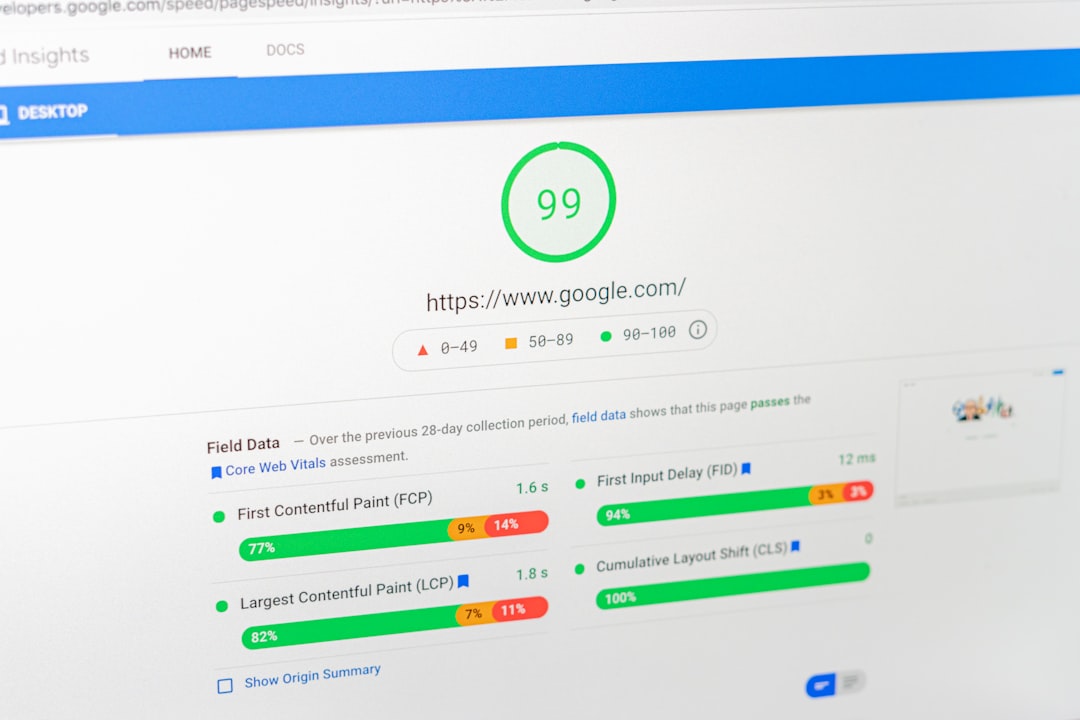
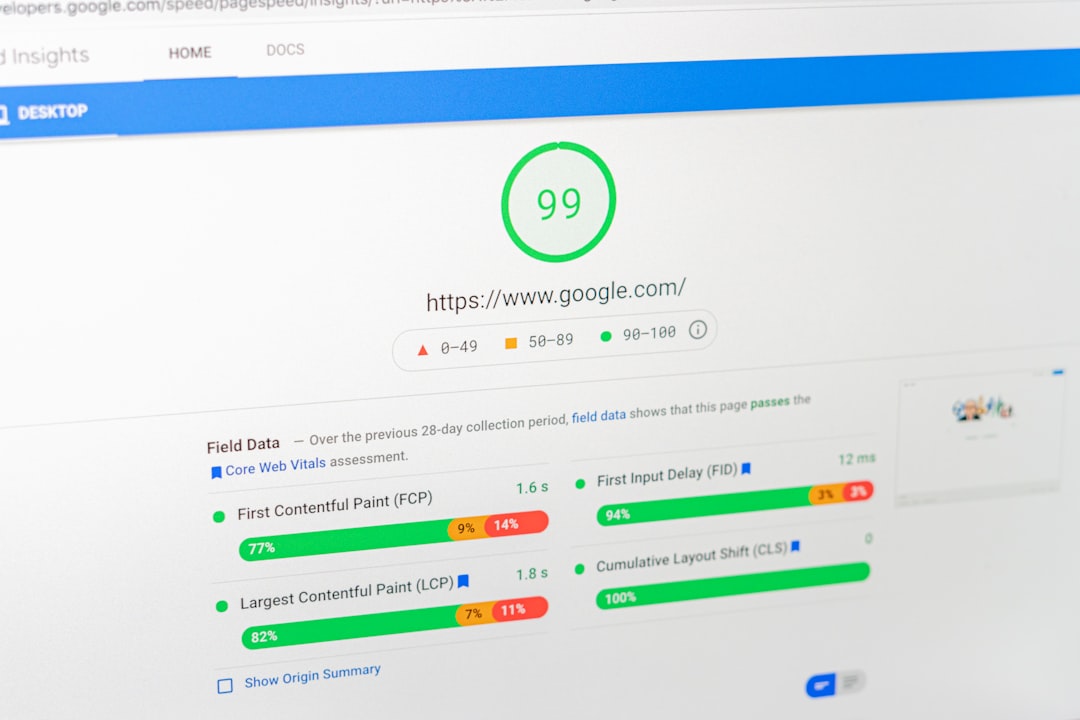
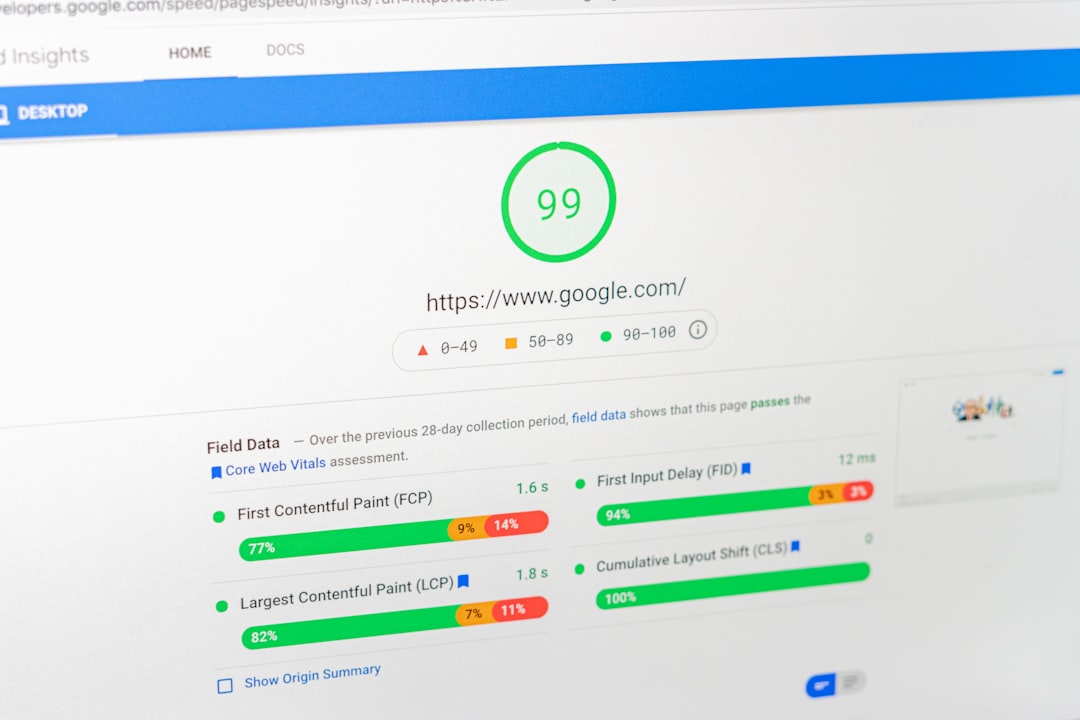
Businesses should also monitor Core Web Vitals, which measure important aspects of loading performance, responsiveness, and visual stability.
Improving Mobile Usability
A mobile-friendly website should make essential information easy to access without requiring users to zoom in or struggle with navigation.
Important mobile optimization practices include:
Use responsive website layouts.
Make phone numbers easy to tap and call.
Keep navigation menus simple.
Use readable fonts and appropriate spacing.
Make contact forms easy to complete.
Ensure buttons are large enough to interact with comfortably.
Avoid intrusive pop-ups that block important content.
A business should test its website regularly on different screen sizes. Fixing mobile usability problems can improve the overall customer experience and help visitors complete important actions.
Optimizing for Voice Search and Mobile Searches
Voice search allows users to find information by speaking into smartphones, smart speakers, and other connected devices. People often use conversational language when asking questions through voice assistants.
For example, someone might ask, Where can I find a reliable plumber in Atlanta? or Which restaurants are open near downtown Savannah?
These searches may differ from traditional typed keywords because they often contain complete questions and natural phrases.
Businesses can prepare for conversational search behavior by creating clear, informative website content that addresses common customer questions.
Strategies for Voice Search Optimization
Include natural-language questions in relevant website sections.
Provide concise and helpful answers to common questions.
Use clear headings that describe specific customer concerns.
Maintain accurate business information across online profiles.
Optimize website content for mobile visitors.
Make contact details and service information easy to access.
Frequently asked questions can be particularly useful because they allow businesses to address the specific questions customers commonly ask.
For example, an HVAC company in Georgia could answer questions about air conditioning maintenance, heating repairs, service availability, and common equipment problems.
Businesses should avoid creating unnatural content solely to target voice searches. Clear communication and useful answers should remain the priority.
Leveraging Social Media for Local Visibility
Social media provides businesses with additional opportunities to connect with customers, share updates, and develop recognizable local brands.
Although social media engagement is not a direct Google local ranking factor, an active social presence can support wider marketing efforts. It may increase brand awareness, attract website visitors, encourage customer conversations, and generate opportunities for local partnerships.
Georgia businesses can use platforms such as Facebook, Instagram, LinkedIn, and other relevant networks depending on their target audience.
Effective Local Social Media Strategies
Businesses should share content that reflects their services, community involvement, and customer interests.
Useful content ideas include:
Photographs of completed projects and successful work.
Short videos explaining products or services.
Customer testimonials shared with permission.
Announcements about business updates and special events.
Educational tips related to the company’s industry.
Participation in relevant local community activities.
Behind-the-scenes content introducing the business team.
For example, a restaurant in Athens could share photographs of new menu items, introduce its staff, and promote local community events. A home renovation company in Atlanta could publish before-and-after project photographs to demonstrate its craftsmanship.
Social media profiles should include consistent business names, accurate contact information, and links to the official website where appropriate.
Businesses should also respond to messages and comments professionally. Consistent communication can help strengthen customer relationships and encourage people to explore the company’s services.
Common Local SEO Mistakes Georgia Businesses Should Avoid
Even businesses that invest time and money in SEO can struggle to achieve strong local rankings when they follow ineffective practices. Avoiding common mistakes is just as important as implementing the right optimization techniques.
Understanding these problems helps Georgia businesses protect their online reputation and build a more sustainable search strategy.
Keyword Stuffing
Keyword stuffing happens when businesses repeat the same search phrase excessively throughout website content. For example, using best plumber in Atlanta in almost every sentence creates an unnatural reading experience.
Instead, businesses should use relevant keywords naturally and provide useful information that answers customer questions.
Creating Duplicate Location Pages
Publishing multiple pages with almost identical content and changing only the city name can reduce content quality. Such pages offer little additional value to visitors.
Each location page should provide meaningful information about the services available in that area and reflect the company’s actual operations.
Ignoring Customer Reviews
Failing to monitor and respond to reviews can make a business appear inattentive. Companies should regularly review customer feedback and address genuine concerns professionally.
Maintaining Inaccurate Business Information
Outdated phone numbers, incorrect operating hours, and inconsistent addresses can frustrate customers. Businesses should review their profiles and important directories regularly.
Ignoring Mobile Optimization
A website that works well on desktop computers but performs poorly on smartphones can lose potential customers. Mobile usability should be considered an essential part of website development.
Buying Low-Quality Backlinks
Purchasing irrelevant backlinks or participating in manipulative link schemes can create unnecessary risks. Businesses should focus on earning relevant links through valuable content, genuine partnerships, and legitimate community involvement.
Publishing Low-Quality Content
Publishing articles simply to increase website content volume is unlikely to create lasting value. Each article should address a meaningful topic and provide useful information to the intended audience.
Neglecting SEO Performance Tracking
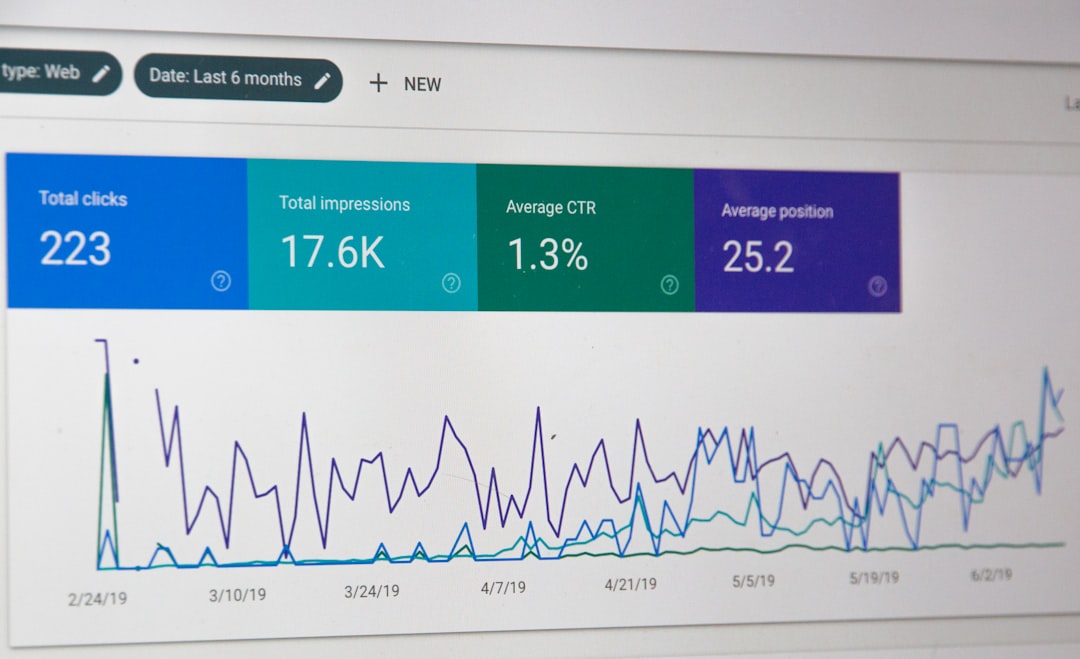
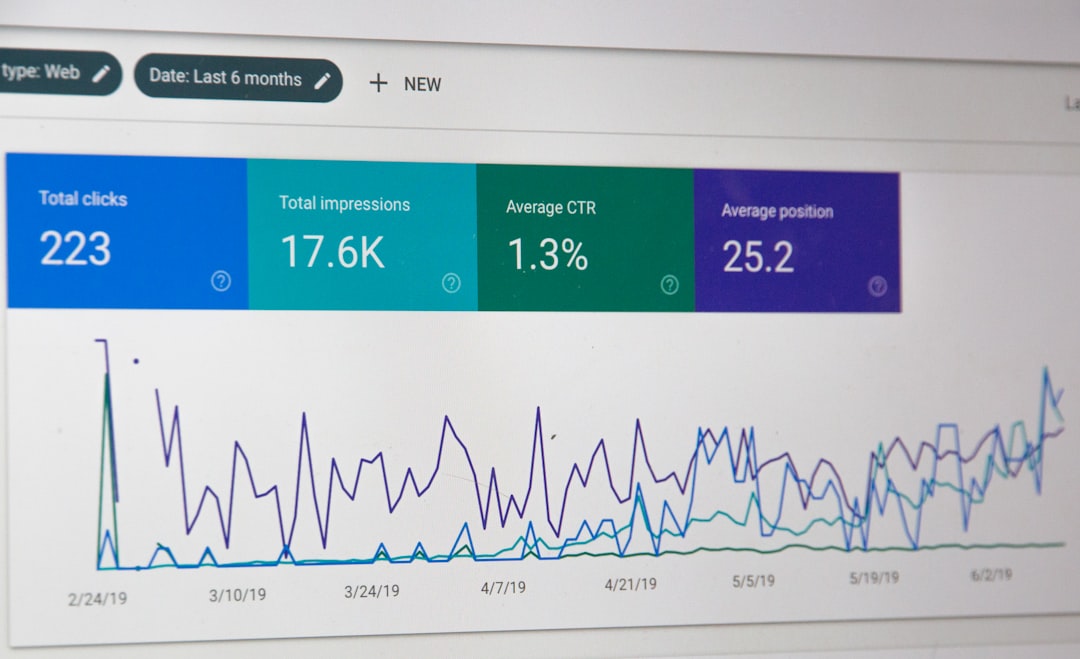
Businesses that never review their search performance may fail to identify problems or understand which strategies are producing results. Monitoring rankings, website traffic, calls, and conversions helps guide future improvements.
Avoiding these mistakes creates a stronger foundation for local SEO success. Businesses should prioritize accurate information, high-quality content, genuine customer relationships, and consistent optimization rather than relying on shortcuts.

Advanced Local SEO Techniques and Long-Term Growth
Improving local search rankings in Georgia requires more than optimizing a website and creating a Google Business Profile. Businesses must develop a consistent strategy that strengthens their online reputation, increases geographical relevance, and helps them connect with customers across their target service areas.
Advanced local SEO techniques allow businesses to compete more effectively in their industries. By combining location-focused content, Google Maps optimization, competitor research, and performance tracking, companies can identify new opportunities and improve their visibility over time.
Targeting Different Cities and Neighborhoods Across Georgia
Georgia has several growing business markets, including Atlanta, Savannah, Augusta, Macon, Columbus, Athens, and surrounding communities. Businesses that serve multiple locations can use geographical SEO strategies to reach customers in different parts of the state.
However, targeting multiple cities requires careful planning. A business should only target locations where it genuinely provides services or has an eligible physical business presence.
For example, a digital marketing agency operating throughout Georgia may create dedicated pages for its services in Atlanta, Savannah, and Augusta. Each page should explain the agency’s offerings, relevant customer needs, and actual service availability in that area.
Developing a Location-Based SEO Strategy
Businesses should begin by identifying their most important geographical markets. Instead of targeting every city immediately, they should prioritize locations with strong customer demand and realistic business opportunities.
Consider these strategies:
Identify the cities and neighborhoods where your customers are located.
Research the local competition in each target market.
Determine which services are most relevant to each location.
Develop unique landing pages with useful geographical information.
Include genuine local projects, testimonials, and business experiences.
Update your Google Business Profile with accurate service information.
Monitor performance separately for important geographical areas.
For example, a home improvement company may discover that it receives more inquiries from suburban Atlanta communities than from other parts of Georgia. It can use this information to prioritize relevant content and marketing activities.
A carefully planned geographical strategy helps businesses avoid unnecessary content creation while focusing on locations that offer meaningful growth opportunities.
Local SEO Strategies for Small and Medium-Sized Businesses
Small and medium-sized businesses often operate with limited marketing budgets and fewer resources than larger companies. However, they can still build a competitive online presence by concentrating on relevant local searches and delivering a better customer experience.
A small business does not need to target every keyword or compete across the entire state. It should begin by establishing strong visibility in its primary service area.
For example, a family-owned restaurant in Macon can focus on relevant restaurant searches, maintain an accurate Google Business Profile, collect genuine customer reviews, and publish useful information about its menu and dining experience.
Affordable Local SEO Activities
Small businesses can start with practical improvements that do not require a large marketing budget.
Claim and optimize the Google Business Profile.
Create informative service pages on the website.
Maintain accurate business information across important directories.
Encourage satisfied customers to provide honest reviews.
Publish helpful articles related to customer needs.
Improve website speed and mobile usability.
Build relationships with relevant local organizations.
Monitor website visitors and customer inquiries.
Businesses should also prioritize their most profitable services rather than spending resources on keywords that attract visitors without generating meaningful inquiries.
Consistency is particularly important for smaller companies. Regularly updating business information, publishing useful content, and maintaining customer relationships can gradually strengthen their local online presence.
Optimizing for Google Maps Rankings
Google Maps is an important discovery platform for people searching for nearby businesses. Customers use it to identify service providers, compare businesses, check operating hours, view photographs, read reviews, and find directions.
For Georgia businesses, appearing prominently in relevant Google Maps searches can create valuable opportunities to attract customers.
For example, someone searching for an auto repair shop in Atlanta may compare nearby businesses based on location, customer reviews, services, and contact information. Companies with complete and accurate profiles can make it easier for potential customers to evaluate their offerings.
Important Google Maps Optimization Practices
Businesses should focus on maintaining accurate information and providing useful details through their profiles.
Select the most accurate primary business category.
Add relevant secondary categories when appropriate.
Provide a detailed and accurate business description.
List available products and services.
Maintain correct business hours.
Upload authentic photographs of the business.
Encourage genuine customer reviews.
Respond professionally to customer feedback.
Keep contact information and website details updated.
Businesses should also make sure their profiles comply with Google’s guidelines. Creating fake locations or using misleading addresses to target additional areas can damage business credibility and create profile-related problems.
It is important to understand that Google Maps rankings are influenced by relevance, distance, and prominence. A business cannot guarantee a particular position simply by completing its profile, but consistent optimization can improve the quality of its local presence.
Using Local Content Marketing to Attract Nearby Customers
Local content marketing helps businesses build relationships with their target audiences by publishing information that addresses local interests, needs, and concerns.
Instead of focusing entirely on promotional articles, businesses should create resources that answer practical questions and demonstrate their knowledge of the industry.
For example, a Georgia-based landscaping company could publish seasonal gardening guides for homeowners. A real estate agency in Savannah could create articles explaining important considerations when purchasing residential property in the area.
Developing a Local Content Calendar
A content calendar helps businesses organize their publishing activities and maintain consistency. It also makes it easier to balance educational content, service-related articles, and location-specific resources.
A monthly content plan might include:
| Week | Content topic | Purpose |
|---|---|---|
| Week 1 | Local industry guide for Georgia customers | Build awareness |
| Week 2 | Common problems and their solutions | Attract informational searches |
| Week 3 | Service-focused educational article | Explain business offerings |
| Week 4 | Customer success story or local case study | Demonstrate credibility |
Businesses should also consider seasonal opportunities when planning content.
For example, HVAC companies may publish information about preparing air conditioning systems for warmer weather. Roofing contractors can create educational articles about roof inspections and storm damage prevention.
Local content should always be accurate and genuinely relevant to the audience. Avoid inventing local events, customer stories, or geographical information simply to include city names in articles.
Tracking Local SEO Performance and Rankings
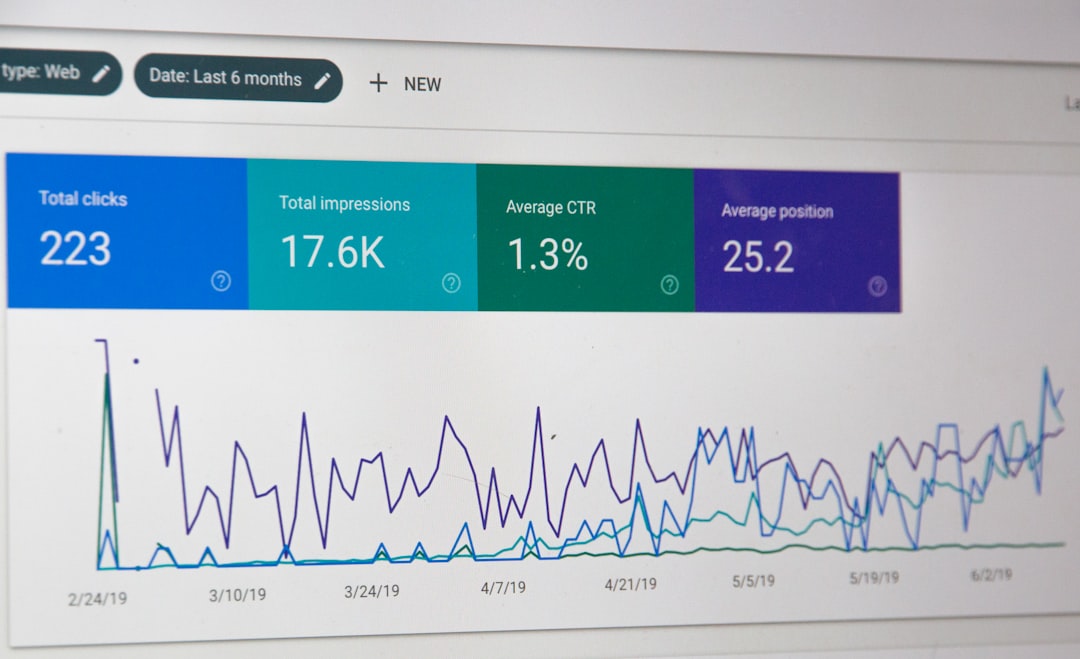
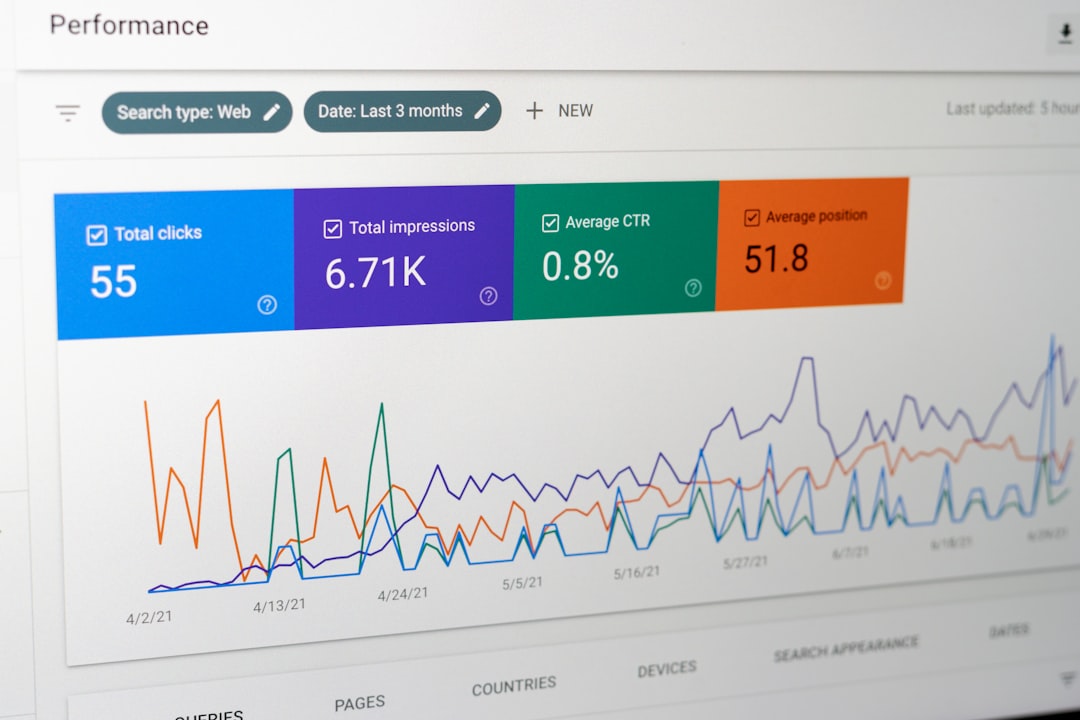
Local SEO should be monitored regularly to understand whether optimization activities are producing useful results. Without performance tracking, businesses may struggle to identify which strategies are effective and which areas need improvement.
Georgia businesses should measure more than just keyword rankings. A website may receive increased traffic without generating additional inquiries, while another business may receive fewer visitors but attract more qualified customers.
Tracking several performance indicators provides a more complete picture of SEO success.
Important Local SEO Metrics Every Business Should Monitor
Local Keyword Rankings
Keyword rankings show where a website appears in search results for specific search phrases. Businesses should monitor relevant keywords connected to their services and target locations.
For example, an Atlanta plumbing company might track phrases such as plumbing services in Atlanta, emergency plumber in Atlanta, and drain cleaning in Atlanta.
Local rankings can change depending on the searcher’s location, search query, device, and other factors. Therefore, businesses should avoid relying on a single ranking check to evaluate overall performance.
Google Business Profile Performance
Google Business Profile performance information can help businesses understand how customers interact with their profiles.
Depending on the available reporting features, useful measurements may include profile views, searches, website clicks, phone calls, and direction requests.
These indicators help businesses understand whether their profile is attracting attention and encouraging customer actions.
Organic Website Traffic
Organic traffic refers to visitors who reach a website through unpaid search engine results. Monitoring organic traffic helps businesses evaluate whether their website is attracting more visitors through search.
Businesses should examine which pages receive traffic, which keywords contribute to visibility, and whether visitors explore relevant service information.
Customer Conversions
Conversions are actions that demonstrate meaningful customer interest. These may include phone calls, contact form submissions, appointment bookings, quote requests, and purchases.
For a local business, conversion tracking is particularly important because the ultimate objective of SEO is not simply to attract visitors. It is to create opportunities for business growth.
Customer Reviews and Reputation
Businesses should monitor their review volume, average ratings, customer feedback, and response activity.
Review analysis can also identify recurring customer concerns and opportunities to improve products or services.
Local SEO Performance Measurement Table
| SEO metric | What it measures | Why it matters |
|---|---|---|
| Keyword rankings | Visibility for relevant search terms | Shows search performance |
| Organic traffic | Visitors from unpaid search results | Measures website discovery |
| Profile interactions | Customer activity on Google Business Profile | Indicates local profile engagement |
| Phone calls | Calls generated through online channels | Measures customer inquiries |
| Website conversions | Forms, bookings, and other valuable actions | Shows business results |
| Customer reviews | Public feedback and reputation | Helps evaluate customer trust |
| Backlink growth | Relevant links from other websites | Tracks website authority development |
Businesses should review these measurements regularly and compare results over time. This makes it easier to identify improvements, recognize declining performance, and adjust the SEO strategy according to actual business needs.
How to Measure Website Traffic and Customer Conversions
Website traffic provides useful information about how people discover and interact with a business online. However, understanding the quality of that traffic is just as important as measuring its volume.
A business may attract thousands of website visitors but receive very few customer inquiries. This can happen when visitors are searching for unrelated information, landing on poorly optimized pages, or struggling to find contact details.
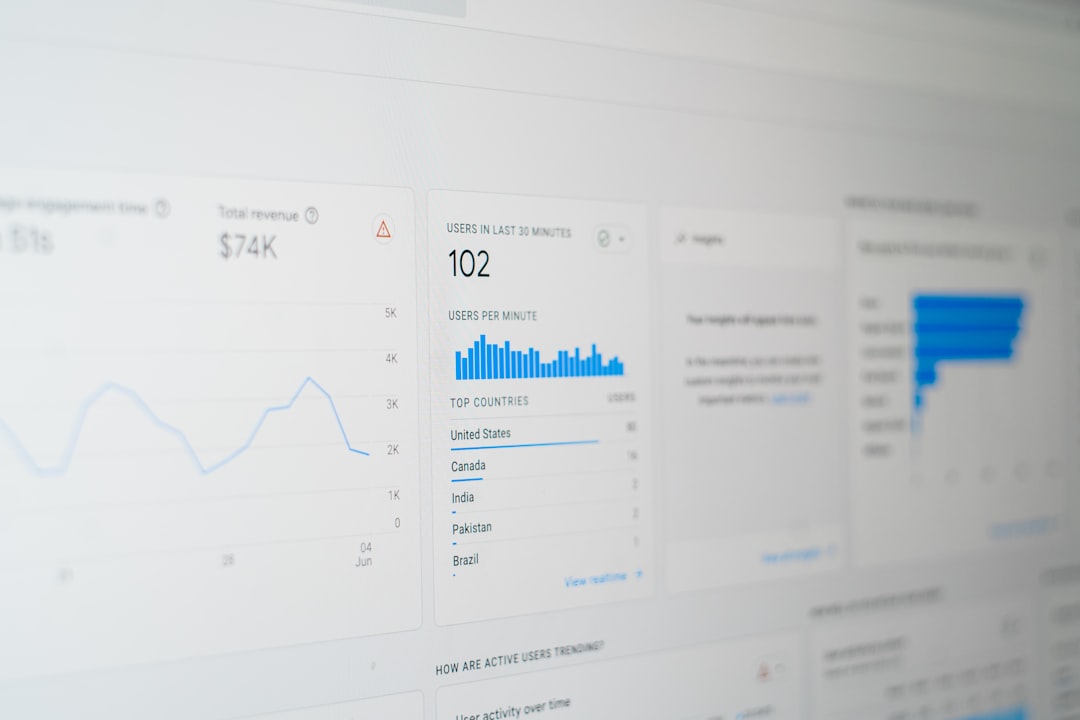
To understand website performance, businesses should use analytics tools that help measure user behavior and important customer actions.
Setting Up Conversion Tracking
Conversion tracking helps businesses identify which website interactions contribute to their marketing goals.
Some useful conversion actions include:
Contact form submissions.
Phone calls from website visitors.
Appointment bookings.
Quote requests.
Online purchases.
Newsletter subscriptions when relevant to the business.
Clicks on important contact or service buttons.
For example, a Georgia roofing contractor could track how many visitors submit a roof inspection request after arriving through organic search.
This information helps the company understand whether its local SEO campaign is generating real business opportunities.
Businesses should also use suitable tracking methods for phone inquiries and online forms. Properly configured analytics can help distinguish valuable customer actions from ordinary page views.
Using Competitor Analysis to Improve Local Rankings
Competitor analysis helps businesses understand how other companies are performing in local search results. It reveals potential opportunities, identifies weaknesses, and provides ideas for improving an SEO strategy.
For example, a dental practice in Atlanta may examine other local dental websites to understand how they organize service pages, present customer information, and explain treatment options.
The purpose is not to copy competitors. It is to identify useful approaches and develop a stronger strategy based on the business’s own services and strengths.
What to Analyze When Studying Local Competitors
Businesses should evaluate several areas when reviewing competing companies.
Competitor Keyword Strategies
Identify the relevant keywords competitors appear to target. Look at their page titles, service descriptions, headings, and location-specific content.
This can help reveal search opportunities that your business may not currently address.
Google Business Profile Optimization
Review how competing businesses organize their profiles. Examine their categories, photographs, services, business descriptions, and customer review activity.
Use these observations to identify opportunities to improve your own profile while maintaining accurate business information.
Website Content Quality
Evaluate the usefulness and organization of competitor websites. Determine whether they provide detailed service information, helpful guides, customer testimonials, and clear contact options.
Your objective should be to provide more valuable information and a better user experience.
Backlink Opportunities
Identify relevant local organizations, publications, and industry websites that mention competing businesses.
Some of these websites may provide legitimate opportunities for your company to contribute useful information, participate in community activities, or establish professional relationships.
Customer Feedback
Read public reviews to understand what customers appreciate and what problems they commonly experience.
For example, if customers frequently complain about delayed responses from competing service providers, your business can focus on improving communication and providing reliable customer support.
Competitor analysis should be performed periodically because local markets and customer expectations can change. Regular research helps businesses identify new opportunities and maintain a competitive advantage.
How Long Does It Take to Improve Local Search Rankings?
Local SEO is a gradual process, and businesses should not expect immediate results from every optimization activity. The time required to improve rankings depends on several factors, including competition, website quality, existing online authority, business reputation, and the consistency of optimization efforts.
A newly established business may need more time to develop online credibility than a company with an established website and years of customer reviews.
Similarly, ranking for a competitive keyword in Atlanta may require more effort than improving visibility for a less competitive service in a smaller Georgia community.
Factors That Influence Local SEO Results
Several important factors can affect how quickly a business improves its search visibility.
Website condition: Technical problems, poor content, and slow loading speeds may delay improvements.
Competition: Highly competitive industries often require more comprehensive optimization.
Business reputation: Genuine customer feedback and online recognition can strengthen credibility.
Content quality: Useful and relevant content creates better opportunities to match customer searches.
Backlink profile: Relevant links from reputable websites can support website authority.
Consistency: Regular updates and ongoing optimization help maintain progress.
Geographical competition: The number and strength of businesses targeting the same area can influence ranking opportunities.
General Local SEO Progress Timeline
The following table provides an illustrative planning framework. It is not a guaranteed ranking schedule because every business and local market is different.
| Time period | Main SEO activities | Possible progress |
|---|---|---|
| First month | Website audit, keyword research, profile optimization | Technical improvements and stronger foundations |
| Months 2 to 3 | Content development, citations, review management | Improved business information and early visibility changes |
| Months 3 to 6 | Local backlinks, landing pages, ongoing optimization | Potential growth in relevant traffic and search visibility |
| Months 6 to 9 | Competitor analysis, content updates, performance improvements | More opportunities for consistent local discovery |
| Months 9 to 12 | Advanced optimization and strategy refinement | Stronger long-term online presence and conversion opportunities |
Businesses should focus on sustainable progress rather than chasing short-term ranking increases. Consistent improvements in customer inquiries, relevant website traffic, and local visibility are more meaningful than temporary ranking changes.
Creating a Sustainable Local SEO Strategy
A successful local SEO campaign requires a structured plan that connects website optimization, business profile management, content marketing, customer reviews, and performance measurement.
Businesses should avoid treating SEO as a one-time project. Search behavior changes, competitors improve their websites, and customer expectations continue to evolve.
A sustainable strategy allows Georgia businesses to maintain their online presence while identifying new opportunities for growth.
Establish Clear SEO Goals
Start by identifying what the business wants to achieve through local SEO. Goals should be connected to meaningful business outcomes rather than focusing exclusively on rankings.
Examples include increasing qualified website inquiries, attracting more local customers, improving Google Maps visibility, and generating additional appointment requests.
Prioritize Important Services and Locations
Not every service or geographical area needs equal attention. Businesses should identify the offerings that are most important to their revenue and prioritize the locations where they genuinely operate.
This approach helps allocate marketing resources more effectively.
Maintain Consistent Optimization
Regularly review important website pages, update business information, publish useful content, and respond to customer reviews.
A consistent schedule helps prevent information from becoming outdated and creates opportunities to improve the overall customer experience.
Review and Improve Performance
Businesses should examine SEO performance at regular intervals. Analyze traffic, conversions, customer inquiries, keyword visibility, and profile interactions.
If a particular service page attracts visitors but produces few inquiries, consider improving its content, contact options, and calls to action.
Adapt to Changes in the Local Market
Customer needs, competition, and search behavior can change over time. Businesses should remain flexible and update their strategies when new opportunities or challenges emerge.
A sustainable approach focuses on building long-term trust, improving website quality, and providing information that genuinely helps customers.
Local SEO Trends Georgia Businesses Should Understand
The digital marketing environment continues to evolve, and local businesses need to understand developments that may influence how customers discover products and services.
Keeping up with important SEO trends can help Georgia companies make better marketing decisions and maintain a competitive online presence.
Greater Importance of Helpful and Original Content
Search engines aim to provide information that satisfies user needs. Businesses should focus on publishing original, informative content that demonstrates practical knowledge and addresses real customer questions.
Articles should provide meaningful explanations, useful examples, and accurate information rather than simply repeating keywords.
Increasing Mobile Search Activity
Smartphones remain an important way for customers to discover nearby services. Businesses should ensure that their websites are responsive, fast, and easy to navigate.
Simple actions such as making phone numbers clickable and improving contact forms can help create a more convenient mobile experience.
Growing Importance of Customer Reputation
Online reviews and customer feedback influence how people evaluate businesses. Companies should develop reliable service processes, encourage honest feedback, and respond professionally to customer concerns.
A strong reputation can help establish trust and improve the likelihood that potential customers choose the business.
More Conversational Search Behavior
Customers increasingly use natural language when asking questions through search engines and digital assistants. Businesses can respond to this behavior by creating useful FAQ sections and content that answers specific questions.
For example, a Georgia homeowner may search for information about the cost of roof repairs or the best time to schedule HVAC maintenance.
Stronger Focus on User Experience
A website should make it easy for customers to find information, understand available services, and complete important actions.
Businesses that invest in clear navigation, readable content, fast loading speeds, and accessible contact options can provide a better overall experience.
The most effective way to respond to changing SEO trends is to remain focused on customer needs. Businesses that provide accurate information, reliable services, and useful website content are better positioned to build lasting online visibility.
Why Choose DealMate
Choosing the right SEO partner can make a significant difference in how effectively a business improves its online presence. Local search optimization involves several activities, including keyword research, website improvements, content development, Google Business Profile optimization, and ongoing performance monitoring.
DealMate understands the importance of helping businesses strengthen their digital visibility and connect with potential customers through effective online marketing strategies. Businesses need more than a collection of keywords or temporary ranking improvements. They need a structured approach that supports their long-term marketing objectives.
Focus on Business-Specific SEO Strategies
Every business has different goals, customers, services, and geographical requirements. DealMate focuses on understanding these differences so that SEO strategies can align with the company’s actual needs.
A restaurant, construction company, professional service provider, and online business should not follow identical optimization plans. A suitable strategy should consider the industry, target audience, competition, and business objectives.
Local Keyword Research
Finding relevant keywords is an important step toward attracting qualified visitors. DealMate can help identify service-related and location-based keyword opportunities that connect businesses with people searching for their offerings.
This includes understanding customer search intent and developing content around meaningful search phrases.
Website Optimization
An effective website should communicate services clearly and provide a smooth experience across different devices. DealMate emphasizes important optimization areas such as website structure, page titles, headings, content quality, and mobile usability.
These improvements help businesses develop a stronger foundation for organic search visibility.
Content Development
Helpful content allows businesses to explain their expertise, answer customer questions, and establish credibility. DealMate supports content strategies that focus on relevant topics, useful information, and natural keyword integration.
Quality content can also help businesses create meaningful connections with their target audiences.
Local Search Visibility
Local SEO requires accurate business information and a consistent online presence. DealMate recognizes the importance of geographical targeting, business profile optimization, customer reputation, and relevant local citations.
These activities help businesses strengthen their local marketing foundations.
Long-Term SEO Growth
Sustainable SEO requires continuous monitoring and improvement. DealMate supports a structured approach that considers changing competition, website performance, and evolving customer search behavior.
By focusing on meaningful improvements rather than unrealistic promises, businesses can work toward building a stronger digital presence.
For businesses looking to improve local search rankings in Georgia, DealMate can be a valuable partner in developing a more organized and effective SEO strategy.
Frequently Asked Questions
How can I improve my local search rankings in Georgia?
You can improve local search rankings by optimizing your Google Business Profile and maintaining accurate business information. Create location-specific website pages and target relevant keywords that match your services. Encourage genuine customer reviews and build relationships with reputable local websites. Regularly monitor your website performance and update your SEO strategy based on measurable results.
How long does local SEO take to show results?
Local SEO usually requires consistent effort before businesses notice meaningful improvements. Some website and profile improvements may produce early changes, while stronger visibility can take several months. The timeline depends on competition, website quality, business reputation, and the effectiveness of optimization activities. Businesses should focus on sustainable progress rather than expecting guaranteed rankings within a specific period.
Is Google Business Profile important for local SEO?
Yes, Google Business Profile is an important tool for businesses that want to improve their local online presence. It allows potential customers to discover business information, read reviews, view photographs, and find contact details. Maintaining accurate categories, operating hours, services, and location information helps create a reliable business profile. Regularly updating the profile can also improve the customer experience.
Which keywords should Georgia businesses target?
Georgia businesses should target keywords that combine their primary services with relevant geographical locations. Examples include plumber in Atlanta, dentist in Savannah, and roofing company in Augusta. Long-tail keywords can also attract visitors with specific needs and stronger purchasing intent. Keyword selection should be based on relevance, competition, search demand, and the services the business actually provides.
How can I rank higher on Google Maps?
Start by creating and maintaining a complete and accurate Google Business Profile. Choose appropriate business categories, add relevant service information, upload authentic photographs, and encourage genuine customer reviews. Maintain consistent business information across important online platforms and build a trustworthy website. Remember that Google Maps rankings also depend on relevance, distance, and prominence, so no single optimization guarantees a particular position.
Do customer reviews affect local search rankings?
Customer reviews are an important part of local business reputation and can contribute to how businesses perform in local search environments. They help potential customers understand the experiences of previous buyers and evaluate a company’s reliability. Businesses should encourage honest feedback and respond professionally to both positive and negative reviews. Purchasing fake reviews or manipulating ratings can damage credibility and create policy risks.
How much does local SEO cost in Georgia?
Local SEO costs in Georgia depend on the business’s industry, competition, website condition, and required marketing activities. A small business targeting one location may need a different level of investment from a company competing across several cities. Services can include keyword research, website optimization, content development, citation management, and ongoing reporting. Businesses should compare service quality, deliverables, experience, and expected value before selecting an SEO provider.
Are local backlinks important for better rankings?
Local backlinks can help businesses establish relevant connections with reputable websites and organizations. Links from appropriate local publications, professional associations, and community resources may support website credibility. Businesses can earn these links through useful content, genuine partnerships, and participation in relevant community activities. Quality and relevance are more important than collecting large numbers of unrelated backlinks.
Can small businesses compete with larger companies in local search?
Yes, small businesses can compete by focusing on relevant local keywords and providing excellent customer experiences. They can concentrate on specific neighborhoods, services, and customer needs instead of targeting an entire state. Accurate business information, helpful content, genuine reviews, and a well-maintained website can strengthen their local presence. A focused strategy can help smaller companies discover opportunities that larger competitors may overlook.
Why should I hire a local SEO expert in Georgia?
A local SEO expert can help businesses understand their market, identify relevant keywords, and improve their website’s local visibility. Professional assistance can also cover Google Business Profile optimization, content planning, citation management, and performance tracking. An experienced specialist can identify technical problems and recommend improvements based on business goals. Choosing the right expert can save time and help create a more organized long-term SEO strategy.
Conclusion
Improving local search rankings in Georgia requires a combination of effective website optimization, accurate business information, relevant keywords, valuable content, and consistent reputation management. Businesses that understand their target audiences and develop strategies around their actual service areas can create stronger opportunities to connect with potential customers.
From optimizing Google Business Profiles to creating location-specific landing pages, earning relevant backlinks, and monitoring SEO performance, every activity contributes to a more complete local marketing strategy. Companies should also prioritize mobile usability, customer satisfaction, and original content because these elements help create a positive experience for visitors.
Local SEO is not a one-time activity or a guaranteed shortcut to the top of search results. It requires ongoing attention, careful planning, and regular improvements as customer expectations and competition change.
Whether your business operates in Atlanta, Savannah, Augusta, Macon, Columbus, Athens, or another Georgia community, investing in a well-planned local SEO strategy can help strengthen your online presence and attract more relevant visitors.
With the right approach and consistent optimization, Georgia businesses can improve their local visibility, build customer trust, generate valuable inquiries, and establish a stronger foundation for long-term growth. Partnering with a knowledgeable SEO team such as DealMate can help turn these opportunities into a structured digital marketing strategy that supports your business objectives.