
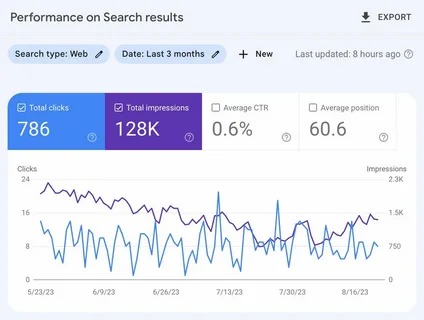
Getting better SEO results from a WordPress website is not simply about adding more keywords or publishing more blog posts. Sustainable growth usually comes from combining technical optimization, useful content, strong site structure, and regular performance analysis.
A WordPress SEO agency can help bring these areas together, but results also depend on having clear goals and a strategy built around the website’s actual audience.
Define What You Want SEO to Achieve

Before changing anything, establish a clear objective.
Your goal might be to:
- Increase organic traffic
- Generate more leads
- Improve local visibility
- Increase ecommerce sales
- Rank important service pages
- Build authority in a specific topic
Different goals require different SEO strategies. A local business, ecommerce store, and B2B company should not all follow exactly the same plan.
Start With the Right Keywords
Better results begin with relevant keyword research.
Look beyond search volume. Consider:
- Search intent
- Competition
- Business relevance
- Conversion potential
- Related search terms
For example, someone searching for “what is WordPress SEO” may be looking for information, while someone searching for “WordPress SEO services” may already be researching providers.
Understanding this difference helps you create pages that match the searcher’s needs.
Fix Technical Problems First
Technical SEO problems can prevent good content from performing properly.
A WordPress SEO agency may check:
- Indexing
- XML sitemap
- Robots.txt
- Canonical URLs
- Redirects
- Broken links
- Duplicate pages
- Mobile usability
- Page speed
- Security and HTTPS
Fixing foundational problems creates a healthier environment for content and other SEO activities.
Improve Your Most Important Pages
Do not automatically spend all your time creating new content.
Review the pages that matter most to the business. These may include:
- Homepage
- Service pages
- Product pages
- Location pages
- High-traffic blog posts
- Lead-generation landing pages
Improve weak content, clarify the page’s purpose, strengthen headings, add useful information, and make calls to action easy to understand.
Create Content Around Topics
Instead of producing unrelated articles, build topical coverage.
For example, a website offering WordPress SEO services could create content covering:
- WordPress technical SEO
- On-page optimization
- WordPress speed
- Mobile SEO
- Internal linking
- SEO audits
- Keyword research
- Local WordPress SEO
These related topics can be connected through internal links, creating a clearer content structure.
Improve Internal Linking

Internal linking is one of the practical areas many websites overlook.
When writing a new article, look for existing pages that provide additional information. Then link to them naturally.
For example:
WordPress SEO Audit → Technical SEO Guide → WordPress Speed Optimization
This helps users continue exploring the website while creating connections between related pages.
Make User Experience Part of SEO
SEO should not be treated separately from usability.
A page may attract visitors but still perform poorly for the business if users cannot quickly find what they need.
Review:
- Navigation
- Page readability
- Font size
- Calls to action
- Forms
- Mobile layout
- Content organization
- Page loading speed
A clear page structure can make information easier to understand and actions easier to complete.
Update Existing Content
Search results and information change over time.
Old articles may contain outdated statistics, broken links, old screenshots, or information that no longer reflects current practices.
Regular content reviews can include:
- Checking search performance.
- Identifying outdated sections.
- Updating facts and examples.
- Improving headings.
- Adding relevant internal links.
- Removing unnecessary content.
The goal is to make the page more useful, not simply longer.
Track Business Results
Traffic alone does not tell the whole story.
Monitor metrics such as:
| Metric | Purpose |
|---|---|
| Organic sessions | Measures search traffic |
| Rankings | Shows keyword visibility |
| CTR | Measures search-result clicks |
| Leads | Measures potential customers |
| Conversions | Measures business outcomes |
| Revenue | Connects SEO with business value |
A page receiving fewer visitors but generating qualified leads may be more valuable than a high-traffic informational page.
Avoid Quick-Fix SEO
Some websites chase shortcuts such as excessive keyword repetition, low-quality backlinks, or mass-produced content.
These approaches can create problems instead of sustainable growth.
A better strategy focuses on useful content, technically sound pages, relevant links, and a positive user experience.
Work With a Structured SEO Process
Better results usually come from consistency.
A practical workflow looks like this:
Audit → Research → Optimize → Publish → Monitor → Improve
This cycle can be repeated as the website grows.
A WordPress SEO agency can help manage this process by combining technical SEO, content optimization, performance tracking, and ongoing improvements instead of treating SEO as a one-time task.

















