A WordPress website can experience SEO problems for many reasons. Some pages may stop appearing in search, organic traffic may decline, or important keywords may fail to improve despite regular optimization.
The solution is not always to make more changes. First, identify the actual problem and then apply the right fix.
Start With a Performance Review
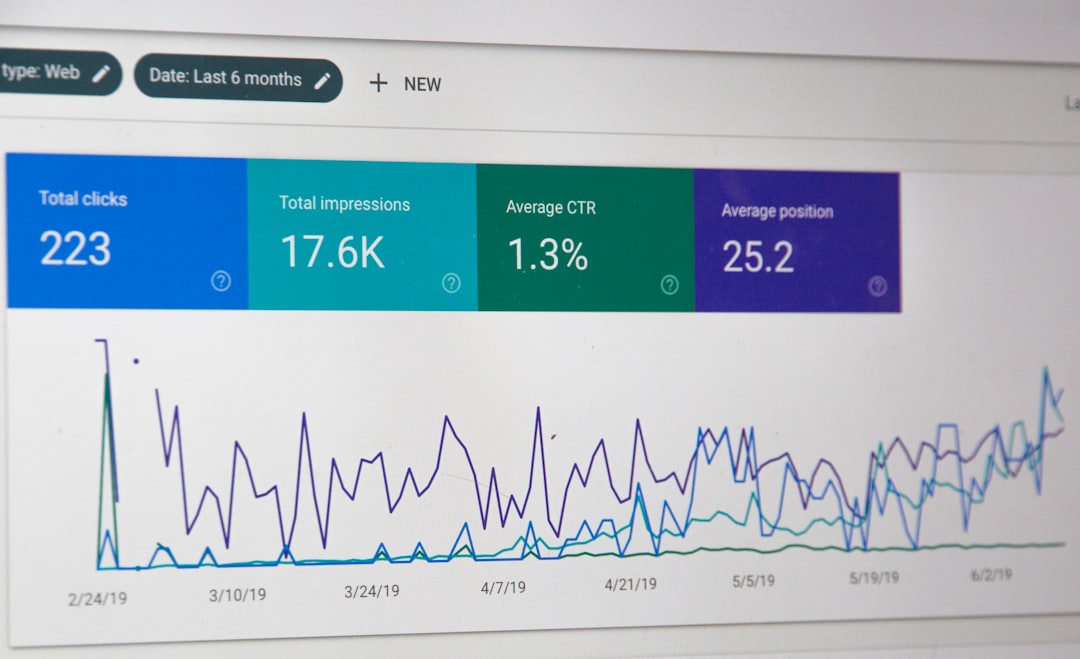
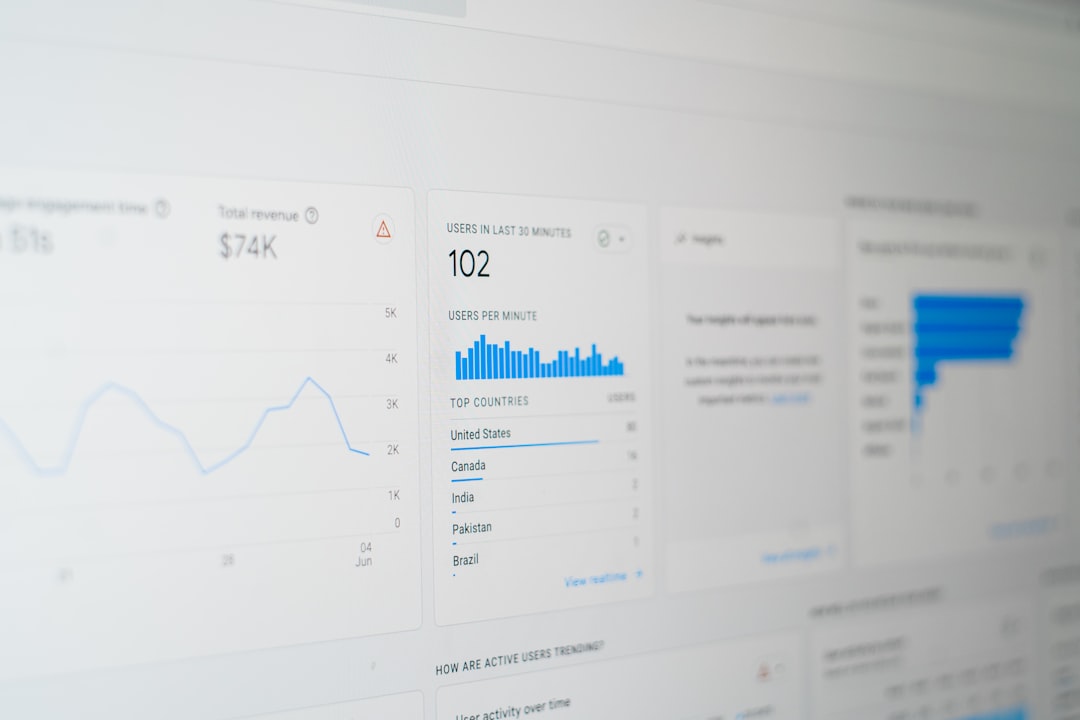
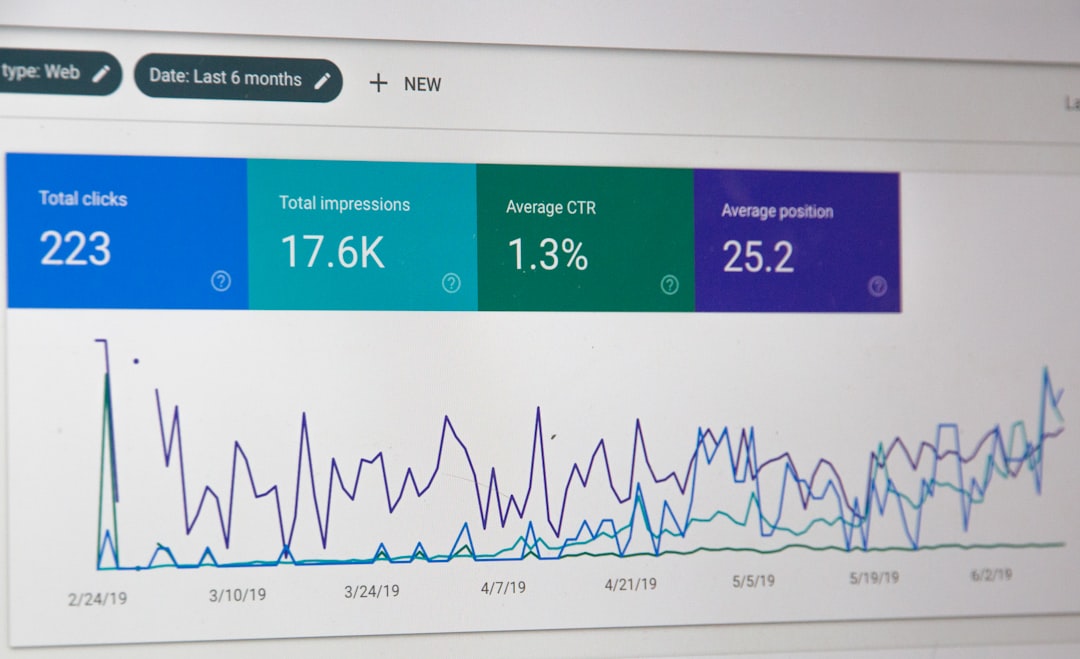
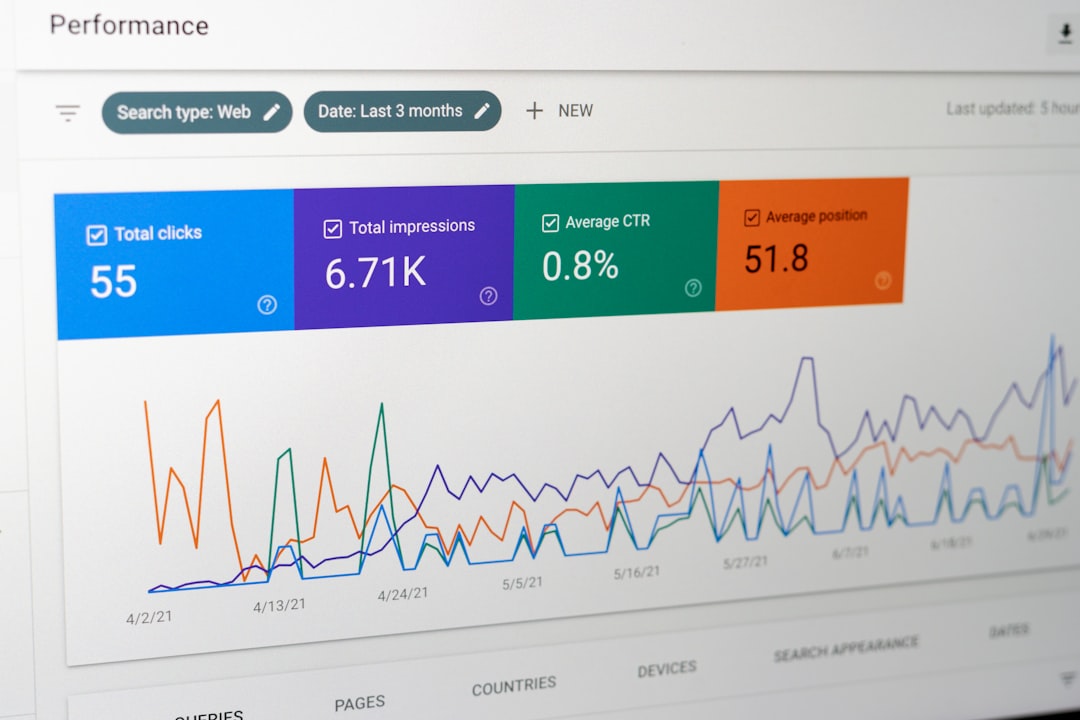
Before changing the website, compare its current performance with previous data.
Look for changes in:
- Organic traffic
- Search impressions
- Clicks
- Rankings
- Indexed pages
- Leads
- Conversions
A sudden decline may require a different investigation from a website that has simply failed to grow.
Check Indexing Problems
One of the first things to investigate is whether important pages are still accessible to search engines.
Check for:
- Accidental noindex settings
- Incorrect robots directives
- Canonical issues
- Sitemap problems
- Redirect errors
- Pages blocked from crawling
This is especially important after redesigns, migrations, plugin changes, or major WordPress updates.
Review Keyword Targeting
Sometimes the problem is not technical at all.
A page may be targeting a keyword that does not match its actual purpose. Another possibility is that several pages are competing for the same search intent.
Review whether each important keyword is assigned to the most appropriate page.
Instead of forcing multiple pages to target the same topic, consider whether the content should be improved, combined, or differentiated.
Improve Weak Content
Thin or outdated content can make a page less useful to visitors.
Review pages that receive little organic visibility and ask:
- Does the page answer the main question?
- Is the information current?
- Are important subtopics missing?
- Is the content easy to understand?
- Does the page offer useful examples?
Update content when there is a genuine reason to improve it. Avoid adding unnecessary words simply to make an article longer.
Fix Internal Linking Issues

Important pages should be connected to relevant supporting content.
If a valuable service page receives very few internal links, look for related articles or pages that could link to it naturally.
Also check for broken internal links and links pointing to outdated URLs.
Investigate Technical Problems
Technical issues can affect the entire site.
Review:
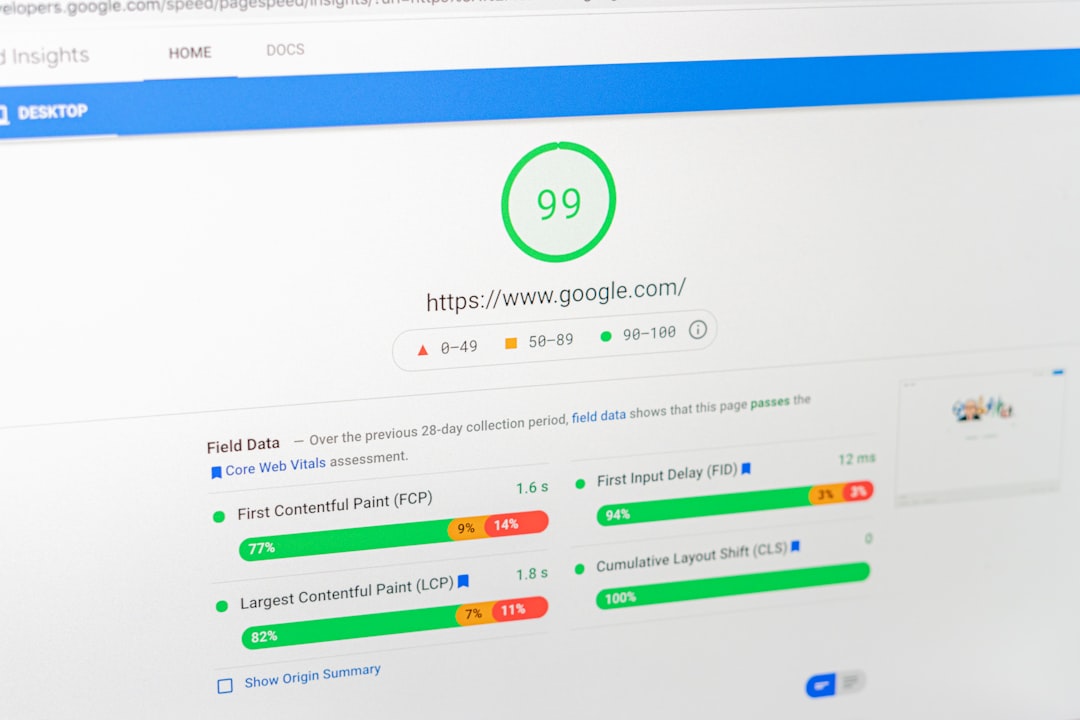
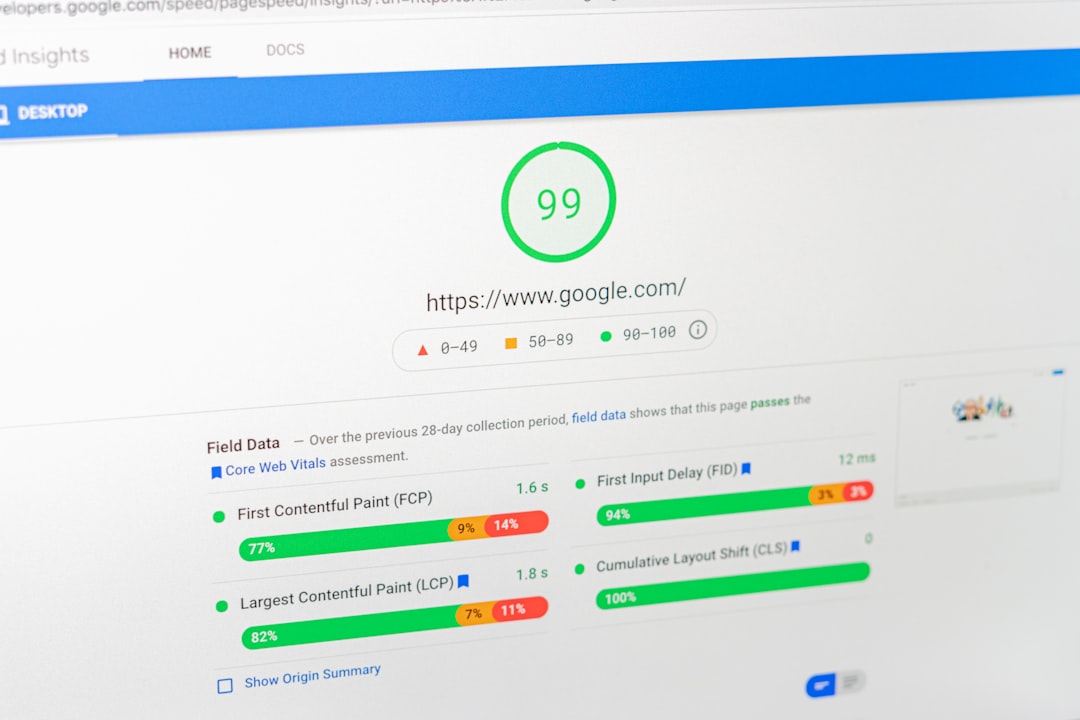
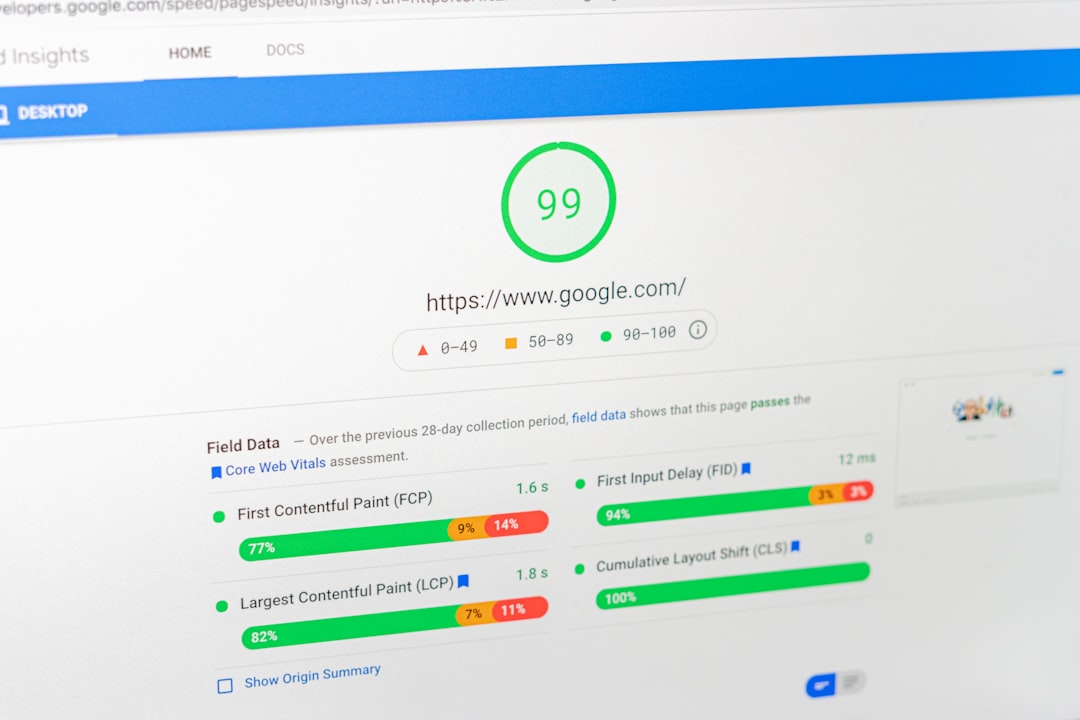
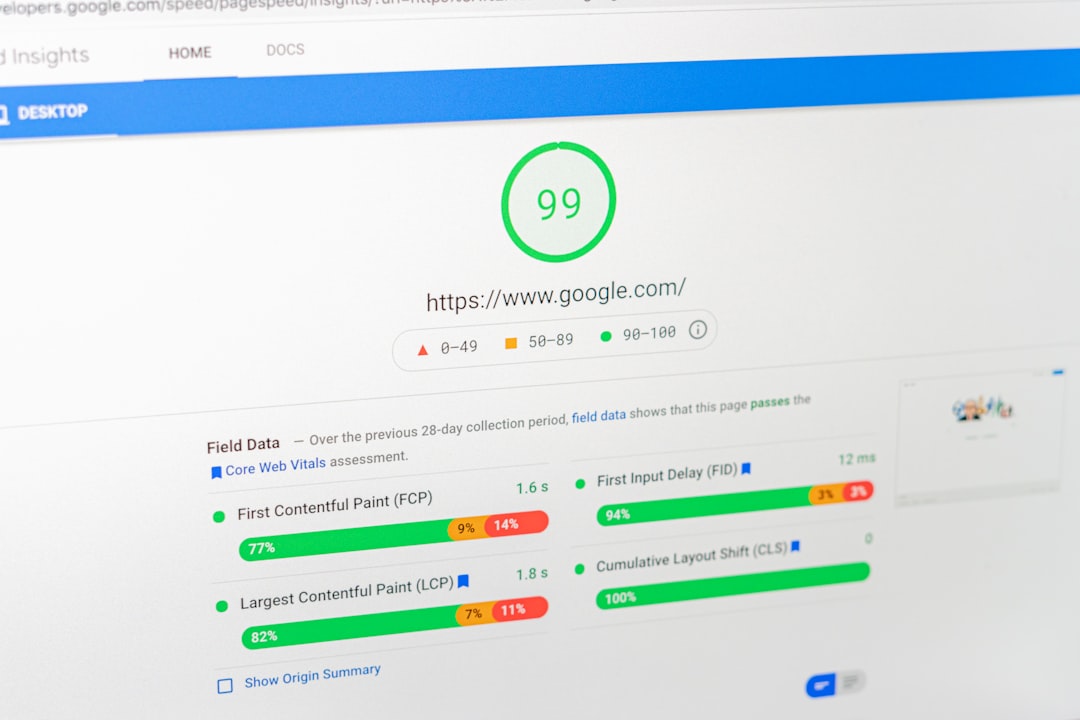
- Page speed
- Mobile usability
- Broken links
- Redirects
- XML sitemap
- Canonical URLs
- Duplicate pages
- Plugin conflicts
WordPress websites can develop technical problems as plugins, themes, and settings change, so technical monitoring should be ongoing.
Improve Page Experience
A page that is difficult to use can lose visitors even when its content is good.
Check whether:
- Text is readable
- Navigation is clear
- Buttons work
- Forms function properly
- Images load correctly
- Mobile layouts work
- Important information is easy to find
SEO and user experience should support each other.
Investigate Traffic Declines Carefully
A traffic decline does not always mean the website has a technical problem.
Possible reasons include:
- Seasonal changes
- Search behavior changes
- Increased competition
- Outdated content
- Algorithm changes
- Loss of rankings for important queries
Compare several periods and pages before deciding what action to take.
Review External Links
If a website’s authority strategy depends heavily on backlinks, review whether those links are still relevant and valuable.
Do not respond to ranking problems by suddenly acquiring large numbers of unrelated links.
A stronger approach is to create useful resources and pursue relevant mentions through legitimate outreach, partnerships, and digital PR.
Create a Prioritized Fix List
After identifying problems, organize them by importance.
A practical order is:
- Critical indexing issues
- Major technical problems
- Important page optimization
- Content improvements
- Internal linking
- Performance improvements
- Authority-building opportunities
This prevents small SEO tasks from taking attention away from larger problems.
A WordPress SEO company can help diagnose complex issues and create a structured recovery plan when a website has multiple technical and content problems.
The key to fixing SEO problems is not making random changes. It is identifying the cause, applying a relevant solution, and measuring what happens afterward.