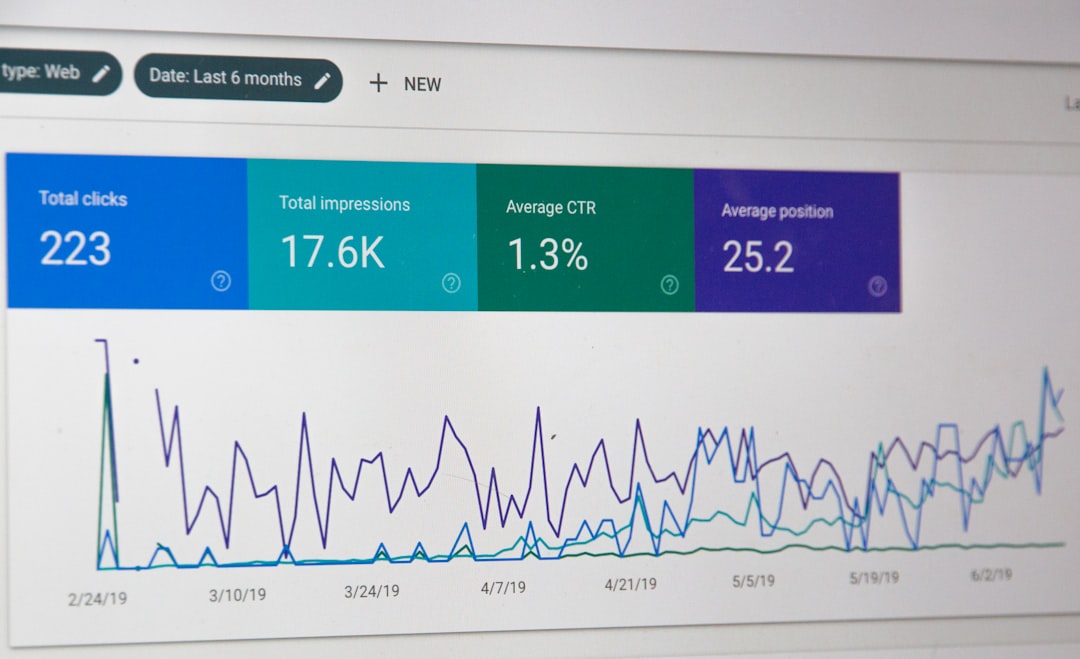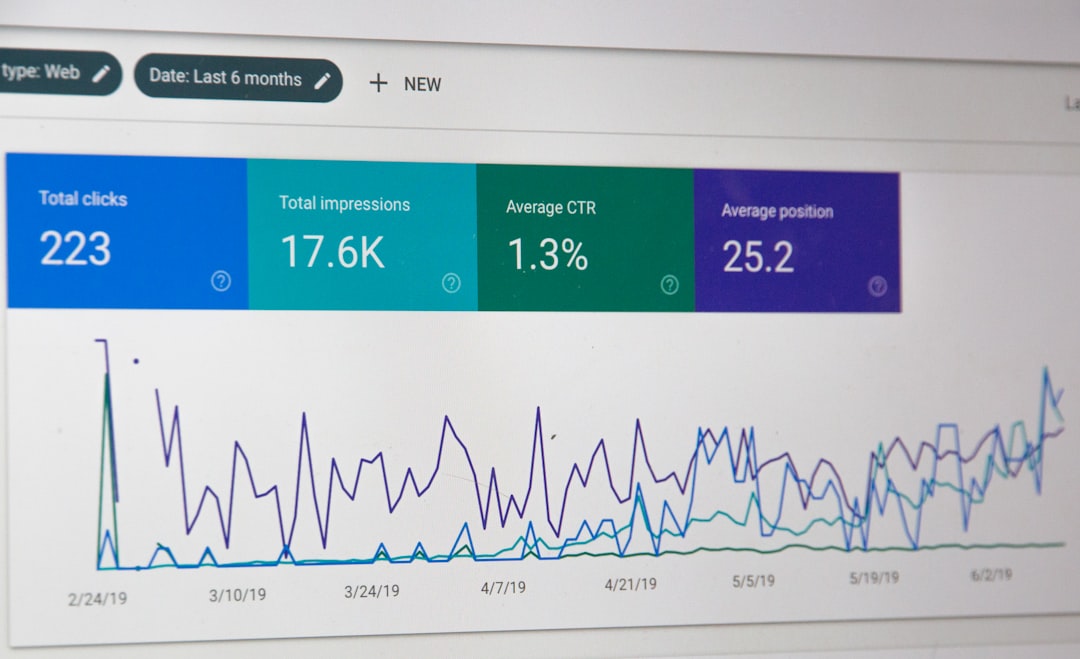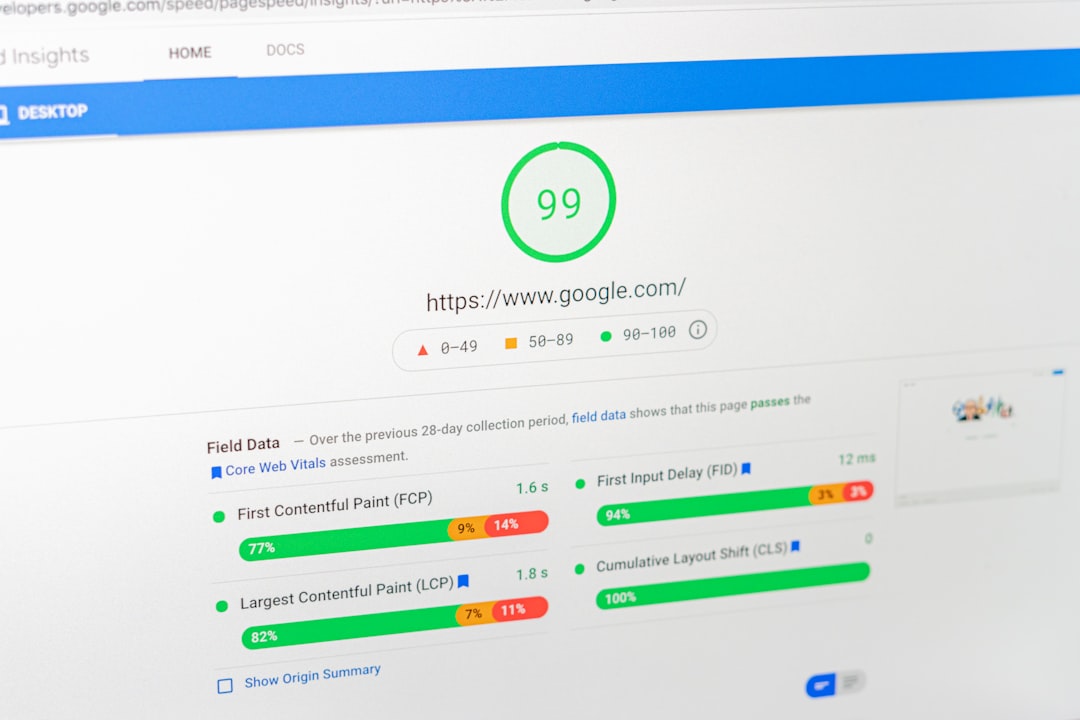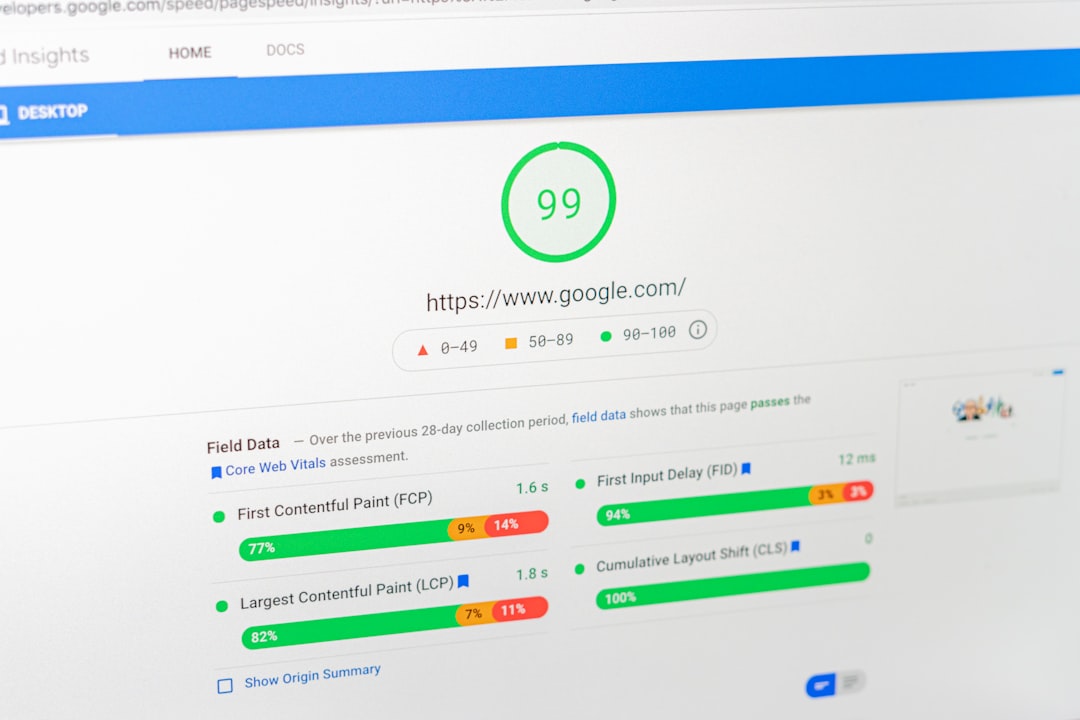

Understanding What an SEO Consultant Does
An experienced SEO consultant helps businesses improve their visibility in search engines by identifying website issues, researching relevant keywords, and developing strategies that attract the right audience. Their work goes beyond improving rankings because effective SEO should also support website traffic, customer inquiries, and business growth. For businesses in Georgia, a knowledgeable consultant can help create a search strategy that reflects local competition, customer behavior, and industry requirements.
What Is an SEO Consultant?
An SEO consultant is a search engine optimization professional who evaluates websites and recommends strategies to improve their organic search performance. They study how people search for products and services, analyze competitors, review website content, and identify technical problems that may affect visibility. Their recommendations are designed to help businesses reach relevant audiences through unpaid search results.
Some consultants focus primarily on strategy and provide recommendations for an internal team to implement. Others offer hands-on services, including technical improvements, content optimization, keyword research, and ongoing campaign management. Before hiring someone, it is important to understand whether you need advice, implementation, or a combination of both.
Main Responsibilities of an SEO Consultant
An SEO consultant usually begins by understanding the business, its target audience, website condition, and marketing objectives. They then evaluate existing search performance and identify opportunities to improve the website. This process helps create a strategy based on the business’s actual requirements instead of relying on generic SEO activities.
Common responsibilities include:
Keyword research: Finding relevant search terms that potential customers use when looking for products or services.
Technical SEO: Identifying issues involving website speed, indexing, crawling, mobile usability, and site structure.
On-page optimization: Improving page titles, headings, descriptions, internal links, and website content.
Content strategy: Planning useful pages and articles that answer customer questions and match search intent.
Local SEO: Improving visibility for location-based searches and maintaining accurate business information.
Off-page SEO: Developing a responsible approach to earning relevant backlinks and strengthening online authority.
Performance analysis: Reviewing traffic, search visibility, leads, and other meaningful business indicators.
The exact responsibilities depend on the consultant’s expertise and the agreement with the client. A reliable professional should explain which activities they will handle, which tasks require your involvement, and how the work will be evaluated.
Difference Between an SEO Consultant, Agency, and In-House Specialist
An independent SEO consultant generally works directly with businesses to analyze their websites and guide or manage optimization activities. An SEO agency usually has a team that may include specialists in content, technical SEO, link building, analytics, and account management. An in-house SEO specialist works within a company and focuses on its ongoing marketing priorities.
Each option can be suitable depending on the size of your business and the level of support you need. A small Georgia business may benefit from an independent consultant who provides direct guidance, while a larger organization may need an agency or internal team to manage multiple campaigns. The best choice depends on workload, budget, communication preferences, and the complexity of your website.
How SEO Consultants Improve Website Visibility
SEO consultants improve visibility by helping search engines understand a website and connecting its pages with relevant search queries. They identify the topics customers are interested in, improve pages that already exist, and recommend new content when important information is missing. They also review technical factors that may prevent search engines from accessing or processing the website correctly.
For example, a roofing company in Atlanta may want to reach homeowners searching for roof repair, roof replacement, or storm damage services. A consultant can research these searches, organize the company’s service pages, improve local information, and recommend useful content that addresses customer concerns. The goal is to attract visitors who are more likely to need the company’s services rather than simply increasing website visits.
When a Business Should Consider Hiring an SEO Consultant
A business may need professional SEO guidance when its website receives little organic traffic despite offering valuable products or services. Hiring a consultant can also be useful when search visibility has declined, competitors are gaining attention, or a website redesign has created unexpected problems. An expert can help identify the causes and recommend practical next steps.
Other situations include launching a new website, expanding into additional Georgia cities, introducing new services, or trying to improve the quality of online leads. Businesses with limited marketing resources may also benefit from an outside professional who can prioritize activities and guide implementation. The earlier technical and strategic issues are identified, the easier it may be to address them.
Why Georgia Businesses Need an Experienced SEO Consultant
Georgia has businesses operating across different industries, cities, and customer markets. A company serving customers in Atlanta may face different search competition from a business operating in a smaller community or targeting customers across the entire state. An experienced SEO consultant can help businesses understand these differences and develop an approach that matches their market.
Understanding Georgia’s Competitive Online Market
Businesses in Georgia compete for attention from customers who increasingly use search engines to compare providers and research purchasing decisions. Competition can be particularly challenging in industries such as home improvement, healthcare, legal services, real estate, hospitality, and professional consulting. A business needs more than a website to stand out in these search results.
An experienced consultant studies the search landscape and identifies which competitors are visible for valuable keywords. They examine competitor content, website structure, local presence, and areas where the business may have an opportunity to provide better information. This research helps companies make informed decisions instead of copying competitors without understanding why their strategies work.
Reaching Customers in Local Search Results
Local SEO is important for businesses that serve customers in specific locations. People may search for a service in Atlanta, Savannah, Augusta, Macon, Athens, Columbus, or nearby communities because they want a provider they can contact or visit. A consultant with local SEO knowledge can help a business create relevant location information and improve its local search presence.
Local optimization may include improving the Google Business Profile, organizing location pages, maintaining consistent business details, and encouraging genuine customer reviews. The strategy should reflect where the business actually operates and the services it provides in each area. This helps avoid creating misleading location pages that offer little value to customers.
Improving Website Traffic and Lead Generation
Website traffic is useful only when it reaches people who have a genuine interest in the business. A consultant helps identify search terms that reflect customer needs and purchasing intent. This can attract visitors who are more likely to request a quote, book an appointment, make a purchase, or contact the company.
A strong SEO strategy also considers what happens after visitors arrive. Service descriptions, clear calls to action, accessible contact details, and useful answers can help turn website visits into inquiries. Tracking conversions allows businesses to understand whether their SEO activities are contributing to meaningful outcomes.
Building Long-Term Online Visibility
SEO is a long-term marketing activity that requires research, implementation, monitoring, and ongoing improvements. A website may need technical corrections, stronger content, improved internal linking, and a consistent approach to earning authority. These activities work together over time rather than producing guaranteed instant results.
An experienced consultant can help create a realistic plan that balances immediate website improvements with longer-term opportunities. They can also review performance and adjust the strategy when search behavior, competition, or business priorities change. This ongoing process helps businesses maintain a stronger online foundation.
Competing With Established Businesses
Smaller companies may find it difficult to compete with established brands that have larger marketing budgets and stronger online authority. However, a smaller business can still identify focused opportunities by targeting relevant services, specific customer needs, and realistic geographic areas. A consultant can help determine where the company has a reasonable chance to build visibility.
For example, a local plumbing business may not need to compete for every broad plumbing-related search across Georgia. It may achieve more practical results by focusing on the services it provides and the communities it can serve effectively. A targeted strategy can help make limited marketing resources more productive.
Adapting SEO Strategies to Different Industries
SEO requirements vary according to the type of business, its customers, and the way people make purchasing decisions. A healthcare provider may need informative service pages that build confidence, while an ecommerce business may require product category optimization and technical improvements. A home service company may depend heavily on local visibility and calls from nearby customers.
An experienced consultant should understand that one strategy cannot be applied to every industry without adjustment. They should research the business’s audience, competitors, services, and customer journey before recommending activities. This industry-focused approach makes SEO more relevant and practical.
Identifying Your Business SEO Requirements
Before searching for an SEO consultant, take time to understand what your business needs from search engine optimization. Without clear requirements, it can be difficult to compare professionals or determine whether their services are suitable. Defining your priorities helps you choose a consultant who can address the most important challenges.
Evaluating Your Current Website Performance
Start by reviewing your website’s current condition and search performance. Consider whether important pages appear in search results, whether the website works properly on mobile devices, and whether visitors can find the information they need. You should also check whether the website generates calls, form submissions, bookings, or sales.
Look at available analytics and search performance data to understand which pages receive attention and which ones may need improvement. If you have little data, an initial website audit can help establish a starting point. Share these findings with potential consultants so they can understand the situation before recommending a strategy.
Understanding Your Target Audience
An effective SEO strategy begins with understanding the people you want to reach. Think about their location, needs, common questions, purchasing concerns, and the language they use when searching online. These details help determine which keywords and website pages are most relevant to your business.
For instance, a Georgia landscaping company may target homeowners looking for lawn maintenance, garden design, or seasonal yard services. Its ideal audience may include people in specific neighborhoods who want reliable local providers. Understanding these customers helps a consultant develop content and landing pages that match real search needs.
Defining Business and Marketing Goals
Your SEO goals should connect with measurable business objectives. Some companies want more phone calls, while others want online sales, appointment bookings, quote requests, or increased awareness in a new service area. Clearly defined goals help the consultant select suitable keywords and determine which pages deserve attention.
Avoid setting a goal that focuses only on ranking for a large number of keywords. Rankings can provide useful information, but they do not always represent business success. Focus on the actions that matter to your company and agree on how those outcomes will be measured.
Identifying Local and Organic Search Opportunities
Local search opportunities are especially relevant when your business serves customers within a defined geographic area. Organic search opportunities may include broader informational searches, industry-related topics, and service queries that are not limited to one city. Your business may need one approach or a combination of both.
Review the locations you serve and the services you want to promote. Consider whether customers search for specific problems, product types, service categories, or nearby providers. An SEO consultant can use this information to identify keyword opportunities and organize pages around the most relevant search intent.
Determining the SEO Services Your Business Needs
Not every business needs every SEO service at the same time. A website with serious technical problems may need an audit and implementation support before investing heavily in new content. Another business may already have a healthy website but need better keyword targeting, local optimization, or a more organized content strategy.
Use your current performance and business goals to identify the areas that require attention. The following table can help you connect common challenges with the type of SEO support that may be useful.
| Business challenge | SEO service to consider | Main objective |
|---|---|---|
| Website pages are not appearing in search | Technical SEO | Improve crawling and indexing |
| Few customers find the business locally | Local SEO | Improve local search visibility |
| Website receives irrelevant traffic | Keyword research | Target relevant search intent |
| Service pages are poorly organized | On-page SEO | Improve page relevance and structure |
| Website content is limited | Content strategy | Answer customer questions |
| Competitors have stronger online authority | Off-page SEO | Build relevant website authority |
| Website visitors rarely contact the business | Conversion optimization | Improve inquiry opportunities |
| Search performance is difficult to measure | Analytics and reporting | Track meaningful results |
A consultant should explain why a particular service is recommended and how it supports your goals. Be cautious if someone proposes a large package without first reviewing your website or understanding your business. A focused strategy is often more useful than paying for activities that do not address your actual needs.
Setting a Realistic SEO Budget
Your SEO budget should reflect the amount of work required, the competitiveness of your industry, and the results you want to pursue. A small local business may begin with a focused audit and selected improvements, while a company targeting several cities or competitive industries may need ongoing support. The right budget is one that allows meaningful work to be completed consistently.
Consider both consulting fees and implementation costs. Some consultants provide recommendations but expect your internal team or developer to complete the changes, while others include implementation in their services. Understanding this distinction helps you estimate the full investment and avoid unexpected expenses.
Where to Find an Experienced SEO Consultant in Georgia
Finding a suitable consultant requires more than a quick online search. You should explore different sources, review professional experience, and compare the quality of each candidate’s approach. A careful search helps you identify professionals who understand your requirements and can explain how they would support your business.
Searching for Local SEO Professionals
Start by searching for SEO consultants who serve Georgia businesses and understand the areas you want to target. You can explore professionals working in Atlanta, Savannah, Augusta, Athens, Macon, Columbus, and other relevant communities. Look for websites that clearly explain their services, experience, and working process.
Pay attention to whether a consultant demonstrates knowledge of local search requirements. Their website should provide useful information about technical SEO, keyword research, content optimization, local visibility, and reporting. Do not choose someone only because their own website appears for one search term; review their overall expertise and suitability.
Exploring Professional Networks and Business Communities
Professional networks and business communities can help you discover SEO consultants through industry connections. Local business groups, networking events, marketing communities, and professional associations may provide opportunities to meet people who have worked with SEO specialists. Conversations with other business owners can reveal useful information about communication and service quality.
Ask people about their actual experience rather than relying only on general recommendations. Find out what work the consultant completed, how expectations were managed, and whether the business found the service useful. Recommendations can help create a shortlist, but every candidate should still be evaluated independently.
Reviewing Consultant Websites and Portfolios
A consultant’s website can provide an initial indication of their professionalism and expertise. Review the service descriptions, case studies, industry experience, and explanations of their SEO process. Look for specific information rather than broad claims about being the best or guaranteeing rankings.
A portfolio should help you understand the type of projects the consultant has handled and the problems they have addressed. Check whether the examples relate to your industry, business size, or target market. If results are presented, ask how they were measured and whether they can be explained clearly.
Asking for Recommendations and Referrals
Referrals can be valuable because they may connect you with consultants who have already worked with businesses similar to yours. Ask trusted business contacts, web developers, marketing professionals, or other company owners whether they have experience with a reliable SEO specialist. Their feedback may help you identify professionals worth contacting.
However, a referral should be the beginning of your evaluation, not the final decision. A consultant who worked well for another company may not have the skills or availability required for your project. Discuss your own goals and request a suitable assessment before making a commitment.
Evaluating Independent Consultants and SEO Agencies
Independent consultants and agencies can both provide valuable SEO support, but their service structures may differ. An independent consultant may offer direct communication and focused expertise, while an agency may provide access to several specialists and a broader range of services. Neither option is automatically better for every business.
Ask who will actually work on your account and who will be responsible for delivering the agreed tasks. Understand whether content writing, technical implementation, reporting, and communication are handled by the same person or different team members. Choose the structure that provides the expertise and support your business requires.
Comparing Local Expertise With Remote SEO Services
A consultant does not always need to work from the same city as your business to provide effective SEO services. Remote professionals can conduct audits, research keywords, review website performance, and communicate through online meetings. What matters most is whether they understand your target market and can deliver the agreed work.
Local experience can still be valuable when your strategy depends on specific Georgia communities, regional competitors, or local customer behavior. Ask remote consultants how they research the areas you serve and how they adapt their recommendations to the local market. Evaluate their knowledge, communication, and results rather than relying only on physical location.
Qualities of an Experienced SEO Consultant
The right SEO consultant should combine technical knowledge with practical marketing judgment. They need to understand how search engines process websites while also recognizing what customers expect when they visit a business online. Evaluating these qualities can help you distinguish a capable professional from someone who simply offers a collection of SEO tasks.
Strong Knowledge of Search Engine Optimization
A qualified consultant should understand the main areas of SEO, including technical optimization, keyword research, content development, on-page improvements, and website authority. They should be able to explain how these areas work together and why certain activities are appropriate for your business. Their recommendations should be based on research and analysis rather than guesswork.
SEO practices can change as search systems and website technologies develop. An experienced professional should continue learning and reviewing reliable industry information. They should also explain the difference between established SEO principles and experimental tactics that may carry uncertainty.
Experience With Different Industries and Business Types
Experience across different business types can help a consultant understand how SEO strategies change according to customer needs. A local service provider, an online retailer, and a professional firm may require different keyword approaches, website structures, and conversion methods. A consultant should be able to adapt their process instead of applying the same plan to every client.
Ask about projects that are relevant to your business. If the consultant has not worked in your exact industry, find out how they would research your market and develop an informed strategy. Strong analytical skills and a clear process can be valuable even when direct industry experience is limited.
Understanding of Local SEO in Georgia
A consultant serving Georgia businesses should understand how local search works and why location relevance matters. This includes knowledge of business profiles, local landing pages, location-based keywords, reviews, and consistent business information. They should also recognize that search competition can differ between major metropolitan areas and smaller communities.
Ask how the consultant would approach your specific service area. A business serving customers throughout metro Atlanta may need a different plan from one operating in a single town or serving several rural communities. The strategy should reflect the locations where the company genuinely does business.
Technical SEO and Website Optimization Skills
Technical SEO knowledge helps consultants identify problems that may prevent search engines from accessing or understanding website content. Important areas include site speed, mobile usability, crawlability, indexing, redirects, structured data, and website architecture. These skills are especially valuable when a website has grown over time or has undergone several redesigns.
Ask how the consultant identifies and prioritizes technical problems. They should be able to explain the issue, describe its possible impact, and recommend a practical solution. A good professional also understands when a developer or other technical specialist needs to assist with implementation.
Keyword Research and Content Strategy Expertise
Keyword research helps businesses understand what potential customers search for and what information they expect to find. An experienced consultant should evaluate search intent, relevance, competition, and the relationship between keywords and business goals. They should avoid recommending large lists of search terms without explaining how those terms will be used.
Content strategy turns keyword research into a practical publishing and optimization plan. The consultant should help identify which pages need improvement, what new content may be useful, and how related topics should connect. The objective is to create helpful information that supports customers throughout their decision-making process.
Analytical Thinking and Problem-Solving Ability
SEO requires careful analysis because website problems do not always have obvious causes. A drop in traffic, for example, may relate to technical errors, changing search demand, stronger competitors, content quality, or several factors at once. An experienced consultant should investigate before recommending changes.
Ask candidates to explain how they approach difficult SEO situations. Their answers should show a logical process involving evidence, testing, prioritization, and evaluation. The ability to explain why a recommendation is necessary is often more valuable than using complicated technical language.
Clear Communication and Professional Transparency
SEO can involve unfamiliar terms and technical details, so clear communication is essential. A consultant should explain recommendations in language that business owners and marketing teams can understand. They should also be willing to discuss limitations, possible risks, timelines, and the responsibilities of everyone involved.
Transparency includes providing clear information about completed tasks, upcoming activities, costs, and performance. You should understand what work is being done and how it relates to your business goals. A professional relationship becomes stronger when expectations are discussed openly from the beginning.
Commitment to Ethical SEO Practices
Ethical SEO focuses on improving website quality and relevance without relying on deceptive methods. A consultant should avoid tactics such as buying manipulative links, publishing large amounts of low-quality content, or creating misleading location pages. Short-term shortcuts can create long-term risks for a business.
Ask how the consultant approaches link building, content creation, and search engine guidelines. They should be able to explain their methods and provide reasonable details about the work being completed. Choose a professional who prioritizes sustainable improvements and honest reporting over promises of instant rankings.

Reviewing SEO Experience and Previous Results
Choosing an experienced SEO consultant in Georgia requires more than reviewing a professional profile or reading a list of services. You should examine the consultant’s previous work, the industries they have supported, and the improvements they have helped businesses achieve. A strong track record provides useful evidence that the consultant understands how to develop and implement effective SEO strategies.
Ask potential consultants to share examples of previous projects. These examples should explain the client’s original challenges, the SEO activities performed, and the results achieved over a reasonable period. Look for improvements in organic traffic, keyword visibility, qualified leads, website engagement, and conversions rather than focusing only on search rankings.
📊 Look Beyond Ranking Improvements
Keyword rankings are important, but they do not tell the entire story of an SEO campaign. A business might rank for several keywords without receiving meaningful enquiries or sales. An experienced consultant understands that SEO should support commercial goals, not simply increase the number of visitors.
Ask how previous clients benefited from SEO activities. For example, a local service company may have received more calls through its website, while an online store may have increased organic product sales. These business outcomes provide a clearer picture of the consultant’s ability to connect search visibility with real growth.
Check Whether Their Experience Matches Your Industry
SEO requirements can vary considerably between industries. A restaurant, construction company, medical practice, law firm, and online retailer may all need different keyword strategies, website structures, and content approaches. A consultant who understands your industry may identify relevant opportunities more quickly.
However, industry experience should not be your only selection criterion. A capable SEO consultant can transfer proven skills across different business sectors while researching the specific audience, competitors, and search behavior associated with your company.
Checking SEO Consultant Reviews and Reputation
Online reviews can help you understand how an SEO consultant communicates, manages projects, and supports clients. Before making a hiring decision, examine testimonials, business profiles, professional recommendations, and independent feedback. Look for consistent patterns instead of relying on one particularly positive or negative comment.
Pay attention to comments about communication, reporting, transparency, reliability, and problem-solving. SEO requires ongoing cooperation, so a consultant’s ability to explain decisions and respond to concerns is just as important as technical knowledge.
⭐ Evaluate the Quality of Testimonials
A useful testimonial usually provides specific information about the client’s experience. It may explain what problems the business faced, which services were provided, and how the consultant contributed to improvement. General statements such as “excellent service” are positive, but they offer limited information about actual performance.
If possible, ask for references from previous or current clients. Speaking directly with a business owner can help you understand what working with the consultant is like over several months. Ask whether the consultant met agreed deadlines, provided understandable reports, and adjusted the strategy when circumstances changed.
Look for Consistency Across Different Platforms
Do not base your decision entirely on testimonials displayed on the consultant’s own website. Compare available feedback across relevant business directories, professional platforms, and independent review websites. Consistent positive feedback across different sources can strengthen your confidence.
Be cautious if you notice repeated complaints about unclear pricing, poor communication, unrealistic promises, or a lack of reporting. These issues may indicate problems that could affect your own campaign.
Understanding the SEO Services You May Need
Before hiring an SEO consultant, identify which services your business actually requires. Some companies need a complete SEO strategy, while others may only need technical improvements, local search optimization, or better website content. Understanding these requirements helps you avoid paying for services that do not support your goals.
A professional consultant should evaluate your website before recommending a package. This evaluation may include technical performance, keyword visibility, content quality, backlink profile, competitor activity, and local search presence. The recommendations should reflect your website’s current condition and business priorities.
Technical SEO
Technical SEO focuses on improving the structure and performance of your website so search engines can access, understand, and index its pages. It may involve improving website speed, fixing broken links, resolving indexing problems, creating XML sitemaps, reviewing redirects, and improving mobile usability.
Technical issues can prevent valuable pages from appearing properly in search results. An experienced consultant should identify the problems that matter most and explain how resolving them could improve website performance.
On-Page SEO
On-page SEO improves individual website pages so they better match relevant search queries and provide useful information to visitors. Common activities include optimizing page titles, meta descriptions, headings, URLs, internal links, images, and page content.
For Georgia businesses, on-page optimization should reflect the services and locations the company genuinely serves. Each important page should have a clear purpose and provide useful information rather than repeating keywords unnaturally.
Local SEO
Local SEO helps businesses improve their visibility when people search for nearby products and services. It is particularly important for companies that serve customers within specific cities, towns, neighborhoods, or surrounding communities.
Local SEO activities may include improving a Google Business Profile, maintaining accurate business information, developing location-specific website pages, managing customer reviews, and strengthening local relevance. A Georgia business should ensure its location information and service areas are accurate and consistent.
Content Strategy and Optimization
Content SEO involves creating and improving useful pages that address the questions, needs, and interests of potential customers. This can include service pages, location pages, educational articles, product descriptions, and frequently asked questions.
A strong content strategy is based on keyword research and customer intent. Instead of publishing articles simply to increase website size, the consultant should prioritize topics that help potential customers understand their options and move toward a purchasing decision.
Off-Page SEO and Link Building
Off-page SEO focuses on improving a website’s reputation and authority through relevant activities outside the website. Link building is one part of this process and involves earning links from trustworthy, relevant websites.
A reliable consultant should prioritize quality and relevance rather than collecting large numbers of unrelated backlinks. Avoid providers who promise hundreds of links within a few days or rely on questionable link schemes that could put your website at risk.
Questions to Ask Before Hiring an SEO Consultant
An initial consultation is an opportunity to understand how a consultant approaches SEO and whether their working style matches your business expectations. Prepare questions that reveal their experience, strategy, communication process, and understanding of your goals.
The answers should be clear and realistic. A professional should be comfortable explaining what they can do, what they cannot guarantee, and how they will measure progress.
Questions About Experience and Strategy
How long have you been providing SEO services?
Have you worked with businesses similar to mine?
What challenges do you see on my current website?
How would you approach SEO for my industry in Georgia?
Which competitors should my business analyze?
How do you identify valuable keywords?
How will you prioritize the work during the first few months?
These questions help you understand whether the consultant has a structured approach or simply offers a standard package to every client. Their answers should demonstrate an understanding of your business, audience, competition, and available opportunities.
Questions About Communication and Reporting
How frequently will you provide progress reports?
Which performance metrics will you track?
Will I have access to relevant analytics and search performance accounts?
Who will be responsible for completing the agreed work?
How can I contact you if I have questions?
How will you explain changes in website performance?
Clear communication helps prevent misunderstandings during an SEO campaign. You should know what work is being completed, why it matters, and whether the results are moving toward your business objectives.
Questions About Pricing and Expectations
What services are included in your proposed fee?
Are there additional costs for content, technical work, or other services?
How long might it take to see meaningful improvements?
What happens if the strategy does not produce the expected results?
Do you require a long-term contract?
How will the campaign change as my business grows?
The consultant should explain pricing and deliverables before work begins. Avoid making a decision based only on the lowest quote because an inexpensive service may not include the research, technical work, or ongoing optimization your website requires.
Understanding SEO Strategies and Work Processes
An experienced SEO consultant should follow a clear process instead of making random changes to your website. A structured approach helps ensure that important tasks are completed in the right order and that progress can be evaluated over time.
The consultant should begin by understanding your business model, target customers, services, locations, and competitors. This information creates the foundation for an SEO strategy that supports your actual business objectives.
Website Audit and Initial Analysis
The first stage usually involves a detailed website audit. The consultant reviews technical performance, existing content, keyword rankings, indexing, website structure, user experience, and other factors that may affect organic visibility.
The audit should identify both problems and opportunities. You should receive an explanation of the most important findings, their potential impact, and the recommended steps for addressing them.
Keyword Research and Competitor Analysis
Keyword research helps identify the phrases potential customers use when searching for relevant products and services. For a Georgia business, research may include service-related searches, location-specific phrases, and questions customers ask before choosing a provider.
Competitor analysis provides additional insight into the market. By reviewing competing websites, the consultant can identify content gaps, keyword opportunities, website strengths, and areas where your business could develop a competitive advantage.
Strategy Development and Implementation
After the audit and research stages, the consultant should create a practical SEO roadmap. This roadmap should identify priority tasks, expected deliverables, responsibilities, and a reasonable schedule for implementation.
Some activities may need immediate attention, such as fixing indexing problems or correcting important technical errors. Other activities, including publishing new content and earning relevant links, may require consistent effort over a longer period.
Monitoring and Continuous Improvement
SEO is not a one-time activity. Search competition, customer behavior, website performance, and search engine systems can change, making regular monitoring important.
A professional consultant should review performance data, identify areas that need improvement, and adjust the strategy when necessary. This ongoing process helps ensure that your SEO investment continues to support your business as it develops.
Comparing SEO Consultant Pricing and Packages
SEO pricing in Georgia can vary depending on the consultant’s experience, project complexity, website condition, competition, and services included. A small local business may require a different level of support from a large company targeting customers across multiple locations.
Rather than choosing a consultant based entirely on price, compare the value and scope of each proposal. A detailed proposal should explain the work being performed, the expected deliverables, the reporting schedule, and any additional expenses.
| Pricing factor | What to evaluate |
|---|---|
| Experience | Relevant skills and previous project results |
| Website size | Number of pages and technical complexity |
| Competition | Difficulty of ranking for target searches |
| Content requirements | Research, writing, and optimization needs |
| Local SEO | Location pages and business profile optimization |
| Technical work | Website fixes and development requirements |
| Reporting | Performance tracking and communication |
| Contract terms | Payment schedule and cancellation conditions |
Common SEO Pricing Models
Some consultants charge an hourly rate for specific tasks, audits, or consultations. This arrangement can be suitable for businesses that need occasional expert guidance or help with a clearly defined problem.
Monthly retainers are another common arrangement, particularly when a business needs ongoing optimization, content support, technical monitoring, and reporting. Project-based pricing may be more suitable for website migrations, comprehensive audits, or specific SEO improvements with a defined scope.
Evaluate Deliverables Instead of Promises
A proposal should describe what you are paying for. For example, it may include a website audit, keyword research, technical recommendations, content optimization, local SEO improvements, and monthly reporting.
Be careful when comparing packages that use vague descriptions such as “complete SEO” without explaining the actual work. Ask the consultant to clarify deliverables, responsibilities, timelines, and exclusions before signing an agreement.
Warning Signs to Avoid When Hiring an SEO Consultant
Hiring the wrong SEO consultant can waste money, delay business growth, and potentially damage your website’s search performance. Recognizing warning signs before signing an agreement can help you avoid unnecessary risks.
A trustworthy consultant should be transparent about their methods and realistic about the time and effort required. Be cautious of anyone who focuses more on selling guaranteed results than understanding your business.
🚩 Guaranteed Number One Rankings
No SEO consultant can control search engine algorithms or guarantee that a website will achieve and maintain a particular ranking. Search results depend on competition, relevance, website quality, location, and many other factors.
A consultant may provide projections and explain the opportunities they identify, but these should not be presented as guaranteed outcomes. Be cautious of anyone promising immediate first-page rankings for every keyword.
Unclear SEO Methods
A professional should be able to explain the general methods used to improve your website’s visibility. If a consultant refuses to describe their strategy or gives confusing answers about important activities, ask for further clarification.
Avoid providers who use manipulative practices such as keyword stuffing, hidden text, automated spam links, or irrelevant link schemes. These methods can create long-term risks instead of building sustainable search visibility.
Extremely Low Prices With Unrealistic Deliverables
Very low prices combined with promises of extensive SEO work may indicate that the provider is relying on automated or low-quality methods. For example, a package promising large quantities of content and backlinks for a minimal fee may not deliver meaningful value.
Compare proposals based on the quality of the work, the expertise involved, and the relevance of the services. A smaller, carefully planned campaign can be more valuable than a large package filled with activities that do not support your goals.
No Reporting or Accountability
You should receive regular information about the work completed and the performance of your campaign. A consultant who cannot explain their activities or refuses to provide meaningful reports makes it difficult to evaluate your investment.
Before hiring, agree on reporting frequency, communication channels, performance indicators, and access to relevant accounts. These expectations create accountability and help both parties understand their responsibilities.
Pressure to Sign Long-Term Contracts Immediately
SEO often requires consistent work, but that does not mean you should accept unclear contract terms or unnecessary commitments. Take time to review the agreement, payment schedule, deliverables, cancellation conditions, and ownership of website assets.
A professional consultant should allow you to understand the proposal before making a decision. Choose a working arrangement that provides clear expectations and protects your business interests.

Local SEO Expertise for Different Georgia Industries
Georgia has a diverse business environment, with companies operating in professional services, hospitality, healthcare, retail, construction, real estate, and many other industries. Each sector has different customer expectations and search patterns. An experienced SEO consultant should understand these differences and develop strategies that reflect the way people search for businesses in your industry.
For example, a restaurant may need stronger visibility for nearby dining searches, while a law firm may need informative practice-area pages that build trust. A construction company may benefit from service-specific pages and project information, whereas an online retailer may need product optimization and improved category structures.
SEO for Restaurants and Hospitality Businesses
Restaurants, hotels, cafes, and tourism businesses often depend on local customers and visitors searching for nearby options. Their SEO strategies should focus on relevant location-based searches, accurate business information, customer reviews, and helpful website content.
A consultant can improve important pages by including menus, service details, booking information, location information, and answers to common customer questions. Seasonal content and locally relevant topics can also help hospitality businesses reach people planning visits to Georgia.
SEO for Healthcare and Professional Services
Healthcare providers, consultants, accountants, and other professional service businesses need websites that communicate credibility and expertise. Potential customers often research qualifications, available services, locations, and appointment options before making a decision.
An SEO consultant should help organize service pages, improve website usability, and create accurate, informative content. Businesses operating in sensitive industries should also ensure that content is reviewed appropriately and does not make misleading claims.
SEO for Real Estate and Construction Companies
Real estate agents, property managers, builders, and contractors often serve customers in specific geographic areas. Their SEO strategies may include location pages, service descriptions, property-related information, project portfolios, and educational resources.
A consultant can research the searches used by buyers, sellers, homeowners, and property investors. This helps create content that addresses different stages of the customer journey, from initial research to contacting a service provider.
SEO for Retail and E-Commerce Businesses
Retailers need to make their products easy to discover through search engines. Important SEO activities may include optimizing product titles, descriptions, category pages, images, internal links, and website navigation.
An experienced consultant should also review technical factors such as duplicate content, product availability information, mobile usability, and page speed. These improvements can help search engines understand the store while making it easier for customers to find and purchase products.
Evaluating SEO Reports and Performance Metrics
Regular reporting helps business owners understand whether their SEO campaign is progressing. An experienced consultant should provide reports that explain completed work, changes in website performance, and the next steps in the strategy.
Reports should be understandable even if you do not have technical SEO knowledge. Instead of presenting large amounts of unexplained data, the consultant should connect important metrics to your business objectives.
📈 Organic Website Traffic
Organic traffic measures visitors who reach your website through unpaid search engine results. Monitoring this metric can help you understand whether your website is attracting more visitors through search.
However, increased traffic does not automatically mean increased revenue. Review which pages attract visitors, which searches bring them to your website, and whether those visitors take useful actions.
Keyword Visibility and Search Rankings
Keyword tracking helps show how your website performs for important search terms. A Georgia business may monitor relevant service keywords, product searches, and location-specific phrases.
Rankings can change because of competition, search location, device type, and other factors. Therefore, keyword positions should be considered alongside traffic, enquiries, conversions, and other performance indicators.
Leads and Conversions
For many businesses, enquiries and sales are more valuable than traffic alone. Conversion tracking can help measure actions such as contact form submissions, phone calls, appointment requests, purchases, and quote requests.
An SEO consultant should explain how these actions are measured and which landing pages contribute to them. This information helps identify which parts of your website are generating meaningful business opportunities.
Technical Website Performance
Technical reports may cover indexing, crawl errors, broken links, page speed, mobile usability, redirects, and other website issues. These metrics help identify problems that could affect search visibility or the visitor experience.
A useful report should prioritize issues according to their importance. Fixing a serious indexing problem may be more urgent than making a minor formatting adjustment.
| SEO metric | What it helps you understand |
|---|---|
| Organic traffic | Visitors arriving from unpaid search results |
| Keyword visibility | Performance for relevant search terms |
| Conversion rate | Percentage of visitors completing desired actions |
| Qualified leads | Enquiries from potential customers |
| Backlink quality | Relevance and credibility of incoming links |
| Indexed pages | Website pages included in search engine indexes |
| Engagement | How visitors interact with website content |
| Local visibility | Performance in relevant local searches |
Review Progress Over a Meaningful Period
SEO performance should be evaluated over time rather than judged through a single day’s results. Comparing monthly or quarterly data can reveal trends and help explain whether the strategy is producing improvements.
Your consultant should also explain setbacks honestly. If traffic declines or rankings change, the next step should be investigating the cause and adjusting the strategy instead of hiding disappointing results.
Building a Successful Relationship With Your SEO Consultant
Hiring an SEO consultant is the beginning of an ongoing professional relationship. The quality of cooperation between your business and the consultant can influence how effectively the campaign is planned, implemented, and improved.
Both parties should understand their responsibilities from the beginning. The consultant may handle keyword research, website recommendations, optimization, and reporting, while your business may need to provide service information, approve content, share brand guidelines, or coordinate website changes.
Set Clear Business Goals
Start by identifying what you want SEO to achieve. Your goals may include increasing qualified enquiries, improving visibility in specific Georgia cities, attracting customers for particular services, or increasing online sales.
Clear goals help the consultant prioritize activities and select appropriate performance metrics. They also provide a basis for evaluating whether the campaign is delivering meaningful value.
Maintain Regular Communication
Schedule regular discussions to review completed work, campaign progress, challenges, and upcoming priorities. Monthly meetings may be sufficient for many small businesses, while larger or more complex campaigns may require more frequent communication.
You should feel comfortable asking questions about recommendations and results. A good consultant will explain technical concepts in straightforward language and make sure you understand important decisions.
Provide Accurate Business Information
Your consultant needs accurate information about your products, services, locations, pricing policies, and target customers. This information helps ensure that website content and local SEO activities represent your business correctly.
If your company changes its opening hours, service areas, contact details, or available services, communicate those updates promptly. Accurate information supports a consistent customer experience across your website and business profiles.
Be Patient and Consistent
SEO requires research, implementation, monitoring, and continuous improvement. Some changes may produce visible results sooner than others, but competitive search terms and complex websites can require sustained effort.
Avoid changing strategies repeatedly because of short-term fluctuations. Instead, work with your consultant to evaluate performance over reasonable periods and make decisions based on reliable information.
How to Choose the Right SEO Consultant for Long-Term Growth
Selecting an SEO consultant should involve more than comparing prices or choosing the person who makes the biggest promises. You need someone who understands your business, communicates clearly, follows ethical practices, and can adapt the strategy as your company grows.
A strong consultant should treat SEO as part of your wider marketing strategy. This means considering your customers, services, competition, website experience, and business objectives rather than focusing only on search engine rankings.
Compare Your Shortlisted Consultants
Once you have identified several potential consultants, compare their experience, services, communication style, reporting methods, and proposed strategies. Ask each one to explain how they would approach your website and which opportunities they would prioritize.
Look for recommendations that are specific to your business. A proposal that demonstrates an understanding of your industry and target audience is generally more useful than a generic package sent without reviewing your website.
Review the Proposed SEO Roadmap
Before hiring, ask for a clear outline of the proposed work. It should explain the initial audit, keyword research, technical improvements, content strategy, local SEO activities, and ongoing performance monitoring where relevant.
The roadmap should also distinguish between recommendations and work the consultant will personally complete. This prevents confusion about responsibilities, development costs, content production, and other project requirements.
Check Transparency and Ethical Standards
Choose a consultant who explains their methods and avoids risky shortcuts. Ethical SEO focuses on useful content, technically sound websites, relevant links, and a positive experience for visitors.
You should also retain appropriate access to your website, domain, analytics accounts, and business profiles. Your business should not become dependent on a consultant who controls essential digital assets without providing access.
Think About Your Future Business Needs
Your SEO requirements may change as your company expands into new locations, launches services, or targets different customer groups. A suitable consultant should be able to adjust the strategy as these needs develop.
Long-term growth requires continuous learning and improvement. Choose someone who monitors changes in search behavior, evaluates campaign performance, and recommends practical improvements based on your evolving business goals.
Common Mistakes Businesses Make When Hiring SEO Consultants
Even businesses that understand the value of SEO can make mistakes during the hiring process. These mistakes often happen when decisions are based on price, impressive promises, or incomplete information instead of a careful evaluation of the consultant’s capabilities.
Recognizing common hiring mistakes can help you make a more confident decision and protect your marketing investment.
Choosing Only the Cheapest Consultant
Low pricing may appear attractive, especially for a small business with a limited marketing budget. However, an inexpensive package may exclude important activities such as technical analysis, content planning, meaningful reporting, and ongoing optimization.
Compare the actual services and expected deliverables before making a decision. The right choice should provide reasonable value while matching your budget and business priorities.
Expecting Immediate Results
SEO is a long-term marketing activity, and meaningful improvements often require consistent work. Businesses that expect immediate rankings may become disappointed and switch providers before a strategy has enough time to develop.
Ask the consultant for realistic expectations based on your website, competition, and goals. A professional should explain that results vary and cannot be guaranteed.
Ignoring Local SEO Requirements
A business serving customers in Georgia should not overlook local search visibility. General SEO improvements may not be enough if potential customers primarily search for services in particular cities or nearby areas.
Discuss location targeting, business profile optimization, local content, and customer reviews with your consultant. The strategy should reflect the geographic areas your company genuinely serves.
Failing to Check Previous Work
Hiring someone without reviewing their experience can create unnecessary risks. A consultant may have an attractive website and convincing sales presentation but limited experience implementing successful campaigns.
Ask for relevant case studies, project examples, references, and explanations of previous results. This helps you make a decision based on evidence rather than presentation alone.
Not Defining Responsibilities
Misunderstandings can occur when neither party knows who is responsible for writing content, making website changes, approving recommendations, or managing business profiles. These gaps can delay important tasks.
Create a clear agreement that explains responsibilities, deadlines, deliverables, reporting, and payment terms. Good planning helps the project move forward efficiently.
Why Choose DealMate
Choosing the right SEO support can make a meaningful difference in how your business attracts customers and develops its online presence. DealMate can help businesses explore SEO-related services and identify solutions that align with their digital marketing needs.
For Georgia businesses, the priority should be finding support that understands local search opportunities, website optimization, relevant content, and sustainable online growth. A practical SEO approach should focus on attracting the right audience rather than chasing rankings without a clear business purpose.
DealMate encourages businesses to consider their goals, evaluate available services, and make informed decisions before investing in SEO. By focusing on relevant expertise, transparent communication, and measurable objectives, businesses can build a stronger foundation for long-term digital growth.
Whether you operate a local service company, retail store, professional practice, hospitality business, or growing online brand, a well-planned SEO strategy can help improve your visibility and connect your services with potential customers. The right support should make your website more useful, accessible, and competitive while keeping your business objectives at the center of every decision.
Frequently Asked Questions
How do I find an experienced SEO consultant in Georgia?
Start by researching consultants who have experience with businesses and industries similar to yours. Review their previous projects, client testimonials, services, and communication practices. Ask for a website audit or an initial discussion to understand their proposed strategy. Compare several qualified candidates before making your final decision.
What should I look for when hiring an SEO consultant?
Look for practical experience, ethical SEO methods, strong communication, and a clear understanding of your business goals. A good consultant should explain their recommendations and provide realistic expectations. They should also offer transparent pricing and regular performance reporting. Avoid anyone who guarantees specific rankings or refuses to explain their methods.
How much does an SEO consultant in Georgia cost?
The cost depends on the consultant’s experience, website condition, competition, project size, and required services. Some consultants charge hourly rates, while others offer monthly retainers or project-based pricing. Request a detailed proposal that explains the services and deliverables included in the fee. Compare overall value rather than selecting a provider based only on the lowest price.
How long does SEO take to show results?
SEO timelines vary depending on competition, website quality, technical issues, and the amount of work required. Some improvements may become visible within a few months, while competitive campaigns can take longer. Consistent optimization and useful content are important for sustainable progress. Your consultant should provide realistic expectations based on your website and market.
Why should Georgia businesses invest in local SEO?
Local SEO helps businesses become more visible when potential customers search for nearby products and services. It can support stronger visibility in relevant geographic areas and help customers find accurate business information. Activities may include business profile optimization, local content, and review management. This can be especially valuable for companies that depend on customers within specific service areas.
What services does an SEO consultant usually provide?
SEO consultants may provide website audits, keyword research, technical SEO, on-page optimization, content strategy, local SEO, and link-building guidance. The exact services depend on the website’s condition and business objectives. Some consultants also monitor analytics and prepare regular performance reports. You should confirm the deliverables before signing an agreement.
Can an SEO consultant guarantee first-page rankings?
No reliable consultant can guarantee first-page rankings because search engine results are influenced by many factors outside their control. A professional can identify opportunities, implement improvements, and monitor progress. They should focus on relevant traffic, qualified leads, and sustainable search visibility. Be cautious of providers who promise guaranteed positions or immediate results.
How can I measure the success of an SEO campaign?
Measure performance using organic traffic, relevant keyword visibility, qualified leads, conversions, and website engagement. Local businesses should also review how their website and business profile contribute to customer enquiries. Compare results over meaningful periods rather than judging performance through a single ranking change. Your consultant should explain what the data means for your business.
Should I hire a local SEO consultant or a national agency?
The right option depends on your business size, target audience, budget, and project requirements. A Georgia-based consultant may understand local markets and customer search behavior, while a national agency may offer a larger team and broader resources. Evaluate the actual expertise and services rather than relying only on location. Choose the provider that can best support your goals.
Is SEO a one-time service or an ongoing process?
SEO is generally an ongoing process because websites, competitors, search behavior, and search engine systems continue to change. A one-time audit or technical project can solve specific problems, but long-term visibility usually requires continued monitoring and improvement. Regular content updates, technical maintenance, and performance analysis can support sustainable growth. Your business should choose an arrangement that matches its needs and available resources.
Conclusion
Finding an experienced SEO consultant in Georgia requires careful research, clear business goals, and an understanding of what effective SEO involves. The right professional should have relevant experience, use ethical strategies, communicate transparently, and explain how their work supports your company’s growth.
Before hiring, review previous results, check client feedback, compare service proposals, and ask questions about strategy, pricing, reporting, and responsibilities. Make sure the consultant understands your industry and the geographic areas you want to reach.
Most importantly, choose a consultant who focuses on sustainable improvements rather than unrealistic promises. With the right SEO strategy and a productive professional relationship, your business can strengthen its online presence, reach more relevant customers, and build a stronger foundation for long-term success in Georgia.