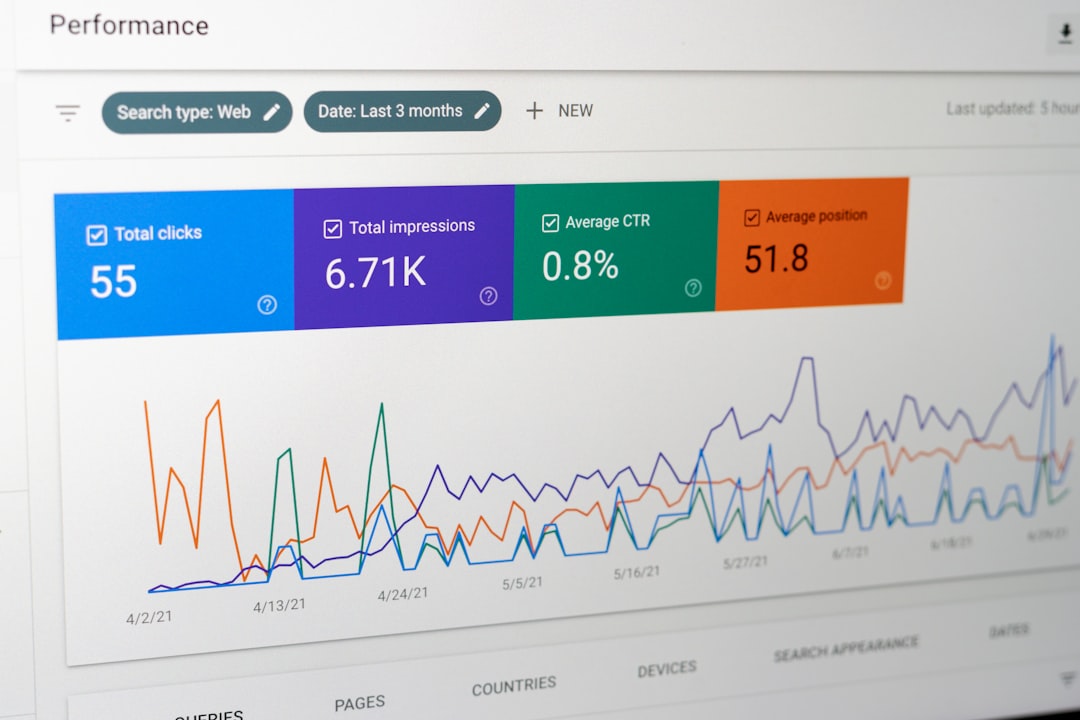

WordPress SEO services work best when they start with diagnosis, not tactics. Flat rankings usually point to a stack of smaller issues such as indexing gaps, weak page targeting, plugin conflicts, and thin internal links. The expert approach is to sort those problems in order so the work actually compounds instead of creating more noise.
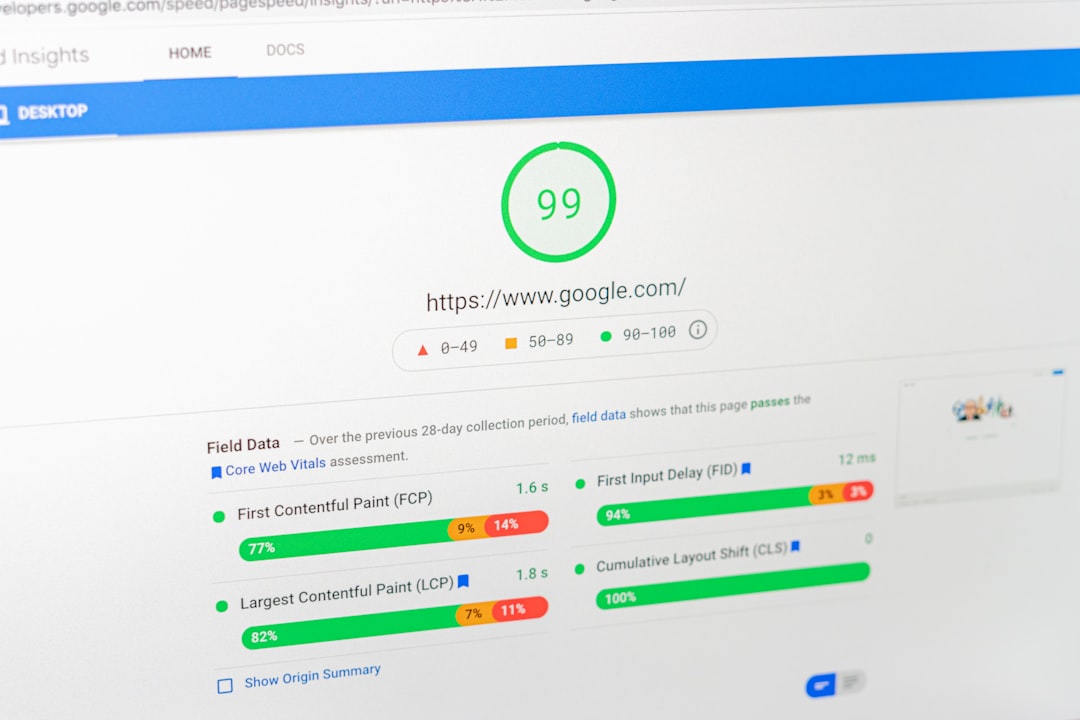
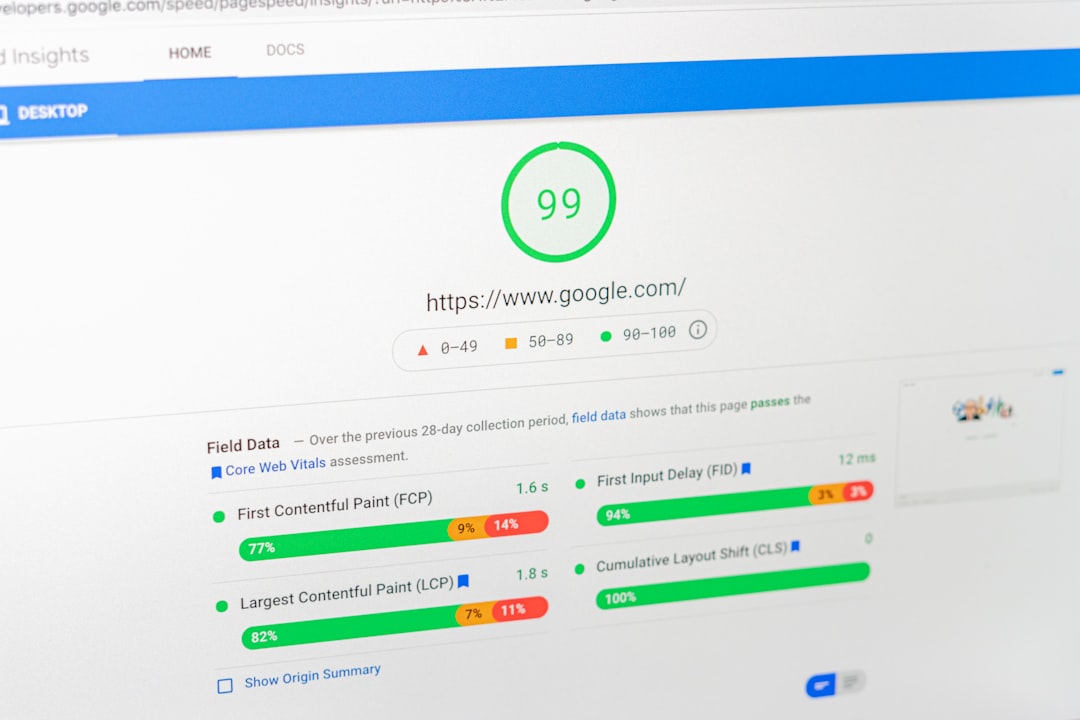
A green light in an SEO plugin does not mean the page deserves to rank. Strong WordPress SEO services focus first on crawlability, page purpose, site structure, and technical consistency, then move into titles, content, and authority-building. If you need a broader baseline first, review our practical guide for DIY WordPress site owners before changing a long list of settings.
What experts look at first

Experts start by checking whether the right pages can be crawled, indexed, and understood. Before rewriting copy or adding tools, they verify that important service, product, and category pages are accessible, internally linked, and not diluted by duplicate or low-value URLs.
This matters because WordPress is flexible enough to create preventable SEO problems. Archive pages, attachment URLs, overlapping plugins, and inconsistent templates can all send mixed signals. Google recommends descriptive page titles, crawlable links, and unique page descriptions, which is why experienced practitioners usually begin with technical and structural review before content expansion.
The expert order of operations
Good WordPress SEO services follow a sequence. Fix the issues that block visibility before the issues that polish visibility. That keeps site owners from spending hours tuning minor details while bigger problems still suppress rankings.
| Priority | What experts review | Why it comes early |
|---|---|---|
| 1 | Indexing and crawl access | Pages cannot rank if search engines cannot reach or index them correctly |
| 2 | SEO plugin conflicts and template output | Conflicting canonicals, metadata, or sitemaps create sitewide confusion |
| 3 | URL duplication, redirects, and canonicals | Duplicate versions dilute signals and waste authority |
| 4 | Title tags, H1s, and search intent alignment | These clarify what each page should rank for |
| 5 | Internal linking and page hierarchy | These reinforce importance and help discovery |
| 6 | Content depth and consolidation | Experts strengthen existing pages before publishing more thin pages |
| 7 | Schema and secondary enhancements | These support understanding but do not rescue weak foundations |
Why experts avoid plugin overload
One well-configured SEO plugin is usually enough. When experts find overlapping SEO plugins, schema plugins, and social metadata tools running together, they often simplify the stack first because duplicate output can create conflicting signals that are harder to diagnose than the original ranking issue.
This is especially common on sites that have changed hands or gone through redesigns. A cleanup often reveals that performance problems were not caused by missing features, but by cluttered configuration. If that sounds familiar, our post on fixing WordPress SEO setup problems is a useful next read.
How experts handle titles and on-page targeting
Experts write page titles to describe one clear topic and one clear intent. They do not stuff variations into every field. Google advises using descriptive, concise titles and avoiding repetitive boilerplate, so stronger title work usually means making pages clearer, not longer.
| Weak title | Stronger title |
|---|---|
| SEO Services | SEO Company | SEO Expert | WordPress SEO Services for Small Businesses |
| Blog | WordPress SEO Tips for Service Businesses |
| Home | WordPress SEO Consultant for Growth-Focused Sites |
They also separate page roles more carefully than most DIY setups do. A homepage targets the broadest commercial intent. Service pages target transactional terms. Blog posts answer informational questions and support commercial pages through internal links. When two pages chase the same intent, experts usually consolidate instead of forcing both to compete.
Internal links are part of the service, not an afterthought

Experienced WordPress SEO services treat internal linking as a core deliverable. Google can reliably crawl standard HTML anchor links, and descriptive anchor text helps both users and search engines understand the destination page. That makes internal links one of the cleanest ways to strengthen a site’s structure without adding more content.
In practice, that means linking informational posts to service pages, connecting related guides, and checking for orphan pages that only appear in a sitemap. Most stalled sites do not need more random publishing. They need clearer pathways between the pages that already exist.
If your rankings are flat and you are not sure whether the real problem is indexing, duplication, weak targeting, or plugin clutter, WordPress SEO Expert can help. We look for the pages and settings that are holding performance back before recommending more content or more tools.
How experts approach technical WordPress SEO
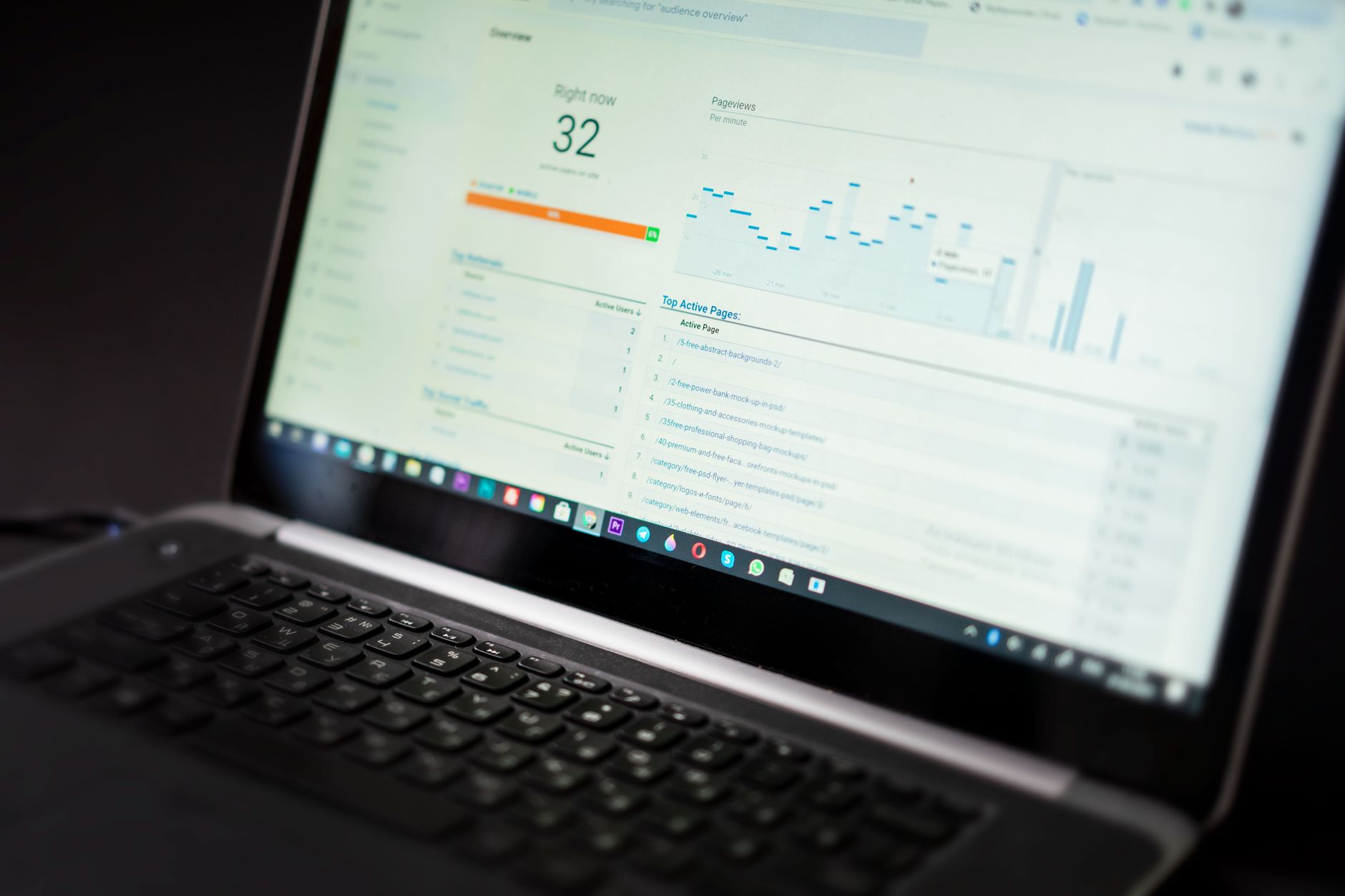
Technical review is usually where the biggest hidden problems show up. Experts check sitemap output, robots directives, archive indexation, canonical tags, redirect logic, and whether important pages are reachable through crawlable navigation and in-content links.
They also review page templates rather than sampling one URL and guessing from there. Homepage, blog post, category, product, and service templates can all behave differently. That is why a real WordPress SEO service should explain which template-level issues affect multiple pages and which fixes belong only on individual URLs.
Content strategy comes after the foundation
Experts do not jump straight into publishing calendars. They first decide which pages matter most, which search intents those pages should target, and where consolidation would create a stronger result than another near-duplicate article.
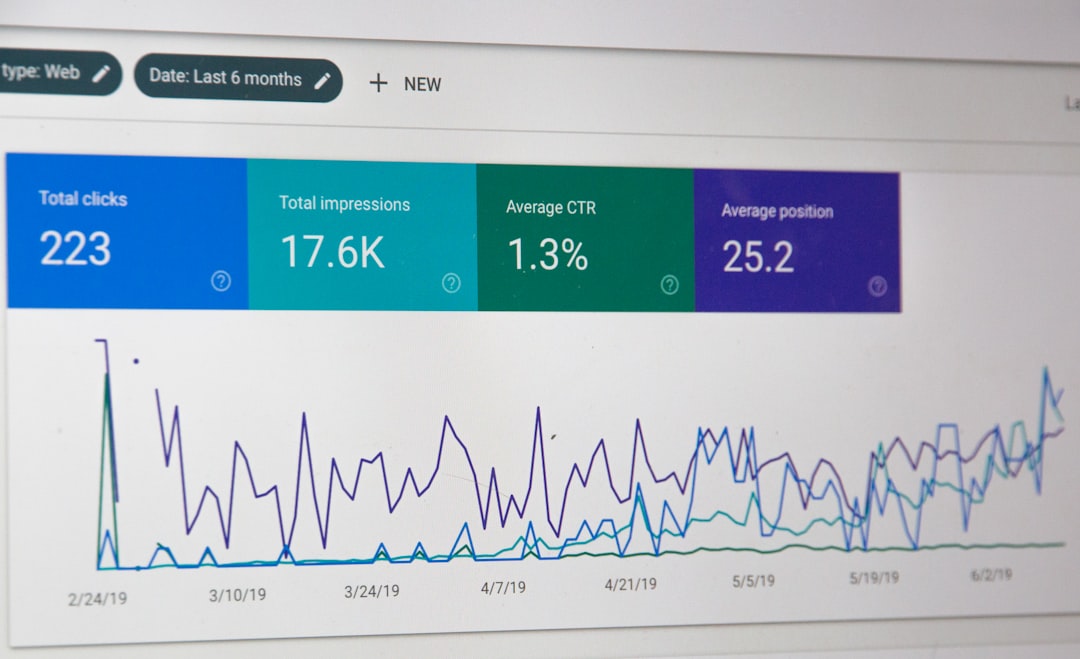
This is where many site owners waste effort. They add more posts while thin archives, weak titles, and overlapping topics are still unresolved. A better plan is to improve the pages that already earn impressions, strengthen their internal support, and merge weaker overlaps when needed. More content only helps when the site structure already supports it.
What a good WordPress SEO service should deliver
A strong service should leave you with clarity, not just tasks. You should understand what is blocking visibility, which fixes matter first, which pages deserve priority, and what your plugin setup should stop doing.
| You should get | Why it matters |
|---|---|
| A prioritized audit | Shows what to fix first instead of dumping a generic checklist |
| Template-level recommendations | Helps resolve problems affecting many pages at once |
| Page targeting guidance | Keeps pages from competing for the same intent |
| Internal linking recommendations | Strengthens structure and supports important URLs |
| Plugin simplification advice | Reduces conflicts and ongoing maintenance confusion |
| Clear next steps | Turns SEO from guesswork into an ordered plan |
The real difference is prioritization
The biggest difference between average and expert WordPress SEO services is not access to secret tactics. It is the ability to diagnose compounding issues, ignore distractions, and put the work in the right order. That is what turns scattered effort into measurable progress.
You do not need a perfect plugin score. You need a site that is easy to crawl, easy to understand, and clear about which pages matter most. Contact WordPress SEO Expert today to schedule a consultation. No pitch, no pressure. Just an honest look at what your site actually needs and whether your current setup is part of the solution or part of the problem.