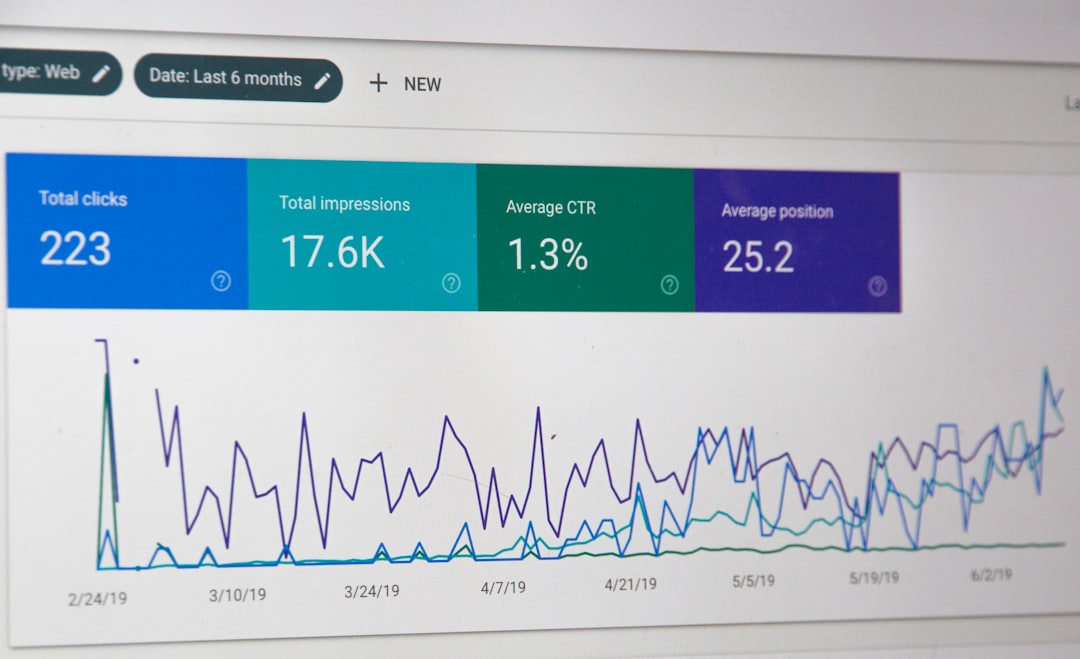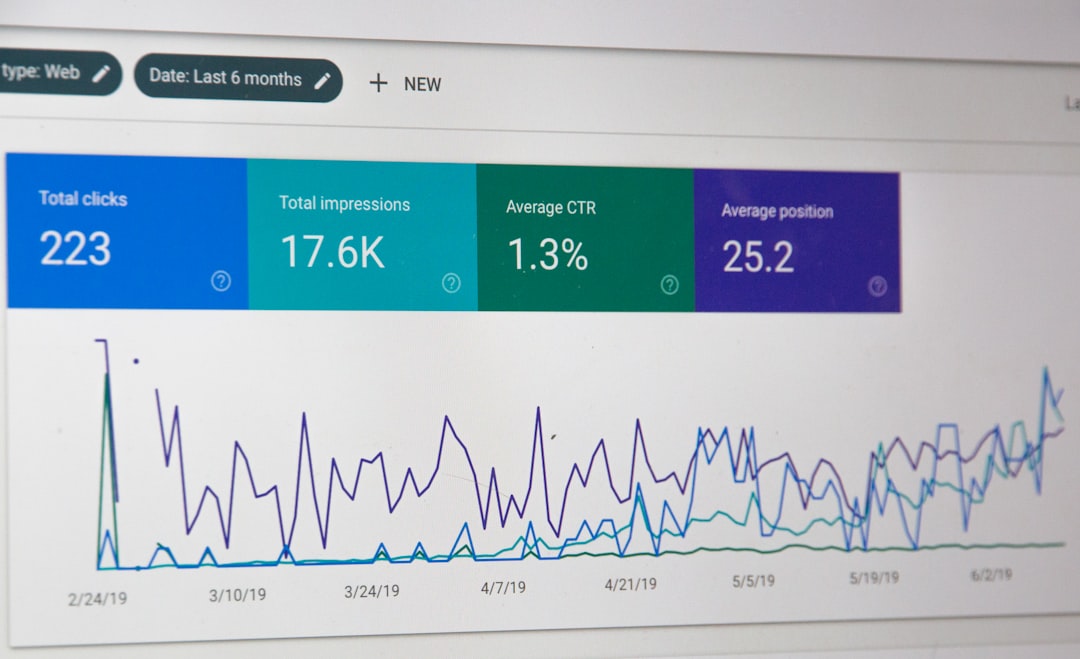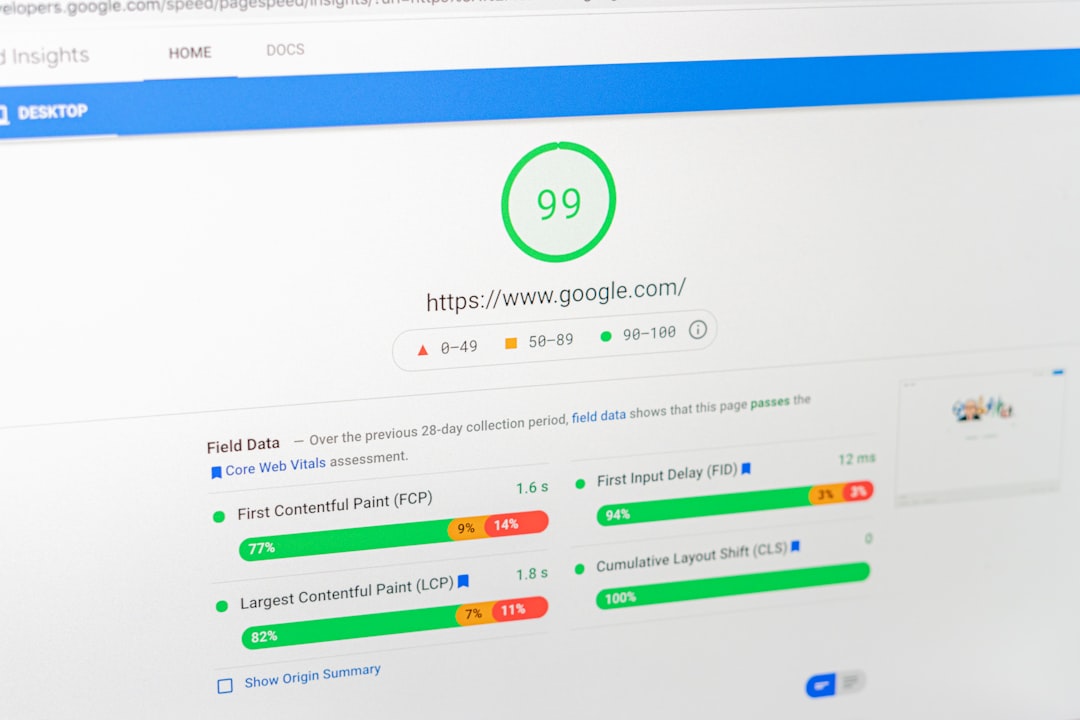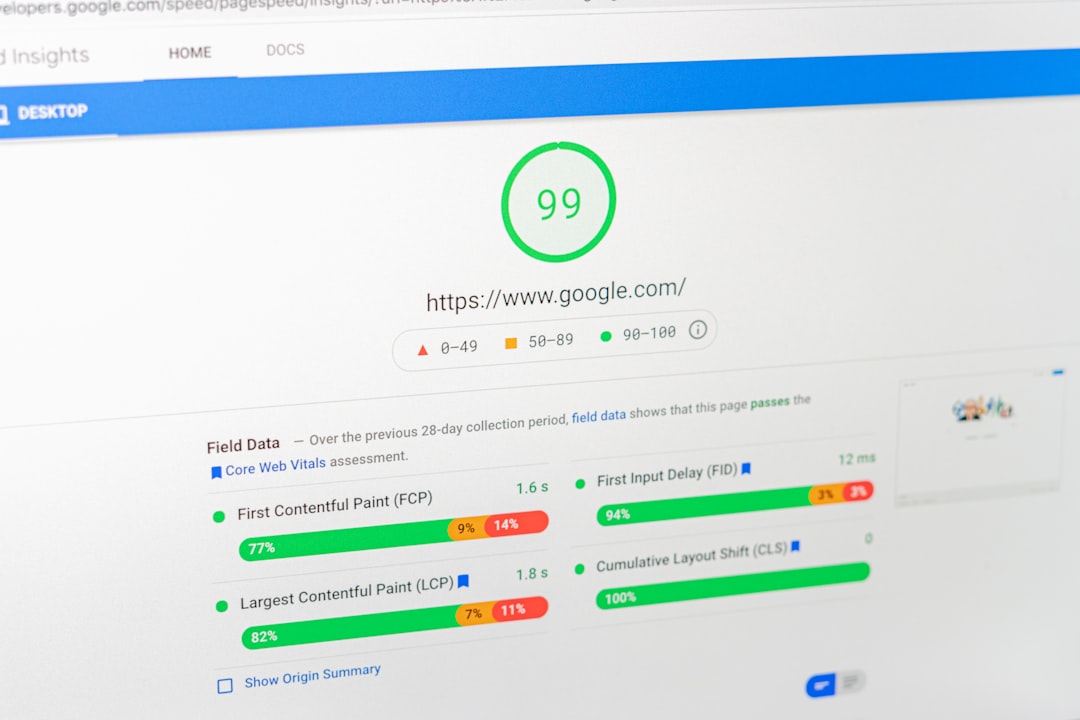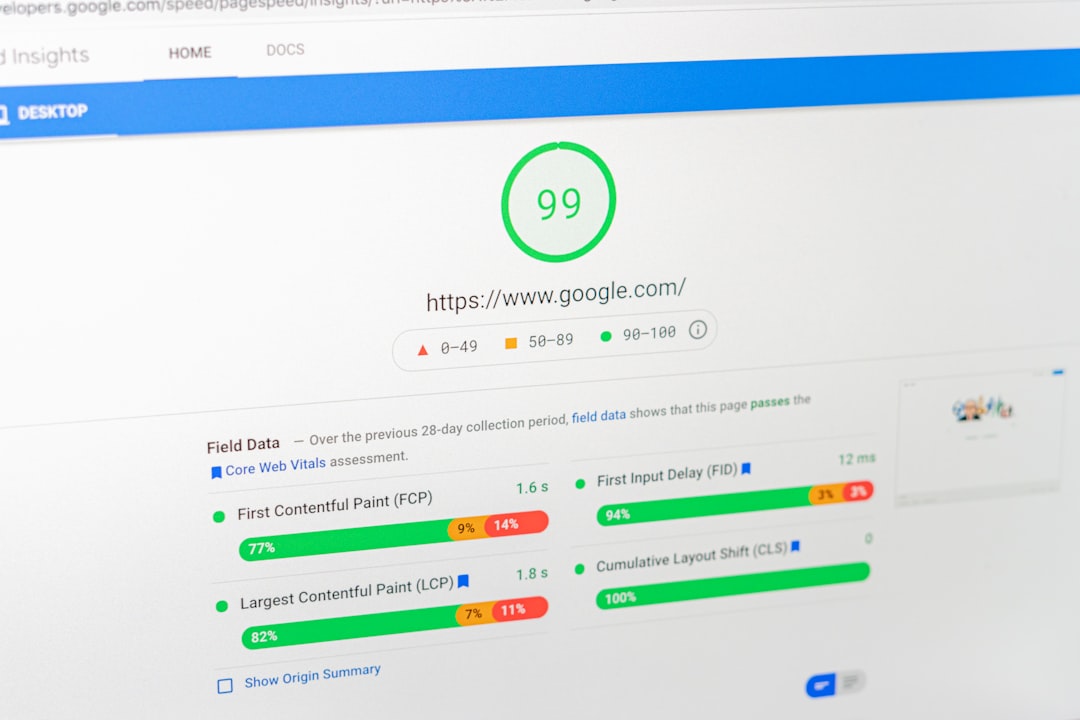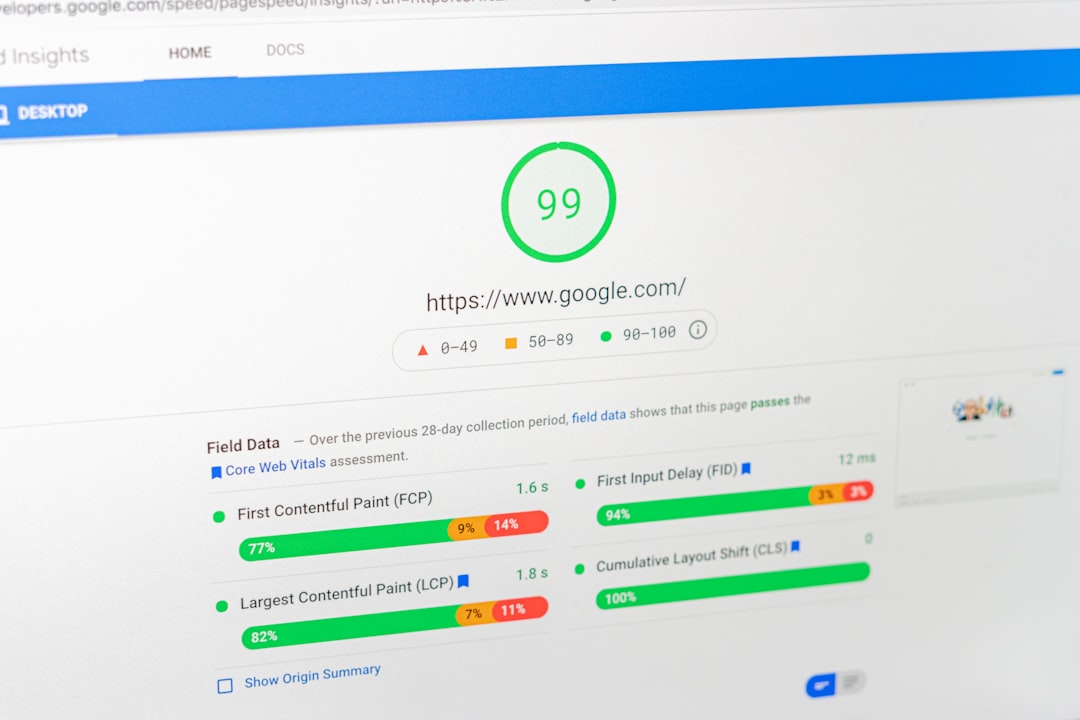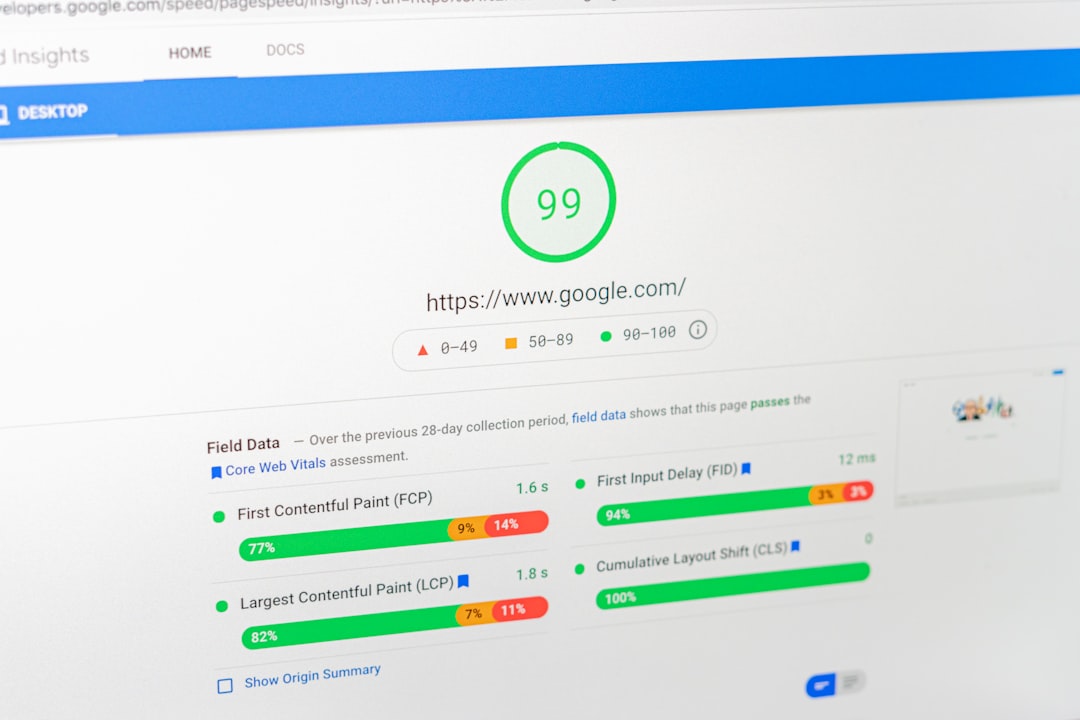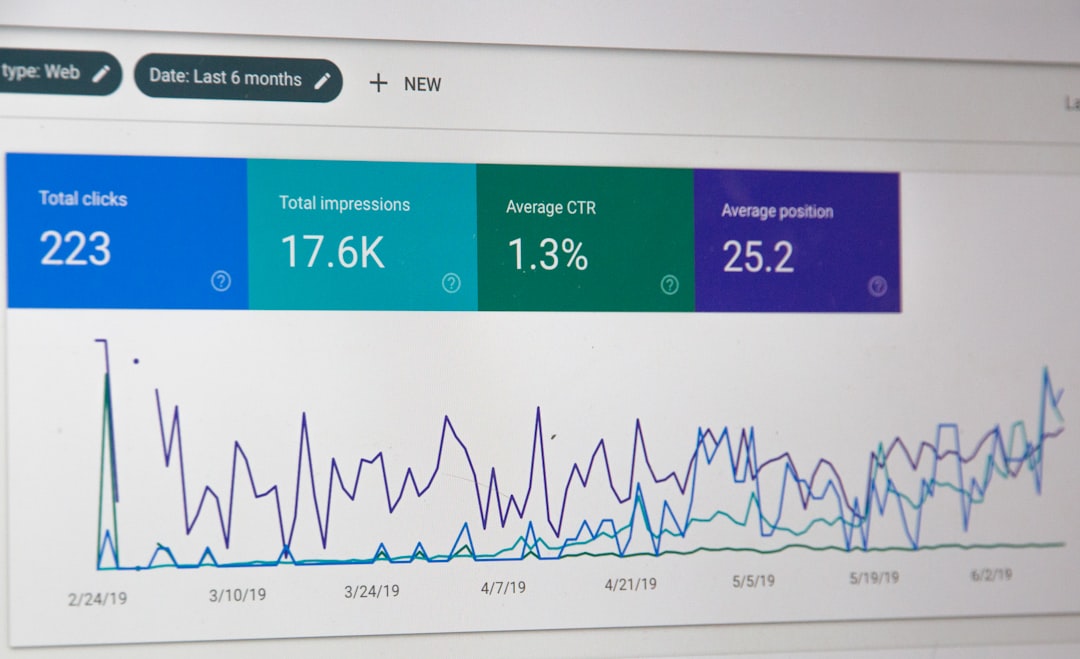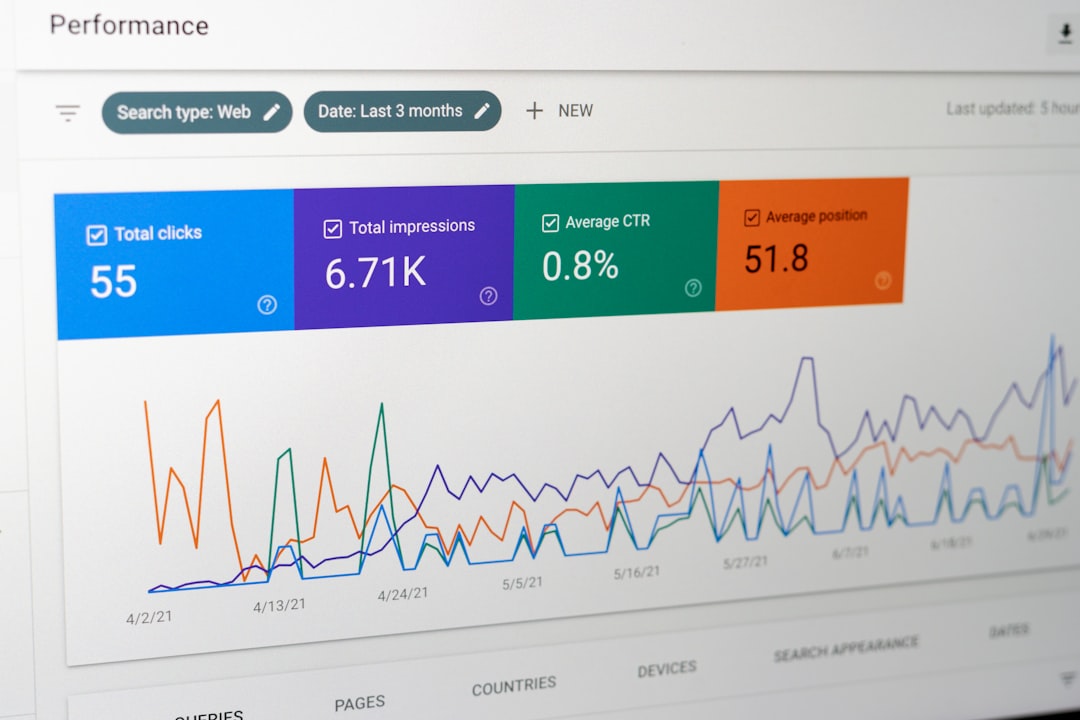

Effective WordPress SEO is not simply a checklist of keywords, plugins, and backlinks. A strong approach starts by understanding the website, its audience, its competitors, and the business goals behind the SEO campaign.
A WordPress SEO Consultant can bring these elements together into a structured optimization process.
They Start With the Business Goal
Before changing website settings, an SEO professional needs to understand what the business wants to achieve.
The goal may be:
- More qualified leads
- Increased ecommerce sales
- Better local visibility
- More organic traffic
- Greater brand visibility
- Improved performance of existing pages
This helps determine which SEO activities deserve priority.
They Analyze the Existing Website

Experts usually begin by reviewing the current website rather than immediately creating new content.
They may examine:
- Website structure
- Important landing pages
- Existing rankings
- Organic traffic
- Indexing
- Technical issues
- Content quality
- Internal links
- Backlinks
This creates a clearer picture of the website’s current position.
They Research the Audience
SEO works better when content reflects real customer questions and needs.
Keyword research can reveal what people search for, but search intent provides additional context.
For example, someone searching for “best WordPress SEO plugin” may be researching options, while someone searching for “WordPress SEO consultant” may be considering professional assistance.
The content should match that intent.
They Prioritize High-Impact Changes
Not every SEO issue deserves immediate attention.
A practical priority system might be:
| Priority | Example |
|---|---|
| High | Important pages not indexed |
| Medium | Weak page titles |
| Ongoing | Content updates |
| Long-term | Authority building |
This prevents a website owner from spending time on minor improvements while major problems remain unresolved.
They Look Beyond Keywords
Modern SEO requires more than placing a keyword in a heading.
An expert considers:
- Search intent
- Content usefulness
- Page experience
- Website structure
- Internal links
- Technical accessibility
- Topical relevance
Keywords remain useful, but they are part of a larger strategy.
They Build Connections Between Pages
A strong WordPress website has a logical relationship between its pages.
For example:
Main topic → Supporting content → Service page
Internal links can help users move through this structure while giving search engines additional context.
They Monitor Technical Changes

WordPress websites can change frequently because of plugins, themes, redesigns, updates, and new content.
A consultant should consider how these changes affect:
- Indexing
- URLs
- Performance
- Structured data
- Mobile usability
- Internal links
Monitoring helps identify problems before they affect a large number of pages.
They Measure Business Outcomes
Traffic is useful, but experts also look at what visitors do after reaching the website.
Depending on the business, important outcomes may include:
- Form submissions
- Phone calls
- Purchases
- Bookings
- Quote requests
This makes SEO reporting more connected to actual business objectives.
They Adapt the Strategy
SEO is an ongoing process. Search behavior, competitors, website content, and business priorities can change.
A strategy that worked several months ago may need adjustment.
Regular analysis can reveal:
- New keyword opportunities
- Declining pages
- Content gaps
- Technical problems
- New competitors
- Pages that deserve additional optimization
What Makes the Approach Practical?
The strongest SEO process is usually systematic rather than reactive.
It follows a cycle:
Audit → Research → Prioritize → Optimize → Measure → Improve
A WordPress SEO Consultant can apply this process while considering the technical and content characteristics of the WordPress platform.
The goal is to build a website that is useful to visitors, accessible to search engines, and aligned with the business’s long-term objectives.