Understanding How SEO Generates Business Leads
Search Engine Optimization helps businesses attract potential customers by improving their visibility in search engine results. When people search for products or services they need, an optimized website has a better opportunity to appear in front of them and introduce the business as a possible solution.
For businesses in Georgia, SEO can create opportunities to connect with customers who are actively researching local services, comparing providers, or preparing to make a purchase. Instead of depending entirely on traditional advertising, companies can use organic search to build a consistent source of relevant website visitors and potential inquiries.
What SEO Means for Lead Generation
Lead generation is the process of attracting people who may become customers and encouraging them to take an action that shows interest in a business. These actions can include calling a company, completing a contact form, requesting a quotation, booking a consultation, or asking for additional information.
SEO supports this process by helping a website appear when people search for relevant products, services, and solutions. When the website provides useful information and makes it easy to get in touch, search visibility can become an important source of business leads.
For example, a Georgia roofing company may want to attract homeowners searching for roof inspections, storm damage repairs, or roof replacement services. By optimizing relevant website pages for these searches, the company can reach people who may already need professional assistance.
How Search Engines Connect Businesses With Potential Customers
Search engines help users discover information by organizing and presenting relevant web pages in response to their searches. They consider numerous factors when determining which pages may be useful, including content relevance, website quality, usability, and other signals.
A business that provides clear, relevant information has a better opportunity to connect with people searching for its services. SEO experts work to improve website content, structure, and technical performance so search engines can understand the pages and present them for suitable searches.
The process does not end when someone visits the website. The business must also provide a helpful experience, explain its services clearly, and offer convenient ways to make contact. This combination of visibility and user experience helps turn search opportunities into potential leads.
The Difference Between Website Traffic and Qualified Leads
Website traffic refers to the number of visitors arriving at a website, while qualified leads are potential customers who have a genuine interest in the business’s products or services. A website may receive a large number of visitors without generating many useful inquiries.
For example, a Georgia pest control company might attract visitors searching for general information about insects. However, visitors searching for pest control services in their area may be more likely to request an inspection or treatment estimate.
This is why SEO should focus on attracting the right audience rather than simply increasing visitor numbers. Relevant keywords, useful service pages, and clear calls to action can help businesses attract people whose needs match the services they provide.
Why Organic Search Matters for Georgia Businesses
Organic search allows businesses to appear in unpaid search results when their website content is relevant to a user’s query. It can provide a valuable source of potential customers without requiring a payment for every website visit.
For businesses across Georgia, organic visibility can help reach customers in both major cities and smaller communities. A company may attract people searching for services in Atlanta, Savannah, Augusta, Macon, Athens, or other locations it genuinely serves.
Organic search also supports long-term marketing efforts. While results require time and consistent optimization, useful pages may continue attracting visitors after their initial publication. Businesses still need to maintain their websites, update important information, and adapt their strategies as customer behavior and competition change.
Why Lead Generation Is Important for Georgia Businesses
Generating leads is essential for businesses that want to grow their customer base and increase revenue. Without a consistent way to attract interested people, companies may struggle to maintain sales opportunities or plan their future growth.
SEO can support lead generation by connecting businesses with people who are already looking for relevant solutions. This makes it an important marketing channel for local service providers, professional firms, retailers, and companies serving customers throughout Georgia.
Reaching Customers Who Are Actively Searching
One of the major advantages of SEO is the ability to reach people who are already expressing interest through their searches. Someone searching for a particular service may have a specific problem and may be comparing businesses that can help solve it.
For example, a homeowner searching for an emergency electrician in Atlanta may need assistance soon. A website with relevant service information, clear contact details, and a convenient calling option can make it easier for that person to contact the business.
An SEO strategy should identify the searches that indicate customer interest and connect them with suitable website pages. This helps businesses attract visitors who are more relevant to their services and more likely to become leads.
Building a Consistent Flow of Potential Customers
Businesses need a steady flow of potential customers to support sales and future planning. SEO can contribute to this by improving visibility for relevant searches and creating multiple opportunities for people to discover the company.
A business may attract visitors through service pages, location pages, educational articles, and other useful resources. Each page can address a different customer need and guide visitors toward an appropriate next step.
Consistency is important because SEO performance can change with competition, search trends, and website updates. Regular keyword research, content improvements, and technical maintenance help businesses protect and develop their online presence.
Reducing Dependence on Paid Advertising
Paid advertising can help businesses reach potential customers quickly, but visibility usually depends on an ongoing advertising budget. Once campaigns stop, the traffic generated by those advertisements may decrease or disappear.
SEO offers another way to attract visitors through organic search results. It does not eliminate the need for paid advertising, but it can help businesses build an additional source of website traffic and inquiries.
A balanced marketing strategy may combine SEO with paid campaigns, social media, referrals, and other channels. Over time, a strong organic presence can help reduce the pressure to rely exclusively on paid promotions.
Supporting Business Growth Across Georgia
Georgia businesses often serve customers across several nearby cities, towns, or communities. SEO can help these companies reach relevant audiences by improving visibility for services and locations that match their actual operations.
For example, a home cleaning company may serve customers in Atlanta, Marietta, and nearby communities. A carefully planned strategy can create relevant service and location pages that explain where the company operates and what customers can expect.
Businesses should avoid targeting locations they do not serve or creating repetitive pages that offer no useful information. A successful local strategy focuses on genuine service coverage and provides visitors with accurate details.
Understanding the Georgia Search Market
A successful lead generation strategy begins with understanding the market and the people a business wants to reach. Georgia includes large metropolitan areas, growing suburbs, smaller towns, and rural communities, each with different customer needs and competitive conditions.
An SEO expert should research the areas where a business operates and identify how potential customers search for its services. This makes keyword selection, content planning, and local optimization more relevant.
Local Search Behavior in Georgia
Local search behavior refers to how people use search engines to find businesses, products, and services connected to a particular location. Customers may include city names, neighborhood names, service areas, or phrases such as near me when searching.
For instance, someone looking for a landscaping company may search for lawn care services in their city. Another person may search for an emergency plumber nearby because they need immediate assistance.
Businesses should understand the language their customers use and create content that responds to those searches. Keyword research, customer questions, and sales conversations can all provide useful insights into local search behavior.
Targeting Customers in Atlanta, Savannah, Augusta, and Other Cities
Businesses serving multiple Georgia locations need a strategy that reflects their actual service areas. A company operating in Atlanta may face different competition and customer search patterns from one serving Savannah, Augusta, Athens, or Macon.
Location-based keyword research can help identify opportunities in each market. For example, a professional cleaning company may target relevant searches connected to house cleaning in Atlanta or commercial cleaning in Savannah, depending on the services it provides.
Location pages should contain meaningful information rather than simply replacing one city name with another. They can explain available services, coverage details, customer needs, and ways to contact the business.
Understanding Local Competition
Competitor research helps businesses understand which companies are competing for visibility in their target market. An SEO expert may examine competitor websites, service pages, content quality, local business profiles, and search visibility.
This research can reveal opportunities to provide more useful information or improve areas where competing websites are weak. For example, competitors may have limited service descriptions, outdated content, or confusing contact options.
The objective is not to copy another business’s website or marketing strategy. It is to understand the market and identify ways to communicate the company’s services more effectively.
Identifying the Right Audience for Your Business
Not every website visitor is a suitable potential customer. Businesses should understand who they want to reach, what problems those people need to solve, and which services are most relevant to them.
A Georgia law firm, for example, may want to attract people looking for specific legal services rather than general visitors researching unrelated legal topics. A commercial cleaning company may focus on property managers, offices, and business owners instead of residential customers.
Defining the target audience helps an SEO expert select better keywords and create more relevant pages. It also supports stronger calls to action because the website can address the concerns and expectations of the people most likely to become customers.
Keyword Research That Attracts Qualified Leads
Keyword research helps businesses understand the search terms potential customers use when looking for products, services, and solutions. It is one of the most important steps in developing an SEO strategy focused on generating leads.
The goal is not to include as many keywords as possible. It is to identify relevant search phrases that connect the business with people who may need its services.
Finding High-Intent Keywords
High-intent keywords are search phrases that suggest a user has a clear interest in taking action. These searches may indicate that someone is comparing providers, requesting a service, or preparing to make a purchase.
For example, phrases such as hire a roofing contractor in Georgia, request a plumbing estimate, or book a local cleaning service may indicate stronger commercial intent than broad searches about home maintenance.
An SEO expert evaluates these phrases according to relevance, competition, search demand, and business value. The selected keywords should reflect services the company actually provides and customers it genuinely wants to attract.
Targeting Service-Based Search Terms
Service-based keywords describe the specific products or services a business offers. These terms are valuable because they connect website pages with people looking for a particular solution.
A Georgia HVAC company may target searches related to air conditioning repair, heating installation, HVAC maintenance, and system inspections. Each service may deserve its own page when there is enough useful information to explain the offering clearly.
Creating dedicated service pages allows businesses to answer specific questions and provide relevant calls to action. It also helps avoid placing unrelated keywords and information on a single general page.
Using Location-Based Keywords
Location-based keywords combine a service or product with a geographic term. They can help businesses reach customers searching for providers in specific areas.
Examples may include:
SEO services in Atlanta
Plumber in Savannah
Roof repair in Augusta
Landscaping company in Athens
Commercial cleaning in Macon
Electrician serving Marietta
Businesses should select location terms based on genuine service coverage and customer demand. An SEO expert can organize these keywords into relevant pages without creating unnecessary or repetitive location content.
Understanding Informational and Transactional Search Intent
Search intent describes the reason behind a user’s search. Understanding it helps businesses create the right type of content for different stages of the customer journey.
Informational searches usually involve learning about a topic or finding an answer. Transactional searches indicate a stronger interest in completing an action, while commercial investigation searches often involve comparing providers or evaluating available options.
A Georgia roofing company may attract informational visitors with a guide about identifying roof damage. It can reach people closer to hiring a contractor through detailed roof repair pages with clear service information and contact options.
Choosing Keywords That Support Conversions
A keyword may attract traffic without generating useful leads if it does not match the business’s services or customer needs. Businesses should evaluate keywords according to the potential value of the visitors they may attract.
An SEO expert can prioritize terms that connect with important services, relevant locations, and customer problems. They should also consider whether the website has a suitable page to answer the search.
Keyword performance should be reviewed over time. If a page attracts visitors but generates few inquiries, the business may need to improve its content, calls to action, or alignment with search intent.
Optimizing Your Website to Generate More Leads
A website should do more than appear in search results. It should help visitors understand the business, evaluate its services, and take the next step when they are ready to make contact.
Website optimization connects SEO visibility with lead generation. Even when a business attracts relevant visitors, confusing navigation, unclear service information, or difficult contact options can prevent those visitors from becoming potential customers.
Creating Clear and Effective Service Pages
Service pages explain what a business offers, who its services are intended for, and how customers can get assistance. Each important service should have a clear page when there is enough information to address its purpose properly.
For example, a Georgia pest control company may create separate pages for termite treatment, rodent control, mosquito services, and general pest inspections. Each page should explain the service, common customer concerns, and how to request assistance.
Strong service pages should use descriptive headings, clear language, relevant keywords, and useful details. They should also include an appropriate call to action so visitors know how to move forward.
Writing Compelling Page Titles and Meta Descriptions
Page titles and meta descriptions help communicate what a website page is about in search results. Clear, relevant wording can encourage users to choose a result that matches their needs.
A title should describe the page accurately and include the main topic naturally. A meta description can summarize the information available and explain why the page may be useful to the searcher.
For example, a Georgia landscaping business could use a page title that clearly describes its landscaping services and target service area. The description could mention the types of work offered and encourage visitors to explore the service page.
Improving Website Navigation
Website navigation helps visitors find important information without unnecessary effort. A confusing menu or poorly organized page structure can make people leave before they discover the services they need.
Businesses should organize their websites around the main services, locations, and useful resources. Important pages should be accessible through clear menu labels and relevant internal links.
A professional SEO expert can review the website structure and identify pages that are difficult to reach. Improving navigation helps visitors move naturally from general information to specific service details and contact options.
Adding Strong Calls to Action
A call to action encourages visitors to take a specific step. It may invite them to call the business, request a quote, schedule an appointment, or submit a contact form.
Effective calls to action should be easy to understand and placed where they make sense within the page. A service page may include a request-a-quote option near its main service explanation, while a consultation page may provide a simple booking process.
Businesses should avoid overwhelming visitors with too many competing messages. A clear next step can make the customer journey easier and increase the opportunity to generate qualified leads.
Making Contact Information Easy to Find
Visitors should not have to search extensively to find a business’s phone number, email address, location, or inquiry form. Contact details should be accurate and easy to access on both desktop and mobile devices.
For local service businesses, click-to-call functionality can be especially useful for smartphone visitors. Contact forms should request only the information needed to respond effectively, such as a name, contact method, and brief description of the requested service.
Businesses should also make sure that inquiries are monitored and answered promptly. A well-optimized website can generate interest, but a slow response may cause potential customers to contact a competitor.
Building Trust Through Website Content
Trust is an important part of lead generation because customers often compare several businesses before choosing one. Clear service explanations, genuine testimonials, relevant photographs, and accurate company information can help visitors make informed decisions.
Businesses can also include case studies, frequently asked questions, staff information, and examples of completed work when appropriate. These elements provide useful context and help potential customers understand the company’s experience and approach.
All claims should be accurate and supported by genuine business information. A trustworthy website should focus on clarity and transparency rather than exaggerated promises or misleading statements.

The Role of Local SEO in Generating Leads
Local SEO helps Georgia businesses connect with customers who are searching for products and services in their surrounding areas. When someone searches for a nearby service provider, they usually want a business that can respond quickly, understands the local market, and offers convenient solutions. A strong local SEO strategy makes it easier for your business to appear in these searches and attract people who are more likely to become customers.
Optimize Your Google Business Profile
Your Google Business Profile is an important part of local search visibility. It allows potential customers to find essential information about your business, including your address, phone number, website, operating hours, services, and customer reviews. Keeping this profile complete and accurate helps customers understand what you offer before visiting your website or contacting you.
Add relevant business categories, service descriptions, high-quality photos, and updated contact information. Regularly review your profile to ensure that opening hours, holiday schedules, and service details remain correct. Businesses that provide clear and consistent information can create a stronger first impression with local searchers.
Target Georgia Cities and Neighborhoods
Georgia businesses can attract more relevant leads by creating location-focused pages and content. For example, a company serving Atlanta, Savannah, Augusta, Macon, and Columbus may benefit from dedicated pages explaining its services in each location. These pages should include useful local information rather than simply replacing one city name with another.
Mention the areas you genuinely serve and explain how your products or services address local customer needs. Include relevant details such as service availability, local project examples, and frequently asked questions from customers in those areas. This approach helps search engines understand your service locations while giving potential customers more confidence in your business.
Maintain Consistent Business Information
Your business name, address, and phone number should remain consistent across your website, business directories, and online profiles. Inaccurate or conflicting information can confuse potential customers and make it harder for search engines to associate online listings with the correct business.
Review your important business listings regularly and correct outdated details. If your business changes its address, phone number, or operating hours, update the information wherever customers may find it. Consistency supports local visibility and helps customers contact you without unnecessary difficulty.
Creating Content That Turns Visitors Into Leads
Content marketing plays an important role in SEO lead generation because it answers customer questions and helps people make informed decisions. A visitor may discover your website through a search for information before they are ready to purchase. Helpful content can build trust during this early stage and encourage that visitor to contact your business when a need becomes more urgent.
Understand Your Customers’ Questions
Start by identifying the questions people ask before choosing a product or service. A Georgia homeowner looking for a roofing contractor may want to understand repair costs, material options, installation timelines, and warning signs of roof damage. A small business owner searching for marketing services may want information about pricing, expected results, and the difference between available service packages.
Create content that directly addresses these questions. You can gather ideas from customer conversations, sales inquiries, website search data, online reviews, and frequently asked questions. When your content addresses real concerns, it becomes more useful to the people most likely to become customers.
Publish Educational Blog Posts
Blog posts allow your business to cover topics that may not fit naturally on service pages. You can explain industry concepts, compare solutions, share practical tips, and discuss common customer problems. Educational content can attract visitors from a wider range of relevant searches and introduce them to your business.
For example, a Georgia landscaping company could publish articles about seasonal lawn care, choosing plants for the local climate, and preparing outdoor spaces for summer. A plumbing business could explain common drainage problems, signs of pipe damage, and when professional repairs are necessary. Each article should provide useful information and naturally guide readers toward relevant services.
Use Case Studies and Project Examples
Case studies demonstrate how your business solves real customer problems. They can explain the initial challenge, the work completed, and the outcome achieved. With the customer’s permission, include relevant details, photographs, and measurable results to make the example more credible.
Local project examples can be particularly useful because they show potential customers that your business has experience serving people in Georgia. Explain the type of work performed and the value delivered without exaggerating results. Honest examples help visitors evaluate your experience and decide whether your services match their needs.
Add Clear Calls to Action
Every important content page should guide visitors toward a useful next step. Depending on your business, this could be requesting a quote, scheduling a consultation, calling your team, booking an appointment, or submitting a contact form.
Place calls to action where they make sense within the visitor’s journey. A person reading an educational article may first want to explore a related service, while someone visiting a pricing page may be ready to request an estimate. Make the next step clear and avoid overwhelming visitors with too many competing options.
Using On-Page SEO to Improve Lead Generation
On-page SEO involves improving individual website pages so search engines and visitors can understand their purpose. It helps connect relevant search queries with the pages that provide the most useful answers. Strong on-page optimization can bring more qualified visitors to your website and make it easier for them to take action.
Write Relevant Page Titles and Meta Descriptions
Page titles help search engines and users understand what a page covers. Each important page should have a unique title that accurately describes its content and includes a relevant keyword where appropriate. Avoid repeating the same title across multiple pages because this can make it difficult to distinguish their purposes.
Meta descriptions provide a short summary that may appear in search results. Although they are not a direct ranking factor, clear descriptions can encourage relevant users to click. Explain the page’s value in natural language and make sure the description accurately reflects the information visitors will find.
Organize Content With Clear Headings
A well-organized page is easier to read, understand, and navigate. Use a clear heading structure that introduces the main topic and separates related information into logical sections. This also helps search engines interpret the subjects covered on the page.
Include relevant keywords naturally in headings where they accurately describe the section. Do not force keywords into every heading or repeat phrases unnecessarily. Focus on creating a structure that helps visitors quickly find the information they need.
Improve Internal Linking
Internal links connect related pages within your website. They help visitors discover additional information and allow search engines to understand how different pages relate to one another. For example, a blog post about local SEO can link to a service page explaining your SEO consulting services.
Use descriptive anchor text that tells readers what they can expect after clicking. Link to genuinely relevant pages rather than adding links simply to increase their number. A thoughtful internal linking structure can guide visitors from informational content toward service pages and contact opportunities.
Optimize Images and Visual Content
Images can make website pages more engaging, but large or poorly optimized files may slow down loading. Compress images without noticeably reducing their quality, use descriptive file names, and add meaningful alternative text where appropriate. These steps support accessibility and help search engines understand image content.
Choose visuals that strengthen the message of each page. For example, a contractor may use photographs of completed projects, while a professional service provider may include team photos or examples of its work. Authentic images can help visitors understand your business and build confidence in your services.
Technical SEO Improvements That Support Conversions
Technical SEO focuses on the behind-the-scenes elements that help search engines access, understand, and index your website. It also improves the experience visitors have when browsing your pages. A technically sound website reduces barriers that might prevent potential customers from finding information or completing an inquiry.
Improve Website Loading Speed
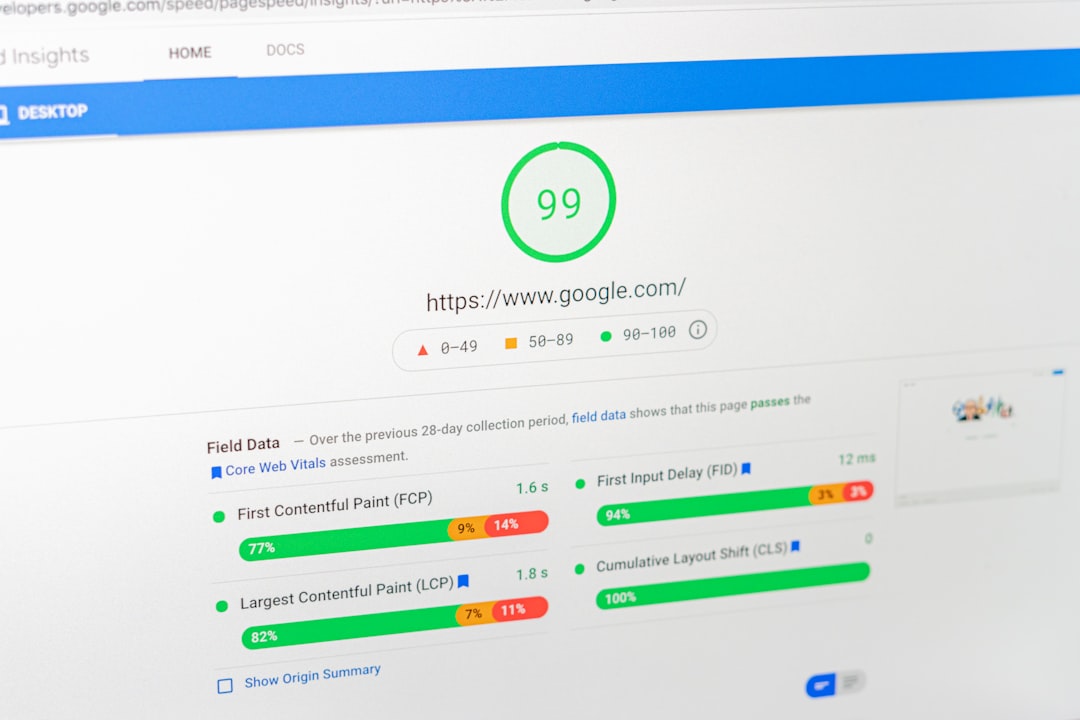
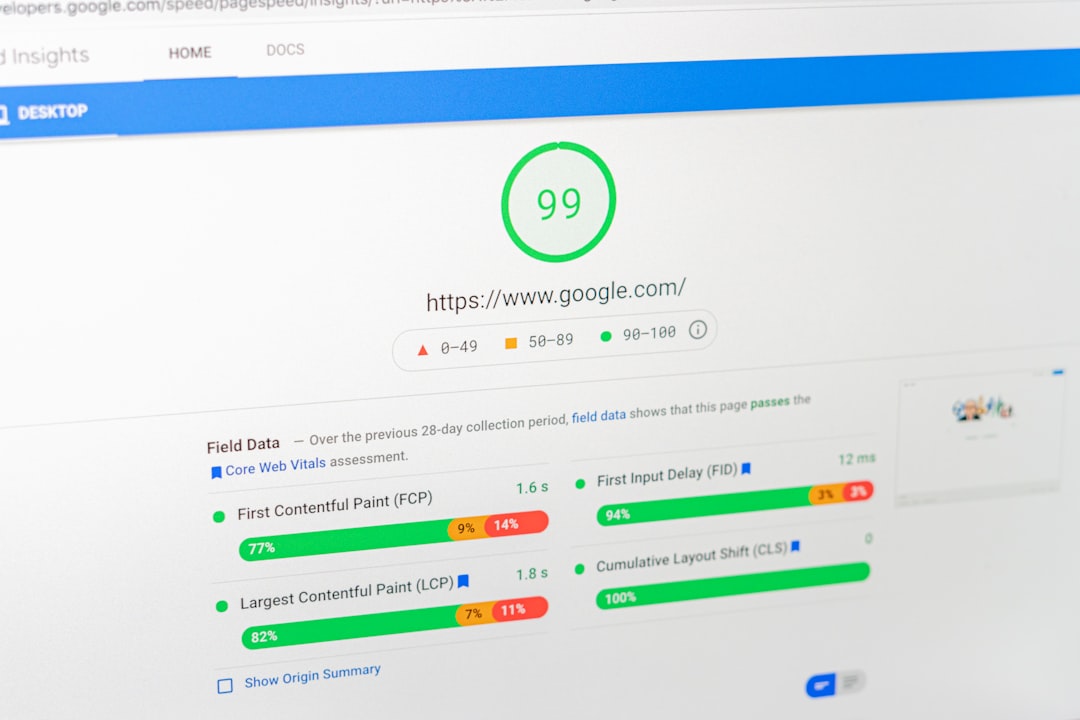
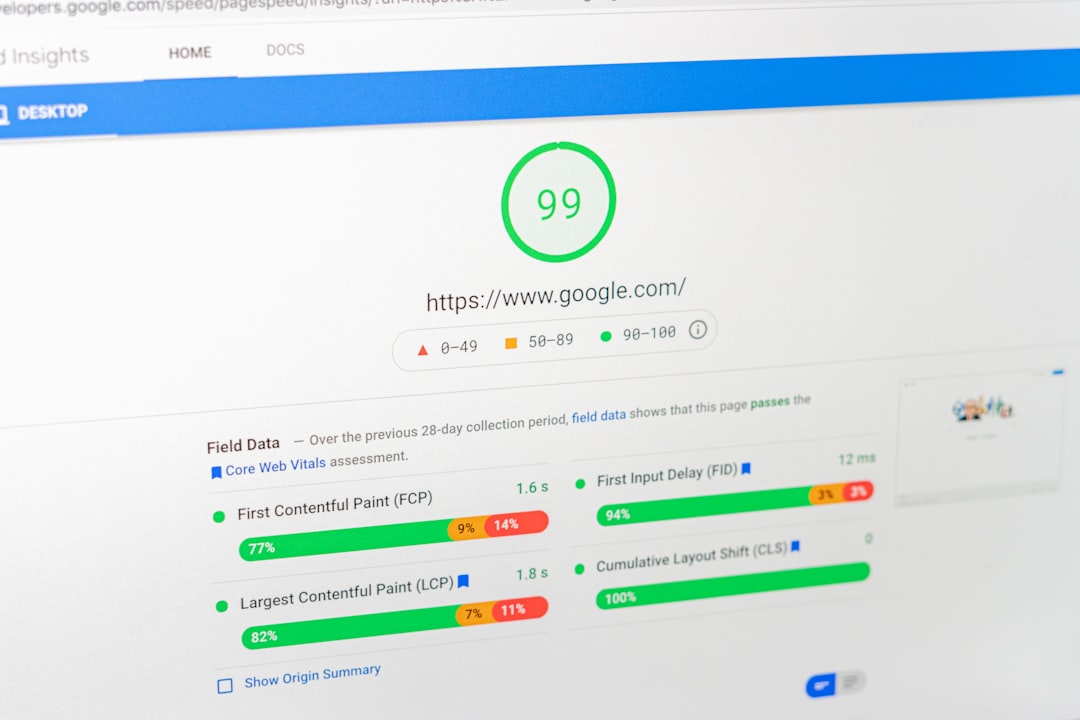
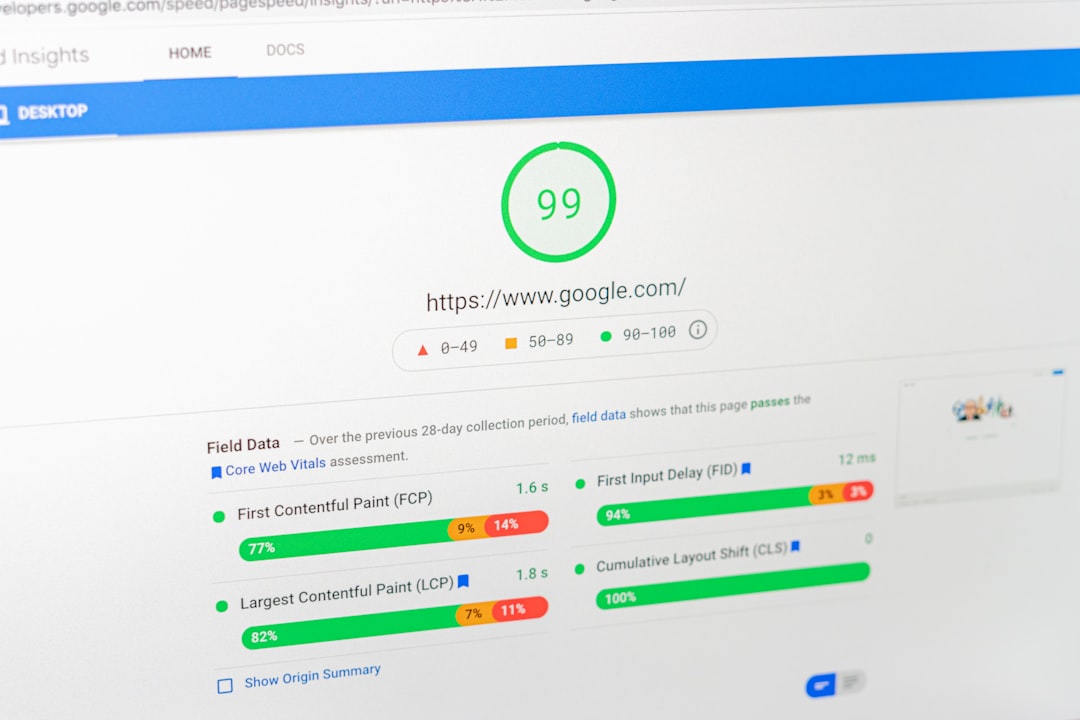
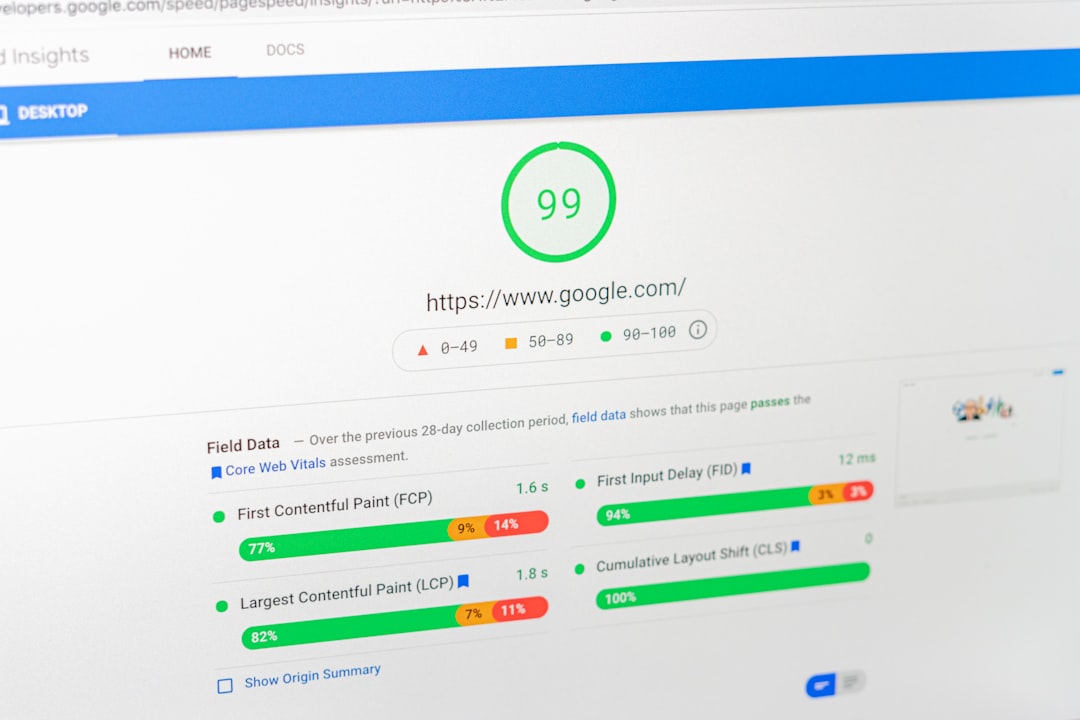
Website speed affects how easily visitors can use your pages. If a website takes too long to load, users may leave before reading your content or contacting your business. Slow pages can also create problems for people browsing on mobile devices or using weaker internet connections.
Reduce unnecessary scripts, compress images, use efficient hosting, and enable suitable caching. Review your website regularly to identify pages that load slowly. Focus on improvements that make the biggest difference to the visitor experience rather than changing technical elements without a clear purpose.
Make Your Website Mobile-Friendly
Many customers use smartphones to search for local businesses, compare services, and make calls. Your website should display properly on different screen sizes and allow visitors to navigate without difficulty. Text should be readable, buttons should be easy to tap, and important contact information should be accessible.
Test forms, menus, images, and phone links on mobile devices. Avoid layouts that require visitors to zoom in or scroll horizontally to understand the content. A smooth mobile experience makes it easier for potential customers to contact your business whenever they need assistance.
Secure Your Website With HTTPS
Website security is an important part of building customer trust. HTTPS helps protect information exchanged between a visitor’s browser and your website. It is especially important when customers submit contact details, request estimates, or use online booking forms.
Make sure your website has a valid SSL certificate and that all pages load securely. Check for mixed-content warnings and outdated links that may still direct visitors to insecure versions of your pages. A secure website creates a more professional experience and supports customer confidence.
Fix Broken Links and Indexing Issues
Broken links can frustrate visitors and prevent them from reaching important information. Regularly review your website for missing pages, incorrect redirects, and links that lead to errors. When a page has been permanently moved, use an appropriate redirect to guide visitors and search engines to the correct destination.
Also review your indexing settings to ensure that important pages can be discovered by search engines. Pages that should appear in search results must not be accidentally blocked through technical settings. Regular technical checks help keep your website accessible and organized as it grows.
Building Website Authority Through Off-Page SEO
Off-page SEO includes activities outside your website that help strengthen its reputation and online authority. Search engines consider various signals when evaluating the credibility and relevance of websites. Building genuine authority can support your ability to compete for valuable searches and attract customers who trust your business.
Earn Relevant Backlinks
Backlinks are links from other websites that point to your website. Links from relevant, trustworthy sources can help establish credibility and improve your website’s authority. However, the quality and relevance of links matter more than simply collecting a large number.
Create useful resources that other websites may naturally want to reference. These could include original research, practical guides, local business insights, or informative industry articles. You can also build relationships with relevant organizations, professional associations, and local publications to identify legitimate opportunities for collaboration.
Build Local Business Relationships
Georgia businesses can strengthen their online presence by developing relationships with other organizations in their communities. Participating in local business events, professional groups, and community initiatives may create opportunities for genuine online mentions and referrals.
Consider partnerships with businesses that serve related audiences without directly competing with your services. For example, a home renovation company may collaborate with local interior designers or property professionals. These relationships can support brand awareness while creating opportunities for relevant website references.
Share Valuable Content Across Relevant Channels
Promoting useful content through appropriate online channels can help more people discover your business. Share educational articles, project updates, announcements, and helpful resources through your social media profiles and professional communities. This can increase awareness and encourage people to visit your website.
Social media engagement is not a direct replacement for SEO, but it can support broader marketing efforts. Focus on sharing information that genuinely helps your audience rather than posting repetitive promotional messages. Consistent, useful communication can strengthen recognition of your business over time.
Turning Website Visitors Into Qualified Leads
Attracting visitors is only one part of successful SEO. Your website must also encourage the right people to take meaningful action. Conversion optimization focuses on removing obstacles and making it simple for potential customers to contact your business.
Create Simple Contact Forms
Contact forms should request only the information your business needs to respond effectively. Asking for too many details can discourage visitors from completing the form. Start with essential fields such as name, email address, phone number, and a short description of the customer’s requirements.
Use clear labels and explain what happens after submission. If visitors know when they can expect a response, they may feel more comfortable sharing their information. Test forms regularly to make sure submissions are received and confirmation messages work correctly.
Make Contact Information Easy to Find
Display your phone number, email address, and other contact options in visible locations. Many visitors want to contact a business quickly without searching through several pages. A clear contact page and accessible header or footer information can reduce unnecessary steps.
For local service providers, a clickable phone number can make mobile inquiries easier. If your business offers appointment scheduling or quote requests, make those options easy to locate. The goal is to help interested visitors move from researching your business to contacting your team.
Build Trust With Strong Website Elements
Visitors are more likely to consider a business when its website communicates credibility. Include accurate business information, customer testimonials, relevant certifications, examples of completed work, and clear service descriptions. These elements help answer the questions people may have before making a decision.
Avoid unsupported claims and exaggerated promises. Explain your process, service areas, and what customers can realistically expect. Transparent information can help attract better-qualified inquiries and reduce misunderstandings during the sales process.
Match Landing Pages to Search Intent
A landing page should match the reason someone searched for a particular service. A visitor searching for emergency plumbing assistance should find a page that explains the relevant service and provides a clear way to request help. Sending that visitor to a general homepage may create unnecessary confusion.
Create focused landing pages for important services and locations where appropriate. Make sure each page contains useful information, relevant keywords, and a clear call to action. When the page matches the visitor’s needs, the likelihood of a meaningful inquiry can improve.
Using Customer Reviews to Increase Lead Generation
Online reviews influence how people evaluate businesses before making contact. Potential customers often compare ratings, read feedback, and look for signs that a company delivers reliable service. Positive and detailed reviews can strengthen trust, especially when customers are choosing between several local providers.
Encourage Genuine Customer Feedback
Ask satisfied customers to share honest feedback after completing a purchase or service. Make the process simple by providing a direct review link and explaining that their opinions help your business improve. Never pressure customers to leave positive reviews or offer incentives in exchange for favorable ratings.
A steady flow of authentic reviews can help potential customers understand what working with your business is like. Encourage feedback about specific aspects of the experience, such as communication, service quality, professionalism, and reliability. Genuine details are often more helpful than short comments that provide little context.
Respond to Positive and Negative Reviews
Responding to reviews shows that your business pays attention to customer experiences. Thank customers for positive feedback and acknowledge the specific points they mention. This creates a more personal interaction and demonstrates appreciation for their time.
Negative reviews should receive calm, professional responses. Acknowledge the concern, avoid arguing publicly, and offer an appropriate way to discuss the issue privately. Thoughtful responses can show potential customers that your business takes feedback seriously and is willing to address problems.
Use Reviews to Understand Customer Needs
Customer feedback can reveal recurring questions, service strengths, and areas that need improvement. If several customers mention the same concern, consider whether your website should provide clearer information about that topic. Reviews can also help identify the benefits customers value most.
With permission where needed, you may feature selected testimonials on relevant website pages. Keep the wording accurate and do not change the meaning of a customer’s feedback. Honest testimonials can support trust and help visitors feel more confident about contacting your business.
Measuring SEO Lead Generation Performance
SEO should be evaluated through meaningful business outcomes rather than rankings alone. A website may receive more visitors without generating additional inquiries or sales. Tracking the right performance indicators helps you understand whether your SEO activities are attracting potential customers and supporting business growth.
Track Organic Website Traffic
Organic traffic refers to visitors who reach your website through unpaid search engine results. Monitor how this traffic changes over time and identify which pages attract the most visitors. Look beyond total visits by examining whether people are landing on relevant service pages and location-focused content.
Compare performance across different periods to identify trends. A rise in organic traffic may indicate improved visibility, but it should be evaluated alongside engagement and conversion data. The objective is to attract visitors who are genuinely interested in your services.
Monitor Leads and Conversion Rates
Track actions that represent real business opportunities, such as contact form submissions, phone calls, appointment requests, and quote inquiries. These conversions help you understand whether website visitors are taking meaningful steps toward becoming customers.
Calculate the conversion rate by dividing the number of conversions by the number of relevant website visits, then multiplying by 100. For example, if a service page receives 500 visits and generates 25 inquiries, its conversion rate is 5 percent. This information can help you identify pages that perform well and pages that may need improvement.
Evaluate Keyword Performance
Review the search queries that bring people to your website. Pay attention to keywords connected to your services, locations, and customer needs. Ranking for broad informational terms can increase visibility, but commercial and local searches may be more closely connected to inquiries.
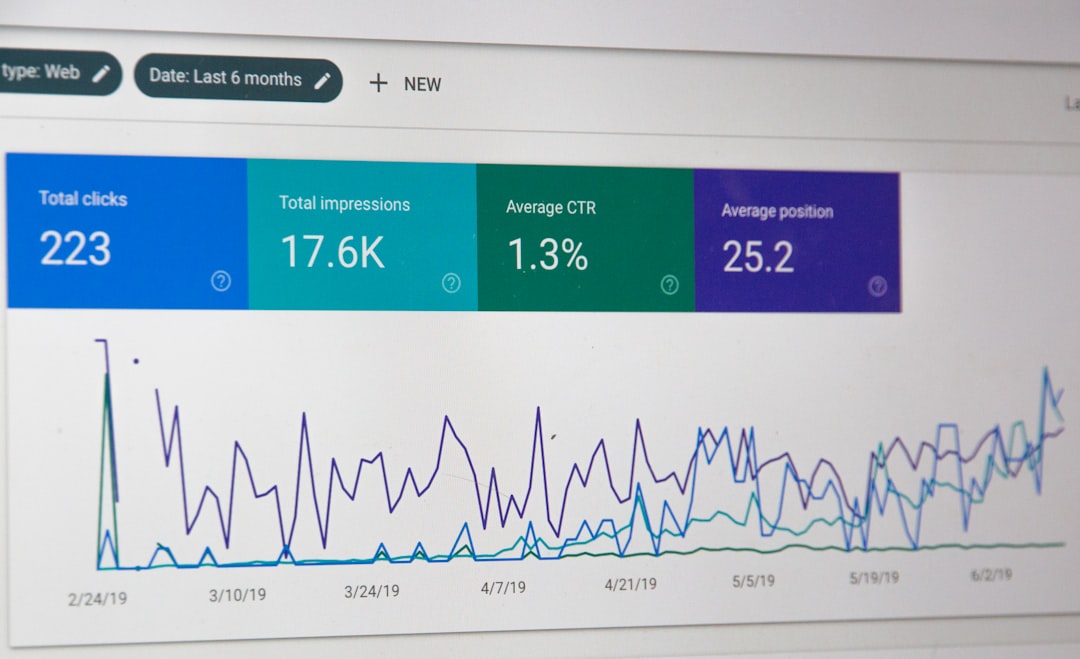
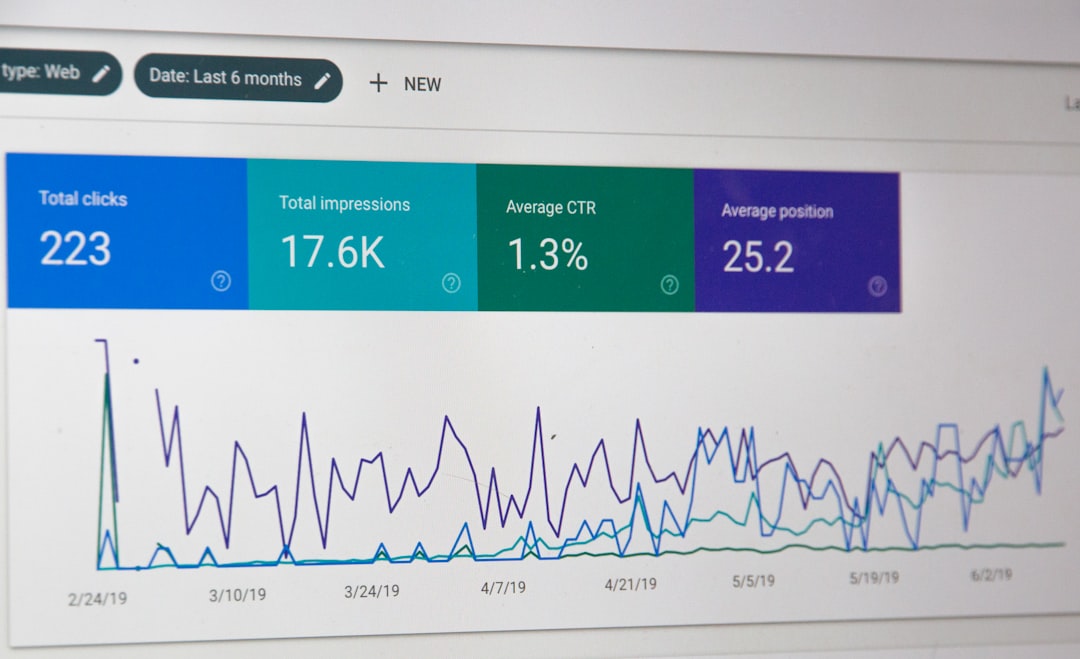
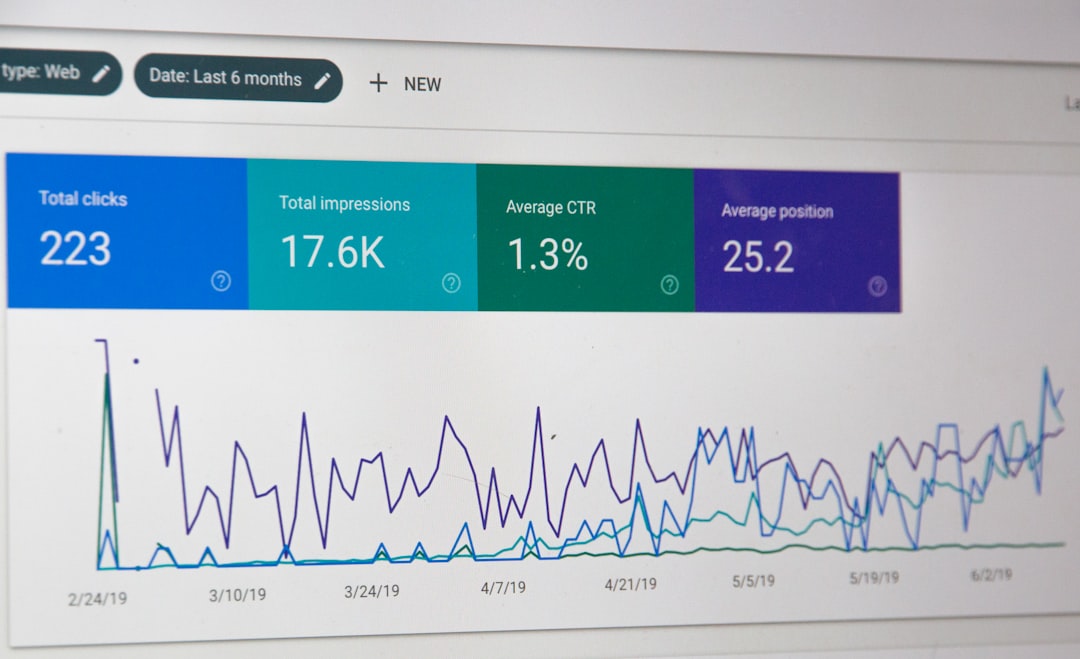
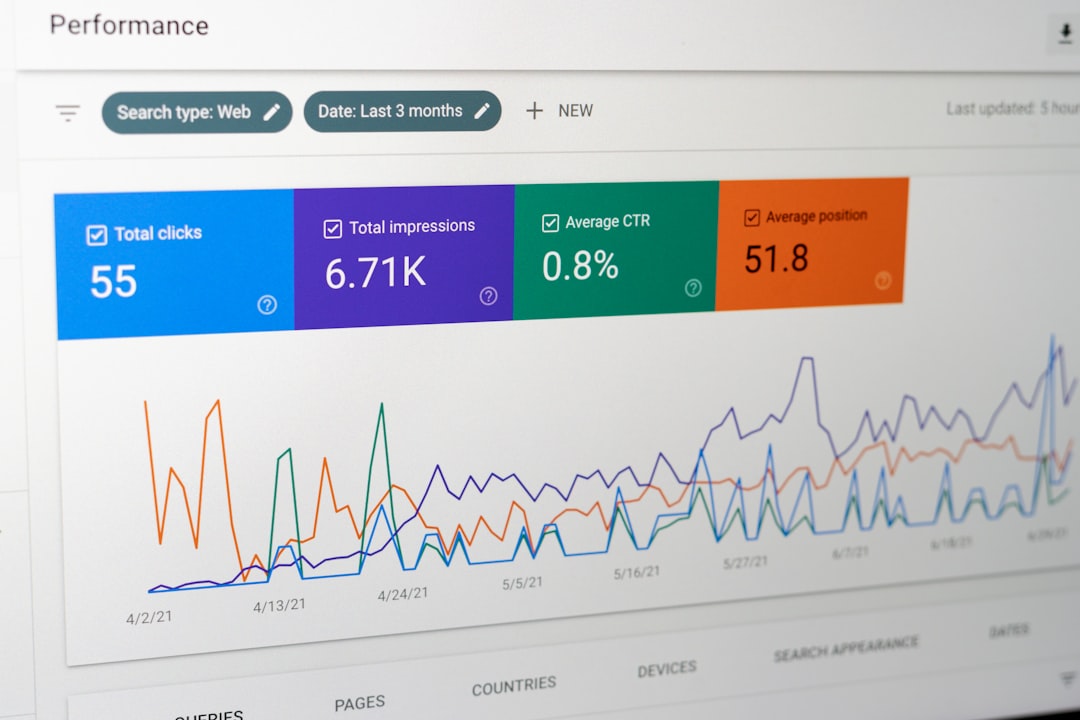
Use keyword performance data to identify opportunities for new pages and content improvements. If a page receives impressions but few clicks, its title and description may need attention. If it receives clicks but few inquiries, review the page’s content, trust signals, and calls to action.
Review Lead Quality and Business Results
Not every inquiry represents a suitable customer. Some visitors may be outside your service area, looking for a different type of service, or simply researching without an immediate need. Record which leads are relevant and which ones eventually become paying customers.
Compare lead quality across different pages, keywords, and marketing campaigns. This can reveal which SEO activities generate the strongest business opportunities. By connecting search performance with actual sales outcomes, Georgia businesses can make better decisions about where to invest their marketing resources.

Common SEO Mistakes That Prevent Businesses From Getting Leads
SEO can help Georgia businesses attract potential customers, but certain mistakes can limit results and reduce the number of inquiries a website generates. A business may invest time and money in optimization without seeing meaningful growth if its strategy focuses on the wrong priorities. Identifying and correcting these problems can improve search visibility, website performance, and lead generation.
Targeting the Wrong Keywords
One common mistake is choosing keywords based only on search volume. A keyword may attract thousands of visitors but still generate very few leads if those visitors are not interested in the services your business provides. Businesses should focus on search terms that reflect customer needs, service requirements, and purchasing intent.
For example, a Georgia-based roofing company may receive more valuable inquiries from people searching for roof repair services in their area than from visitors searching for general roofing information. Research keywords according to relevance, location, competition, and search intent. This helps attract visitors who are more likely to become customers.
Ignoring Local SEO
Businesses that serve specific communities can miss valuable opportunities by focusing only on broad search terms. Local customers often search for nearby companies because they want convenient services and providers who understand their area. Without local SEO, your business may struggle to appear when potential customers search for relevant services in Georgia.
Optimize your business profile, maintain accurate contact information, and create useful location-focused website content. Include the cities and communities you genuinely serve, and make your service areas clear. These improvements can help your business connect with customers who are actively looking for local solutions.
Publishing Low-Quality Content
Publishing large amounts of content does not automatically improve SEO. Articles that repeat information, provide little practical value, or target unrelated keywords may fail to attract qualified visitors. Searchers want useful answers that help them understand a problem or make a decision.
Create content based on genuine customer questions and provide clear, accurate information. Use examples, explanations, and practical advice to make each page valuable. Review existing content regularly and improve or remove material that no longer serves your audience.
Neglecting Website Performance
A website that loads slowly, displays incorrectly on mobile devices, or contains broken links can discourage potential customers. Even if people discover your business through search results, a poor website experience may prevent them from contacting you. Technical problems can also make it harder for search engines to access and understand your pages.
Test your website across different devices and browsers. Check loading speed, navigation, contact forms, security, and indexing settings. Regular maintenance helps ensure that visitors can access important information without unnecessary difficulties.
Expecting Immediate SEO Results
SEO is a long-term marketing strategy, not an instant lead-generation solution. Businesses sometimes stop their efforts too early because they expect rankings and inquiries to increase within a few days. Search visibility depends on several factors, including competition, website condition, content quality, and the authority of the website.
Set realistic expectations and evaluate progress consistently. Some improvements may become visible sooner than others, while competitive keywords may require sustained work. A well-planned strategy focuses on gradual improvements that can support long-term business growth.
Failing to Track Conversions
Another major mistake is measuring SEO success through rankings and website traffic alone. These indicators provide useful information, but they do not show whether visitors are contacting your business or becoming customers. Without conversion tracking, it can be difficult to identify which activities are producing meaningful results.
Set up tracking for important actions such as calls, form submissions, appointment bookings, and quote requests. Review lead quality and connect website activity with business outcomes whenever possible. This helps you invest in the pages and keywords that contribute most to growth.
How to Build a Long-Term SEO Lead Generation Strategy
A successful SEO strategy requires consistent planning, implementation, measurement, and improvement. Georgia businesses should approach SEO as an ongoing investment that supports customer acquisition rather than a one-time website project. A structured plan makes it easier to prioritize activities and understand how each improvement contributes to lead generation.
Start With a Complete Website Audit
Before introducing major changes, evaluate the current condition of your website. A website audit can identify technical errors, weak content, missing keywords, slow-loading pages, broken links, and other issues that may affect search visibility. It also helps determine which existing pages already attract useful traffic.
Review your website structure, service pages, location pages, mobile experience, and conversion opportunities. Identify the most important problems and prioritize them according to their potential impact. Fixing foundational issues first can make future SEO work more effective.
Set Clear and Measurable Goals
Your SEO goals should connect directly with your business objectives. Instead of focusing only on achieving higher rankings, decide how many qualified inquiries you want to generate and which services you want to promote. Clear goals make it easier to measure progress and adjust your strategy.
For example, a Georgia-based home improvement company may want to increase quote requests for specific services in its main service areas. A professional consulting firm may focus on generating consultation bookings from business owners. The right goals depend on your industry, available resources, competition, and growth plans.
Develop a Consistent Content Plan
Content should be created according to the questions and needs of your target customers. Plan service pages, location-focused content, educational articles, and helpful resources around relevant search topics. This creates opportunities to reach potential customers at different stages of their decision-making process.
Publish consistently without sacrificing quality. Update older articles when information changes, add useful details to important service pages, and identify new topics based on customer questions. A well-maintained content library can continue attracting relevant visitors over time.
Improve Your Website Based on Performance Data
Use analytics and search performance information to understand how people interact with your website. Identify pages that attract visitors but generate few inquiries, and investigate why those visitors may not be taking action. Sometimes a clearer service description, stronger call to action, or simpler contact form can make a meaningful difference.
Review performance regularly and test improvements where appropriate. Avoid changing every part of your website at once because this can make it difficult to understand which changes influenced the results. A measured approach allows you to learn from performance data and improve your website gradually.
Build Authority and Maintain Local Visibility
Long-term SEO growth requires more than publishing content and adjusting website keywords. Continue building genuine relationships with relevant organizations, earning trustworthy backlinks, maintaining business listings, and encouraging authentic customer reviews. These activities can strengthen your reputation and help potential customers recognize your business.
Stay active in the communities you serve and keep your business information accurate. Share useful updates, participate in relevant local opportunities, and demonstrate your experience through genuine work examples. Consistent reputation-building can support both search visibility and customer trust.
Choosing the Right SEO Expert in Georgia
Working with an experienced SEO professional can help businesses develop a focused strategy, identify growth opportunities, and avoid common optimization mistakes. However, choosing the right provider requires careful evaluation. The best SEO expert should understand your business goals, communicate clearly, and focus on generating meaningful results rather than making unrealistic promises.
Look for Relevant Industry Experience
An SEO expert should understand how search optimization works and how it applies to your industry. Experience with local businesses can be especially valuable when your customers come from particular cities or service areas in Georgia. Ask about previous projects, the types of businesses supported, and the strategies used to address similar challenges.
Review examples of completed work and ask how success was measured. Look for evidence of improvements in relevant search visibility, website performance, qualified inquiries, or other business outcomes. A professional should be able to explain their approach without relying on vague claims.
Understand Their SEO Process
A reliable SEO professional should explain what their service includes and how the work will be performed. This may involve keyword research, technical audits, on-page optimization, local SEO, content development, link building, and performance reporting. The exact strategy should be based on your website condition and business priorities.
Ask how the provider identifies opportunities and decides which tasks should be completed first. They should also explain how they measure progress and adapt the strategy when results change. Clear processes help you understand what you are paying for and what work is being completed.
Avoid Unrealistic Ranking Guarantees
Be cautious of providers who promise guaranteed first-place rankings or instant results. Search engines use complex systems, and no SEO professional can control every ranking factor or guarantee a specific position. Promises that sound too good to be true may indicate risky practices or unrealistic expectations.
Instead, choose someone who discusses achievable goals and explains the factors that influence performance. A trustworthy expert should be transparent about possible challenges, competition, timelines, and limitations. Honest communication is more valuable than exaggerated promises.
Compare Services and Pricing Carefully
SEO pricing can vary depending on the size of your website, the competitiveness of your industry, the number of service locations, and the amount of work required. A low-cost package may not provide the depth of service your business needs, while an expensive package is not automatically the best option.
Compare proposals based on deliverables, experience, communication, and expected business value. Ask whether content creation, technical improvements, local optimization, and reporting are included. Choose a service that fits your goals and budget while providing a clear explanation of the work involved.
Prioritize Communication and Reporting
Your SEO expert should provide regular updates that explain completed tasks, performance changes, and upcoming priorities. Reports should be understandable and connected to business objectives. Rankings and traffic are useful indicators, but qualified leads and conversions should also be considered.
A good working relationship involves clear communication and realistic expectations. You should be able to ask questions, understand the strategy, and receive meaningful explanations about progress. This makes SEO a collaborative process rather than a service you pay for without knowing what is happening.
Why Choose DealMate
Choosing the right SEO partner can make a significant difference in how effectively your business attracts customers online. DealMate focuses on helping businesses understand the importance of search visibility, local optimization, useful content, and website performance. A practical SEO approach should connect these activities with the goal of generating relevant inquiries and supporting sustainable growth.
A Strategy Focused on Business Goals
Every business has different customers, services, competition, and growth priorities. DealMate emphasizes the importance of understanding these factors before selecting SEO activities. A strategy built around your business objectives can help focus attention on the search opportunities that matter most.
Local SEO for Better Visibility
Local search visibility is valuable for businesses that serve customers in particular Georgia communities. Optimizing business information, targeting relevant local searches, and creating helpful location-focused content can make it easier for nearby customers to discover your services. A consistent local SEO strategy also supports a stronger online presence.
Content That Supports Customer Decisions
Useful content helps potential customers understand their options and evaluate your business. DealMate recognizes the value of creating informative website pages and articles that address customer questions. Well-planned content can attract relevant visitors, demonstrate expertise, and guide people toward taking the next step.
A Long-Term Approach to Growth
SEO requires regular monitoring and improvement as customer behavior, search competition, and business priorities change. DealMate supports the idea of building a sustainable online presence through consistent optimization and performance evaluation. The goal is to help businesses create a stronger foundation for ongoing visibility and lead generation.
Frequently Asked Questions
How can SEO help Georgia businesses generate more leads?
SEO helps Georgia businesses appear in search results when potential customers look for relevant products or services. It brings targeted visitors to important website pages and gives them useful information about the business. Local SEO can also improve visibility among customers searching for nearby providers. With clear contact options and helpful content, businesses can turn more relevant website visits into inquiries.
How long does SEO take to generate leads?
SEO timelines depend on website condition, competition, industry, and the quality of the strategy. Some businesses may notice early improvements within a few months, while more competitive searches can take longer. Technical corrections and website improvements may produce benefits at different stages. Consistent optimization and performance monitoring are important for building sustainable results.
Is local SEO important for small businesses in Georgia?
Local SEO is especially valuable for small businesses that serve customers in specific cities or communities. It helps improve visibility for searches related to nearby products and services. An accurate business profile, consistent contact information, local content, and genuine reviews can support local discovery. These activities can help small businesses compete more effectively for relevant customer attention.
What keywords should Georgia businesses target?
Businesses should target keywords that reflect their services, locations, and customers’ search intentions. Service-related phrases combined with relevant Georgia cities can help attract people looking for local providers. Informational keywords can also be useful when they address questions customers ask before making a purchase. The best keyword strategy balances relevance, competition, and the likelihood of generating qualified inquiries.
Can SEO generate leads without paid advertising?
Yes, SEO can generate organic leads without requiring businesses to pay for every website visit. It improves the chances of appearing in unpaid search results when people look for relevant information or services. However, SEO still requires investment in strategy, content, technical improvements, and ongoing optimization. Organic search can become a valuable long-term source of potential customers.
What is the difference between SEO traffic and qualified leads?
SEO traffic refers to visitors who reach a website through unpaid search engine results. Qualified leads are people who have a genuine interest in the products or services a business provides and may become customers. A website can receive significant traffic without attracting the right audience. Effective SEO focuses on relevant searches and clear conversion opportunities that encourage suitable visitors to make contact.
How important are customer reviews for local SEO?
Customer reviews help people evaluate a business before deciding whether to contact it. Genuine feedback can communicate service quality, reliability, and customer experience. Responding professionally to both positive and negative reviews also demonstrates that a business values customer opinions. Reviews should be collected honestly and should never be manipulated through fake feedback.
Should every Georgia business create separate location pages?
Separate location pages can be useful when a business genuinely serves multiple cities or communities. Each page should provide meaningful information about the services available in that area rather than simply repeating content with a different city name. Useful local details, service information, and relevant customer questions can make these pages more valuable. Businesses should avoid creating unnecessary pages for locations they do not serve.
How can a business measure SEO lead generation success?
Businesses can measure SEO lead generation through organic traffic, contact form submissions, phone calls, appointment requests, and qualified inquiries. They should also evaluate which pages and keywords contribute to actual business opportunities. Conversion rates help show how effectively website visitors take desired actions. Connecting these measurements with sales results provides a clearer understanding of SEO’s business value.
Should a business hire an SEO expert in Georgia?
Hiring an SEO expert can be useful when a business needs professional support with keyword research, technical optimization, local visibility, content strategy, and performance tracking. An experienced professional can identify problems and develop a strategy based on the business’s goals. Before hiring someone, review their experience, services, communication process, and reporting methods. Choose a provider who offers realistic expectations and focuses on meaningful business results.
Conclusion
Generating more leads through SEO requires a combination of relevant keywords, helpful content, local visibility, website optimization, and a strong customer experience. Georgia businesses need to understand what their potential customers are searching for and create website pages that answer those needs clearly. When these elements work together, SEO can help attract more relevant visitors and create additional opportunities for customer inquiries.
Local SEO is particularly important for businesses that serve specific Georgia communities. Maintaining an accurate business profile, building a trustworthy online reputation, targeting relevant service areas, and publishing useful local content can improve the chances of being discovered by nearby customers. At the same time, a fast, mobile-friendly, secure website makes it easier for visitors to explore services and contact your business.
Businesses should also remember that SEO is an ongoing process. Search trends, customer expectations, and competition continue to change, making regular monitoring and improvement essential. By tracking qualified leads, reviewing website performance, and refining the strategy according to real results, businesses can make better marketing decisions.
Whether you operate a small local company, a professional service firm, or a growing organization, investing in a well-planned SEO strategy can strengthen your online presence. Focus on providing genuine value, building customer trust, and making it simple for interested visitors to take the next step. With consistent effort and the right approach, SEO can become an important part of generating qualified leads and supporting long-term business growth in Georgia.