Low rankings usually come from a scattered plan, not one missing plugin. Most WordPress sites do not have one catastrophic problem. They have a stack of smaller issues that compound over time, from weak titles to indexation noise to pages that are hard to reach. Better results come from fixing the blockers first, then tightening the pages that already matter.
If you are trying to improve rankings without wasting months chasing plugin scores, this is the right place to start. One well-configured SEO plugin is enough. Running overlapping plugins often creates duplicate metadata, conflicting canonicals, and competing sitemap outputs. If you need a baseline first, review our WordPress SEO best practices and our comparison of Yoast SEO vs Rank Math before changing settings.
What Actually Improves WordPress SEO Results
Better WordPress SEO results usually come from prioritization, not from doing more. Fix the issues that block visibility before the issues that polish visibility. That means checking crawlability, indexing rules, titles, internal linking, and duplicate URL problems before you spend time tweaking minor plugin options.
A green light in an SEO plugin does not mean the page deserves to rank. Search performance improves when a page is easy to crawl, clearly titled, internally supported, and genuinely useful for the searcher. Google recommends descriptive, concise titles and warns against keyword stuffing and repetitive boilerplate. Google also says snippets are often generated from page content, though it may use your meta description when it better summarizes the page.
Start With Indexing and Crawl Access

If important pages are blocked, no amount of copy editing will help. Check indexing and crawl access first because pages cannot rank consistently if search engines cannot reach, understand, or keep the right version in the index.
Look at your main service pages, category pages, and high-value blog posts. Make sure they are indexable, linked from crawlable pages, and included in your sitemap if they should appear in search. This is also the moment to catch accidental noindex settings, thin archives, orphan pages, and duplicate URLs created by themes, filters, or plugin overlap. Google recommends using crawlable links with descriptive anchor text so it can better understand site structure and linked pages.
Use One SEO Plugin and Configure It Well
One clean setup almost always beats a crowded one. Most site owners do not need multiple SEO plugins. They need one plugin configured correctly for titles, sitemaps, canonicals, archive indexing, and schema basics.
The goal is not to activate every feature. The goal is to remove conflicts and make your settings easy to manage over time. If you are choosing between common options, our Yoast SEO vs Rank Math comparison can help you decide which interface and feature set best fits your site. After that, stop shopping and start auditing pages.
Write Better Titles Before You Rewrite Whole Pages

Titles are one of the fastest high-impact fixes on most WordPress sites. If your titles are vague, repetitive, or stuffed with near-duplicate phrases, improve them before publishing more content. Stronger titles can sharpen relevance and improve click quality even when the page itself stays mostly the same.
Google advises site owners to write unique, descriptive, concise title text and avoid boilerplate repeated across many pages. Keep your main topic clear, match the page intent, and make the title distinct enough that users can tell one page from another in search results.
| Weak title | Stronger title |
|---|---|
| SEO Services | SEO Company | SEO Expert | WordPress SEO Services for Small Businesses |
| Blog | WordPress SEO Tips for Service Businesses |
| Website Audit | WordPress SEO Audit for Traffic Drops |
Treat Meta Descriptions as Click Support
Meta descriptions help most when they support the click, not when they try to rank on their own. Write them as short summaries that set expectations clearly and give searchers a reason to choose your result.
Google explains that snippets are primarily generated from page content, but it may use the meta description when that description better summarizes the page. That means unique descriptions are worth writing for your most important pages, especially service pages, product categories, and articles that compete closely in search.
Fix Duplicate URLs and Thin Variations
Duplicate URL issues quietly weaken many WordPress sites. If several versions of the same page compete with each other, search engines get mixed signals about which URL should rank, and your strongest page may never build the authority it should.
Common sources include tag archives, attachment pages, URL parameters, inconsistent trailing slashes, and WooCommerce filter URLs. Decide which version is the main version, use that version in internal links, and redirect outdated alternatives when appropriate. This work often does more for rankings than publishing another near-duplicate post.
If you are experiencing these symptoms, our team at WordPress SEO Expert can help. We can sort out whether your drop is coming from canonicals, redirects, archive indexing, or a broader technical setup problem before you make changes that create more noise.
Build Internal Links With Intent

Internal linking is one of the simplest ways to improve weak pages that are already close to performing. Better links help search engines discover pages, understand topical relationships, and recognize which pages matter most on your site.
Link broad educational content to relevant service pages. Link supporting posts to stronger hub pages. Use descriptive anchor text instead of generic prompts. If key pages only appear in your sitemap and not in the body of your site, fix that before adding more content. For a stronger technical foundation, go back to our WordPress SEO best practices post and review the crawlability and site structure sections closely.
Keep Structure Simple and Useful
Simple architecture usually beats clever architecture. Important pages should be easy to reach, grouped logically, and supported by navigation and internal links that make sense to real visitors. Cleaner structure reduces confusion for both users and search engines.
For most business sites, that means keeping service pages close to the main navigation, limiting category sprawl, and avoiding archives that add clutter without adding value. For WooCommerce stores, it means watching filters, faceted navigation, and duplicate category paths that create endless low-value URLs.
Use Schema Carefully, Not Everywhere
Schema can help search engines understand a page more clearly, but it is not a shortcut around weak content or weak technical SEO. Add structured data that matches the visible content on the page and skip features that do not genuinely apply.
Google’s structured data guidelines warn against misleading markup and stress that structured data should reflect what users can actually see on the page. In practical terms, that means choosing the right schema type and keeping it aligned with the page instead of turning on every schema option your plugin offers.
A Better WordPress SEO Priority Order
The fastest way to get better results is to work in the right sequence. Most sites lose momentum because they polish low-impact details while ignoring the problems that block visibility. Use this order to decide what to fix first.
| Priority | What to fix first | Why it matters |
|---|---|---|
| 1 | Indexing and crawl access | Pages cannot rank if search engines cannot reach or index them correctly. |
| 2 | Canonicals and redirects | Prevents duplicate URL confusion and diluted signals. |
| 3 | Title tags and page intent | Improves relevance and click quality. |
| 4 | Internal linking | Strengthens discovery, hierarchy, and topical support. |
| 5 | Content structure and depth | Helps pages satisfy search intent more clearly. |
| 6 | Speed and template cleanup | Improves usability and reduces friction on key pages. |
| 7 | Schema and polish | Supports cleaner technical signals after the foundation is set. |
What to Stop Doing
Stopping the wrong habits is often as valuable as adding new tactics. Most WordPress SEO plateaus come from over-optimization, content duplication, and plugin clutter more than from a missing advanced feature.
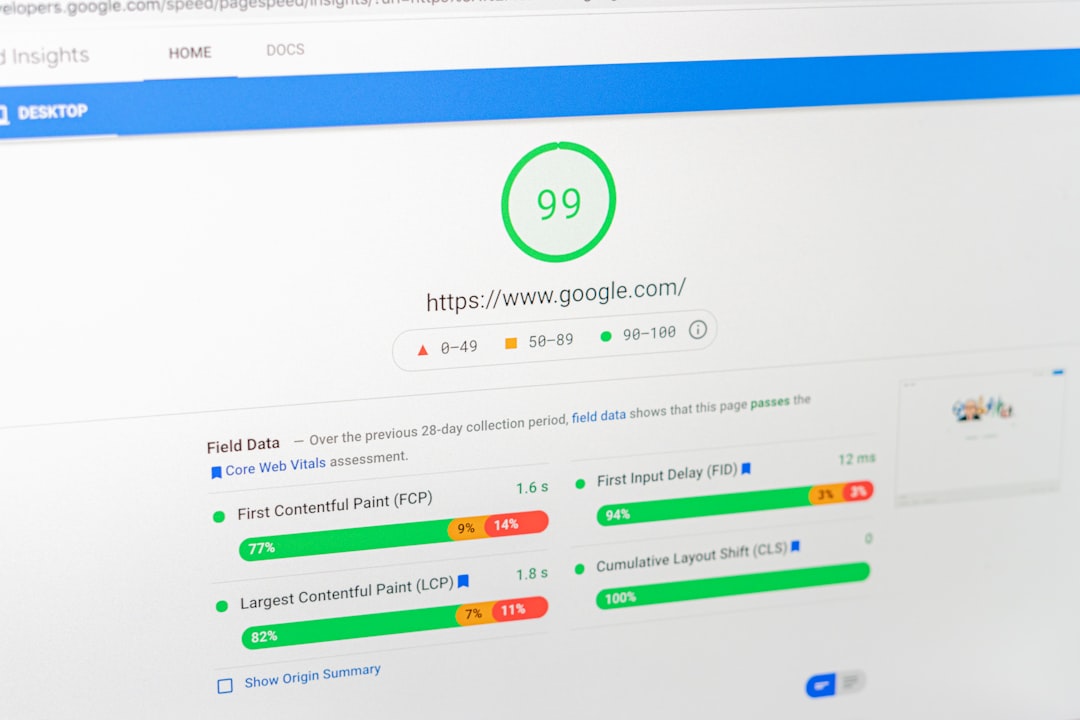
Stop chasing plugin scores. Stop publishing thin variations of the same topic. Stop leaving orphan pages unlinked. Stop stacking overlapping SEO tools because it feels thorough. You do not need a perfect score. The goal is a site that loads cleanly, is easy to use, and gives search engines one clear version of each important page.
The Best Next Step
The best next step is not a full rewrite of your entire site. It is a focused review of the pages tied most closely to leads, sales, and existing impressions. Those pages usually offer the fastest path to better results because they already have some visibility or business value.
If you are not sure whether your current setup is helping or quietly hurting performance, WordPress SEO Expert can help you sort that out quickly. Book a free SEO consultation. No pitch, no pressure. Just an honest look at what your site actually needs and whether your current setup is part of the solution or part of the problem.
Contact WordPress SEO Expert today to schedule a consultation and get a clearer plan for what to fix first on your WordPress site.