
Low rankings usually come from a scattered plan, not one missing plugin. A WordPress search engine optimization strategy works best when you fix the issues that block visibility first, then improve the signals that help the right pages earn clicks, links, and conversions.
This is where most site owners get stuck. They publish new posts, tweak plugin settings, and chase page scores, but the site still feels flat because the underlying plan is fragmented. A stronger approach is to build one clear system for technical setup, page targeting, internal linking, and ongoing review.
If you want a broader foundation before building your roadmap, review our WordPress SEO best practices and our comparison of Yoast SEO vs Rank Math to make sure your setup supports the strategy instead of working against it.
What should a WordPress SEO strategy include?
A practical WordPress SEO strategy should include four parts: technical health, keyword targeting, content structure, and measurement. If one of those parts is missing, you usually end up with content that looks optimized on the page but still struggles to rank.
Think of strategy as sequencing, not just tactics. You are deciding which pages matter most, which problems reduce visibility, how search intent maps to the site, and how progress will be reviewed over the next 90 days. Most sites do not have one catastrophic problem. They have a stack of smaller issues that compound over time.
Start with crawlability and indexing
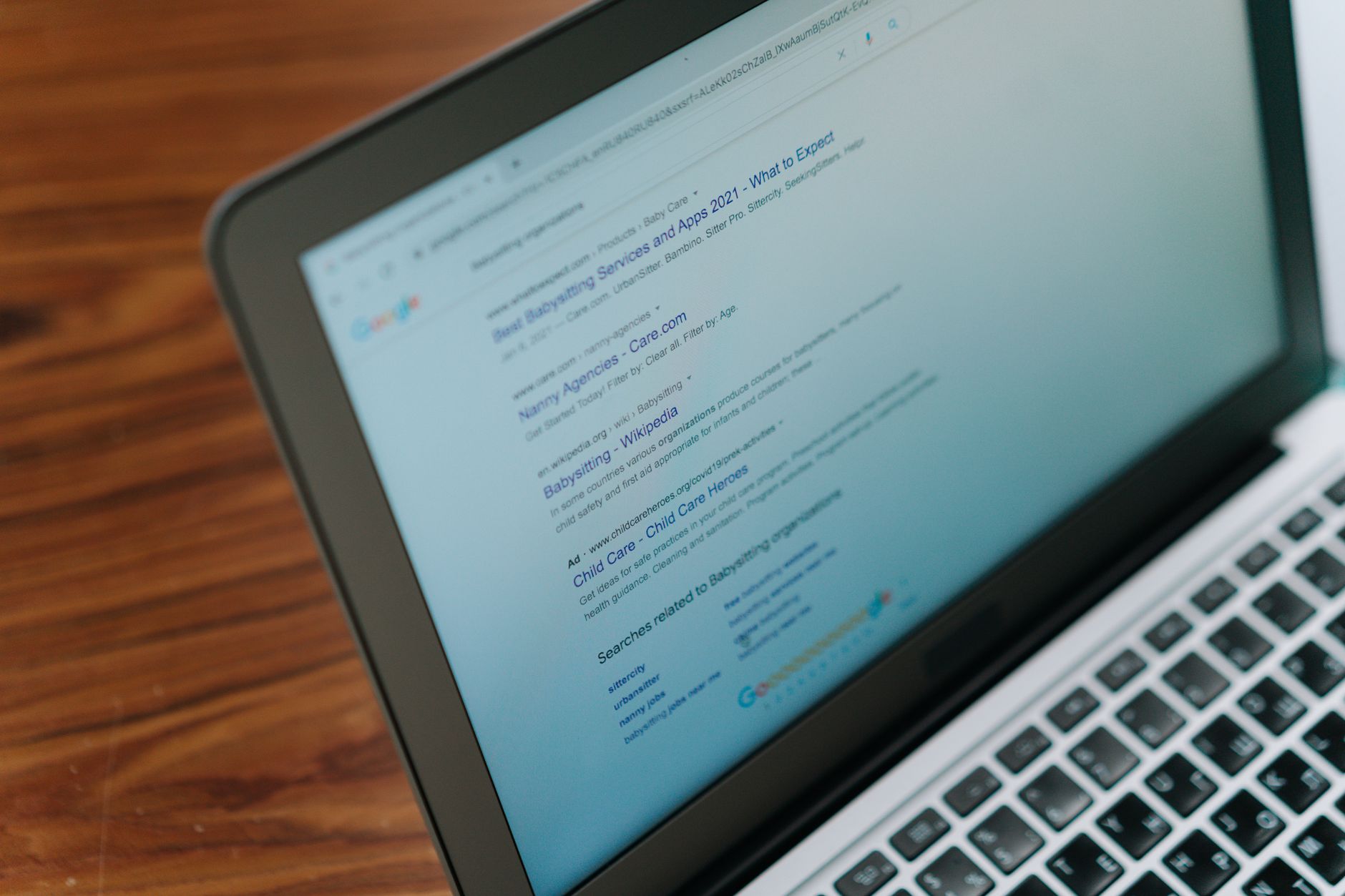
Your first job is to make sure search engines can reach, crawl, and index the pages you actually want to rank. If that part is broken, better headlines and longer content will not solve the real problem.
Check whether important service pages, category pages, and cornerstone posts are blocked by noindex settings, buried too deep in the site, or left out of your normal internal linking paths. Google recommends descriptive titles, relevant headings, and useful internal link anchor text, all of which help search engines understand page purpose and site structure. It also recommends people-first content rather than pages built mainly to manipulate rankings.
This is also the point where duplicate URLs, weak canonicals, attachment pages, and thin archives need attention. Fix the issues that block visibility before the issues that polish visibility.
Choose one SEO plugin and configure it well
One well-configured SEO plugin is enough. Running overlapping plugins often creates duplicate metadata, conflicting canonicals, and competing sitemap outputs that make troubleshooting harder than it needs to be.
Whether you use Yoast, Rank Math, or another established option, the strategy matters more than the badge color inside the editor. A green light in an SEO plugin does not mean the page deserves to rank. Use the plugin to manage essentials like title templates, meta descriptions, XML sitemaps, and archive indexing rules, then move on to the work that actually changes outcomes.
If you are not sure whether your current plugin setup is helping or quietly hurting your site, WordPress SEO Expert can help.
Map keywords to real pages
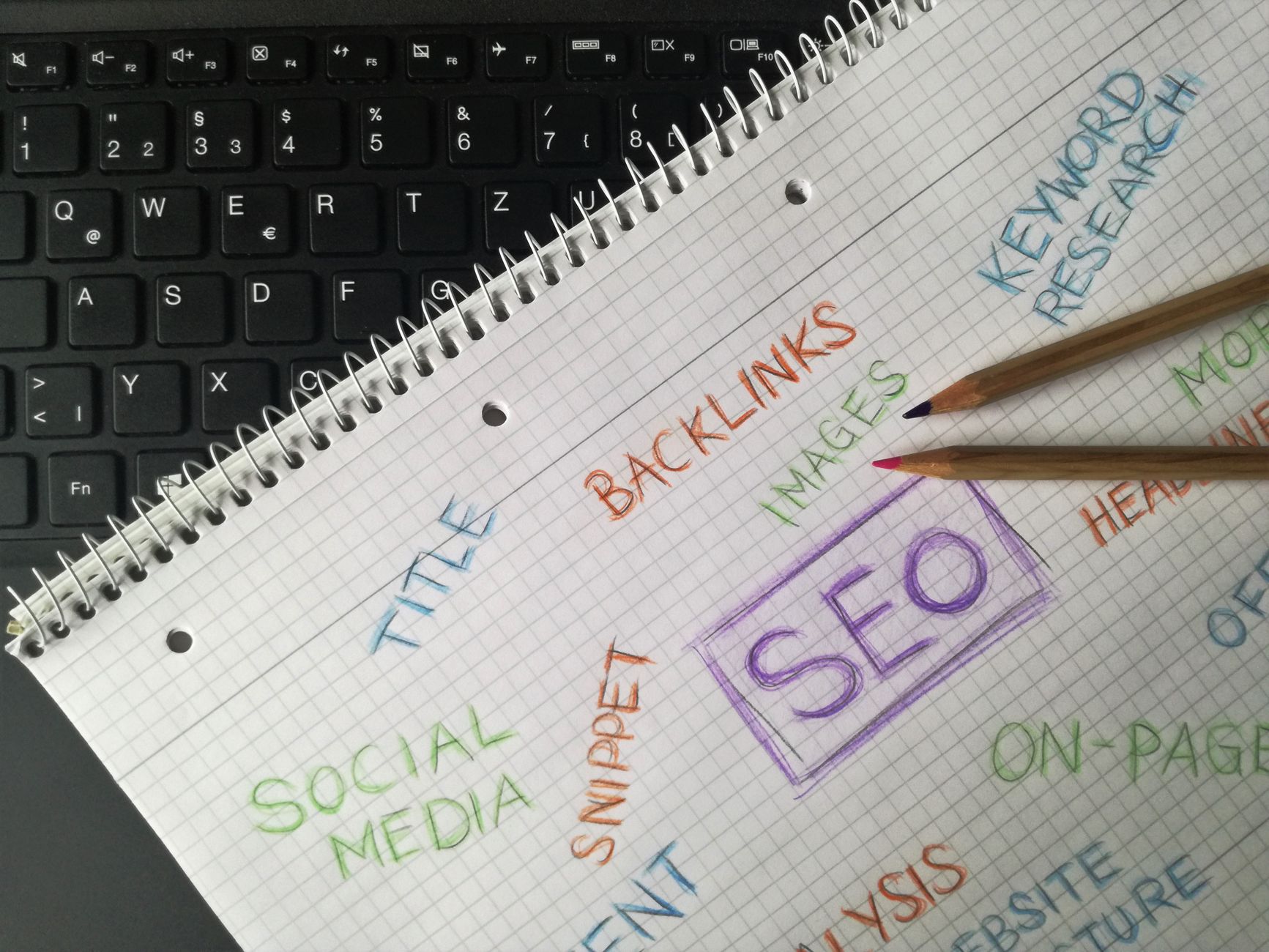
An SEO strategy needs page-level targeting, not a vague list of keywords in a spreadsheet. The goal is to match one main search intent to one strong page instead of creating several weak pages that compete with each other.
Start with your highest-value topics. For a service business, that usually means service pages first, location pages second if they are truly differentiated, and blog content third. For a WooCommerce store, category pages and key product collections often deserve more attention than dozens of near-duplicate product descriptions.
Each important page should have a clear primary topic, supporting subtopics, and a title that reflects what the page actually delivers. Google advises site owners to write unique, descriptive, concise titles and to avoid keyword stuffing or repetitive boilerplate. It also notes that meta descriptions may be used as snippets when they better summarize the page for users.
Build content around search intent, not volume alone
The best content strategy is usually narrower than people expect. You do not need to publish on every related keyword. You need a smaller set of pages that clearly answer the questions your audience is already trying to solve.
That means separating informational, commercial, and transactional intent. A blog post can answer a question and build topical depth. A service page should persuade and convert. A category page should help users compare options and move toward action. When those purposes get mixed together, rankings and conversions both tend to weaken.
Google’s guidance on helpful content is a useful filter here. If a page exists mainly because a keyword tool said the phrase has volume, it is usually weaker than a page built for a defined audience with a clear problem to solve.
Use internal links to support priority pages
Internal linking is one of the simplest ways to strengthen an SEO strategy because it helps search engines discover pages, understand relationships, and see which URLs matter most. It also gives visitors a logical next step instead of leaving them at a dead end.
Link related blog posts to service pages, connect supporting articles to cornerstone guides, and make sure orphan pages are brought into the site structure. If you are already working through a technical cleanup, our guide to WordPress SEO best practices pairs well with this step because it covers the structural issues that often dilute internal link value.
Use descriptive anchor text naturally. Google’s own documentation says concise, relevant anchor text helps users and search engines understand the destination page better.
Improve titles and meta descriptions without over-optimizing
Titles and meta descriptions should improve relevance and click appeal, but they should not read like a plugin checklist. Strong search snippets are specific, readable, and aligned with the promise of the page.
A weak title often repeats broad terms with no clear angle. A stronger title tells the searcher what the page is actually about. Meta descriptions should support the click with a short, accurate summary, not a stuffed list of variations. Google recommends unique descriptions that accurately describe the specific page, while also noting that snippets may be rewritten when on-page content is a better fit.
| Weak approach | Stronger approach |
|---|---|
| SEO Services | SEO Company | SEO Expert | WordPress SEO Services for Small Businesses |
| Blog | SEO Tips | How to Build a WordPress SEO Strategy |
| Buy Widgets, Best Widgets, Cheap Widgets | Commercial Widgets for High-Traffic Workspaces |
Make technical SEO part of the plan, not a separate project
Technical SEO should support your strategy from the start. It is not a side task you save for later after all the content is written.
Review redirect behavior, canonical tags, XML sitemaps, archive settings, mobile rendering, and template speed across your most important page types. A service page, a blog post, and a WooCommerce category page often have different technical weaknesses. That is why broad statements like “the site is fast” or “the plugin is configured” are usually too vague to be useful.
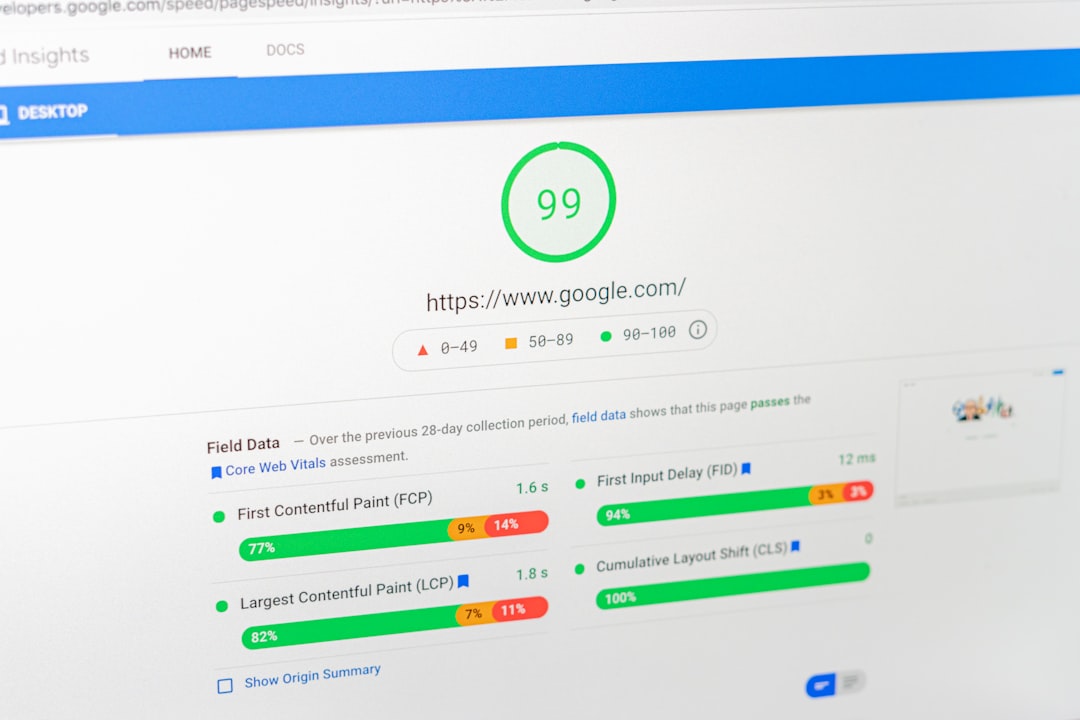
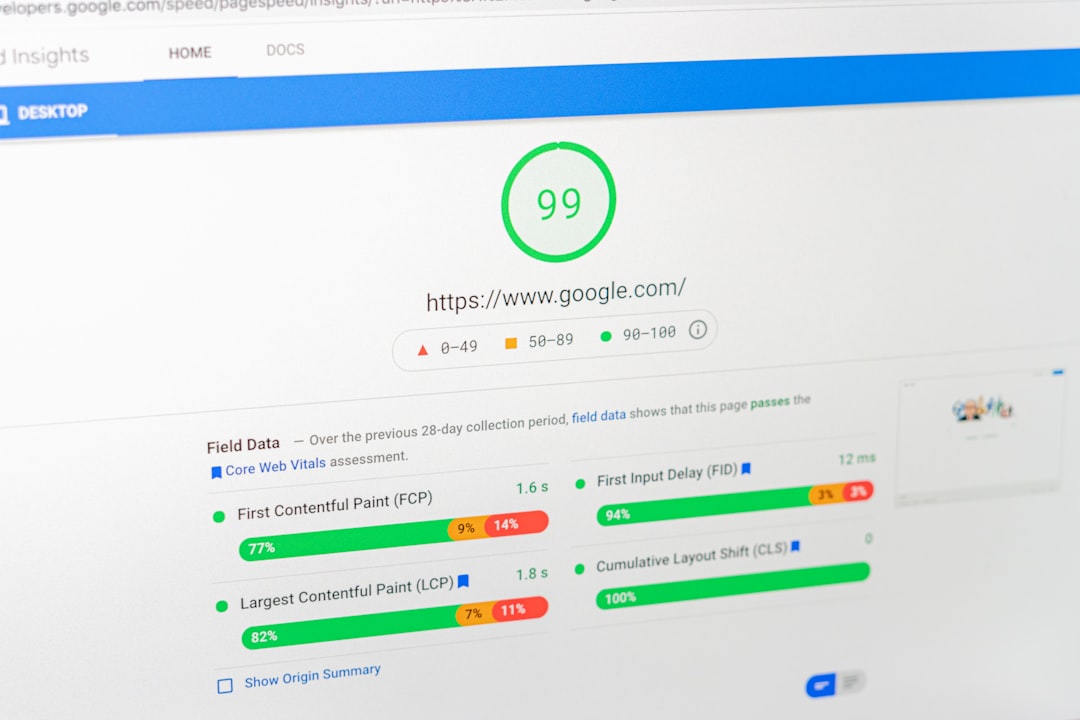
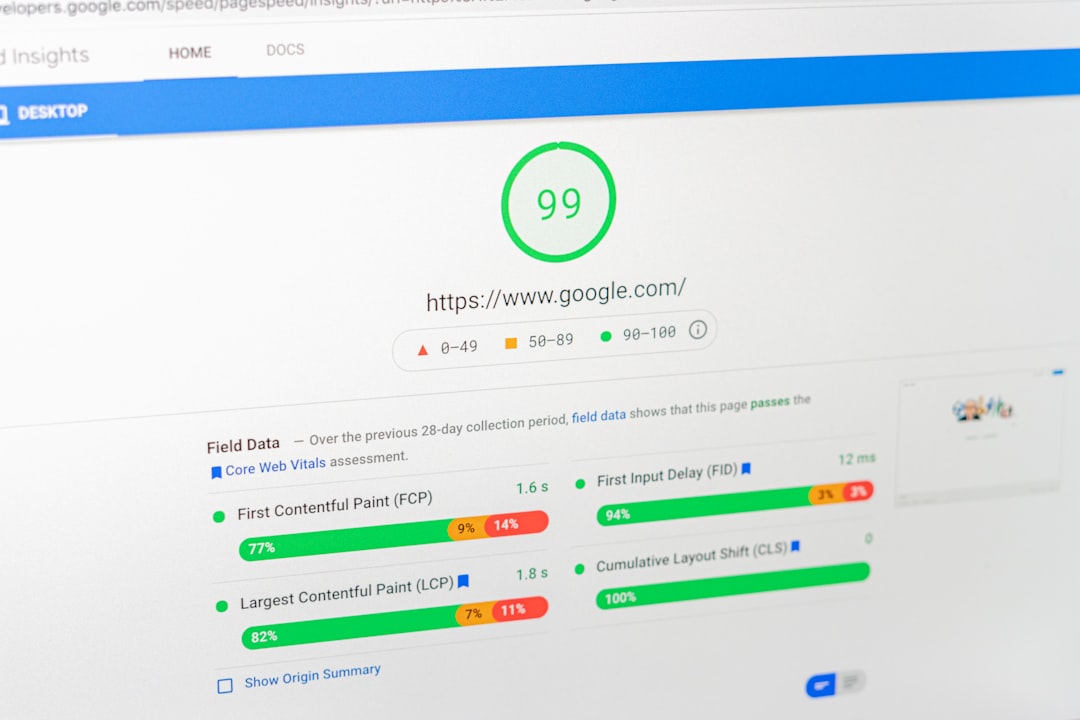
You do not need a perfect score. The goal is a site that loads cleanly, is easy to use, and sends consistent signals about which pages should rank.
Create a simple 90-day SEO plan

A WordPress SEO strategy becomes useful when it turns into a short execution plan. Most small business sites do better with a focused 90-day roadmap than with a huge document nobody follows.
A simple sequence looks like this: first fix crawl, indexing, and duplication issues; next improve your top service or category pages; then strengthen internal links; after that publish supporting content tied to real search intent; finally review performance and refine what is already close to page one. This order keeps you from polishing pages that are still blocked by larger structural problems.
| Priority | What to do | Why it comes first |
|---|---|---|
| 1 | Check indexing, crawl access, and sitemap coverage | Pages cannot rank if they are blocked or unclear to search engines |
| 2 | Fix canonicals, redirects, and duplicate URL patterns | Prevents diluted signals and keyword cannibalization |
| 3 | Improve high-value page targeting and titles | Strengthens relevance where leads or sales are most likely |
| 4 | Add strategic internal links | Supports discovery, hierarchy, and topic relationships |
| 5 | Publish or consolidate supporting content | Builds depth without creating thin overlap |
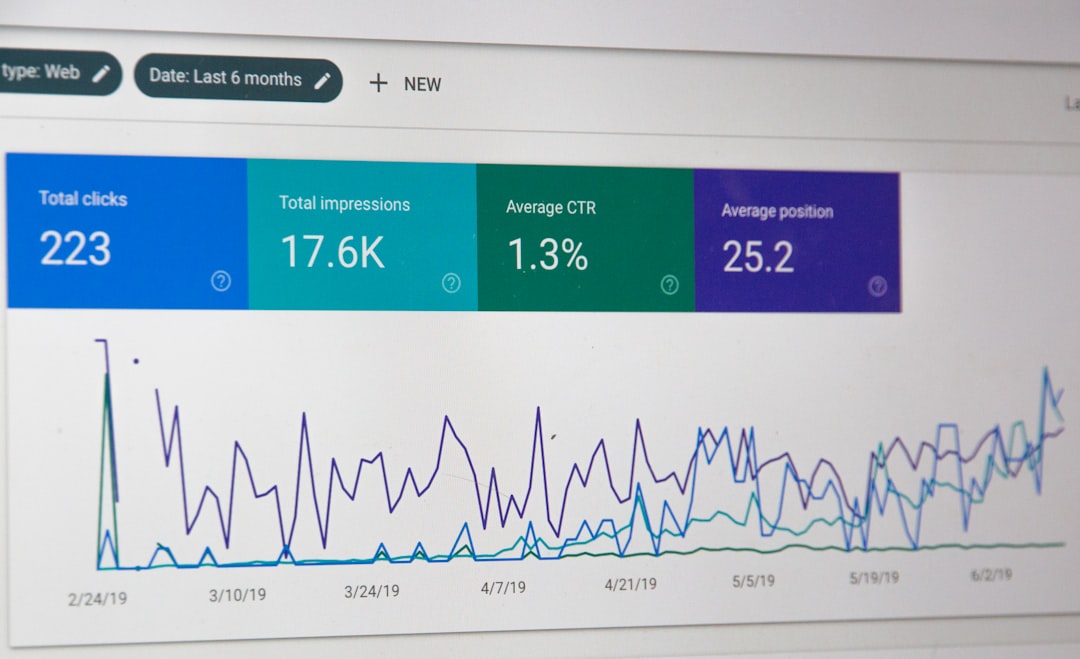
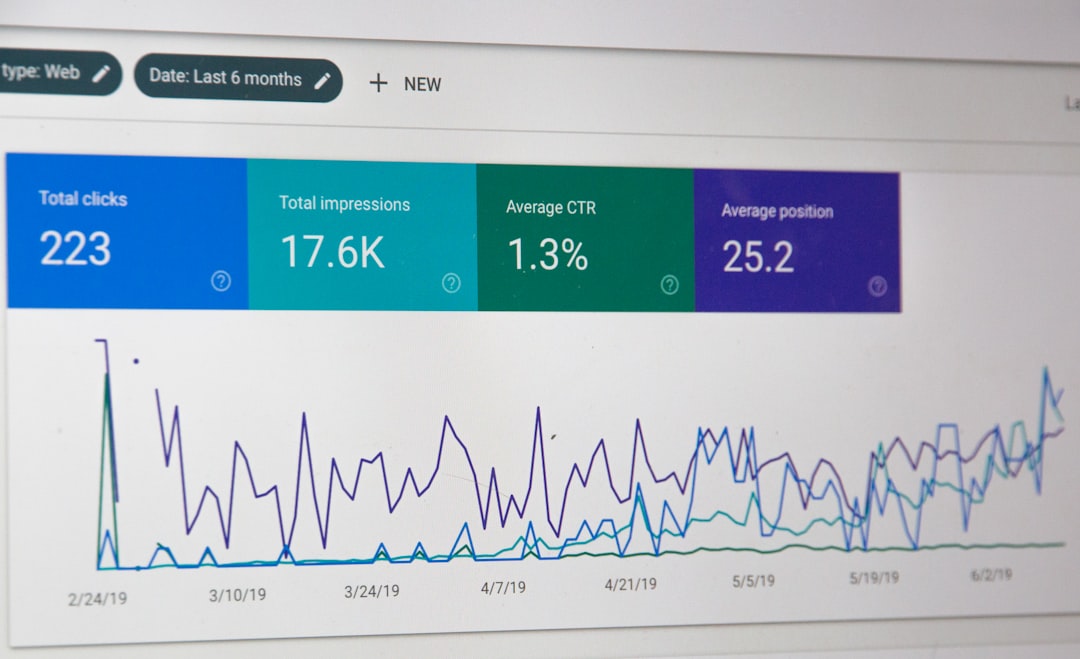
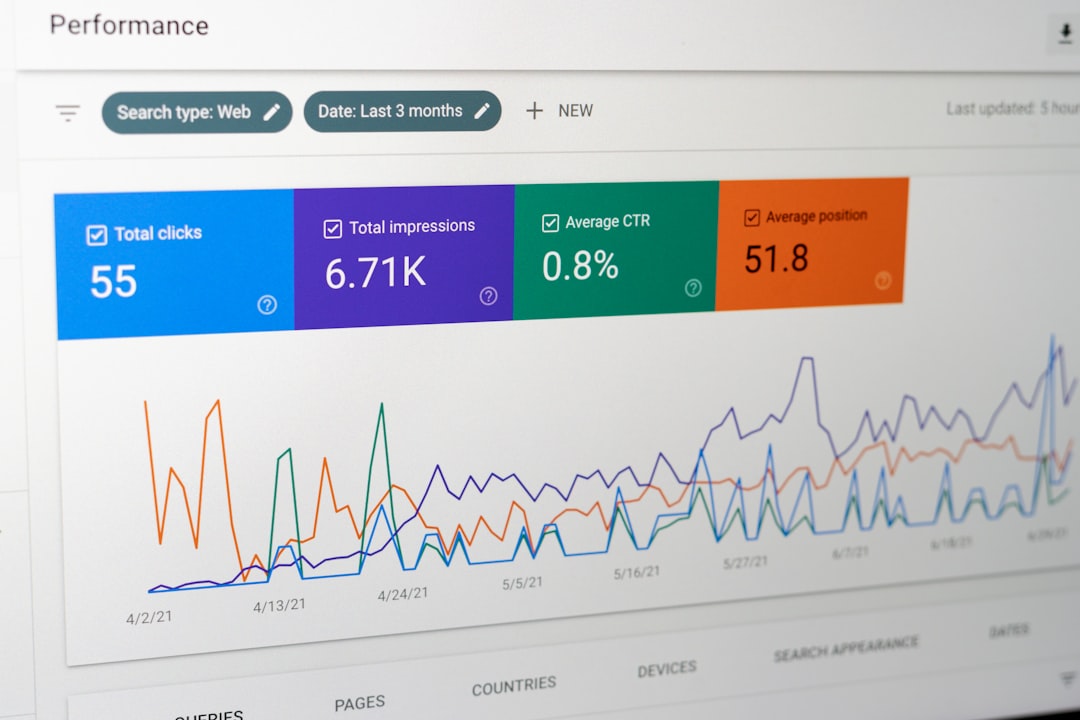
| 6 | Review impressions, clicks, and page movement | Shows what to refine instead of guessing |
What to stop doing
Stop chasing plugin scores as if they are business goals. Stop publishing thin variations of the same topic. Stop stacking SEO tools because it feels thorough. Those habits create noise, not momentum.
A stronger strategy is usually simpler: fewer overlapping tools, fewer duplicate pages, clearer page targeting, and more disciplined internal linking. That is how you build a site that is easier to maintain and easier for search engines to understand.
The next step
The best next move is usually a focused review of your current site, not another round of random edits. Look at the pages tied closest to revenue, the pages already earning impressions, and the pages that seem stuck just outside the top results.
If you want help turning a messy setup into a workable plan, WordPress SEO Expert can help. Book a free SEO consultation. No pitch, no pressure. Just an honest look at what your site actually needs and whether your current setup is part of the solution or part of the problem.
Contact WordPress SEO Expert today to schedule a consultation and get a clearer plan for what to fix first on your WordPress site.