
Once the basic SEO foundation is in place, a WordPress website may need more advanced optimization. Larger websites, competitive industries, ecommerce stores, and established businesses often require deeper technical and content strategies.
Advanced SEO should be based on the website’s actual needs rather than adding complexity for its own sake.
Start With Technical Architecture
Advanced optimization begins with understanding how search engines move through the website.
Review:
- Crawl paths
- Internal linking
- URL structures
- Canonicals
- Redirects
- XML sitemaps
- Indexing rules
Large websites should make sure important pages are easy to discover without creating unnecessary URL variations.
Build Topic Clusters

Instead of publishing unrelated articles, organize content around important subject areas.
For example:
Main Topic: WordPress SEO
Supporting Topics:
- Technical WordPress SEO
- WordPress site speed
- Internal linking
- WordPress SEO audits
- WordPress SEO tools
Supporting pages can link to one another and to the main topic page where relevant.
This creates a more organized content structure.
Improve Content Based on Search Intent
Advanced content optimization goes beyond inserting keywords.
Review whether the page:
- Matches the expected content format
- Answers the main question
- Covers important related concepts
- Provides useful examples
- Offers clear next steps
Search intent should guide both the structure and depth of the page.
Use Content Consolidation
Large websites sometimes have multiple pages targeting similar subjects.
For example, several old articles may cover nearly identical versions of the same topic.
Instead of allowing them to compete, an SEO professional may evaluate whether they should be:
- Combined
- Updated
- Redirected
- Repositioned toward different search intents
This can simplify the website’s content structure.
Strengthen Internal Link Architecture
Advanced internal linking considers how important pages receive contextual links.
For example:
Supporting Article → Topic Guide → Service Page
Review:
- Orphan pages
- Important pages with weak internal links
- Excessive links
- Contextual opportunities
- Anchor-text variation
Internal linking should always remain useful to visitors.
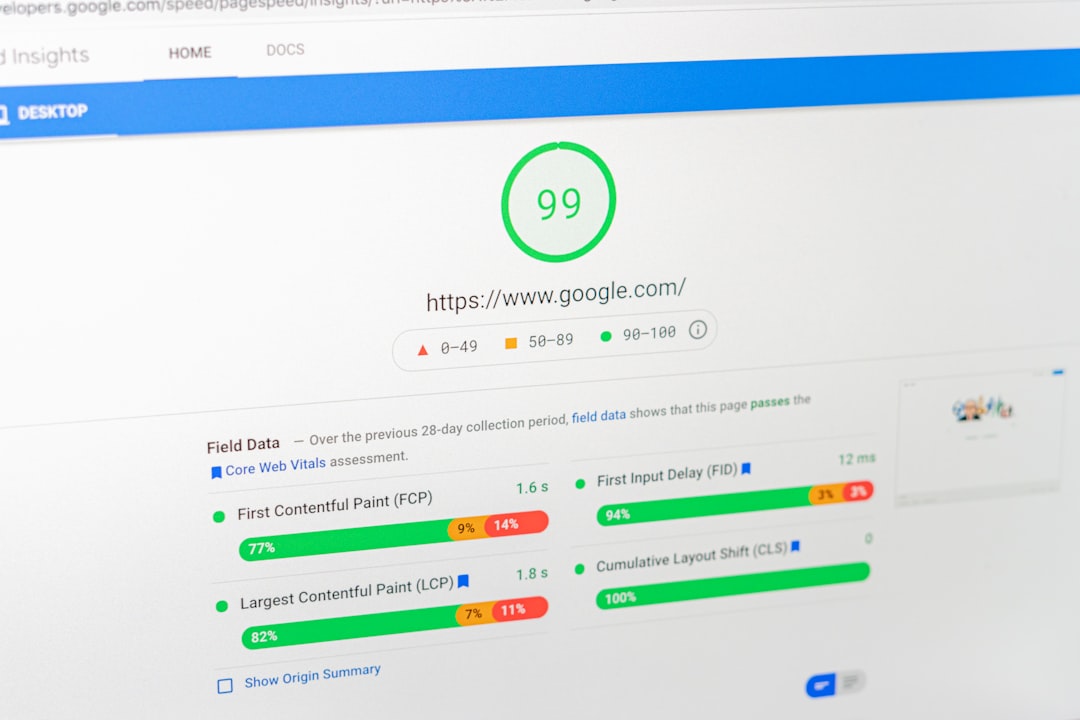
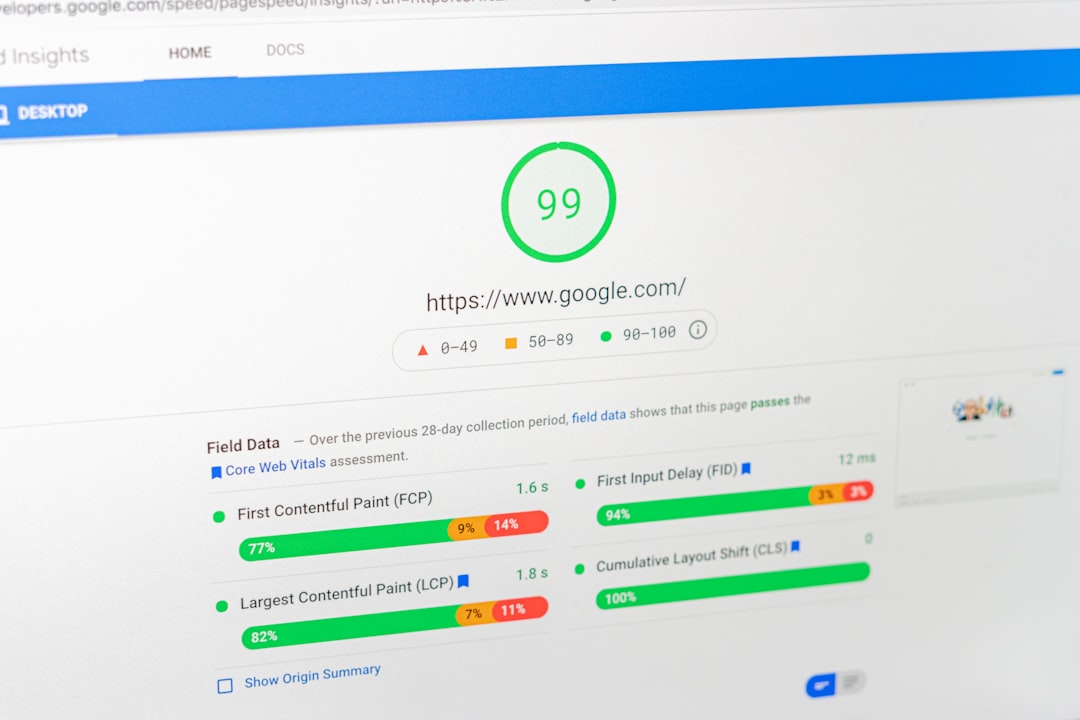
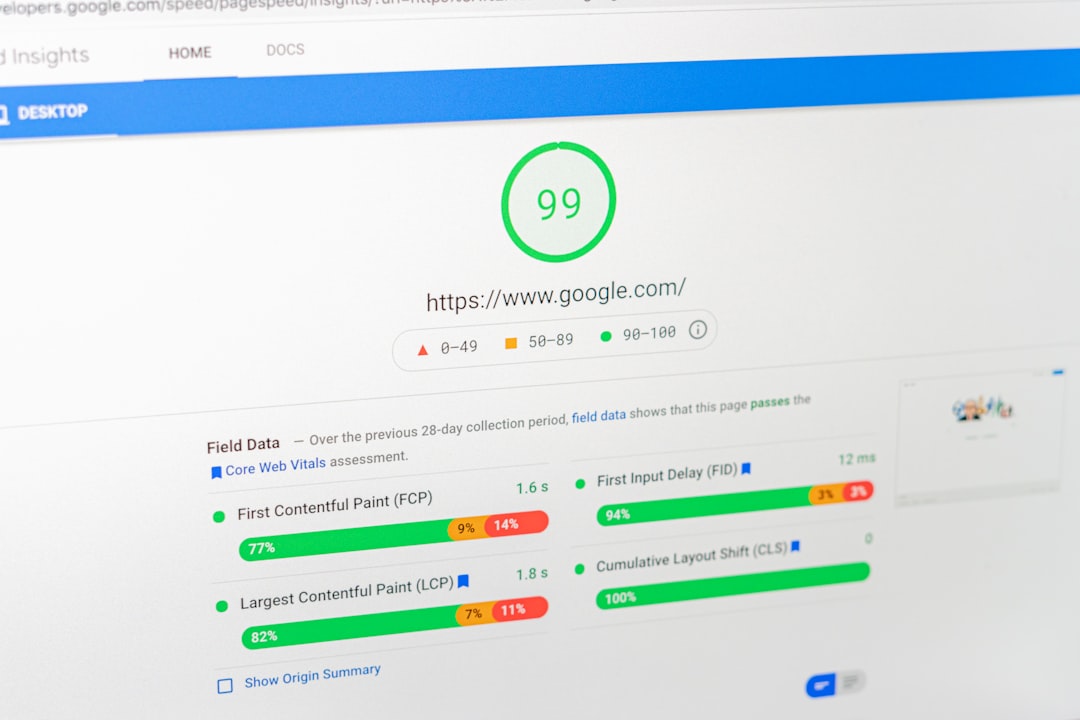
Optimize Website Performance
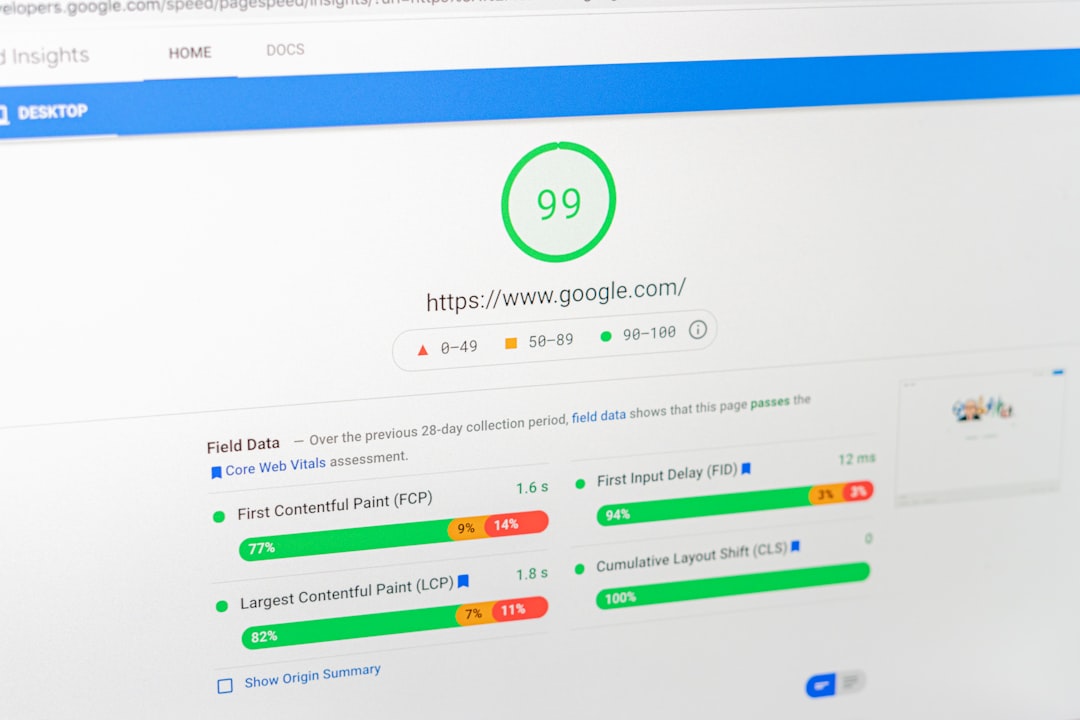
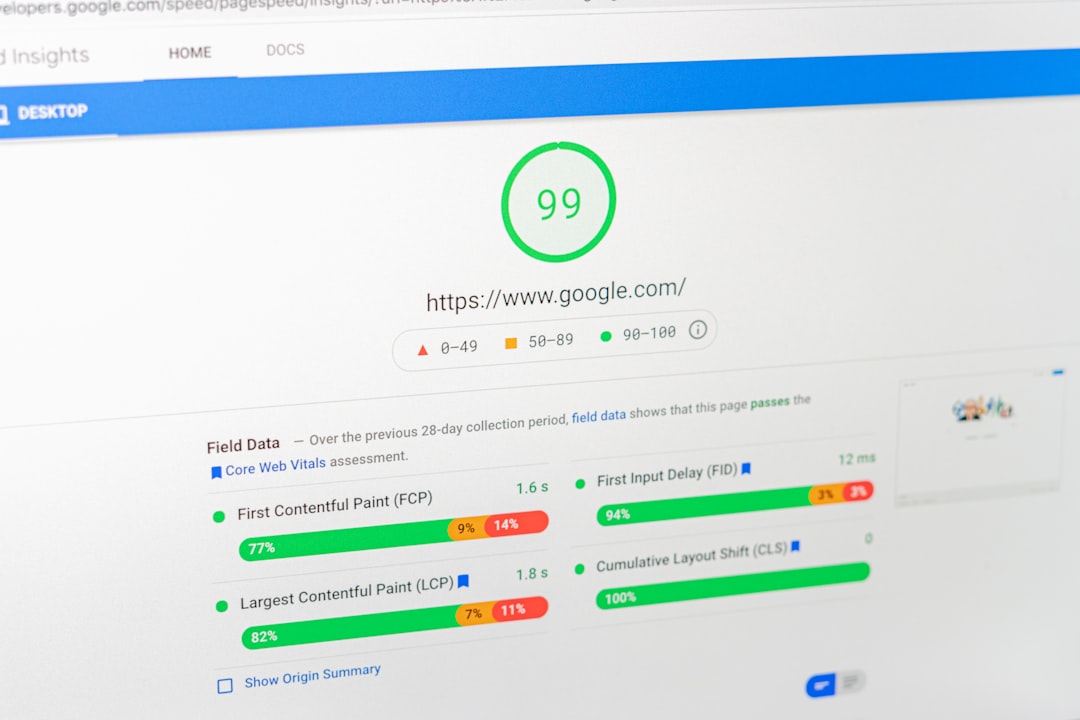
Advanced performance work can go beyond basic image compression.
Depending on the website, it may involve:
- Reducing unnecessary scripts
- Reviewing third-party resources
- Improving caching
- Optimizing database activity
- Evaluating hosting
- Improving mobile performance
Performance should be tested before and after major changes.
Review Structured Data
Structured data can help search engines understand certain types of content.
Depending on the website, relevant structured data may include:
- Organization
- Article
- Product
- Local Business
- Service
- Breadcrumb
The markup should accurately represent the page and follow applicable guidelines.
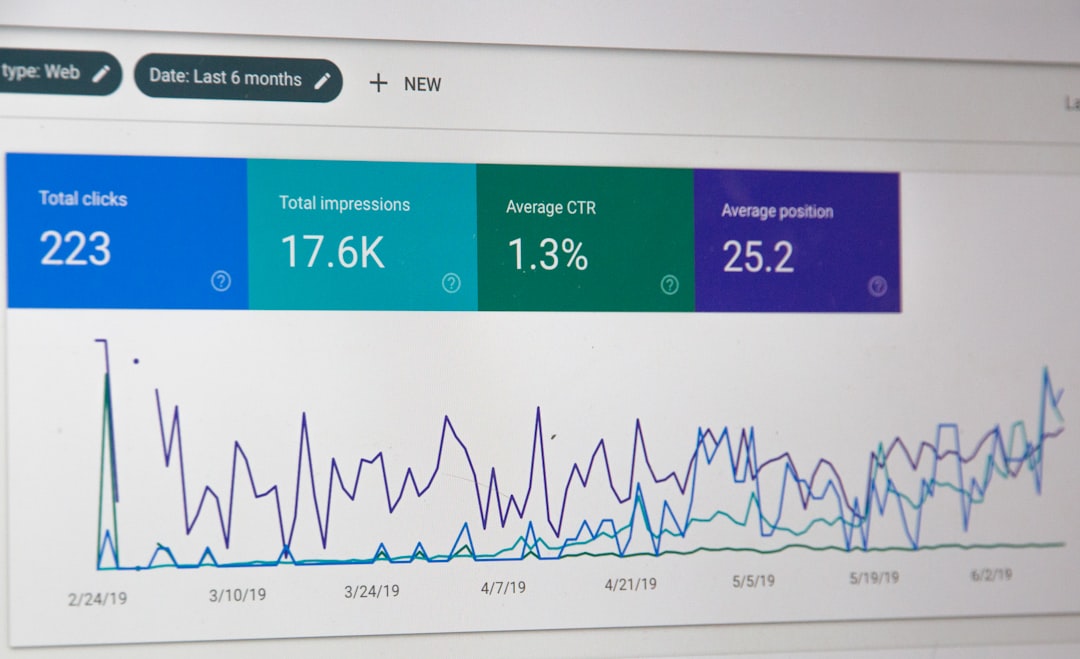
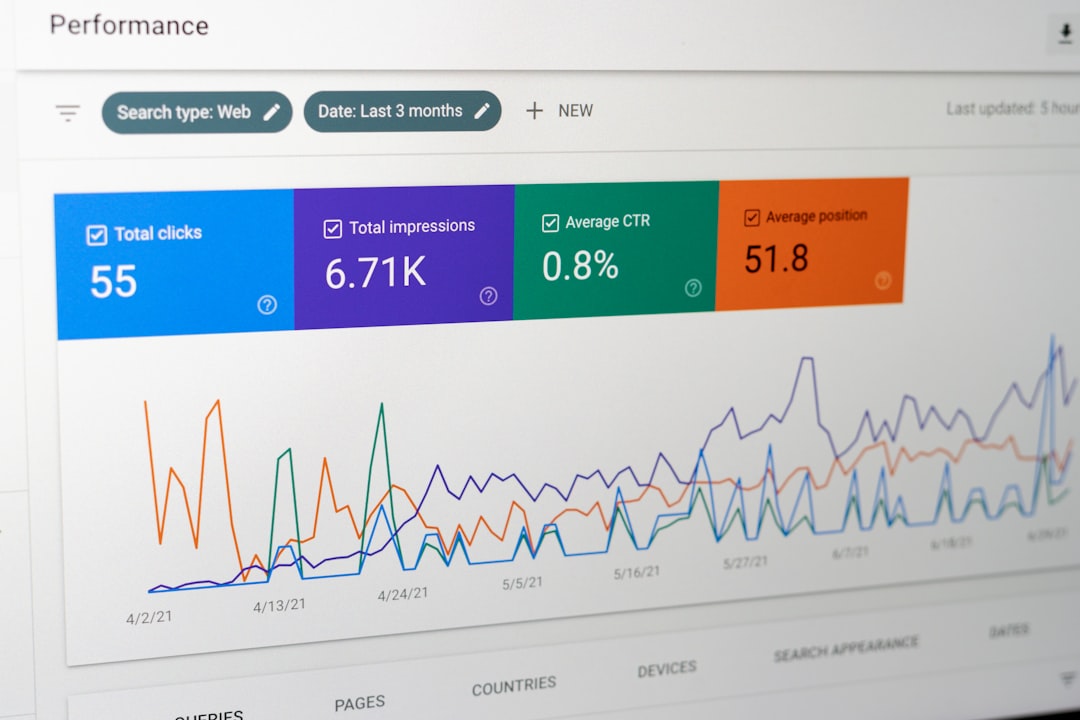
Analyze Search Data

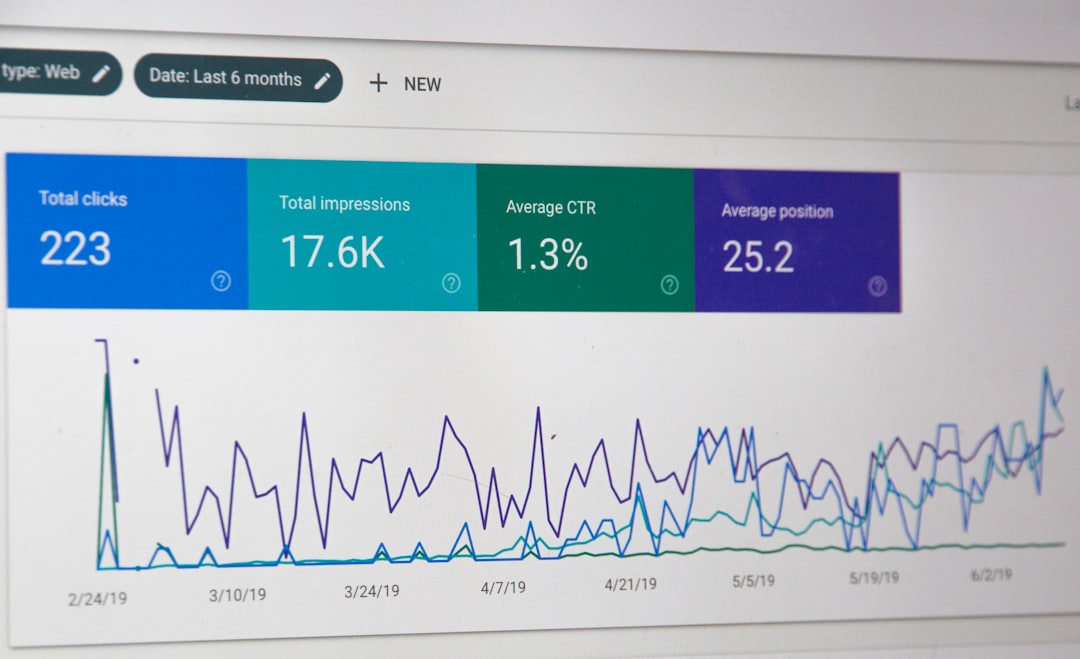
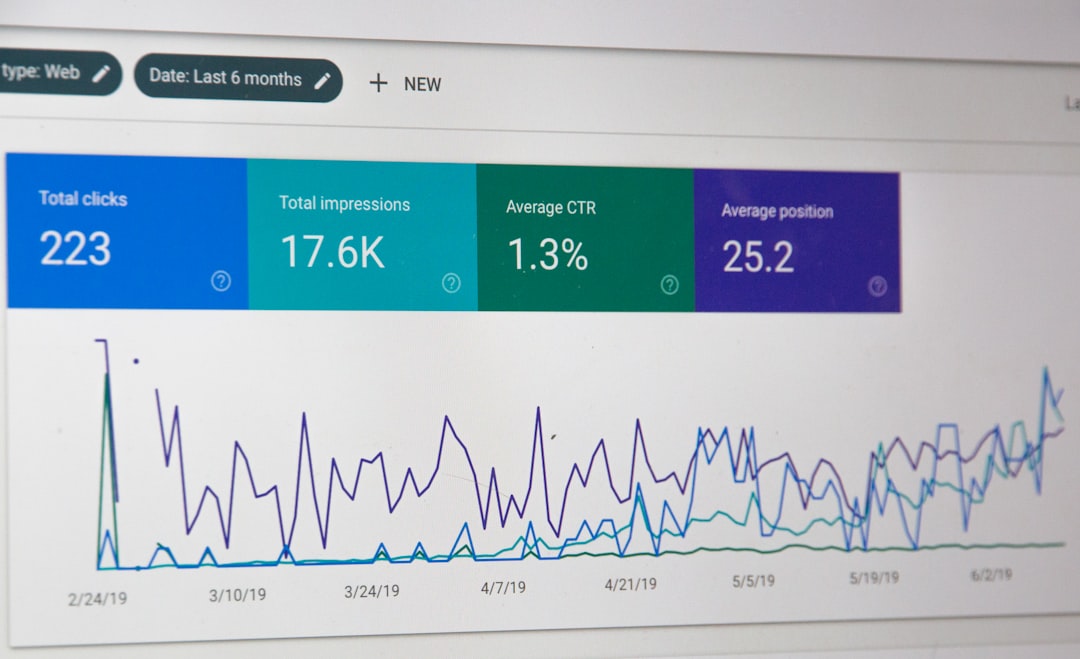
Advanced SEO strategies rely heavily on performance data.
Review:
| Data | Potential Insight |
|---|---|
| Impressions | Search visibility |
| Clicks | Organic visits |
| CTR | Search-result engagement |
| Queries | Topics generating visibility |
| Landing pages | Pages attracting traffic |
| Conversions | Business outcomes |
Data can reveal opportunities that are not obvious from keyword research alone.
Build Relevant Authority
Established websites may also benefit from stronger authority-building efforts.
Possible strategies include:
- Digital PR
- Industry partnerships
- Expert contributions
- Useful research
- Resource promotion
- Relevant backlinks
The focus should remain on credibility and relevance rather than link quantity.
Monitor Changes Carefully
Advanced SEO changes can affect many pages at once.
Before making major technical changes, consider:
- Current traffic
- Existing rankings
- Backlinks
- Indexed URLs
- Important templates
After implementation, monitor the website for unexpected changes.
A WordPress SEO company can combine advanced technical work, content strategy, internal linking, performance optimization, structured data, and authority building into a coordinated process.
The purpose of advanced SEO is not to make a website unnecessarily complicated. It is to solve deeper problems and create a stronger foundation for sustainable organic visibility.