
Optimizing a WordPress website for Google involves much more than adding keywords to pages. Search engines need to understand the website’s content, structure, purpose, and overall quality.
A WordPress SEO agency can bring these elements together through technical SEO, content optimization, internal linking, performance improvements, and regular monitoring.
Make Your Website Easy to Crawl

Google needs to access important pages before it can properly evaluate them.
Start by checking:
- XML sitemap
- Robots.txt
- Internal links
- Redirects
- Broken links
- Canonical URLs
- Indexing settings
Important pages should not accidentally be blocked from crawling or indexing.
Create Useful, Search-Focused Content
Content should satisfy the reason behind the search.
If someone searches for “WordPress SEO audit,” they probably want information about what an audit includes, why it matters, and how problems can be identified.
A useful page should answer the main question clearly instead of filling the page with repeated keywords.
Use Keywords Naturally
Keywords help communicate the topic of a page, but excessive repetition can make content difficult to read.
Use the primary topic naturally in places such as:
- Page title
- Main heading
- Introduction
- Relevant subheadings
- Body content
- URL
- Meta description where appropriate
Also include related concepts when they genuinely improve the content.
Improve Search Intent Matching
One of the most important optimization steps is making sure the page matches what users are looking for.
For example:
Informational search:
Create an educational article.
Commercial search:
Create a service comparison or detailed service page.
Transactional search:
Provide a clear product, service, or conversion page.
A page can target a keyword and still perform poorly if it does not satisfy the search intent.
Strengthen Internal Links
Internal links help Google discover and understand relationships between pages.
For example, a WordPress SEO service page could link to supporting content about:
- Technical SEO
- Mobile optimization
- Keyword research
- SEO audits
- Website speed
Use relevant anchor text and link only when the destination adds value.
Improve Page Experience
A page should be easy to use after someone clicks from Google.
Check:
- Mobile responsiveness
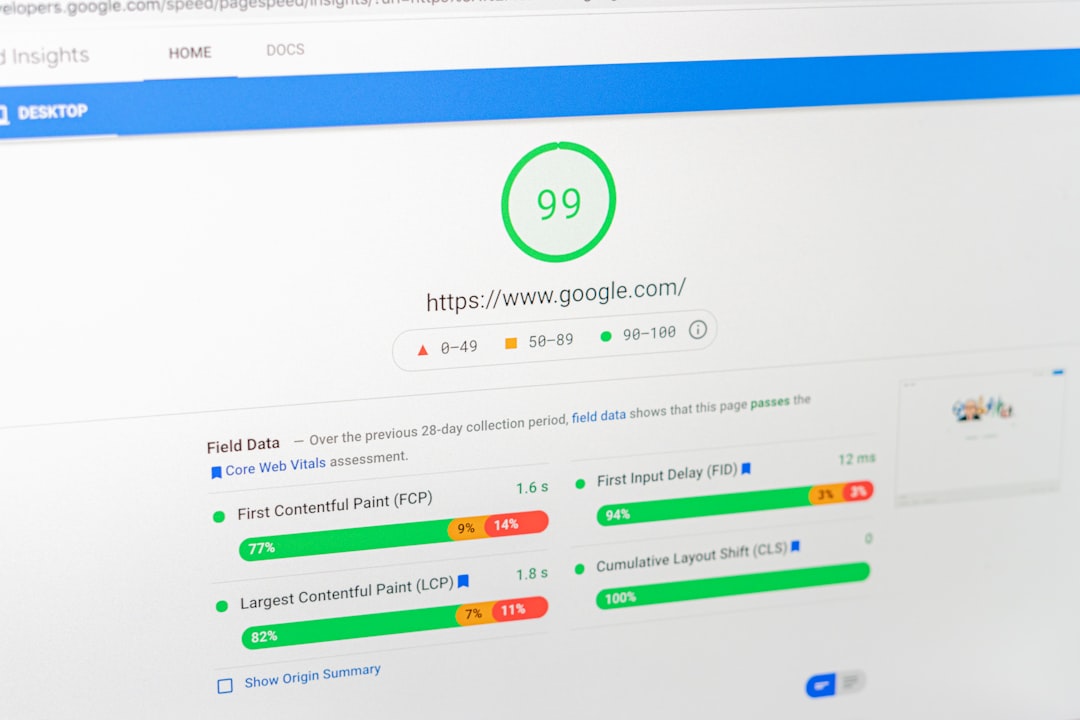
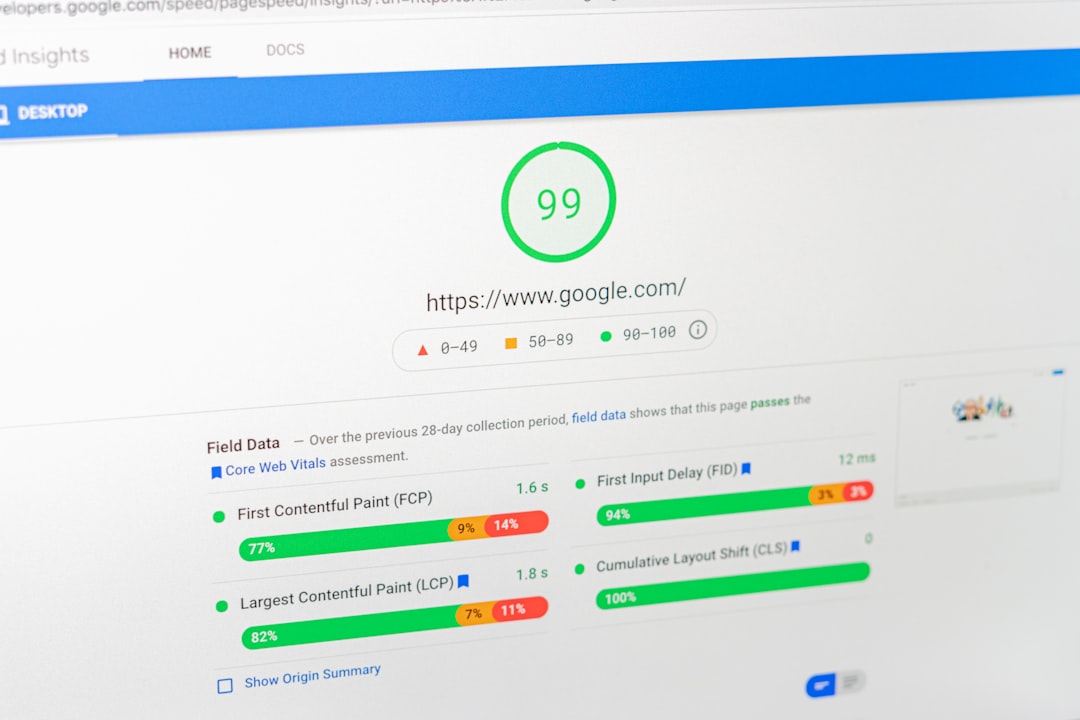
- Page speed
- Readability
- Navigation
- Pop-ups
- Buttons
- Forms
- Visual stability
SEO should ultimately lead users to a useful experience rather than simply bringing them to a page.
Optimize Images
Images can improve content, but poorly optimized files can slow down a website.
Use appropriate dimensions and compress files before or during upload.
Also provide descriptive alt text when an image conveys meaningful information.
Avoid filling alt text with keywords that do not accurately describe the image.
Build Website Authority
Google considers many signals when evaluating pages, and external references can help establish credibility.
Relevant approaches include:
- Digital PR
- Industry publications
- Expert contributions
- Useful resources
- Relevant business directories
- Original research
The focus should be on earning relevant references rather than obtaining large numbers of low-quality links.
Keep Content Updated
Some information becomes outdated quickly.
Review important pages for:
- Old statistics
- Broken links
- Outdated recommendations
- Old screenshots
- Incorrect product or service details
Update content when there is a genuine reason to do so.
Do not change pages unnecessarily just to make them appear “fresh.”
Monitor Google Search Performance

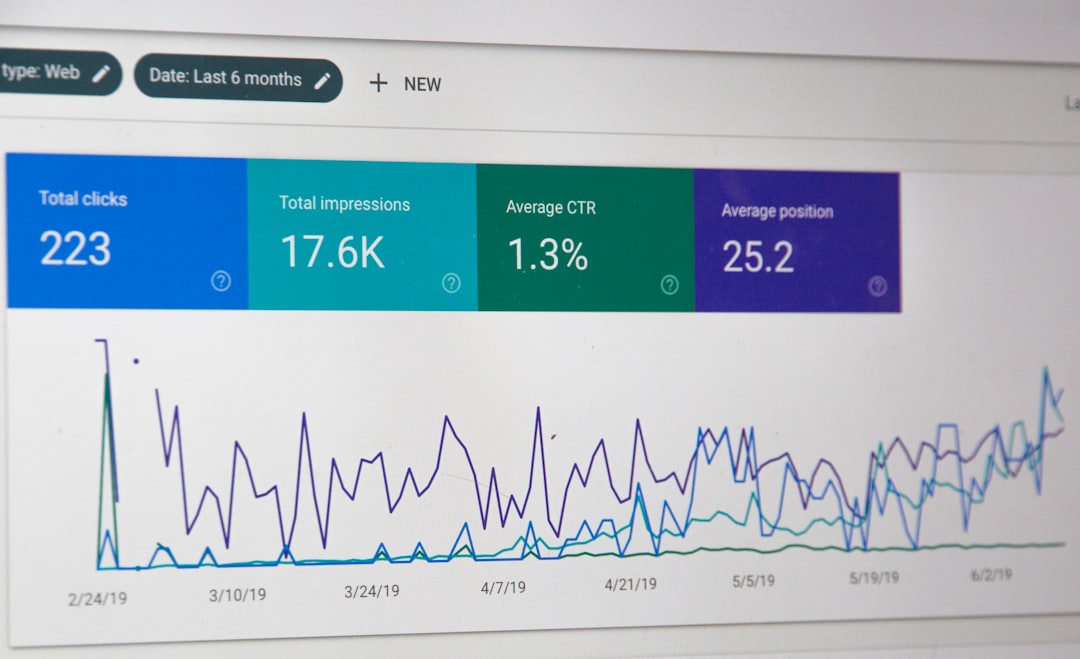
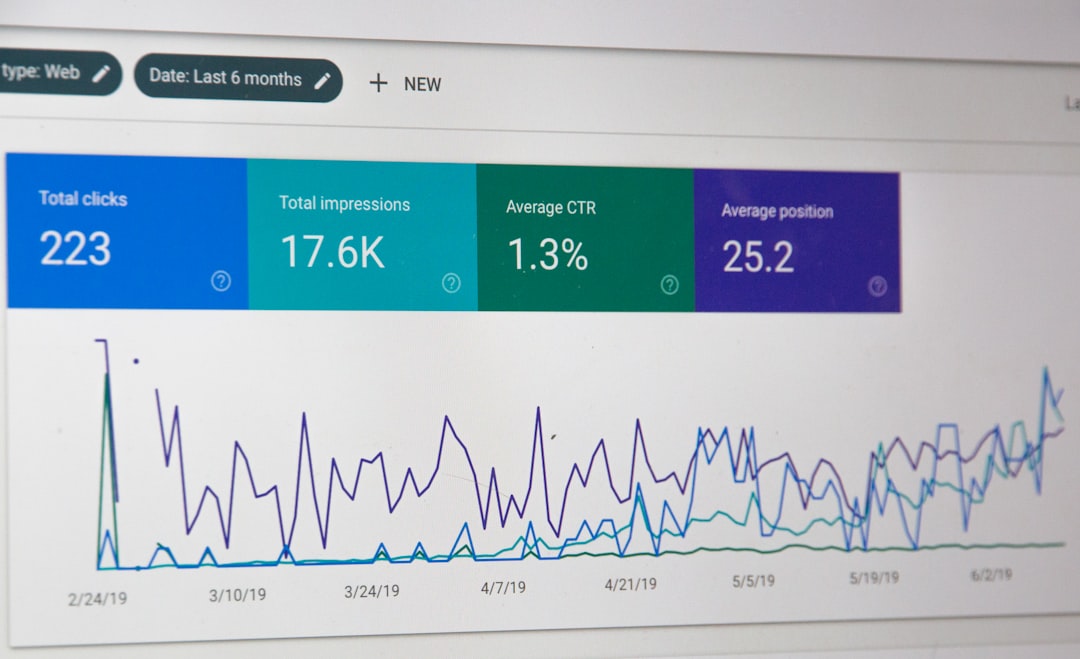
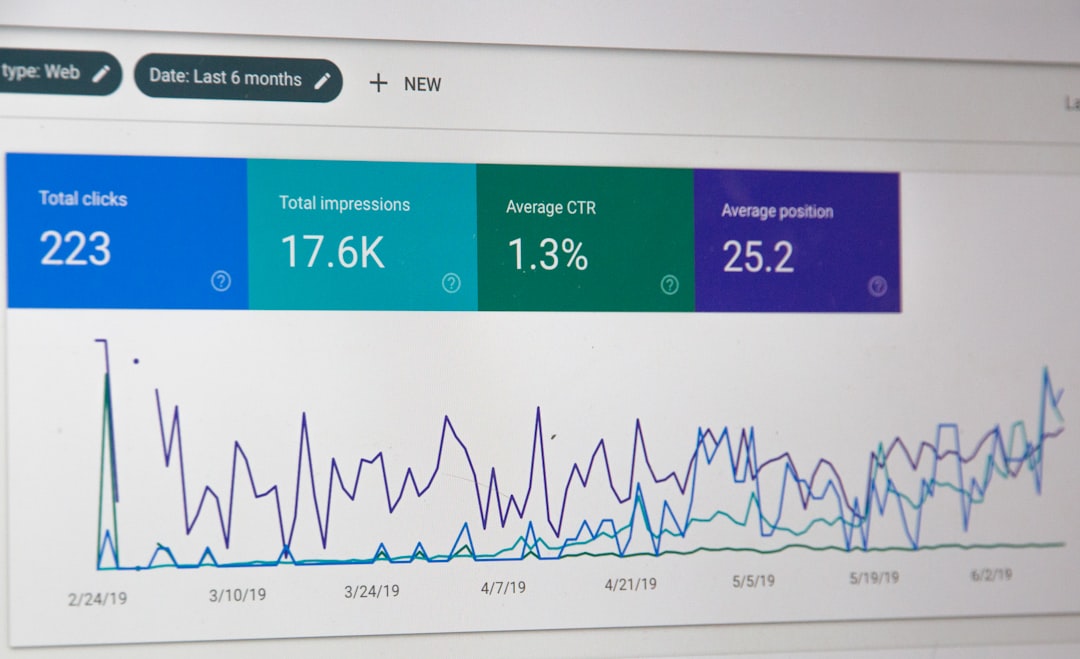
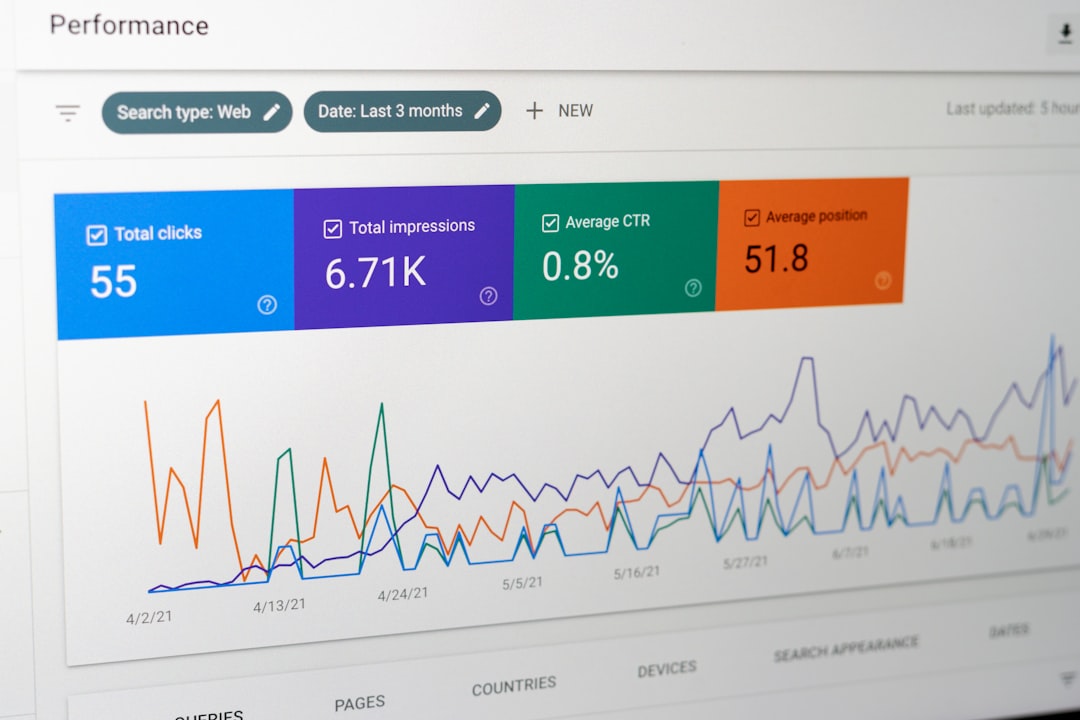
Use search performance data to understand how pages are performing.
Useful measurements include:
| Metric | What It Indicates |
|---|---|
| Impressions | Search visibility |
| Clicks | Search traffic |
| CTR | Search-result engagement |
| Queries | What people search for |
| Average position | General ranking visibility |
These metrics can reveal opportunities for improvement.
Avoid Shortcuts
Avoid relying on practices such as:
- Keyword stuffing
- Automatically generated low-value pages
- Manipulative links
- Duplicate content
- Misleading titles
A sustainable WordPress SEO strategy focuses on useful information, sound technical foundations, and a website that genuinely serves its audience.
A WordPress SEO agency can combine these areas into an ongoing process of optimization, measurement, and improvement rather than treating Google SEO as a one-time setup.