A strong WordPress website needs more than good-looking pages and useful content. If search engines cannot properly understand, crawl, or index your site, even valuable content can struggle to reach the right audience. This is where a well-planned WordPress SEO agency strategy becomes important.
A professional approach focuses on technical health, content quality, user experience, keywords, and authority rather than relying on one SEO trick. The goal is to create a website that is easy for both visitors and search engines to understand.
Start With a Complete SEO Audit

Before making changes, identify what is already working and where problems exist.
A WordPress SEO agency may review:
- Indexing and crawlability
- Broken links and redirects
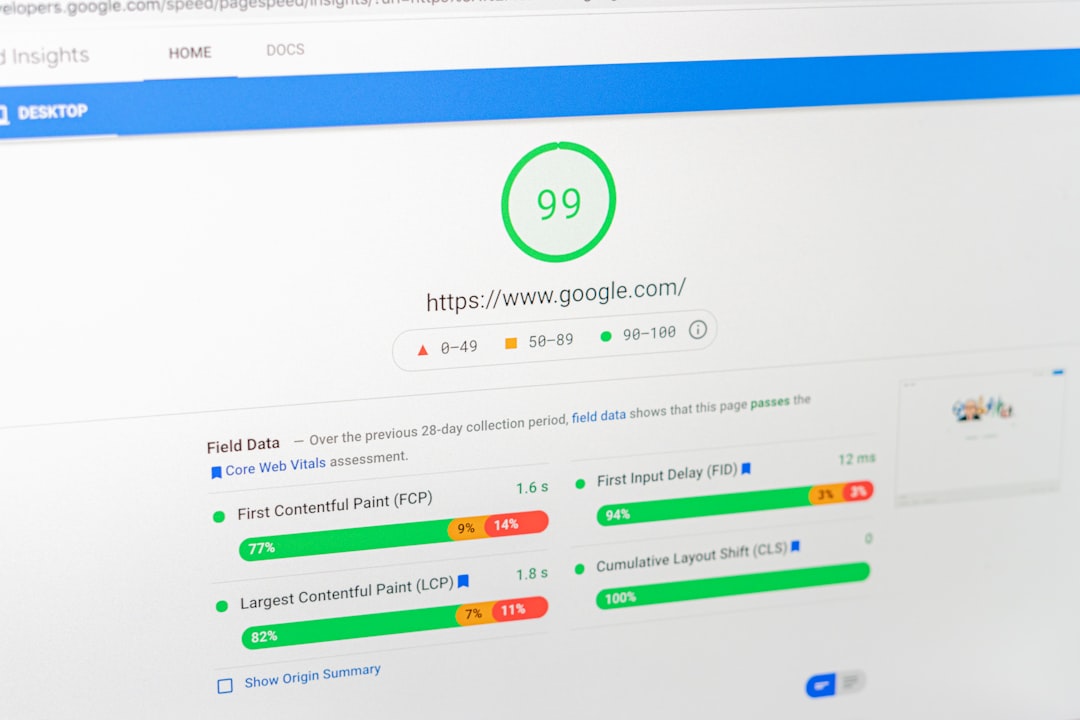
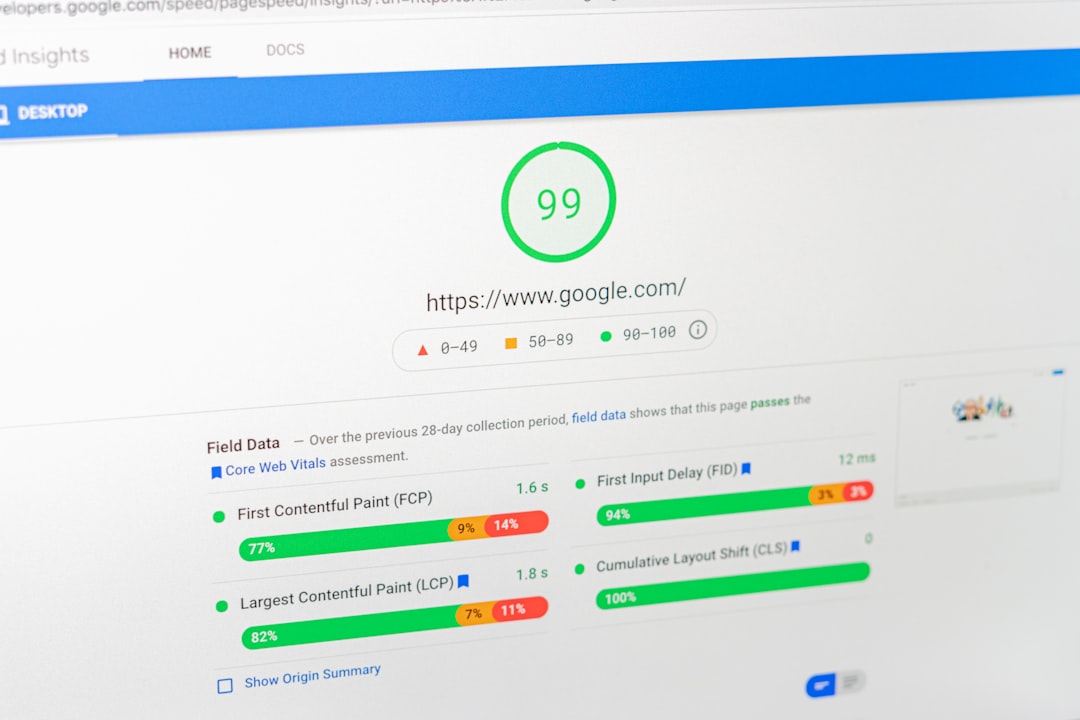
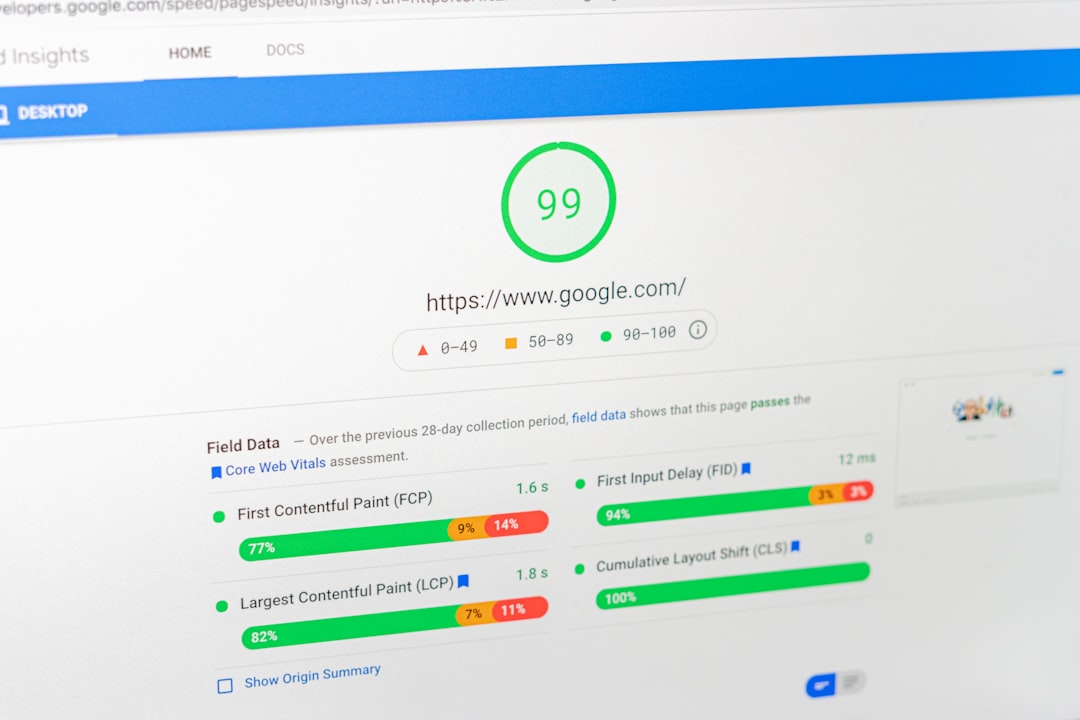
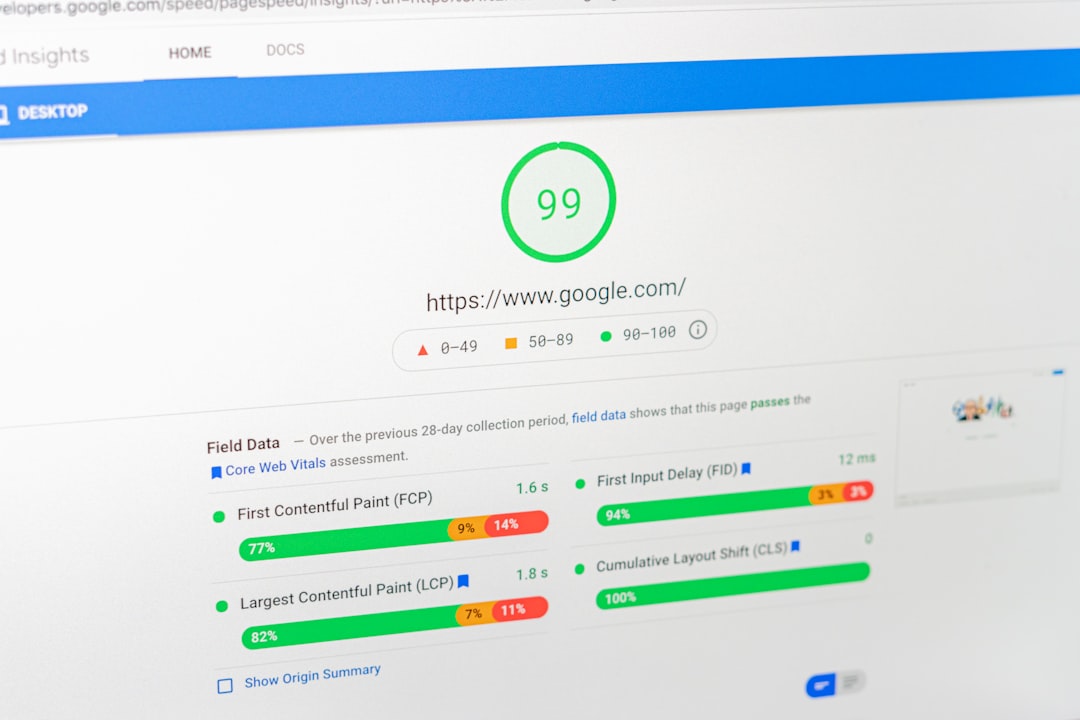
- Page speed and Core Web Vitals
- Mobile usability
- Metadata and headings
- Duplicate or thin content
- Internal linking
- XML sitemap
- Robots.txt
- Image optimization
- Backlink quality
An audit prevents unnecessary changes and helps prioritize issues based on their potential impact.
Improve Page Structure
Clear page structure makes content easier to navigate.
Every important page should have a logical heading hierarchy. The main topic should be reflected in the H1, while H2 and H3 headings should organize supporting sections.
For example, a service page might follow this structure:
H1: WordPress SEO Services
H2: What Our SEO Services Include
H2: Why WordPress SEO Matters
H3: Technical Optimization
H3: On-Page Optimization
H3: Content Strategy
This structure improves readability while giving search engines useful context.
Target Relevant Keywords
Keyword research should focus on what your potential customers actually search for.
Instead of repeatedly targeting one broad keyword, build a group of related terms around the main topic. For a WordPress SEO business, these could include:
| Main Topic | Related Search Intent |
|---|---|
| WordPress SEO | General information |
| WordPress SEO services | Commercial |
| WordPress SEO agency | Service research |
| WordPress SEO consultant | Professional help |
| WordPress SEO audit | Problem-solving |
Use keywords naturally in titles, headings, content, URLs, and metadata where appropriate.
Optimize Existing Content
Creating new articles is not always the answer. Older pages may already have rankings, backlinks, or useful information that can be improved.
Content updates can include:
- Refreshing outdated information
- Improving weak introductions
- Adding missing sections
- Updating statistics
- Improving internal links
- Removing unnecessary repetition
- Strengthening title tags and meta descriptions
- Expanding thin content where useful
Updating existing pages can also help maintain their usefulness as search behavior and information change.
Improve Website Speed
Slow websites create friction for visitors and can contribute to poor user experience.
Common optimization steps include:
- Compressing large images
- Using modern image formats
- Removing unnecessary plugins
- Reducing excessive scripts
- Using caching
- Choosing reliable hosting
- Limiting heavy page elements
Speed optimization should focus on the actual causes of slow performance rather than installing multiple optimization plugins without checking the results.
Strengthen Internal Linking
Internal links help visitors discover related content and help search engines understand relationships between pages.
For example, a blog about WordPress technical SEO can naturally link to a related page about SEO audits or mobile optimization.
Good internal links should:
- Be relevant to the surrounding content
- Use descriptive anchor text
- Help users move to useful information
- Connect important pages throughout the site
Avoid adding links simply to increase the number of links on a page.
Optimize for Mobile Users
A significant portion of web traffic comes from mobile devices, so pages should work properly on smaller screens.
Check:
- Text readability
- Button size
- Navigation
- Image scaling
- Page layout
- Forms
- Loading performance
A responsive WordPress design should provide a consistent experience across phones, tablets, and desktops.
Build Quality Backlinks
Off-page SEO can support a website’s authority when links come from relevant and trustworthy sources.
Useful approaches include:
- Guest contributions
- Digital PR
- Resource links
- Industry directories
- Expert interviews
- Linkable content
- Relevant business partnerships
The focus should be on relevance and quality rather than collecting large numbers of low-value links.
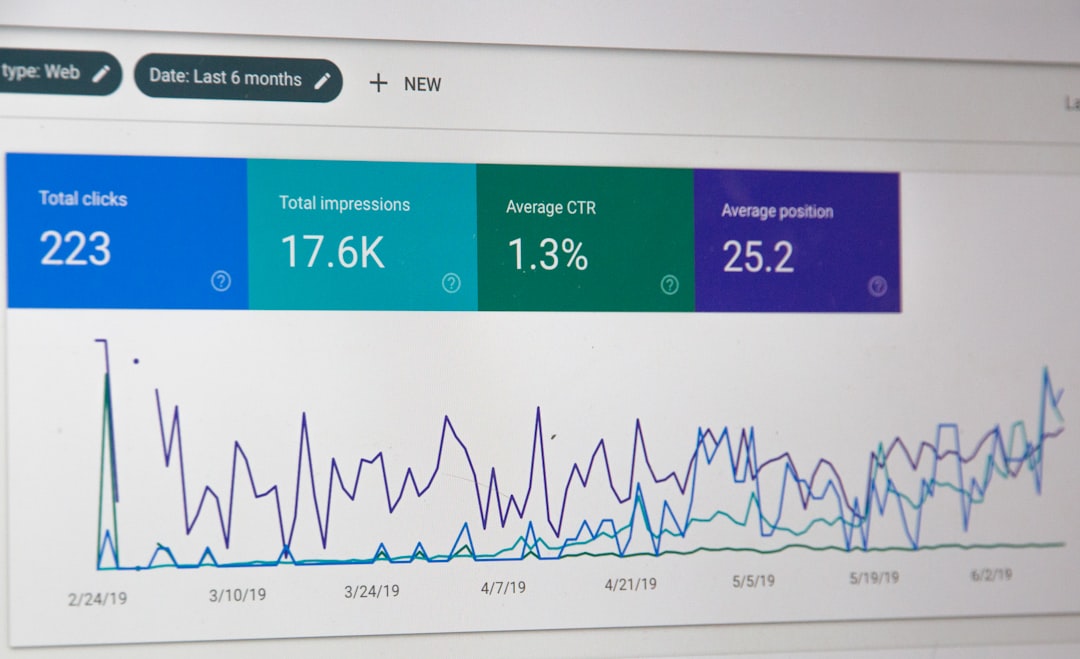
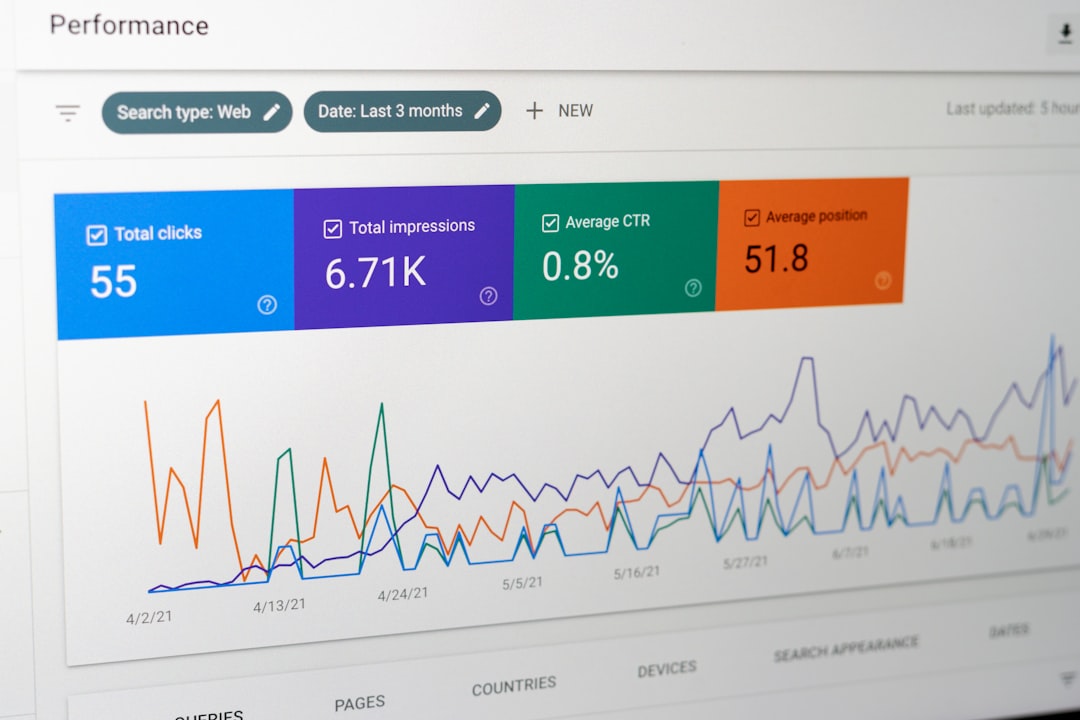
Monitor Results Regularly

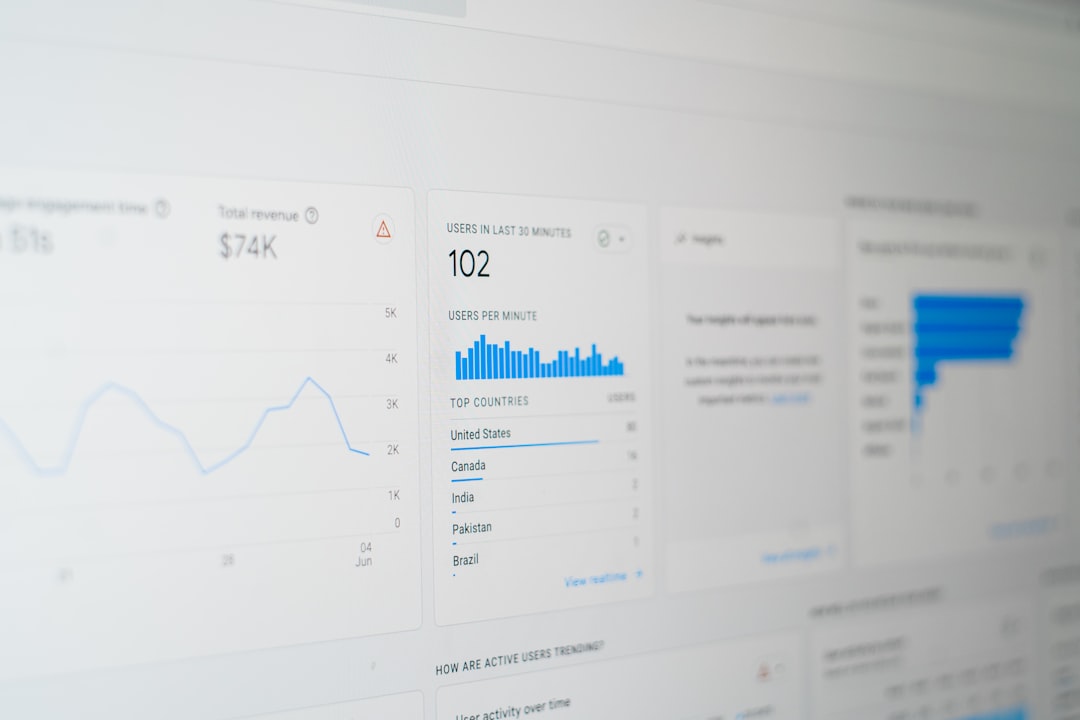
SEO optimization should be measured over time.
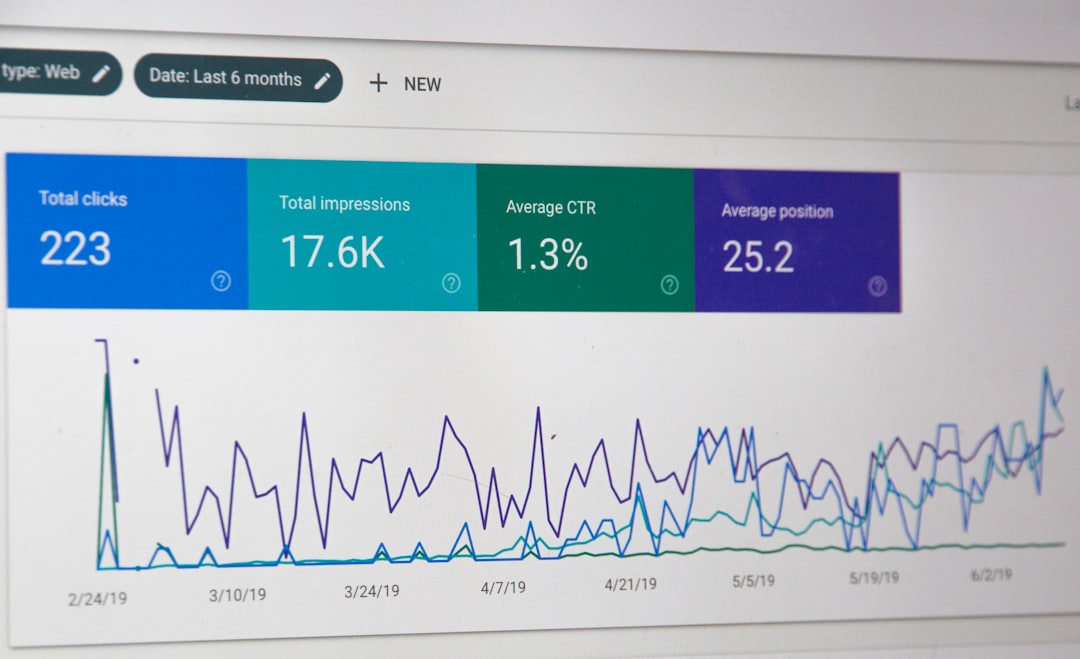
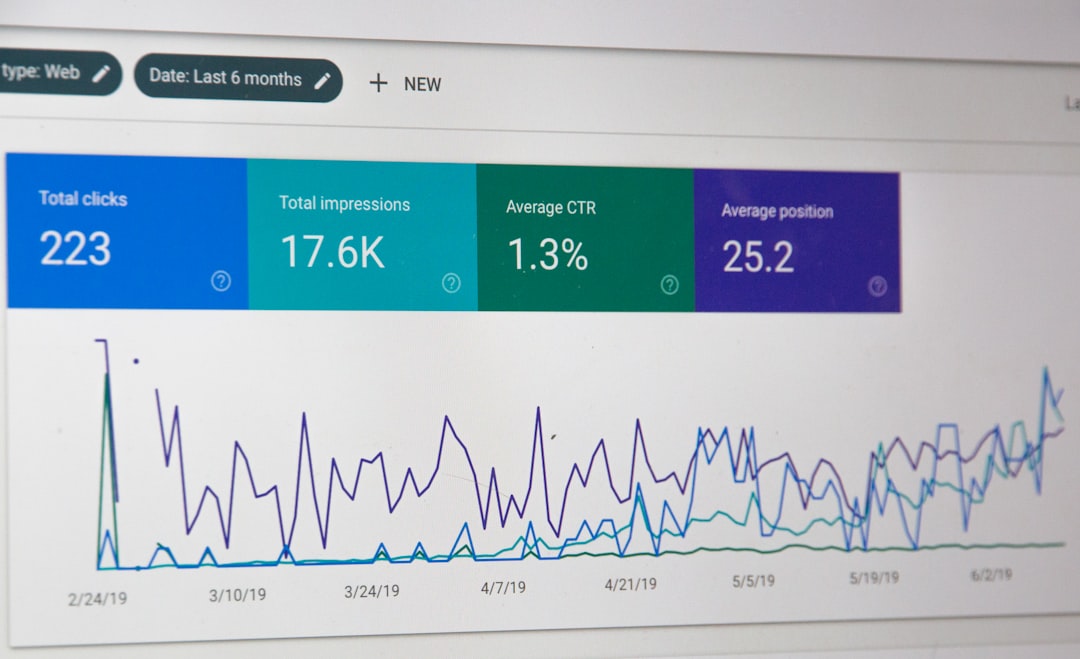
Track metrics such as:
| Metric | What It Shows |
|---|---|
| Organic traffic | Search-driven visitors |
| Keyword visibility | Search presence |
| Click-through rate | Search-result engagement |
| Conversions | Business outcomes |
| Indexed pages | Search engine coverage |
| Core Web Vitals | Page experience |
A WordPress SEO agency can use these measurements to identify what needs improvement and adjust the strategy accordingly.
When Professional SEO Help Makes Sense
DIY SEO can work for basic websites, but larger sites often involve technical issues, content planning, analytics, and ongoing optimization.
Professional support can be useful when:
- Organic traffic has declined
- Important pages are not indexing
- Technical issues keep returning
- Competitors are gaining visibility
- You do not have time for ongoing SEO
- Your website needs a structured growth strategy
The right approach is not about making hundreds of changes at once. It is about identifying the most important opportunities and improving the website consistently.