
A WordPress SEO agency can help businesses improve organic visibility by combining technical optimization, keyword research, content strategy, website structure, and ongoing performance analysis.
But effective SEO is not about completing a fixed list of tasks once. It requires understanding the website, identifying priorities, implementing improvements, and measuring what happens afterward.
Begin With an SEO Audit

Every effective strategy should begin with an understanding of the current website.
An audit can examine:
- Technical SEO
- Indexing
- Content
- Keywords
- Internal links
- Backlinks
- Mobile usability
- Page performance
This helps identify what needs immediate attention and what can be improved later.
Understand the Business
SEO should support the actual business.
Before selecting keywords or creating content, understand:
- Target audience
- Products or services
- Main locations
- Business priorities
- Competitors
- Conversion goals
A strategy for an ecommerce store will naturally differ from one for a local service business.
Develop Keyword Strategy
Keyword research helps identify the searches relevant to the website.
Consider:
- Search intent
- Relevance
- Competition
- Search demand
- Commercial value
Create a clear purpose for each important keyword rather than assigning the same keyword to multiple pages without a reason.
Build a Logical Website Structure
Organize the website so users and search engines can move between related pages.
For example:
Homepage → Service → Supporting Content
A strong structure makes important pages easier to discover.
Avoid unnecessary layers that force visitors to click through many pages before reaching important information.
Optimize Important Pages
Each key page should be reviewed for:
- Page title
- Meta description
- H1
- Supporting headings
- Content
- URL
- Images
- Internal links
Optimization should remain natural and should not make the content difficult to read.
Create Useful Content
A successful content strategy focuses on quality and relevance.
Content can include:
- Guides
- Tutorials
- Comparisons
- Case studies
- Service articles
- Industry resources
Every piece should answer a real need and fit into the broader website structure.
Refresh Existing Content
Older pages should be reviewed periodically.
Look for:
- Outdated information
- Declining traffic
- Weak introductions
- Missing topics
- Broken links
- Poor internal linking
Updating existing content can help maintain its usefulness and relevance.
Improve Technical SEO
Technical SEO provides the foundation for the website.
Regularly review:
- XML sitemap
- Robots.txt
- Indexing
- Canonical URLs
- Redirects
- Broken links
- HTTPS
- Mobile usability
Technical changes should be implemented carefully, especially on websites with significant existing traffic.
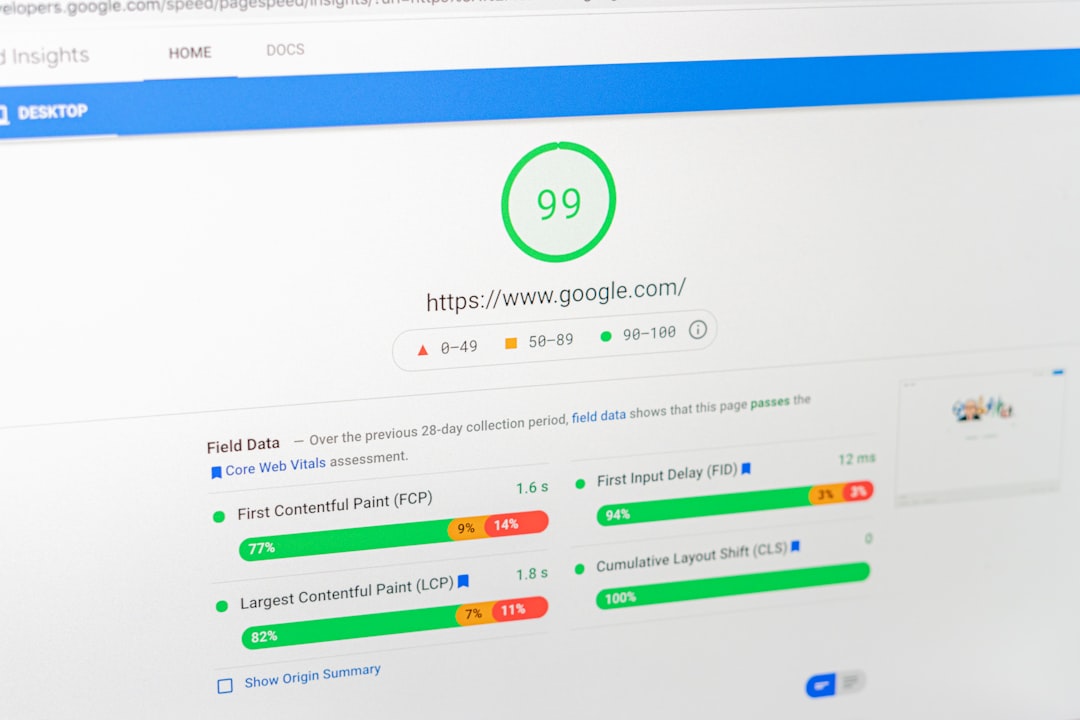
Optimize Website Performance
A WordPress SEO agency can investigate performance problems related to:
- Images
- Hosting
- Plugins
- Caching
- Scripts
- Themes
- Third-party services
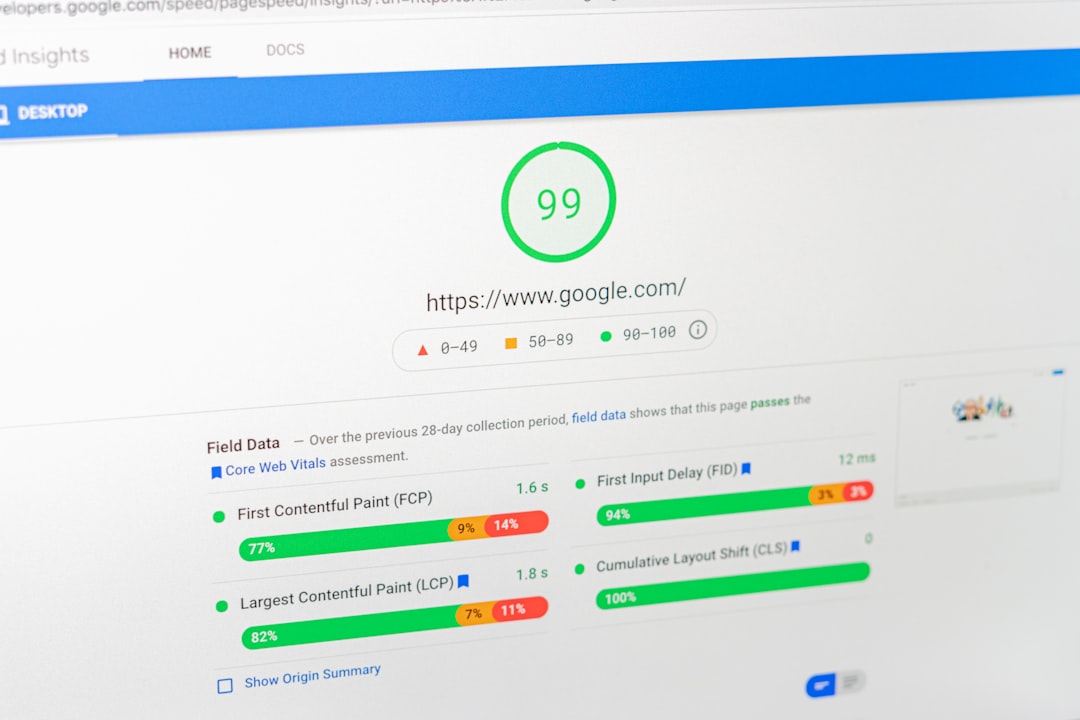
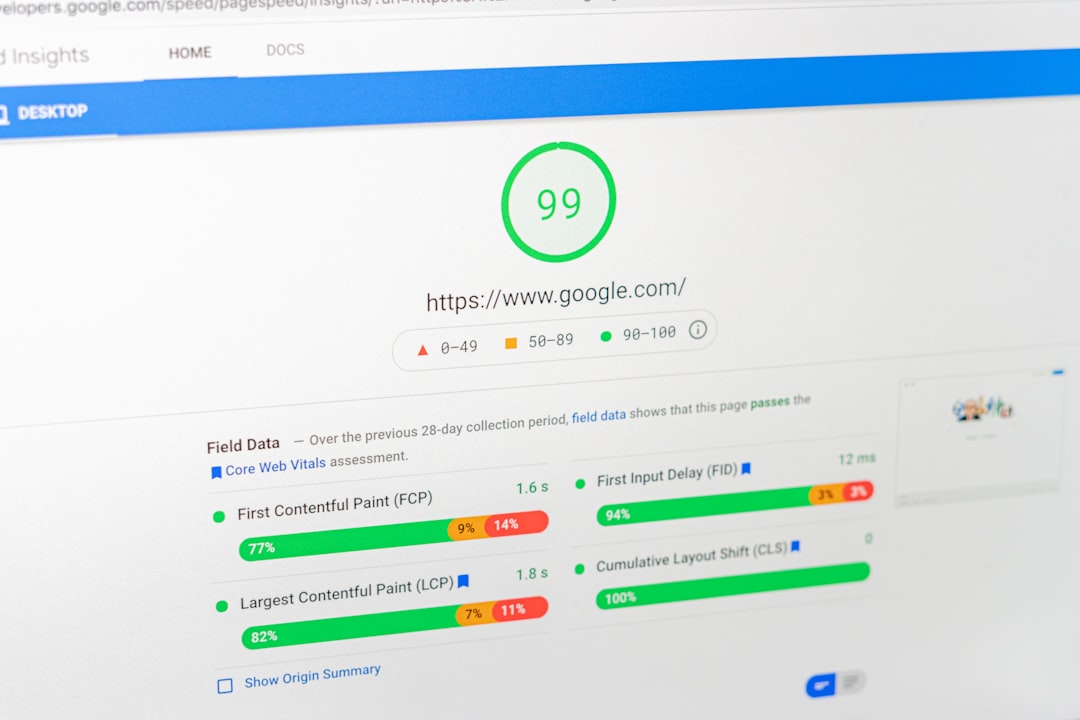
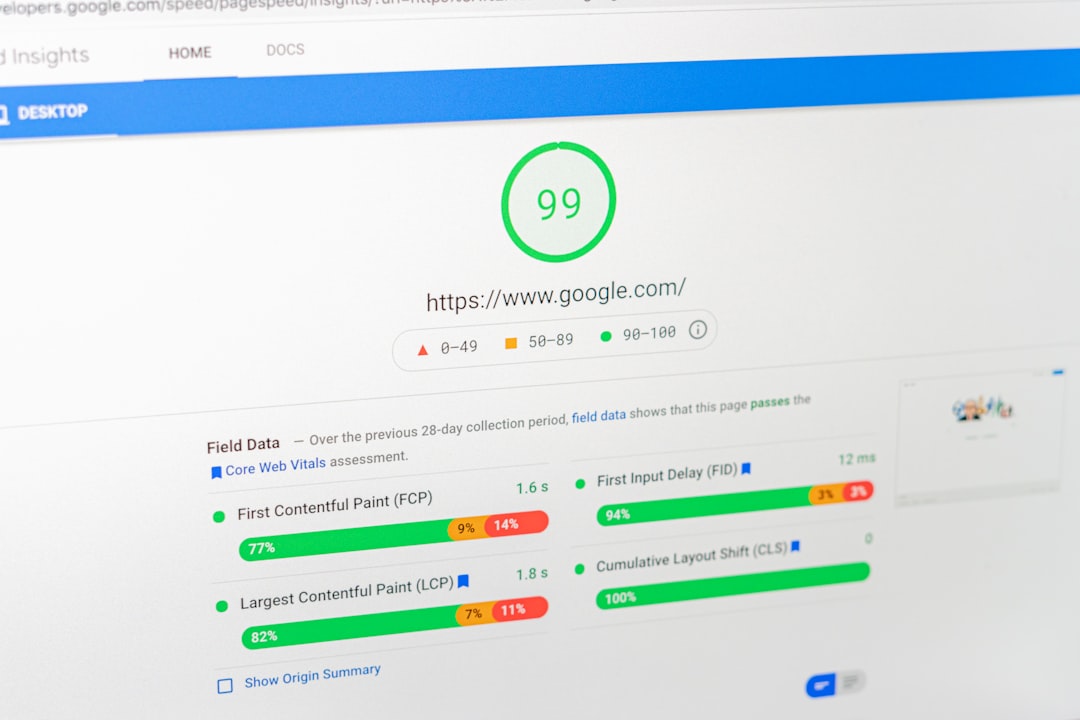
Performance improvements should focus on the experience of real users rather than only chasing a testing score.
Strengthen Internal Linking

Internal links can connect related information and guide visitors toward important pages.
For example, multiple educational articles can naturally connect to a relevant service page.
Review internal links regularly to identify broken links and pages that are difficult to discover.
Develop Authority
Off-page SEO can support a website’s broader visibility.
Relevant opportunities may include:
- Industry publications
- Digital PR
- Business directories
- Partnerships
- Resource pages
- Expert contributions
Quality and relevance should remain central to the process.
Consider Local SEO
Local businesses can optimize their online presence around their actual service areas.
This may include:
- Google Business Profile
- Location pages
- Local content
- Business listings
- Reviews
- Consistent business information
Local optimization should provide useful information instead of creating repetitive city pages.
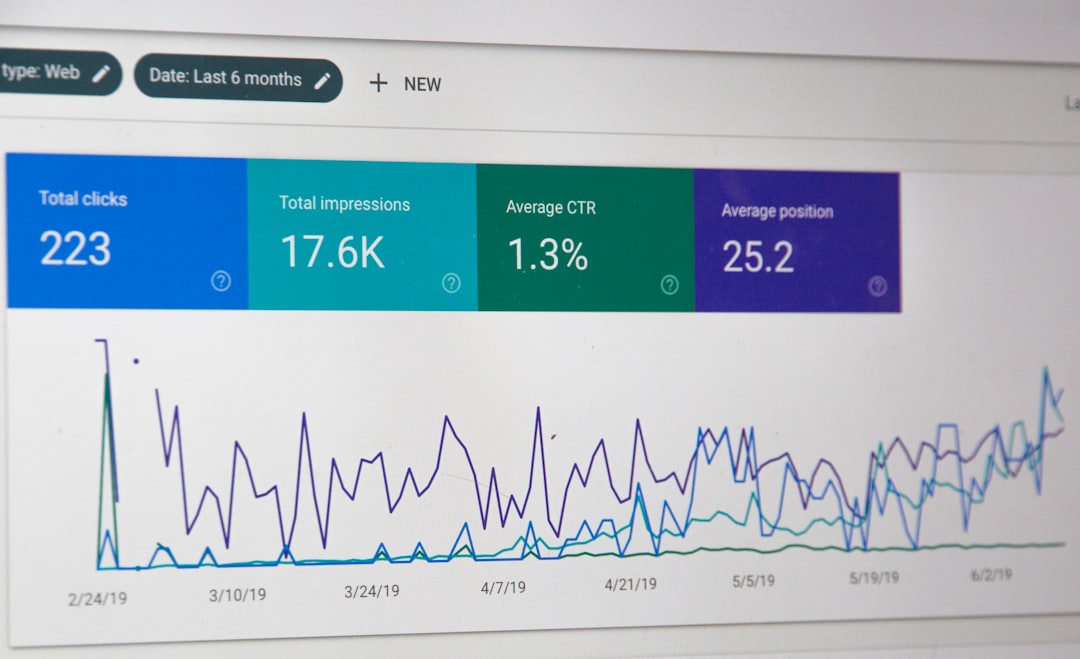
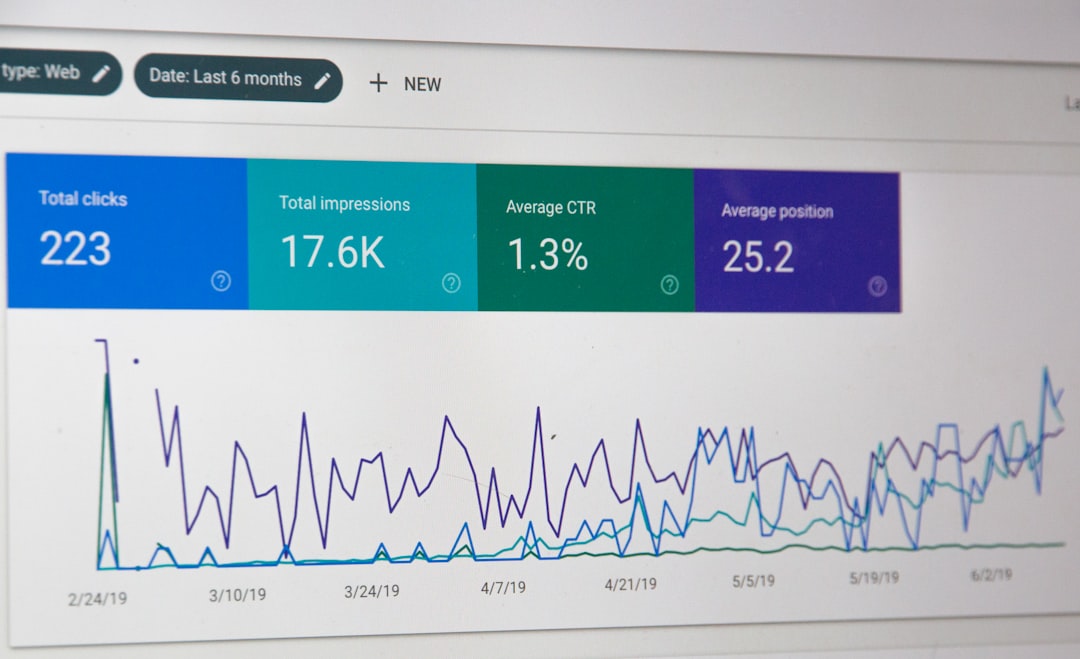
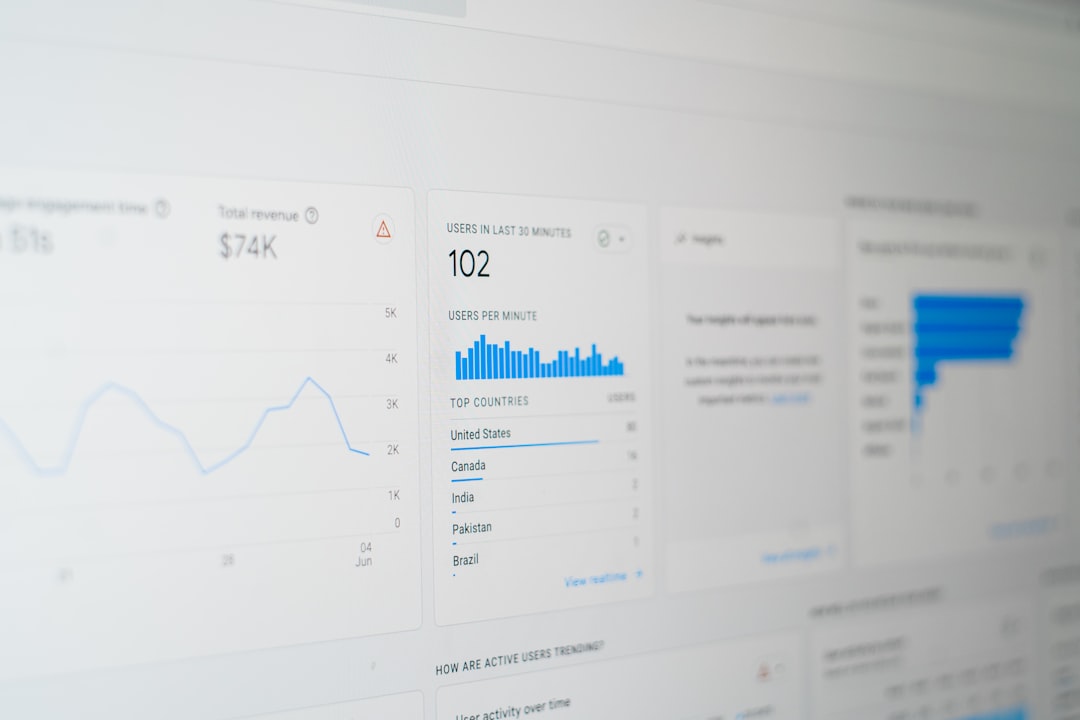
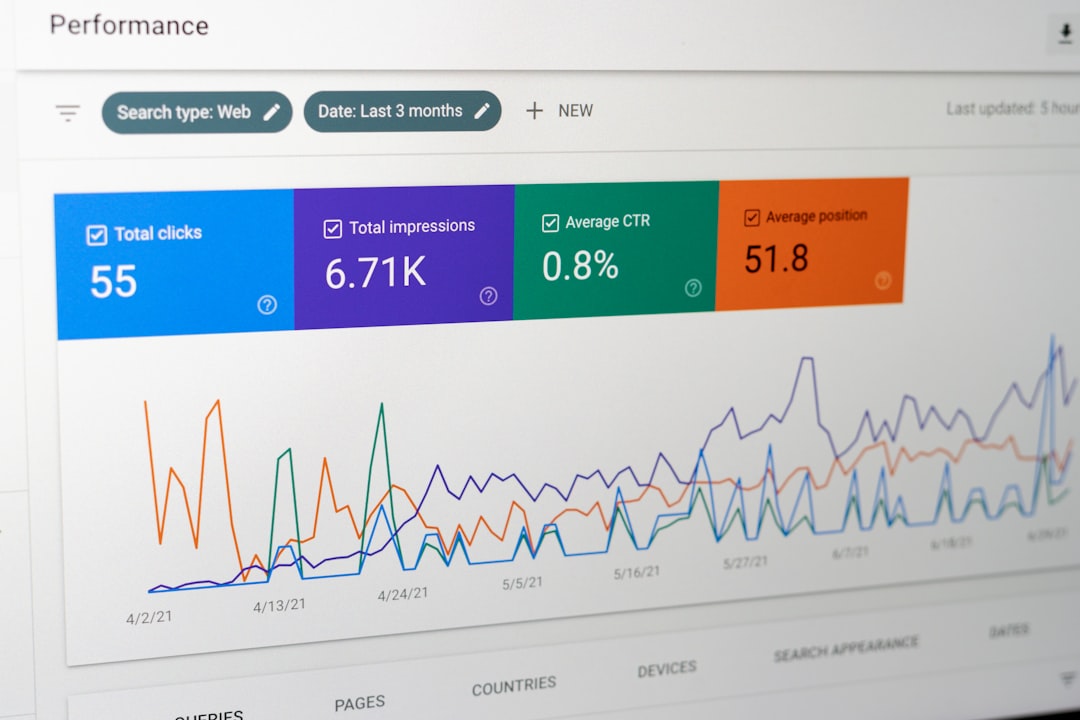
Monitor Search Performance
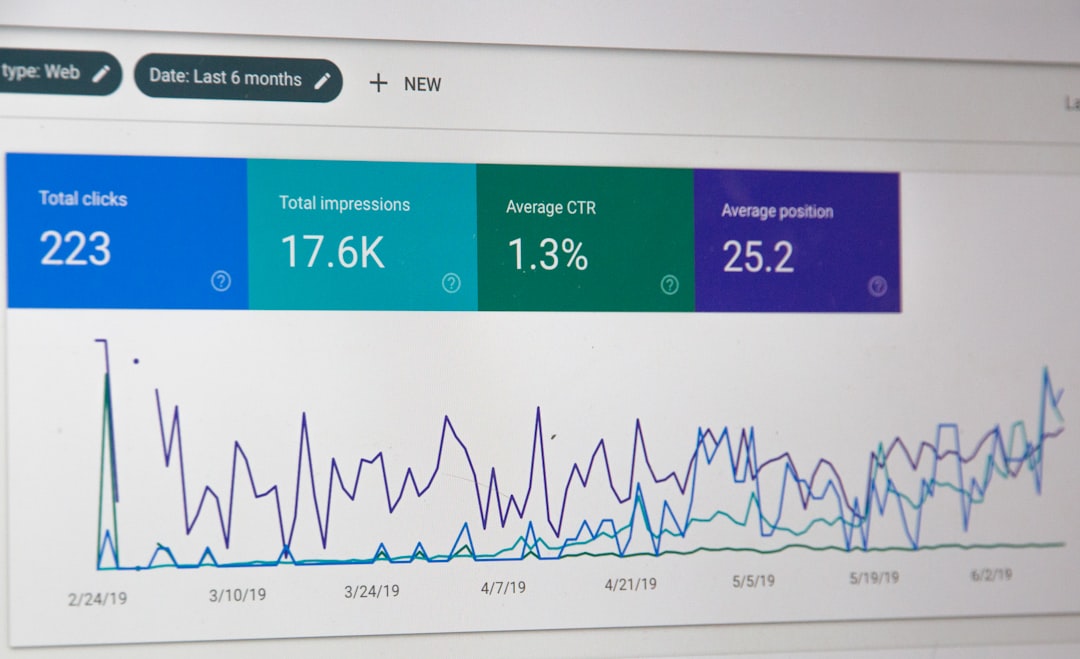
Track performance using several data points.
| Area | Metrics |
|---|---|
| Visibility | Impressions |
| Traffic | Organic clicks |
| Engagement | CTR and user behavior |
| Search presence | Rankings |
| Business results | Leads and sales |
| Technical health | Indexing and errors |
This information helps determine what should be improved next.
Connect SEO With Conversions
Traffic only becomes valuable when it supports the business.
Track relevant actions such as:
- Contact forms
- Phone calls
- Bookings
- Quote requests
- Purchases
If traffic increases without business results, review the landing page, audience targeting, search intent, and conversion path.
Create an Ongoing SEO Process
The complete process can be summarized as:
Audit → Research → Plan → Optimize → Publish → Build Authority → Measure → Improve
Each stage supports the next.
A WordPress SEO agency can manage this process while adapting it to the website’s industry, audience, competition, and goals.
The strongest SEO strategy is not necessarily the one with the most tasks. It is the one that consistently identifies meaningful opportunities, improves the website, measures the results, and keeps the work connected to the needs of real users and the business.