
SEO problems can appear even when a WordPress website is already receiving professional optimization. A strategy may become outdated, technical issues can appear after website changes, or the SEO work may not be aligned with the site’s actual goals.
The first step is identifying the specific problem instead of changing everything at once.
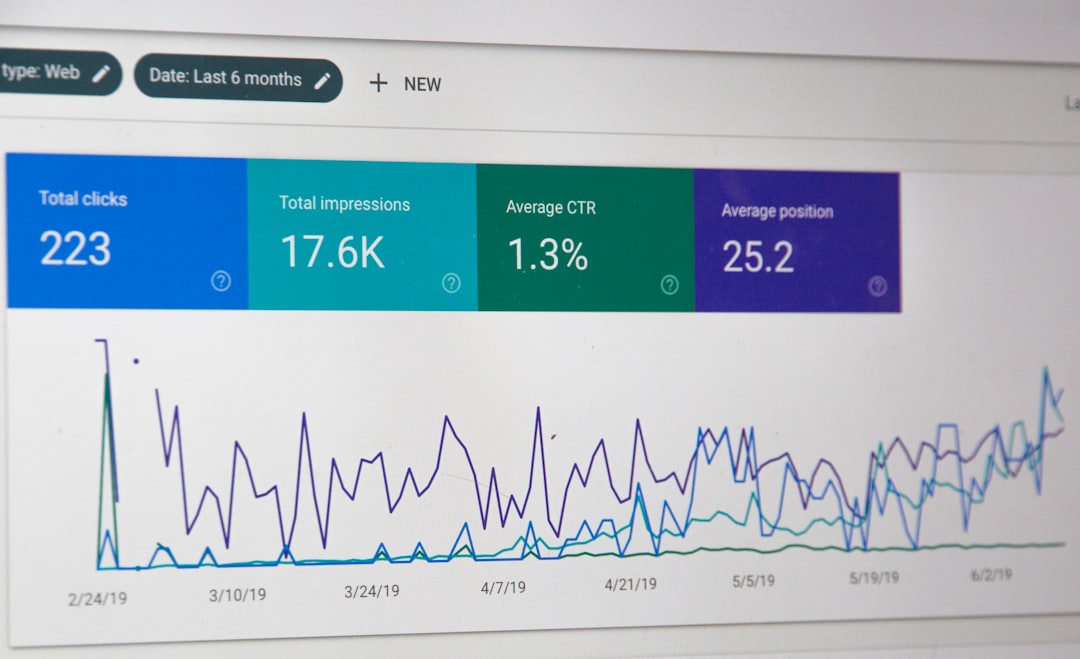
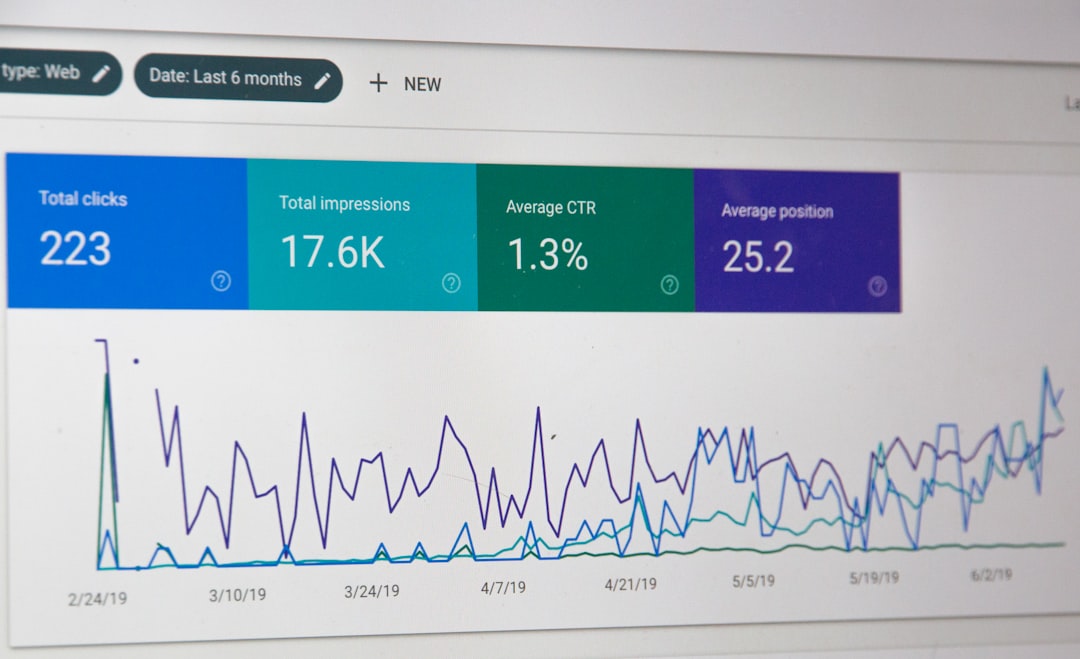
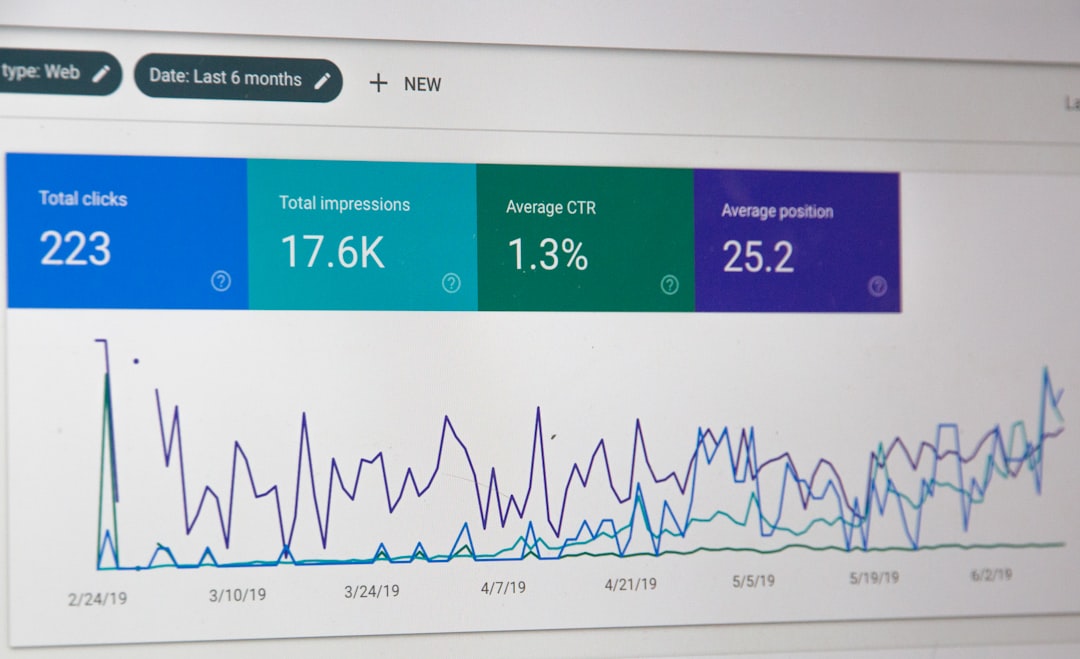
Start With an SEO Audit

Before fixing problems, establish what is actually wrong.
Review:
- Organic traffic
- Search visibility
- Indexing
- Technical errors
- Content performance
- Keyword targeting
- Internal links
- Backlinks
- Conversions
This creates a baseline and prevents random SEO changes.
Check Indexing Problems
One of the first things to investigate is whether important pages are actually indexed.
Look for:
- Accidental noindex tags
- Incorrect canonical URLs
- Blocked resources
- Sitemap problems
- Redirect chains
- Pages returning errors
If an important page cannot be properly accessed or indexed, content optimization alone will not solve the problem.
Fix Poor Keyword Targeting
Sometimes the problem is not technical at all.
A page may target a keyword that does not match what users want.
For example, a service page targeting an educational search query may struggle to attract potential customers because the intent is different.
Review the target keyword and ask:
Does this page provide exactly the type of information the searcher expects?
If not, the content or keyword strategy may need to change.
Improve Weak Content
Low-performing content should be examined rather than automatically deleted.
Possible solutions include:
- Expanding useful sections
- Removing outdated information
- Improving the introduction
- Adding examples
- Answering related questions
- Improving headings
- Adding internal links
If two pages cover almost the same topic, they may also need to be consolidated where appropriate.
Review Internal Links
A page can have excellent content and still be difficult to discover if it has poor internal linking.
Check whether important pages are connected from relevant sections of the website.
Look for:
- Orphan pages
- Broken links
- Unclear anchor text
- Important pages with few links
- Excessive links
Internal links should be useful to visitors rather than added simply for SEO.
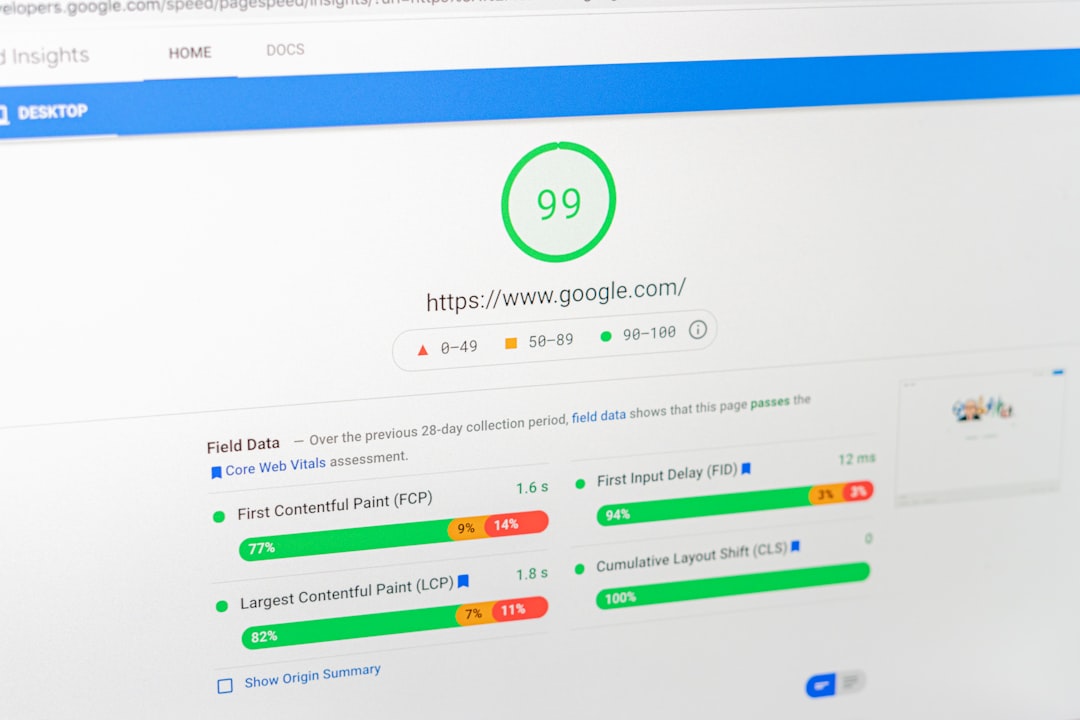
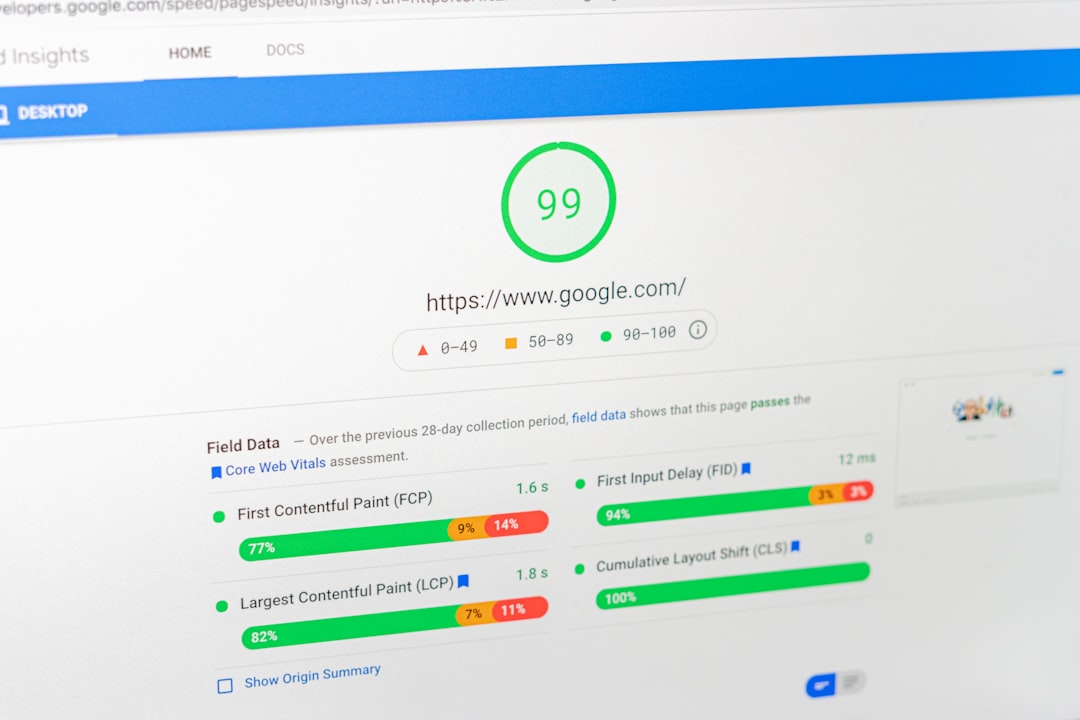
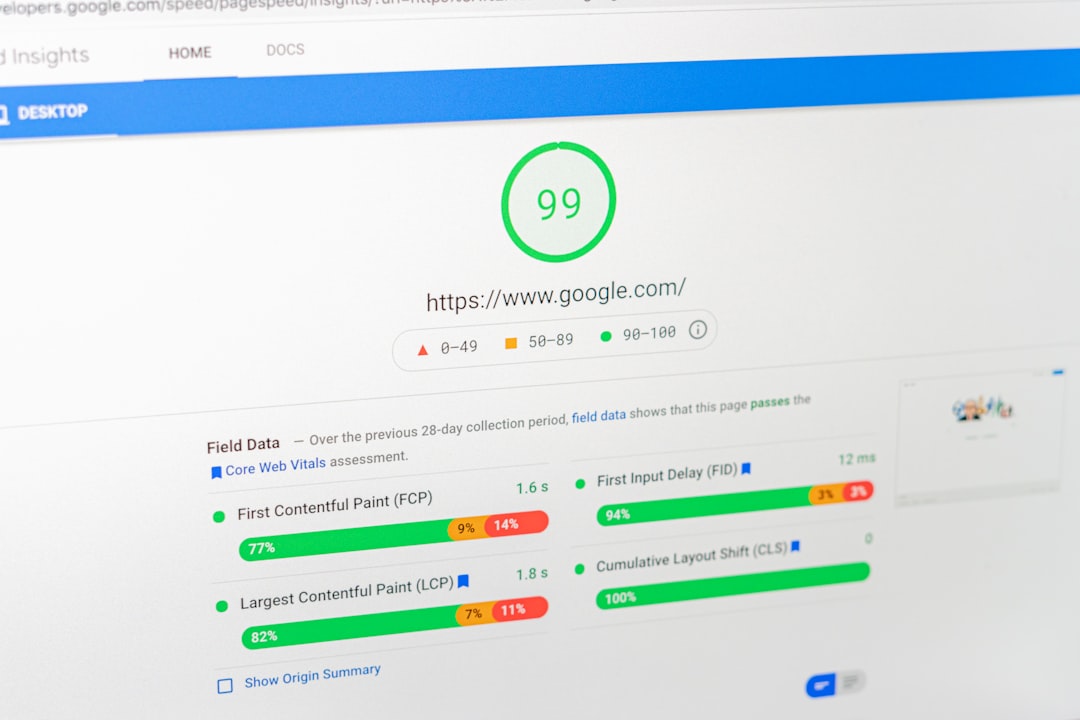
Investigate Speed Problems
If pages load slowly, examine the underlying causes.
Common areas include:
- Large images
- Too many plugins
- Poor hosting
- Heavy themes
- Unnecessary scripts
- Lack of caching
- Third-party tools
Avoid installing several optimization plugins without checking whether they overlap or conflict.
Check Mobile Usability
Open important pages on phones and tablets.
Look for:
- Small text
- Difficult navigation
- Overlapping elements
- Slow loading
- Buttons that are difficult to tap
- Forms that do not work properly
A mobile problem can affect the experience of a large portion of visitors.
Review Backlink Quality
If an agency has been building backlinks, review where those links are coming from.
Relevant questions include:
- Are the websites related to the industry?
- Are links placed naturally?
- Is the content useful?
- Are there unusual patterns?
- Are there large numbers of low-quality links?
A backlink strategy should focus on relevance and credibility rather than volume alone.
Improve Reporting

Sometimes the SEO problem is partly a communication problem.
A useful SEO report should show more than a list of completed tasks.
It should help answer:
- What changed?
- Why was it changed?
- What happened afterward?
- Which pages improved?
- What still needs work?
- What will happen next?
This makes it easier for the website owner to understand the actual progress.
Connect SEO With Business Results
Traffic increases do not always mean that the SEO strategy is achieving its business purpose.
Review whether organic visitors are:
- Contacting the business
- Requesting quotes
- Making purchases
- Booking services
- Completing important forms
If traffic rises but conversions remain unchanged, the website may need improvements beyond search optimization.
Create a Priority Plan
Once the problems are identified, organize them according to impact.
Immediate
Indexing errors, major technical problems, broken pages, or serious usability issues.
Next
On-page improvements, content updates, internal linking, and performance work.
Ongoing
Content development, authority building, monitoring, and testing.
This prevents the team from spending too much time on minor issues while important problems remain unresolved.
Keep Monitoring After Fixes
SEO fixes should be monitored after implementation.
Check relevant search data, traffic, indexing, and conversions over an appropriate period.
A WordPress SEO agency should treat troubleshooting as an ongoing process rather than a single emergency task. By identifying the cause, applying targeted changes, and measuring the outcome, SEO problems become easier to manage and prevent in the future.