
An SEO audit is one of the best ways to understand why a WordPress website is not performing as expected. It can reveal technical problems, weak content, indexing issues, poor website structure, and missed optimization opportunities.
When auditing the work of a WordPress SEO agency, the goal is not simply to count how many tasks have been completed. The real question is whether the work is improving the website in a meaningful and measurable way.
Start With the Website’s Goals
Before reviewing SEO work, identify what the website is supposed to achieve.
A business may want:
- More qualified traffic
- More leads
- More online sales
- Better local visibility
- Greater brand awareness
This provides context for the audit.
For example, increasing traffic to informational blog posts may be useful, but it may not solve a service business’s main problem if important service pages remain invisible.
Review Technical SEO

The first stage is checking whether search engines can properly access the website.
Review:
- Indexing
- XML sitemap
- Robots.txt
- Canonical URLs
- Redirects
- Broken links
- HTTPS
- Mobile usability
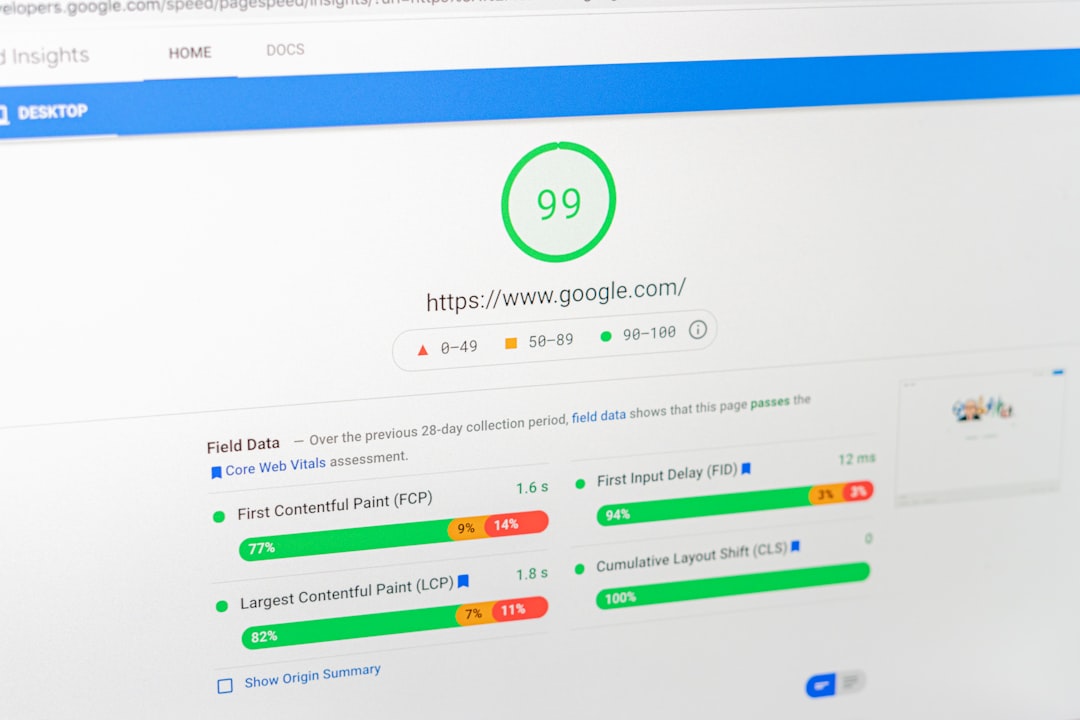
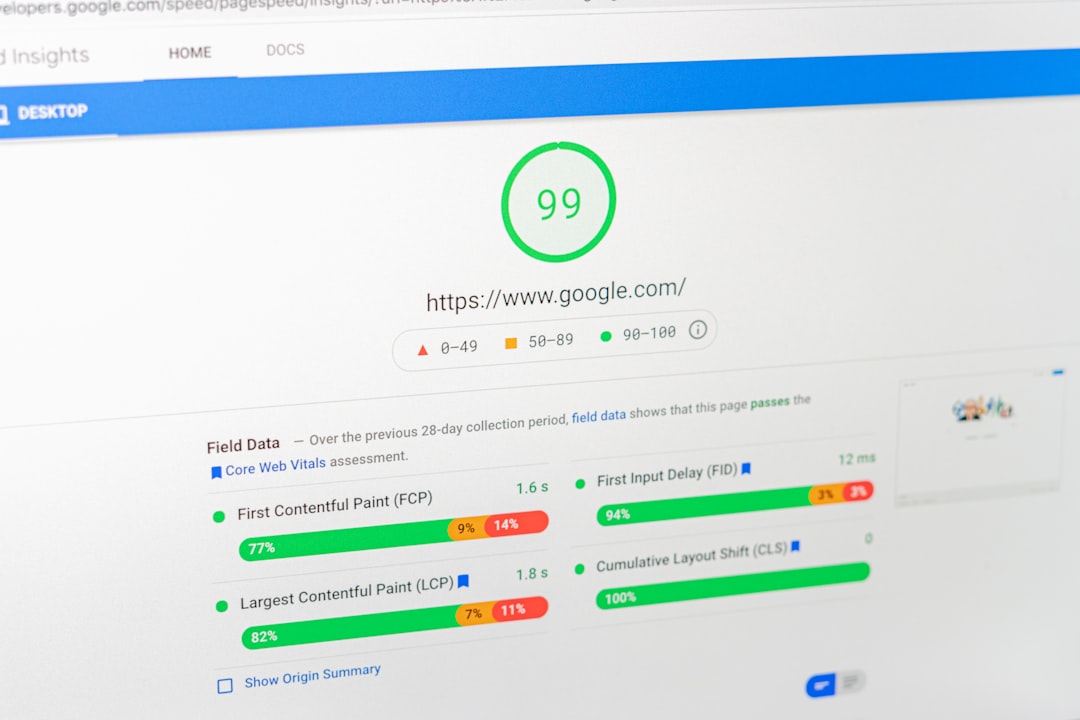
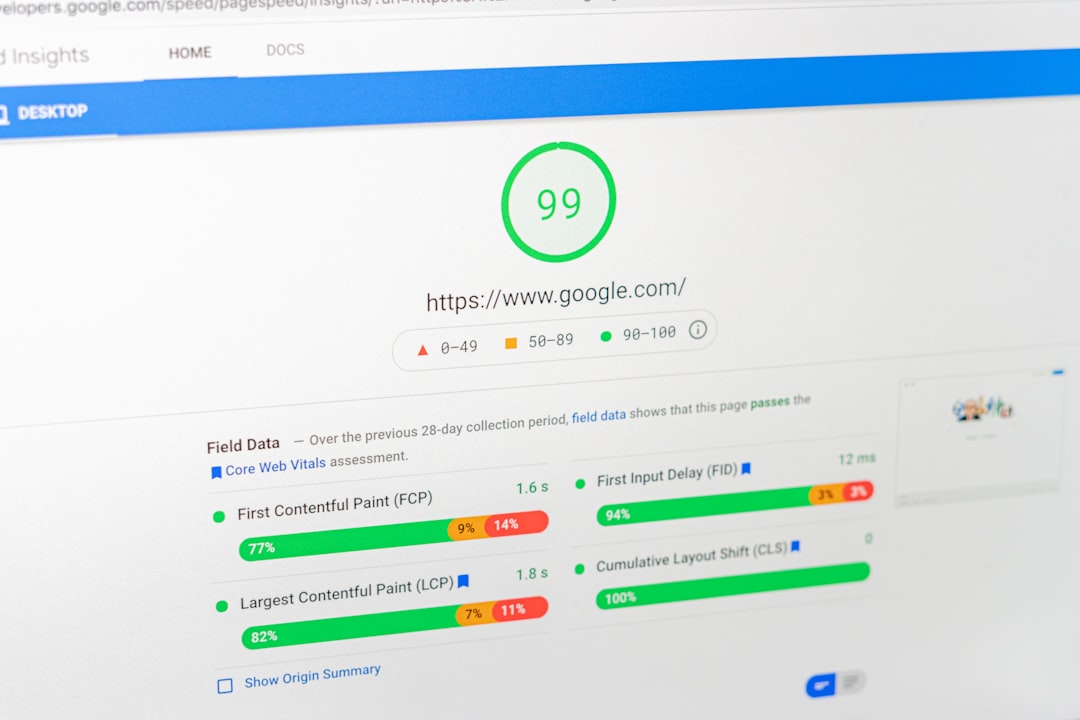
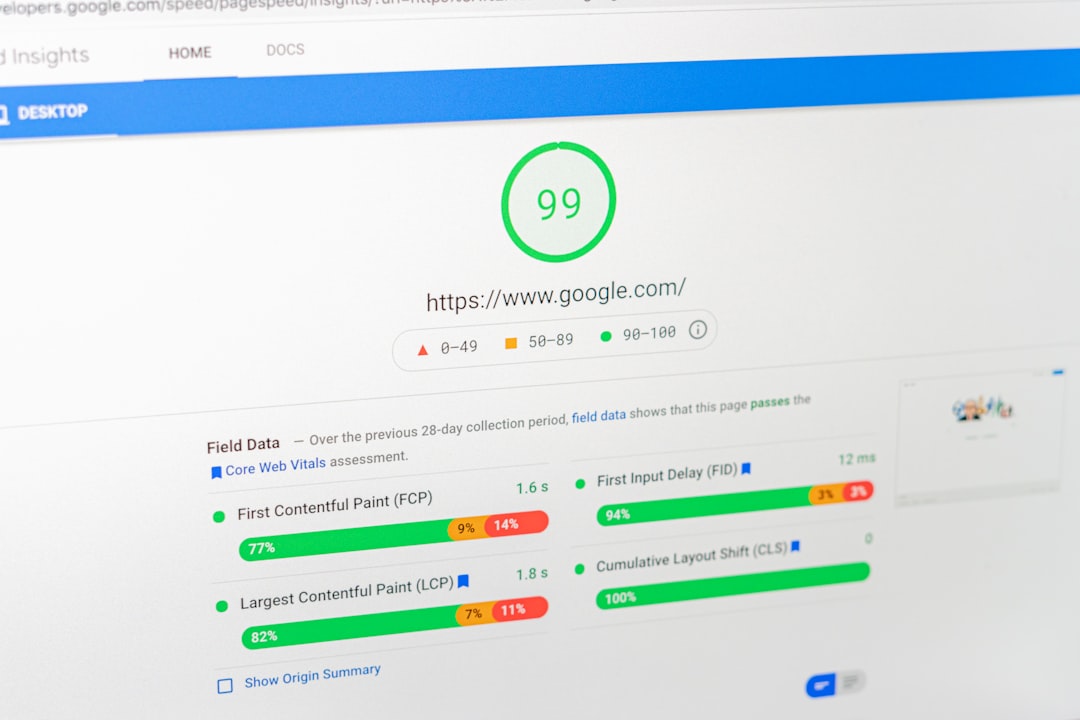
- Page performance
Pay special attention to important pages accidentally marked as noindex.
Check Keyword Targeting
Review the keywords selected for major pages.
Ask:
- Are they relevant to the business?
- Do they match search intent?
- Are important services represented?
- Are multiple pages targeting the same search term unnecessarily?
- Are there useful content gaps?
Keyword research should support the business rather than exist as a separate spreadsheet with no connection to website goals.
Audit On-Page Optimization
Review important pages for:
- Page titles
- Meta descriptions
- H1 headings
- Supporting headings
- Content quality
- Keyword relevance
- Internal links
- Image alt text
- URLs
Optimization should look natural. If a page feels overloaded with repeated keywords, the content may need to be rewritten.
Evaluate Content Quality
Look beyond word count.
A useful content audit asks whether each page:
- Answers the intended question
- Provides enough useful information
- Is accurate
- Has a clear purpose
- Offers something valuable to readers
- Is updated when necessary
Thin, duplicate, outdated, or overlapping pages should be identified.
Check Internal Linking
Review how important pages are connected.
A strong structure often has supporting informational content linking naturally toward relevant service or product pages.
Look for:
- Orphan pages
- Broken internal links
- Unhelpful anchor text
- Important pages with very few internal links
- Excessive links that make content difficult to read
Review Backlinks
Backlinks should be evaluated for relevance and quality.
Consider:
- Referring domain relevance
- Link context
- Authority
- Anchor text
- Sudden unnatural patterns
Do not judge a link only by its quantity. Ten highly relevant links can be more useful than a large number of unrelated links.
Review Mobile Experience
Open important pages on different screen sizes.
Check:
- Navigation
- Text readability
- Buttons
- Forms
- Images
- Page layout
- Loading experience
Mobile usability problems can affect both user experience and search performance.
Analyze Search Performance

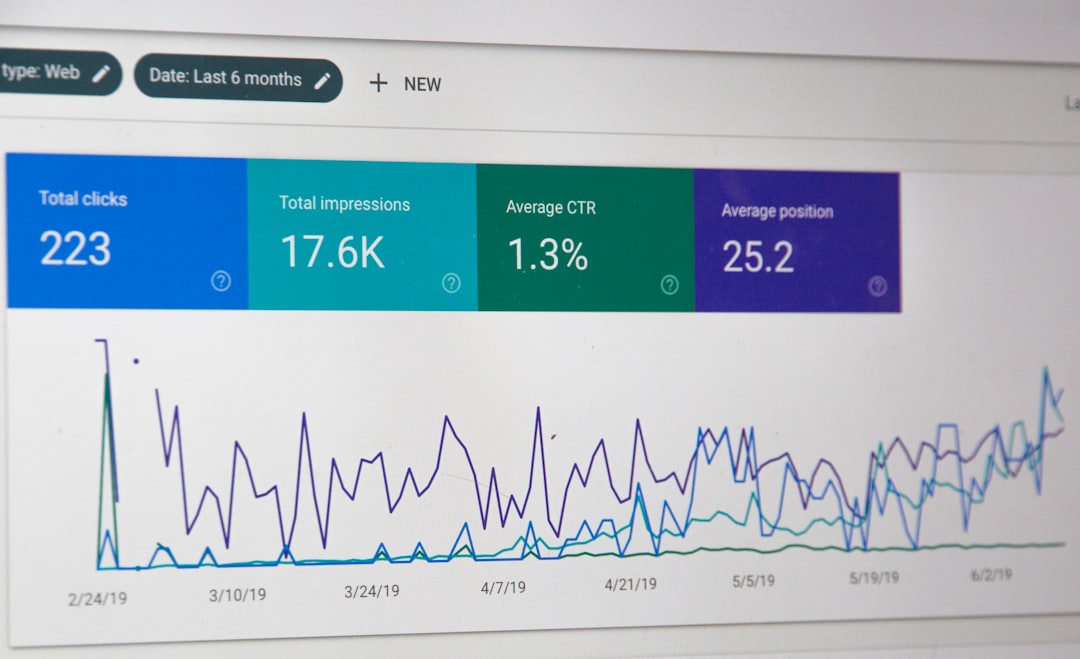
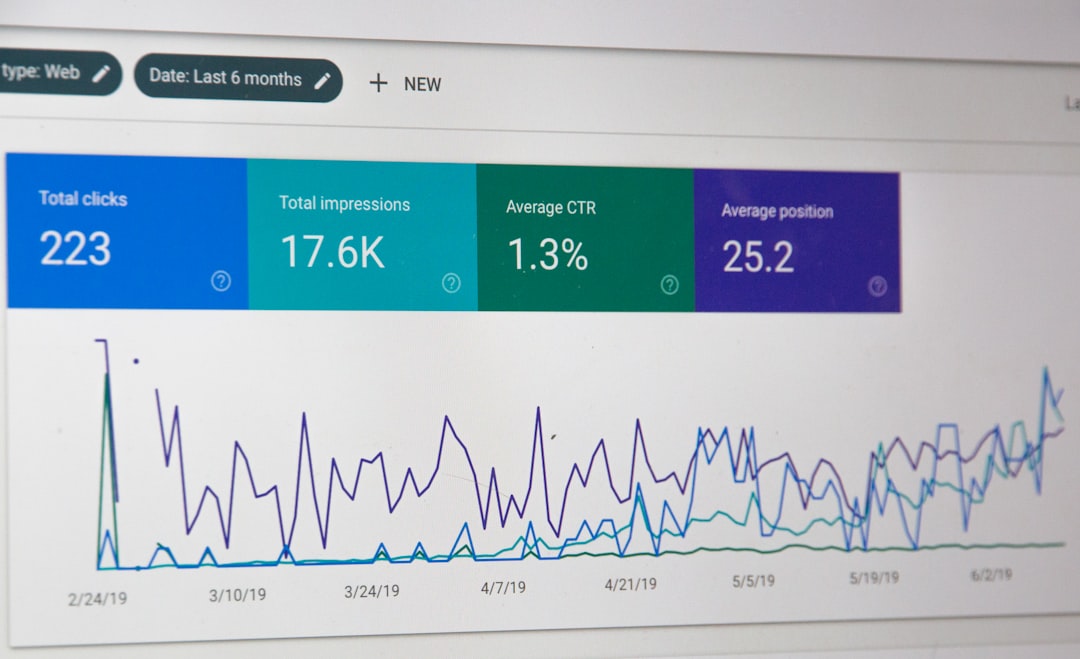
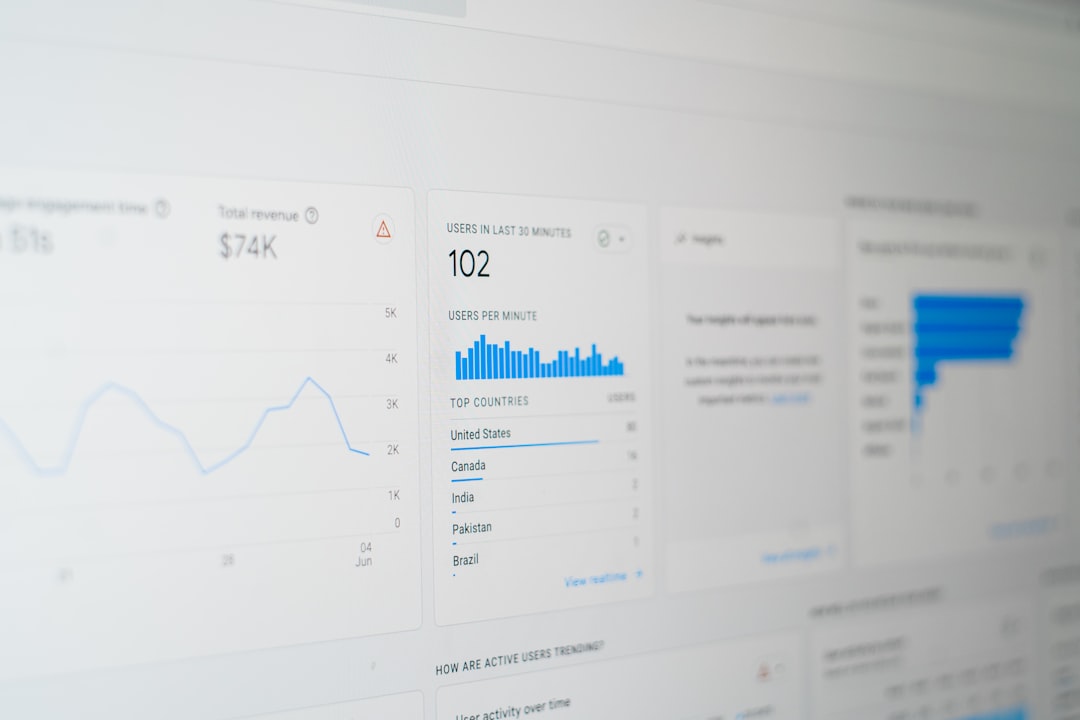
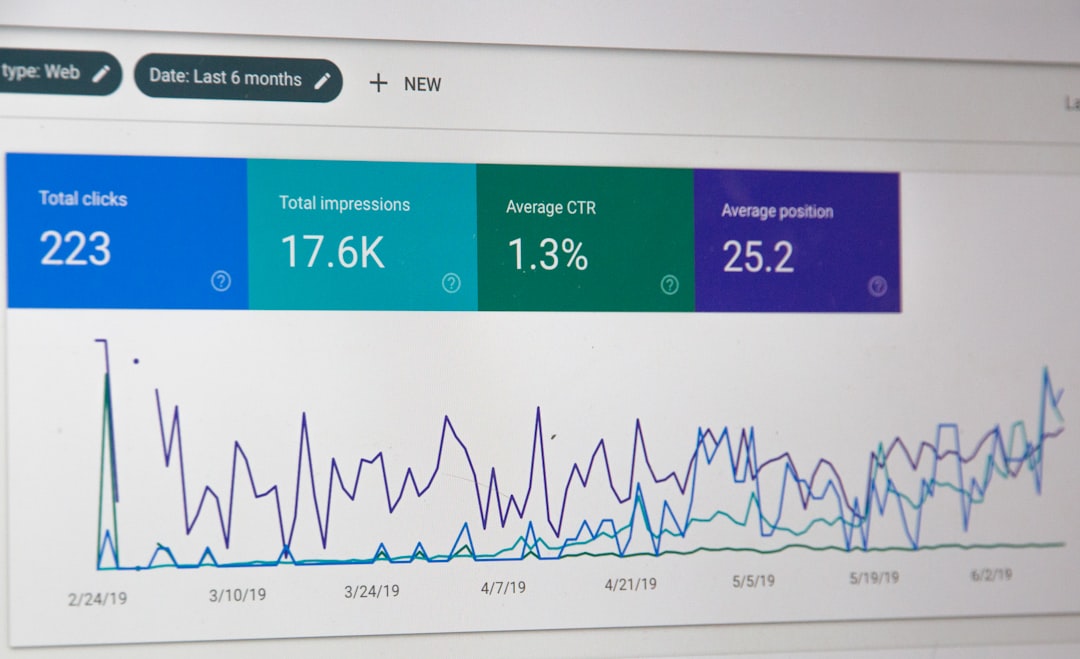
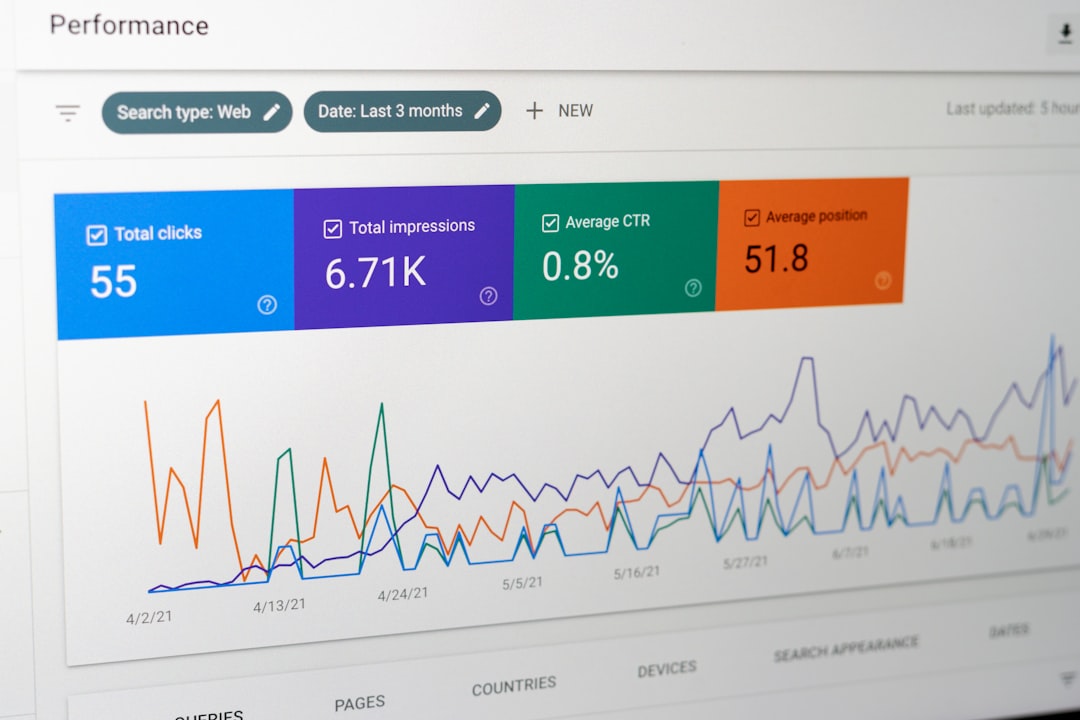
Use available analytics and search data to compare performance before and after SEO work.
Useful metrics include:
| Metric | Audit Purpose |
|---|---|
| Organic clicks | Traffic generated |
| Impressions | Visibility |
| CTR | Search-result engagement |
| Rankings | Keyword movement |
| Conversions | Business impact |
| Indexed pages | Technical accessibility |
Look for trends instead of relying on a single day’s numbers.
Compare Work With Results
An agency may complete many SEO tasks, but completed tasks are not the same as results.
For example, publishing 20 articles is an activity. Increasing relevant organic traffic and qualified leads is an outcome.
The audit should therefore connect actions with measurable changes where possible.
Identify Priorities
After reviewing the website, divide findings into practical priorities.
High Priority
Issues that affect crawling, indexing, important pages, or major user problems.
Medium Priority
Content improvements, internal linking, page optimization, and performance enhancements.
Ongoing
Content updates, backlink development, monitoring, testing, and reporting.
This prevents the SEO team from treating every issue as equally urgent.
Turn the Audit Into an Action Plan
A useful audit should finish with clear next steps.
Each recommendation should ideally explain:
- What is wrong
- Which page or section is affected
- Why it matters
- What should change
- Who will handle it
- How success will be measured
This makes the audit practical instead of turning it into a long list of technical observations.
A WordPress SEO agency should be able to explain its work clearly and connect optimization activities to the website’s broader goals. Regular auditing also helps ensure that SEO remains an ongoing process rather than a one-time project.