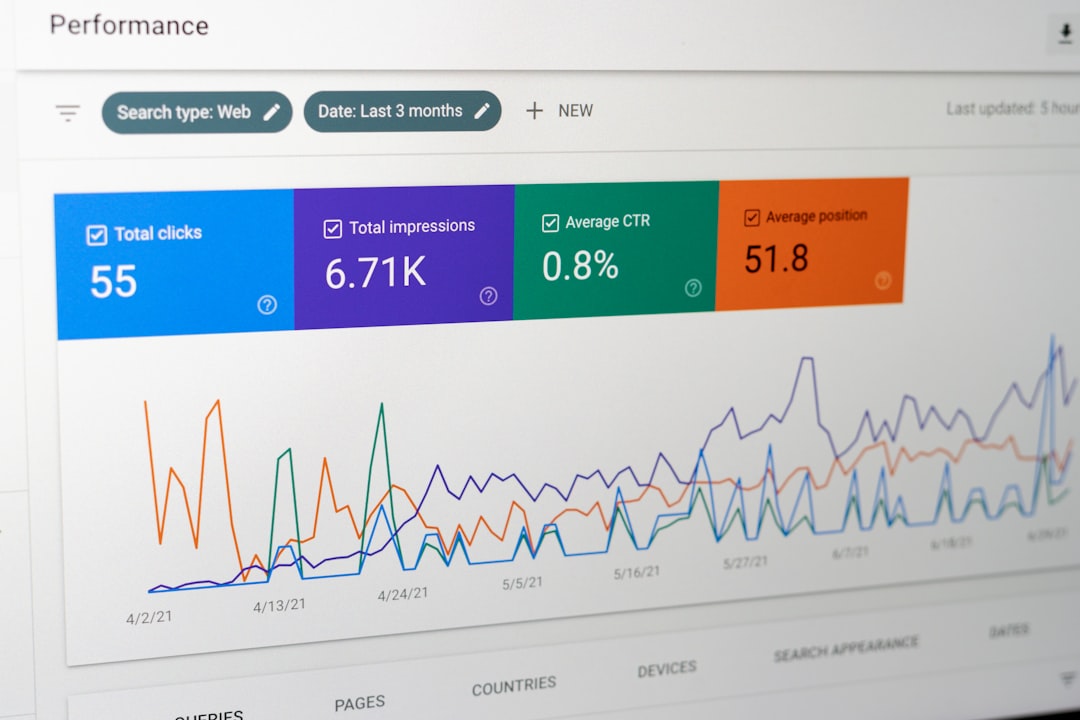

WordPress makes it relatively easy to publish a website, but getting that website to perform well in search requires a more structured approach. SEO involves technical settings, content, keywords, website architecture, links, performance, and ongoing measurement.
A WordPress SEO Consultant can help businesses move from basic optimization to a more advanced SEO strategy.
Start With the Basics
Beginners should first understand the main areas of SEO:
- Keyword research
- On-page SEO
- Technical SEO
- Content optimization
- Internal linking
- Backlink building
- Performance tracking
These areas work together. Improving one while ignoring major technical problems may limit the overall results.
Step 1: Understand Search Intent

Before creating or optimizing a page, determine what the searcher wants.
Search intent can generally be:
- Informational
- Navigational
- Commercial
- Transactional
For example, “how to improve WordPress speed” is informational, while “WordPress SEO consultant services” has stronger commercial intent.
Understanding this helps determine what type of page should be created.
Step 2: Perform Keyword Research
Keyword research identifies the phrases potential visitors use.
Look beyond search volume and consider:
- Relevance
- Competition
- Search intent
- Business value
- Long-tail opportunities
A smaller, highly relevant keyword can sometimes be more useful than a broad keyword that attracts unrelated visitors.
Step 3: Optimize Important Pages
On-page optimization includes:
- Clear page titles
- Useful headings
- Relevant content
- Descriptive URLs
- Internal links
- Image optimization
- Natural keyword usage
Every important page should have a clear purpose.
Step 4: Improve Technical SEO
Once the basics are in place, technical SEO becomes increasingly important.
Review:
- Indexing
- XML sitemap
- Robots.txt
- Canonical URLs
- Redirects
- Broken links
- Mobile usability
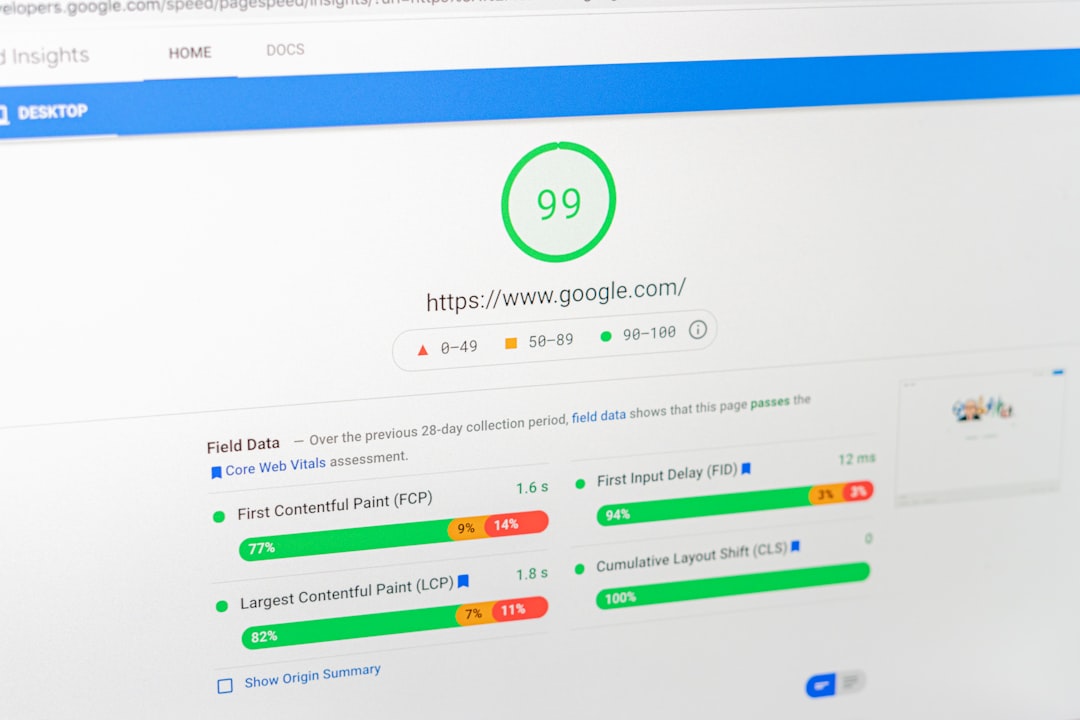
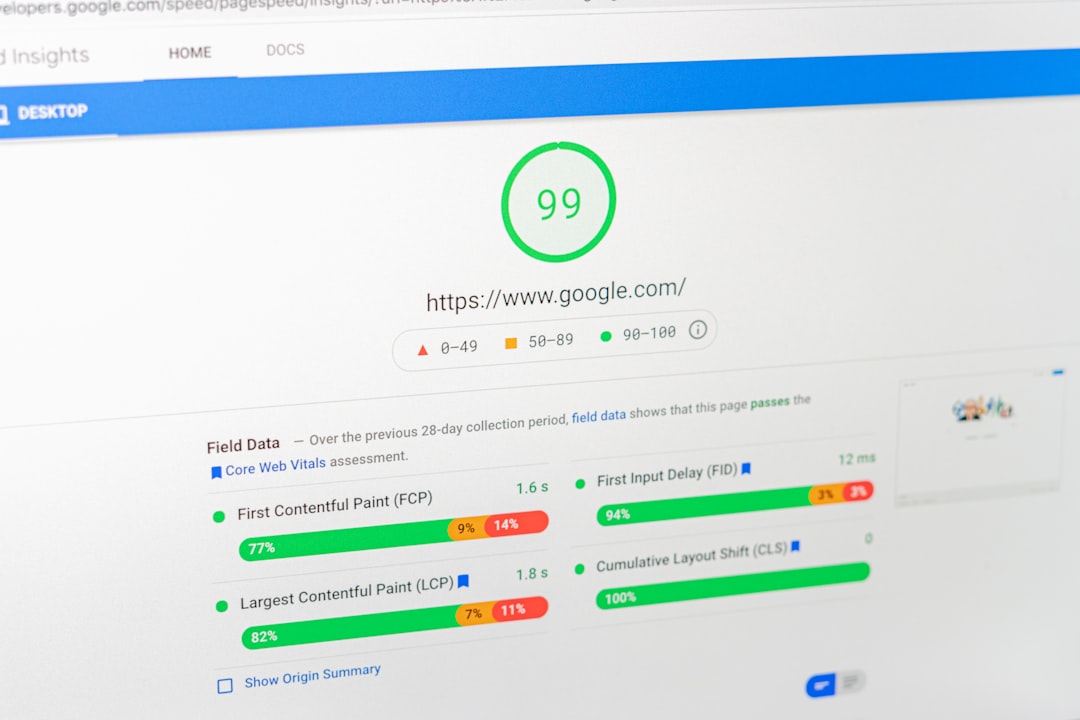
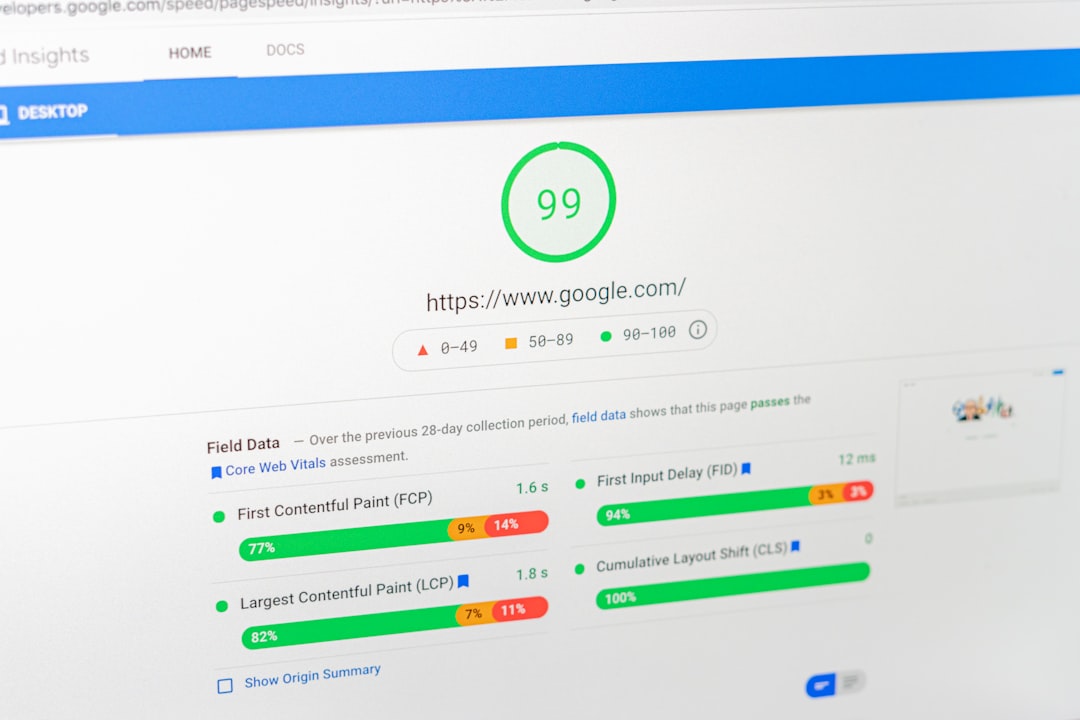
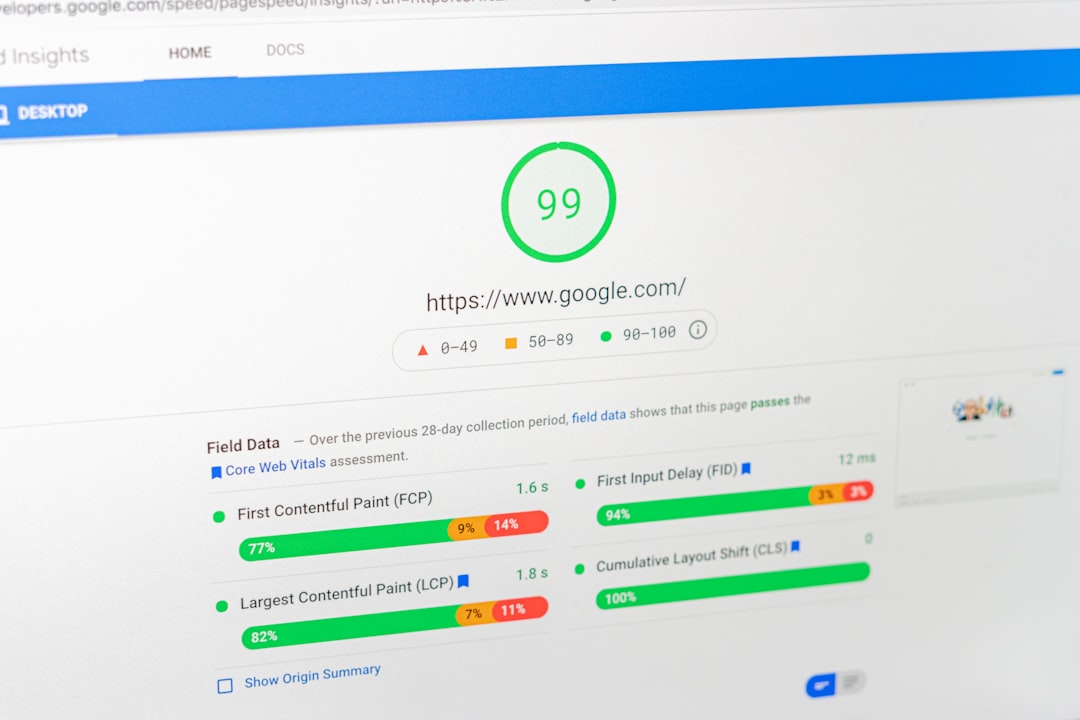
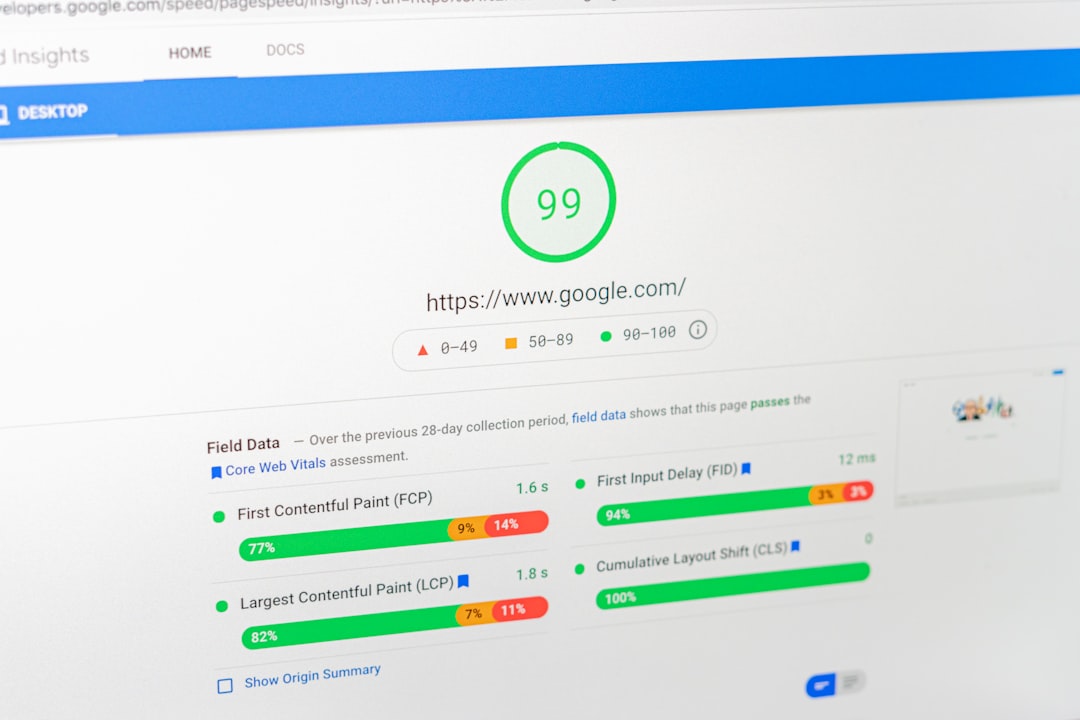
- Page performance
WordPress plugins can assist with some tasks, but they should be configured carefully.
Step 5: Build a Strong Content Strategy
Advanced SEO is not simply about publishing more articles.
A better strategy creates connected content around important topics.
For example:
Main guide → Supporting articles → Service page
This structure can help establish topical relationships while providing useful information to visitors.
Step 6: Strengthen Internal Links

Internal linking becomes particularly important as a website grows.
Review important pages and make sure relevant articles, categories, and service pages are connected.
Avoid adding links simply for the sake of adding them. Each link should help users discover useful information.
Step 7: Develop Authority
Advanced SEO may include earning relevant external links and mentions.
Possible approaches include:
- Digital PR
- Expert contributions
- Industry resources
- Original research
- Relevant guest content
- Partnerships
The emphasis should remain on relevance and quality.
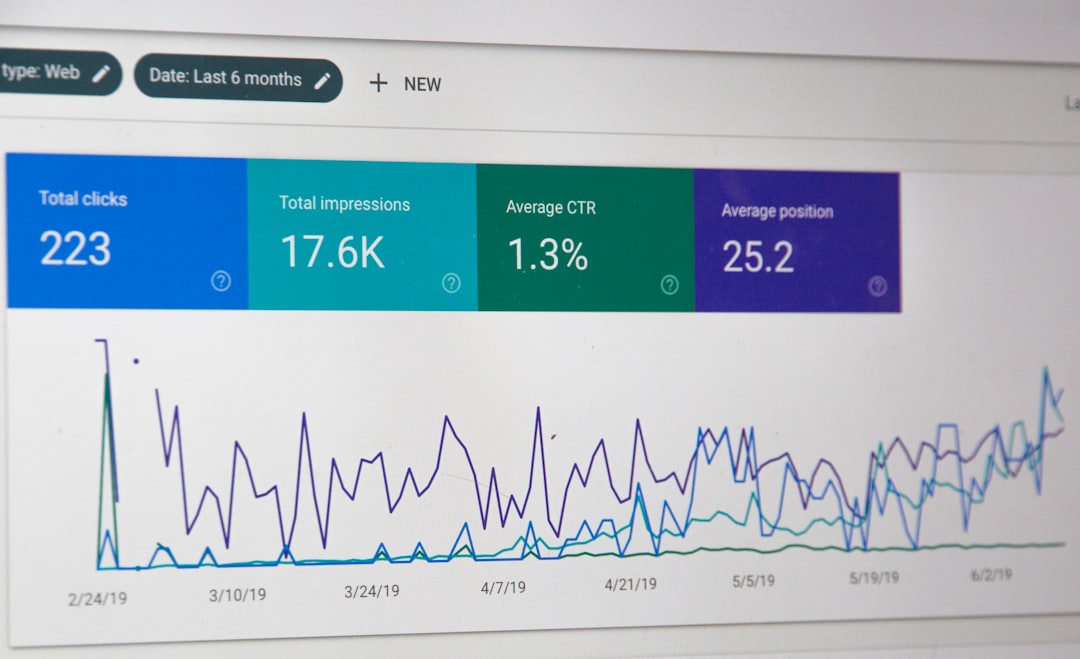
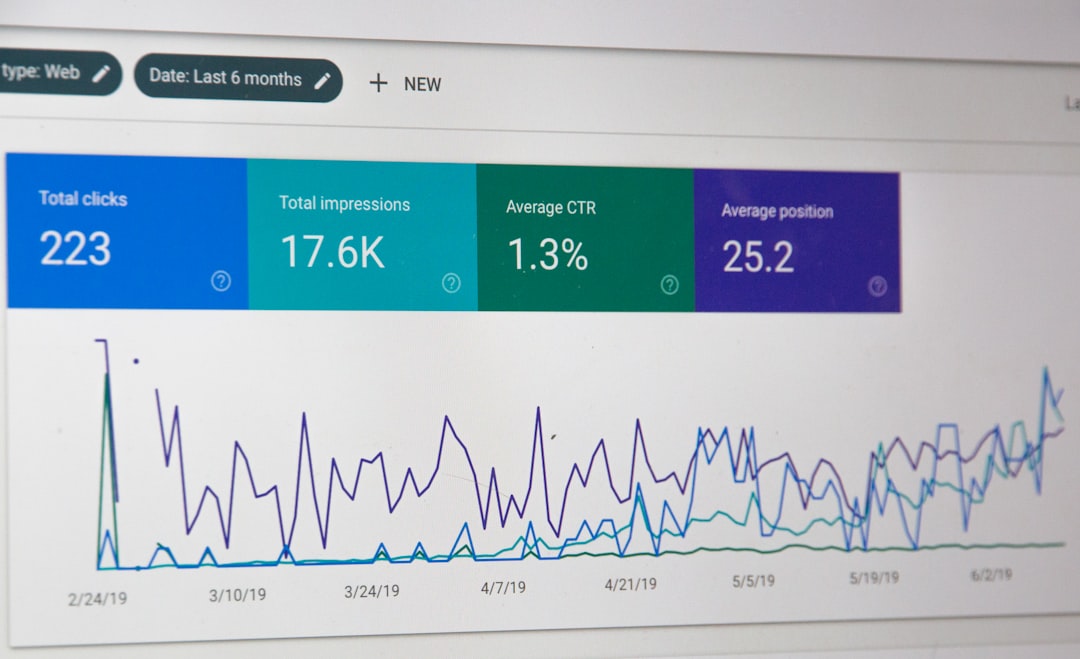
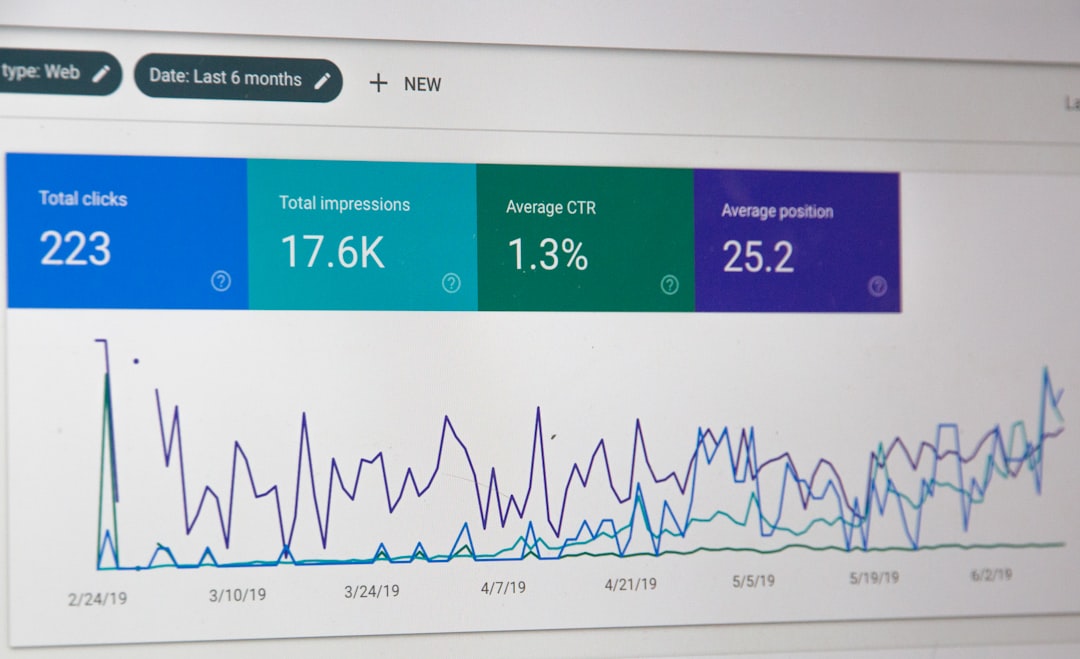
Step 8: Monitor Performance
Advanced SEO requires regular analysis.
Useful metrics include:
| Area | Metric |
|---|---|
| Search visibility | Impressions |
| Traffic | Organic sessions |
| Engagement | Search clicks |
| Rankings | Target keyword positions |
| Leads | Form submissions |
| Revenue | Organic sales |
Looking at several metrics together gives a clearer picture than focusing on rankings alone.
Beginner vs Advanced SEO
| Beginner Focus | Advanced Focus |
|---|---|
| Keyword research | Topic architecture |
| Basic on-page SEO | Search intent mapping |
| SEO plugin setup | Technical auditing |
| Internal links | Advanced site architecture |
| Basic content | Content consolidation |
| Simple reporting | Performance analysis |
The important point is that advanced SEO should build on a strong foundation.
When a WordPress SEO Consultant Helps
As a website grows, SEO can become increasingly complex. A WordPress SEO Consultant can help identify technical issues, organize content, improve website architecture, develop keyword strategies, and monitor long-term performance.
The path from beginner to advanced SEO is not about using every available technique. It is about understanding why each optimization matters and applying it where it can provide genuine value.