Getting SEO results from a WordPress website is not just about adding keywords or publishing more blog posts. A successful SEO strategy requires the right priorities, useful content, technical improvements, and regular performance tracking.
A WordPress SEO Consultant can help businesses identify what is holding their website back and focus on changes that have a practical purpose. However, better results depend on how well the SEO strategy is planned and implemented.
Here are some effective ways to get better results from WordPress SEO.
Start With a Clear SEO Audit
Before making changes, understand the current condition of the website.
An SEO audit can identify problems with:
- Page titles and headings
- Website structure
- Internal links
- Indexing
- Broken links
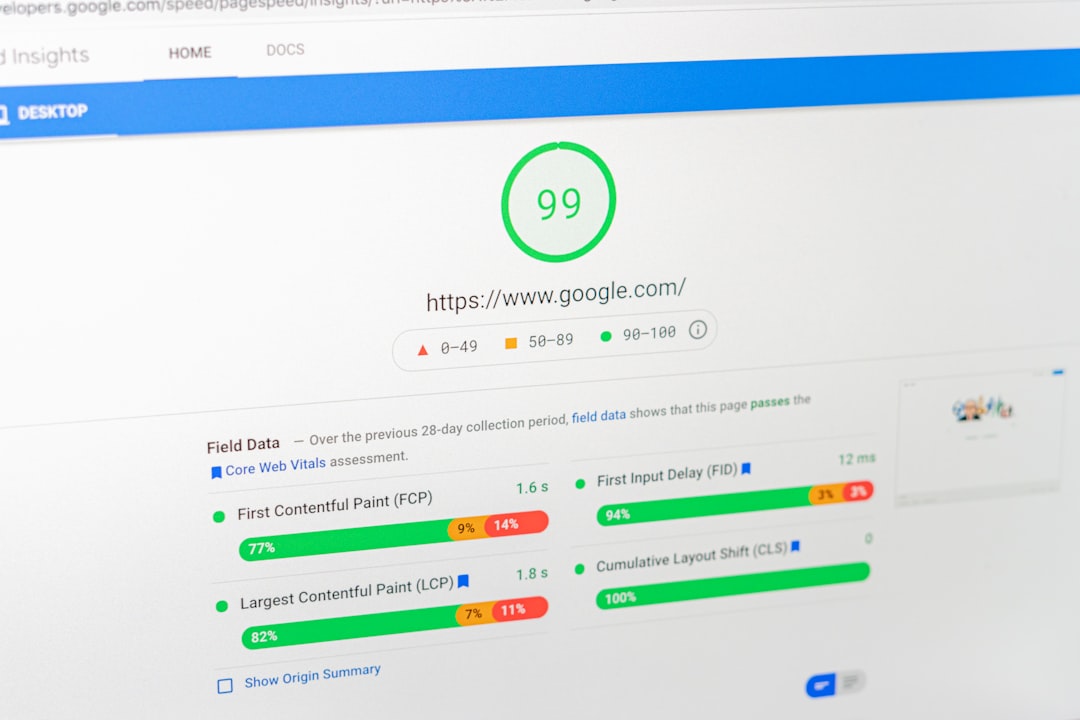
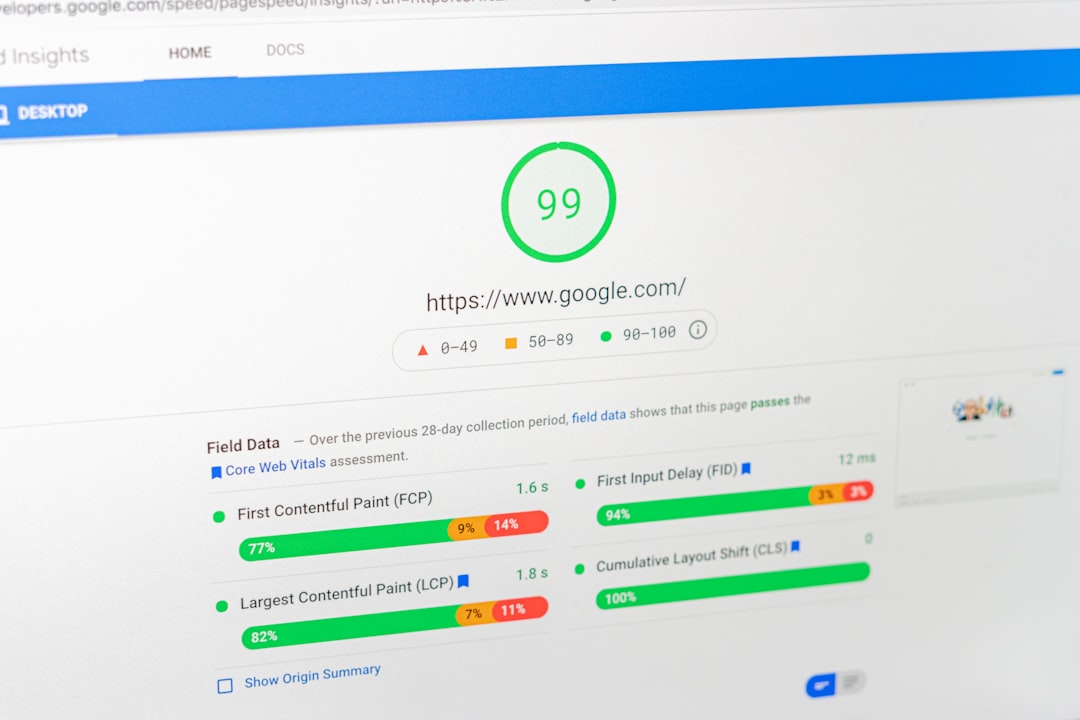
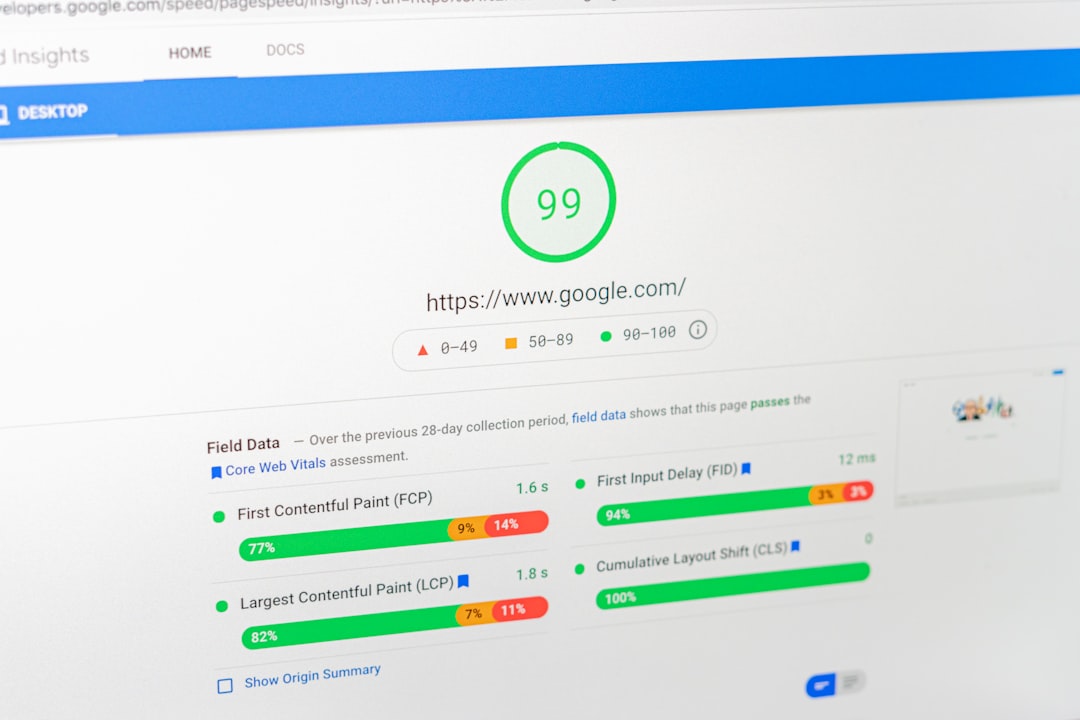
- Page speed
- Mobile usability
- Existing content
- Keyword targeting
The audit should not simply produce a long list of errors. The important step is deciding which issues deserve attention first.
For example, fixing an indexing problem on an important service page may be more useful than making minor changes to several low-priority pages.
Focus on Relevant Keywords

Better SEO results start with targeting the right searches.
A WordPress SEO Consultant can research keywords based on:
- Search intent
- Business relevance
- Competition
- Search demand
- Customer needs
- Commercial value
Avoid choosing keywords only because they have high search volume.
A smaller, highly relevant keyword can sometimes be more valuable to a business than a broad keyword that attracts visitors who are unlikely to become customers.
Match Pages With Search Intent
Every target keyword should have the right type of content behind it.
For example, someone searching for “WordPress SEO consultant” may be looking for professional services, while someone searching for “how to improve WordPress SEO” may want an educational guide.
The content should answer the actual need behind the search.
This can help prevent a common problem where a page ranks for a keyword but does not provide what visitors expected.
Improve Important Pages First
Not every page deserves the same level of attention.
Start with pages that are important to the business, such as:
- Homepage
- Main service pages
- Product pages
- Location pages
- High-value landing pages
- Important blog posts
A consultant can review these pages for content quality, keyword relevance, headings, internal links, page titles, and calls to action.
Improving high-value pages first can make an SEO strategy more focused.
Strengthen Internal Linking

Internal links are an often-overlooked part of WordPress SEO.
Suppose a website has a blog about WordPress website speed and another page about WordPress SEO services. If the topics are closely related, a natural internal link can connect them.
Good internal linking can:
- Help visitors discover related pages
- Create clearer website relationships
- Support important pages
- Improve navigation
- Help search engines understand site structure
Links should be relevant and useful rather than added simply to increase link numbers.
Improve Existing Content
Creating new content every week is not always necessary.
Older pages may already have valuable information but could perform better after optimization.
A consultant can identify pages with:
- Declining traffic
- Search impressions but few clicks
- Outdated information
- Weak headings
- Poor search intent alignment
- Limited internal links
Updating these pages may involve adding missing information, improving the structure, refreshing outdated sections, or making the content more useful.
Pay Attention to Technical SEO
Technical problems can affect how search engines access and understand a website.
Important areas include:
| Technical Area | What to Check |
|---|---|
| Indexing | Are important pages indexable? |
| Sitemap | Is the sitemap properly configured? |
| Robots.txt | Are important resources blocked? |
| Redirects | Are old URLs handled correctly? |
| Canonicals | Are preferred URLs clear? |
| Mobile | Does the site work properly on mobile? |
| Speed | Do important pages load efficiently? |
Technical SEO should be handled carefully, especially when making changes to an established website.
Improve Website Performance
A slow website can create a poor experience for visitors.
Common areas to investigate include:
- Large image files
- Unnecessary plugins
- Heavy scripts
- Poor caching
- Hosting limitations
- Unoptimized themes
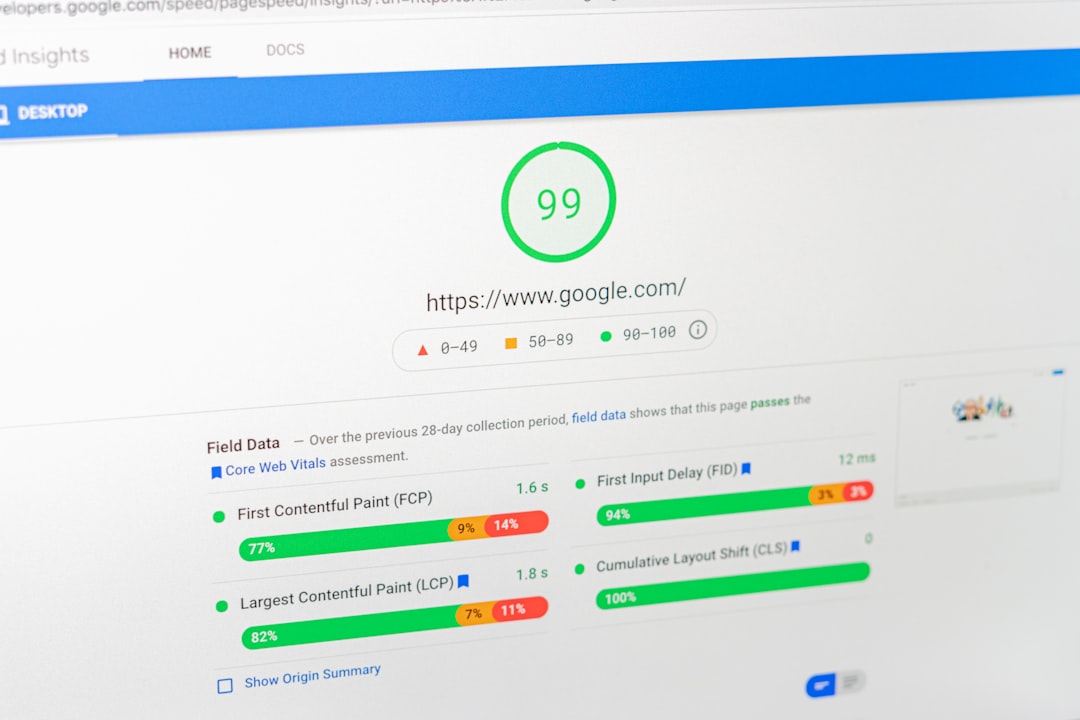
A WordPress SEO Consultant can identify performance issues and recommend practical improvements.
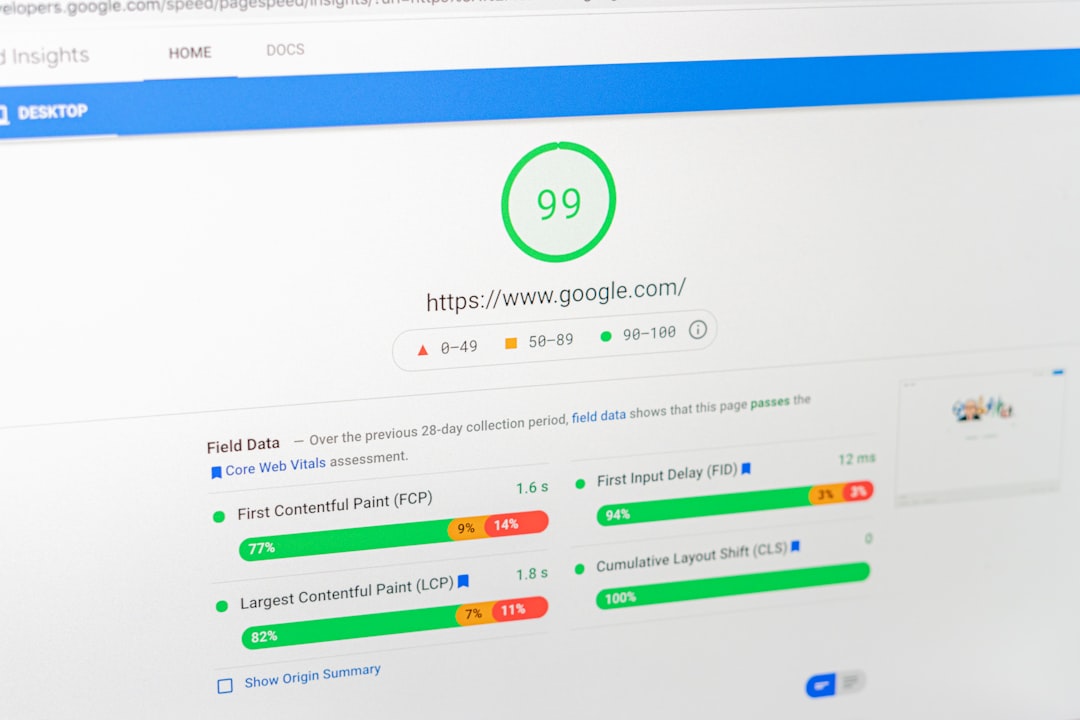
The goal should be a fast, stable, and usable website rather than simply trying to achieve a perfect tool score.
Create Better Content
SEO content should provide genuine value.
Before writing an article, consider:
What does the reader want to know?
Then organize the content around that need.
Useful content can include:
- Practical examples
- Step-by-step instructions
- Clear explanations
- Tables
- Relevant statistics
- Supporting information
- Naturally placed internal links
Avoid writing long articles simply to reach a word count. A shorter page that completely answers a user’s question can be more useful than a longer page filled with repetition.
Track SEO Performance
SEO decisions should be based on data whenever possible.
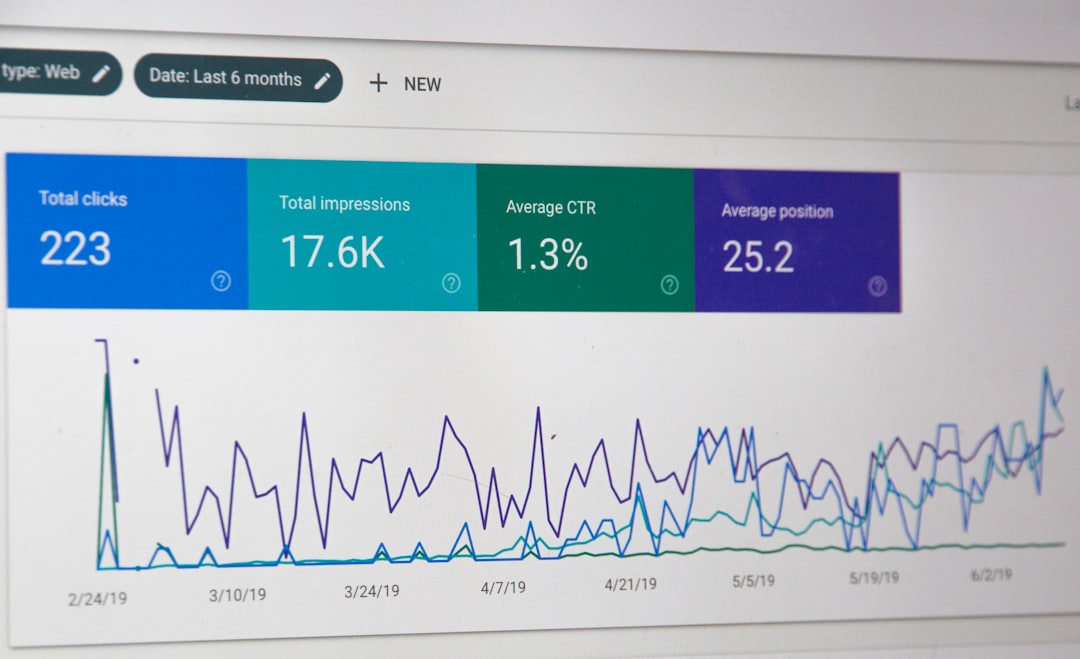
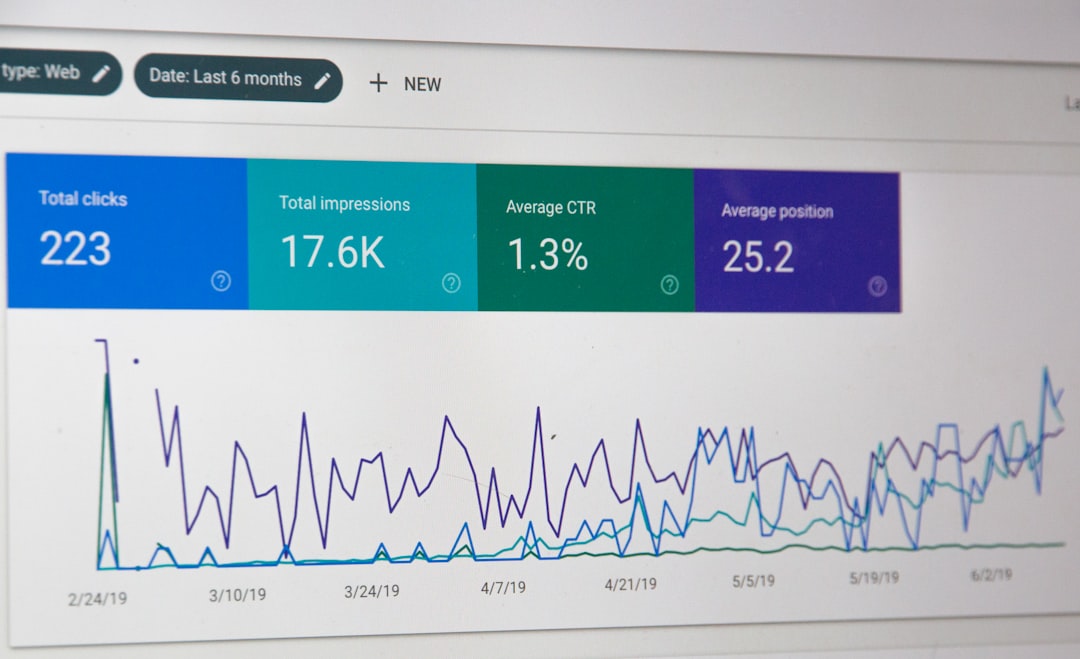
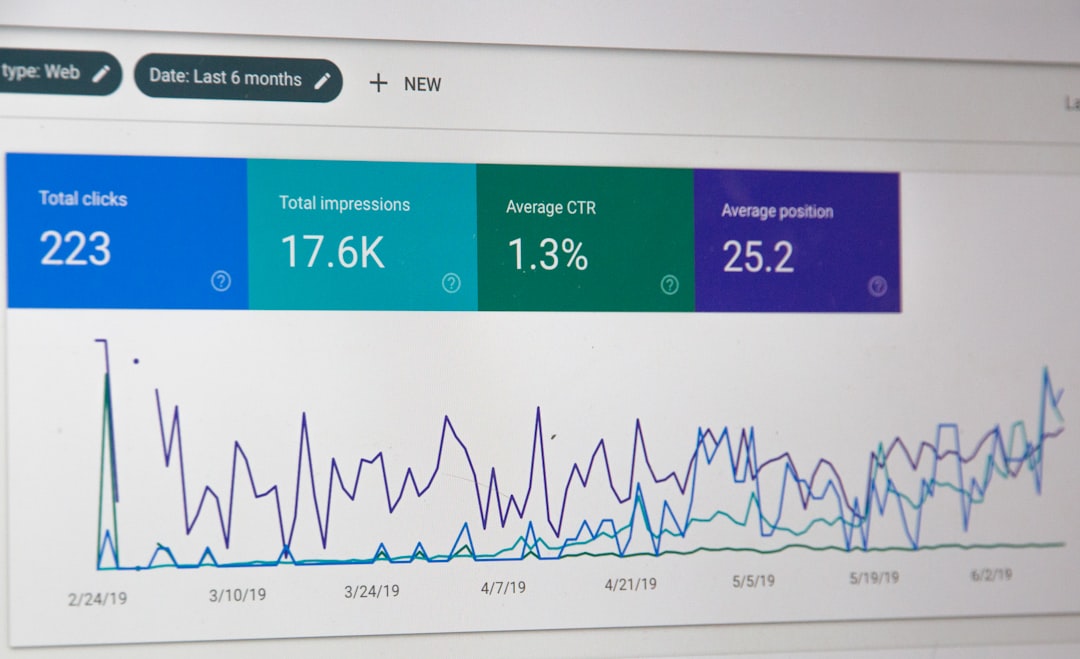
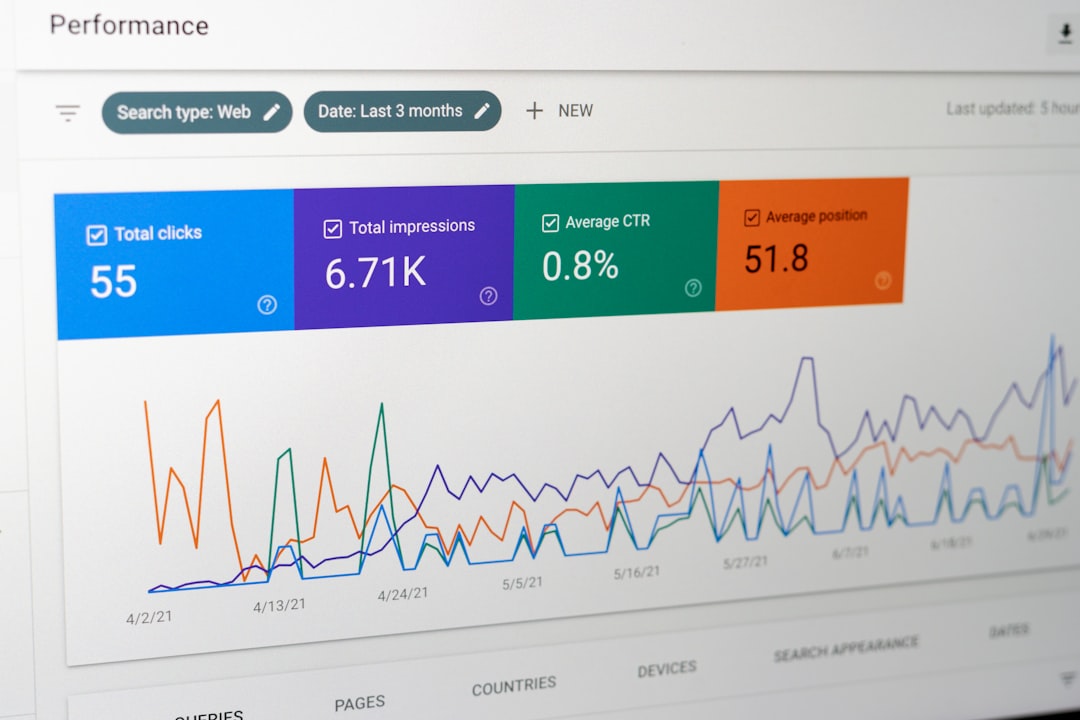
Important metrics can include:
- Organic clicks
- Search impressions
- Click-through rate
- Organic traffic
- Keyword performance
- Conversions
- Individual page performance
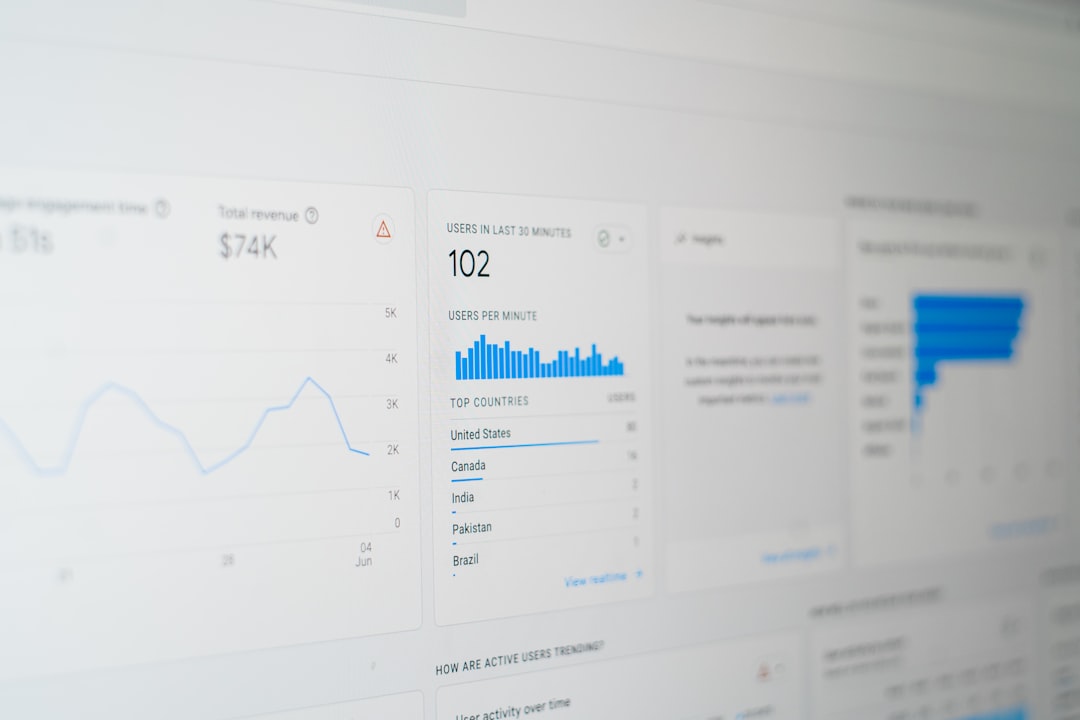
Google Search Console can help identify which searches generate impressions and clicks. Analytics tools can provide additional information about website traffic and user actions.
Tracking these metrics over time makes it easier to identify meaningful changes.
Keep a Record of SEO Changes
SEO results can be difficult to understand if you do not know what changes were made.
Keep a simple record of:
- Content updates
- New pages
- Title changes
- URL changes
- Technical fixes
- Internal linking updates
- Performance improvements
This creates a useful timeline that can help connect SEO changes with later performance trends.
Avoid Common SEO Mistakes
Better results also depend on avoiding practices that create unnecessary problems.
Keyword Stuffing
Using the same keyword repeatedly can make content unnatural. Keywords should appear naturally where relevant.
Changing Everything at Once
Making too many changes simultaneously can make performance difficult to analyze.
Ignoring Mobile Users
A website should work properly across different screen sizes and devices.
Publishing Without a Strategy
Publishing content simply to increase the number of articles can waste time. Each page should have a clear purpose.
Using Multiple SEO Plugins
Using multiple plugins with overlapping SEO functions can create unnecessary conflicts. Keep the WordPress SEO setup organized and properly configured.
Use a Priority-Based SEO Strategy
One of the simplest ways to get better results is to prioritize.
Instead of asking:
“What SEO task should we do next?”
ask:
“Which improvement can make the biggest practical difference to this website?”
That could mean fixing an indexing issue, improving a key service page, updating an important article, strengthening internal links, or improving page performance.
A WordPress SEO Consultant can help identify these priorities and turn them into an organized action plan.
When Professional SEO Help Makes Sense
A consultant can be particularly useful when a website has traffic problems, technical issues, many existing pages, unclear keyword targeting, or limited internal SEO resources.
Professional guidance can help connect keyword research, content, technical SEO, website structure, and performance tracking into one consistent strategy.
The objective is not to make hundreds of changes. It is to make the right changes in the right order and monitor what happens afterward.