
Advanced WordPress SEO usually improves when you simplify the setup, sharpen page targeting, and fix technical friction in the right order. Flat rankings rarely mean you need another plugin. They usually mean your site is sending mixed signals about which pages matter, what they target, and how search engines should crawl them.
A green light in an SEO plugin does not mean the page deserves to rank. The pages that move first are usually the ones with clearer titles, stronger internal links, cleaner indexation rules, and fewer duplicate paths competing for the same query. That is the difference between basic setup and advanced optimization.
What advanced WordPress SEO really means
Advanced optimization is not about stacking more features. It is about making the site easier for Google to crawl, easier for users to navigate, and clearer about which URLs should rank. Google recommends descriptive, concise title text, unique page descriptions, crawlable HTML links, and structured data that matches visible content on the page.
That is why advanced work usually starts with cleanup, not expansion. If your current setup still feels scattered, review how to fix WordPress SEO setup problems before adding more tools or publishing more pages.
Fix indexation before you improve content
If Google is crawling the wrong pages, even strong content underperforms. Advanced SEO begins by deciding which page types should be indexed, which should be excluded, and which duplicate URLs should consolidate into a single preferred version.
On many WordPress sites, the real problem is not a lack of content. It is thin tag archives, attachment pages, filtered URLs, or duplicate templates creating noise around the pages that actually matter. Most site owners do not have one catastrophic problem. They have a stack of smaller issues that compound over time.
Use one well-configured SEO plugin, not several. One well-configured SEO plugin is enough. Running overlapping plugins often creates duplicate metadata, conflicting canonicals, and competing sitemap outputs. If you need a full baseline first, this practical WordPress SEO guide for DIY site owners lays out the core setup in the right sequence.
Strengthen title tags with clearer targeting
Title tags remain one of the highest-impact on-page signals you control. Google’s guidance is clear: write descriptive, concise titles and avoid keyword stuffing or repetitive boilerplate. Advanced optimization means aligning each title with one primary intent instead of trying to cram every variation into the same field.
| Weak title | Stronger title |
|---|---|
| SEO Services | SEO Company | SEO Expert | WordPress SEO Services for Small Businesses |
| Blog | WordPress SEO Tips for Service Businesses |
| WordPress SEO Optimization | Advanced WordPress SEO Strategies That Fix Rankings |
The stronger version gives the page a job. It tells search engines and users who the page is for and what problem it solves. That is a better advanced move than endlessly tweaking density scores inside a plugin panel.
Build internal links like a ranking system
Internal linking is one of the most underused advanced SEO levers on WordPress. Google recommends crawlable links built with standard HTML anchor elements and descriptive anchor text. That makes internal links both a discovery tool and a relevance signal.
Advanced internal linking is not about adding random links to every paragraph. It is about pushing authority from broad pages to money pages, connecting closely related articles, and making sure no important page depends only on a sitemap to be found. If a service page matters, it should be supported by contextual links from related posts, not just your navigation menu.
If you are experiencing these symptoms, our team at WordPress SEO Expert can help. We often find that weak internal architecture, not weak effort, is what keeps rankings flat after months of content updates.
Use schema as support, not a shortcut
Schema helps clarify page meaning, but it does not replace weak content or messy technical SEO. Advanced use of schema means limiting markup to what is visible on the page and relevant to the page type, not enabling every schema option your plugin offers.
For most WordPress sites, that means keeping schema practical. Homepages may need Organization or LocalBusiness markup. Blog posts may need Article markup. Breadcrumbs can help reinforce structure. Beyond that, more schema is not automatically better. Structured data should reflect the page the user can actually see.
Prioritize technical cleanup over plugin features
Advanced results usually come from better prioritization, not more features. Fix the issues that block visibility before the issues that polish visibility. That means resolving crawl waste, duplicate URLs, redirect gaps, and slow key templates before spending hours on secondary settings.
One common mistake is treating every page equally. Your homepage, primary service pages, top category pages, and strongest supporting posts deserve attention first. Advanced SEO is selective. It focuses effort where better signals can actually produce better visibility.
| Priority | What to fix first | Why it matters |
|---|---|---|
| 1 | Indexation and crawl access | Pages cannot rank if search engines cannot reach the right URLs |
| 2 | Plugin conflicts and duplicate signals | Conflicting canonicals, metadata, and sitemaps create sitewide confusion |
| 3 | Page titles and targeting | Clearer relevance improves understanding and click potential |
| 4 | Internal links | Helps search engines discover, prioritize, and connect key pages |
| 5 | Schema and snippet polish | Supports clarity after the core issues are stable |
What to stop doing
Stop chasing perfect plugin scores. Stop publishing slight variations of the same page. Stop adding another SEO extension every time rankings stall. Those habits make WordPress SEO harder to diagnose, not easier to improve.
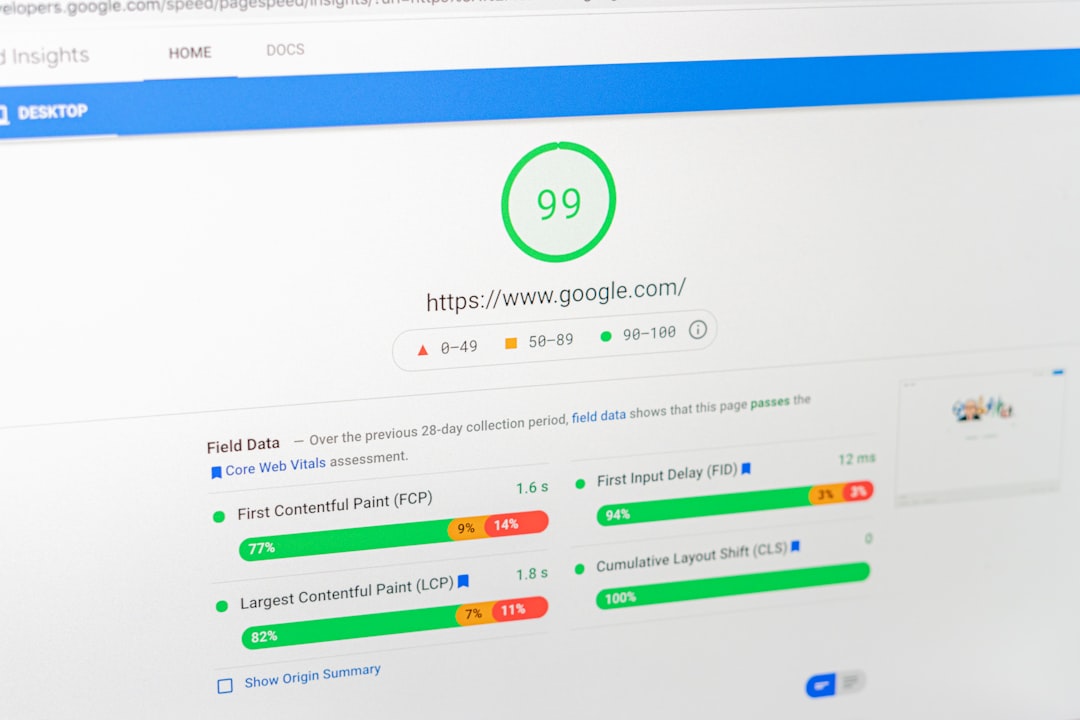
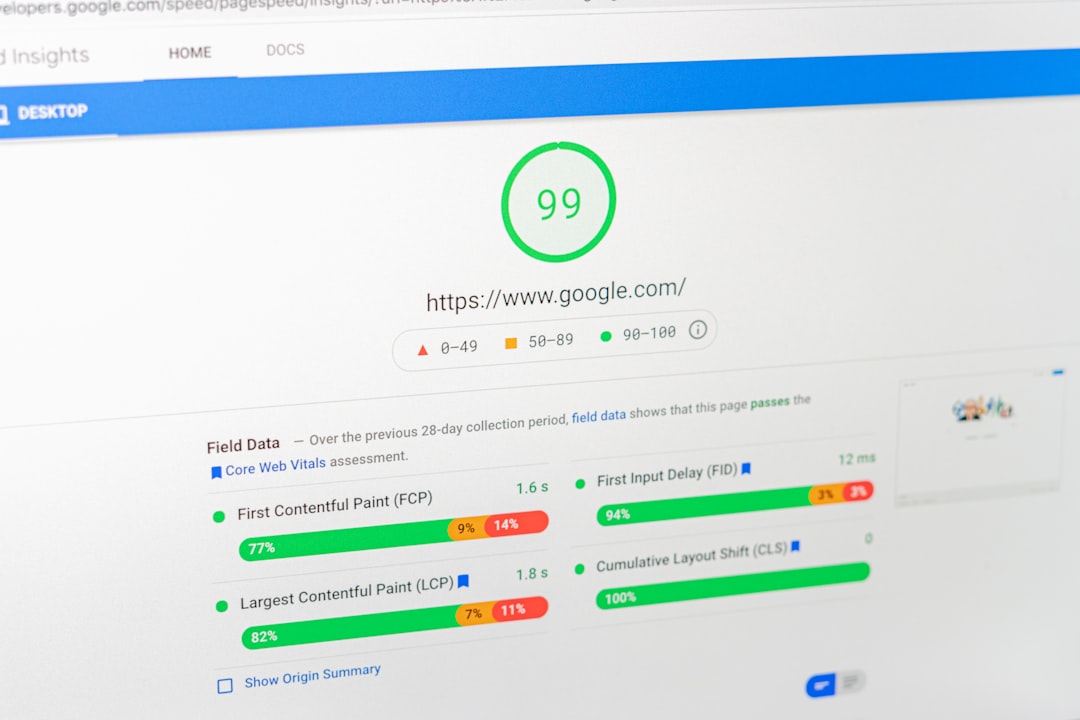
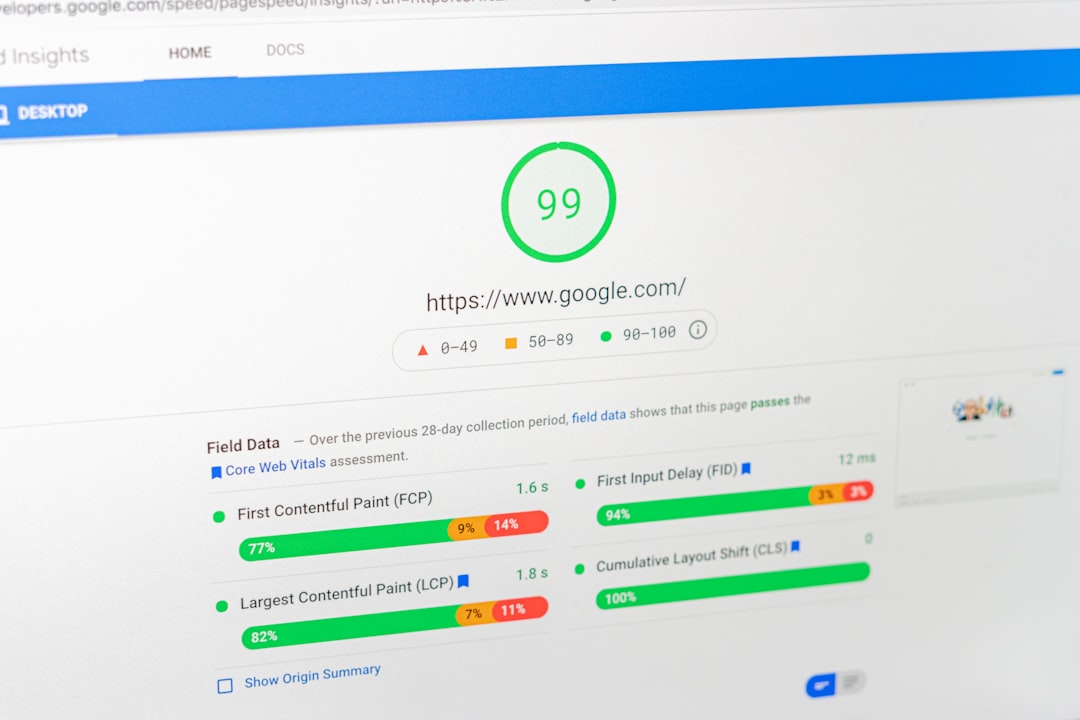
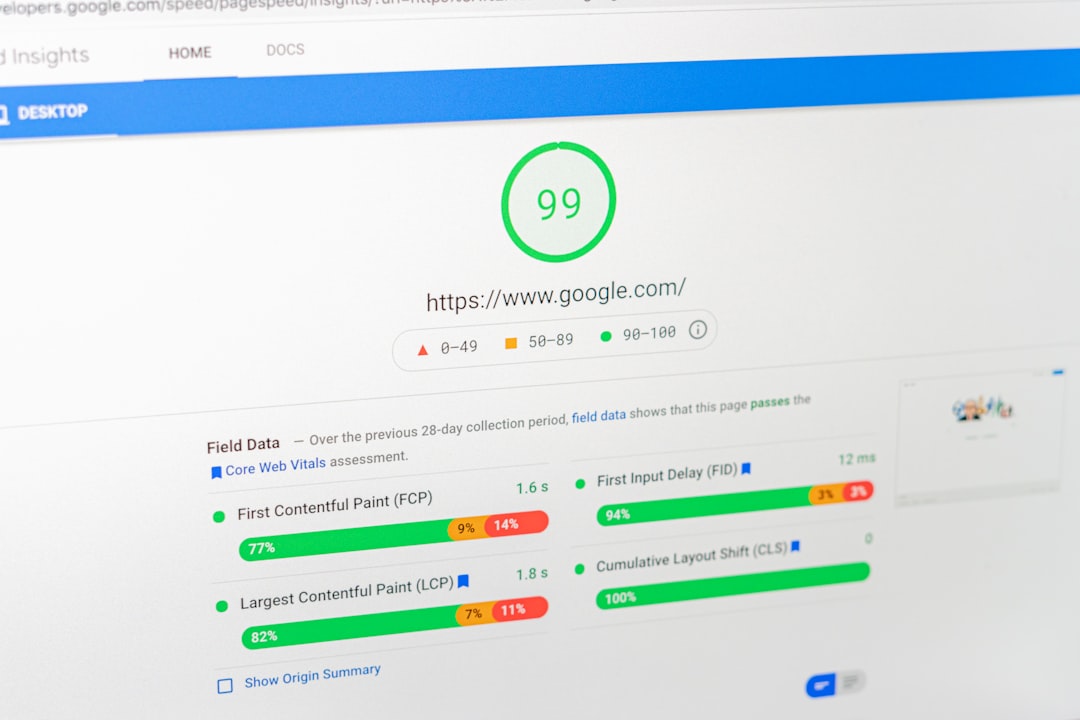
You do not need a perfect score. The goal is a site that loads cleanly, is easy to use, and sends consistent signals about which pages matter most. Advanced WordPress SEO is mostly disciplined simplification applied in the right order.
When to bring in expert help
If rankings are flat and you are not sure whether the real problem is indexing, duplication, weak targeting, or plugin clutter, a diagnostic review is usually the fastest next step. The goal is not more advice. The goal is a clear sequence of fixes based on what your site is actually doing.
WordPress SEO Expert can help you sort the technical issues from the content issues before you change anything major. Book a free SEO consultation. No pitch, no pressure. Just an honest look at what your site actually needs and whether your current setup is part of the solution or part of the problem.
Contact WordPress SEO Expert today to schedule a consultation if you want a practical plan for advanced WordPress SEO that reduces clutter, clarifies priorities, and supports long-term growth.