WordPress SEO optimization works best when you stop treating it like a plugin checklist and start treating it like a sequence. If your rankings are flat, the issue is usually not effort. It is that indexing, page targeting, internal links, and plugin settings are working against each other instead of reinforcing each other.
A green light in an SEO plugin does not mean the page deserves to rank. The pages that improve most are usually the ones with cleaner signals, fewer conflicts, and a clearer purpose. If you need a broader foundation first, review this practical WordPress SEO guide for DIY site owners before you start changing settings one by one.
What WordPress SEO optimization actually means
WordPress SEO optimization means making it easier for search engines to crawl the right pages, understand what each page is about, and identify which pages matter most. It is less about adding features and more about removing confusion from your setup.
WordPress gives you control over titles, internal links, templates, and publishing structure, but it also makes it easy to create thin archives, duplicate URLs, attachment pages, and overlapping plugin output. One well-configured SEO plugin is enough. Running overlapping plugins often creates duplicate metadata, conflicting canonicals, and competing sitemap outputs.
What to fix first on a WordPress site
Fix the issues that block visibility before the issues that polish visibility. That usually means checking indexing, crawl access, title quality, internal links, and duplicate-page controls before worrying about advanced features.
Start with your visibility settings, sitemap, and archive rules. Then move to your main service pages, category pages, and posts already getting impressions. If your setup feels messy or inherited, this guide on fixing WordPress SEO setup problems is a strong companion piece because it walks through the technical cleanup order.
| Priority | What to review | Why it matters |
|---|---|---|
| 1 | Indexing and crawl access | Pages cannot rank if search engines cannot reach or index them |
| 2 | SEO plugin setup | Conflicts can create duplicate or misleading signals |
| 3 | Titles and headings | These help define page topic and click appeal |
| 4 | Internal links | They support discovery, hierarchy, and topical relevance |
| 5 | Archive and duplicate controls | They reduce crawl waste and overlapping pages |
Titles and meta descriptions still matter
Your titles and meta descriptions should be clear, specific, and written for the page in front of you. Google says page titles should be descriptive and warns against keyword stuffing and repetitive boilerplate, and it recommends unique meta descriptions that accurately summarize the page when they help users understand the result better.
That means weak titles like Home or SEO Services | SEO Company | SEO Expert usually need to become more specific. Your title should reflect the real purpose of the page, while the meta description should support the click with a short, accurate summary.
| Weak title | Stronger title |
|---|---|
| Home | WordPress SEO Services for Small Businesses |
| Blog | WordPress SEO Tips for Service Businesses |
| SEO Services | SEO Company | SEO Expert | WordPress SEO Consultant for Technical Cleanup |
Google also recommends crawlable HTML links with descriptive anchor text, which is one reason internal links matter so much on WordPress sites with deep blog archives or scattered service pages. Short, relevant anchor text helps users and search engines understand where the next page fits.
Internal links are one of the fastest wins
Internal linking is often the simplest meaningful improvement because it helps search engines discover pages and understand hierarchy without requiring a redesign. If important pages only exist in your sitemap or navigation, they are usually under-supported.
Link related blog posts to service pages. Link supporting articles to broader guides. Make sure key pages are mentioned naturally inside content, not just from menus and footers. If you want to tighten the structure after the basics are stable, these advanced WordPress SEO setup strategies show how stronger internal connections support better topical signals.
If you are experiencing these symptoms, our team at WordPress SEO Expert can help. A clear internal linking plan often reveals whether the real issue is weak targeting, thin content, or technical clutter hiding your best pages.
Do not overcomplicate technical SEO
Technical SEO matters, but most sites do not need a complicated stack. They need clean basics: a working sitemap, sensible indexation rules, descriptive titles, a logical heading structure, and schema that matches visible content.
Google’s structured data guidance says markup should reflect the main content users can actually see and should not be misleading. In practice, that means you should not turn on every schema option your plugin offers. Use the settings that fit the page, then leave the rest alone.
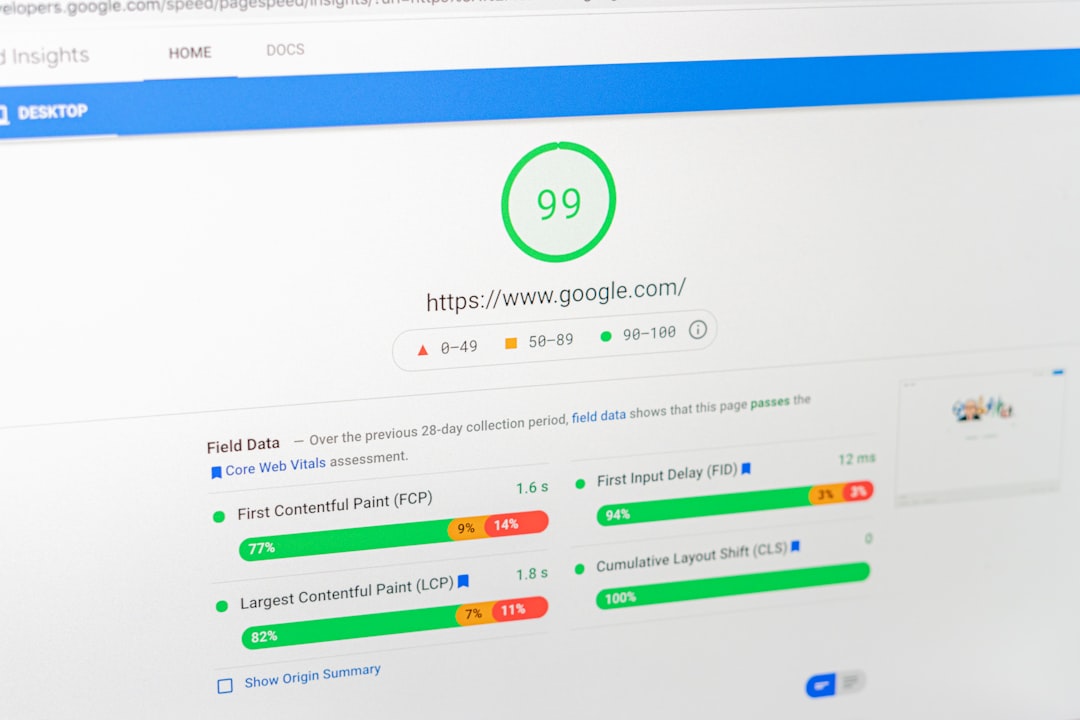
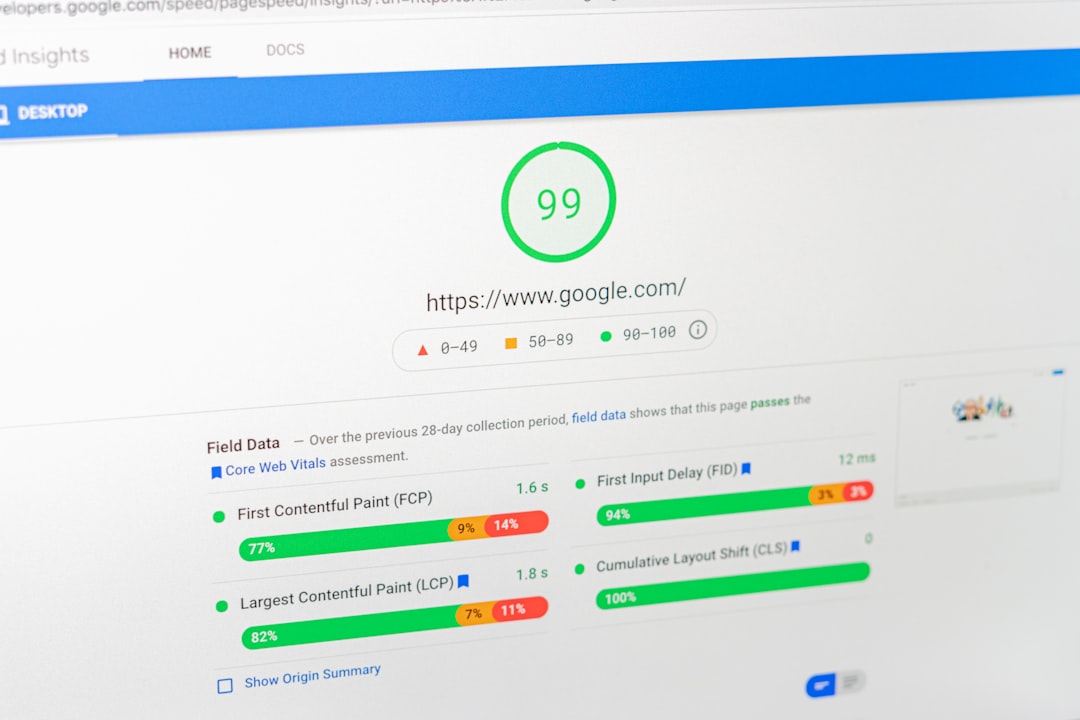
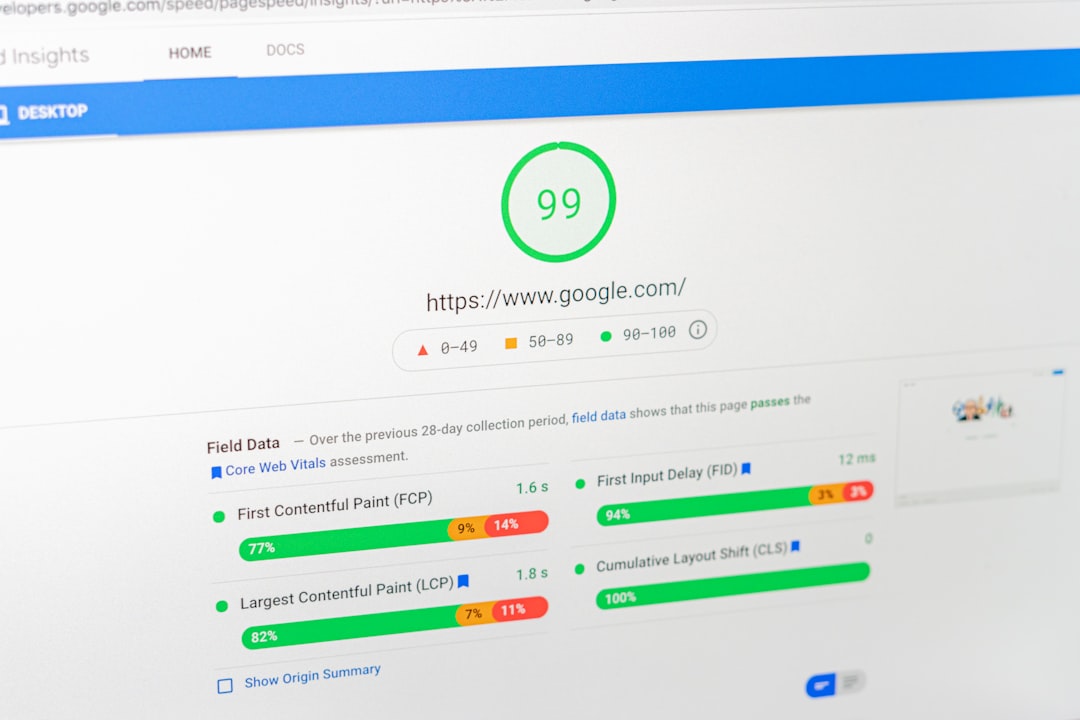
You do not need a perfect score. The goal is a site that loads cleanly, is easy to use, and sends consistent signals about which pages matter most. Most site owners do not have one catastrophic problem. They have a stack of smaller issues that compound over time.
When to get help with WordPress SEO optimization
If you have already installed the plugins, written the pages, and published the content but rankings are still flat, the missing piece is usually prioritization. A second set of eyes can tell you whether the real blocker is indexing, duplication, weak targeting, or an overbuilt setup.
WordPress SEO Expert can help you sort out what to fix first without turning your site into a maze of overlapping tools and settings. Book a free SEO consultation. No pitch, no pressure. Just an honest look at what your site actually needs and whether your current setup is part of the solution or part of the problem.
Contact WordPress SEO Expert today to schedule a consultation if you want a practical plan for cleaner WordPress SEO optimization and more focused next steps.