Better WordPress rankings usually come from cleaner priorities, not more plugins. Most sites that stall in search are not missing one magic setting. They are dealing with a mix of weak page targeting, plugin overlap, thin archives, and internal links that do not reinforce the pages that matter most.
WordPress SEO Expert sees this pattern constantly. A green light in an SEO plugin does not mean the page deserves to rank. One well-configured SEO plugin is enough, and most improvements come from fixing the issues that block visibility before the issues that polish visibility.
Start with crawlability and indexing
The first best practice is making sure search engines can crawl and index your important pages cleanly. If Google is spending time on low-value archives, duplicate URLs, or attachment pages, your stronger content has to compete for attention it should already have.
Check that your main pages are indexable, included in your XML sitemap, and linked from crawlable navigation or body content. Thin tag archives, single-author archive pages, search results pages, and attachment pages often need cleanup or noindex rules. If you need a broader diagnostic framework first, review how to fix WordPress SEO setup problems before changing random settings.
Use one SEO plugin, not several
One plugin is enough for most WordPress sites. Running overlapping SEO tools often creates duplicate metadata, conflicting canonicals, and competing sitemap output that makes troubleshooting harder than it needs to be.
If your site has changed hands, been redesigned, or had multiple freelancers involved, plugin clutter is one of the first things to audit. Keep one primary SEO plugin, configure it well, and remove overlapping features from the rest of your stack. A simpler setup usually sends cleaner signals than a feature-heavy one.
Write descriptive page titles that match intent
Titles are one of the clearest on-page signals you control. The best practice is to write concise, descriptive titles that reflect what the page actually offers instead of stuffing broad keyword variations into every slot.
Homepages, service pages, category pages, and posts already earning impressions should be fixed first. Generic titles waste relevance and reduce clarity. Specific titles help both users and search engines understand the page quickly.
| Weak title | Stronger title |
|---|---|
| SEO Services | SEO Company | SEO Expert | WordPress SEO Services for Small Businesses |
| Blog | WordPress SEO Tips for Service Businesses |
| Homepage | WordPress SEO Consultant for Small Business Sites |
If your current titles are vague or repetitive, that is often a higher priority than writing new posts. For a larger framework on how titles fit into the full process, see our practical guide for DIY site owners.
Keep headings clear and logically structured
Each page should have one clear H1 and a sensible heading hierarchy underneath it. Good structure improves readability, reinforces topical focus, and helps keep long pages easy to scan.
Use H2s for primary sections and H3s for subtopics within them. Do not use headings only for styling, and do not jump around levels without a reason. A logical structure is more useful than a perfectly optimized one that reads awkwardly.
Improve internal linking before publishing more content
Internal links are one of the most overlooked WordPress SEO best practices. They help search engines discover pages, understand hierarchy, and see which pages on your site deserve the most attention.
Link blog posts to relevant service pages, connect overlapping guides, and make sure important pages are linked from more than just the main menu. Orphaned pages and isolated posts are common on WordPress sites that have grown without a content plan. Most site owners do not need more pages first. They need their existing pages connected more intelligently.
Control archive pages and duplicate URLs
WordPress makes publishing easy, but it also creates extra URLs automatically. Archive pages, attachment pages, and parameter-based versions of content can dilute signals if they are left unmanaged.
Review tag archives, author archives, media attachment URLs, pagination behavior, and trailing slash consistency. If a page does not serve a clear search purpose, it may not need to be indexed. Most site owners do not have one catastrophic problem. They have a stack of smaller duplicate and indexing issues that compound over time.
Focus on useful content, not plugin scores
Content performs better when it matches search intent clearly and answers the real question behind the query. Plugin checklists can catch basics, but they do not measure whether the page is genuinely the best result for that topic.
Do not rewrite sentences just to satisfy a score. Do not split one topic into several thin posts just to target slight keyword variations. Stronger pages usually come from consolidation, clearer intent matching, and better support from internal links. If you are experiencing these symptoms, our team at WordPress SEO Expert can help.
Make speed improvements that actually affect usability
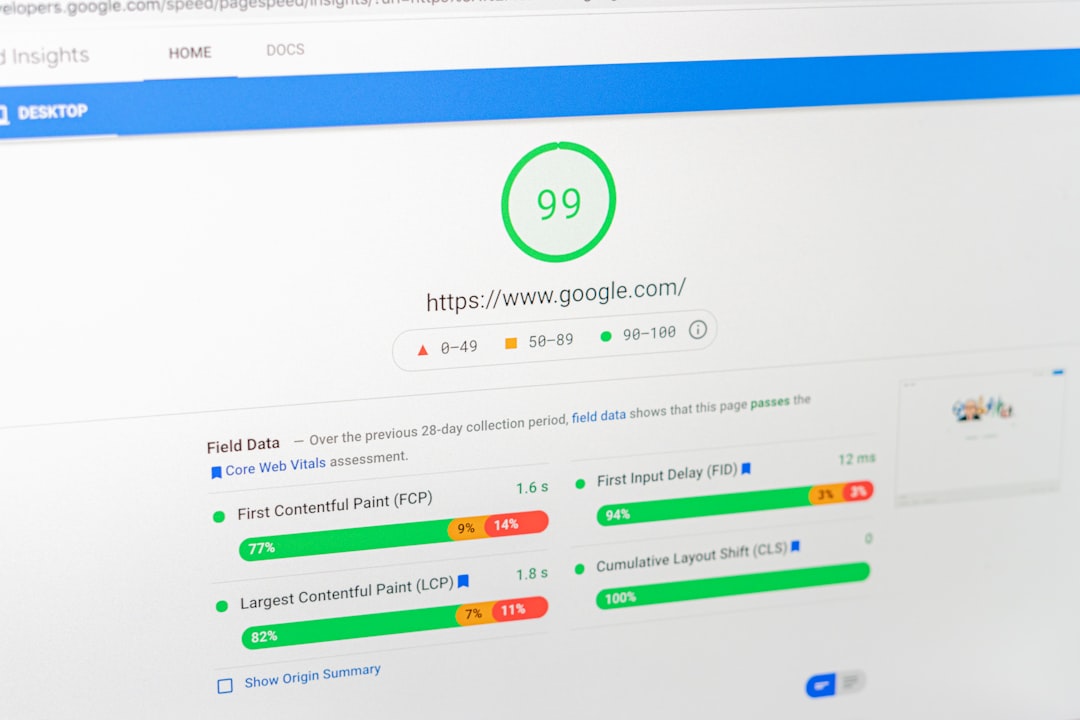
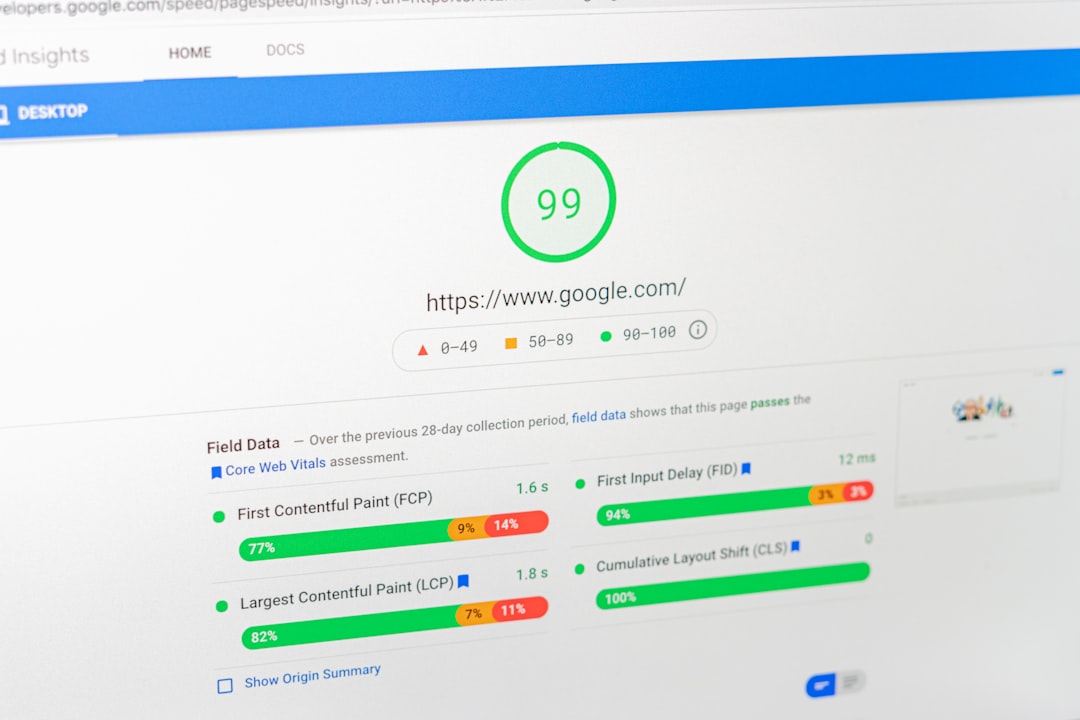
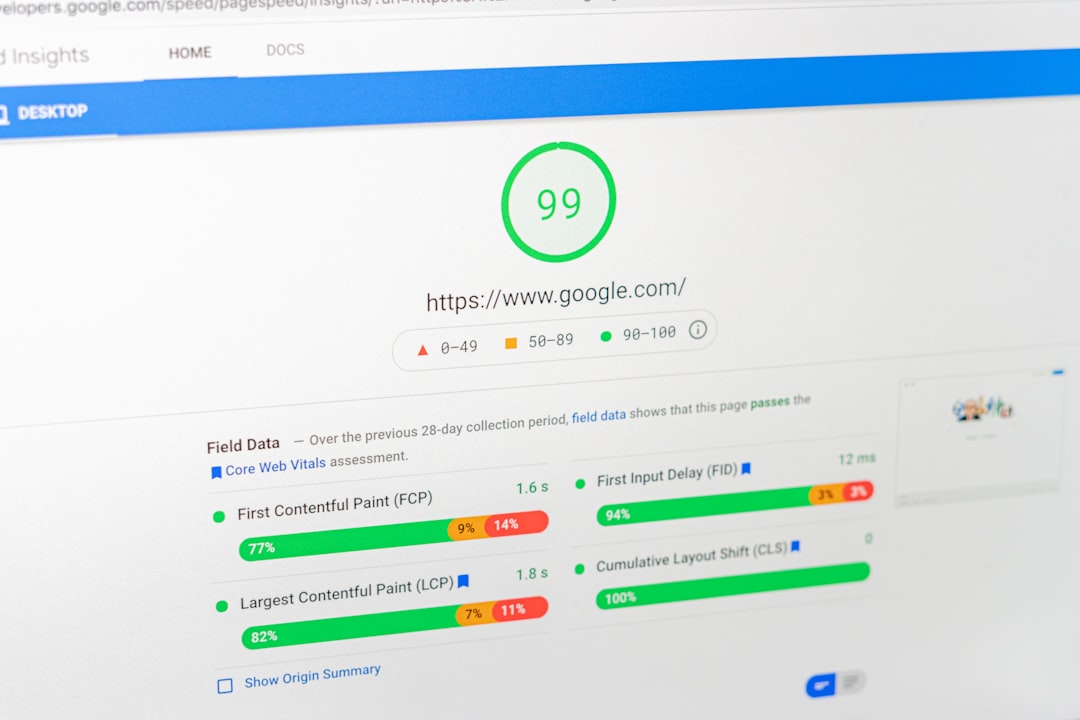
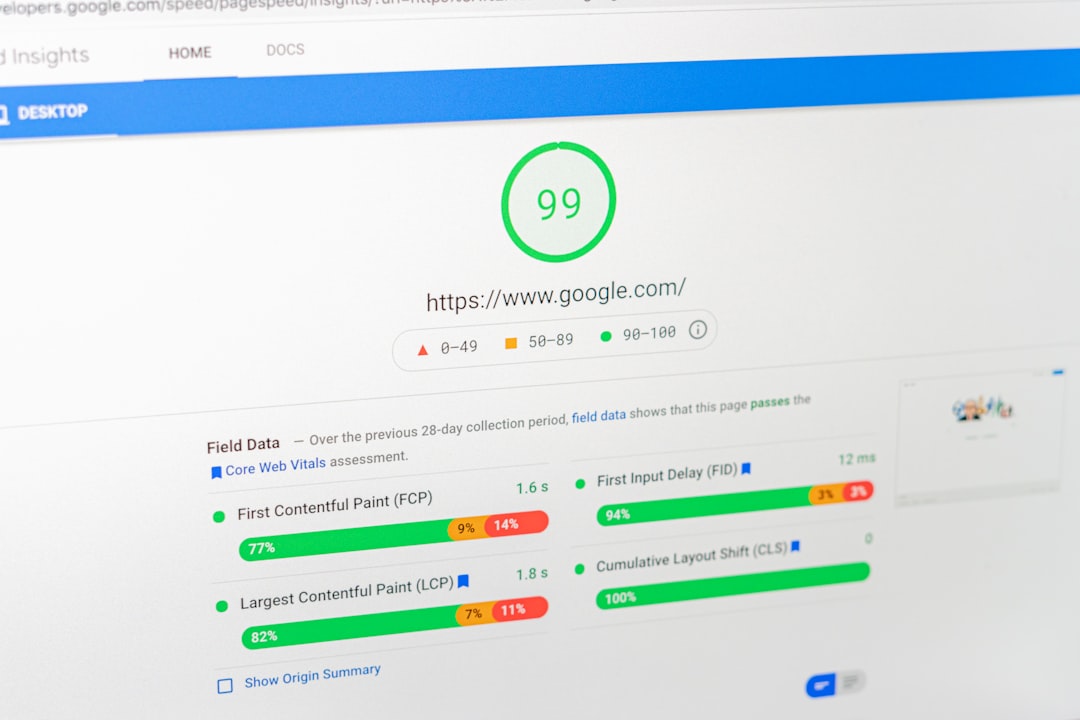
Site speed matters when it affects how easily visitors can use the page. The goal is not a perfect score screenshot. The goal is a site that loads cleanly, feels stable, and does not frustrate users on important templates.
Start with compressed images, page caching, fewer unnecessary plugins, cleaner theme output, and a practical review of page builder overhead. Test your homepage, a core service page, and a blog post separately. These templates often behave differently, and broad assumptions about speed can hide the real bottleneck.
Use schema as a support layer, not a shortcut
Schema can help search engines understand a page more clearly, but it does not replace solid technical SEO or useful content. The safest best practice is to use only the markup that accurately reflects what users can already see on the page.
For many sites, that means keeping things simple with organization details, article markup for posts, and breadcrumb markup where relevant. More schema is not always better. Clean, accurate markup usually beats a long list of enabled schema types that do not fit the page well.
Follow a practical order of operations
The most effective WordPress SEO work follows a sequence. Fixing polish-level items while crawl issues, plugin conflicts, or duplicate URLs still exist leads to wasted effort and unclear results.
| Priority | What to fix | Why it matters first |
|---|---|---|
| 1 | Indexing and crawl access | Pages cannot rank if search engines cannot reach them properly |
| 2 | SEO plugin overlap | Conflicting metadata can affect the whole site |
| 3 | Duplicate URLs and canonicals | Signals get diluted when multiple versions compete |
| 4 | Page titles and headings | These improve topical clarity and relevance |
| 5 | Internal linking | Helps discovery, hierarchy, and page support |
| 6 | Speed and schema | These strengthen the experience after the foundation is stable |
When to get professional help
If your rankings are flat after you have handled the basics, the problem is often prioritization, not effort. The real issue may be indexing, duplication, weak targeting, or plugin clutter rather than the piece of advice you keep seeing repeated in generic SEO lists.
WordPress SEO Expert can help you sort out what to fix first without turning your site into a plugin experiment. Book a free SEO consultation. No pitch, no pressure. Just an honest look at what your site actually needs and whether your current setup is part of the solution or part of the problem.
Contact WordPress SEO Expert today to schedule a consultation if you want a clear plan for improving WordPress SEO without wasting time on low-impact fixes.