WordPress SEO problems usually come from misordered priorities, not a lack of effort. Beginners often install plugins, edit titles, and chase green lights while the real issue is crawl access, duplicate signals, or weak internal linking. The fastest path is to fix what blocks visibility first, then clean up what only improves presentation.
If your traffic is flat, do not assume you need another tool. A green light in an SEO plugin does not mean the page deserves to rank. Most sites improve faster when they simplify the setup, check indexation, and make sure important pages are easy for Google to find and understand.
Start with the problems that stop visibility
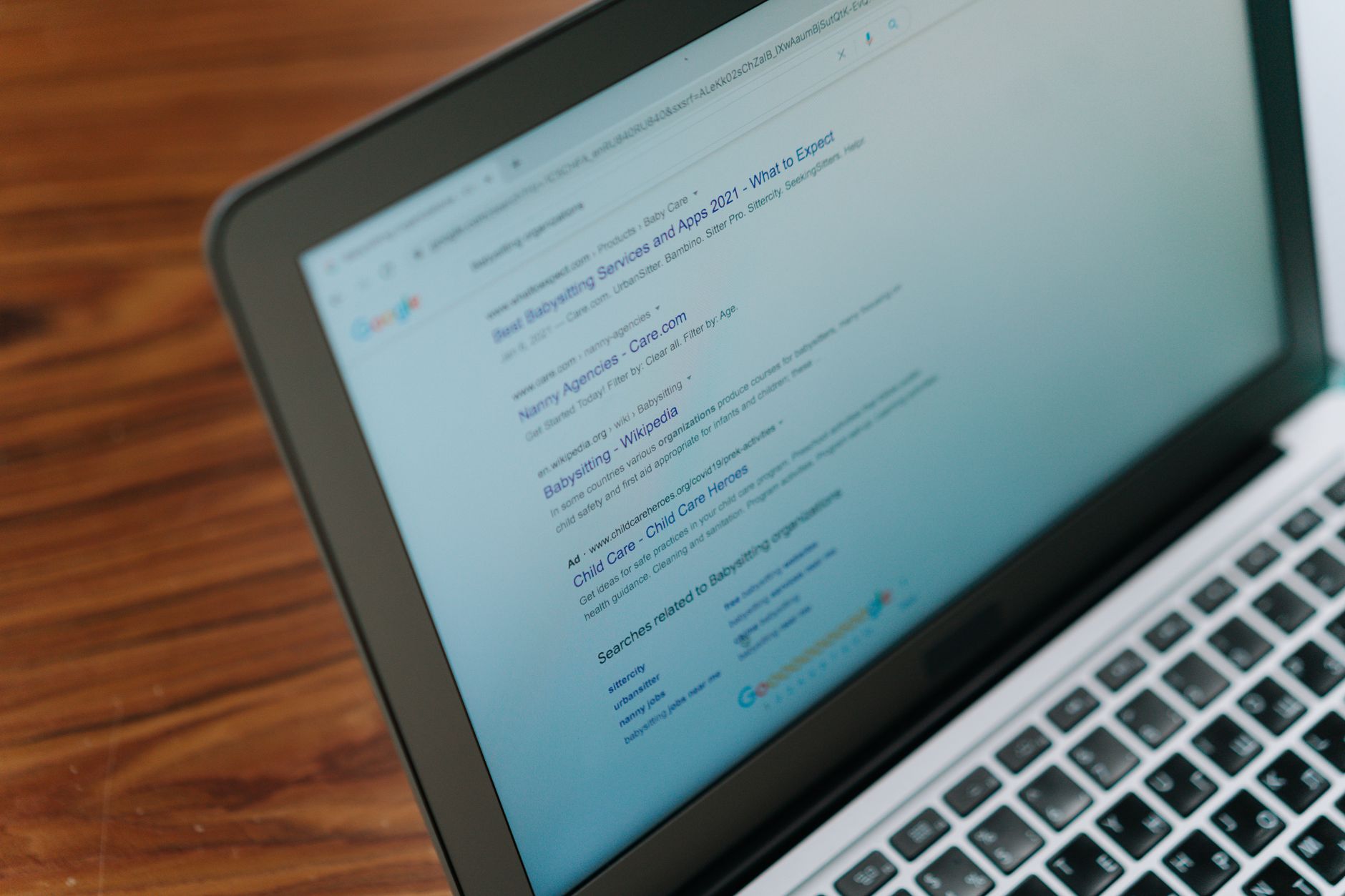
The first step is to check whether search engines can crawl and index the pages that matter. If the wrong pages are blocked, no amount of title editing or plugin tweaking will help. Google explains that crawlable links, sitemaps, and redirects all affect how pages are discovered and processed.
Begin with your homepage, service pages, category pages, and top blog posts. Make sure those pages are live, linked internally, and not accidentally set to noindex. If you need a broader baseline first, review our guides on WordPress SEO setup for beginners and fixing WordPress SEO setup problems before changing more settings.
Use one SEO plugin only
One well-configured SEO plugin is enough for most beginners. Running multiple SEO plugins can create overlapping title rules, duplicate metadata, conflicting canonicals, and competing sitemaps. Troubleshooting gets harder because you cannot tell which tool is controlling which signal.
Keep the plugin you understand best, then turn your attention to the pages that actually drive leads or traffic. Plugin scores are not the goal. A cleaner setup with fewer moving parts is usually easier to manage and easier to diagnose when rankings stall.
Check indexing before rewriting content
If a page is not being indexed correctly, rewriting the copy is usually wasted effort. Fix indexing and crawl access before you spend time polishing content. Google’s documentation makes clear that noindex rules, crawlability, and internal links influence whether content can be found and included in search.
Common beginner issues include a hidden search engine visibility setting, archive pages indexed when they should not be, and important pages buried too deep in the site structure. Make sure your key pages are linked with descriptive anchor text using standard HTML links so they can be crawled properly.
Fix page titles that send weak signals


Your title tag is one of the clearest relevance signals you control, so weak or repetitive titles should be fixed early. Google recommends descriptive titles and has noted problems with repetitive boilerplate. That means a title should explain the page, not just repeat broad SEO phrases.
| Weak title | Stronger title |
|---|---|
| SEO Services | SEO Company | SEO Expert | WordPress SEO Services for Small Businesses |
| Blog | How to Troubleshoot WordPress SEO |
| Best SEO Plugin, SEO Plugin, WordPress SEO Plugin | How to Choose a WordPress SEO Plugin |
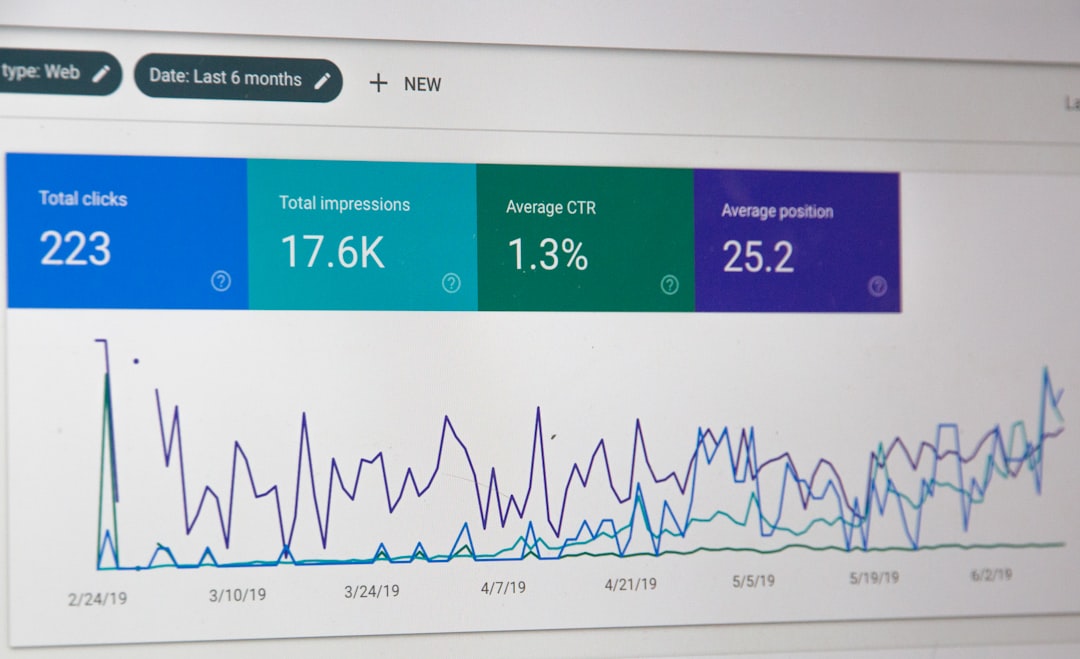
Start with the titles on your homepage, core service pages, and posts already earning impressions. Those pages matter more than low-value archives or older posts with little visibility.
Clean up meta descriptions without overvaluing them
Meta descriptions support clicks, but they do not fix deeper SEO problems. Google says it may use the meta description when it better summarizes the page, so the goal is a short, accurate summary that matches user intent rather than a list of keywords.
Write custom descriptions for pages that already matter most. If your site is using the same description pattern across many URLs, clean that up before publishing more content. Beginners often spend too much time filling out every field and not enough time improving the pages that can actually perform.
Look for duplicate URLs and conflicting signals


Duplicate URL problems are common on WordPress sites, especially after redesigns, migrations, or plugin changes. They can split relevance across multiple versions of the same page and make it harder for search engines to understand which version should rank.
Check for attachment pages, tag archives, parameter URLs, outdated slugs, and inconsistent internal linking to different versions of the same page. This is where a simple cleanup can remove a lot of confusion. Most site owners do not have one catastrophic problem. They have a stack of smaller issues that compound over time.
If you are experiencing these symptoms, our team at WordPress SEO Expert can help. We can review whether the real issue is indexing, duplication, plugin clutter, or weak page targeting before you spend more time guessing.
Use internal links to support your important pages
Internal links help search engines discover pages and understand which topics connect to each other. Google recommends crawlable links with descriptive anchor text, which is why random “read more” links are less useful than links that clearly describe the target page.
Link related posts to your service pages and connect beginner guides to more detailed troubleshooting content. For example, if you are simplifying your plugin setup, our beginner WordPress SEO setup guide can help you reset the basics, while our WordPress SEO setup problems article is useful when the issue is already affecting performance.
Keep schema accurate and simple
Schema should clarify visible content, not compensate for weak content or thin pages. Google’s structured data guidance says markup should represent the main page content and should not be misleading. For beginners, that means using only the schema types that genuinely fit the page.
Many plugins offer more schema options than most sites need. More markup is not automatically better. Clean, accurate schema attached to the right page type is far safer than enabling every option available.
A simple troubleshooting order
Beginners need a sequence, not a giant checklist. Fix the issues that block visibility before the issues that polish visibility. That order prevents you from wasting time on plugin scores and minor edits while bigger technical issues are still suppressing rankings.
| Priority | What to check | Why it matters |
|---|---|---|
| 1 | Indexing and crawl access | Pages cannot rank if search engines cannot find or process them. |
| 2 | SEO plugin conflicts | Overlapping settings can create duplicate or mixed signals. |
| 3 | Title tags | Titles help define page relevance and click potential. |
| 4 | Duplicate URLs and canonicals | Consolidates signals to the correct page version. |
| 5 | Meta descriptions | Supports cleaner search snippets on key pages. |
| 6 | Internal linking | Strengthens discovery, hierarchy, and topical context. |
| 7 | Schema cleanup | Refines technical clarity after the basics are stable. |
What beginners should stop doing
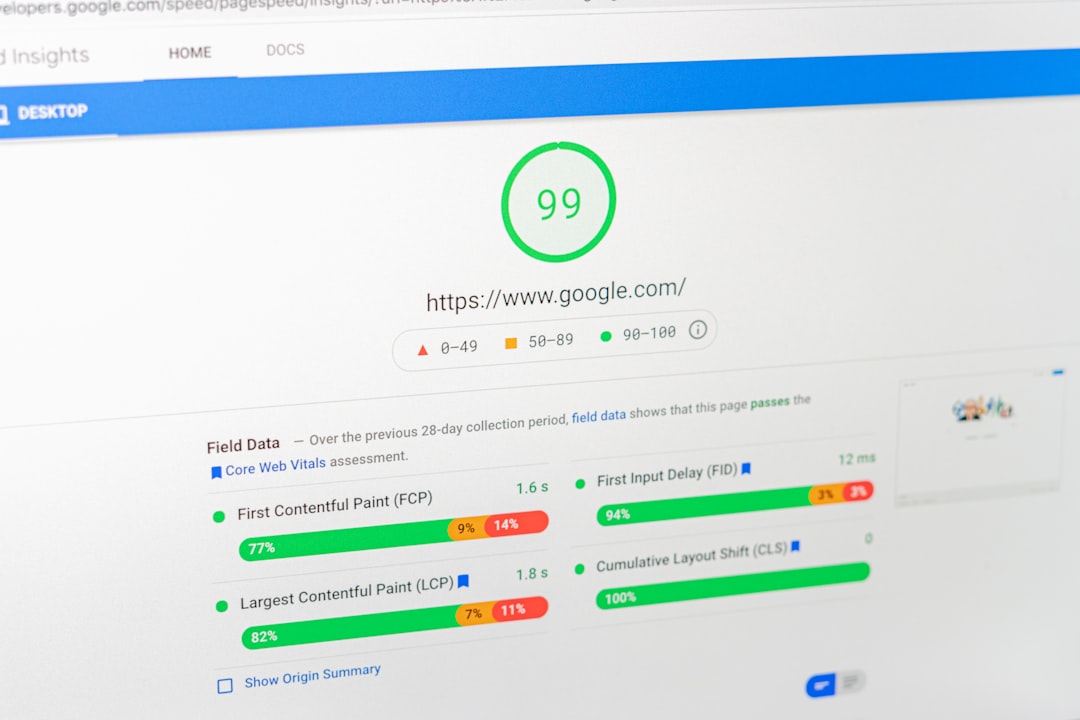
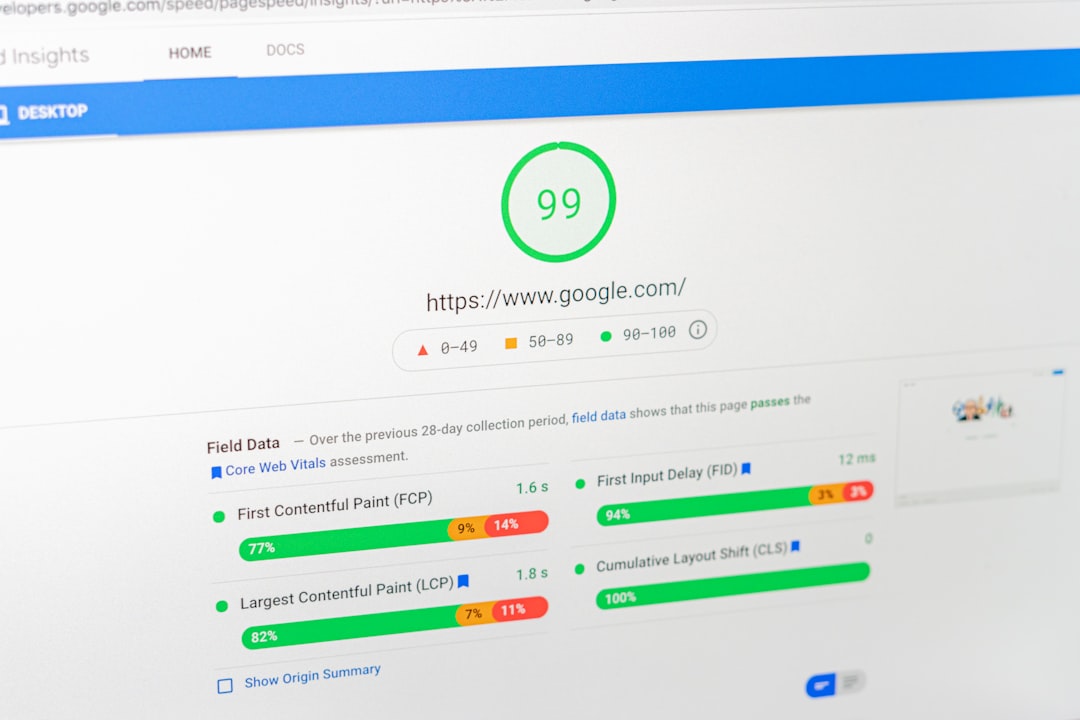
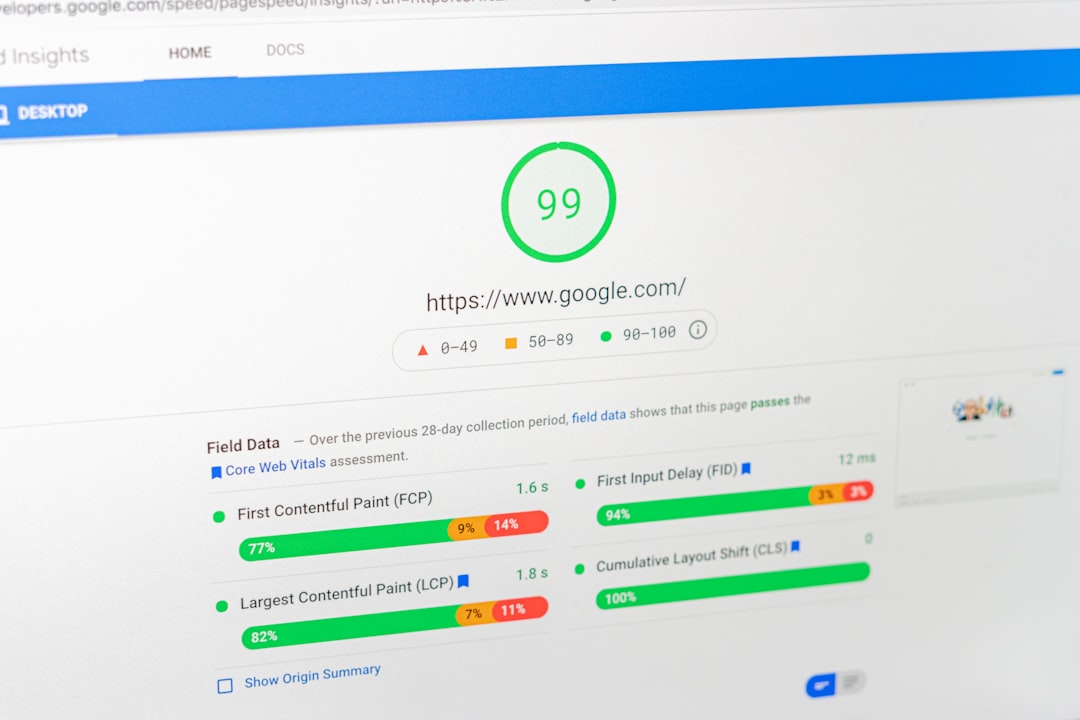
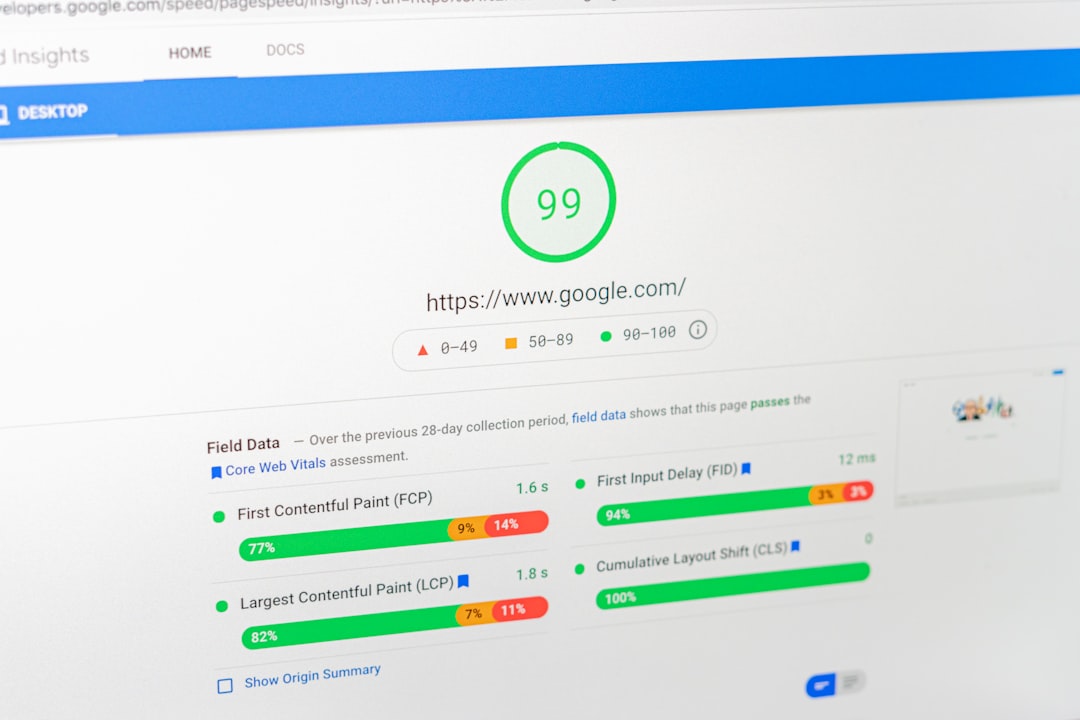
Stop treating SEO plugin indicators as a finish line. A perfect score does not guarantee rankings, and forcing every recommendation into your copy often makes the page worse. You do not need a perfect score. The goal is a site that loads cleanly, is easy to use, and sends consistent signals about which pages matter most.
Also stop creating multiple thin pages that target slight keyword variations, stacking plugins that do the same job, and editing low-value pages before your main pages are stable. Priority is what turns scattered SEO work into useful SEO work.
When to get help
If your rankings are flat and you are not sure whether the real problem is indexing, duplication, weak targeting, or plugin clutter, WordPress SEO Expert can help. We focus on diagnosis first so you know what to fix now and what can wait.
Book a free SEO consultation. No pitch, no pressure. Just an honest look at what your site actually needs and whether your current setup is part of the solution or part of the problem. Contact WordPress SEO Expert today to schedule a consultation.