
Beginner WordPress SEO mistakes usually hurt rankings because they create mixed signals, not because you missed one magic setting. If your traffic is flat, the problem is often a cluttered setup, weak page targeting, and too many low-priority tasks stealing attention from the fixes that actually improve visibility.
A green light in an SEO plugin does not mean the page deserves to rank. What helps more is a clean structure, one well-configured plugin, descriptive titles, crawlable internal links, and pages that clearly match what the searcher wants. That is the foundation this post will help you protect.
Why beginner SEO problems compound so fast





Most beginners do not have one catastrophic problem. They have a stack of smaller issues that compound over time. A second SEO plugin creates duplicate output, thin tag pages get indexed, titles become repetitive, and important pages end up with almost no internal links. Each issue looks minor on its own, but together they can suppress rankings.
The fix is to stop treating WordPress SEO as a collection of isolated tips. Fix the issues that block visibility before the issues that polish visibility. If you need a broader baseline first, review our practical WordPress SEO guide for DIY site owners and our advice on fixing WordPress SEO setup problems.
1. Installing too many SEO plugins
One SEO plugin is enough for most WordPress sites. Running overlapping SEO, schema, and sitemap features often creates conflicting canonicals, duplicate metadata, and multiple sitemap outputs that make troubleshooting much harder than it needs to be.
This mistake is common on sites that changed owners, switched themes, or tested several plugins without removing old ones. Keep one primary SEO plugin, configure it properly, and remove overlapping tools unless they solve a very specific problem your main plugin cannot handle.
2. Chasing plugin scores instead of search intent
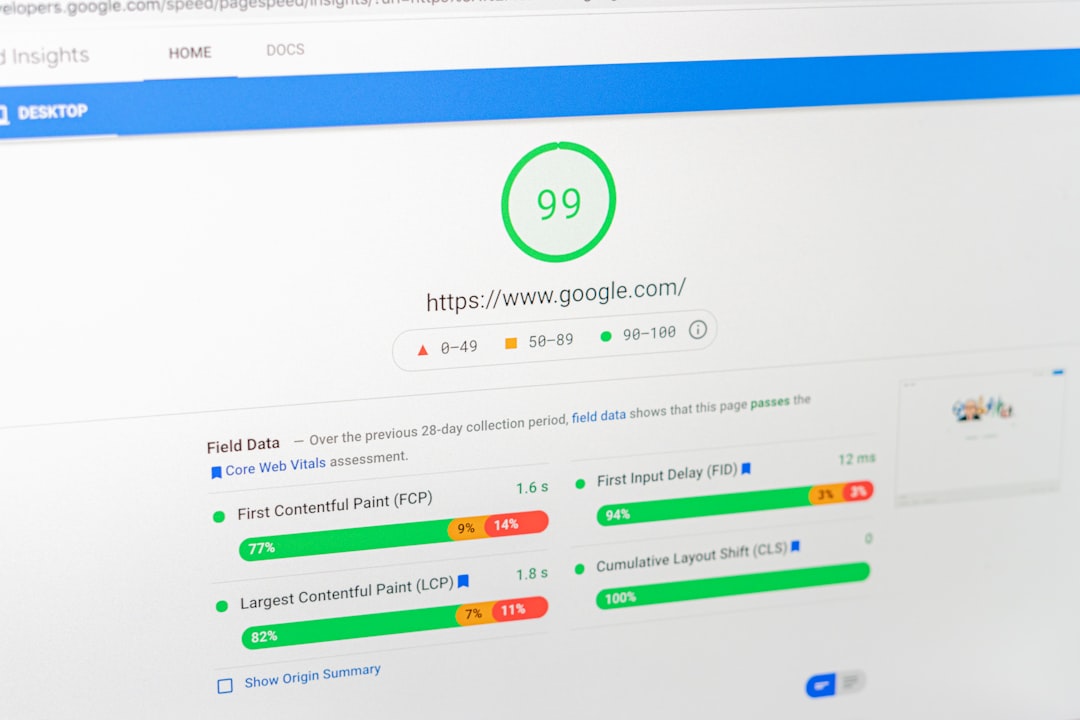
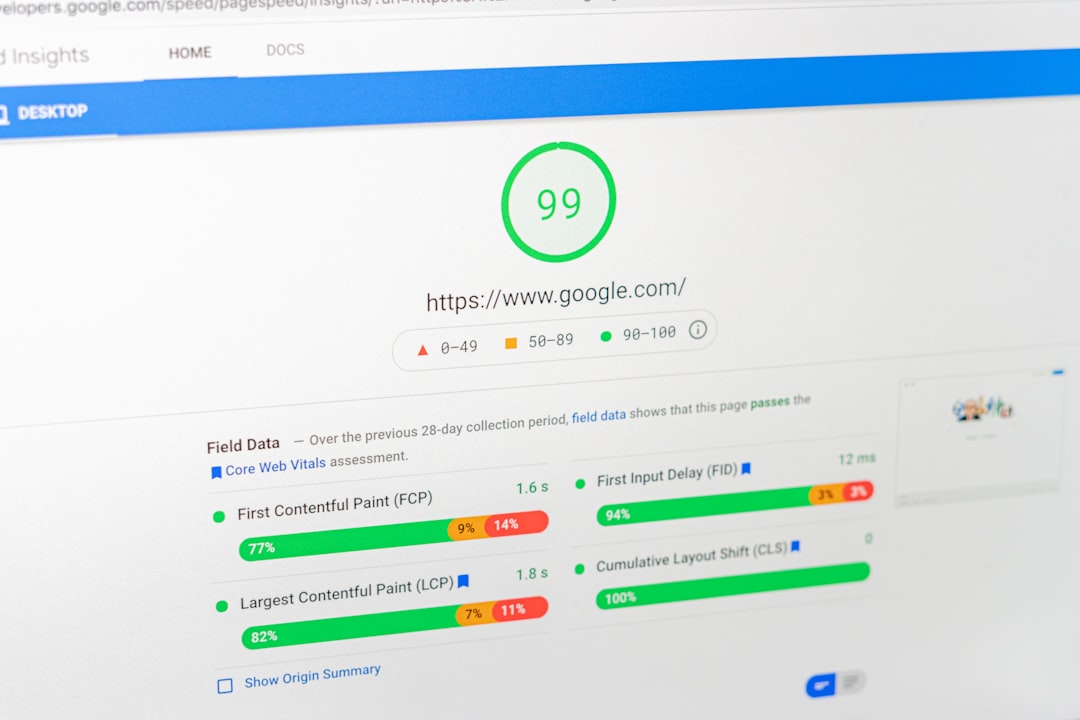
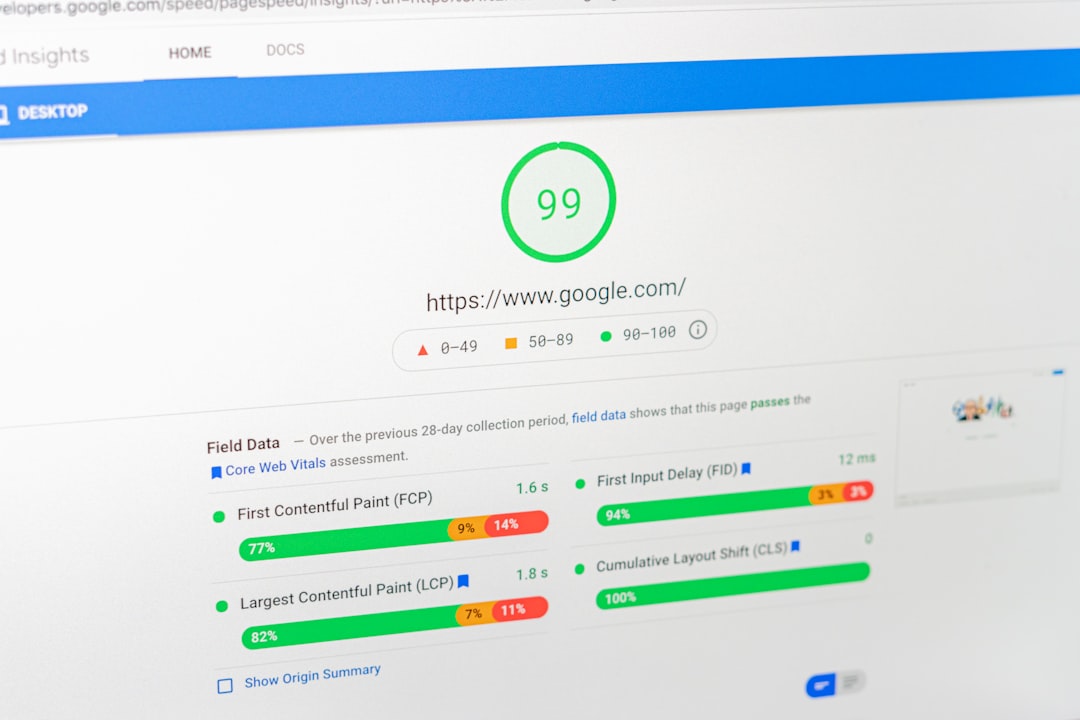
Plugin checklists can catch basics, but they cannot tell you whether a page truly deserves to rank. Google recommends clear, concise title text and warns against keyword stuffing, which is why writing for a colored score often leads beginners in the wrong direction.
If you force awkward phrasing just to repeat a keyword, the page usually gets worse for readers. A stronger approach is to make the page useful, focused, and easy to understand, then use your plugin to confirm the technical basics are in place.
| Weak title | Stronger title |
|---|---|
| SEO Services | SEO Company | SEO Expert | WordPress SEO Services for Small Businesses |
| Blog Post About SEO Tips | WordPress SEO Tips for Beginners |
3. Using vague or repetitive page titles

Weak titles make it harder for search engines and users to understand what a page is about. Google’s title guidance recommends descriptive, concise titles, and its starter documentation warns against excessive repetition and boilerplate across pages.
Beginners often leave default titles in place, reuse the same pattern everywhere, or stuff multiple variations into one title tag. Focus on one clear topic per page. Make the title specific enough that someone can predict the page’s value before clicking.
4. Ignoring meta descriptions completely
Meta descriptions are not a shortcut to higher rankings, but they still help with click quality when they summarize the page clearly. Google may use the meta description in search snippets when it gives a better explanation of the page than visible text alone.
Beginners usually make one of two mistakes here: they leave descriptions blank, or they copy the same generic wording across dozens of pages. Write a unique summary for your most important pages first. Keep it clear, human, and tied to the page’s actual content.
5. Letting thin archives get indexed
Thin archive pages can create duplication and dilute attention away from the pages that matter most. On many WordPress sites, tag archives, author archives, date archives, and attachment pages exist by default even when they add little value for searchers.
If you run a small site or single-author blog, review which archives deserve to be indexed and which should be set aside. A smaller, cleaner index is usually better than letting every auto-generated page compete for crawl attention.
6. Publishing thin content just to target more keywords
More pages do not automatically mean more rankings. Google’s people-first content guidance emphasizes content created to help users, not pages published mainly to manipulate search visibility.
Beginners often split one topic into several near-duplicate posts, each aimed at a slightly different phrase. That usually creates overlap instead of authority. One strong page that answers a topic well will often outperform several thin pages competing with each other.
If you are experiencing these symptoms, our team at WordPress SEO Expert can help. We can review whether your content problem is really thin coverage, weak targeting, or too many overlapping pages sending mixed signals.
7. Forgetting internal links
Internal links help search engines discover pages and understand which pages matter most. Google recommends crawlable links with descriptive anchor text, which means contextual linking inside your content is often more useful than relying only on menus and footers.
Beginners often publish a post and never link to it again. That leaves useful pages buried and under-supported. Link related posts to each other, connect informational content to service pages, and make sure important pages are reachable through normal HTML links inside the site.
8. Skipping Google Search Console
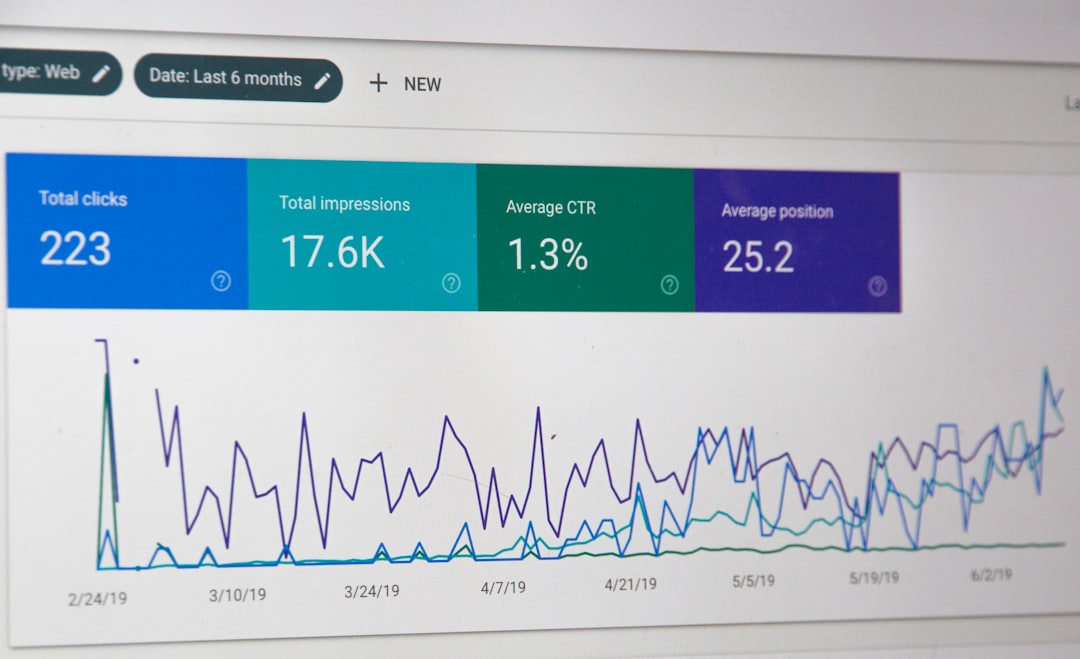
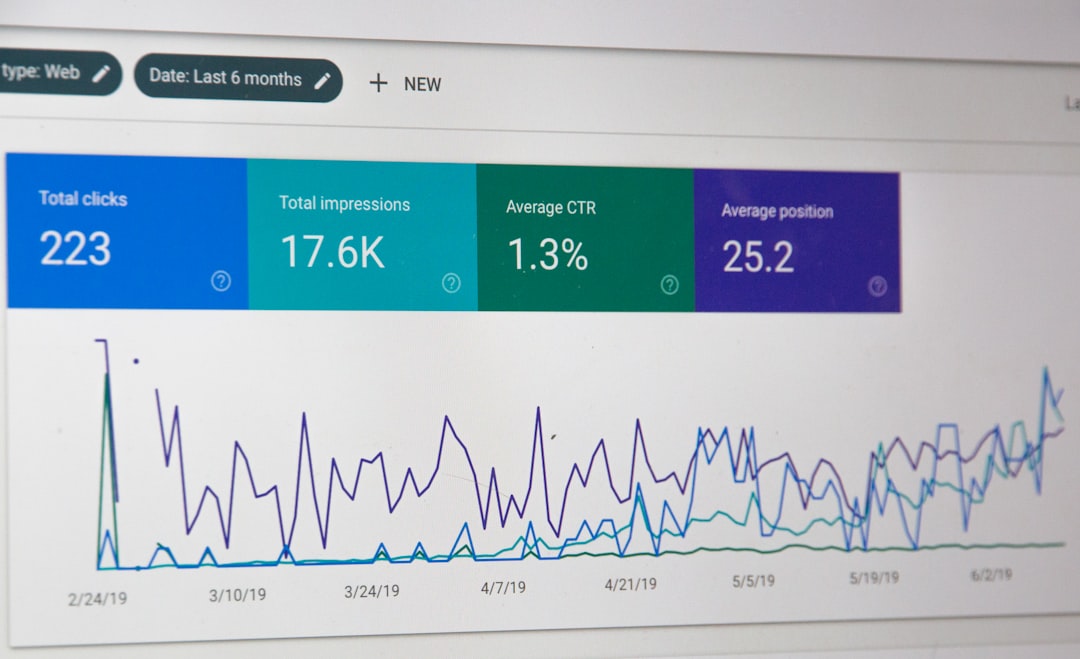
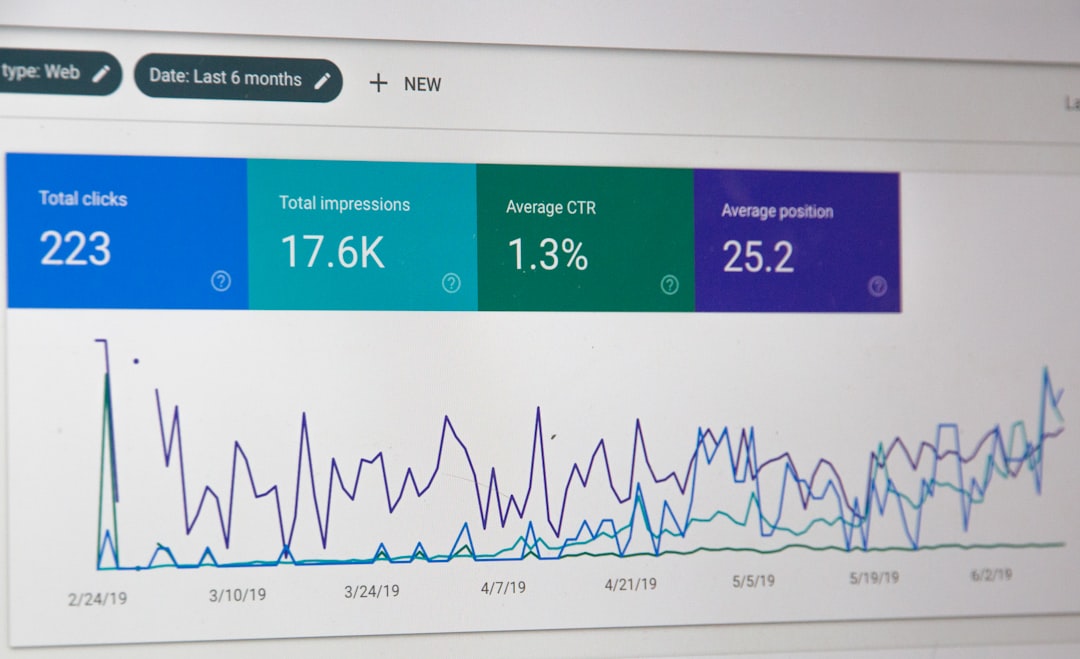
Search Console is one of the simplest ways to spot SEO issues before they get worse. It helps you see which pages get impressions, which queries you already appear for, and whether indexing problems are blocking important URLs.
Without that visibility, beginners end up guessing. They rewrite pages that already perform, ignore pages with indexing problems, and spend time on low-impact edits. Checking performance and coverage regularly gives you a much better order of operations.
What beginners should fix first
The best recovery plan is usually simple: clean up indexing, simplify your plugin stack, improve titles on key pages, and strengthen internal links. That sequence fixes the structural issues before you spend time polishing secondary details.
| Priority | What to fix first | Why it matters |
|---|---|---|
| 1 | Indexing and crawl access | Pages cannot rank well if search engines cannot reach or understand them. |
| 2 | Plugin conflicts | Conflicting metadata and sitemaps create sitewide confusion. |
| 3 | Page titles | Clear titles improve topical relevance and click clarity. |
| 4 | Internal links | Links reinforce hierarchy and help important pages get found. |
| 5 | Content consolidation | Stronger pages usually outperform scattered, overlapping posts. |
When to ask for help
If you have been doing the work and rankings are still flat, that does not automatically mean you failed. It usually means the site needs a clearer diagnostic path. The real issue may be indexing, duplication, weak targeting, or plugin clutter rather than effort.
WordPress SEO Expert can help you sort through what is actually hurting rankings and what can wait. Book a free SEO consultation. No pitch, no pressure. Just an honest look at what your site actually needs and whether your current setup is part of the solution or part of the problem.
Contact WordPress SEO Expert today to schedule a consultation if you want a practical review of your WordPress SEO setup before small mistakes turn into bigger ranking losses.