WordPress SEO problems usually come from misplaced focus, not lack of effort. Many beginners install a plugin, follow the green lights, publish a few posts, and assume the basics are covered. Then rankings stay flat because the real issues are broader: weak titles, thin internal links, indexing mistakes, and plugin clutter.
A green light in an SEO plugin does not mean the page deserves to rank. Search visibility improves when your site is easy to crawl, your pages match search intent, and your internal links make it obvious which pages matter most. If you want a broader baseline before fixing individual mistakes, review our practical WordPress SEO guide for DIY site owners.
The beginner mistake pattern to watch for
Most beginners do not make one fatal SEO mistake. They make several smaller ones that dilute each other. A page with a vague title, weak internal links, duplicate archive pages, and no clear purpose can struggle even if the content itself is decent.
The fix is to work in the right order. Fix the issues that block visibility before the issues that polish visibility. That means starting with crawlability, indexing, page targeting, and site structure before spending hours adjusting plugin scores.
Mistake 1: Treating plugin scores like rankings
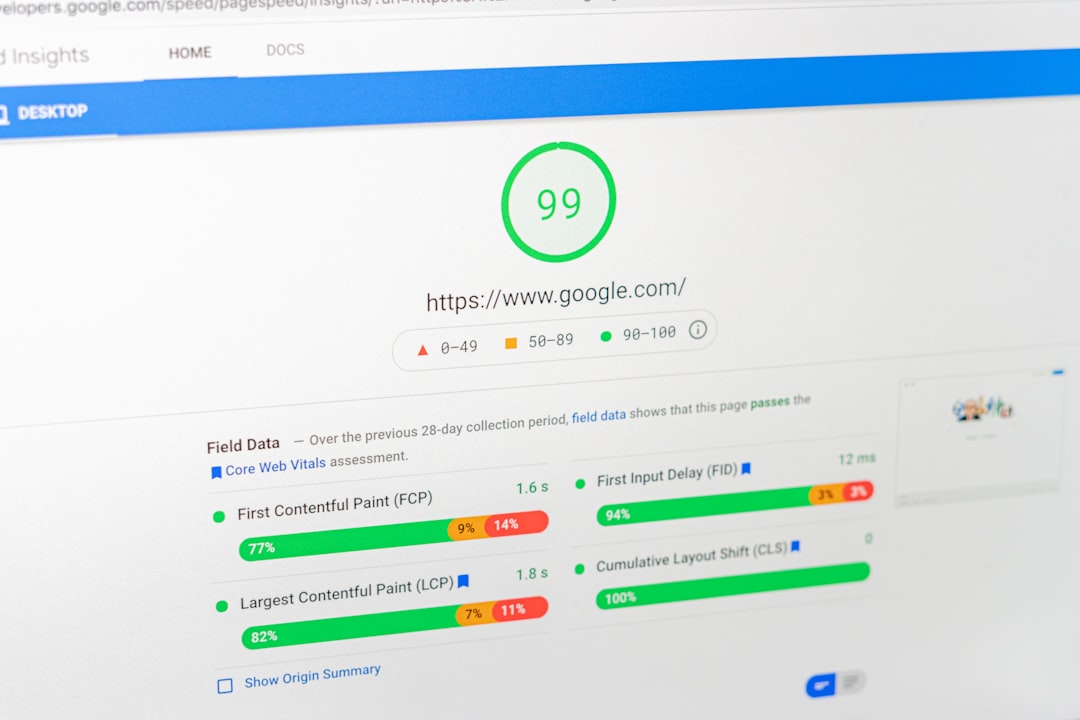
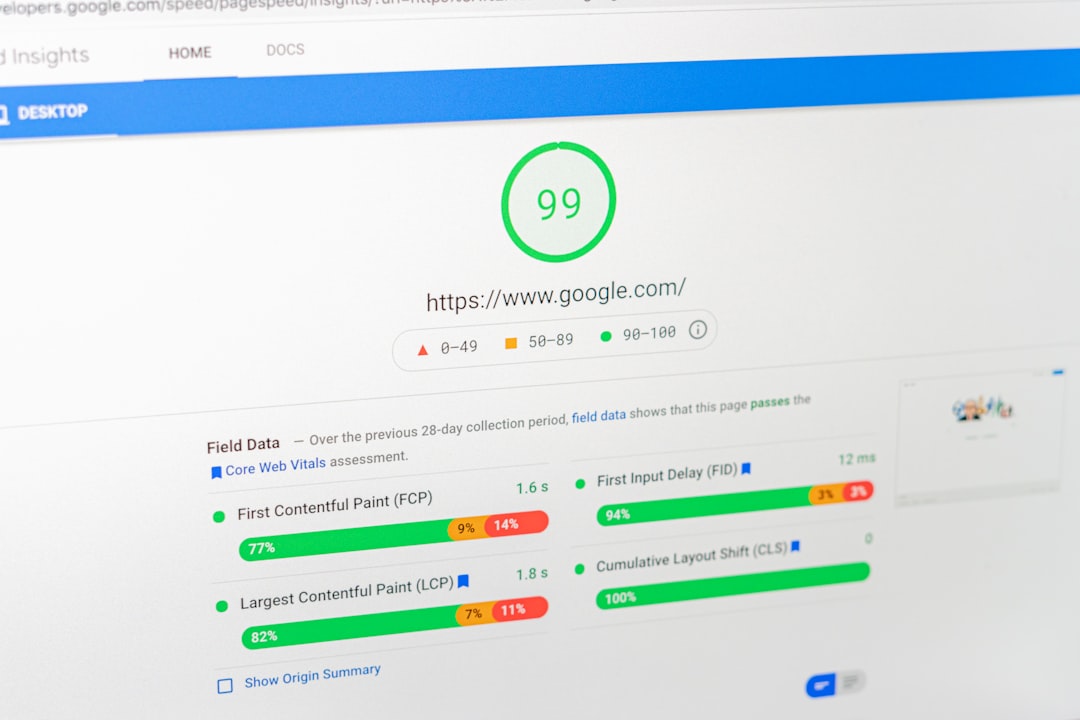
Plugin checklists can be useful, but they are not ranking systems. Google recommends descriptive titles, useful headings, and content that helps users, but it does not rank pages because a plugin shows a perfect score. Google also warns against keyword stuffing and boilerplate titles, which beginners often create while trying to satisfy a plugin meter.
This is why awkward phrasing, repeated keywords, and over-edited copy often show up on beginner sites. Use your plugin to manage technical settings, not to dictate every sentence. If your current setup feels messy, our post on fixing WordPress SEO setup problems will help you simplify the basics first.
Mistake 2: Using weak or repetitive page titles
Your title tag is one of the clearest signals you control. Google’s guidance says titles should be descriptive, concise, and distinct, not vague or stuffed with repeated keywords. Beginners often leave titles too generic or reuse nearly the same pattern across every page.
Titles like Home, Services, Blog Post, or SEO Services | SEO Company | SEO Expert make it harder for search engines and users to understand what makes a page different. A better title says exactly what the page is about in plain language.
| Weak title | Stronger title |
|---|---|
| Home | WordPress SEO Services for Small Businesses |
| Blog | WordPress SEO Tips for Beginners |
| SEO Services | SEO Company | SEO Expert | Technical WordPress SEO Help for Growing Sites |
Mistake 3: Publishing pages with no clear keyword target
Beginners often write pages that try to target several topics at once. That creates muddy signals. One page tries to rank for SEO tips, website design, blogging advice, plugins, and hosting at the same time, so it never becomes the best result for any one search.
Each important page should have one primary topic and one clear purpose. Your homepage, service pages, and core articles should each answer a distinct search intent. If two pages chase the same idea, consolidation is usually better than adding more content.
Mistake 4: Ignoring internal links
Internal links are one of the most overlooked beginner SEO tools. Google says crawlable links and descriptive anchor text help it discover pages and understand site structure. When posts sit in isolation, important pages get less support than they need.
Every useful post should point readers to the next relevant page. Link related articles together, connect informational posts to service pages, and make sure your most important pages are not only reachable through the main navigation. Internal links are not filler. They help search engines understand priority and context.
Mistake 5: Running too many SEO plugins
One well-configured SEO plugin is enough. Beginners sometimes stack SEO plugins, schema plugins, redirect plugins, and social meta plugins without realizing they can overlap. That can create duplicate metadata, conflicting canonicals, and multiple sitemap outputs.
If you inherited a site with several SEO tools active, simplify before you optimize. Fewer moving parts make it easier to troubleshoot titles, canonicals, index settings, and schema output. Plugin clutter feels productive, but it often creates the very problems beginners are trying to solve.
Mistake 6: Letting thin archives stay indexed
WordPress can generate tag, author, date, and attachment pages automatically. Beginners often leave all of them indexable even when those pages add no real value. That can create thin or duplicative sections that compete with stronger pages.
If you run a simple site, many of those archives do not need to appear in search results. The goal is not to index everything WordPress creates. The goal is to index the pages that actually deserve visibility and support the rest with clean site structure.
Mistake 7: Writing meta descriptions as an afterthought
Meta descriptions do not directly improve rankings, but they can improve how your page is summarized in search results. Google recommends unique descriptions that accurately describe the specific page, yet beginners often leave them blank or reuse the same wording everywhere.
A useful meta description should help the right visitor understand what they will get from the page. Treat it like short ad copy for that one page, not a sitewide template that says almost nothing.
Mistake 8: Skipping Google Search Console
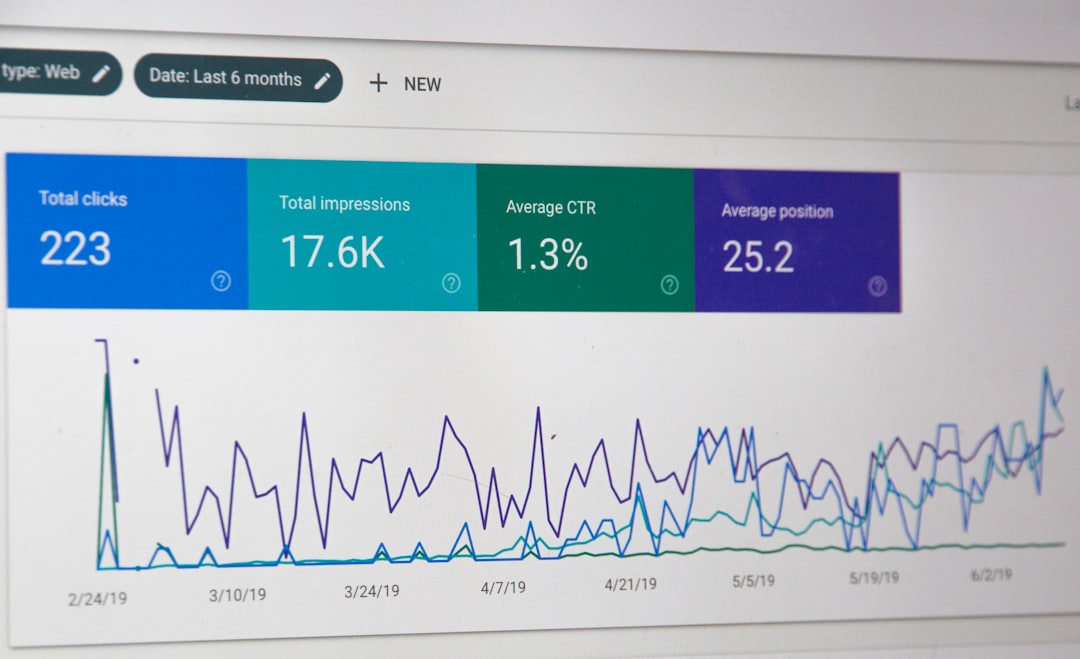
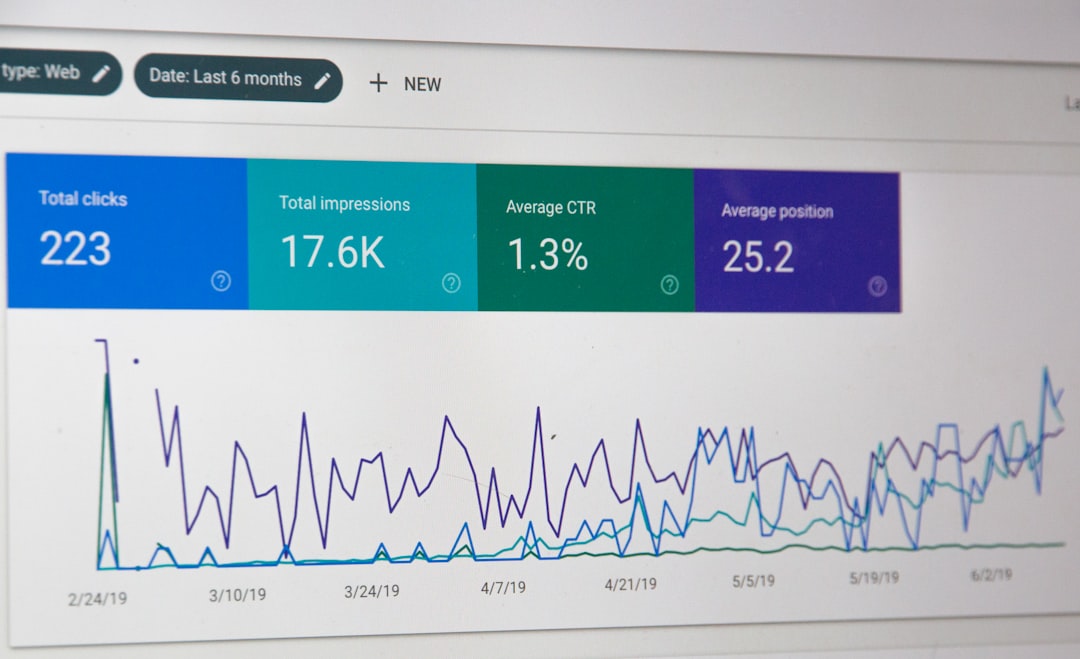
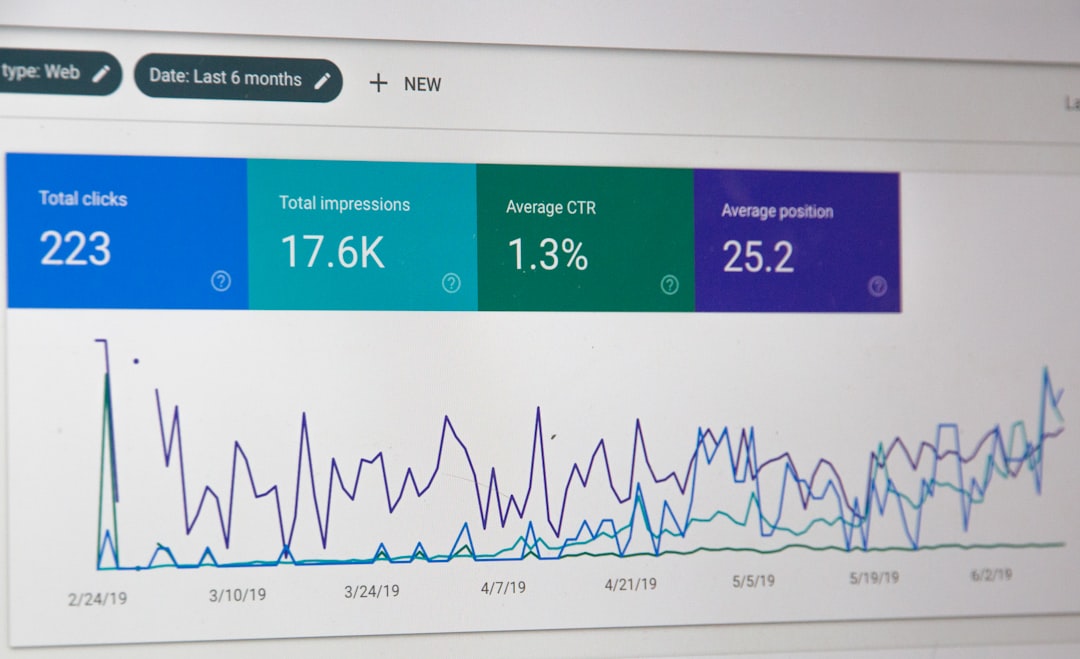
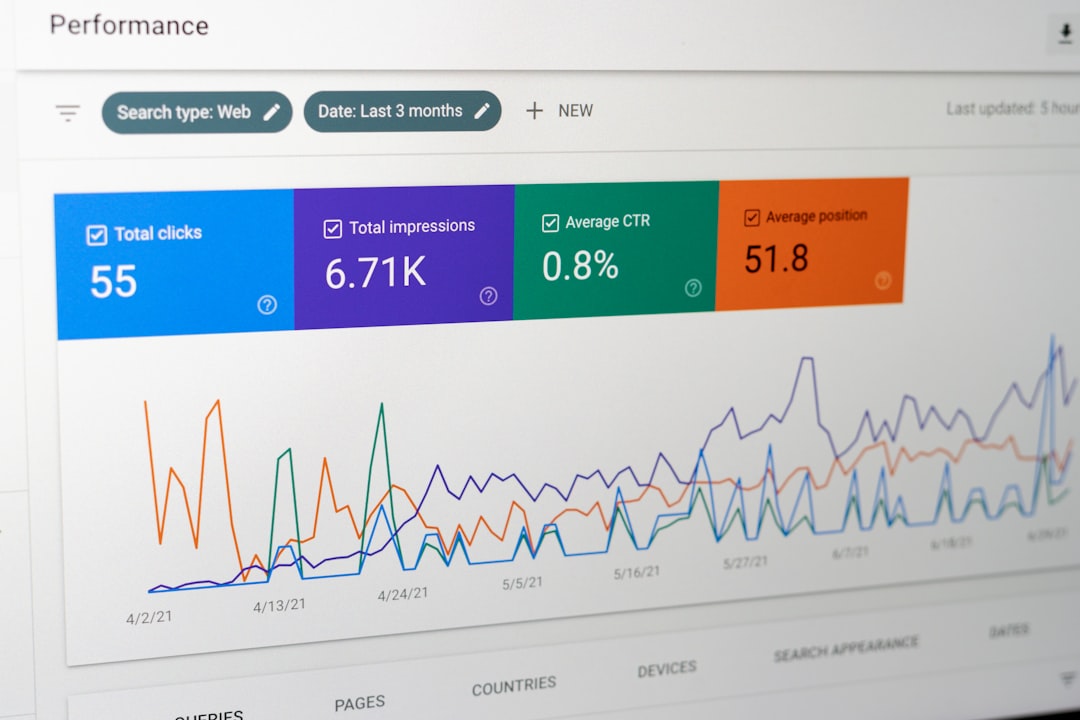
Beginners often rely on plugin dashboards and never check the data Google provides directly. That creates blind spots. Search Console helps you see which pages are getting impressions, which queries already connect to your site, and whether indexing problems are holding pages back.
You do not need perfect reporting. You need enough visibility to see whether your problem is discoverability, weak targeting, or low click appeal. If you are experiencing these symptoms, our team at WordPress SEO Expert can help.
What beginners should fix first
The fastest progress comes from simplifying and prioritizing. Start by confirming that your key pages are indexable, your titles are specific, your internal links are working, and your site is not sending mixed signals through duplicate plugins or thin archives.
| Priority | What to fix first | Why it matters |
|---|---|---|
| 1 | Indexing and crawl access | Pages cannot rank if search engines cannot reliably find them. |
| 2 | Title tags and page focus | These clarify what each page should rank for. |
| 3 | Internal linking | This helps search engines understand hierarchy and relationships. |
| 4 | Plugin cleanup | Conflicts create technical noise across the site. |
| 5 | Archive and duplicate cleanup | This reduces dilution and keeps attention on stronger pages. |
A simpler goal for beginner SEO
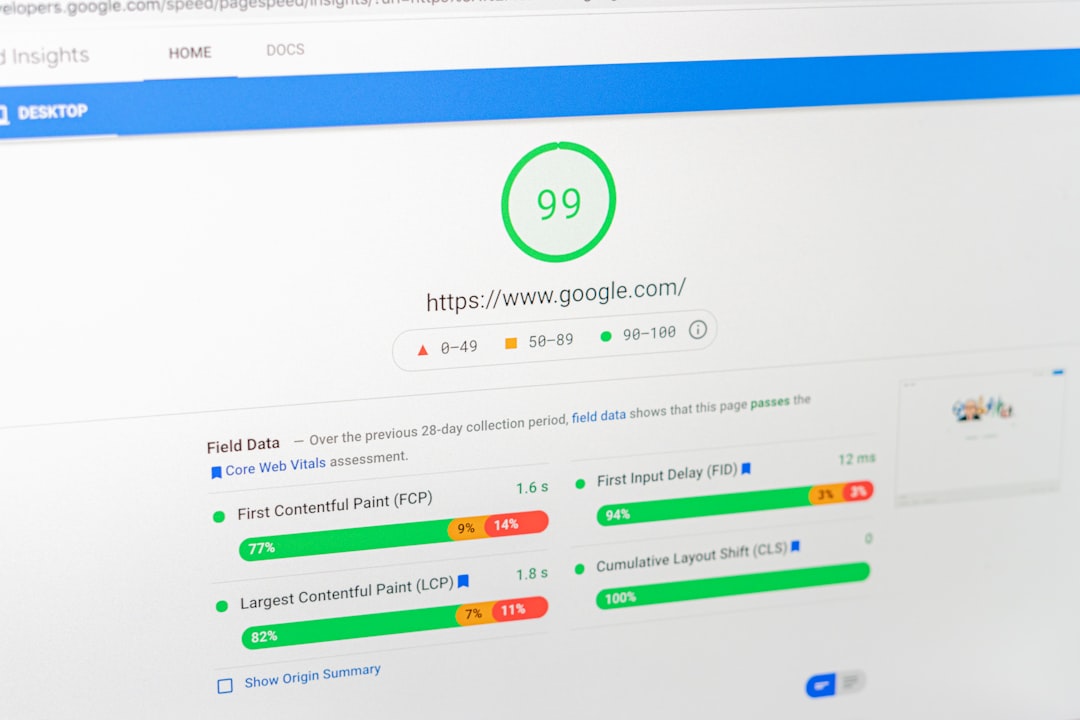
You do not need a perfect score. The goal is a site that loads cleanly, is easy to use, and sends consistent signals about which pages matter most. That usually means fewer plugins, clearer titles, better linking, and less duplication.
If your rankings are flat and you are not sure whether the real problem is indexing, duplication, weak targeting, or plugin clutter, WordPress SEO Expert can help. Book a free SEO consultation. No pitch, no pressure. Just an honest look at what your site actually needs and whether your current setup is part of the solution or part of the problem.
Contact WordPress SEO Expert today to schedule a consultation if you want a practical plan instead of another generic checklist.