

Beginner WordPress SEO audits work best when you stop chasing plugin scores and start checking the site in order. Most flat rankings come from a handful of basic issues working together, not one missing setting. This practical guide shows what to review first, what to ignore for now, and how to turn a messy setup into a clearer plan.
Most site owners do not have one catastrophic problem. They have a stack of smaller issues that compound over time. A green light in an SEO plugin does not mean the page deserves to rank, and one well-configured SEO plugin is enough. If you want a broader baseline before auditing your setup, review our WordPress SEO setup audit and our WordPress SEO audit checklist..
What is a beginner WordPress SEO audit?
A beginner WordPress SEO audit is a simple review of the settings and page signals that affect whether search engines can find, understand, and trust your site. The goal is not to score every page perfectly. The goal is to find the few issues that are holding back visibility.
That means checking crawl access, indexation, duplicate signals, titles, internal links, and template-level issues before you spend time on minor tweaks. Fix the issues that block visibility before the issues that polish visibility.
What should beginners check first?
Start with whether your important pages can actually appear in search. If they cannot be crawled, are set to noindex, or are buried with weak internal links, better copy and better metadata will not solve the real problem.
Open your most important pages first. Check your homepage, main service pages, product categories, top products, and a few blog posts. Look for pages that load normally, can be reached by clicking through the site, and are clearly meant to be indexed. If your setup feels confusing, WordPress SEO Expert can help you sort the real problems from the noise.
A practical beginner audit order
The easiest way to avoid wasted effort is to follow a fixed sequence. This keeps you from polishing titles on pages that should not be indexed or adding content to sections that already have duplication problems.
| Priority | What to check | Why it matters |
|---|---|---|
| 1 | Indexing and crawl access | Pages cannot rank if search engines cannot reach or index them. |
| 2 | SEO plugin setup | Conflicts can create duplicate metadata, canonicals, and sitemaps. |
| 3 | Titles and page purpose | Clear titles help search engines and users understand the page. |
| 4 | Internal linking | Important pages need clear paths and stronger context. |
| 5 | Duplicate pages and canonicals | Mixed signals dilute visibility and confuse crawling. |
| 6 | Template usability | Cluttered or heavy templates can weaken site quality. |
Check indexing before anything else
This is the first review because an important page that is blocked or marked incorrectly will struggle no matter how well written it is. Beginners often lose time on wording while the real issue is that the page is giving search engines the wrong instructions.
Check your WordPress reading settings, your page-level SEO settings, and your main archive behavior. Make sure key pages are linked in navigation, body content, or other crawlable sections of the site. If a page matters to leads or sales, it should not feel hidden.
Keep your plugin setup simple
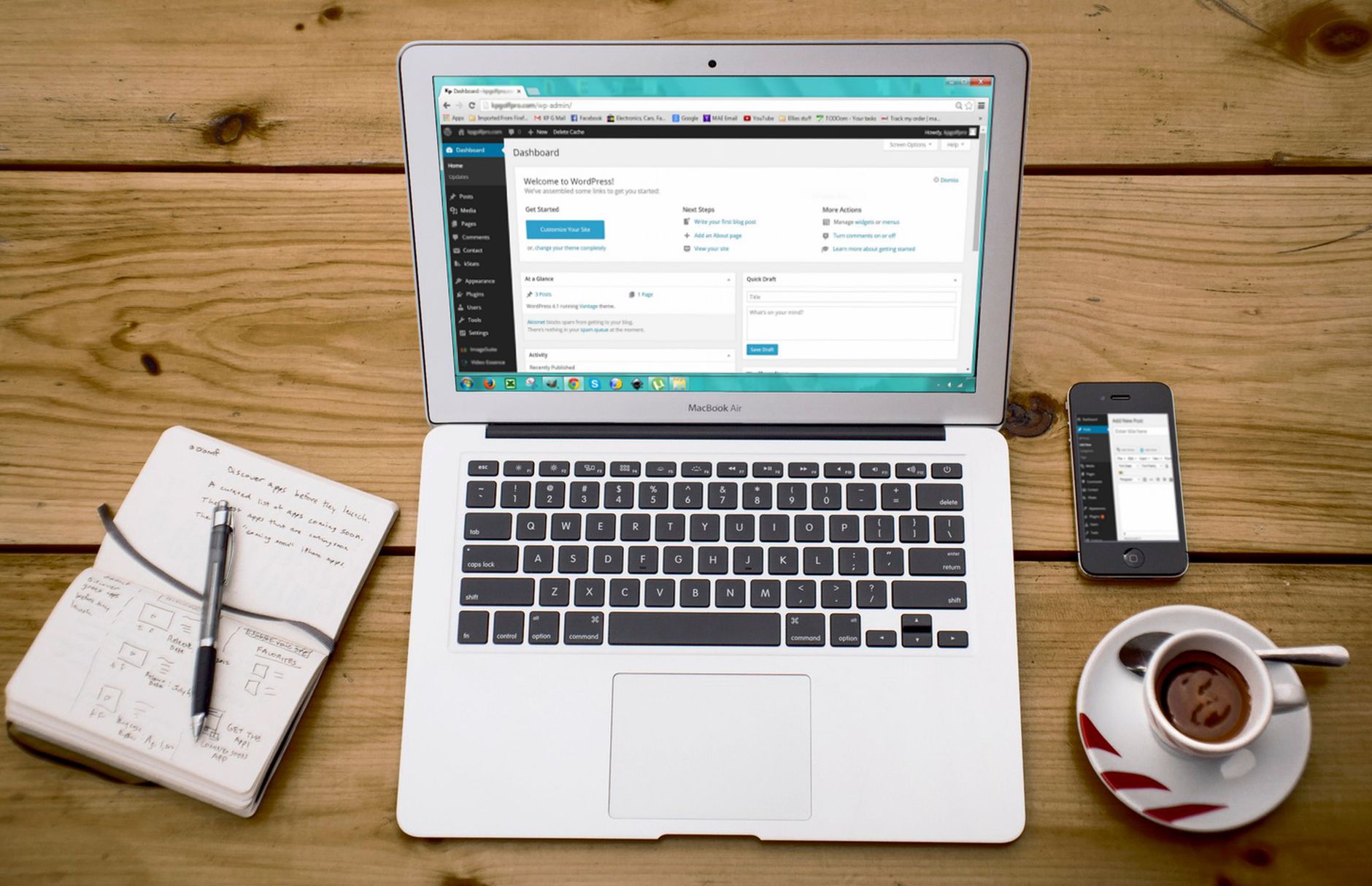
Many beginner sites do not need more SEO features. They need fewer overlapping tools. Running multiple SEO plugins or stacking add-ons that control the same settings often creates confusion instead of improvement.
Review which tool controls your title tags, meta descriptions, XML sitemap, schema, and canonicals. If two plugins are trying to do the same job, simplify the setup first. One well-configured SEO plugin is enough for most sites.
Audit titles for clarity, not green lights
Titles are one of the fastest beginner wins because weak patterns stand out quickly. Good titles explain what the page is about in plain language. Weak titles repeat generic terms and say very little about the actual page.
| Weak title | Stronger title |
|---|---|
| Home | WordPress SEO Services for Small Businesses |
| Blog | WordPress SEO Tips for Beginners |
| SEO Services | SEO Company | SEO Expert | WordPress SEO Audit Help for Growing Businesses |
If several pages on your site could swap titles without changing meaning, the titles are too vague. Clearer titles usually come from understanding the page purpose, not from adding more keywords.
Look for weak internal linking




Internal linking helps search engines discover pages and understand which pages matter most. Beginners often publish content without connecting it to service pages, category pages, or other related articles, which leaves useful pages buried.
Check whether your important pages receive links from relevant pages on the site. Use descriptive anchor text that tells readers what they will find next. If you are cleaning up structure, our WordPress SEO audit checklist can help you review page relationships in a more organized way.
Watch for duplicate pages and mixed signals
Duplicate SEO issues are common on WordPress sites, especially when archives, tags, attachments, or filtered URLs are left unmanaged. Beginners do not need to diagnose every edge case. They do need to notice when the same content can be reached through several versions.
Look for duplicate archive pages, old URLs still floating around after updates, attachment pages you do not want indexed, and pages with unclear canonical settings. If your site was redesigned or migrated, review redirects carefully. Many traffic drops start there.
Check templates, not just single pages
A beginner audit becomes much more useful when you look at page types instead of random URLs. If one blog template, product template, or service page layout has a problem, that issue may affect dozens of pages at once.
Review your main templates for heading structure, visible page purpose, clutter, and usability. You do not need a perfect score. The goal is a site that loads cleanly, is easy to use, and sends consistent signals about which pages matter most.
What beginners should stop doing
Stop treating plugin recommendations as proof that a page is optimized. A green light in an SEO plugin does not mean the page deserves to rank. It only means the page matches that tool’s checklist.
Also stop publishing more content to compensate for technical confusion. If the site has indexing issues, weak internal linking, duplicate signals, or overlapping pages, new posts often add complexity instead of results. If you are not sure whether your real problem is indexing, duplication, weak targeting, or plugin clutter, WordPress SEO Expert can help.
The best next step after your audit
The best next step is a short action plan based on impact. Start with the pages tied closest to leads or sales, then work through the template or settings issues affecting the largest sections of the site.
Do not try to fix everything at once. Fix the issues that block visibility before the issues that polish visibility. Book a free SEO consultation with WordPress SEO Expert. No pitch, no pressure. Just an honest look at what your site actually needs and whether your current setup is part of the solution or part of the problem.
Contact WordPress SEO Expert today to schedule a consultation and get a clearer plan for what to fix first on your WordPress site.

















