
Advanced WordPress SEO for beginners is less about secret tactics and more about learning what deserves attention first. Most sites with flat rankings are not missing one magic setting. They are dealing with mixed signals, weak page targeting, thin internal links, or technical clutter that keeps good work from compounding.
A green light in an SEO plugin does not mean the page deserves to rank. The goal is not to make every setting look complete. The goal is to build a WordPress site that is easy to crawl, easy to understand, and clear about which pages matter most.
What does advanced SEO mean for a beginner?

Advanced SEO for a beginner means learning how the pieces connect, not jumping into complexity for its own sake. You do not need enterprise tools or a stack of plugins. You need a simple framework that helps you fix the issues that block visibility before the issues that polish visibility.
That usually starts with indexing, page targeting, internal links, archives, and title structure. If the basics are misconfigured, adding more content or more tools usually creates more noise. If you need a broader foundation first, read this practical WordPress SEO guide for DIY site owners before changing settings at random.
Start with visibility, not plugin scores
The first advanced shift is mental: stop treating plugin checklists as the target. Google recommends descriptive page titles, crawlable HTML links, and structured data that matches what users can actually see on the page. Those are stronger signals than chasing perfect editor scores or forcing awkward keyword usage.
In practice, that means writing clearer titles, linking important pages from real content, and keeping your technical setup honest and minimal. Google’s guidance on title links, crawlable links and anchor text, and structured data policies supports that approach directly.
Use one SEO plugin and simplify the setup
One well-configured SEO plugin is enough for most WordPress sites. Running overlapping SEO plugins often creates duplicate metadata, conflicting canonicals, and competing sitemap outputs. Beginners often think more features means more optimization, but on WordPress it usually means more opportunities for silent conflicts.
Keep one plugin, review its title templates, confirm your XML sitemap is active, and clean up anything duplicated by theme settings or old extensions. If your current setup feels messy, this guide on fixing WordPress SEO setup problems can help you sort the technical issues from the cosmetic ones.
Prioritize pages before you publish more
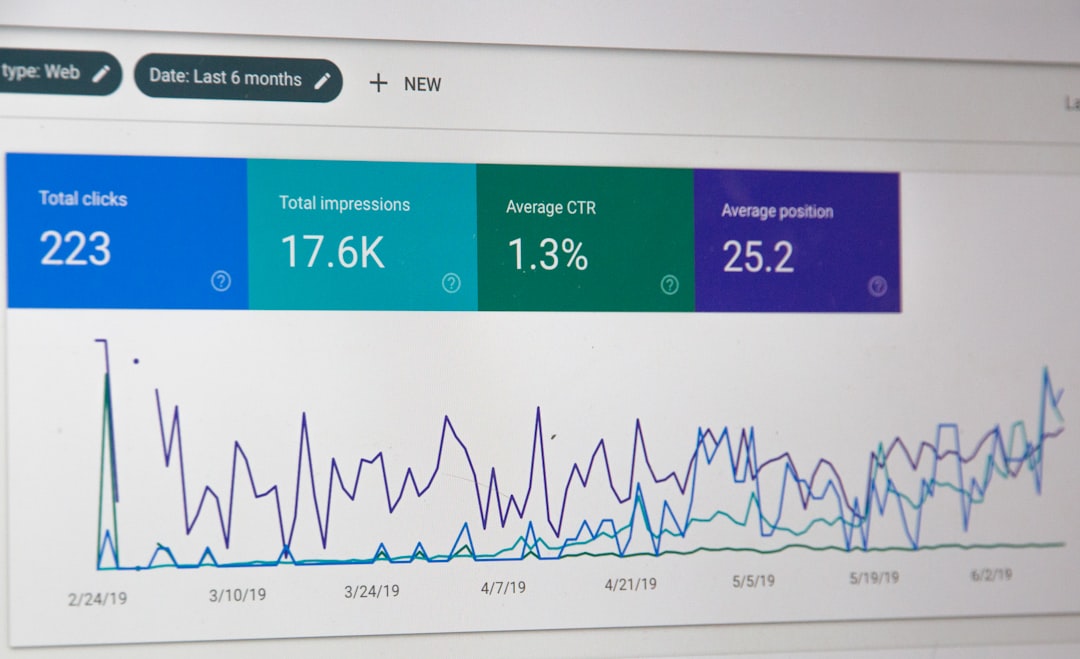
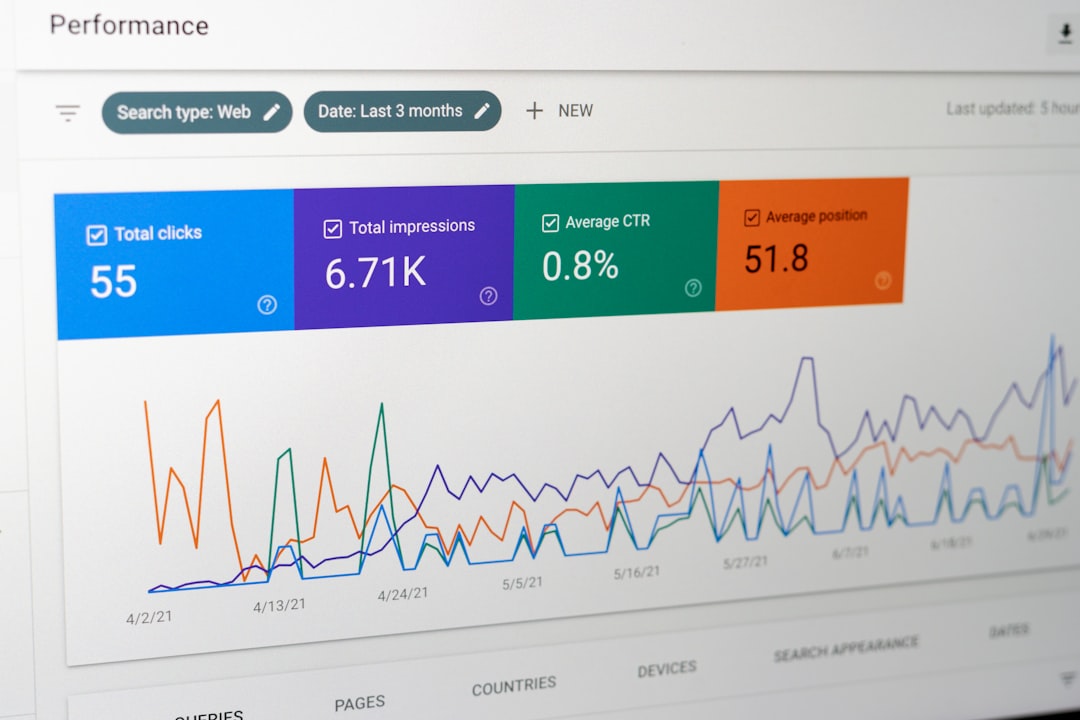
Advanced results come from improving the pages already closest to ranking, not from publishing endlessly. Look for pages that already earn impressions, align them to one clear intent, and strengthen the supporting signals around them. This is where beginners usually make the biggest leap.
Instead of editing every page lightly, choose a small set of important URLs: your homepage, your top service pages, your main category pages, and a few blog posts with existing visibility. Tighten the title, improve the opening paragraphs, add better subheadings, and connect those pages with descriptive internal links.
Write titles that clarify intent
Title work is one of the simplest advanced strategies because the payoff is immediate and the mistake pattern is common. Google advises writing concise, descriptive title text and avoiding vague labels, keyword stuffing, and repetitive boilerplate. Beginners often underuse this by leaving weak defaults in place.
| Weak title | Stronger title |
|---|---|
| SEO Services | SEO Company | SEO Expert | WordPress SEO Services for Small Businesses |
| Blog | WordPress SEO Tips for Service Businesses |
| Home | WordPress SEO Consultant for Growing Sites |
The stronger versions help both users and search engines understand what the page is actually about. They also reduce the chance that your title reads like a template instead of a page with a real purpose.
Strengthen internal links with intent

Internal linking is an advanced beginner strategy because it is easy to apply and often underused. Google recommends crawlable links built with standard HTML anchor tags and descriptive anchor text. That matters because many WordPress sites rely too heavily on menus and leave important pages under-supported.
Link broad informational posts to service pages. Link related articles to each other where the relationship is obvious. Make sure important pages are discoverable from more than one place. If a page only exists in your sitemap or a buried menu, it may be technically live but strategically weak.
Control archives and duplicate paths
Archive and duplication issues are where WordPress starts to feel advanced, but the principle is simple. If your site creates multiple thin or overlapping versions of similar content, search engines have to work harder to decide what matters. Beginners do better when they reduce clutter instead of trying to optimize every page type.
Review author, tag, date, attachment, and filtered archive pages. If they are thin, repetitive, or not useful as landing pages, they usually should not compete with your core pages. Most site owners do not have one catastrophic problem. They have a stack of smaller issues that compound over time.
Use schema as support, not a shortcut
Schema helps clarify page meaning, but it does not replace content quality or clean structure. Google’s structured data guidance says markup should reflect the main visible content and should not be misleading. That means adding only the types that match what the page actually contains.
For most beginners, less is better. Organization or business details on core pages, article markup on posts, and breadcrumb markup where breadcrumbs are visible is usually enough. Adding every available schema type does not make a page stronger if the page itself is thin or unclear.
If you’re experiencing these symptoms, our team at WordPress SEO Expert can help. A focused review can usually tell whether your biggest problem is indexing, duplication, weak targeting, or plugin clutter.
A simple order of operations
The fastest progress usually comes from working in order. Advanced SEO is easier when you stop trying to improve everything at once and move from blocking issues to supporting improvements. That keeps your effort focused and makes results easier to measure.
| Priority | What to fix first | Why it matters |
|---|---|---|
| 1 | Indexing and crawl access | Pages cannot perform if search engines cannot reach or index them properly. |
| 2 | Plugin conflicts and duplicate output | Conflicting canonicals, titles, or sitemaps create sitewide confusion. |
| 3 | Page titles and intent matching | Clear relevance helps the right page rank for the right query. |
| 4 | Internal linking | Links reinforce hierarchy, discovery, and topical relationships. |
| 5 | Schema and snippet support | These refine understanding after the foundation is stable. |
What beginners should stop doing
Stop adding plugins to solve unclear rankings. Stop publishing thin posts just to hit a schedule. Stop rewriting copy to satisfy keyword density prompts. None of those habits solves a scattered plan, and they often distract from the pages and settings that matter most.
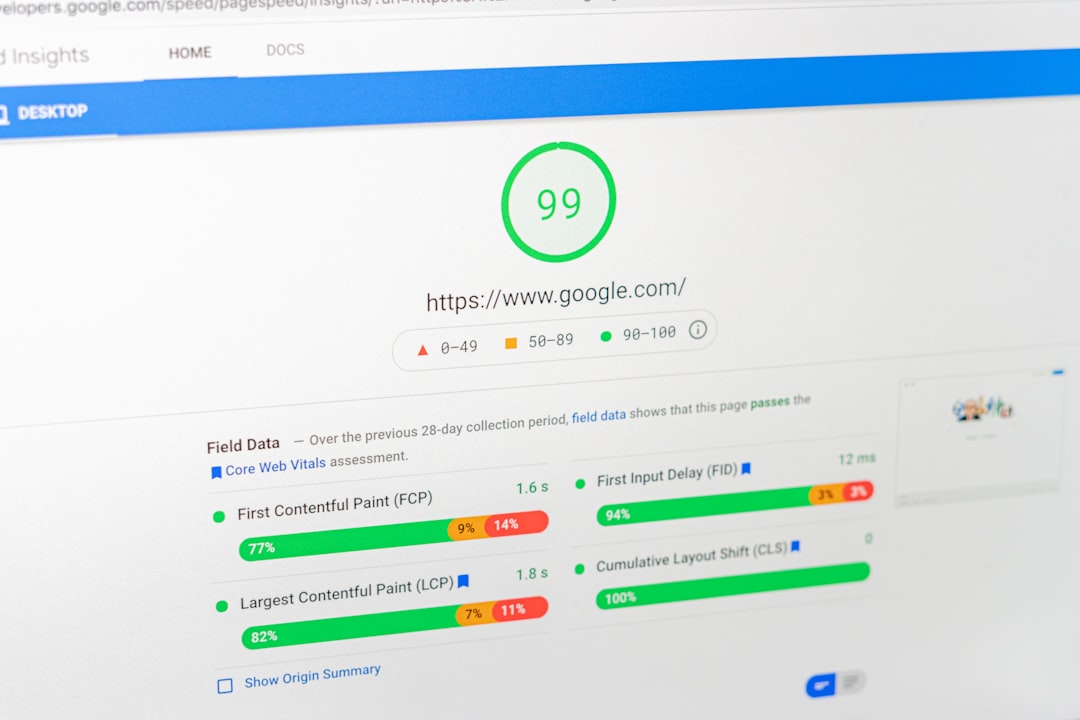
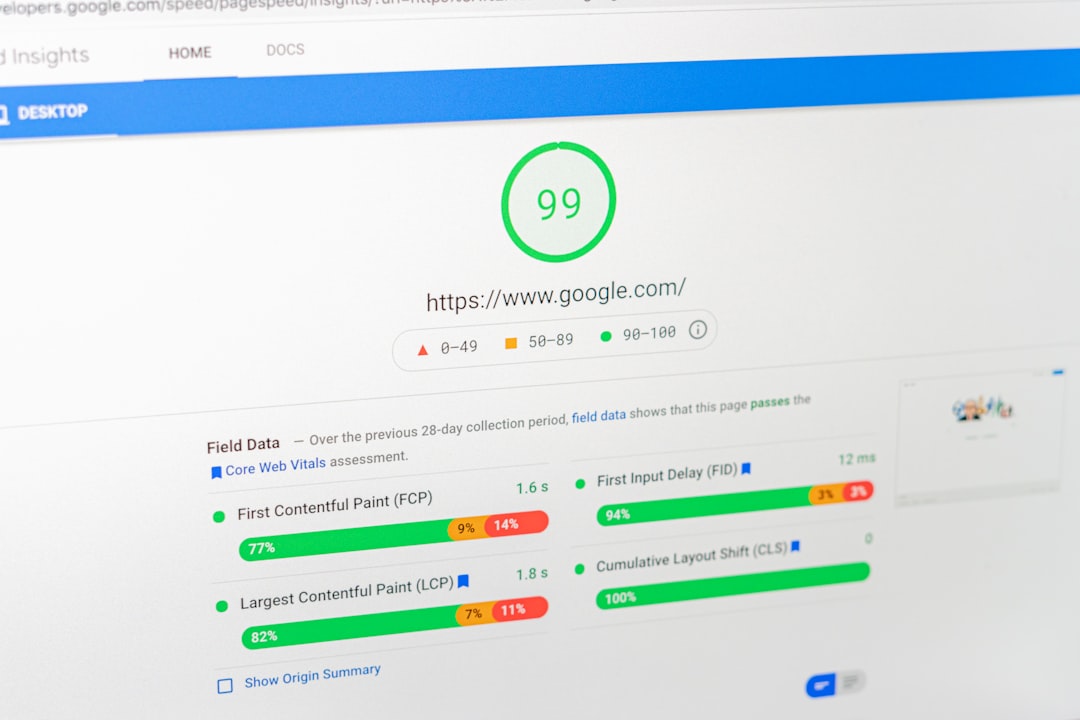
You do not need a perfect score. The goal is a site that loads cleanly, is easy to use, and sends consistent signals about which pages matter most. That usually means fewer tools, clearer targets, and better connections between the pages you already have.
When to get help
If you have done the work and rankings are still flat, the problem is usually prioritization, not effort. WordPress SEO Expert can help you identify whether the real issue is technical SEO, weak page targeting, archive clutter, or internal link gaps before you spend more time changing the wrong things.
Contact WordPress SEO Expert today to schedule a consultation. Book a free SEO consultation. No pitch, no pressure. Just an honest look at what your site actually needs and whether your current setup is part of the solution or part of the problem.