SEO tutorials often fail because they hand you a pile of tactics without showing the order. A workable WordPress SEO process is simpler than that: fix visibility blockers first, then tighten page targeting, then improve internal links and content. WordPress SEO Expert uses this sequence because scattered effort usually stalls faster than missing effort.
If you have been changing plugins, rewriting titles, and chasing green lights without seeing movement, the issue is usually prioritization. A green light in an SEO plugin does not mean the page deserves to rank. What matters more is whether search engines can crawl the right pages, understand what each page is for, and see a site structure that supports your most important URLs.
What is a WordPress SEO workflow?
A WordPress SEO workflow is the order you use to diagnose, fix, and improve search performance on a WordPress site. The right workflow reduces guesswork by showing what to check first, what can wait, and how each layer supports the next one.
Most site owners do not need more tasks. They need a cleaner sequence. That usually means checking indexing and crawl access before editing copy, simplifying plugins before adding new features, and strengthening internal links before publishing more pages. If you want a broader baseline before following this process, review our practical guide for DIY WordPress SEO.
Step 1: Check whether Google can access the right pages
Start with indexing and crawl access because pages cannot rank if search engines cannot reach or understand them. This step answers a simple question: are your important pages available, indexable, and supported by clean technical signals?
Check your visibility settings in WordPress, confirm your XML sitemap is active, review robots rules, and look in Google Search Console for excluded pages or crawl errors. Archive pages, attachment pages, and search results pages often create noise if they are left unmanaged. One well-configured SEO plugin is enough. Running overlapping plugins often creates duplicate metadata, conflicting canonicals, and competing sitemap outputs.
If your setup already feels cluttered, our guide to fixing WordPress SEO setup problems walks through the most common conflicts in plain language.
Step 2: Audit titles, headings, and page focus


Once access is stable, review what each important page is trying to rank for. Every core page should target one clear intent, use a descriptive title, and present headings in a logical structure that helps both users and search engines follow the page.
This is where many WordPress sites drift. A homepage targets everything. Two service pages overlap. Blog posts compete with category pages. The result is weak relevance rather than obvious technical failure. Fix the pages that matter most first: homepage, main service pages, top category pages, and any post that already earns impressions.
| Weak title | Stronger title |
|---|---|
| SEO Services | SEO Company | SEO Expert | WordPress SEO Services for Small Businesses |
| Blog | WordPress SEO Tips for Service Businesses |
| Site Audit | WordPress SEO Audit for Flat Rankings |
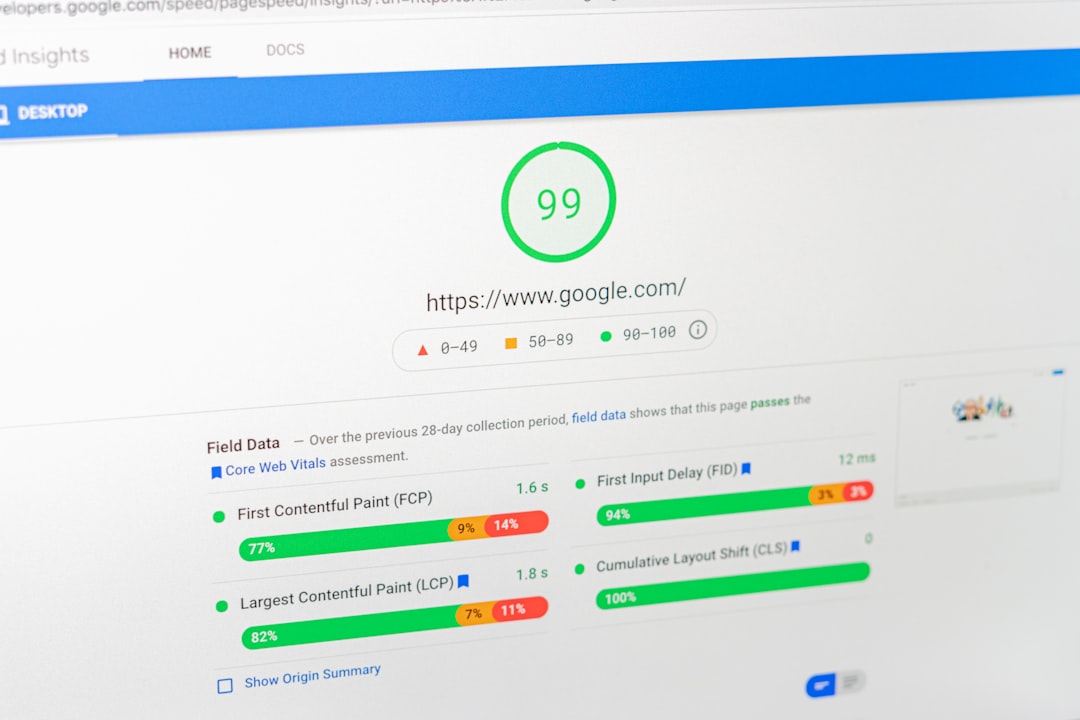
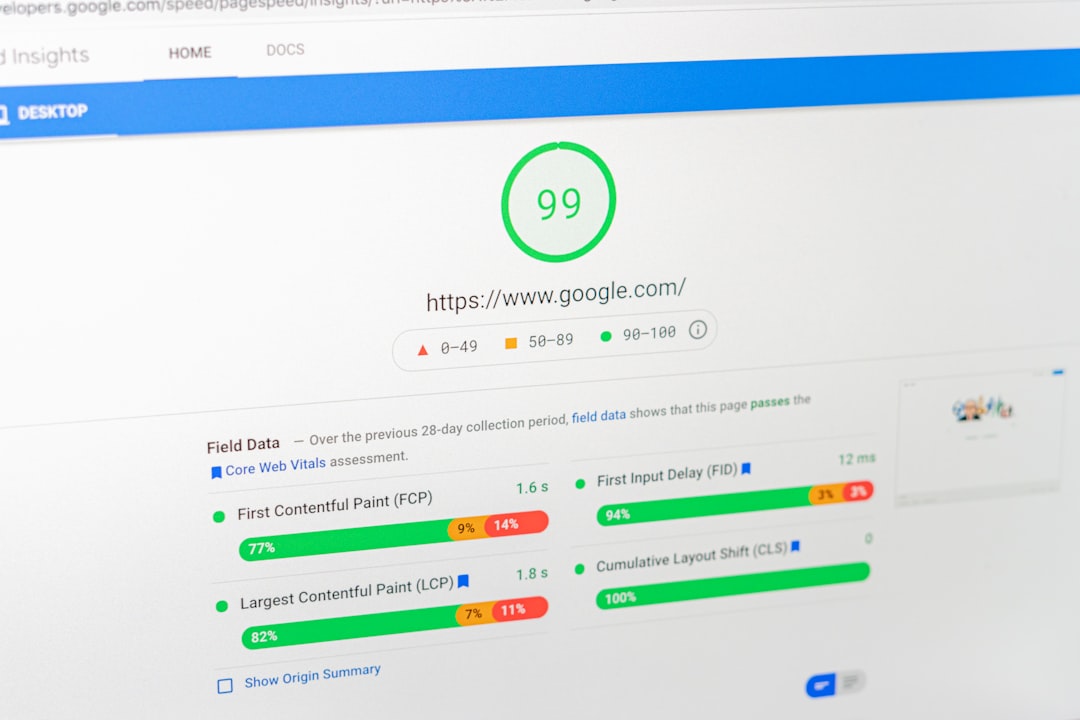
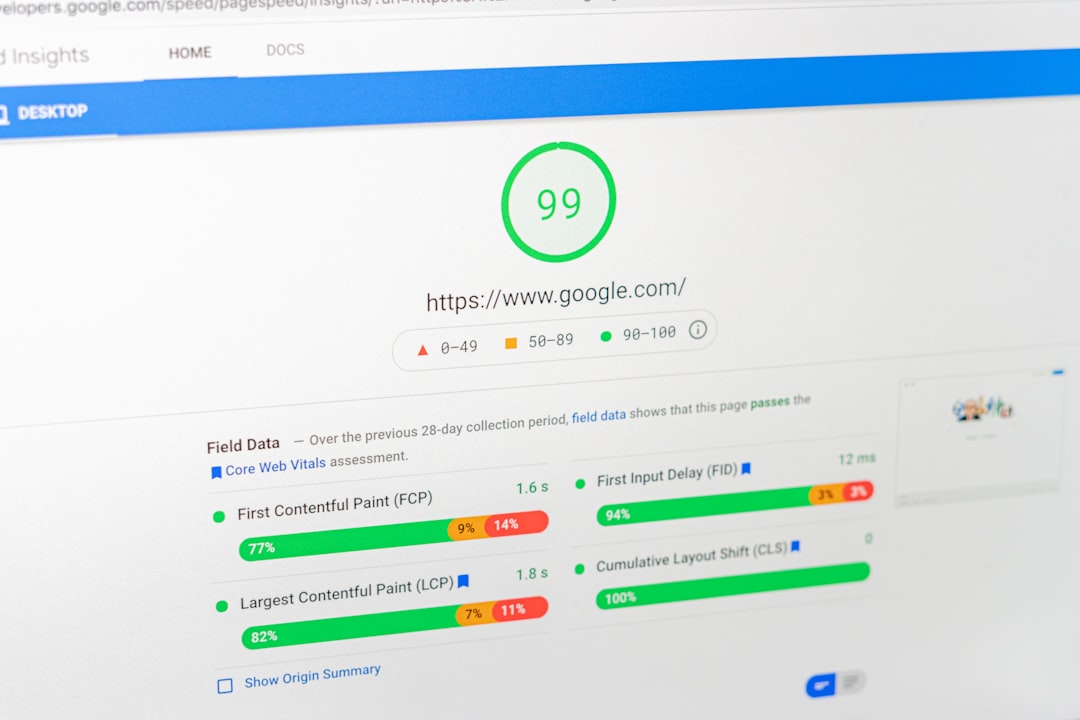
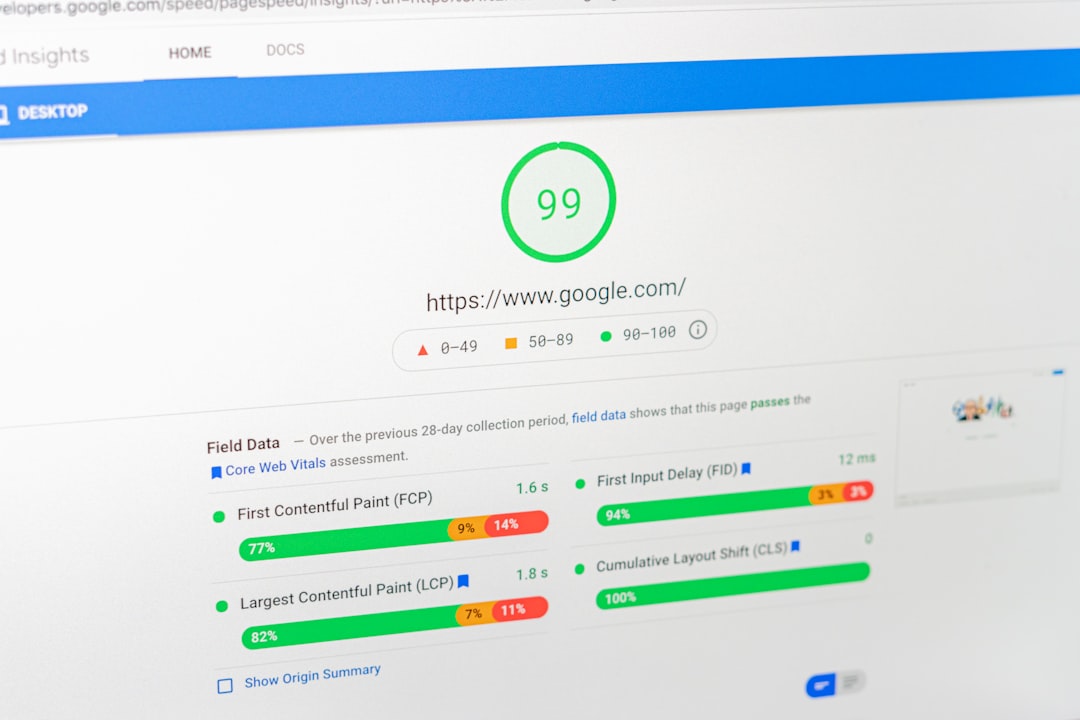
The stronger versions tell Google and the reader what the page is actually about. They also avoid the common mistake of stuffing variations into one field. You do not need a perfect score. The goal is a site that loads cleanly, is easy to use, and sends consistent signals about which pages matter most.
Step 3: Simplify plugins and technical output


After on-page targeting is clear, reduce technical clutter. Many WordPress SEO problems come from too many tools trying to control the same signals. A simpler setup is usually easier to audit, easier to maintain, and less likely to create hidden conflicts.
Keep one SEO plugin. Review whether other plugins are injecting schema, redirects, Open Graph tags, canonicals, or sitemap features that overlap with it. Themes and page builders can also add output you did not intend to publish. Most site owners do not have one catastrophic problem. They have a stack of smaller issues that compound over time.
If your rankings are flat and you are not sure whether the real problem is indexing, duplication, weak targeting, or plugin clutter, WordPress SEO Expert can help. A focused review usually reveals whether your current setup is part of the solution or part of the problem.
Step 4: Build internal links that reinforce priority pages
Internal links are one of the clearest next wins after the technical basics are under control. They help search engines discover pages, understand hierarchy, and connect informational content to the pages that drive leads or sales.
Look for pages that only receive links from the menu or only exist in the sitemap. Add contextual links from blog posts to related service pages, from broad guides to supporting tutorials, and between closely related articles where the next step is obvious. This is also a good time to review your WordPress SEO audit checklist so you can catch orphan pages and weak anchor text before they compound.
A useful rule is simple: every important page should be linked from more than one crawlable page on the site. That gives Google stronger context and gives readers a cleaner path through your content.
Step 5: Improve content only after the page has a clear role


Content improvements work best after you know why the page exists and what query intent it serves. Rewriting a page before fixing duplication, weak targeting, or internal-link support often creates more work without changing performance.
Start by asking whether the page deserves to exist on its own. If two pages target the same topic, consolidate them. If a page is thin, expand it with the missing explanation, examples, or next-step guidance a real visitor would need. If a blog post attracts traffic but does not help the business, add links and framing that connect it to a useful service or conversion page.
Publishing more pages is not always the answer. One strong page with clear targeting often outperforms several weak pages chasing slight keyword variations.
Step 6: Review speed and usability on key templates
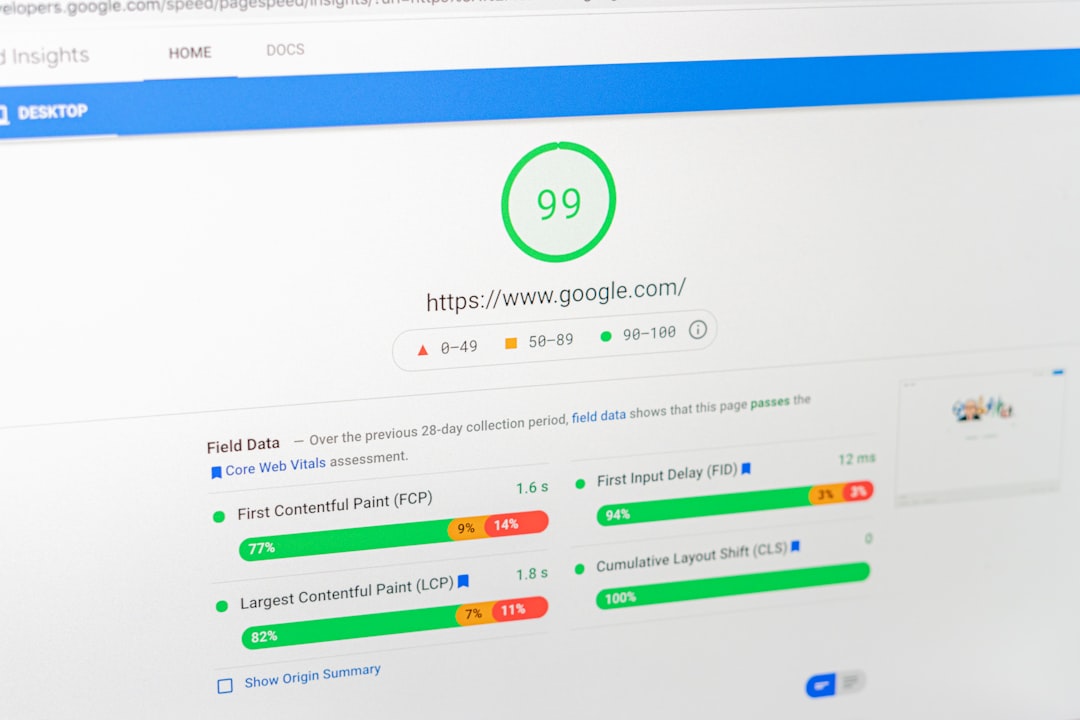
Speed matters most when slow pages frustrate users or make important templates harder to use. You do not need to chase perfect scores. You need pages that load reliably, feel stable, and do not create friction on the templates people actually visit.
Test your homepage, a key service page, and a typical blog post separately. Those templates often behave differently. Compress oversized images, remove unused plugins, enable caching, and check whether your page builder is adding unnecessary weight. This part of the workflow supports rankings indirectly by improving the user experience and making the site easier to crawl and maintain.
A simple WordPress SEO workflow table
If you need a practical order of operations, use the sequence below. It keeps you focused on the fixes that unblock visibility before the tasks that only polish already healthy pages.
| Priority | What to review | Why it comes first |
|---|---|---|
| 1 | Indexing and crawl access | Pages cannot rank if search engines cannot reach them |
| 2 | Plugin conflicts and duplicate signals | Conflicting metadata weakens sitewide clarity |
| 3 | Titles, headings, and page focus | Improves relevance for the pages that matter most |
| 4 | Internal linking | Strengthens hierarchy, discovery, and context |
| 5 | Content depth and consolidation | Prevents overlap and improves page usefulness |
| 6 | Speed and template usability | Supports experience and reduces friction |
Common workflow mistakes to avoid
The biggest mistake is doing everything at once. When you rewrite content, change plugins, alter permalinks, and adjust indexing settings in the same week, it becomes almost impossible to tell which change helped or hurt.
Another common mistake is treating plugin recommendations as the strategy itself. Plugin prompts can help with basic checks, but they cannot tell you whether the page matches search intent, whether the site structure makes sense, or whether your content map is creating overlap. Fix the issues that block visibility before the issues that polish visibility.
When to get help with your workflow
If your rankings are flat after you have worked through the basics, the problem is often diagnosis, not effort. An outside review can usually tell you faster whether the bottleneck is technical SEO, weak page targeting, plugin clutter, or a migration issue that never got cleaned up.
WordPress SEO Expert can help you turn a messy SEO process into a practical roadmap. Book a free SEO consultation. No pitch, no pressure. Just an honest look at what your site actually needs and whether your current setup is part of the solution or part of the problem.
Contact WordPress SEO Expert today to schedule a consultation if you want a clearer workflow, cleaner priorities, and a realistic plan for improving your WordPress site without adding more noise.