Getting started with WordPress SEO is usually less about learning dozens of tricks and more about putting the basics in the right order. Most beginners do not fail because they missed one hidden setting. They struggle because they try to fix everything at once. A green light in an SEO plugin does not mean the page deserves to rank.
This beginner tutorial walks through the core setup in a practical sequence: choose one SEO plugin, check indexing, fix page titles, clean up site structure, improve internal links, and publish pages that match real search intent. If your setup already feels messy, our guide to fixing WordPress SEO setup problems is a useful companion.
What beginners should focus on first
The first goal is simple: make sure search engines can crawl your important pages and understand what each page is about. Before worrying about advanced schema, scores, or extra plugins, get the foundation right. Fix the issues that block visibility before the issues that polish visibility.
For most WordPress sites, that means focusing on six basics: one SEO plugin, clean permalinks, indexable core pages, useful title tags, logical headings, and internal links between related content. If you want a broader baseline after this tutorial, read our practical WordPress SEO guide for DIY site owners.
Step 1: Use one SEO plugin only
Beginners should install one SEO plugin and configure it well. Running multiple SEO plugins often creates duplicate metadata, conflicting canonicals, and competing sitemap outputs. One well-configured plugin is enough.
Choose one main plugin such as Yoast SEO or Rank Math, then remove overlapping SEO, schema, or sitemap plugins unless you have a specific reason to keep them. Plugin clutter is one of the fastest ways to make a beginner setup harder to troubleshoot.
Step 2: Check your site visibility settings
Before editing titles or writing new posts, confirm that your site is actually allowed to appear in search engines. This is one of the most common beginner mistakes and it can quietly block the rest of your work.
In WordPress, go to Settings, then Reading, and make sure the option that discourages search engines from indexing the site is not enabled on a live website. Also check that your most important pages are published, not stuck in draft or noindex status inside your SEO plugin.
Step 3: Set a clean permalink structure
Your URL structure should be simple and readable. Beginners usually do best with post names rather than long numeric or date-heavy URLs because they are easier for users to understand and easier for you to manage over time.
In Settings, then Permalinks, choose a structure that keeps URLs short and descriptive. Do not keep changing permalink formats after pages are live unless you also manage redirects properly. Frequent URL changes create avoidable SEO problems.
Step 4: Create better page titles and meta descriptions
Your title tag is one of the clearest signals you control. Beginners should write unique, descriptive titles for important pages instead of relying on default templates or stuffing multiple keyword variations into the same line.
A weak title might be something vague like SEO Services or Home. A stronger title tells both the user and search engine what the page actually offers. Meta descriptions are support text for clicks, not a shortcut to rankings, but they still help clarify the page in search results.
| Weak title | Stronger title |
|---|---|
| Blog | WordPress SEO Tips for Beginners |
| Services | WordPress SEO Services for Small Businesses |
| Home | WordPress SEO Expert for DIY Site Owners |
Step 5: Use headings in a logical order
Each page should have one clear main heading and then a logical structure underneath it. Headings help users scan the page and help search engines understand the hierarchy of your content.
Use one H1 for the main page topic, H2s for major sections, and H3s for subsections inside those sections. Do not use headings just to make text look bigger. The structure should reflect the actual content.
Step 6: Clean up thin archives and unnecessary pages
Many beginner WordPress sites create extra pages automatically, including tag archives, author archives, date archives, and attachment pages. These are not always useful, and when they are thin or repetitive, they can dilute your site structure.
If you run a simple site or a single-author blog, many of these archive pages do not need to be indexed. Review them in your SEO plugin and keep search engines focused on the pages that actually matter most, such as service pages, product pages, category pages, and strong blog posts.
Step 7: Add internal links as you publish

Internal links are one of the easiest beginner wins in WordPress SEO. They help search engines discover pages, understand which topics connect, and identify which pages matter most on your site.
When you publish a post, link naturally to related services, categories, or helpful articles using descriptive anchor text. Avoid generic phrases. A page with no internal links often stays under-supported even if the writing itself is decent.
Step 8: Write for search intent, not plugin scores
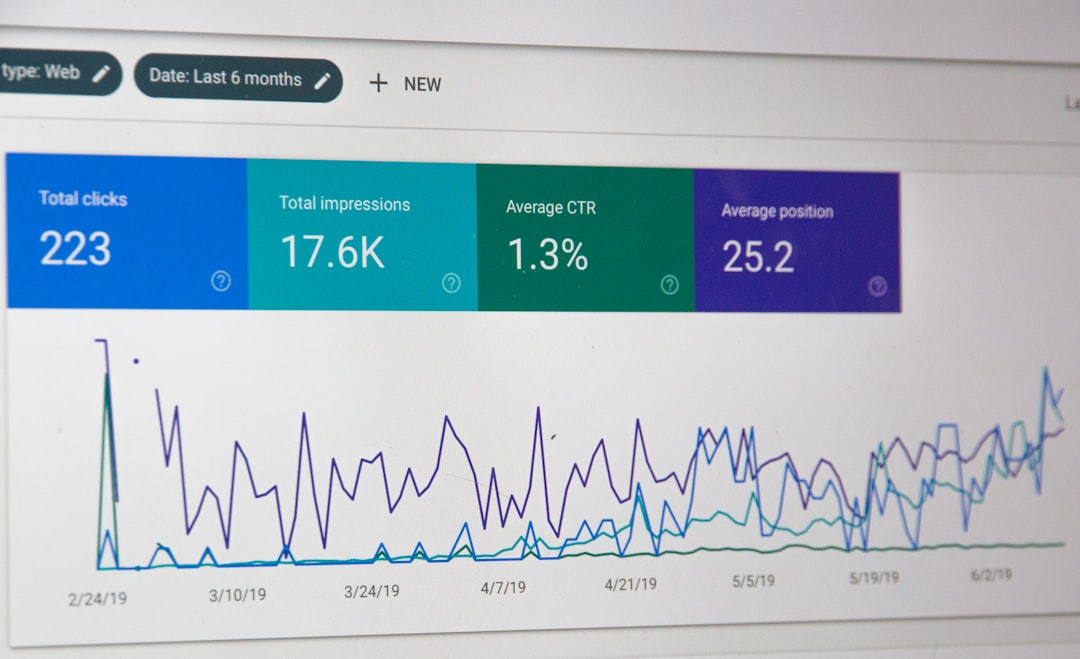
Beginners get better results when they match pages to what the searcher wants than when they chase perfect plugin scores. Search intent matters more than forcing the same phrase into every heading or sentence.
If someone searches for a tutorial, they want steps. If they search for a service, they want clear information about what you offer. If they search for a comparison, they want help choosing. Write the page that best fits that intent, then make sure the technical settings support it.
Step 9: Improve site speed without overcomplicating it
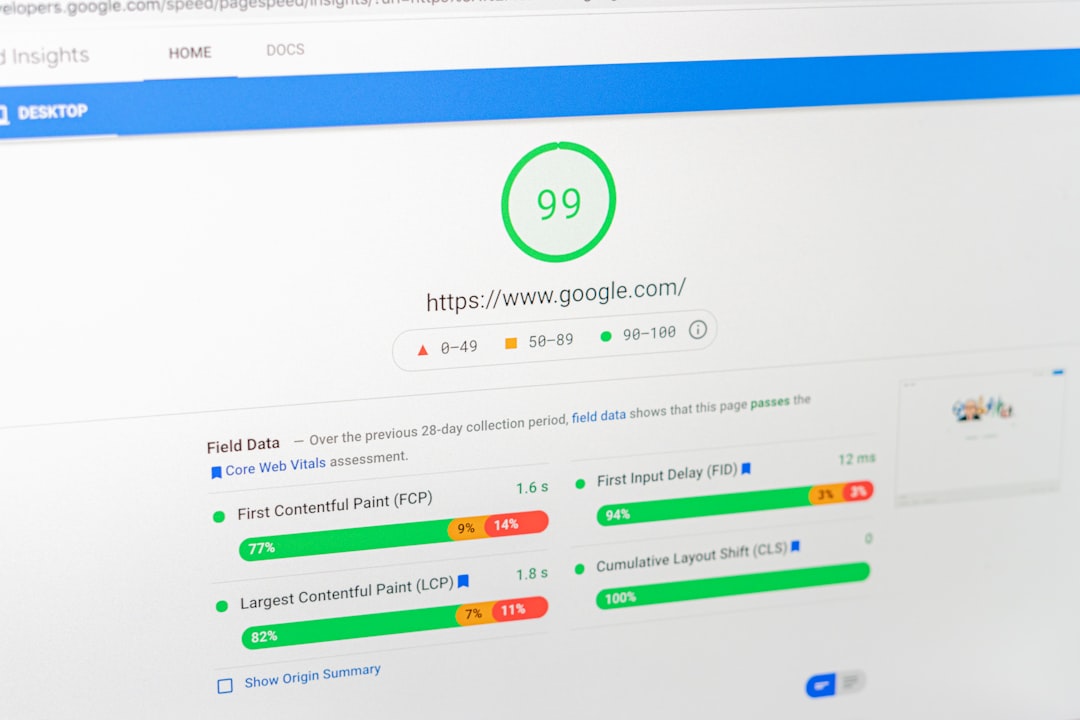
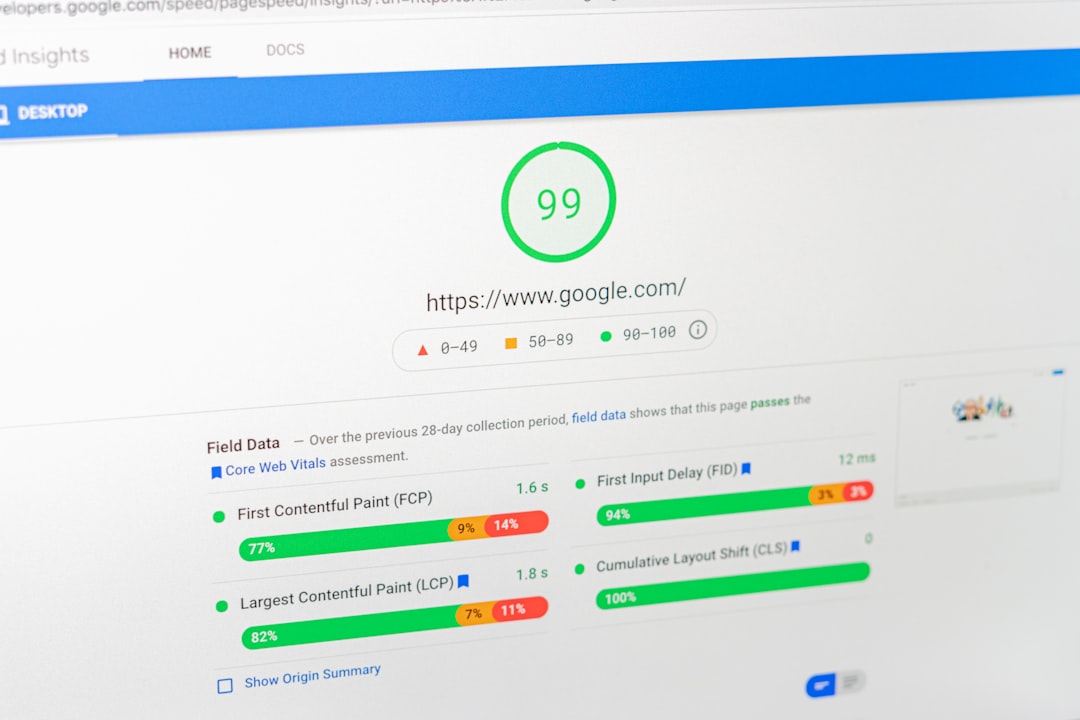
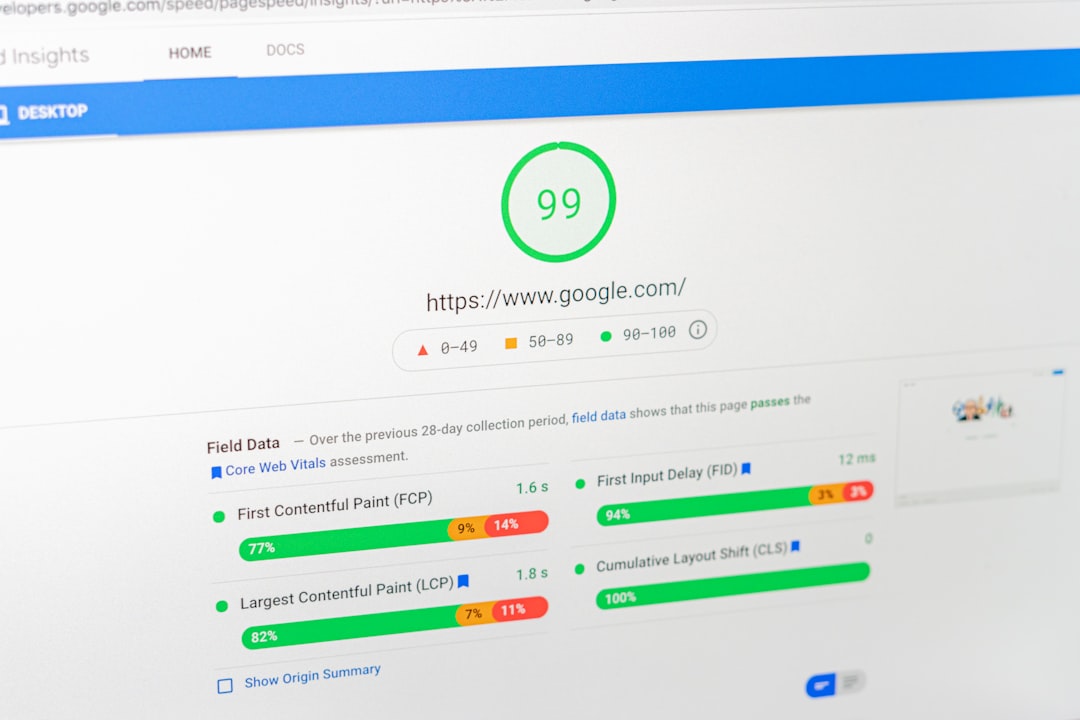
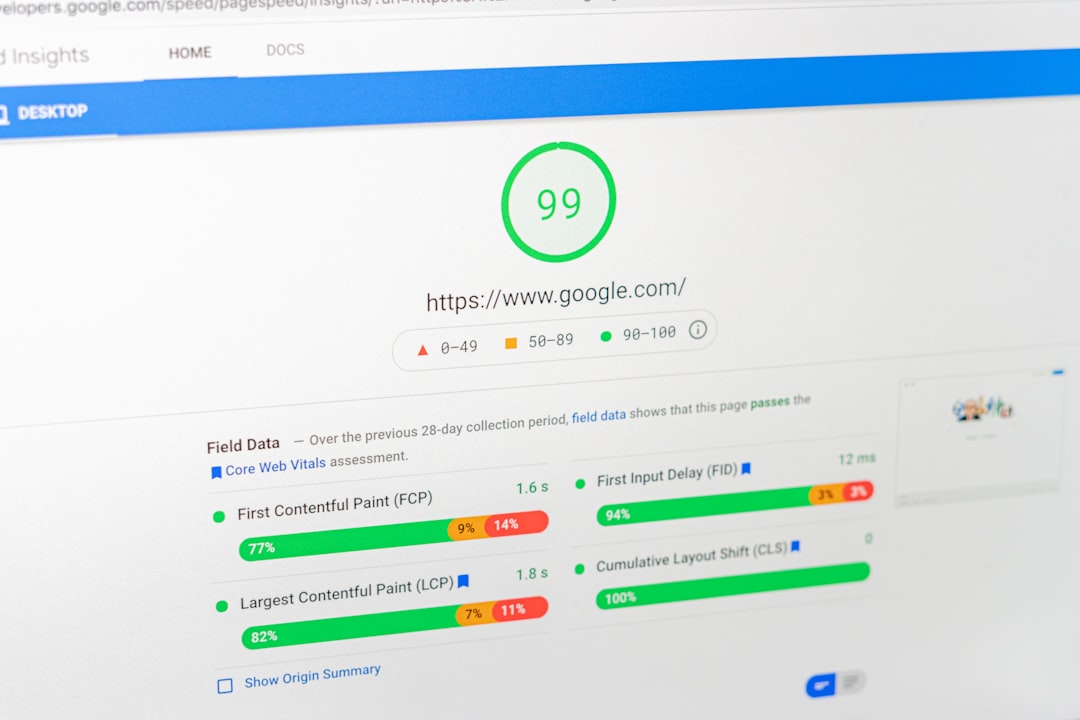
Speed matters when the site feels slow or frustrating to use, but beginners do not need a perfect performance score to make progress. The goal is a clean, stable experience, not endless tweaking.
Start with the highest-impact basics: compress large images, enable caching, remove unused plugins, and avoid heavy design choices that slow down key pages. Most site owners do not have one catastrophic problem. They have a stack of smaller issues that compound over time.
A simple beginner SEO workflow
If you want a practical way to apply this tutorial each time you publish, use a short workflow. A consistent process is usually more valuable than advanced tactics because it keeps your site clean as it grows.
| Task | What to check |
|---|---|
| Page setup | Published, indexable, correct URL |
| Title tag | Clear, specific, matches page topic |
| Headings | One H1, logical H2 and H3 structure |
| Content | Matches search intent and answers the main question |
| Internal links | Links to and from related pages |
| Images | Compressed and relevant |
What beginners should ignore for now
You do not need to start with advanced schema setups, aggressive link building, or endless plugin modules. Beginners usually make faster progress by simplifying the setup and strengthening the pages they already have.
Ignore the urge to install another tool every time rankings feel flat. Low rankings usually come from a scattered plan, not one missing plugin. Focus on crawlability, page targeting, structure, and internal links first.
When to ask for help
If you have followed the beginner steps and your site still is not improving, the issue is often prioritization rather than effort. That usually means the real problem is indexing, duplication, weak targeting, plugin clutter, or a technical issue you cannot easily see from inside WordPress.
If you’re experiencing these symptoms, our team at WordPress SEO Expert can help. We can review what is actually blocking visibility and give you a practical plan instead of another generic checklist.
Final takeaway
WordPress SEO for beginners works best when you keep it simple and build the right habits early. Use one plugin, keep your structure clean, write useful pages, and support those pages with internal links. You do not need a perfect score. You need a site that is easy to crawl, easy to use, and clear about which pages matter most.
Contact WordPress SEO Expert today to schedule a consultation. No pitch, no pressure. Just an honest look at what your site actually needs and whether your current setup is part of the solution or part of the problem.