New websites usually do not struggle because they missed one secret setting. They struggle because the setup is scattered, the priorities are unclear, and too much time goes into plugin scores instead of the basics that help search engines understand the site.
This guide explains the WordPress SEO fundamentals that matter first: crawlability, page targeting, internal linking, clean plugin configuration, and realistic expectations. A green light in an SEO plugin does not mean the page deserves to rank. What matters is whether your new site is easy to crawl, easy to understand, and built around pages that serve a clear purpose.
Start With a Simple SEO Setup
A new WordPress site needs a clean setup, not a crowded stack of tools. The fastest early win is to keep the technical foundation simple so you can tell what is helping and what is creating noise.
Use one SEO plugin, set a clean permalink structure, confirm the site is visible to search engines, and make sure your main pages are easy to reach from the navigation. One well-configured SEO plugin is enough. Running overlapping plugins often creates duplicate metadata, conflicting canonicals, and competing sitemap outputs. If you want a broader walkthrough of setup problems to avoid, see how to fix WordPress SEO setup problems.
Make Sure Search Engines Can Crawl the Right Pages
If search engines cannot reach your important pages, the rest of your SEO work will underperform. On a new site, crawl access and indexing should be checked before titles, schema, or content expansion.
Google recommends using crawlable HTML links and making sure pages can be reached through links from other findable pages. Google also supports using a noindex directive when a page should not appear in search. In practice, that means your core pages should be linked from menus or content, while thin archives, internal search pages, or other low-value URLs may need tighter control. A practical starting point is to review your homepage, service pages, contact page, and first few articles to make sure each one is indexable and internally linked.
Write Better Titles and Meta Descriptions
Your page titles do more heavy lifting than most new site owners realize. Good titles help search engines understand the page and help users decide whether your result is worth the click.
Google recommends descriptive, concise title text and warns against keyword stuffing and repetitive boilerplate. It also recommends unique meta descriptions that accurately describe the specific page. That means titles like Home or Services are too vague, while stuffed titles usually create a spammy impression. Keep each important page focused on one clear topic and write a title that reflects what the page actually offers.
| Weak title | Stronger title |
|---|---|
| Home | WordPress SEO Services for Small Businesses |
| Blog | WordPress SEO Tips for New Websites |
| SEO Services | SEO Company | SEO Expert | WordPress SEO Help for New Business Sites |
If your current titles are generic or repetitive, fix those before rewriting entire pages. For a more detailed view of how titles, indexing, and templates work together, review WordPress SEO: the practical guide for DIY site owners.
Build Pages Around Clear Search Intent
New sites gain traction faster when each page has one job. The goal is not to publish a lot of pages quickly. The goal is to publish the right pages, each mapped to a distinct intent.
Your homepage should target your broadest business topic. Service or product pages should target commercial or transactional intent. Blog posts should answer informational questions and then guide readers toward the next relevant page. If two pages are trying to rank for the same thing, consolidate them instead of forcing both to compete. Most site owners do not have one catastrophic problem. They have a stack of smaller issues that compound over time, and overlapping pages are one of the most common.
Use Internal Links Early

Internal links are one of the easiest ways to strengthen a new site. They help search engines discover pages, understand topical relationships, and see which pages matter most.
Google advises using descriptive anchor text in crawlable links. On a new WordPress site, that means linking related posts to service pages, linking supporting articles to broader guides, and making sure no important page depends only on the XML sitemap for discovery. Even a small site should have a visible structure: core pages in the menu, related pages linked in context, and no orphan pages buried in the backend.
If you are building your first content set and are not sure how to connect pages without overcomplicating it, WordPress SEO Expert can help.
Keep Technical SEO Practical
A new site does not need every advanced SEO feature on day one. It needs a site that loads cleanly, uses one clear version of each important URL, and avoids obvious duplication.
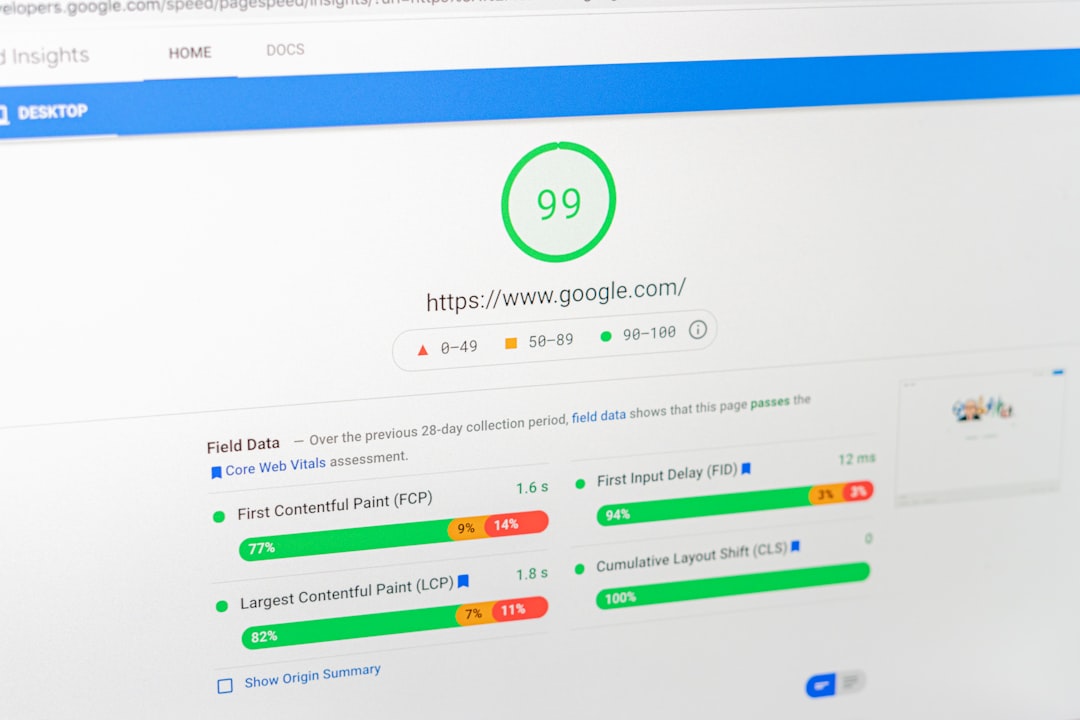
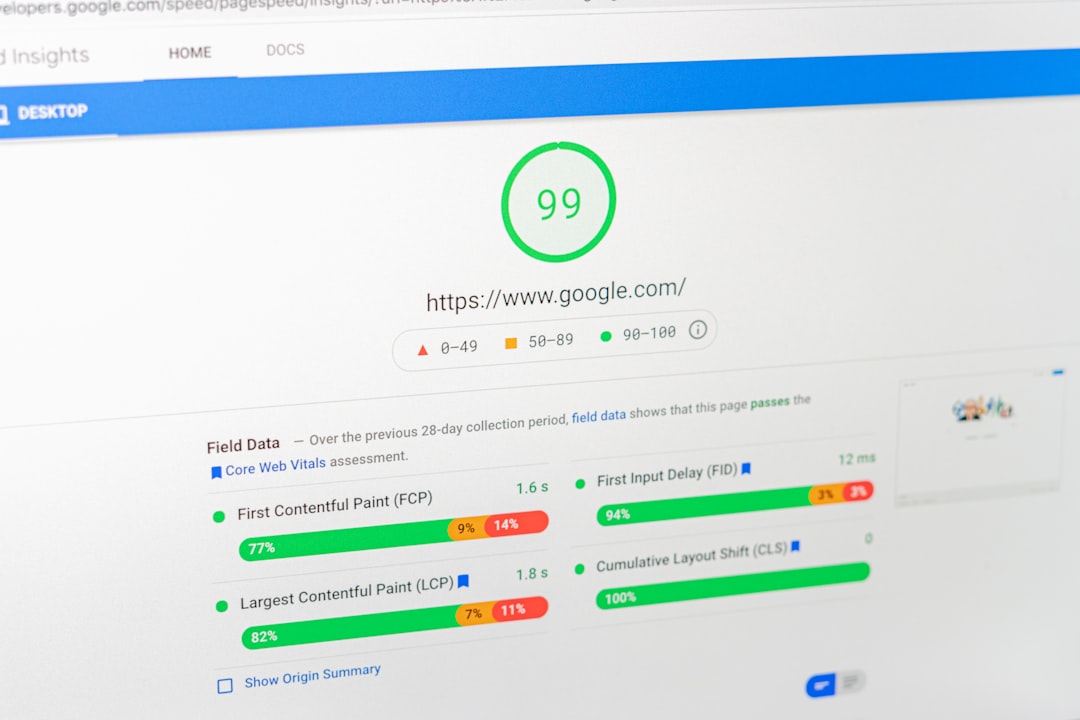
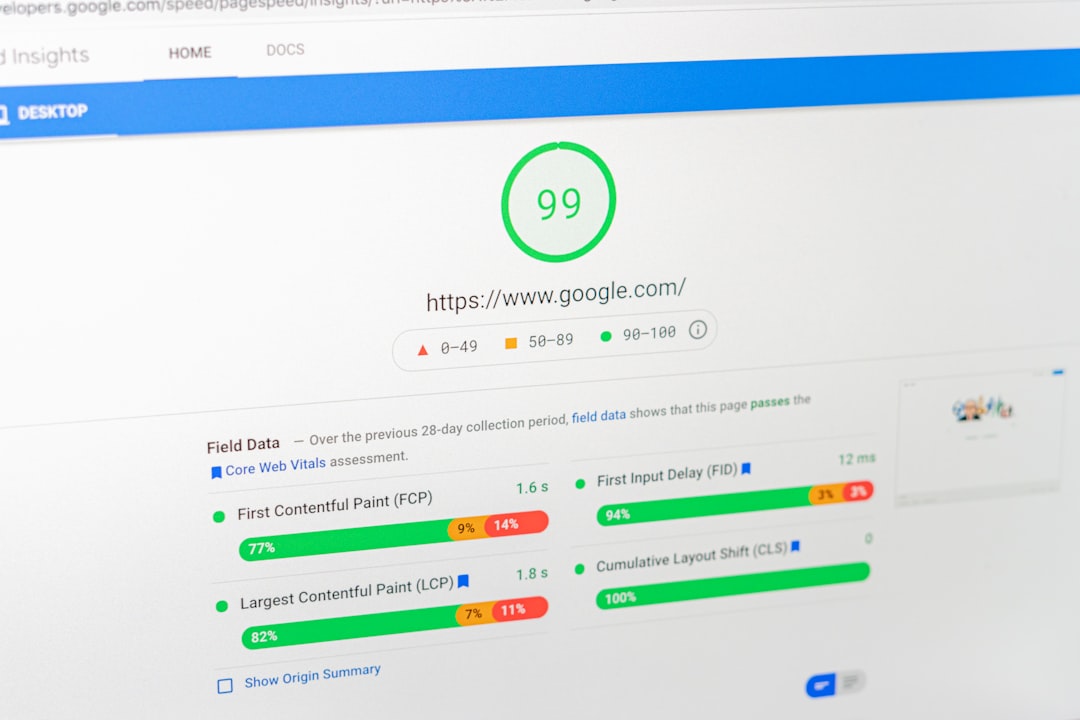
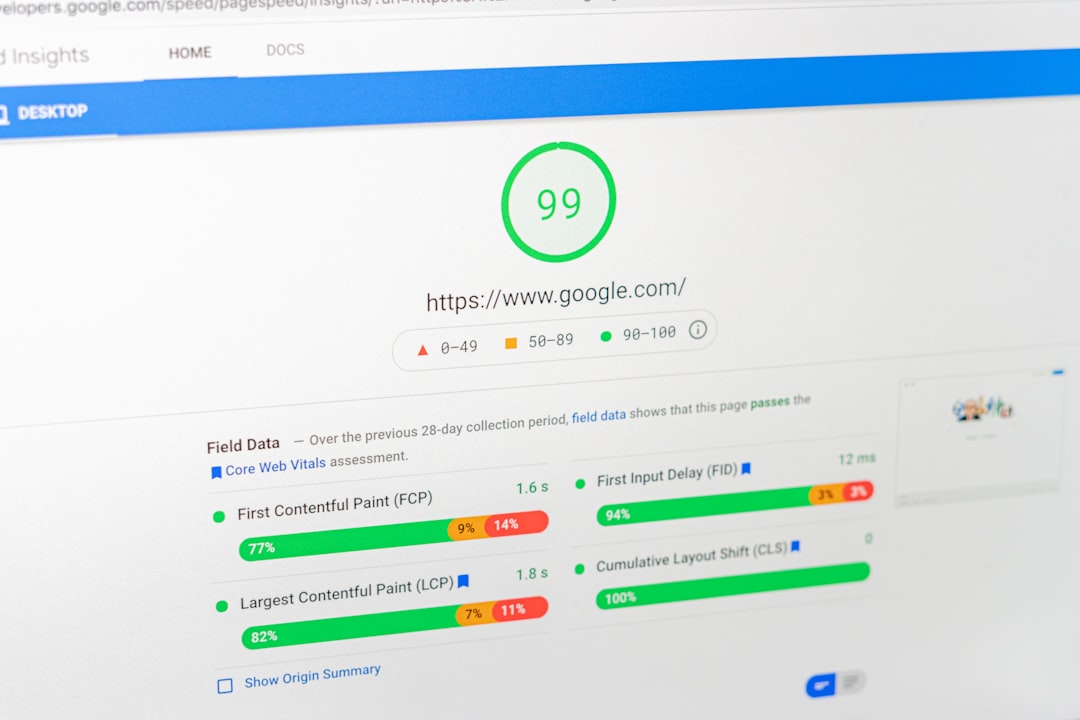
That usually means checking your sitemap, avoiding duplicate plugin output, cleaning up attachment or thin archive issues when relevant, and keeping the design lightweight enough that pages remain usable. You do not need a perfect score. The goal is a site that loads cleanly, is easy to use, and sends consistent signals about which pages matter most. Schema can help clarify a page, but it does not replace weak content or poor structure.
A Practical Order of Operations
New website SEO works better when tasks are done in sequence. Fix the issues that block visibility before the issues that polish visibility.
| Priority | What to focus on first | Why it matters |
|---|---|---|
| 1 | Indexing and crawl access | Pages cannot rank if search engines cannot reach them. |
| 2 | One clean SEO plugin setup | Prevents conflicting metadata and sitemap problems. |
| 3 | Core page titles and page purpose | Improves topical clarity and click potential. |
| 4 | Internal links | Strengthens discovery, hierarchy, and page support. |
| 5 | Content expansion | Works better once the structure underneath is clear. |
What New Site Owners Should Stop Doing
Most early SEO mistakes come from doing too much in the wrong order. A simpler setup usually performs better than a complicated one that is half configured.
Stop chasing green lights as if they prove quality. Stop stacking plugins that overlap. Stop publishing thin articles just to make the site look active. Stop treating every page as if it should rank for the same head term. A new site needs focus, not volume. Clear signals beat busy signals.
When to Get Help
If your new site is live but you are not sure whether the real problem is indexing, weak targeting, thin internal linking, or plugin clutter, an outside review can save a lot of wasted effort. The point is not to do more SEO work. The point is to do the right work first.
WordPress SEO Expert can help you sort through what matters now, what can wait, and whether your current setup is part of the solution or part of the problem. Book a free SEO consultation. No pitch, no pressure. Just an honest look at what your site actually needs.
Contact WordPress SEO Expert today to schedule a consultation if you want a practical roadmap for launching your site with a cleaner SEO foundation.