
WordPress SEO fundamentals are less about chasing every tactic and more about fixing the right layers in the right order. If your rankings are flat, the problem is usually not effort. It is a scattered setup, weak prioritization, or a stack of smaller issues that compound over time.
Most beginners start with plugin settings and meta fields because they feel concrete. That is understandable, but it often leads to busy work. A green light in an SEO plugin does not mean the page deserves to rank. Fix the issues that block visibility before the issues that polish visibility.
What WordPress SEO fundamentals include
WordPress SEO fundamentals include crawlability, indexing, page targeting, internal linking, site structure, speed, and content quality. Advanced work builds on that base. If the fundamentals are weak, advanced tactics usually make the site more complicated instead of more visible.
WordPress gives you a flexible publishing system, but that flexibility also creates room for mistakes. Thin archives, duplicate URLs, attachment pages, conflicting plugin output, and weak internal links are common on sites that have grown without a clear SEO plan. If you need a broader diagnostic framework, review this practical WordPress SEO guide for DIY site owners.
Beginner SEO: what to fix first
Beginner WordPress SEO should focus on visibility basics first: make sure search engines can access your important pages, keep one SEO plugin, clean up titles, and strengthen internal links. That small set of fixes does more than most long checklists.
Start with your site visibility settings, your XML sitemap, and whether your key pages are actually indexed. Then simplify your plugin stack. One well-configured SEO plugin is enough. Running overlapping plugins often creates duplicate metadata, conflicting canonicals, and competing sitemap outputs.
From there, improve the pages that matter most: your homepage, primary service pages, top category pages, and posts already earning impressions. If your setup feels cluttered or half-configured, this guide to fixing WordPress SEO setup problems is a useful next step.
A practical path from beginner to advanced
The fastest path from beginner to advanced is not learning more jargon. It is learning sequence. Advanced SEO is usually the same core work done with more precision: cleaner architecture, tighter intent mapping, better canonical control, stronger internal links, and fewer conflicting signals.
| Stage | Main focus | What success looks like |
|---|---|---|
| Beginner | Indexing, sitemap, one SEO plugin, clear titles | Important pages are crawlable, indexable, and clearly labeled |
| Intermediate | Internal links, archive cleanup, content targeting, redirects | Pages support each other and duplicate signals are reduced |
| Advanced | Canonical control, template refinement, content consolidation, technical cleanup | Site structure reinforces priority pages and technical waste stays low |
Titles, headings, and page targeting
On-page fundamentals matter because they tell search engines what each page is about and help users decide whether to click. The goal is not stuffing keywords into every field. The goal is making each important page specific, readable, and aligned with one clear intent.
That means writing distinct title tags, using one clear H1, and organizing the rest of the page with logical H2 and H3 headings. It also means avoiding boilerplate titles that repeat the same vague phrases across multiple pages.
| Weak title | Stronger title |
|---|---|
| SEO Services | SEO Company | SEO Expert | WordPress SEO Services for Small Businesses |
| Blog | WordPress SEO Tips for Service Businesses |
| Home | WordPress SEO Consultant for Growing Sites |
If your rankings are stuck and you are not sure whether the real problem is indexing, duplication, weak targeting, or plugin clutter, WordPress SEO Expert can help. We look at what is blocking visibility first so you do not waste time polishing pages that are still sending mixed signals.
Internal links and site structure
Internal linking is one of the most underused WordPress SEO fundamentals. It helps search engines discover pages, understand topic relationships, and identify which pages matter most. It also helps readers move naturally from broad education to the next useful page.
Many WordPress sites rely too heavily on navigation menus and do not use enough contextual links inside the body of their content. Important pages end up isolated. Supporting blog posts do not reinforce service pages. Orphan pages sit in the sitemap with little or no internal support.
A better structure is simple. Link broad guides to narrower pages. Link supporting posts to your core service or category pages. Consolidate overlapping articles instead of publishing thin near-duplicates. If you want a cleaner benchmark, these WordPress SEO setup best practices explain what a stable structure should look like.
Technical basics that support rankings
Technical SEO fundamentals do not have to be overwhelming. The core job is to make your important pages easy to crawl, easy to index, and easy to understand. Most site owners do not have one catastrophic problem. They have a stack of smaller technical issues that compound over time.
Focus on a small group of checks: sitemap health, robots directives, archive indexing rules, canonical consistency, redirect handling, and attachment page behavior. Keep thin archives out of the index when they do not serve a clear purpose. Make sure your preferred URL versions are consistent across internal links and canonicals.
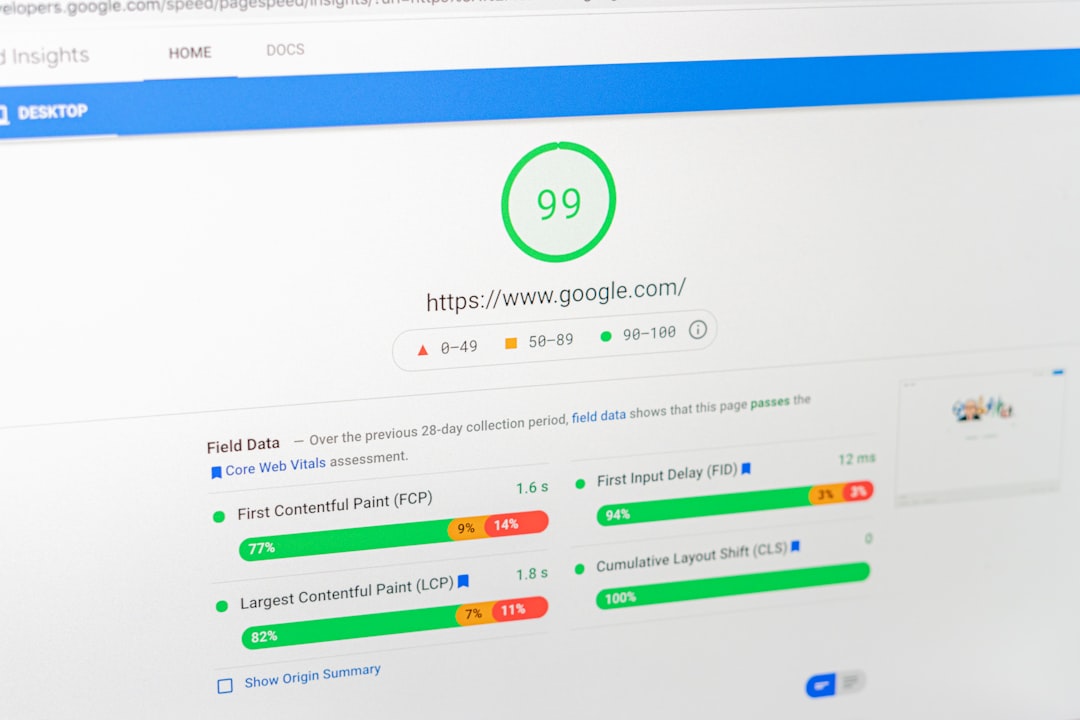
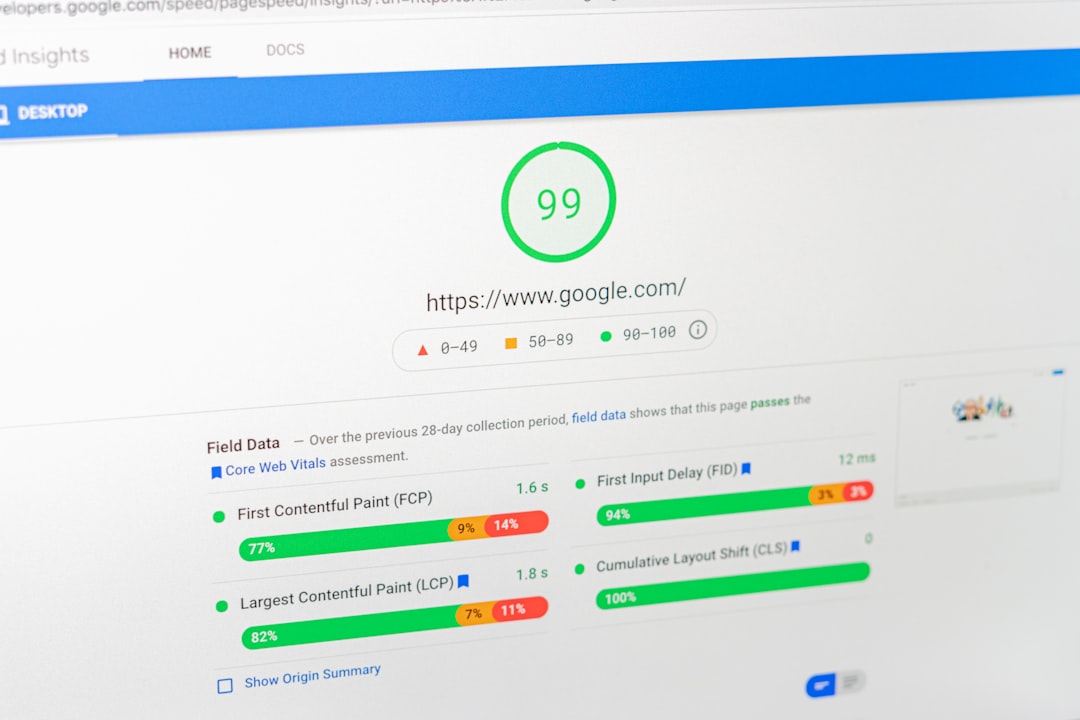
Speed also matters, but the goal is not a perfect score. You do not need a perfect score. The goal is a site that loads cleanly, is easy to use, and sends consistent signals about which pages matter most. Clean image handling, one caching setup, and fewer unnecessary plugins usually go further than endless performance tweaks.
What advanced WordPress SEO really means
Advanced WordPress SEO usually means refinement, not complexity. It is about reducing signal conflict, aligning templates with search intent, and keeping site growth from creating duplication, crawl waste, or cannibalization.
That can include tightening archive rules, improving pagination handling, consolidating overlapping content, refining category structures, and improving how supporting articles distribute authority to high-value pages. It may also mean reviewing what your plugins output by default and turning off features that add clutter without adding value.
Advanced work is most effective after the basics are stable. Without that base, advanced changes often act like decoration on top of unresolved indexing, targeting, or structural problems.
What to stop doing
Stop adding tools every time rankings stall. More plugins do not create better SEO. Stop treating plugin scores as proof that a page is strong. Stop publishing slight variations of the same article just to cover more keywords. And stop fixing low-value pages before your core pages are clear, crawlable, and internally supported.
The strongest WordPress SEO setups are usually simpler than people expect. One plugin. A clean structure. Clear page purpose. Fewer duplicates. Better internal links. More consistency across the site.
When professional help makes sense
Professional WordPress SEO help makes sense when you have already put in the effort but still cannot tell what to fix first. A good review should give you a diagnostic roadmap, not another pile of disconnected tasks or a sales pitch full of vague promises.
WordPress SEO Expert can help you sort out whether your real bottleneck is indexing, duplication, weak targeting, internal linking, or technical clutter. Book a free SEO consultation. No pitch, no pressure. Just an honest look at what your site actually needs and whether your current setup is part of the solution or part of the problem.
Contact WordPress SEO Expert today to schedule a consultation if you want a practical plan for moving from beginner WordPress SEO basics to a cleaner, more advanced setup.