
Flat ecommerce rankings usually come from weak prioritization, not a lack of effort. WordPress SEO fundamentals for ecommerce sites start with structure, crawlability, and duplication control before you spend more time tweaking product copy or chasing plugin scores.
Most online stores do not have one catastrophic SEO problem. They have a stack of smaller issues that compound over time: thin category pages, crawl-heavy filter URLs, weak internal links, and plugin settings that send mixed signals. If you want a supporting framework before you diagnose your store, review our WordPress SEO checklist for ecommerce sites and advanced WordPress SEO setup strategies.
The right strategy starts with visibility blockers
The first job is simple: fix the issues that stop important pages from being found and understood. Google recommends making ecommerce pages reachable through navigation, with links from menus to category pages and then down to product pages, so search engines can understand what matters most on the site.
That is why the foundation comes before polish. If your category pages are thin, your products are hard to reach, or your filters create endless low-value URLs, stronger copy alone will not solve the ranking problem.
What matters most in WordPress SEO fundamentals
For most ecommerce stores, the fundamentals are not mysterious. They are the repeatable basics that help search engines crawl the store cleanly and help shoppers move from broad category intent to specific product intent without friction.
| Priority | What to focus on first | Why it matters |
|---|---|---|
| 1 | Indexing and crawl access | Pages cannot rank if they are blocked, orphaned, or hard to reach. |
| 2 | Category and product hierarchy | Clear structure helps search engines understand which pages deserve visibility. |
| 3 | Duplicate and faceted URL control | Prevents filters and variants from diluting signals. |
| 4 | Title tags and on-page targeting | Improves relevance and click quality. |
| 5 | Internal linking | Supports discovery and pushes authority to revenue pages. |
| 6 | Structured data and technical cleanup | Clarifies page meaning when the fundamentals are already sound. |
Build your store around categories, not just products
Category pages often carry broader commercial intent than product pages, so they usually deserve more strategic attention. A strong ecommerce SEO strategy treats category pages as major landing pages, not just containers for product grids.
Give important categories a clear title, a short introduction, useful subcategory links, and enough context to explain what the shopper is browsing. Google also recommends using meaningful anchor text in standard HTML links, which supports both crawlability and clearer page relationships across the store.
What weak category pages usually look like
Weak category pages tend to rely on a heading and a product grid with almost no context. They may technically exist, but they do very little to show relevance, guide shoppers, or signal hierarchy.
That usually leaves blog content doing too much of the SEO work while commercial pages stay underdeveloped. A green light in an SEO plugin does not mean the page deserves to rank.
Control filter URLs before they control your crawl budget



Faceted navigation can quietly create a crawl mess on ecommerce sites. Google’s ecommerce guidance recommends consistent canonical signals, consistent internal linking, and deliberate handling of faceted URLs so filter combinations do not multiply low-value pages across the store.
In practice, that means deciding which filtered views have standalone value and which ones should stay out of the index. WooCommerce stores often run into trouble here because layered navigation, sorting, pagination, and variations can all create alternate paths to nearly the same inventory.
If your rankings are flat and you are not sure whether the real problem is duplication, indexing, weak architecture, or plugin clutter, WordPress SEO Expert can help.
Write better titles than your templates produce by default

Title tags still matter because they help users and search engines understand the page quickly. Google recommends descriptive, concise titles and warns against keyword stuffing and repetitive boilerplate, which is especially relevant on large stores that auto-generate titles from templates.
| Weak title | Stronger title |
|---|---|
| Running Shoes | Shoes | Buy Shoes | Men’s Running Shoes for Daily Training |
| Kitchen Knives | Best Knives | Japanese Kitchen Knives for Home Cooks |
| Product Category | Shop | Commercial Lighting Parts and Replacements |
Good titles are not about squeezing in every variation. They are about telling the user what the page actually offers. One well-configured SEO plugin is enough. Running overlapping plugins often creates duplicate metadata, conflicting canonicals, and competing sitemap outputs.
Use internal links to support the pages that make money
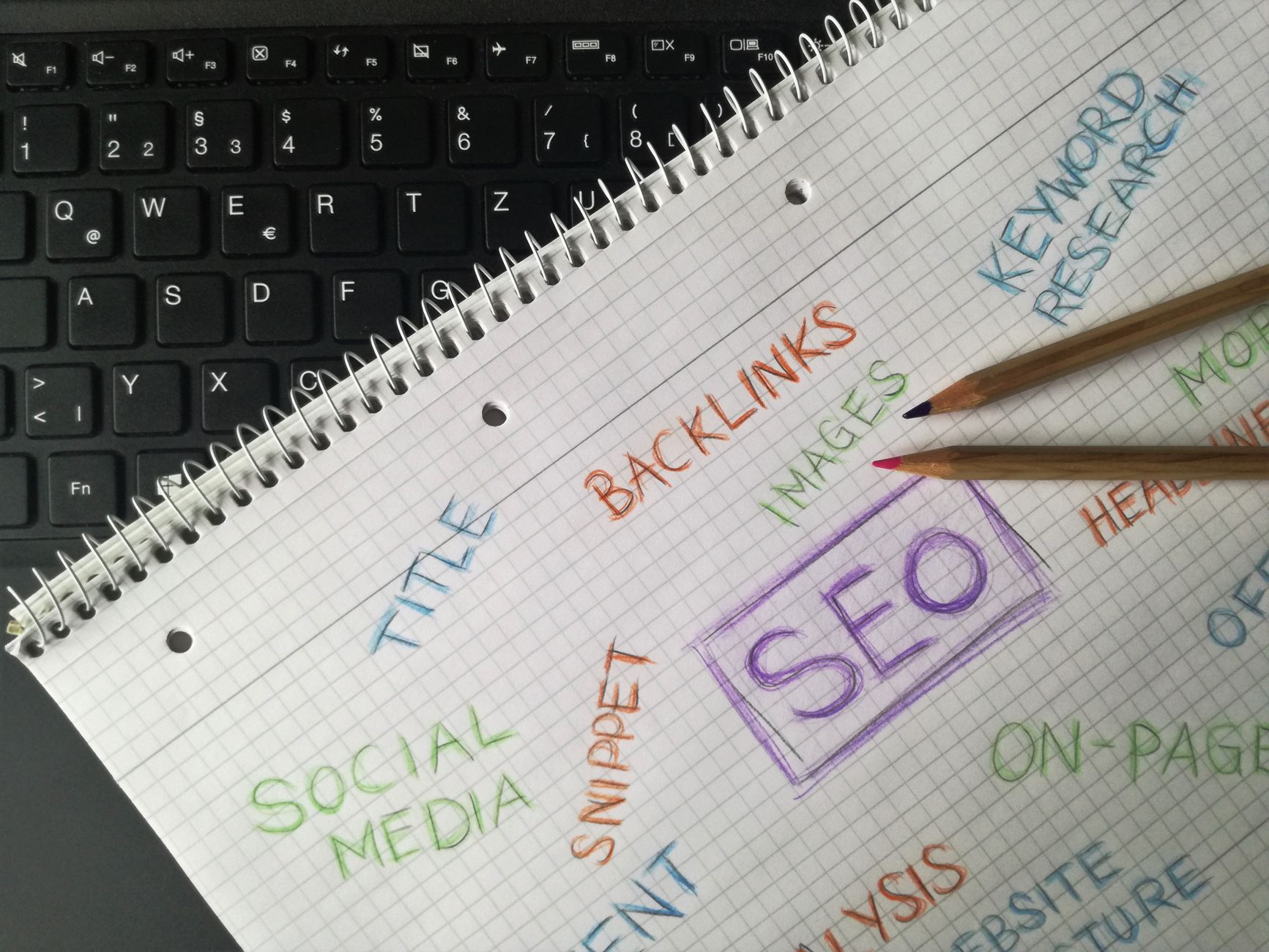
Internal linking works best when it reflects business priorities. Your buying guides, FAQs, support pages, and blog posts should help category and product pages gain context and visibility instead of sitting in isolation.
Link related informational content to the most important collections using descriptive anchor text. Connect parent categories to subcategories and make sure key pages are reachable through ordinary navigation, not only through search features or filtered states. If you need a cleaner framework, our ecommerce SEO checklist can help you spot what to fix first.
Keep technical SEO practical
Technical SEO for ecommerce should support clean crawling and cleaner signals, not add complexity for its own sake. The fundamentals are usually enough: one preferred URL version, clear canonicals, useful sitemaps, sensible archive rules, and markup that matches the visible page content.
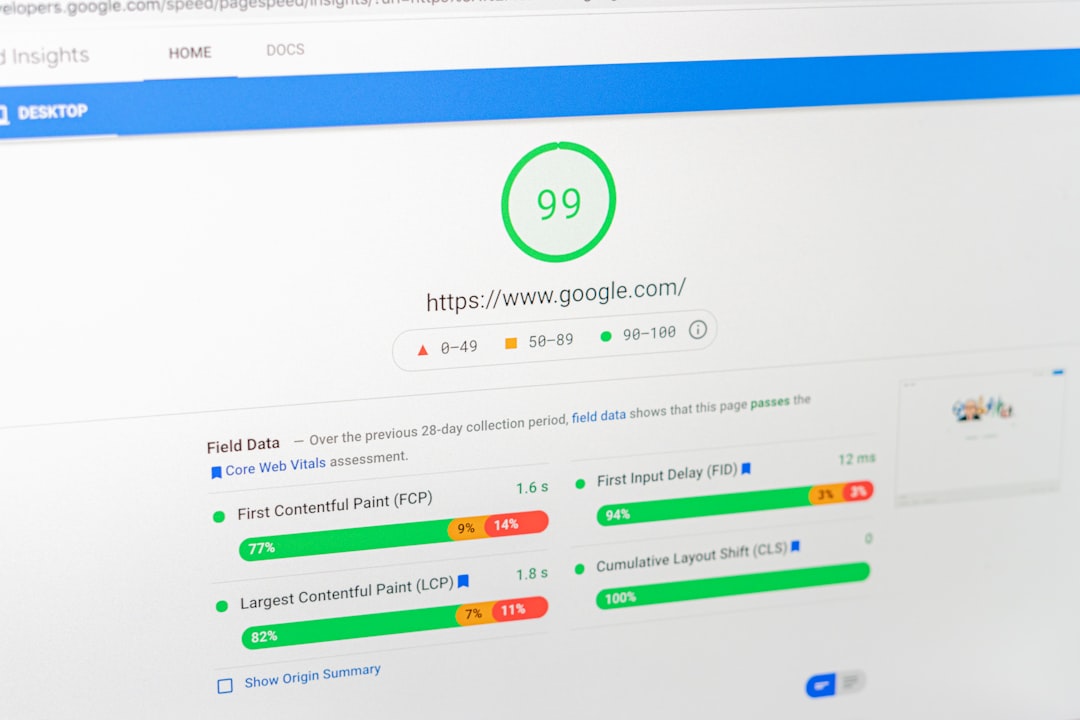
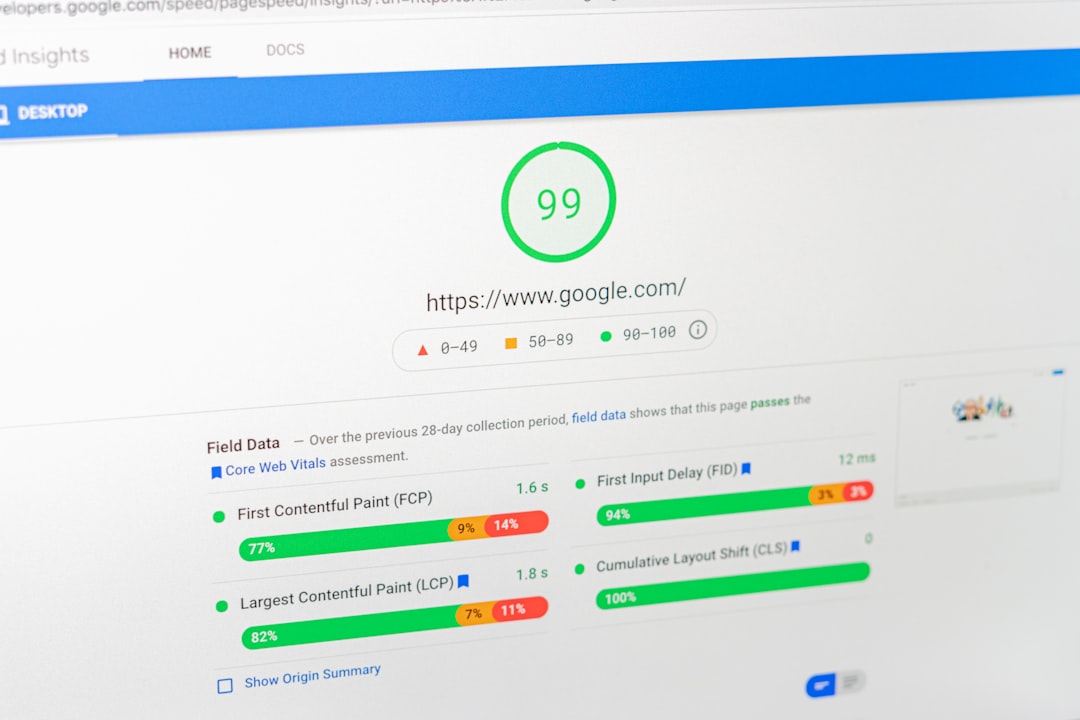
You do not need a perfect score. The goal is a store that loads cleanly, is easy to use, and sends consistent signals about which pages matter most. That is usually a much better investment than adding more plugins or publishing near-duplicate pages for tiny keyword variations.
A simple strategy beats a busy setup
The best WordPress SEO fundamentals strategy for ecommerce sites is a clear order of operations. Fix the issues that block visibility before the issues that polish visibility. That means crawl access first, architecture second, duplicate control third, and only then more aggressive content refinement.
WordPress SEO Expert can help you sort through the noise and identify what is actually holding your store back. Book a free SEO consultation. No pitch, no pressure. Just an honest look at what your site actually needs and whether your current setup is part of the solution or part of the problem.
Contact WordPress SEO Expert today to schedule a consultation if you want a practical ecommerce SEO plan built around priorities instead of plugin scores.