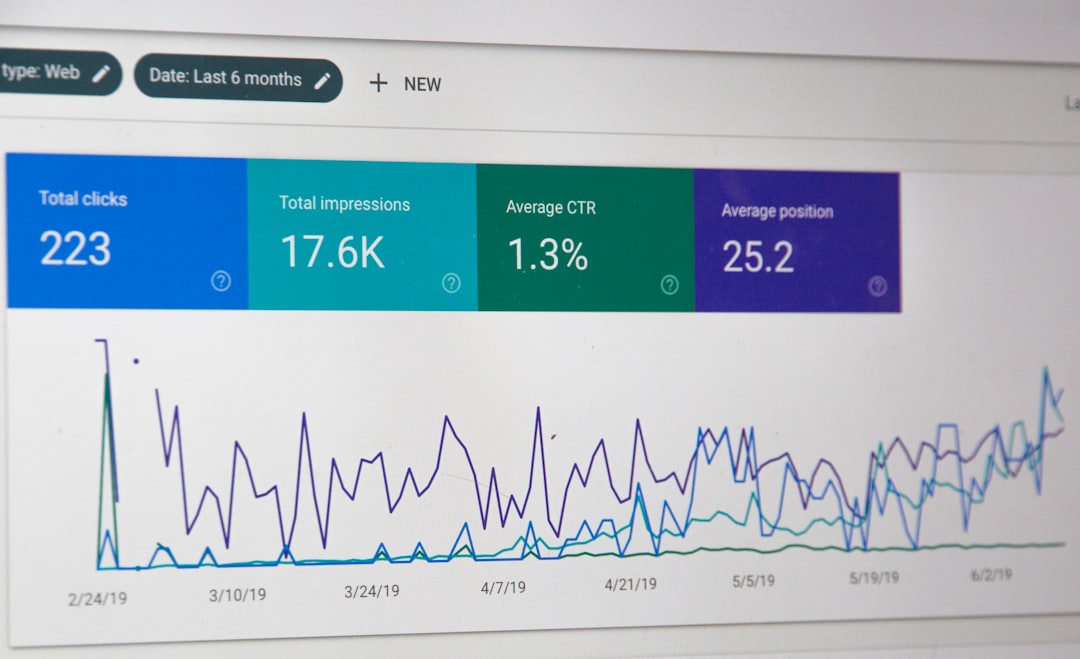
Flat local rankings usually point to a scattered plan, not a missing plugin. Most local businesses on WordPress do not need more tools. They need clearer page targeting, cleaner site structure, and a better order of operations so search engines and customers can quickly understand what the business offers and where it operates.
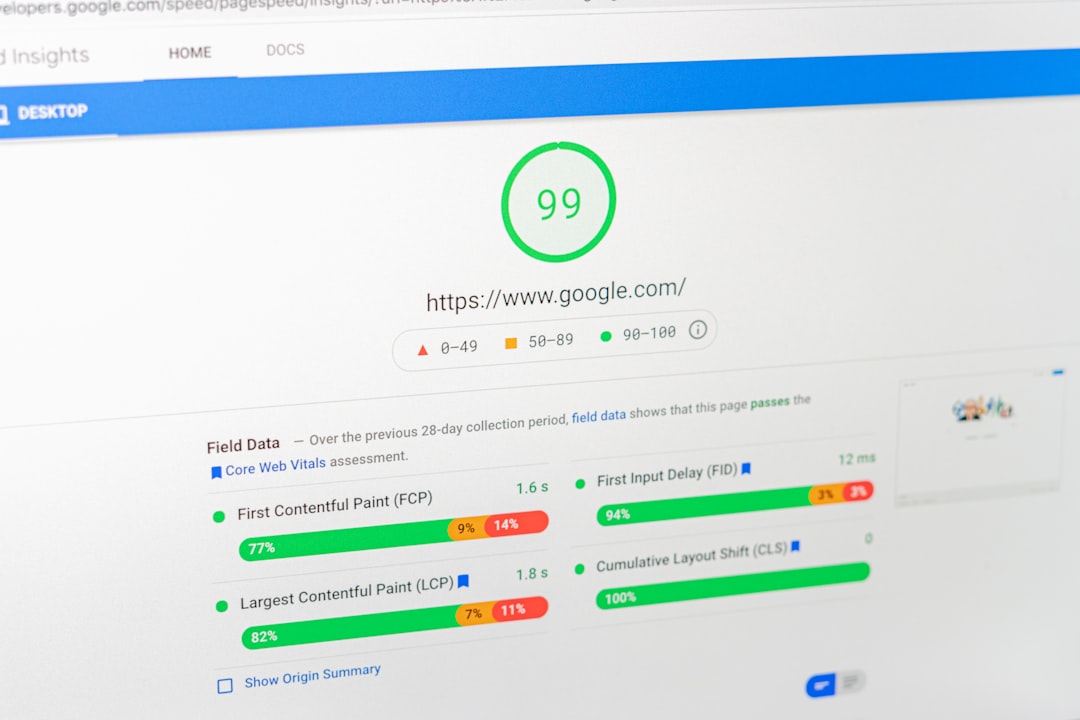
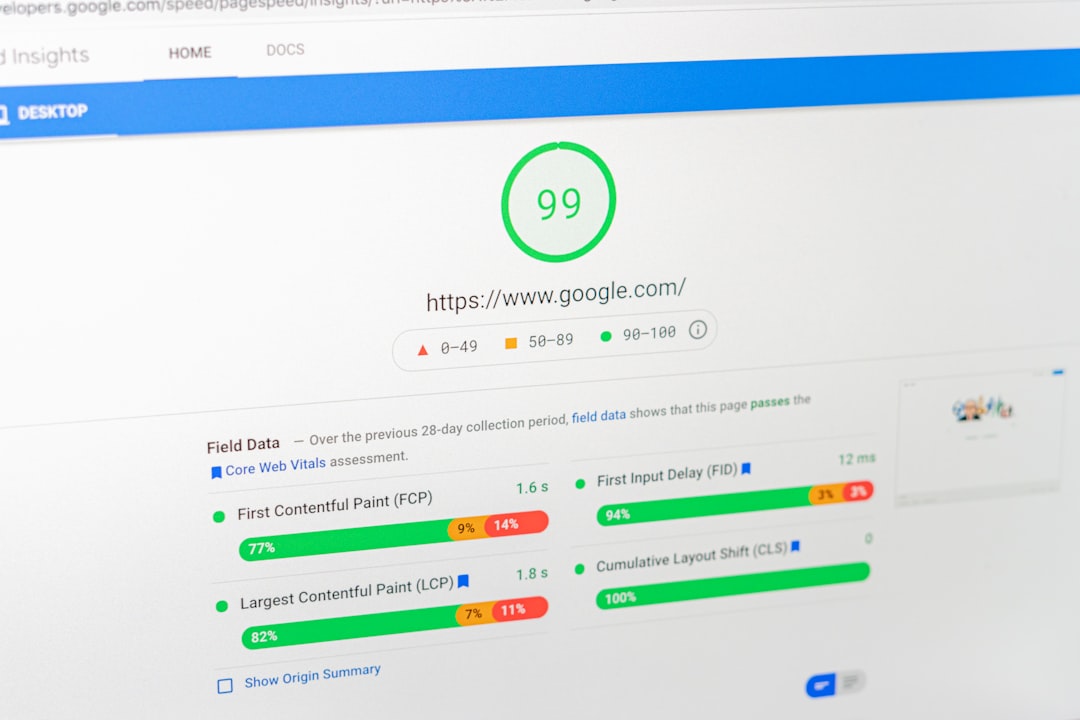
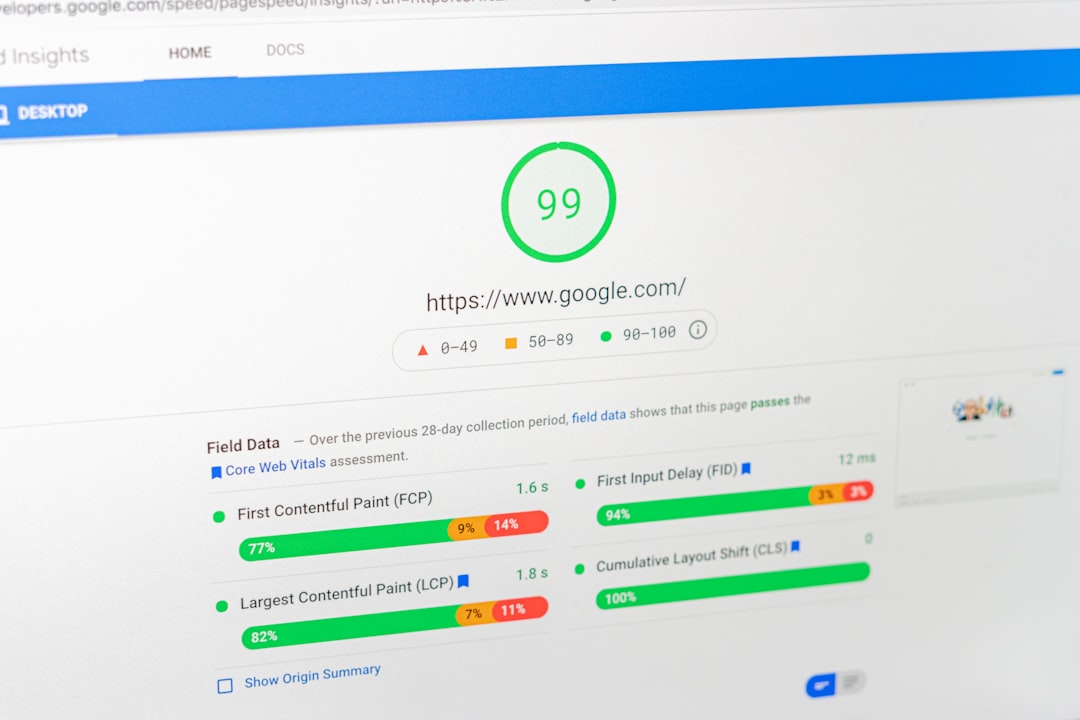
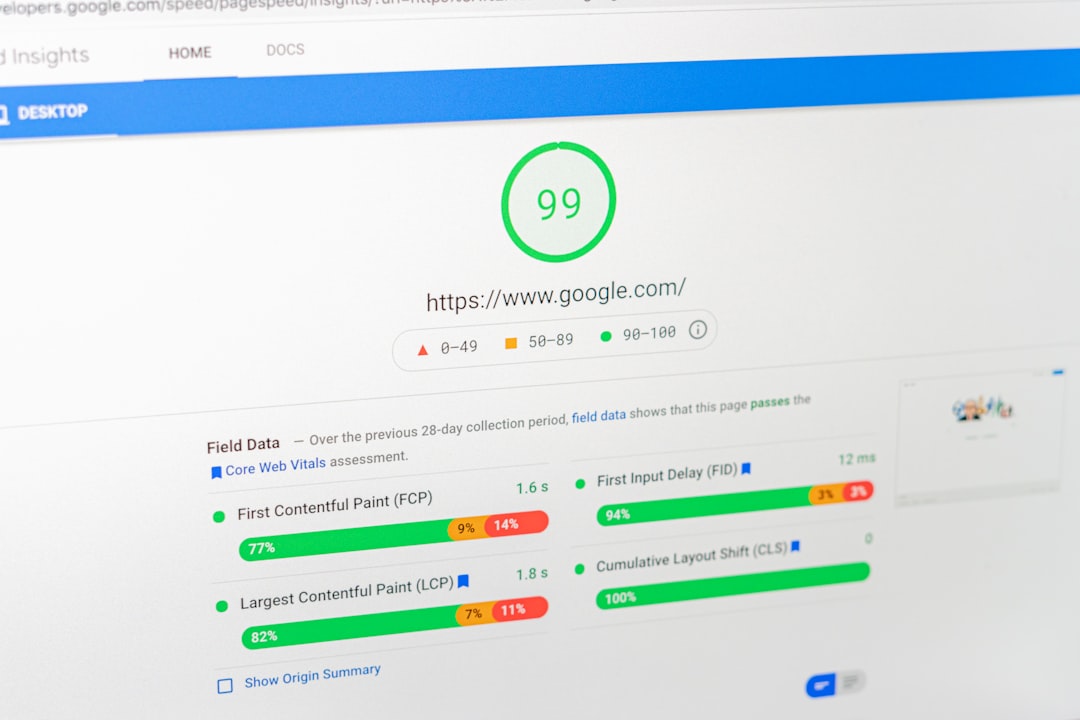
A green light in an SEO plugin does not mean the page deserves to rank. One well-configured plugin is enough. What matters more is whether your service pages are indexable, your titles are specific, your location signals are consistent, and your internal links reinforce the pages that actually drive leads.
If you are trying to improve local visibility without turning your site into a plugin stack or a mess of thin city pages, this article lays out the fundamentals in the order that tends to produce the clearest gains.
Start With Page Priorities, Not Plugin Settings




Local SEO works better when each important page has one clear job. Before adjusting metadata or adding features, decide which pages should rank for your core services, which page supports your brand, and whether you truly need separate location pages.
For most local businesses, the core structure is simple: a homepage for the brand, dedicated service pages for primary offers, a contact page, and selective location pages only where you can add genuinely distinct information. If three pages all target the same service in the same area, they usually weaken each other instead of helping.
This is where many sites lose momentum. They publish more pages without defining which one should win. If you want a broader diagnostic starting point, review our practical WordPress SEO guide for DIY site owners alongside this local strategy framework.
Make Sure Search Engines Can Reach the Right Pages
Before you polish anything, confirm that your important local pages can actually be crawled and indexed. A stronger title tag cannot save a service page that is blocked, noindexed, orphaned, or buried behind weak navigation.
Check your homepage, primary service pages, contact page, and any high-value location pages. Make sure they are linked through normal HTML navigation, included in your sitemap when appropriate, and not pointed away by a mistaken canonical tag. Redesigns, theme changes, and overlapping plugins often create quiet indexing problems that look like ranking problems.
Most site owners do not have one catastrophic issue. They have a stack of smaller issues that compound over time. Fix the issues that block visibility before the issues that polish visibility.
Use One SEO Plugin and Keep the Setup Clean
One SEO plugin is enough for most WordPress sites. Running overlapping SEO plugins often creates duplicate metadata, conflicting canonicals, and competing sitemap outputs that make local SEO harder, not easier.
Pick one plugin, configure the basics well, and stop there. Set your title templates, review indexing rules, confirm your sitemap, and avoid layering separate tools that try to control the same output. If you are working through plugin clutter or uncertain settings, our WordPress SEO checklist for local businesses expands on the cleanup process.
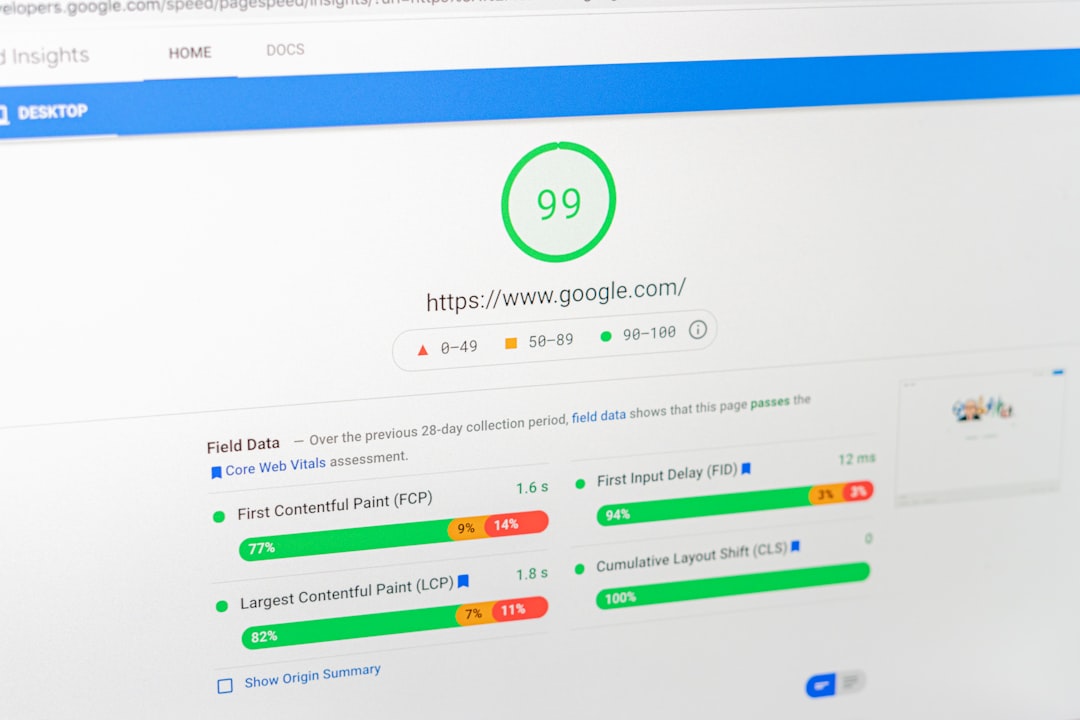
The goal is not a perfect score. The goal is a site that loads cleanly, is easy to use, and sends consistent signals about which pages matter most.
Build Strong Service Pages Before You Build More Location Pages

Strong service pages usually do more for local rankings than a large batch of thin city pages. If the core service page is vague, generic, or weakly structured, adding more location variations often multiplies the problem instead of solving it.
Each service page should clearly explain what you do, who it is for, where you provide it, and what the next step is. Add proof where you can: service area language, common questions, examples of the work, and specific reasons a customer would choose that service. Local relevance comes from usefulness and clarity, not repeating a city name in every paragraph.
If you serve multiple nearby areas from one office, it is often better to create one stronger regional page than several thin pages that only swap place names. Thin duplication is one of the fastest ways to dilute local relevance on WordPress.
Write Titles That Match Real Local Intent
Your title tag should tell users and search engines exactly what the page offers and where it is relevant. Vague or repetitive titles make it harder for a local page to stand out, especially when several pages on the same site look nearly identical.
| Weak title | Stronger title |
|---|---|
| Home Services | Local Company | Water Heater Repair in Columbus |
| Roofing Services | Residential Roof Repair for Storm Damage |
| Dental Office Home | Family Dentist for Cleanings and Checkups |
Notice what changes in the stronger versions. They are more specific, more useful, and tied to the page’s actual purpose. They do not try to cram every variation into one line. They simply make the topic and intent clearer.
Support Local Pages With Internal Links
Internal linking helps search engines understand which pages matter most and how your services connect. It also gives visitors a clearer path from general information to the pages that generate calls, form fills, and booked work.
Link blog posts to related service pages. Link service pages to selective location pages where that path makes sense. Link broader educational content back to the core pages you want to strengthen. Descriptive anchor text works better than generic phrases because it clarifies the relationship between pages.
If you are not sure whether your current structure is helping or creating weak signals, WordPress SEO Expert can help. We often find that a site does not need more content first. It needs better internal pathways to the content and service pages that already exist.
Keep Local Proof Clear and Consistent
Local businesses earn trust when the site makes basic business details easy to confirm. Customers and search engines both look for consistency in how your business presents its services, contact details, and service area.
That does not mean stuffing every page with repeated address blocks. It means making sure the important pages clearly show who you are, what areas you serve, and how someone should contact you. Add local proof where it improves the page: service area explanations, location-specific FAQs, testimonials, and practical details about how service works.
Generic pages with a city name swapped in a few times are usually weak. Pages with real local context are stronger because they help the visitor make a decision.
Do Not Treat Speed and Mobile Usability as Separate From Local SEO
Local visitors often land on service or location pages first, especially on phones. If those templates are slow, cluttered, or hard to use, local traffic will not convert well even if rankings improve.
You do not need a perfect lab score. You need pages that load cleanly, present the offer clearly, and make the contact step easy on mobile. Large images, page builder bloat, unnecessary scripts, and too many plugins are common causes of avoidable friction on WordPress.
If you are experiencing these symptoms, our team at WordPress SEO Expert can help. We focus on diagnosing what is actually blocking visibility and conversions instead of handing you another generic checklist.
A Simple Local SEO Priority Order
The best strategy is usually simpler than people expect. Start with the pages closest to revenue, then work outward. That keeps effort aligned with business value instead of scattered across low-impact tasks.
| Priority | What to fix first | Why it matters |
|---|---|---|
| 1 | Indexing and crawl access | Pages cannot rank if they cannot be reached or indexed correctly |
| 2 | Primary service page targeting | Clarifies which pages should win for core local searches |
| 3 | Title tags and page structure | Improves relevance and makes intent easier to understand |
| 4 | Duplicate and competing URLs | Reduces diluted signals across similar pages |
| 5 | Internal linking | Strengthens hierarchy and supports discovery |
| 6 | Local proof elements | Improves usefulness and trust for visitors |
| 7 | Speed and mobile usability | Supports better experience on high-intent traffic |
What to Stop Doing
Most stalled local sites are not under-optimized. They are over-scattered. Stop stacking SEO tools, stop chasing plugin scores, and stop publishing thin variations of the same page just because a keyword looks slightly different.
Local SEO fundamentals on WordPress are not glamorous, but they are reliable. Clear page purpose, clean technical setup, stronger service pages, better internal links, and selective location targeting usually outperform a long list of disconnected tactics.
The Best Next Step for a Local Business Site
If your rankings are flat and you are not sure whether the real problem is indexing, duplication, weak service targeting, or plugin clutter, WordPress SEO Expert can help. Book a free SEO consultation. No pitch, no pressure. Just an honest look at what your site actually needs and whether your current setup is part of the solution or part of the problem.
Contact WordPress SEO Expert today to schedule a consultation and get a clearer local SEO plan for your WordPress site.