
Strong WordPress SEO usually comes from a cleaner plan, not more tools. If your rankings are flat, the issue is often scattered priorities, overlapping plugins, weak page targeting, or technical settings that quietly dilute the signals your best pages need.
WordPress SEO Expert helps site owners sort out what matters first. A green light in an SEO plugin does not mean the page deserves to rank. The goal is a site that loads cleanly, is easy to use, and sends consistent signals about which pages matter most.
What WordPress SEO fundamentals actually include
WordPress SEO fundamentals come down to five core layers: crawlability, indexing, page targeting, internal linking, and site performance. If one of those layers is weak, publishing more content or installing another plugin usually adds noise instead of results.
That is why a fundamentals guide should not read like a random checklist. It should help you fix the issues that block visibility before the issues that polish visibility. If you need a broader baseline, start with our practical guide for DIY WordPress site owners and compare it against your current setup.
Start with crawlability and indexing

If search engines cannot reach the right pages or do not understand which pages should be indexed, the rest of your SEO work will underperform. This is the first layer to review because every later improvement depends on it.
Check whether your important pages are crawlable, included in your sitemap, and internally linked from other live pages. Review archive settings, attachment pages, and any thin sections that do not need to compete in search. Most site owners do not have one catastrophic problem. They have a stack of smaller issues that compound over time.
What to review first
Look at the pages that should drive business value before anything else. That usually means the homepage, service pages, key category pages, and the posts already earning impressions. If those pages are hard to crawl, buried too deep, or mixed into a cluttered archive structure, rankings stall even when the writing is decent.
If your setup feels messy, our guide to fixing WordPress SEO setup problems walks through the most common indexing and configuration issues in a practical order.
Use one SEO plugin and simplify the setup
One well-configured SEO plugin is enough. Running overlapping plugins often creates duplicate metadata, conflicting canonicals, and competing sitemap outputs that make a simple setup much harder to trust.
This matters more than many site owners realize. A cluttered plugin stack can create technical contradictions across the entire site, especially after redesigns, migrations, or handoffs between developers and marketers. Keep one primary SEO plugin, configure it properly, and remove the tools that duplicate the same outputs.
Get page targeting right before you rewrite everything
Pages rank more reliably when each one targets a clear intent and serves a distinct role on the site. Before rewriting copy across dozens of URLs, make sure each important page has a specific job and is not competing with another page for the same search.
Your homepage should support your broadest commercial target. Service pages should answer transactional or comparison intent. Blog posts should answer informational questions and naturally guide readers toward deeper pages when relevant. When several thin pages overlap, consolidation usually works better than expansion.
Titles and headings should clarify, not impress a plugin
Descriptive titles and clean heading structure make it easier for search engines and users to understand the page quickly. The strongest pages usually have one clear topic, one clear H1, logical supporting sections, and a title that reflects what the page really offers.
| Weak title | Stronger title |
|---|---|
| SEO Services | SEO Company | SEO Expert | WordPress SEO Services for Small Businesses |
| Blog | WordPress SEO Tips for Service Businesses |
| WordPress Help | How to Fix WordPress SEO Setup Problems |
A green light in an SEO plugin does not mean the page deserves to rank. Clear targeting, helpful content, and a structure that matches search intent matter more than forcing awkward phrases into a title or heading just to satisfy a plugin score.
Internal links are one of the fastest fundamentals to improve
Internal linking helps search engines discover pages, understand hierarchy, and connect informational content to revenue-driving pages. It is one of the most underused fundamentals on WordPress sites because it feels simple, but weak internal links quietly reduce visibility across the site.
Link related posts to service pages, connect overlapping guides, and make sure important pages are not isolated. Descriptive anchor text works better than vague phrases, and contextual links inside the body usually carry more value than relying on navigation alone. If you need a cleanup process, our WordPress SEO audit guide can help you identify underlinked pages and weak structure.
If you are experiencing these symptoms, our team at WordPress SEO Expert can help.
Technical performance supports visibility, but perfection is not the goal
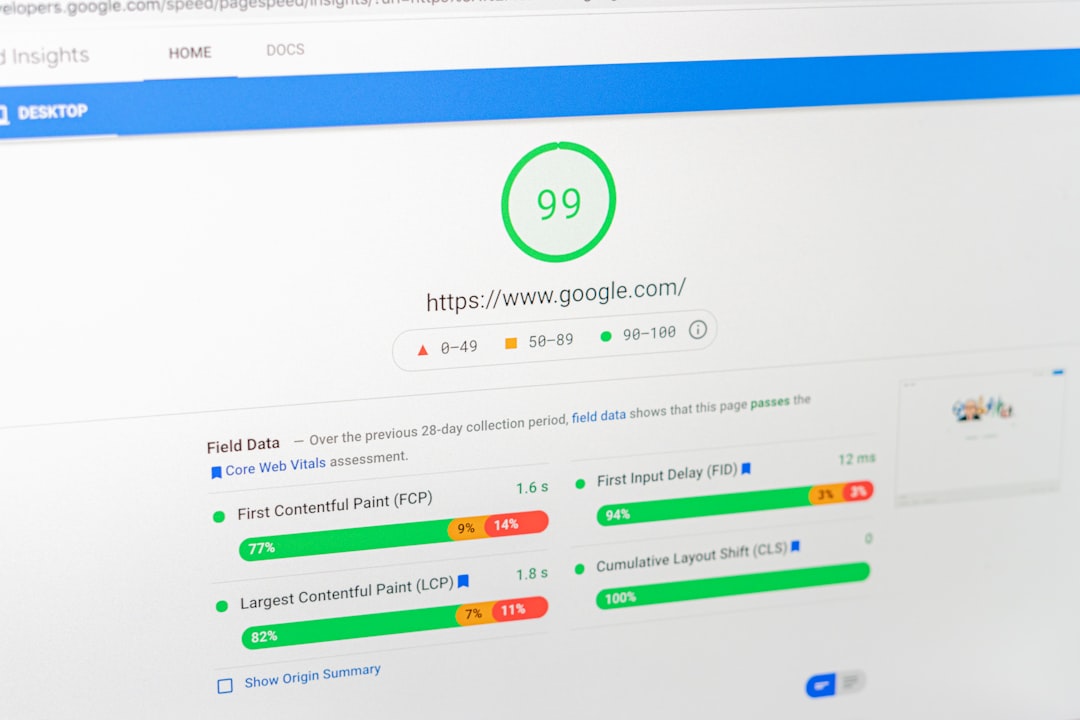
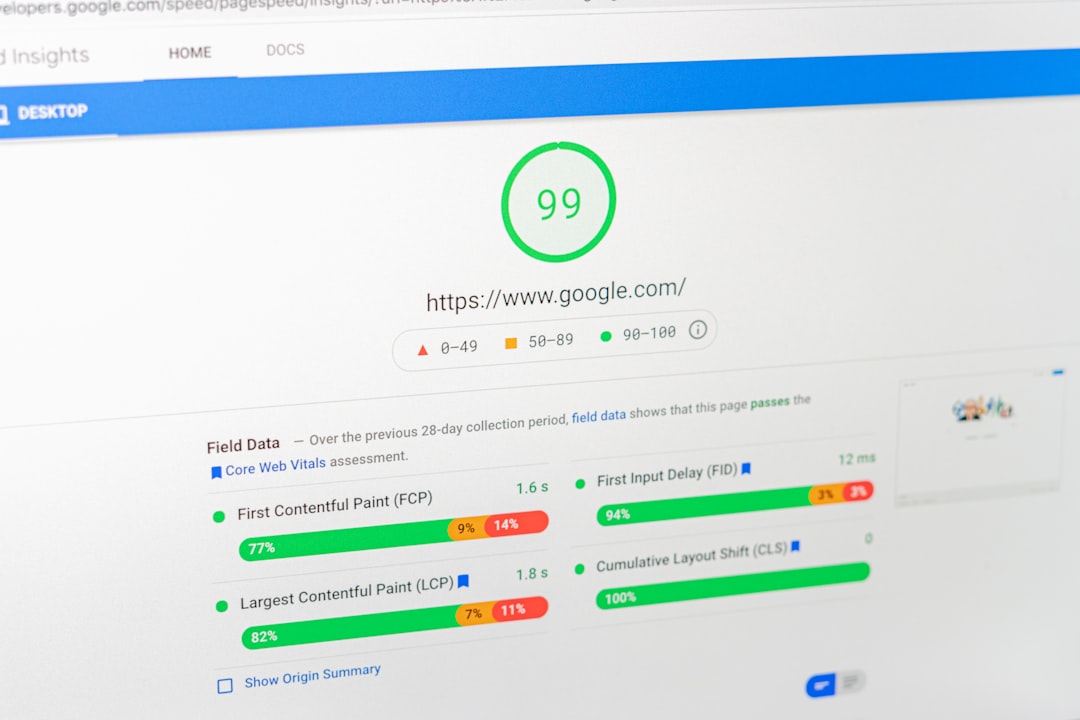
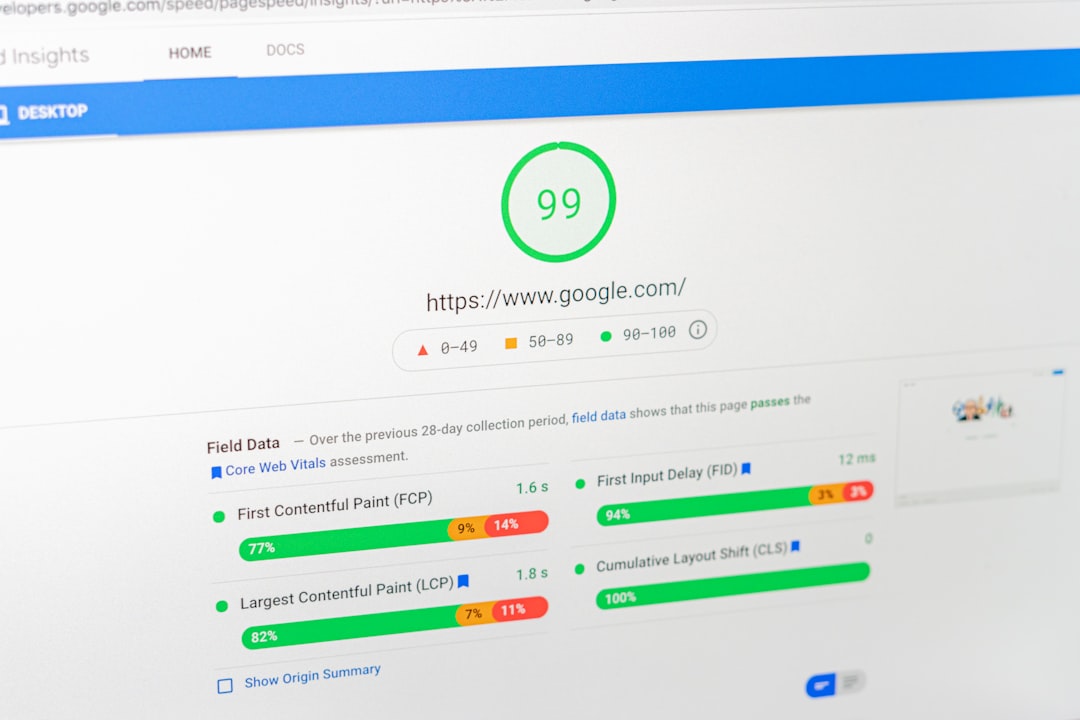
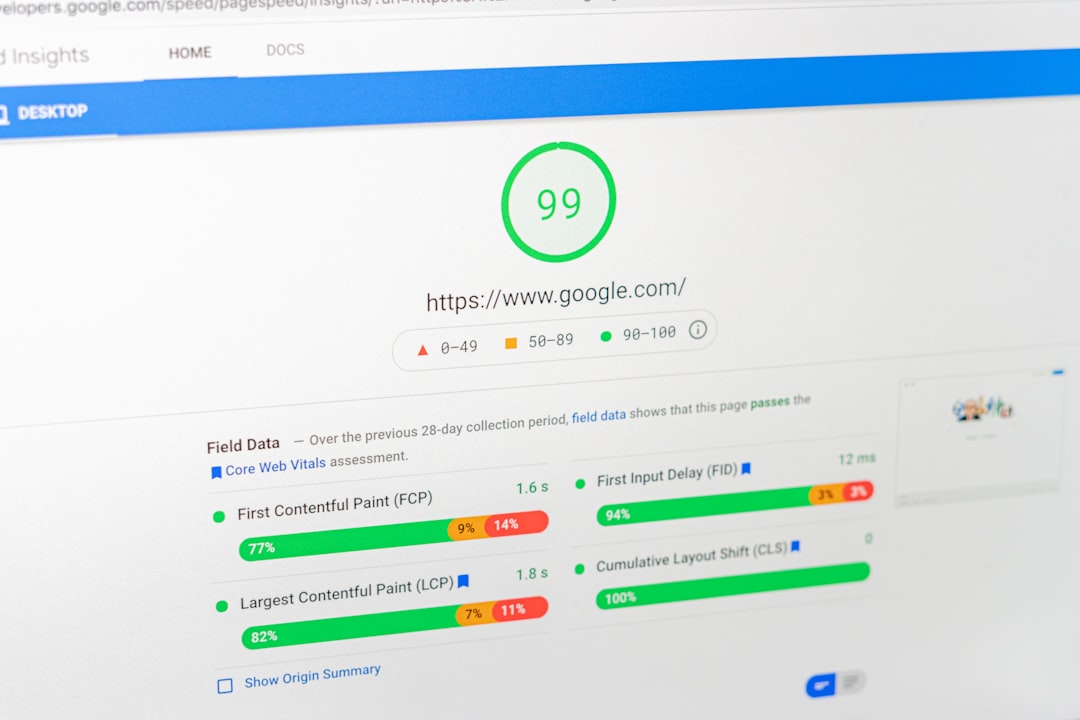
Site performance matters when slow templates frustrate users, weaken engagement, or make key pages harder to use. You do not need a perfect score. You need a site that loads cleanly, feels stable, and supports the pages that matter most.
For most WordPress sites, the practical fundamentals are image compression, caching, removing unused plugins, reviewing heavy themes or builders, and checking that key templates perform reasonably well. Focus on consistency across your homepage, major landing pages, and blog posts instead of obsessing over a single lab score.
The right order matters more than the full checklist
Most WordPress SEO frustration comes from working in the wrong sequence. When site owners spend hours polishing descriptions, adding schema, or tweaking plugin settings before they fix crawl access, duplicate signals, or weak targeting, the visible payoff stays small.
| Priority | What to fix | Why it comes first |
|---|---|---|
| 1 | Crawlability and indexing | Pages cannot perform if they are hard to reach or excluded. |
| 2 | Plugin conflicts and duplicate outputs | Conflicting metadata can affect the whole site. |
| 3 | Page targeting and title clarity | Important pages need a clear purpose and message. |
| 4 | Internal linking | Links strengthen discovery and reinforce hierarchy. |
| 5 | Performance improvements | Speed helps usability after the foundation is stable. |
Fix the issues that block visibility before the issues that polish visibility. That simple shift usually saves more time than any plugin feature comparison.
What to stop doing
Stop treating WordPress SEO fundamentals like a race to collect features. More plugins, more settings, and more thin pages rarely create stronger rankings. They usually create more inconsistency, more duplication, and more confusion about what is actually working.
Stop chasing green lights as if they are proof of quality. Stop publishing slight variations of the same topic across multiple posts. Stop leaving important pages disconnected from the rest of the site. Fundamentals work when the site sends clear, repeatable signals, not when every tool says everything looks fine.
When to get professional help
If you have already put in the effort and rankings are still flat, the problem is often prioritization, not effort. A practical review can show whether the real issue is indexing, duplication, weak targeting, plugin clutter, or a site structure that is not supporting your best pages.
WordPress SEO Expert can help you sort through what actually needs to change and what can stay simple. Book a free SEO consultation. No pitch, no pressure. Just an honest look at what your site actually needs and whether your current setup is part of the solution or part of the problem.
Contact WordPress SEO Expert today to schedule a consultation.