Most WordPress SEO problems start with a messy setup, not a lack of effort. If rankings are flat, the fix is usually to simplify the stack, tighten your signals, and make it easier for Google to understand which pages matter most.
A green light in an SEO plugin does not mean the page deserves to rank. Google responds better to clear titles, crawlable internal links, distinct page targeting, and a site structure that does not waste attention on duplicate or low-value URLs.
This is where WordPress SEO Expert approaches setup differently. We focus on the issues that block visibility before the issues that polish visibility, so you do not waste time tuning details while bigger technical problems are still holding the site back.
Start with one clean SEO plugin
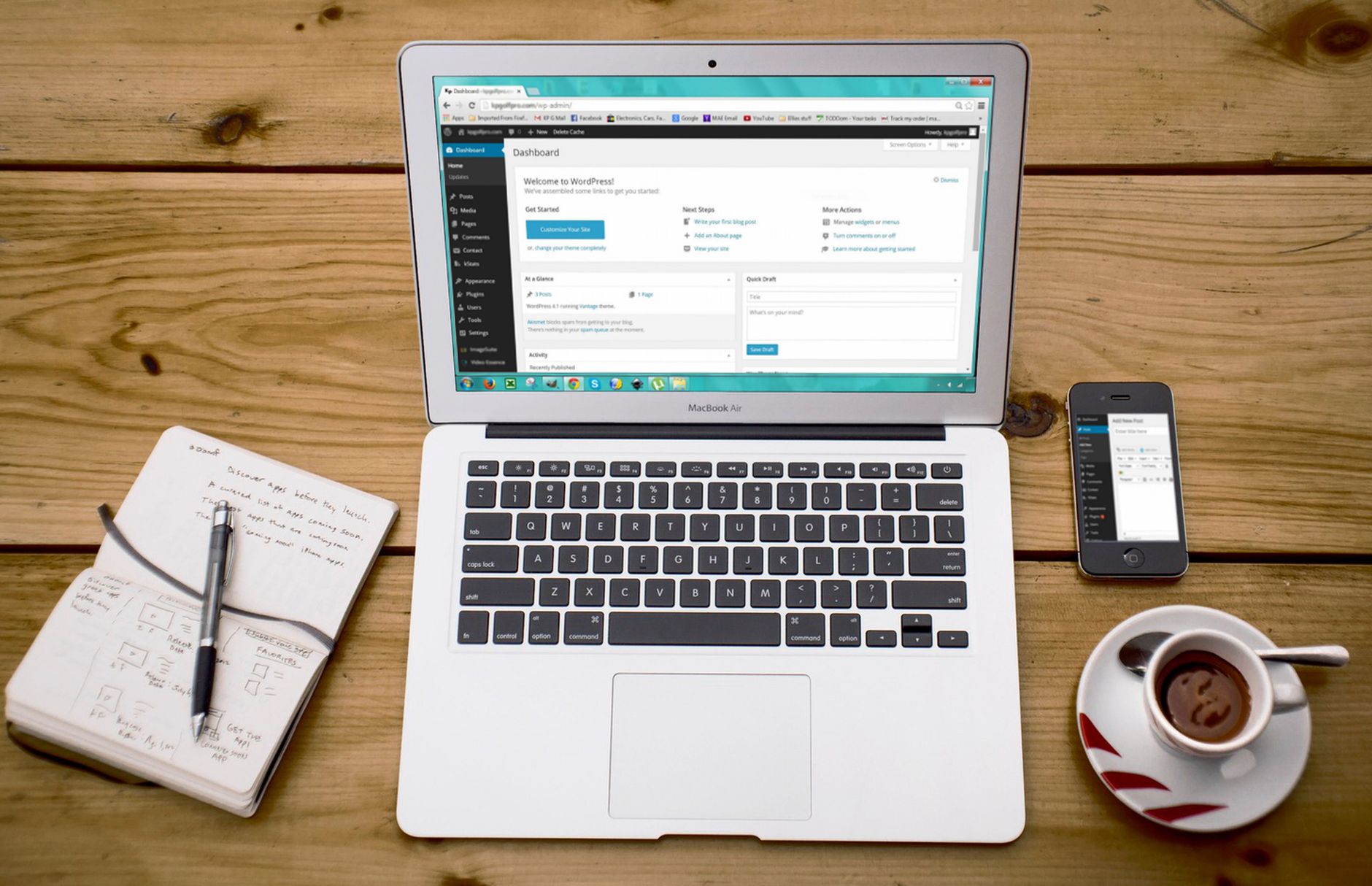
The fastest setup win is usually simplification. One well-configured SEO plugin is enough for most WordPress sites, and adding overlapping tools often creates duplicate metadata, conflicting canonicals, and competing sitemap outputs.
If your site has changed owners, themes, or developers, check whether multiple plugins are trying to control titles, schema, redirects, or social tags. Cleaning that up often resolves invisible conflicts before you touch a single page of copy. If you need a broader diagnostic framework first, review our guide to fixing WordPress SEO setup problems.
Set titles the way Google wants to read them
Your title setup carries more weight than most plugin checklists admit. Google recommends descriptive, concise title text and warns against keyword stuffing and repetitive boilerplate, which is why generic templates usually underperform.
That means your homepage, service pages, and key blog posts should each have a distinct title that matches the real purpose of the page. Avoid filling titles with slight keyword variations or repeating the business name on every page when it adds no clarity. Google also notes that every page should have a title and that vague labels like Home are weak signals.
| Weak title | Stronger title |
|---|---|
| SEO Services | SEO Company | SEO Expert | WordPress SEO Services for Small Businesses |
| Home | WordPress SEO Consultant for Service Businesses |
| Blog | WordPress SEO Tips for DIY Site Owners |
If your rankings are flat and title templates feel generic, our practical WordPress SEO guide for DIY site owners can help you sort out which pages to rewrite first.
Use meta descriptions as click support
Meta descriptions do not need to carry your whole strategy. Their job is to summarize the page clearly enough that the right searcher wants to click, and Google may use that description when it better matches the page than on-page text alone.
Write unique descriptions for important pages instead of letting one default template repeat across the site. Keep them specific, useful, and closely tied to what the page actually covers. If the page is about a service, say what the service helps with. If it is a guide, hint at the outcome or next step.
Make internal links easy for Google to crawl

Internal links help Google discover pages and understand hierarchy, but only if the links are crawlable and descriptive. Google says links are most reliably parsed when they use standard HTML anchor elements with href attributes, which is one reason clean WordPress navigation matters.
Link related posts to service pages, connect overlapping articles, and make sure your important pages are not only reachable through menus or XML sitemaps. Descriptive anchor text is stronger than vague phrases because it gives users and search engines clearer context about the destination page.
If you are experiencing these symptoms, our team at WordPress SEO Expert can help. Most site owners do not have one catastrophic problem. They have a stack of smaller issues that compound over time, and internal linking is often one of the easiest to improve once the setup is stable.
Submit a sitemap, but do not rely on it alone
An XML sitemap helps Google find your URLs more efficiently, especially on growing sites, but it does not replace clear site structure or internal linking. Google supports submitting a sitemap through Search Console and also documenting it in robots.txt.
Check that your sitemap is active, submitted, and focused on pages you actually want indexed. Thin archives, duplicate pages, and low-value URLs do not belong in the same priority lane as your service pages, product pages, or strongest content.
Clean up archives and duplicate paths
Google setup on WordPress is often weakened by unnecessary URL variation, not by one dramatic error. Tag archives, author archives, attachment pages, and inconsistent templates can create a layer of duplication that dilutes stronger pages.
Single-author sites usually do not need indexed author archives. Thin tag pages rarely help unless they are curated with a real purpose. The goal is not to hide content from users. The goal is to reduce mixed signals so Google spends more attention on the pages that deserve visibility.
A practical order of operations
Most site owners need a sequence more than another checklist. Fix the issues that block visibility before the issues that polish visibility, and do the highest-impact cleanup before rewriting large parts of the site.
| Priority | What to review first | Why it matters |
|---|---|---|
| 1 | Indexing and crawl access | Pages cannot rank if Google cannot reach or index them properly. |
| 2 | SEO plugin overlap | Conflicting outputs can distort titles, canonicals, and sitemaps. |
| 3 | Title templates and page titles | Clearer page targeting improves relevance and click potential. |
| 4 | Archives and duplicate URLs | Reduces crawl waste and competing signals. |
| 5 | Internal links | Strengthens discovery, hierarchy, and topic support. |
| 6 | Meta descriptions and polish items | Improves snippets after stronger fundamentals are in place. |
What to stop doing
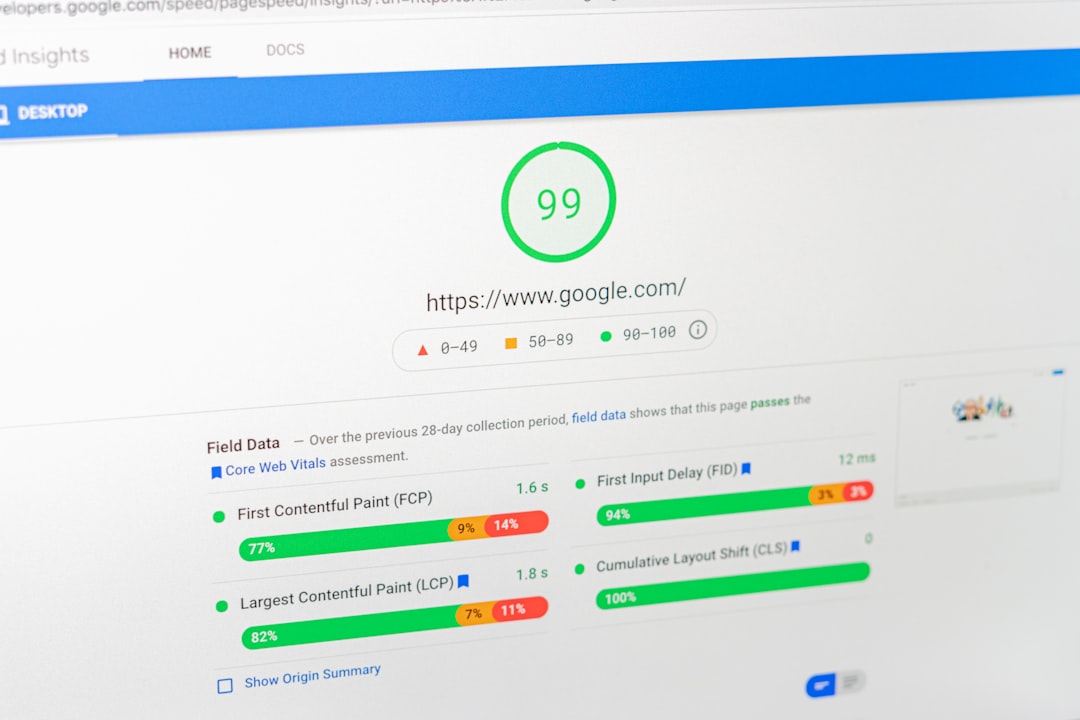
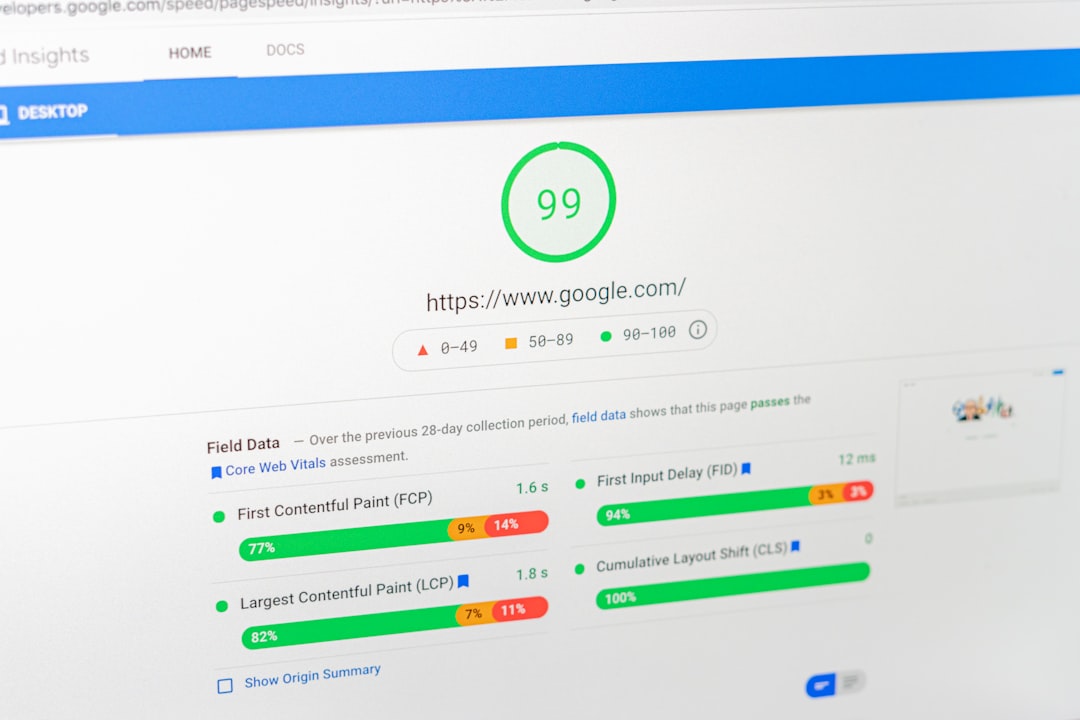
Stop treating plugin scores as the goal. A perfect checklist inside the editor does not guarantee rankings, and adding more features often creates more complexity than value.
You do not need a perfect score. The goal is a site that loads cleanly, is easy to use, and sends consistent signals about which pages matter most. That usually means fewer plugins, clearer titles, tighter indexing rules, and stronger internal links.
When to get help
If you have already installed the tools, written the pages, and still do not know why Google is not responding, the problem is usually prioritization rather than effort. A focused review can tell you whether the real issue is indexing, duplication, weak targeting, or plugin clutter.
Book a free SEO consultation with WordPress SEO Expert. No pitch, no pressure. Just an honest look at what your site actually needs and whether your current setup is part of the solution or part of the problem.
Contact WordPress SEO Expert today to schedule a consultation if you want a practical cleanup plan for your WordPress SEO setup and a clearer path toward better Google visibility.