Low rankings usually come from a scattered plan, not one missing plugin. If your WordPress site is stuck, the fix is usually a stack of practical improvements: cleaner indexing, stronger titles, better internal links, and fewer technical conflicts. You do not need a perfect plugin score. You need a site Google can crawl, understand, and trust.
This guide focuses on WordPress Google SEO optimization tips that actually move the needle for small business sites, blogs, and WooCommerce stores. If you want a broader baseline first, review our WordPress SEO best practices and our comparison of Yoast SEO vs Rank Math before changing your setup.
Start with indexing before anything else
If Google cannot crawl the right pages or index them correctly, everything else underperforms. Check visibility settings, crawl paths, XML sitemaps, and page status codes before you spend time rewriting copy or tweaking plugin options.
In WordPress, common problems include accidental noindex settings, weak internal linking, thin archives, and duplicate URLs from plugins or theme behavior. Google recommends making important pages reachable through crawlable links, and it specifically advises using HTML anchor links with descriptive anchor text so both users and Google can understand the destination more clearly. Make sure your key service pages, product categories, and important posts are linked from indexable pages and are included in your sitemap when they should be indexed.
Use one SEO plugin, not a stack

One well-configured SEO plugin is enough. Running overlapping plugins often creates duplicate metadata, conflicting canonicals, and competing sitemap outputs that are harder to troubleshoot than the original problem.
Pick one primary plugin and configure the essentials first: title templates, meta descriptions, sitemap settings, archive indexing rules, and schema defaults. A green light in an SEO plugin does not mean the page deserves to rank. What matters is whether the page satisfies search intent and whether the technical setup is clean. If you are still choosing tools, our Yoast SEO vs Rank Math comparison explains the trade-offs without the hype.
Write titles Google can actually use
Your title tag is still one of the strongest on-page signals you control. Keep it descriptive, concise, and distinct for each important page instead of repeating the same boilerplate across the site.
Google recommends descriptive, concise title text and warns against keyword stuffing and repetitive boilerplate. It also notes that title links in search can be rewritten when titles are vague, too long, or unhelpful. That means your best move is not stuffing in extra variations. It is making the page topic obvious in plain language.
| Weak title | Stronger title |
|---|---|
| SEO Services | SEO Company | SEO Expert | WordPress SEO Services for Small Businesses |
| Blog | WordPress Google SEO Tips That Work |
| Best Plugins, SEO Plugins, WordPress SEO Plugins | Best SEO Plugin for a Small WordPress Site |
Make internal links descriptive and intentional

Internal links help Google discover pages, understand topic relationships, and judge which pages matter most on your site. The goal is not to add more links everywhere. The goal is to add better links to the pages that deserve more visibility.
Google advises using anchor text that is descriptive, reasonably concise, and relevant to the target page. Link broad educational content to service pages, connect related blog posts, and make sure your high-value pages are not isolated. If a page only appears in your sitemap and nowhere else, fix that first. For a stronger foundation, our WordPress SEO best practices article expands on site structure and internal linking priorities.
If you are not sure whether your current architecture is helping or quietly burying key pages, WordPress SEO Expert can help.
Fix duplicate URLs before publishing more content
Canonical confusion is one of the most common reasons a decent page still underperforms. If several URLs show similar content, Google gets mixed signals about which version should rank.
On WordPress sites, duplication often comes from tag archives, attachment pages, trailing slash inconsistencies, filtered WooCommerce URLs, and near-duplicate posts targeting slight keyword variations. Decide which URL should be the main version, use that version consistently in internal links, and redirect outdated or duplicate versions when needed. Fix the issues that block visibility before the issues that polish visibility.
Use schema carefully, not aggressively
Structured data can help search engines understand a page more clearly, but it is not a shortcut around weak content or weak technical SEO. Add markup that matches the visible page content and skip anything that does not.
Google’s structured data guidelines say markup should reflect what users can actually see on the page and should not be misleading. In practice, that means using relevant schema types cleanly instead of turning on every option your plugin offers. Simple, accurate schema usually outperforms bloated schema that creates confusion.
Format content for intent, not plugin scores
Content should answer the searcher’s question quickly, then go deeper where needed. Clear headings, short paragraphs, direct answers, and one focused topic per page usually outperform bloated pages designed to satisfy plugin checklists.
Do not split one topic into several thin posts just to cover small keyword variations. Consolidating overlap into one stronger page is often the better play. Google’s SEO documentation emphasizes clear titles, helpful headings, and words people actually use to search for your content. That aligns with a simple rule: write for understanding first, then optimize the structure around that.
Prioritize the fixes in the right order
Most site owners do not have one catastrophic problem. They have a stack of smaller issues that compound over time. Work through the highest-impact items first so you do not waste effort polishing pages that still have crawl, duplication, or indexing problems.
| Priority | What to fix | Why it matters |
|---|---|---|
| 1 | Indexing rules and crawl access | Pages cannot rank if Google cannot crawl or index them correctly. |
| 2 | Canonical and redirect setup | Prevents duplicate URL confusion and diluted signals. |
| 3 | Title tags and page intent | Improves relevance and click-through potential. |
| 4 | Internal linking | Strengthens discovery, hierarchy, and topic relationships. |
| 5 | Content depth and structure | Helps pages satisfy search intent more clearly. |
| 6 | Schema and sitemap hygiene | Supports cleaner technical signals. |
What to stop doing
Stop chasing perfect plugin scores. Stop stacking overlapping SEO tools. Stop publishing thin near-duplicate pages. A cleaner setup with stronger page targeting usually beats a busier setup with more checkmarks.
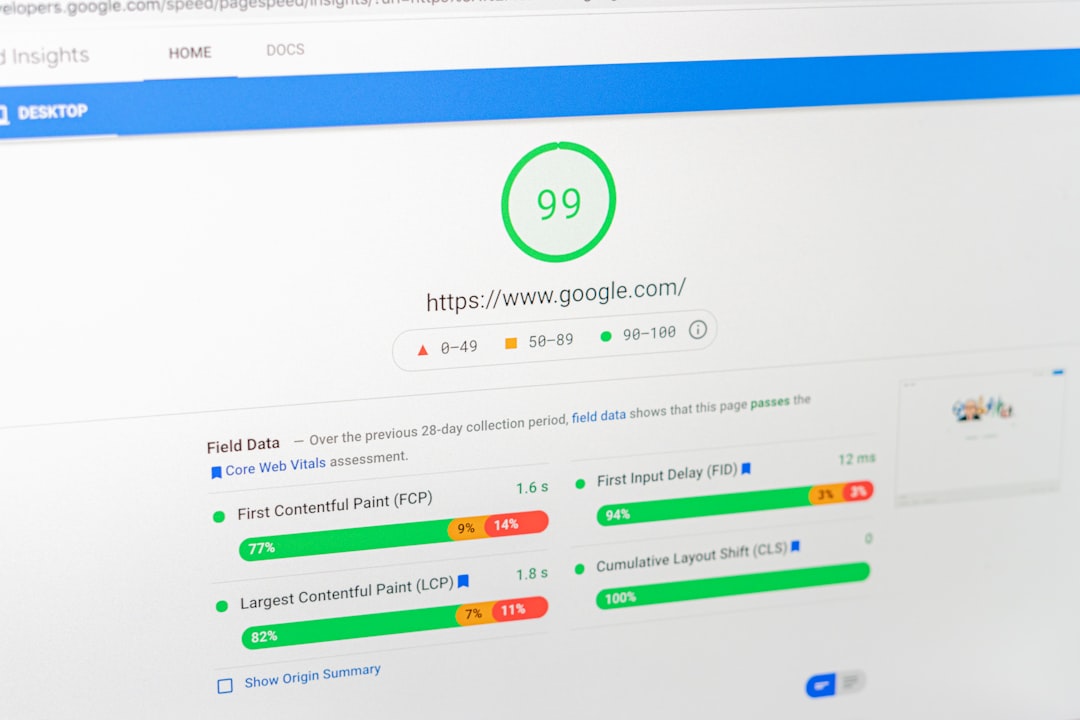
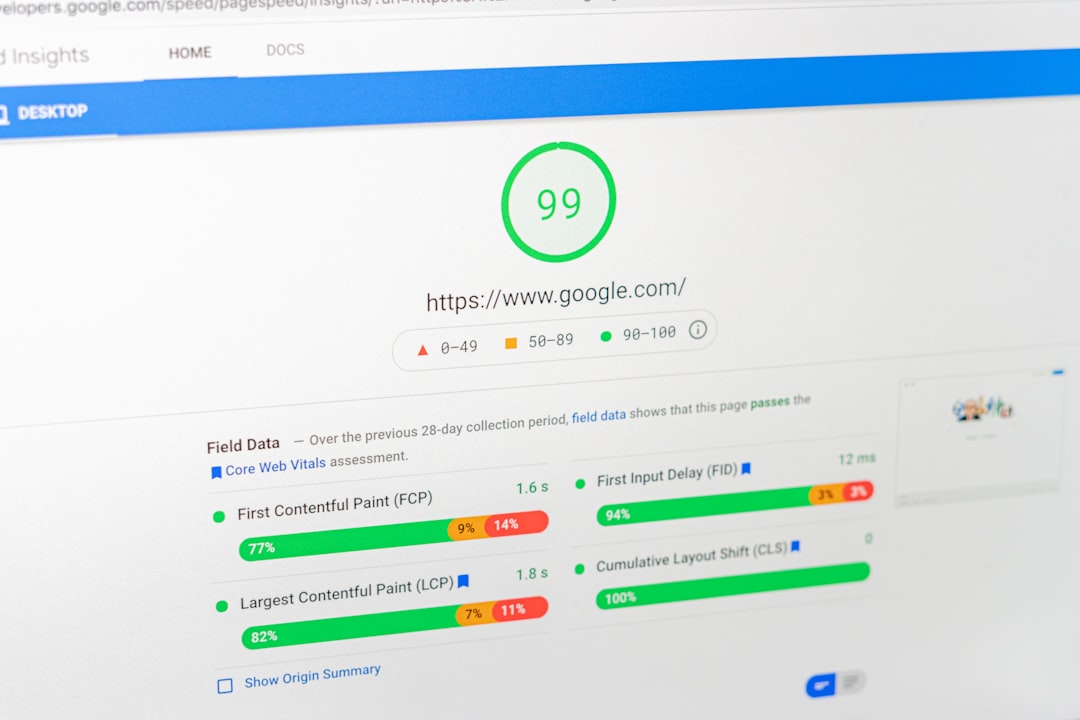
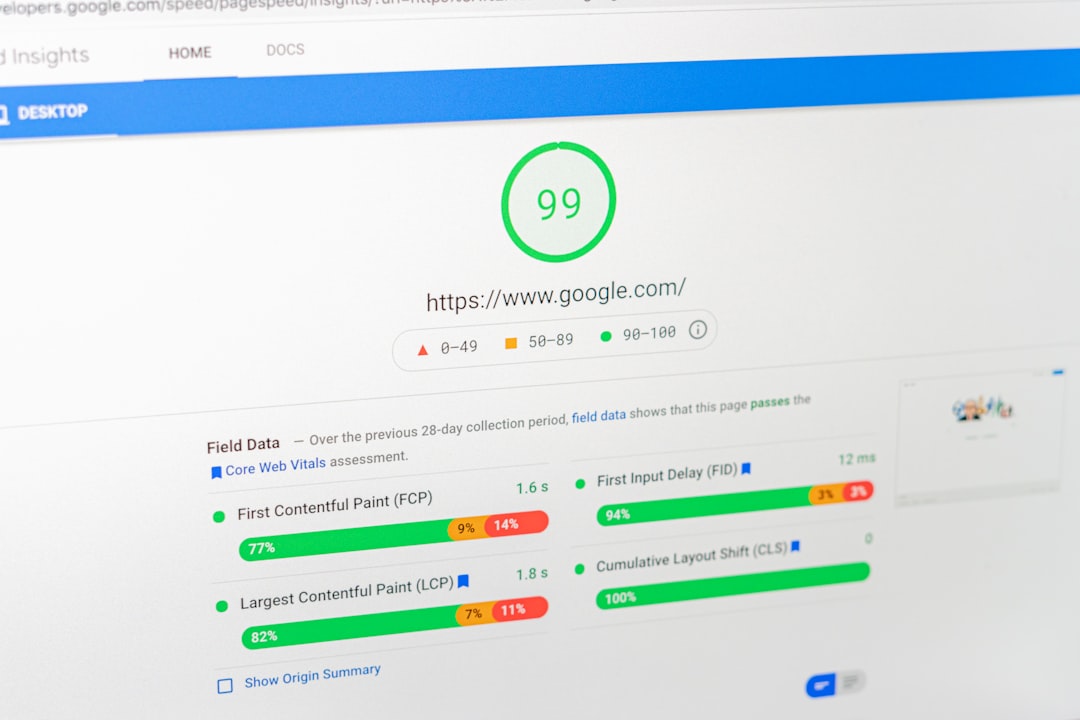
You do not need a perfect score. The goal is a site that loads cleanly, is easy to use, and gives Google clear signals about which pages matter most. If you keep that principle in view, your SEO decisions get much simpler.
If your rankings are flat and you want a second set of eyes, book a free SEO consultation with WordPress SEO Expert. No pitch, no pressure. Just an honest look at what your site actually needs and whether your current setup is part of the solution or part of the problem.
The best next step
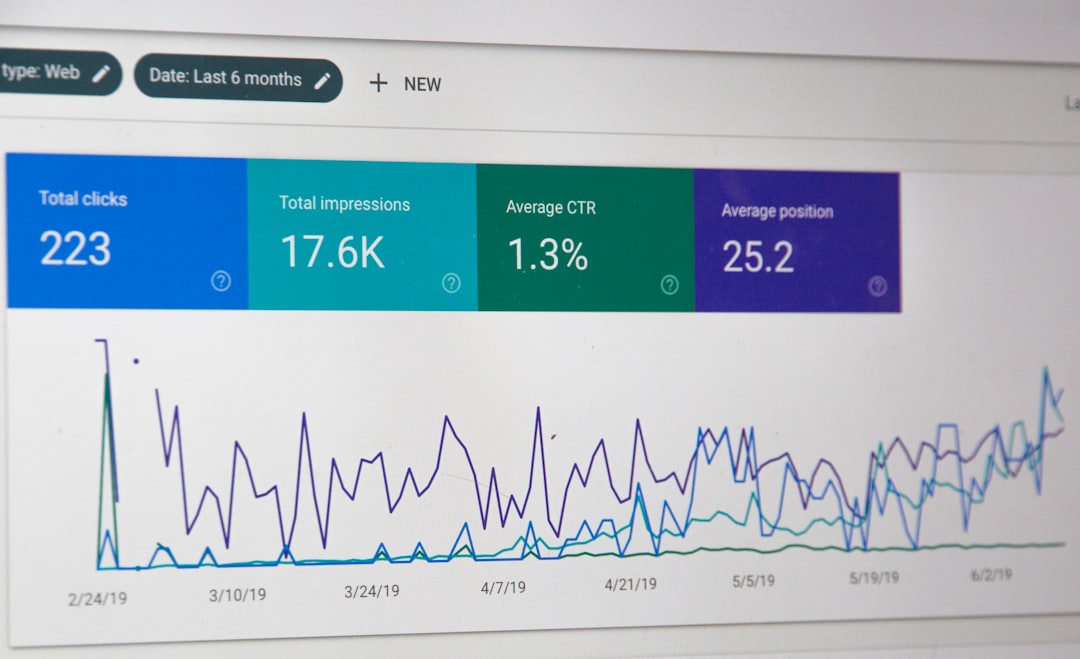
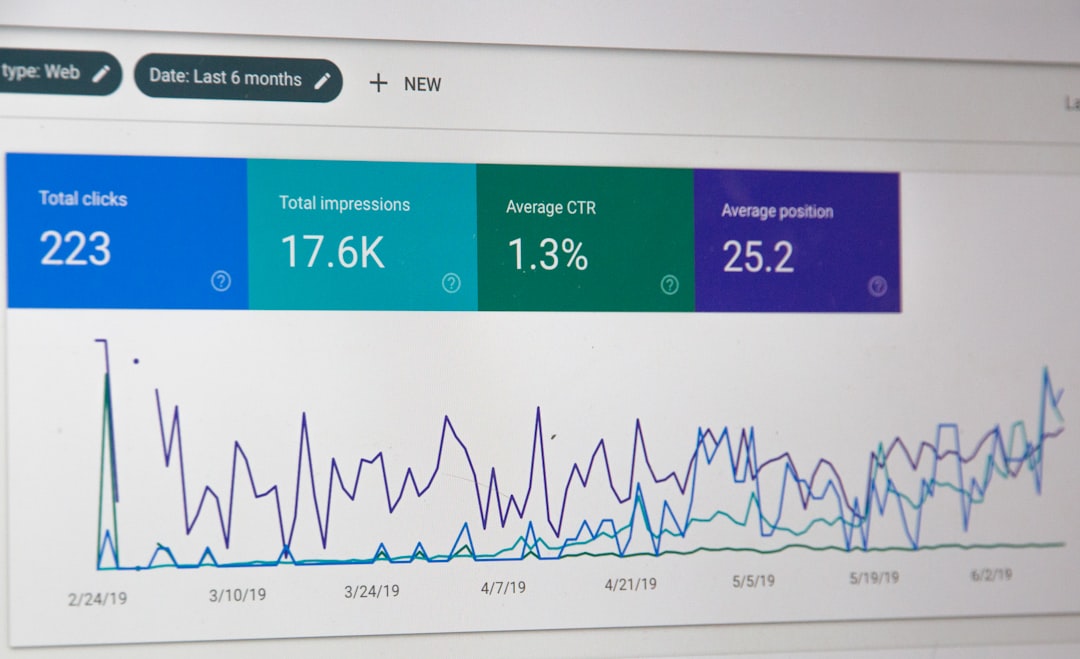
The best next move is usually a focused review of your highest-value pages, not a sitewide rewrite. Start with the pages already earning impressions, the pages closest to page one, and the pages tied directly to leads or sales.
Contact WordPress SEO Expert today to schedule a consultation. We can help you identify whether the real issue is indexing, internal linking, duplicate URLs, weak titles, or a plugin configuration that looks fine on the surface but creates friction underneath.