
Low rankings usually come from a scattered plan, not one missing plugin. Expert WordPress SEO work starts by finding the few issues that block visibility first, then fixing the smaller problems that compound around them. That is why the best results usually come from a sequence, not from chasing plugin scores or publishing more pages before the foundation is clean.
WordPress SEO Expert approaches search engine optimization as a diagnostic process. We look at crawlability, indexing, page intent, internal linking, and technical conflicts before we spend time polishing details. If you want supporting context before you change anything, review our WordPress SEO best practices and our comparison of Yoast SEO vs Rank Math.
Experts Start With What Blocks Visibility

The first expert move is simple: fix the issues that prevent search engines from seeing the right pages. If important URLs are noindexed, poorly linked, duplicated, or buried behind messy architecture, better copy alone will not solve the problem.
This is why audits usually begin with indexing rules, crawl paths, canonicals, redirects, and sitemap quality. Google recommends crawlable links built with standard anchor elements and descriptive anchor text so both users and search engines can understand where pages lead. Google also emphasizes clear site structure and descriptive titles rather than repetitive boilerplate or keyword stuffing. Those basics sound ordinary, but they are often the difference between a site that gets discovered cleanly and one that sends mixed signals.
One Plugin Is Usually Enough
Experts rarely stack overlapping SEO plugins. One well-configured SEO plugin is enough for most WordPress sites, and running more than one often creates duplicate metadata, conflicting canonicals, and competing sitemap outputs.
The goal is not to collect features. The goal is to keep control of titles, meta descriptions, indexing rules, schema output, and sitemap settings in one place. A green light in a plugin does not mean the page deserves to rank. What matters is whether the page is technically accessible, aligned with search intent, and supported by the rest of the site.
Titles and Metadata Come After the Technical Baseline
Experts do care about title tags and meta descriptions, but not as the first fix. Once a page can be crawled and indexed correctly, titles and snippets become a strong way to sharpen relevance and improve click-through quality.
Google recommends descriptive, concise titles and warns against keyword stuffing and repetitive boilerplate across pages. Google also explains that search snippets are often generated from page content, though a strong meta description can still help when it accurately summarizes the page. That means expert optimization focuses on clarity, distinct page intent, and honest summaries instead of stuffing variations into every field.
| Weak approach | Stronger expert approach |
|---|---|
| SEO Services | SEO Company | SEO Expert | WordPress SEO Services for Small Businesses |
| Blog Post | How Experts Approach WordPress SEO |
| Best SEO Plugin, SEO Plugin Best, Plugin SEO | How to Choose One SEO Plugin for WordPress |
Internal Linking Is Treated Like Site Architecture

Experts do not treat internal links as an afterthought. Internal linking helps search engines discover pages, understand topic relationships, and see which URLs matter most. It also helps visitors move to the next useful page instead of bouncing.
This usually means linking broad informational content to service pages, connecting related posts, and making sure high-value pages are not isolated. Descriptive anchor text matters more than volume. Instead of forcing exact-match anchors everywhere, expert setups use natural language that tells both readers and search engines what the linked page is actually about. If your structure is weak, even strong pages can sit unnoticed.
If you are not sure whether your site structure is helping or quietly holding pages back, WordPress SEO Expert can help. We can identify which internal links deserve attention first so you do not waste time tweaking low-impact pages.
Experts Consolidate Before They Expand
When rankings stall, experts often publish less before they publish more. Thin overlap, duplicate intent, archive clutter, and near-identical posts can dilute signals across a site and make it harder for one page to perform well.
That is why expert SEO work often includes pruning weak content, merging overlapping pages, redirecting outdated URLs, and deciding which version of a topic should be the main page. This is especially important on WordPress sites with tag archives, attachment pages, parameter URLs, or WooCommerce filters that create unnecessary crawl noise.
Speed Matters, but Only in the Right Order
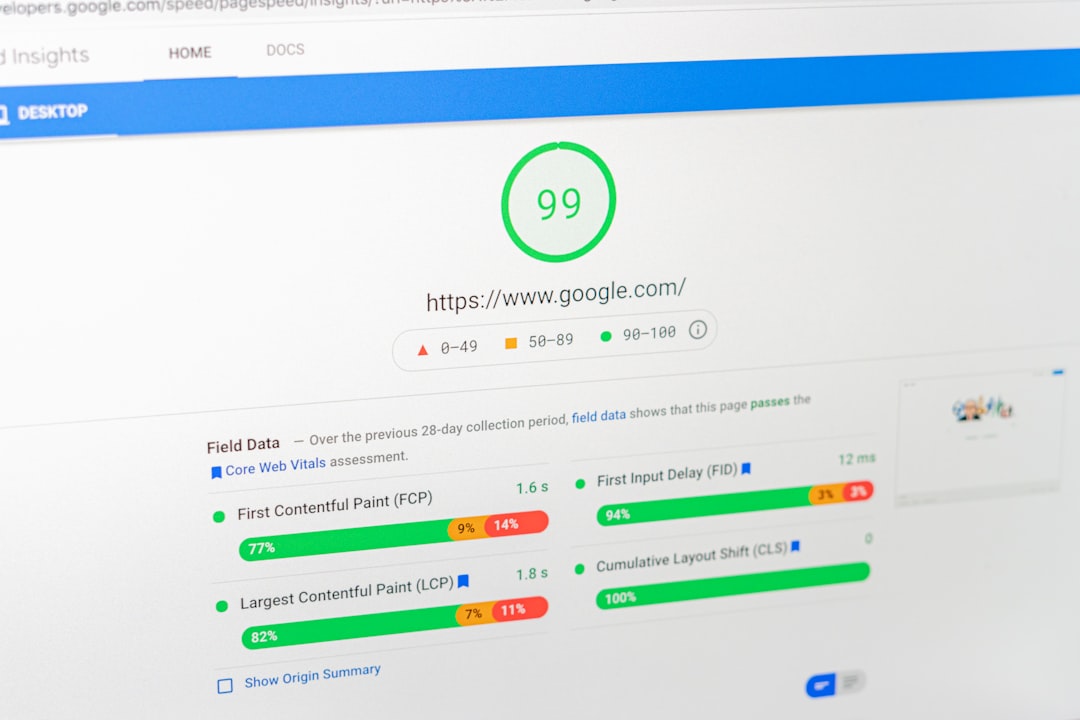
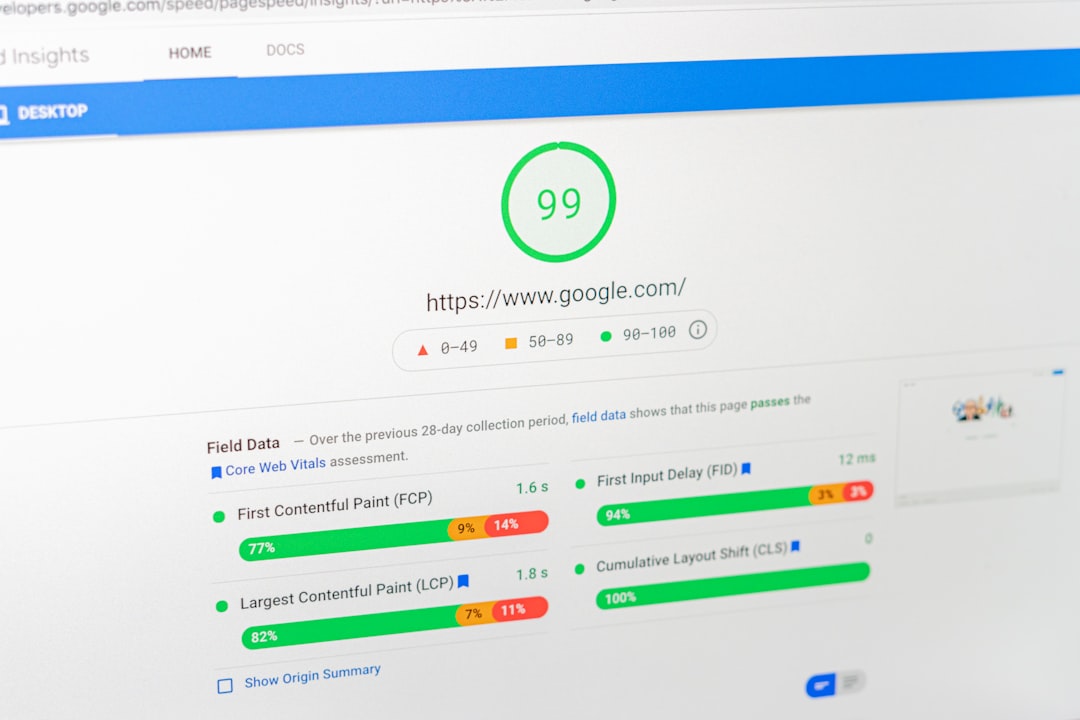
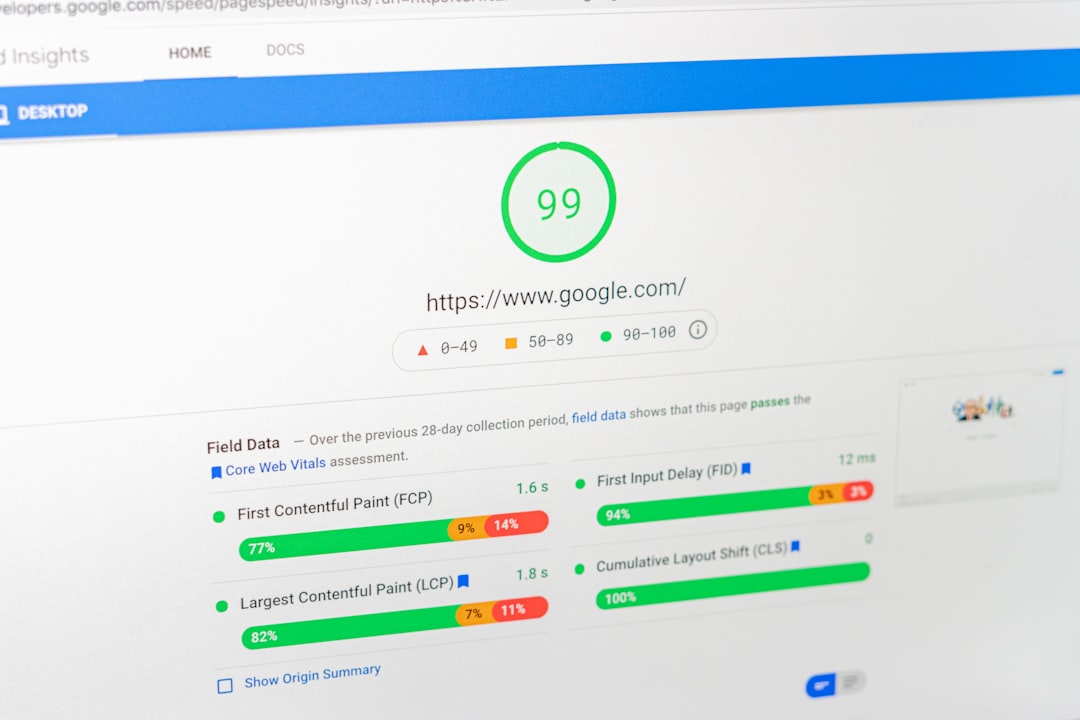
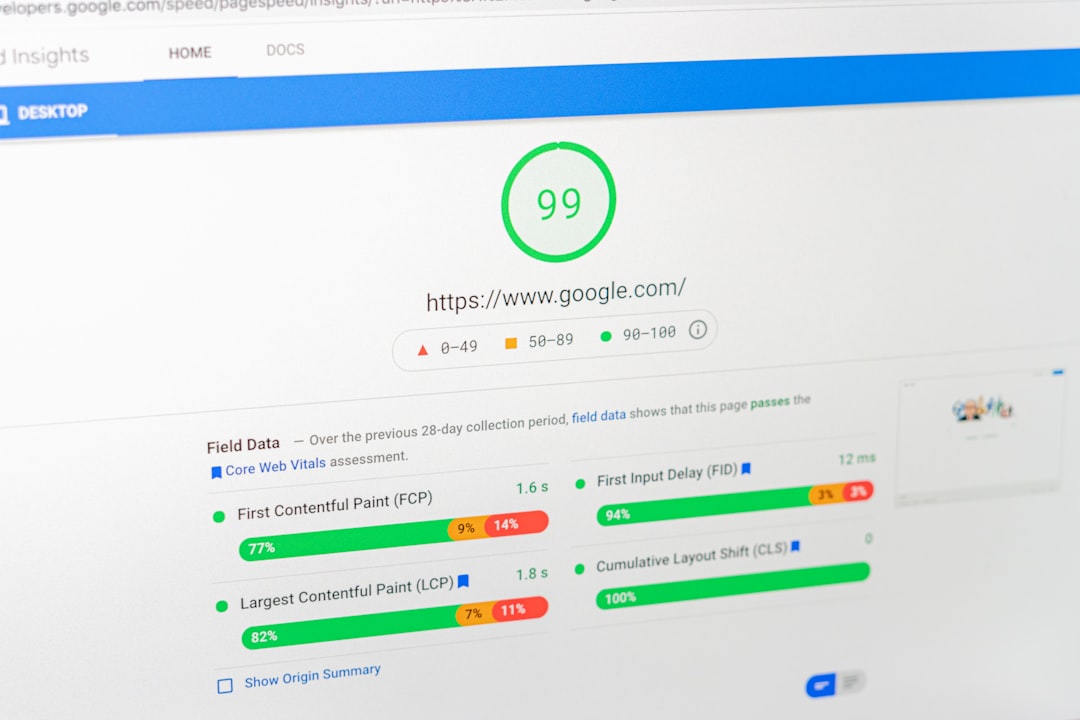
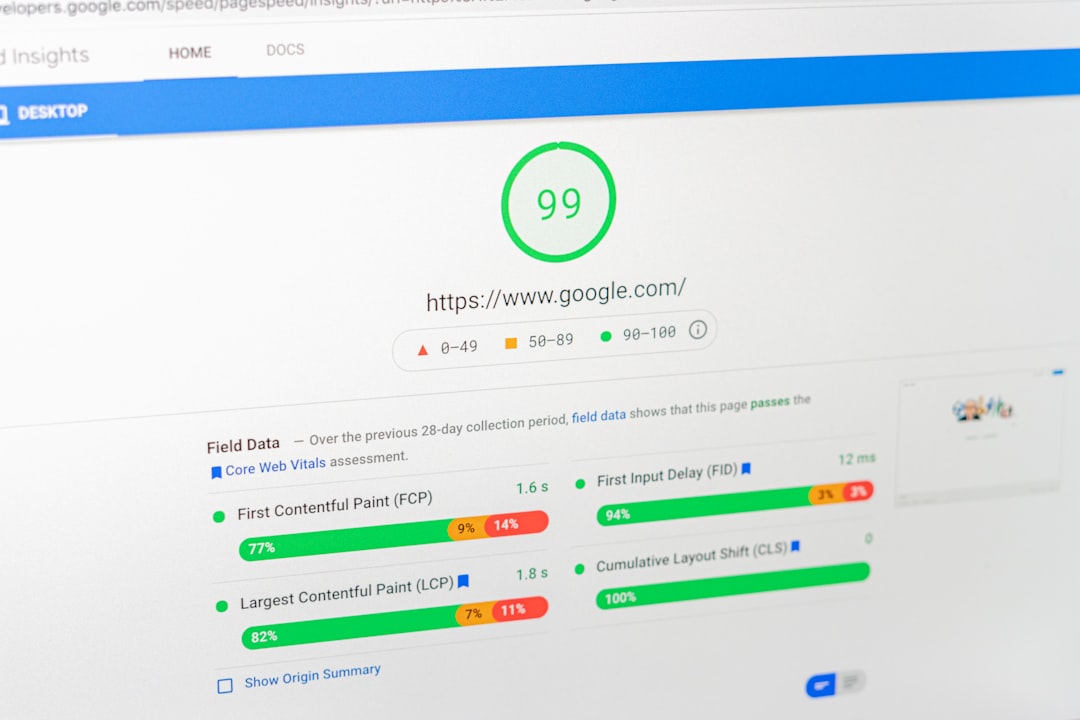
Experts care about performance, but they do not treat page speed scores as the whole strategy. The real question is whether key pages load cleanly, remain usable, and avoid frustrating visitors on the templates that matter most.
In practice, that means checking service pages, blog templates, product pages, and navigation behavior separately instead of celebrating one homepage score. You do not need a perfect score. The goal is a site that loads cleanly and is easy to use. If crawl access, duplication, and weak page targeting still exist, polishing performance alone will not close the gap.
What Experts Prioritize First
Most site owners do not have one catastrophic problem. They have a stack of smaller issues that compound over time. Expert work focuses on the sequence below so effort goes into the fixes that change visibility first.
| Priority | What experts check | Why it comes first |
|---|---|---|
| 1 | Indexing and crawl access | Pages cannot rank if search engines cannot reach or index them properly. |
| 2 | Canonicals and redirects | Prevents duplicate URL confusion and diluted signals. |
| 3 | Page intent and title alignment | Improves relevance and click-through quality. |
| 4 | Internal linking | Strengthens discovery, hierarchy, and topical context. |
| 5 | Content consolidation | Reduces overlap and helps stronger pages absorb value. |
| 6 | Performance on key templates | Improves usability where visitors actually convert. |
| 7 | Schema and plugin refinements | Supports cleaner technical signals after the foundation is stable. |
What Experts Usually Ignore
Experienced SEO work is often defined by what gets ignored. Experts usually skip vanity metrics, plugin score chasing, and bloated checklists that make a site feel busy without making it easier to rank.
That includes publishing multiple thin posts for tiny keyword variations, copying near-identical location pages, keeping low-value archives indexed, and stacking tools that output overlapping SEO settings. The gap between amateur and expert work is not effort. It is prioritization.
The Best Next Step for Your Site
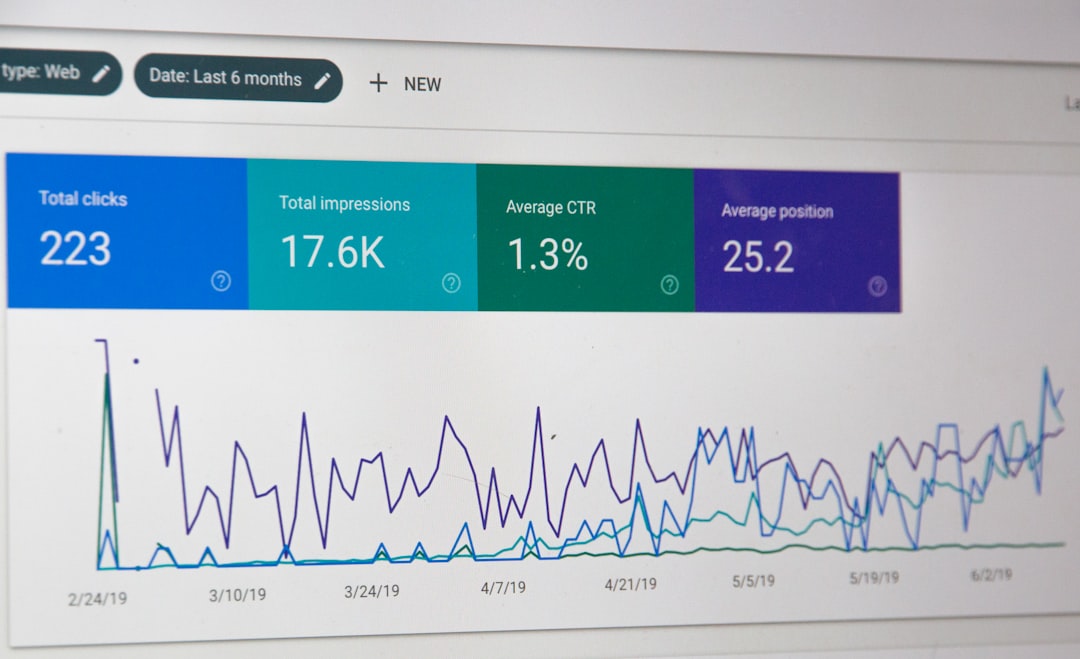
If your WordPress rankings are flat, the right next step is usually a focused review of the pages closest to driving leads or sales. Start with the pages already earning impressions, the pages sitting just outside stronger positions, and the pages most likely to be affected by technical conflicts.
WordPress SEO Expert can help you separate high-impact fixes from busywork. Book a free SEO consultation. No pitch, no pressure. Just an honest look at what your site actually needs and whether your current setup is part of the solution or part of the problem.
Contact WordPress SEO Expert today to schedule a consultation if you want a clearer plan for what to fix first on your WordPress site.