
Low rankings usually come from a scattered plan, not one missing plugin. For local businesses, the pages that generate calls tend to underperform because the service focus is vague, the location signals are weak, and the site structure does not clearly support local intent. A better WordPress SEO strategy fixes those issues in order instead of chasing plugin scores.
Most site owners do not have one catastrophic problem. They have a stack of smaller issues that compound over time. That is why a local SEO plan should start with the pages closest to revenue, then tighten internal links, then clean up technical distractions. If you want a broader framework first, review our guide on SEO for WordPress local businesses alongside the steps below.
What should a local WordPress SEO strategy include?
A workable local strategy has five parts: clear service targeting, strong location relevance, clean page structure, alignment between your site and Google Business Profile, and ongoing measurement. If one of those pieces is weak, rankings often flatten even if you keep publishing new content.
Google says local results are mainly based on relevance, distance, and prominence, so your website needs to reinforce what your business does, where it serves customers, and why it is a credible option in that market. Google also recommends descriptive, concise titles and relevant link text, which matters because local businesses often lose clicks with generic page titles and vague internal anchors.
1. Prioritize pages with local buying intent

The first pages to fix are usually your homepage, core service pages, and a small number of real location pages. Those are the pages most likely to rank for searches from people ready to call, request a quote, or visit.
Map one primary topic to each important page. Your homepage should usually target the broad service and primary market. Service pages should target specific buyer-intent searches. Location pages should exist only where you can add genuine local value, such as service area details, examples, timing, or process differences. A green light in an SEO plugin does not mean the page deserves to rank.
A weak setup is one generic page trying to rank in every nearby city. A stronger setup is a clear service page supported by a few focused local pages that answer real customer questions. If three pages all target the same service in the same area, Google gets mixed signals about which one matters.
2. Align your Google Business Profile with your site
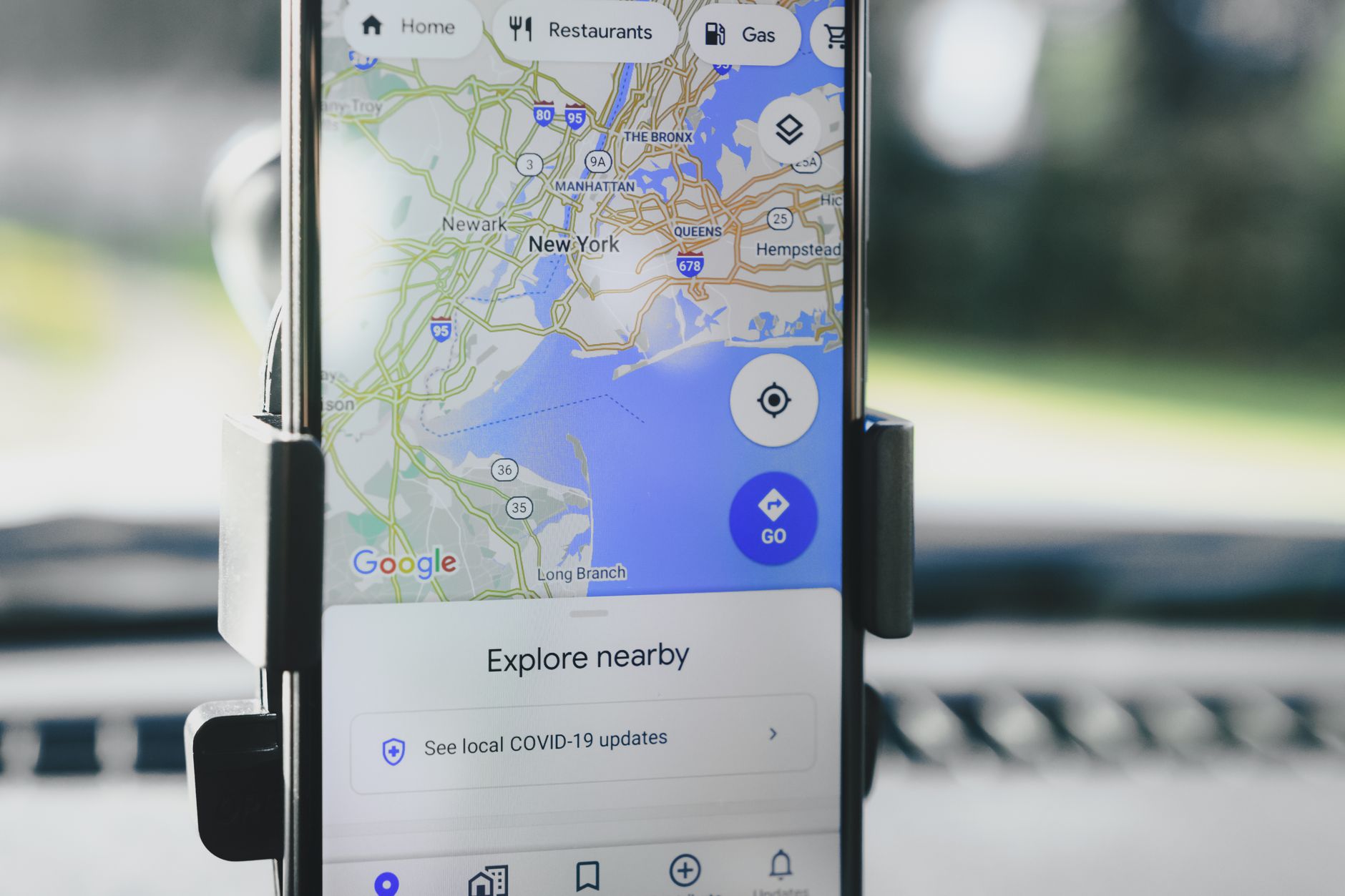
Your website and Google Business Profile should tell the same story. If your profile highlights one service, but the website barely explains it, your local signals are weaker than they should be.
Check your business name, phone number, hours, categories, service descriptions, and service areas for consistency. Then make sure your strongest landing pages reflect those same services and markets clearly. This does not mean stuffing city names into every heading. It means making the page obviously useful for the audience your profile is trying to attract.
If you are not sure whether your current plugin configuration or page structure is helping or quietly hurting local visibility, WordPress SEO Expert can help identify where your website and profile are sending conflicting signals.
3. Fix structure before publishing more content

Most local businesses do not need more pages first. They need a cleaner structure that helps search engines and users find the pages that already matter.
Your main services should be reachable within a few clicks from the homepage. Navigation should reflect how customers shop, not how WordPress happens to organize content in the backend. Important service and location pages should link to each other where it helps the user. Descriptive anchor text is better than generic wording because it clarifies the destination page.
This is also where technical clutter starts to matter. Thin tag archives, duplicate category paths, old URLs left without redirects, and overlapping plugin settings can dilute a small local site. If your setup has become messy, our comparison of Yoast SEO vs Rank Math can help you simplify the plugin side of the stack before you start editing pages.
4. Improve the on-page elements that influence local clicks
On-page SEO matters most when it makes the page easier to understand and more compelling to click. The goal is not to repeat a keyword everywhere. The goal is to make the page clearly relevant to one service in one market.
Each key page should have one clear H1, a concise title tag, useful subheadings, and copy that answers the next logical customer questions. Explain what you do, where you do it, who it is for, and what happens next. Add details that reduce friction, such as response times, service process, neighborhoods covered, or whether work is done remotely, on-site, or in person.
| Weak approach | Stronger approach |
|---|---|
| SEO Services | SEO Company | Local SEO | Local SEO Services for Small Businesses |
| Plumber City Name Home | Emergency Plumbing in Austin for Homes and Rentals |
| Best Lawyer Services Near You | Family Law Services in Tampa for Custody and Divorce |
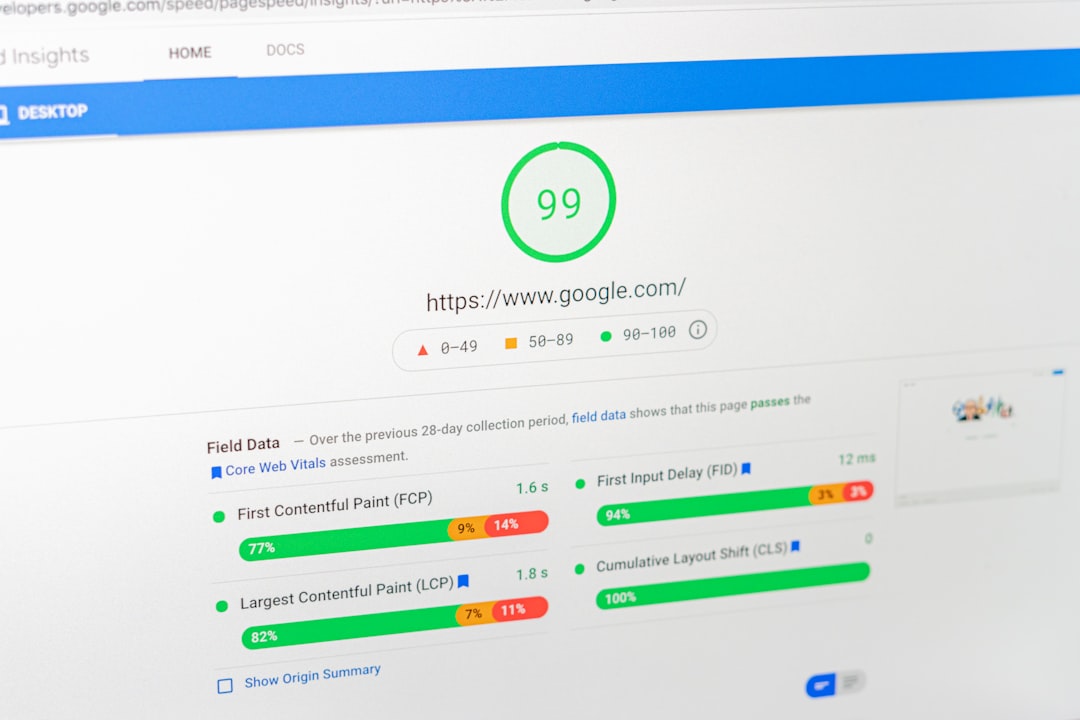
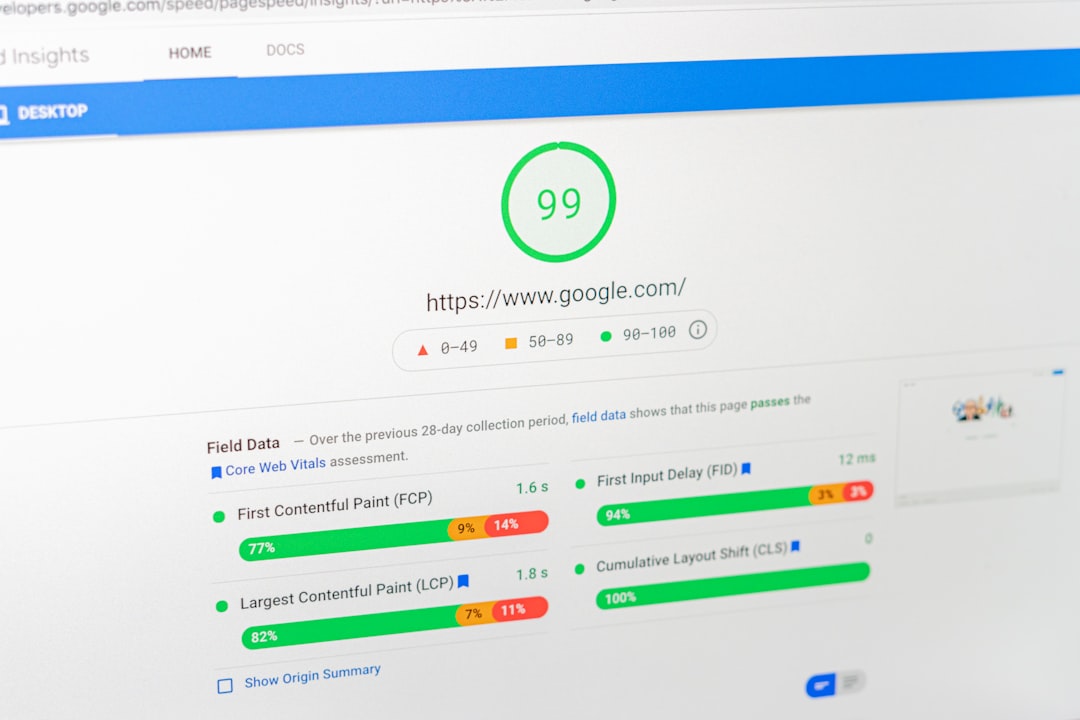
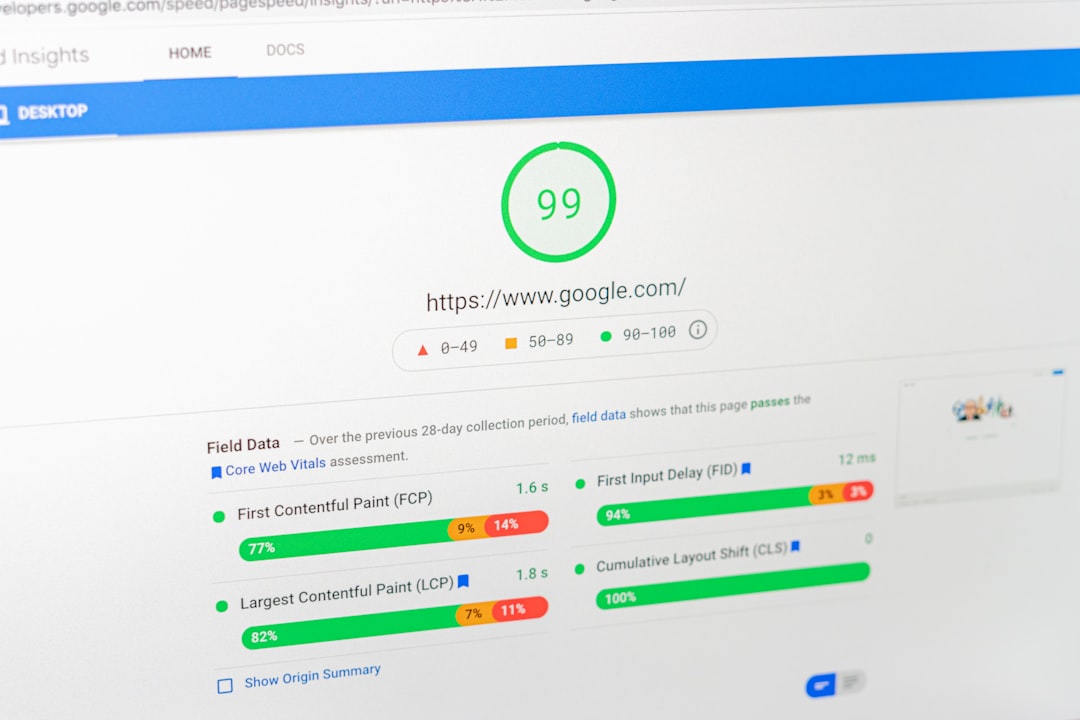
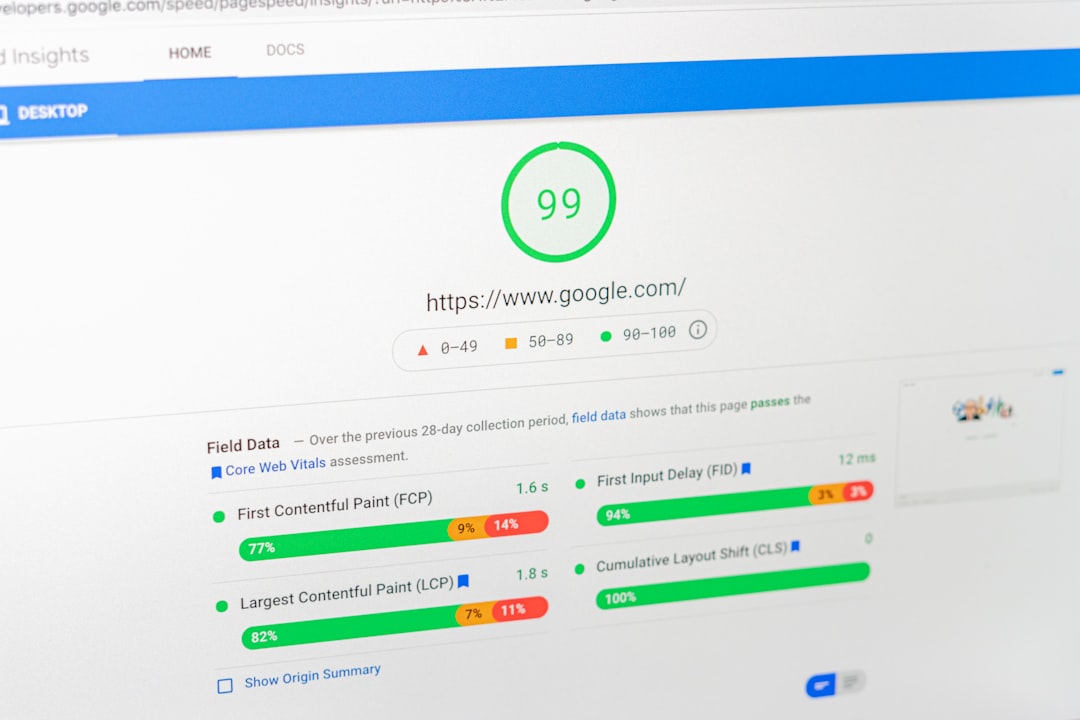
You do not need a perfect score. The goal is a site that loads cleanly, is easy to use, and makes each important page feel like the obvious next click for a local customer.
5. Measure what Google is already telling you

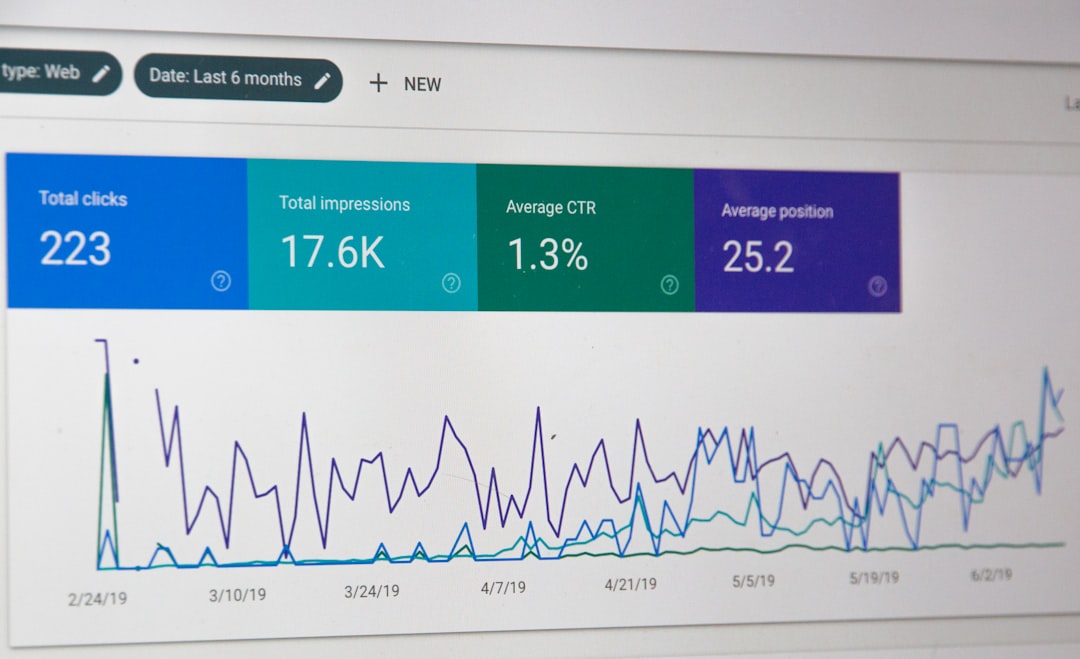
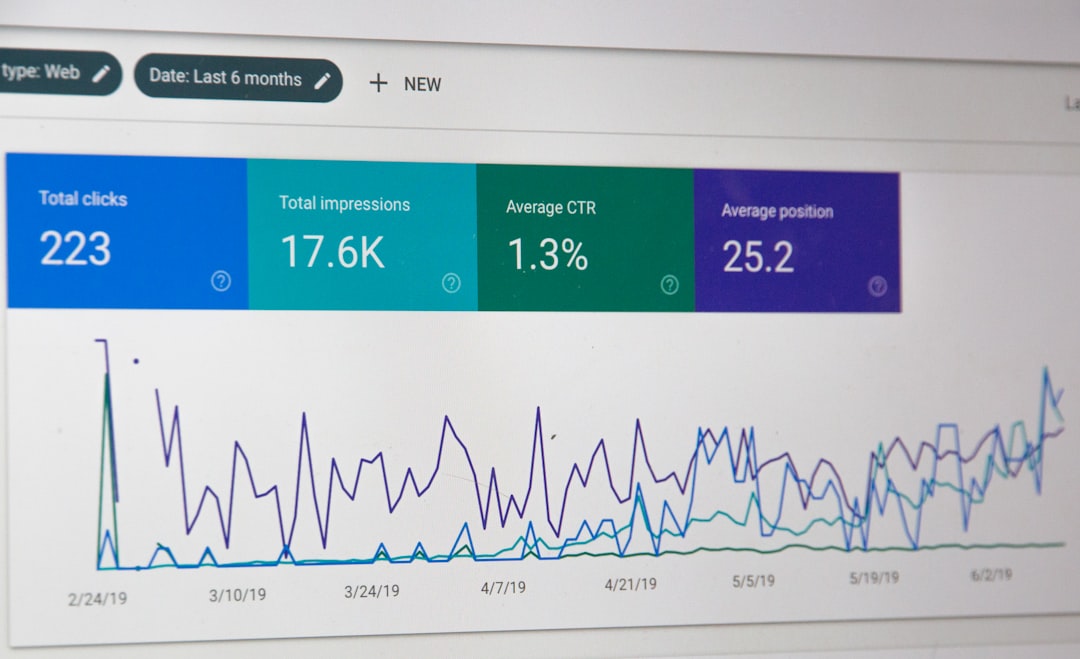
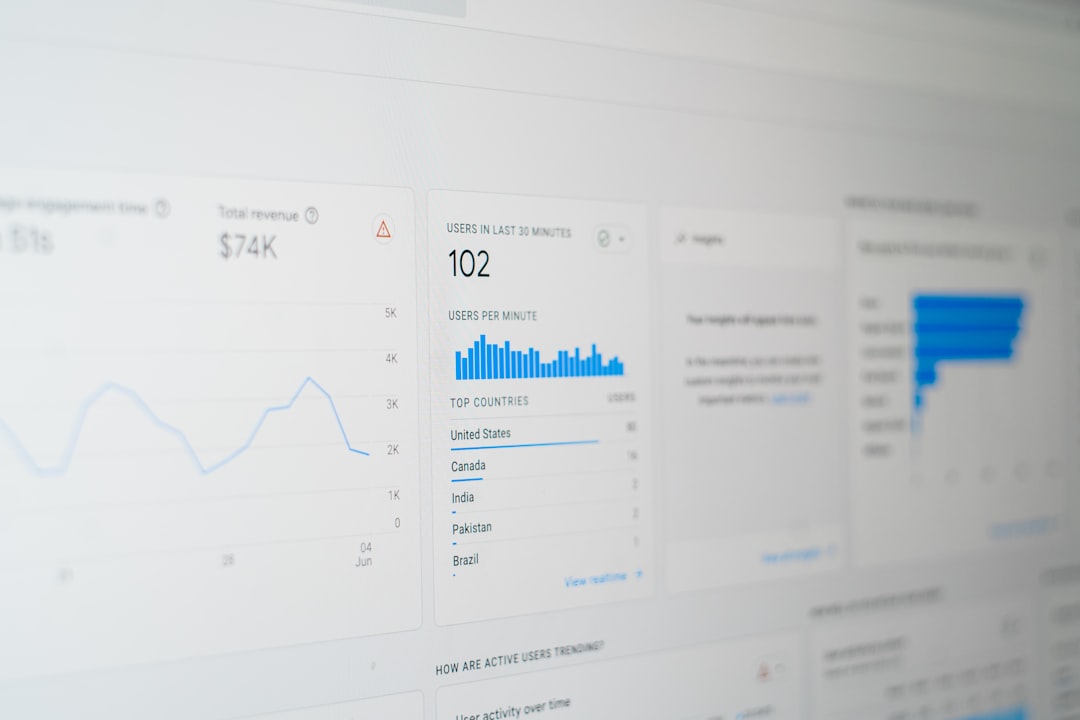
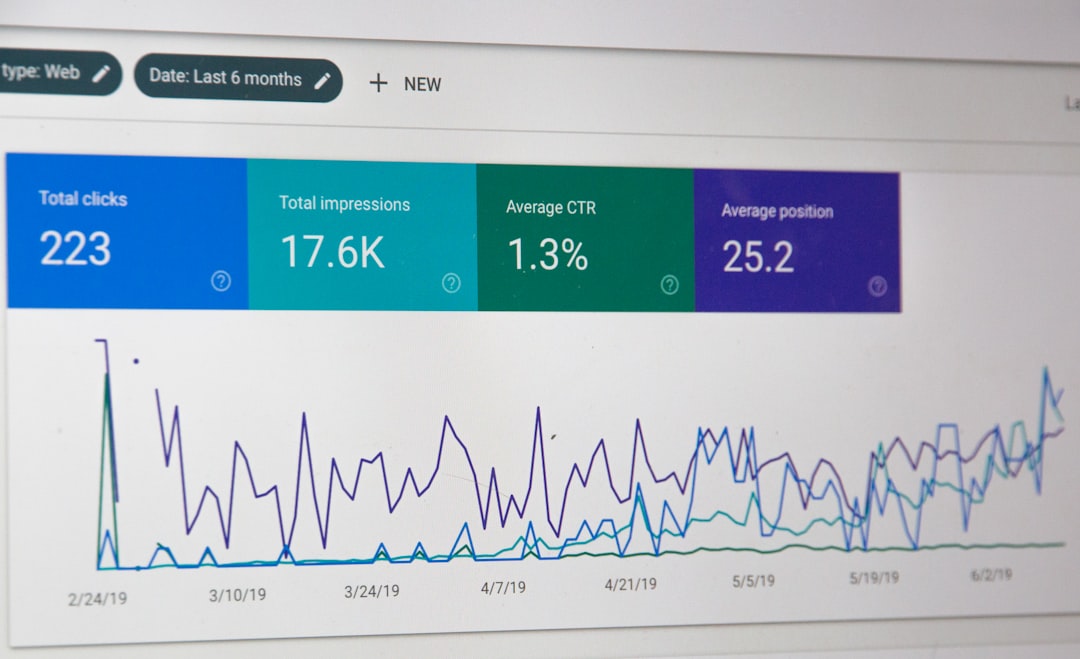
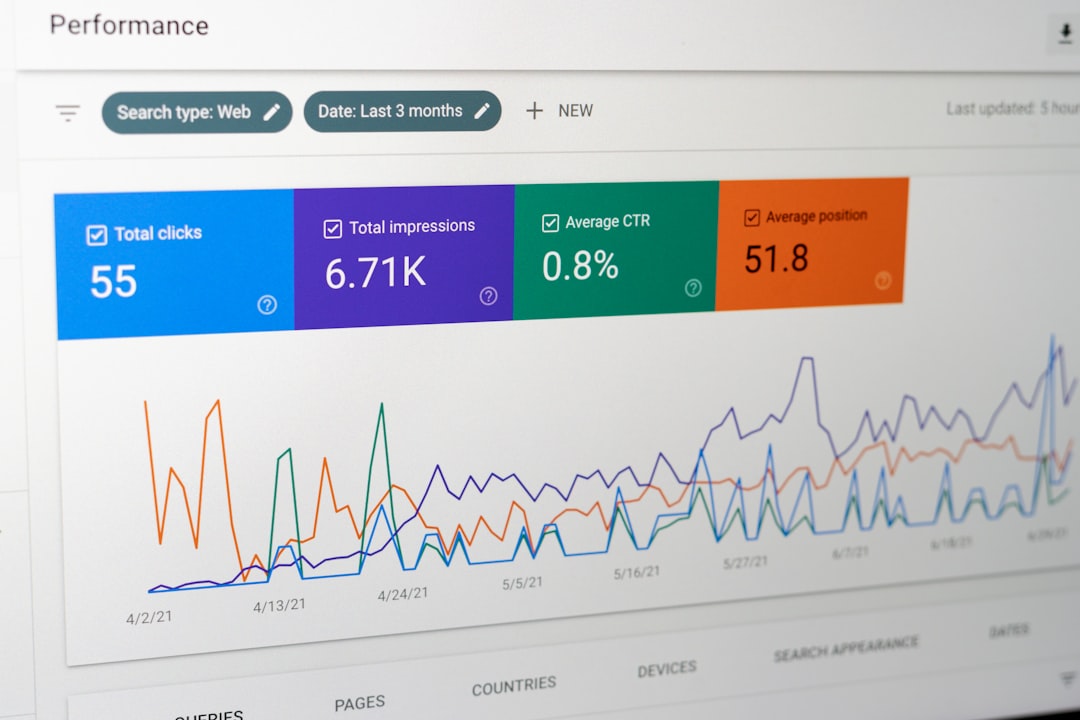
Search Console is usually the fastest way to spot what is holding a local page back. It shows clicks, impressions, average CTR, and average position, which makes it useful for finding pages that are visible enough to improve but not convincing enough to win the click.
Look for pages with rising impressions and weak clicks. That often points to a title problem or an intent mismatch. Look for pages showing up for the wrong towns or services. That can mean your targeting is too broad. Look for core service pages with almost no visibility at all. That usually points to structure, internal linking, or page quality before it points to a need for more blog posts.
If you are experiencing these symptoms, our team at WordPress SEO Expert can help. Book a free SEO consultation. No pitch, no pressure. Just an honest look at what your site actually needs and whether your current setup is part of the solution or part of the problem.
A simple 90-day plan for local businesses
Most local sites improve faster with a short roadmap than a long strategy document nobody executes. Fix the issues that block visibility before the issues that polish visibility.
| Timeframe | Primary focus | What to do |
|---|---|---|
| Days 1-30 | Core pages and local alignment | Refine homepage, service pages, business profile alignment, titles, and H1 structure. |
| Days 31-60 | Architecture and internal links | Improve navigation, connect related pages, remove duplication, and clean up archive clutter. |
| Days 61-90 | Support content and measurement | Publish supporting content tied to real customer questions and review Search Console for page-level opportunities. |
Common mistakes that keep local sites stuck
The most common local SEO mistakes are usually simple. Site owners publish thin location pages, target the same phrase across multiple URLs, ignore internal links, and spend too much time trying to satisfy plugin scoring systems.
Another common issue is expanding too early. If the homepage and main service pages are unclear, adding ten blog posts rarely fixes the real problem. One well-configured SEO plugin is enough. Running overlapping plugins often creates duplicate metadata, conflicting canonicals, and competing sitemap outputs.
When to get outside help
If your rankings stalled after a redesign, your location pages do not rank, or you cannot tell whether the issue is targeting, structure, or technical setup, outside help can save a lot of wasted time. The goal is not a massive audit document. The goal is a short list of fixes in the right order.
WordPress SEO Expert works with local businesses that need practical answers, not vague promises. We help identify which pages should be rebuilt, which signals are conflicting, and which technical issues are quietly suppressing visibility. Contact WordPress SEO Expert today to schedule a consultation.