

Low rankings usually come from a scattered plan, not one missing plugin. Most WordPress sites that stall in Google have a stack of smaller issues: weak title tags, messy internal links, duplicate URLs, thin category structure, or plugin overlap. The fastest gains usually come from fixing the issues that block visibility before the issues that polish visibility.
This is where WordPress SEO Expert starts. One clean setup, one clear priority order, and no chasing plugin scores that look impressive but do little for search performance. If you need a broader foundation before making changes, review our WordPress SEO best practices and our comparison of Yoast SEO vs Rank Math to avoid creating conflicts before you begin.
Start with indexing and crawl access
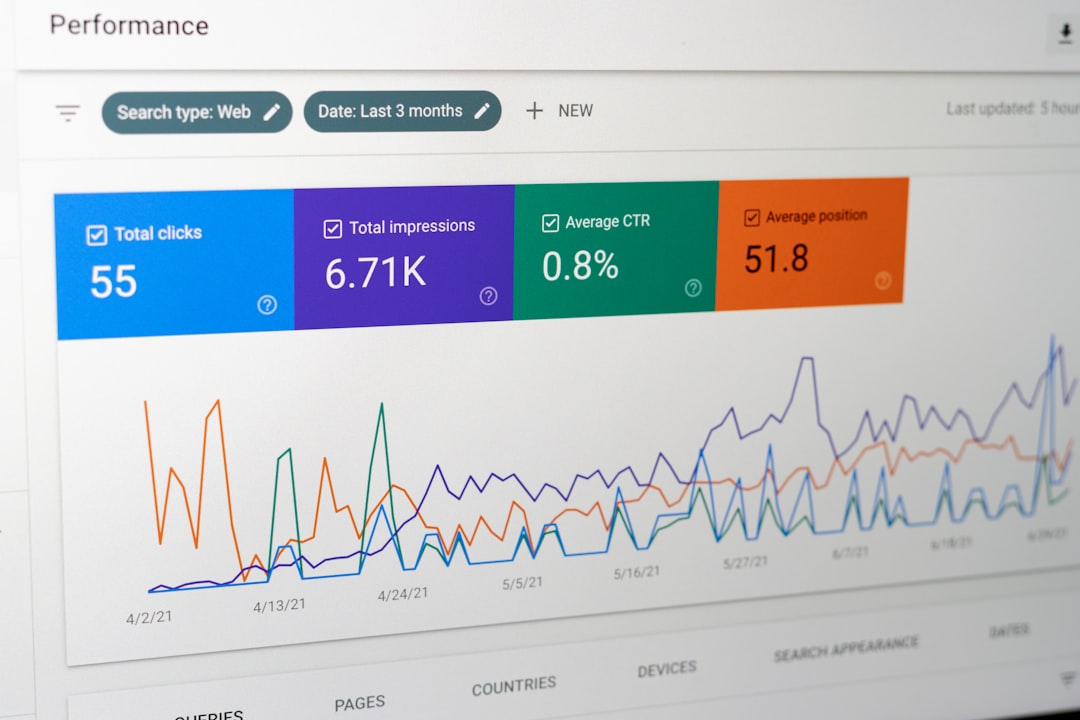
If Google cannot reliably crawl and index your important pages, better copy and cleaner metadata will not matter much. Check visibility settings, sitemap coverage, internal links, and page status codes before you touch anything else.
In WordPress, this means confirming that important service pages, product categories, and core articles are not blocked by noindex settings, accidental plugin rules, or weak navigation. Google recommends crawlable links and descriptive anchor text because they help search engines discover pages and understand site structure. If key pages only exist in a sitemap and are hard to reach through the site itself, fix that first.
Use one SEO plugin, not several
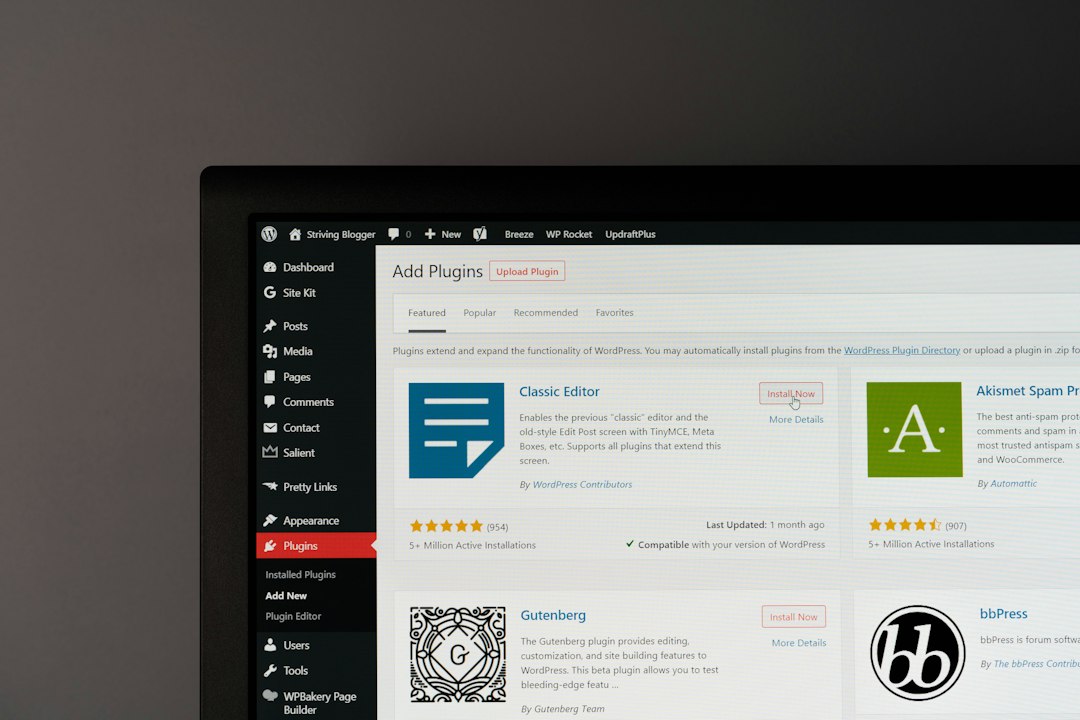
One well-configured SEO plugin is enough. Running overlapping plugins often creates duplicate metadata, conflicting canonicals, and competing sitemap outputs that make troubleshooting harder than it needs to be.
Choose one primary plugin, set your title templates, meta description defaults, archive indexing rules, and sitemap options, then leave the rest alone unless you have a reason to change it. A green light in an SEO plugin does not mean the page deserves to rank. The goal is not a perfect plugin score. The goal is a site that loads cleanly, describes pages clearly, and avoids sending mixed signals.
Write titles that match real search intent
Your title tag remains one of the strongest on-page signals you control. Keep it descriptive, concise, and distinct from other pages instead of repeating the same boilerplate across the site.
Google recommends descriptive, concise titles and warns against keyword stuffing and repetitive boilerplate. That matters because many WordPress sites still use titles that read like a list of terms rather than a clear promise to the searcher. If your title sounds like it was written for a plugin score, rewrite it for a human.
| Weak title | Stronger title |
|---|---|
| SEO Services | SEO Company | SEO Expert | WordPress SEO Services for Small Businesses |
| Blog | WordPress SEO Tips for Higher Google Rankings |
| Best SEO Plugin, SEO Plugin Best, SEO Tools | How to Choose One SEO Plugin for WordPress |
Use meta descriptions to improve clicks
Meta descriptions are not a direct ranking shortcut, but they can improve how well your page is summarized in search results. Good descriptions support the click after your title earns the impression.
Google may use the meta description when it summarizes the page better than the visible content alone. That means each important page should have a clear, specific description that matches the page intent. Avoid stuffing keywords or repeating the same description across dozens of URLs. Instead, explain what the page helps the visitor do, learn, or compare.
Fix duplicate URLs before publishing more content
Duplicate URL issues dilute signals and confuse search engines about which version of a page should rank. In many cases, cleaning this up is more valuable than publishing another article.
Common WordPress duplication problems come from tag archives, attachment pages, trailing slash inconsistencies, faceted navigation, and parameter-based URLs. WooCommerce stores often feel this more sharply because category filters and variation paths can create a large amount of low-value crawl noise. Decide which URL should be canonical, link to that version internally, and redirect outdated or unnecessary alternatives when needed.
If you are dealing with plugin decisions while sorting out duplicate content, our Yoast SEO vs Rank Math comparison can help you simplify the stack instead of adding to it.
Build internal links with intent
Internal linking helps Google discover pages, understand topic relationships, and recognize which URLs matter most on your site. It also keeps visitors moving instead of forcing them back to search results.
Link related articles to service pages, connect supporting blog posts to broader cornerstone content, and make sure high-value pages are not isolated. Use descriptive anchor text that tells readers what they will get after the click. For a stronger baseline, review our WordPress SEO best practices and use them as a structure check for your current content map.
If your site has solid articles that never rank, weak internal linking is often part of the problem. WordPress SEO Expert can help if you need a second set of eyes on which pages should support each other and which pages should be consolidated.
Keep your site structure simple
A simple site structure usually beats a clever one. Important pages should be easy to reach, grouped logically, and supported by categories that make sense to real visitors.
For small business sites, keep core service pages close to the main navigation. For content sites, use a small number of meaningful categories instead of creating endless tags that produce thin archives. For stores, watch for filter combinations that generate many crawlable URLs with very little standalone value. Clean structure reduces confusion for both users and search engines.
Improve speed without chasing perfect scores

Speed matters when slow pages hurt usability, especially on key templates like service pages, product pages, and blog posts. You do not need a perfect score. You need a site that loads reliably and does not frustrate visitors.
Start with the changes most likely to affect real experience: oversized images, excessive plugins, heavy scripts, weak caching, and bloated templates. Test important page types separately because your homepage may behave very differently from your blog or shop templates. Practical improvements usually outperform cosmetic score chasing every time.
Use schema carefully, not everywhere
Structured data can help search engines understand a page more clearly, but it is not a workaround for weak content or technical problems. Add schema that matches the visible content and skip the temptation to mark up everything.
Google’s structured data guidance warns against misleading markup and emphasizes that marked-up content should reflect what users can actually see on the page. In practice, that means choosing the right schema type for the page and keeping it accurate, not enabling every option a plugin offers just because it exists.
Format content for people first
Better rankings usually come from clearer pages, not longer ones. One focused topic, one clear H1, useful subheadings, and short readable sections often perform better than bloated content trying to target every variation at once.
Do not split one topic into several thin posts just to chase slightly different phrases. Consolidate overlap where it makes sense, improve the page that already has some traction, and support it with stronger internal links. Helpful, people-first content usually looks cleaner, answers the question faster, and avoids the awkward phrasing that plugin checklists can encourage.
What to fix first on most WordPress sites
Most site owners do not have one catastrophic problem. They have a stack of smaller issues that compound over time. This order helps you prioritize the fixes most likely to improve visibility.
| Priority | What to check first | Why it matters |
|---|---|---|
| 1 | Indexing settings and crawl access | Pages cannot rank if search engines cannot reach or index them properly |
| 2 | Canonical, redirect, and duplicate URL setup | Prevents diluted signals and conflicting page versions |
| 3 | Title tags and page intent | Improves relevance and click potential |
| 4 | Internal linking | Strengthens discovery, hierarchy, and topic relationships |
| 5 | Template speed and usability | Improves real user experience on important pages |
| 6 | Content depth and formatting | Helps pages satisfy search intent more clearly |
| 7 | Schema and sitemap cleanup | Supports cleaner technical signals |
If you are not sure what belongs at the top of your list, WordPress SEO Expert can help. Book a free SEO consultation. No pitch, no pressure. Just an honest look at what your site actually needs and whether your current setup is part of the solution or part of the problem.
What to stop doing
Stop treating plugin indicators as proof your page is optimized. Stop stacking tools that do the same job. Stop publishing thin near-duplicates when one stronger page would serve users better.
The goal is not more SEO activity. The goal is clearer signals, stronger pages, and a simpler setup that is easier to maintain. That is usually how higher rankings happen over time: fewer conflicts, better prioritization, and content that actually deserves the click.
The next step
The best next move is usually a focused review of your highest-value pages, not a sitewide rewrite. Start with pages tied to leads, sales, or existing impressions, then work outward once the foundation is stable.
Contact WordPress SEO Expert today to schedule a consultation. We will help you determine whether your rankings are being held back by technical SEO, weak on-page signals, poor internal linking, or content overlap that has been quietly compounding for months.

















