

You have probably read three “Yoast SEO vs Rank Math” comparisons already and still are not sure which one to install. Here is the honest answer: neither plugin will rank your site by itself. What matters is whether the plugin fits your site type, your workflow, and your budget without creating technical clutter. This comparison skips the feature-bragging and focuses on what each plugin actually does well, where each one falls short, and which one makes sense depending on whether you are running a blog, a WooCommerce store, a multi-language site, or managing client sites.
For a broader look at how these two stack up against other options like SEOPress and AIOSEO, see our best SEO plugin for WordPress in 2026 guide. This post goes deeper on the Yoast vs Rank Math question specifically, so you can make a confident choice without second-guessing yourself a week later.
Why This Comparison Matters (and Doesn’t)
The Yoast SEO vs Rank Math question matters because these are the two plugins most DIY site owners end up choosing between, and the wrong pick creates friction you will deal with for months. Switching plugins later means migrating meta titles, descriptions, redirects, and schema settings. That is not catastrophic if done on a staging site, but it is avoidable if you pick the right tool the first time.
Here is why it also does not matter as much as the plugin marketing suggests: both plugins handle the fundamentals competently. Both generate XML sitemaps. Both let you write custom meta titles and descriptions. Both output schema markup. Both control indexing for archive pages. The gap between them is not “one works and one does not.” The gap is in which features are free, how the interface works, how much each one costs at scale, and which specific capabilities match your site type.
As we noted in our WordPress SEO mistakes to avoid guide, the most common plugin mistake is treating your SEO plugin like an SEO strategy. Installing Yoast or Rank Math does not optimize your site. It gives you controls. The real work is keyword mapping, content quality, internal linking, and technical cleanup. Pick the plugin that makes those controls easiest to manage for your situation, then focus on the work that actually moves rankings.
Feature-by-Feature Comparison

Here is where the two plugins actually differ, feature by feature, with an honest assessment of whether each difference matters for a typical DIY WordPress site.
| Feature | Yoast SEO (Free) | Rank Math (Free) | Does this actually matter? |
|---|---|---|---|
| Focus keywords per post | 1 | 5 | Somewhat. Multiple keywords help if you genuinely target several variations on one page. For most DIY sites, one well-chosen focus keyword is enough. |
| Redirect manager | No (Premium only) | Yes | Yes, if you ever change URLs or delete pages. Rank Math includes this free. Yoast requires Premium or a separate plugin like Redirection. |
| 404 error monitoring | No | Yes | Moderate. Useful on larger sites. On a 10-page business site, you will rarely need it. |
| Google Search Console integration | No (Premium shows basic data) | Yes, in dashboard | Convenient but not essential. You can check GSC directly. Having it in WordPress saves a tab. |
| Schema markup types | Basic (graph-based, interconnected) | 18+ types in free | Depends on site type. A blog needs Article schema (both do this). A local business needs LocalBusiness (Rank Math free includes it; Yoast requires the Local SEO add-on). A review site needs Review schema (Rank Math free includes it; Yoast does not). |
| Internal linking suggestions | No (Premium only) | Yes (basic in free, AI-powered in Pro) | Yes for content-heavy sites. If you publish regularly, automatic suggestions save real time. Yoast locks this behind Premium. |
| Readability analysis | Yes (Flesch-Kincaid based) | Yes (similar) | Marginally. Both flag long sentences and passive voice. Yoast’s is more refined and includes inclusive language analysis. Neither replaces human judgment. |
| Breadcrumbs | Yes | Yes | No difference. Both handle this well. |
| WooCommerce product schema | No (requires paid add-on) | Yes, free | Major for stores. Rank Math includes product schema and category-level SEO at no cost. Yoast bundles WooCommerce SEO in its Plugin Subscription at a higher price point. |
| Multi-language / WPML compatibility | Yes (long track record) | Yes (newer but functional) | Matters for multi-language sites. Both work with WPML and Polylang. Yoast has a longer integration history and fewer edge-case bugs with complex translation setups. |
| Social previews (Facebook, Twitter) | Yes (Premium adds more control) | Yes, free | Minor. Both let you set Open Graph images. Rank Math includes social previews free. |
| Admin interface | Clean but heavy on upsell banners | Feature-dense, setup wizard | Subjective. Yoast is simpler for beginners. Rank Math’s setup wizard is excellent but the dashboard can feel overwhelming initially. |
Performance and Resource Usage
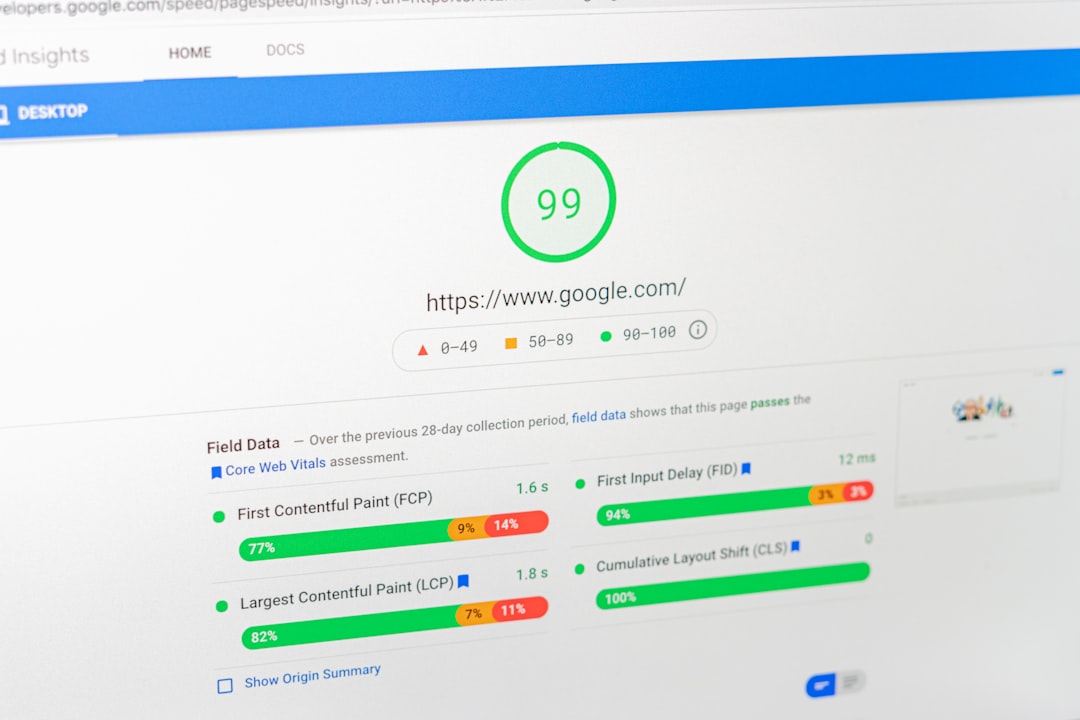
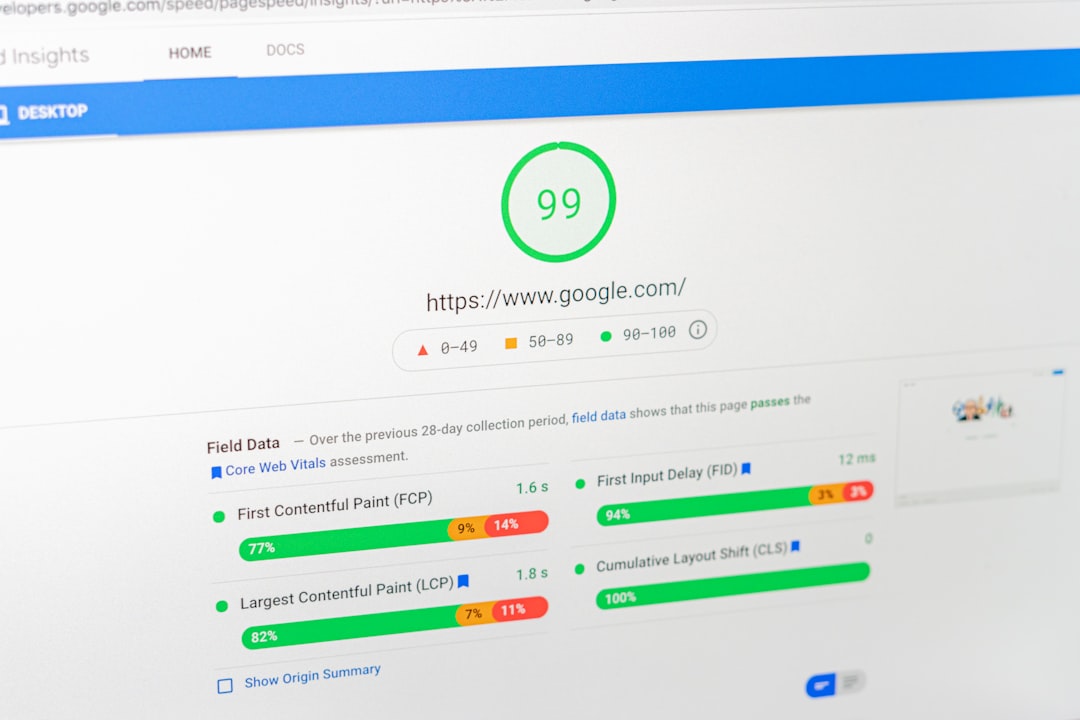
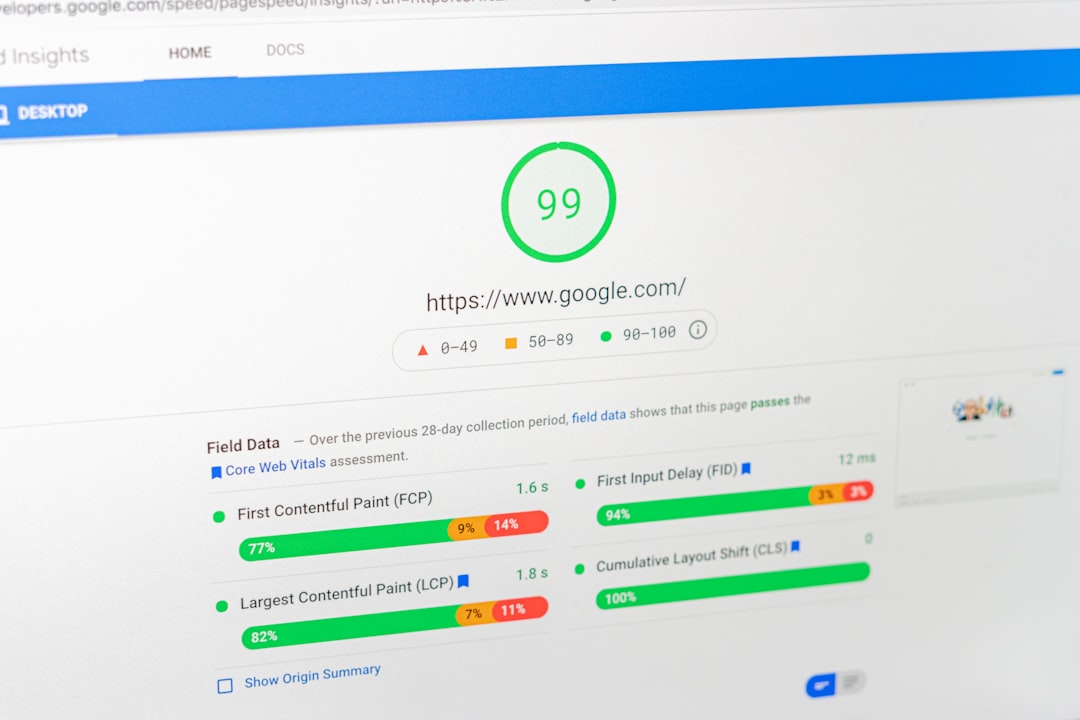
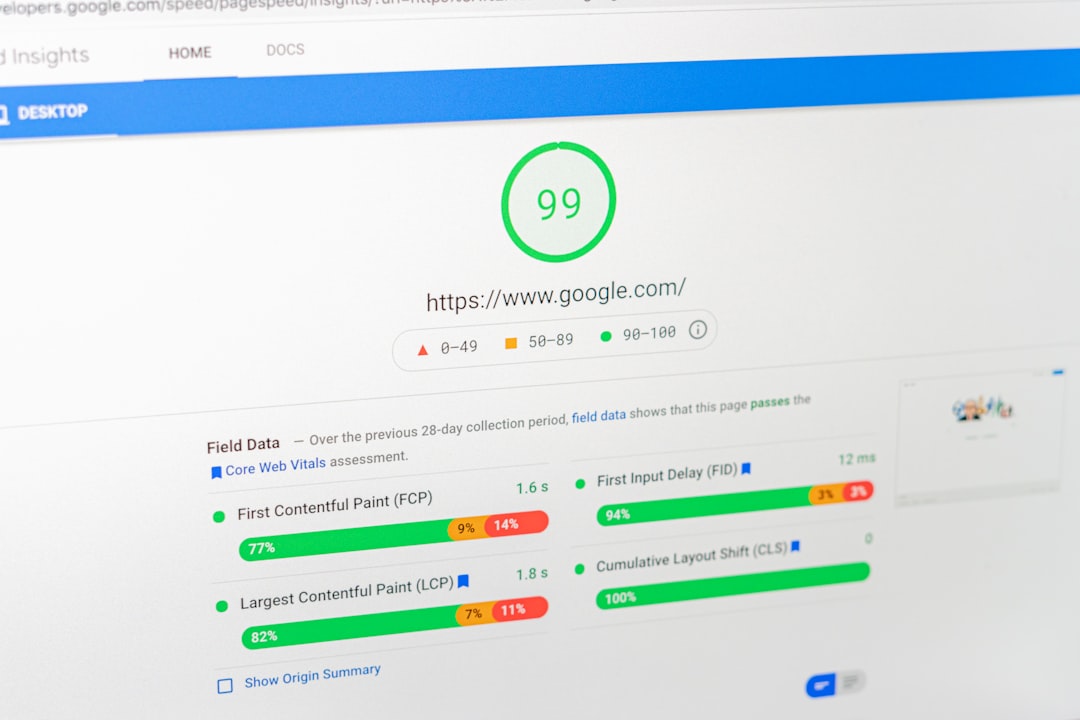
Both plugins are well-coded and neither will tank your Core Web Vitals on its own. The performance difference is measurable but small, and it depends more on which modules you have activated than on which plugin you choose.
Rank Math’s modular advantage
Rank Math uses a modular architecture. It only loads the code for features you have turned on. If you disable the 404 monitor, the analytics module, and the rank tracker, those scripts do not execute. On a lean blog with minimal modules active, Rank Math loads light. On a fully-loaded install with every module enabled, it adds more weight.
Yoast’s consistent footprint
Yoast loads its core functionality consistently regardless of which features you use. The free version’s footprint is moderate and stable. The Premium version adds the AI features, redirect manager, and internal linking tools, which increase the load slightly. In practice, the difference between Yoast free and Rank Math free on a typical page is a few kilobytes and a few milliseconds, not something most visitors or search engines will notice.
What actually matters for performance
If you are serious about page speed, the plugin choice is not where you will find your biggest wins. As we detail in our WordPress site speed guide, the real performance gains come from image compression, caching configuration, removing unnecessary plugins, and cleaning up bloated page builders. A 4MB hero image drops to 600 to 900KB as WebP, a 75 to 85% reduction. That single fix improves LCP more than switching from Yoast to Rank Math ever will.
The one performance consideration that does matter: do not run both plugins at once. Installing Yoast and Rank Math simultaneously causes conflicting meta tags, duplicate sitemaps, and overlapping schema output. Install one and only one. If you want to switch, deactivate and uninstall the old one first, then use the new plugin’s import wizard.
When Yoast Makes More Sense
Yoast SEO is the better choice when you value a long track record, a simpler interface, and an established workflow that your team or content contributors already know. Here are the specific situations where Yoast wins.
You are already using Yoast and it works
If Yoast is installed, configured, and your site is performing reasonably well, there is no compelling reason to switch. Migration carries real risk: disrupted metadata, schema gaps, redirect data loss. The gains from switching to Rank Math are incremental for most established sites. Stay, configure Yoast properly, and spend your time on content and internal linking instead.
You run a multi-language site with WPML
Yoast has a longer integration history with WPML and Polylang. The Yoast + WPML combination has been battle-tested across thousands of multilingual WordPress sites, and the documentation ecosystem around it is deeper. Rank Math does support WPML and Polylang, but if you are running a complex multi-language setup with multiple content types and custom taxonomies, Yoast’s track record here reduces edge-case risk.
You have an editorial team
Yoast’s readability analysis, inclusive language checks, and the familiar traffic-light system are genuinely useful for training writers who are not SEO specialists. If you have multiple contributors publishing content, the Yoast interface gives them a consistent, simple framework. The green-light system is not a ranking guarantee, but it does catch common issues: missing meta descriptions, keyword-free headings, overly long paragraphs.
You need Yoast’s interconnected schema graph
Yoast generates a unified, interconnected schema graph across your entire site rather than loose blocks of markup. This means your Organization, WebSite, BreadcrumbList, and Article schema all reference each other correctly. For sites where rich results matter and schema accuracy is critical, this is an underrated strength. A full review of Yoast Premium’s schema capabilities would walk through this in detail.
When Rank Math Makes More Sense

Rank Math is the better choice when you want the most capable free tier available, you need features Yoast paywalls, or you are managing multiple sites and need cost efficiency. Here are the specific situations where Rank Math wins.
You are starting a new site
For a fresh WordPress install, Rank Math free gives you more out of the box than Yoast free. You get a redirect manager, 404 monitoring, Google Search Console integration, five focus keywords per post, 18 schema types, and internal linking suggestions, all at zero cost. If you are building your first site or your fifth, starting with Rank Math means you will not hit a paywall as quickly.
You run a WooCommerce store
This is where Rank Math’s free tier creates the widest gap. Rank Math free includes product schema markup, breadcrumb SEO for product and category pages, and category-level SEO optimization. Yoast requires its WooCommerce SEO add-on for these features, which is bundled in the Plugin Subscription tier at a higher annual cost per site. For a DIY store owner watching budget, Rank Math free handles WooCommerce SEO fundamentals without requiring a paid upgrade.
That said, WooCommerce SEO involves more than plugin settings. Filter URLs, duplicate product variations, and pagination bloat are common issues that no plugin solves automatically. If your store has crawl or duplication problems, a technical SEO review can pinpoint whether the issue is plugin configuration or deeper architecture.
You manage multiple sites
Yoast uses per-site pricing. Each site is billed separately at $118.80 per year for Premium. Five client sites costs roughly $594 annually just for the plugin. Rank Math Pro covers unlimited personal websites for approximately $96 per year (introductory pricing, with renewals at a slightly higher rate). For anyone managing more than two or three personal sites, the cost difference is significant.
Important licensing note: Rank Math Pro is licensed for personal websites you own. If you install it on client sites, you need the Business plan, which supports up to 100 client sites. Read the licensing terms before assuming one subscription covers everything.
You want built-in rank tracking
Rank Math Pro includes keyword rank tracking for up to 500 keywords, pulling data from Google Search Console. A standalone rank tracker at this keyword volume would cost $30 to $60 per month separately. If you want to monitor rankings inside WordPress without paying for another tool, Rank Math Pro consolidates that functionality.
What About the Free vs Paid Tiers?
Most DIY site owners do not need the paid version of either plugin. The free tiers of both Yoast and Rank Math cover the fundamentals: meta titles, meta descriptions, XML sitemaps, basic schema, and indexing controls. The question is where the free tier stops and whether the paid features solve a problem you actually have.
| Tier | Yoast SEO | Rank Math |
|---|---|---|
| Free | 1 focus keyword, basic schema, XML sitemaps, meta tags, readability analysis, breadcrumbs. No redirects, no 404 monitor, no GSC integration. | 5 focus keywords, 18 schema types, redirect manager, 404 monitor, GSC integration, internal linking suggestions, social previews. The most feature-complete free tier available. |
| Paid (per site/year) | $118.80/year (Premium). Adds redirects, 5 keywords, internal linking suggestions, AI tools, orphaned content detection, IndexNow. Now bundles Local SEO, Video SEO, and News SEO add-ons. | ~$96/year intro (Pro, unlimited personal sites). Adds 500-keyword rank tracking, 840+ schema types, Content AI, advanced schema templates. Business plan (~$300/year) needed for client sites. |
| Best free tier for | Simple blogs and business sites with fewer than 50 pages where you only need basic on-page controls. | New sites, WooCommerce stores, content sites, and anyone who wants redirects and schema without paying. |
| Best paid tier for | Editorial teams that need internal linking suggestions and readability tools, plus local business sites that benefit from the bundled Local SEO add-on. | Solo creators and affiliate marketers who want rank tracking and advanced schema inside WordPress. Agencies managing client sites should evaluate the Business plan. |
One practical tip: if you are on Yoast free and the only Premium feature you need is redirect management, install the free Redirection plugin instead of upgrading. It handles 301s competently and costs nothing. If you need multiple focus keywords or advanced schema, that is when comparing Rank Math free against Yoast Premium becomes worthwhile.
If you want to see how AIOSEO fits into this picture, it is another contender worth evaluating, particularly if you prefer a dashboard-style reporting view. Each plugin has a slightly different philosophy, and the right choice depends on which interface and feature set matches your workflow.
Decision: Which Should You Install?
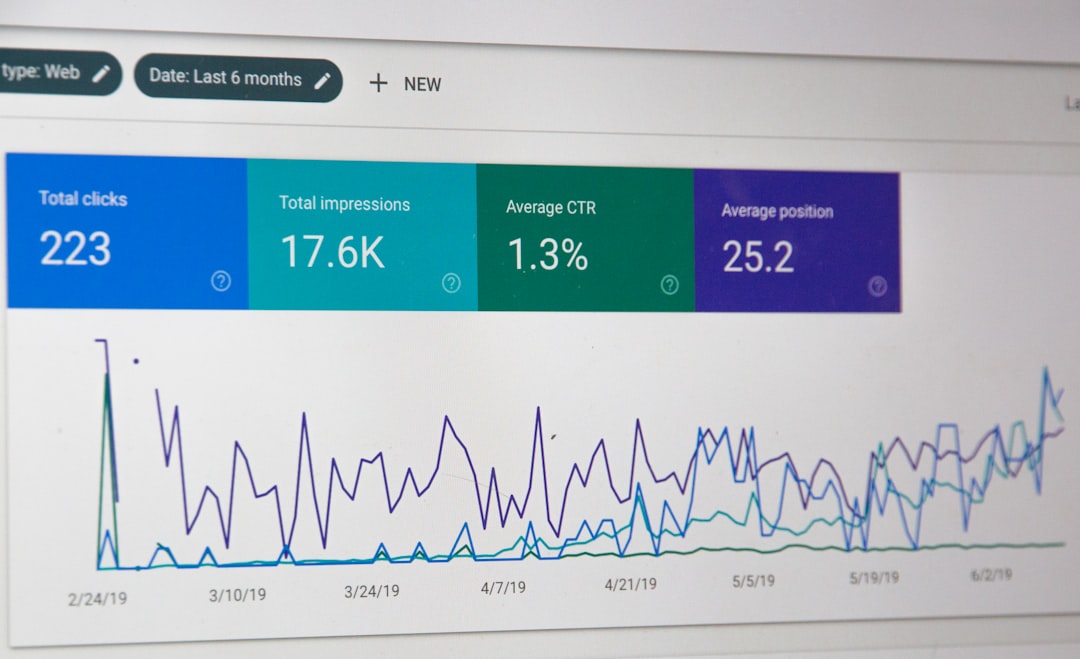
Here is the decision matrix. Find your site type and follow the recommendation.
| Site type | Recommended plugin | Why |
|---|---|---|
| Personal blog (new) | Rank Math Free | Most capable free tier. Redirect manager, schema, and GSC integration included at no cost. You will not hit a paywall quickly. |
| Personal blog (already on Yoast) | Stay on Yoast | Migration risk outweighs incremental gains. Configure Yoast properly and focus on content. |
| WooCommerce store | Rank Math Free or Pro | Product schema, breadcrumb SEO, and category optimization included free. Yoast requires a paid add-on for the same features. |
| Multi-language site (WPML/Polylang) | Yoast | Longer integration history with WPML. Fewer edge-case bugs in complex translation setups. Deeper documentation ecosystem. |
| Local business site | Either (Yoast Premium if budget allows) | Rank Math free includes LocalBusiness schema. Yoast Premium bundles the Local SEO add-on with mapping and multiple locations. Choose based on budget and whether you need the extra local features. |
| Agency managing 5+ client sites | Rank Math Business | 100 client sites for ~$300/year total. Yoast at the same scale would cost $594+ annually. Evaluate whichever plan fits your agency’s budget and licensing needs. |
| Editorial team with multiple writers | Yoast (Free or Premium) | Readability analysis and traffic-light system are better for training non-SEO writers. Premium adds internal linking suggestions that scale across a content team. |
| Single business site, simple needs | Either free version | Both handle meta tags, sitemaps, and basic schema competently. Pick whichever interface you find more intuitive and move on to content and internal linking. |
The plugin choice is the easy part. Configuring it correctly for your site type, getting your schema right, cleaning up indexing issues, and making sure Google is actually seeing what you think it is seeing, that is where most DIY sites get stuck. As we cover in our guide to optimizing WordPress SEO, the settings that matter most are title tag templates, archive indexing rules, sitemap submission, and schema type configuration, regardless of which plugin you use.
If you have worked through the setup and your rankings are still stuck, or if you are not sure whether your current plugin configuration is helping or quietly hurting you, WordPress SEO Expert can help. A professional audit pinpoints exactly where the bottlenecks are, whether that is plugin settings, crawl issues, content gaps, or technical conflicts you cannot see from the dashboard. Review our on-page SEO services or see how we handle technical SEO if you want a second set of eyes before changing anything.
Book a free SEO consultation. No pitch, no pressure. Just an honest look at what your site actually needs and whether your current plugin setup is part of the solution or part of the problem.
Frequently Asked Questions
Can I use Yoast SEO and Rank Math at the same time?
No. Running both plugins simultaneously causes conflicts in meta tags, XML sitemaps, and schema output. Install one and only one SEO plugin. If you want to switch, deactivate and uninstall the old one first, then use the new plugin’s import wizard to migrate your settings.
Is Rank Math free really better than Yoast Premium?
For raw feature count, yes. Rank Math free includes a redirect manager, 404 monitoring, five focus keywords per post, 18 schema types, and Google Search Console integration, all of which Yoast keeps behind its paid tier. However, Yoast Premium’s internal linking suggestions, readability analysis, and interconnected schema graph are genuinely strong and have no direct equivalent in Rank Math free. The right answer depends on which features matter to your workflow.
Will switching from Yoast to Rank Math hurt my rankings?
If done correctly, switching should not cause ranking drops. Rank Math includes an import wizard that transfers your existing meta titles, descriptions, and redirects from Yoast. The risk comes from skipping the import step or switching on a live site without testing first. Always test on a staging environment, export your current settings as a backup, and verify your sitemap and schema output after switching.
Which plugin is better for WooCommerce stores?
Rank Math is the stronger choice for most WooCommerce stores. Its free version includes product schema markup, breadcrumb SEO for category and product pages, and category-level SEO optimization without requiring a paid add-on. Yoast offers these features through its WooCommerce SEO add-on, which is bundled in its higher-tier Plugin Subscription. For budget-conscious store owners, Rank Math free handles the fundamentals well.
How much does Yoast Premium cost compared to Rank Math Pro?
Yoast Premium costs $118.80 per year per site, with no multisite discounts. Rank Math Pro costs approximately $96 per year (introductory pricing) for unlimited personal websites, with renewals at a slightly higher rate. For a single site, the difference is modest. For anyone managing multiple sites, Rank Math’s pricing scales far better. Note that Rank Math Pro is licensed for personal sites only; client sites require the Business plan at a higher tier.









Pingback: WordPress SEO Checklist Setup Guide
Pingback: WordPress SEO Checklist for 2026
Pingback: Advanced WordPress SEO Checklist
Pingback: WordPress SEO Checklist That Actually Helps
Pingback: How Experts Handle WordPress SEO
Pingback: WordPress SEO Tips for Faster Growth