
Local SEO for WordPress usually stalls because the plan is scattered, not because one plugin setting is wrong. The pages may be decent, but the service areas are unclear, the Google Business Profile is underused, and the site structure does not reinforce local relevance. A workable strategy fixes those pieces in order.
Most local businesses do not need a massive content calendar to grow search visibility. They need clear service pages, location signals that match what customers actually search, strong internal linking, and a technically clean WordPress setup. Google emphasizes helpful, reliable, people-first content, so the strategy should start with real customer needs instead of plugin scores or keyword stuffing.
What a local WordPress SEO strategy should include
A strong local strategy has five parts: keyword targeting, location relevance, page structure, Google Business Profile alignment, and measurement. If one of those is weak, rankings often flatten even when you keep publishing. This is similar to the broader framework in our WordPress SEO strategy for small business, but local businesses need tighter geographic targeting.
Start by mapping one main topic to each important page. Your homepage should target the broad service and primary market. Service pages should target specific buyer-intent searches. Location pages should cover real service areas with useful local details, not spun copy. Blog content should support those pages by answering pre-sale questions.
Step 1: Build pages around local search intent

The fastest way to waste time in local SEO is to target broad terms without local intent. A local business should usually prioritize service-plus-location searches, then support them with informational content that helps nearby customers choose, compare, or take the next step.
In practice, that means separating your pages into three groups. First, money pages such as core service pages and real location pages. Second, trust pages such as reviews, FAQs, process pages, and case studies. Third, blog content that answers questions people ask before calling. That structure keeps the site focused and reduces overlap between pages.
A weak approach is one generic page trying to rank everywhere. A stronger approach is a clear service page supported by city or area pages only where you can add genuine local value. If three pages all target the same service in the same city, Google gets mixed signals about which one should rank.
Step 2: Match your Google Business Profile to your site
Your site and your Google Business Profile should reinforce each other. Google says local results are mainly based on relevance, distance, and prominence, so your profile details, service descriptions, categories, and website pages need to tell the same story.
Make sure your business name, phone number, hours, service categories, and service areas are accurate and consistent. Your core landing pages should reflect the same services named in your profile. If the profile highlights one service but the website buries it, local relevance weakens. If you need help sorting out those inconsistencies, WordPress SEO Expert can help identify where your local signals conflict.
Step 3: Fix site structure before adding more content

Many local business sites already have enough content. The real issue is that important pages are hard to reach, poorly linked, or buried under thin posts and archive pages. Structure usually matters more than volume when rankings are stuck.
Your primary services should be reachable within a few clicks from the homepage. Navigation should reflect how customers shop, not how your backend is organized. Internal links should use descriptive anchor text so users and search engines can understand the destination page. Google recommends descriptive, concise titles and relevant link text, which is why vague anchors and boilerplate page titles hold local sites back.
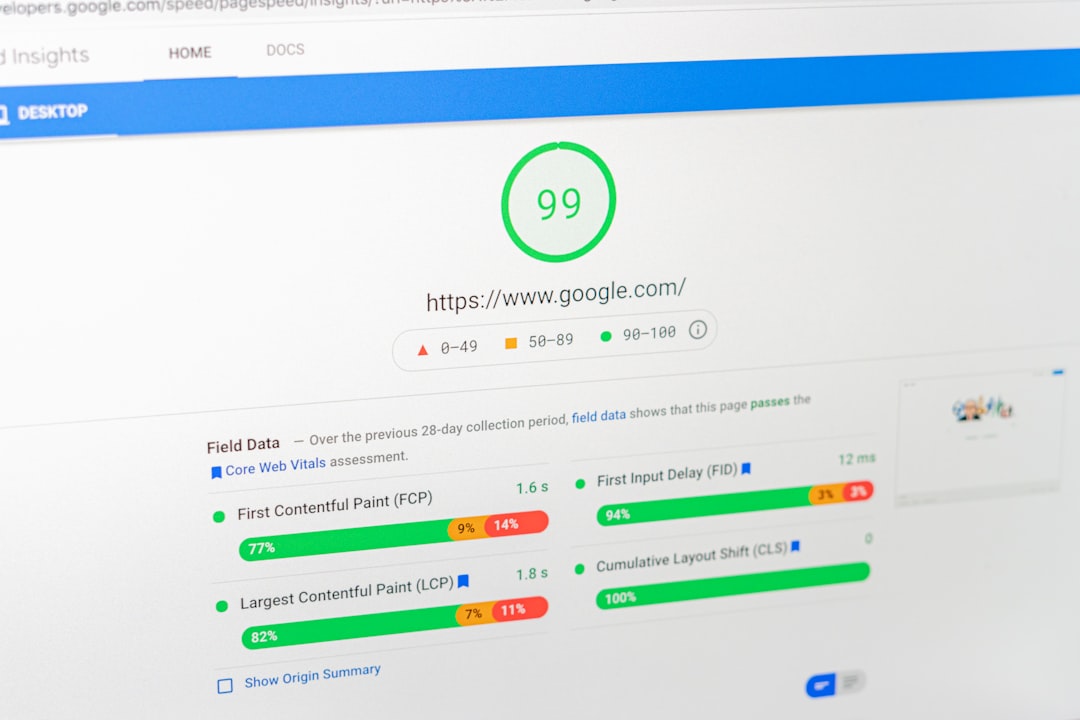
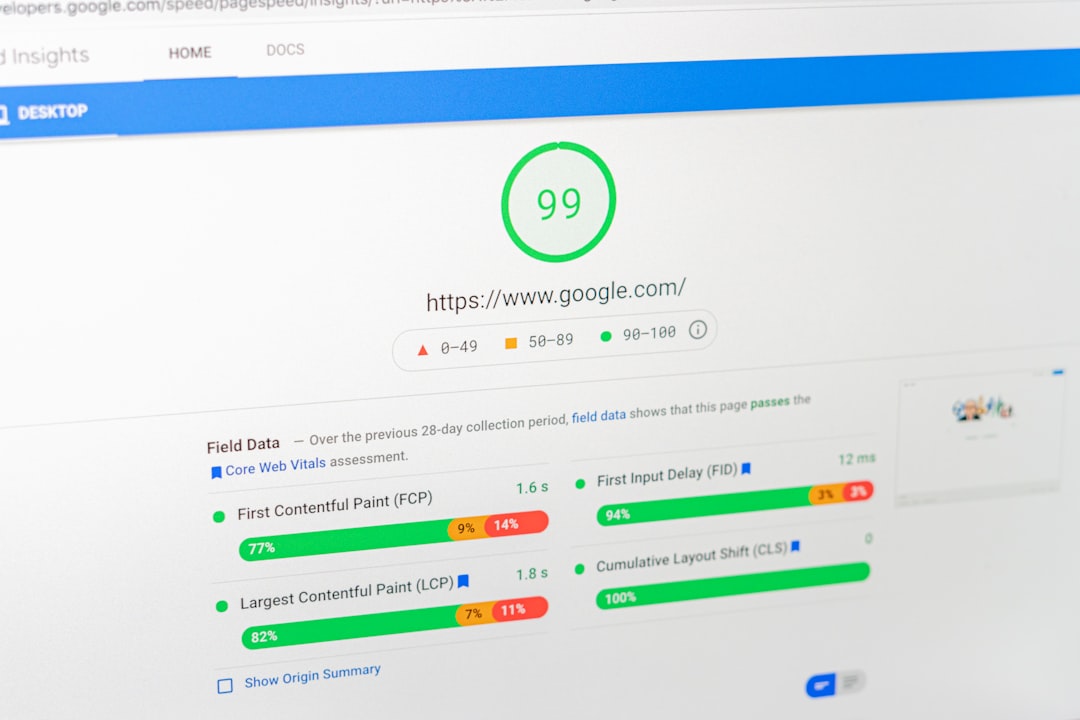
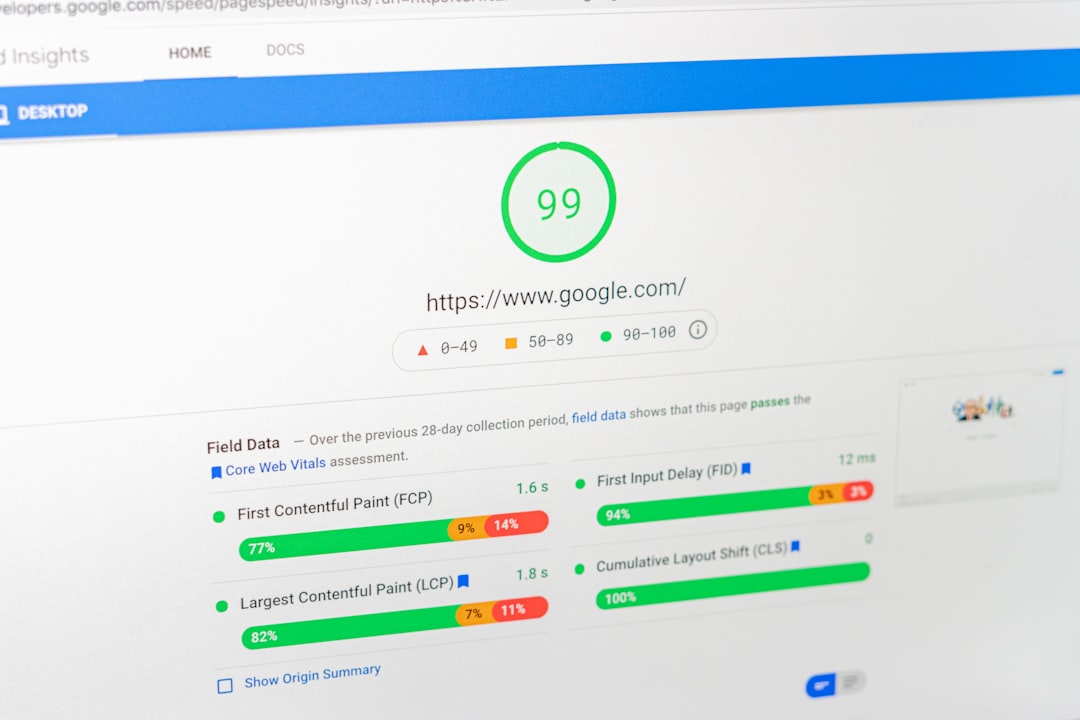
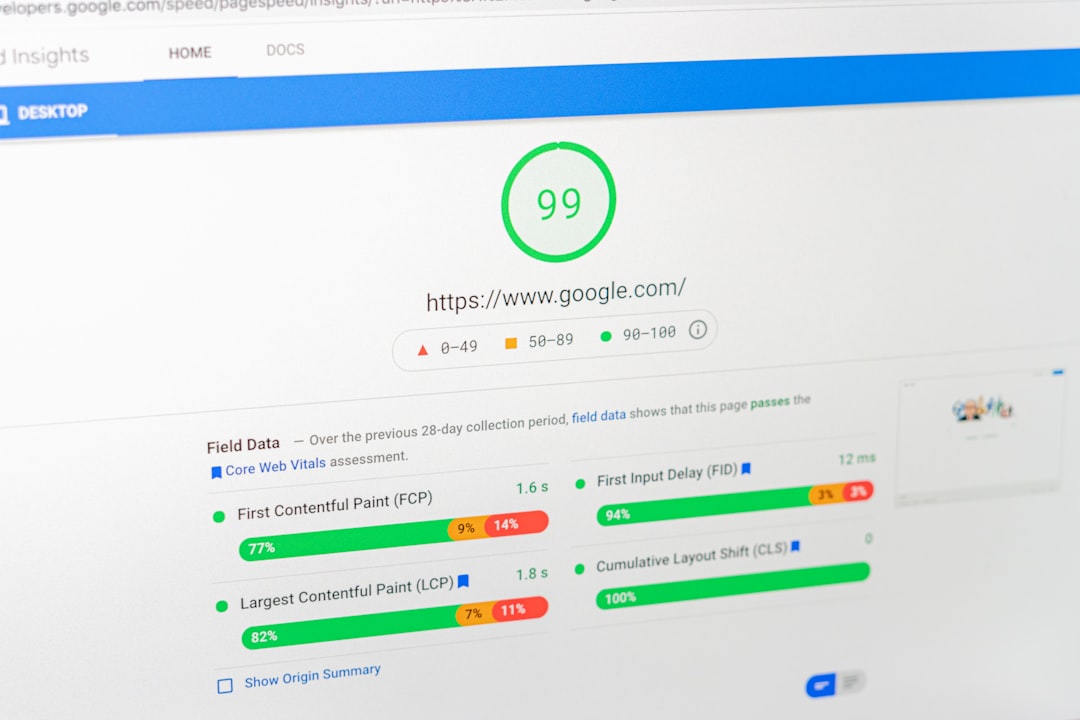
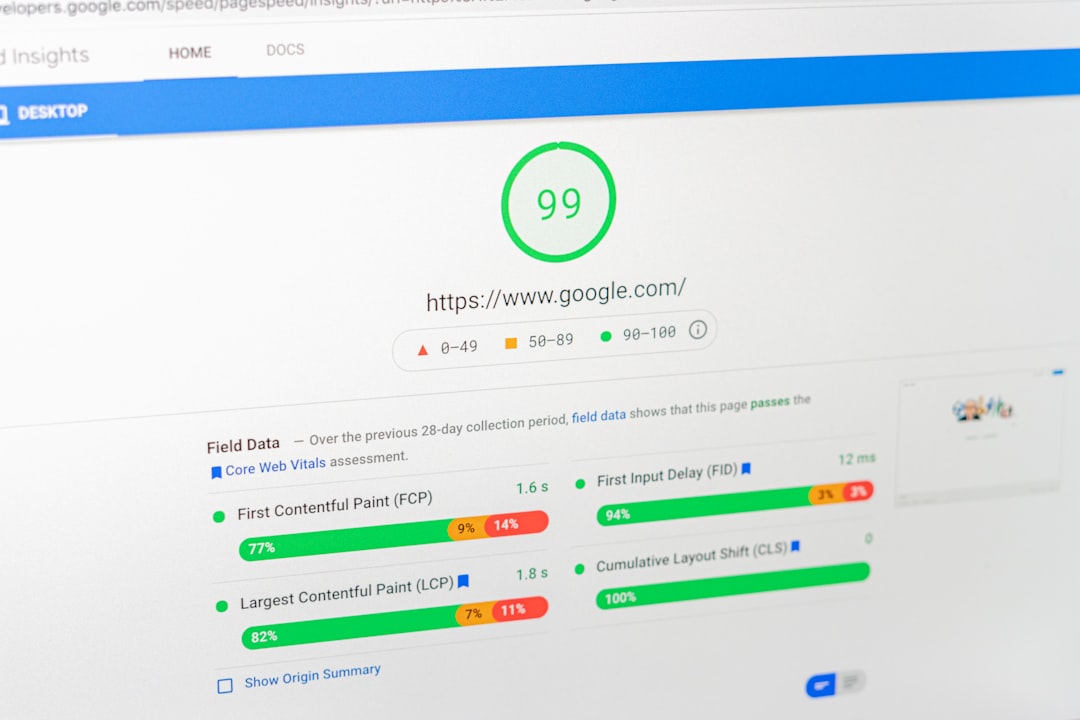
This is also where technical cleanup starts to matter. Orphan pages, duplicate archives, unnecessary tag pages, and conflicting SEO settings can dilute authority across a small local site. If performance or crawl issues are part of the problem, review our guide to improving WordPress site speed for SEO alongside your local page structure.
Step 4: Improve the on-page elements that affect local clicks
On-page SEO helps local rankings most when it clarifies relevance and improves click-through. The goal is not to repeat a city name everywhere. The goal is to make each page obviously useful for a specific service and area.
Each core page should have one clear H1, a concise title tag, useful subheadings, and copy that answers the next customer questions. Explain what you do, who you serve, where you serve, and what happens next. Add practical details such as response times, service process, neighborhoods covered, or whether work is done on-site, in-store, or remotely if those details matter to the buyer.
Weak title: SEO Services | SEO Company | Local SEO. Stronger title: Local SEO Services for Dallas Small Businesses. The second version is clearer, more specific, and easier for a searcher to understand quickly.
Step 5: Track the right local SEO signals

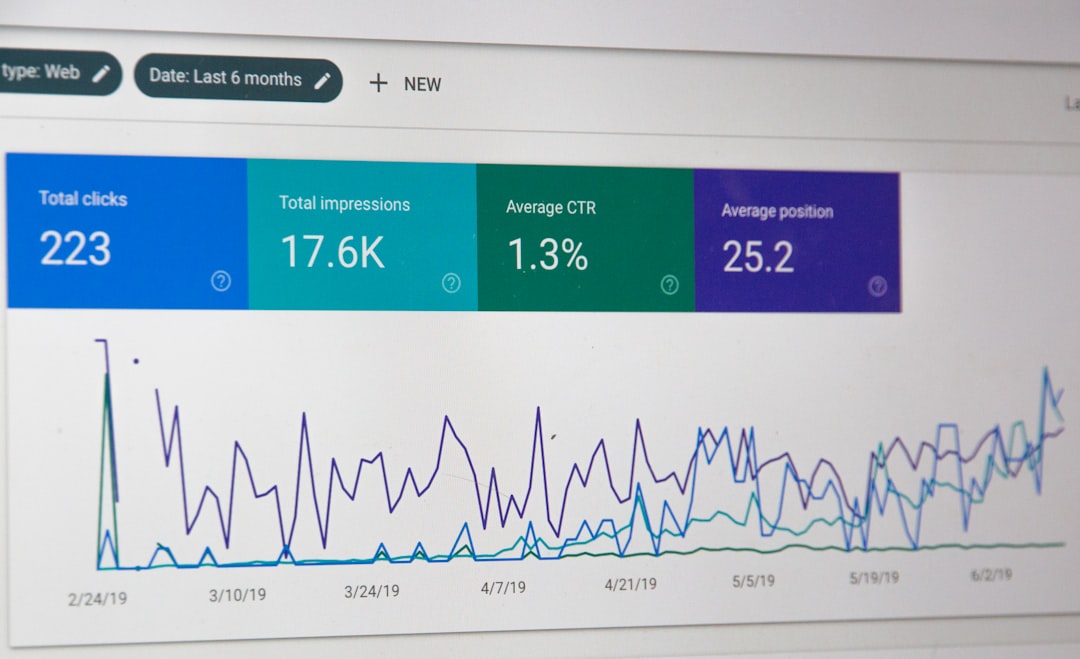
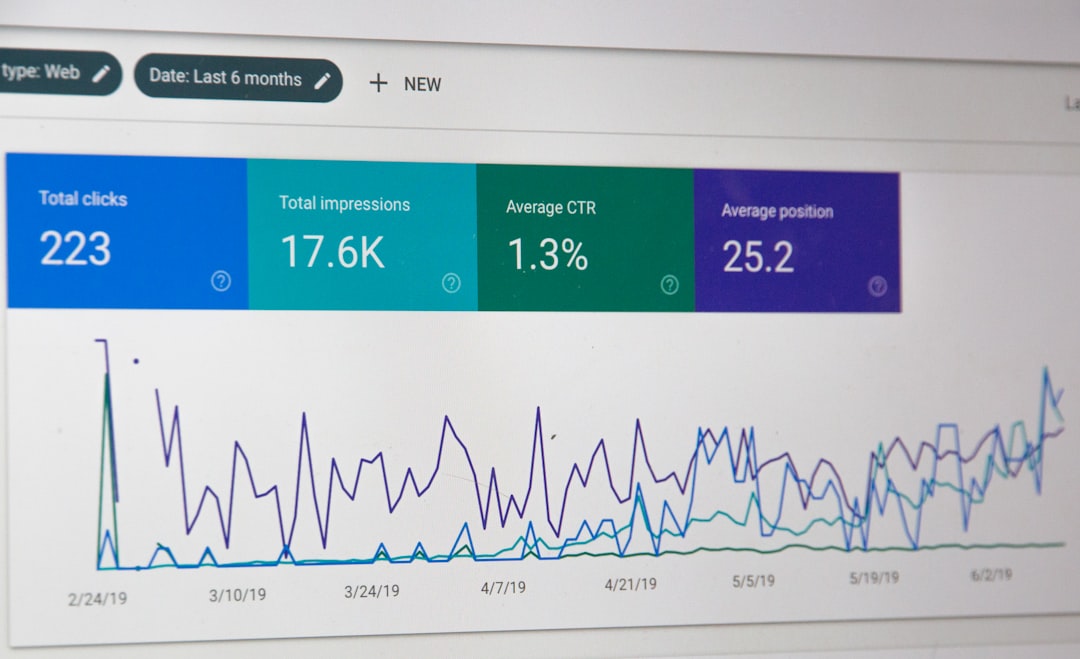
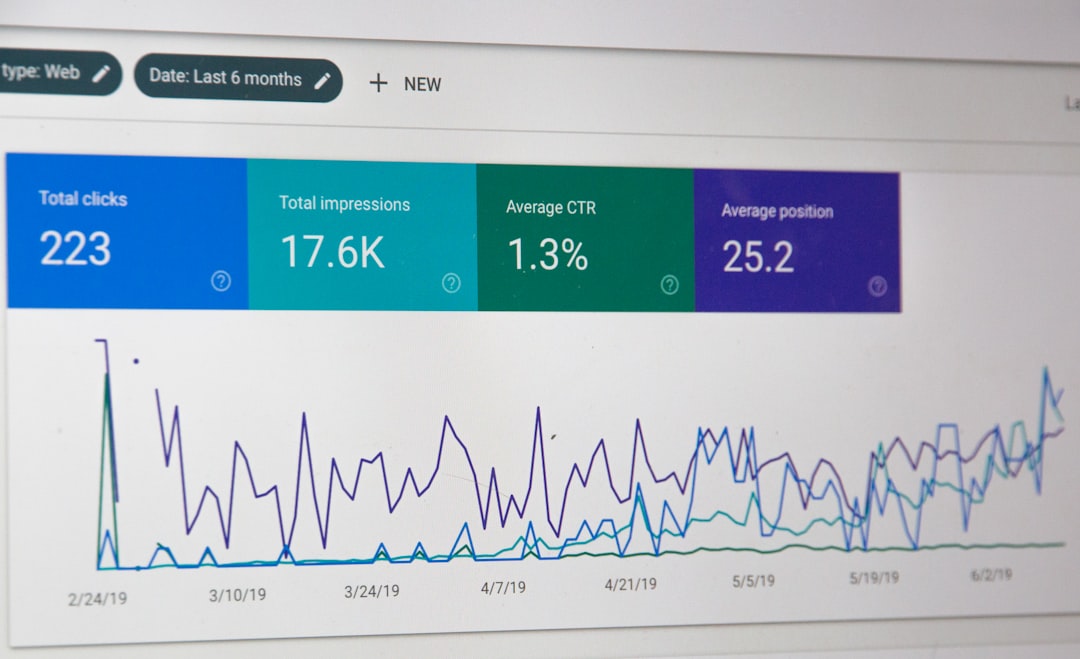
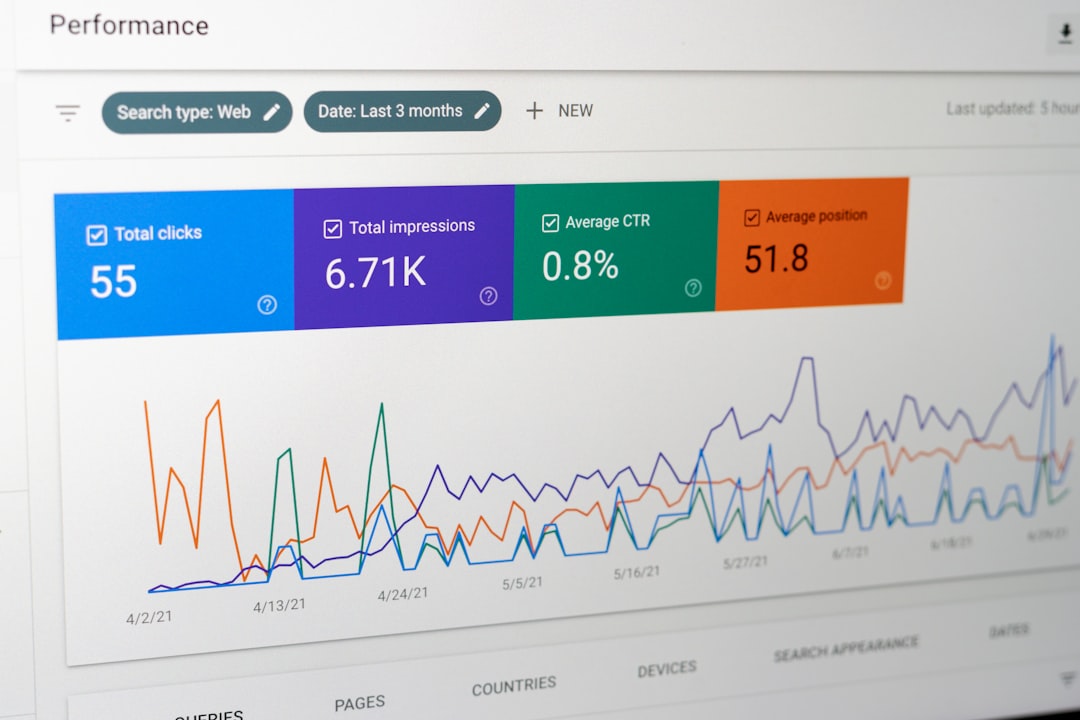
If you are not checking Google Search Console, you are missing the clearest feedback Google gives you for free. The Performance report shows clicks, impressions, average CTR, and average position, which makes it one of the best ways to spot local pages with upside.
Look for pages with rising impressions but weak clicks. That usually points to a title or intent problem. Look for pages getting impressions for the wrong towns or services. That can signal weak page targeting. Also review which service pages are barely appearing at all, because that often points to site structure or thin content rather than a need for more blog posts.
If you are experiencing these symptoms, our team at WordPress SEO Expert can help. A short diagnostic review usually reveals whether the bottleneck is content targeting, page quality, internal links, or technical setup.
A simple priority order for local businesses
Most local sites do better with a short roadmap than a long SEO document nobody follows. Fix the foundation first, then expand. That sequence keeps effort focused on pages that can actually generate calls, form fills, and local leads.
| Priority | What to fix first | Why it matters |
|---|---|---|
| 1 | Homepage, core service pages, and Google Business Profile alignment | These are the strongest local relevance signals for buyer-intent searches |
| 2 | Navigation, internal links, titles, and location-page structure | Clear architecture helps Google understand which pages matter most |
| 3 | Supporting blog content and ongoing Search Console review | Content works better after the core local pages are already strong |
Common mistakes in local WordPress SEO
Most local SEO problems are not advanced. They come from inconsistent execution, unclear targeting, and trying to scale content before the site has a solid local foundation.
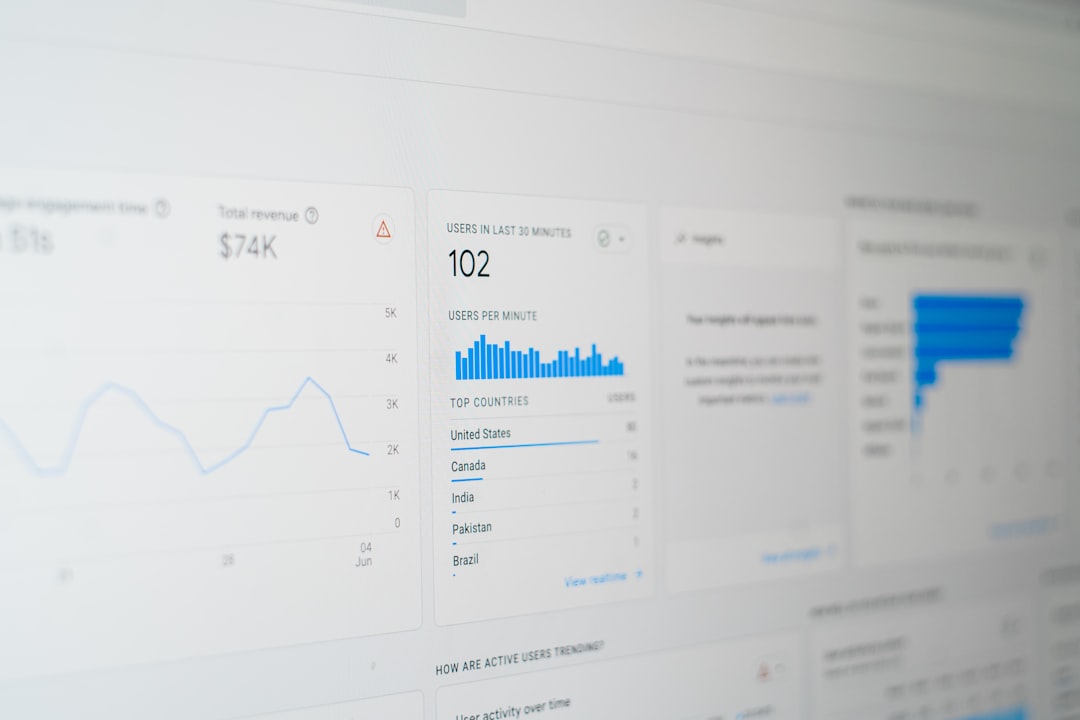
Common mistakes include creating dozens of thin city pages, copying the same service text across locations, ignoring internal links, chasing plugin scores, and writing titles that sound optimized but do not make a clear promise to the searcher. Another common issue is treating rankings as the only metric instead of looking at calls, leads, and page-level click trends.
When to get outside help
You should consider help when you know local search matters but cannot tell what is actually holding your site back. That is especially true if traffic dropped after a redesign, your location pages do not rank, or your Google Business Profile and website seem disconnected.
WordPress SEO Expert works with local businesses that need a practical plan, not a generic checklist. We help clean up page structure, improve local targeting, and fix technical issues so your site can compete more effectively in Maps and organic search.
Final takeaway
SEO for WordPress local businesses works best when the strategy is simple and prioritized. Start with the pages that drive revenue, align your local business signals, clean up your structure, and use Search Console to decide what to improve next. That is how local SEO becomes measurable instead of frustrating.
Contact WordPress SEO Expert today to schedule a consultation. If you want a second set of eyes before changing settings or rebuilding pages, we can help you find the actual bottlenecks first.